
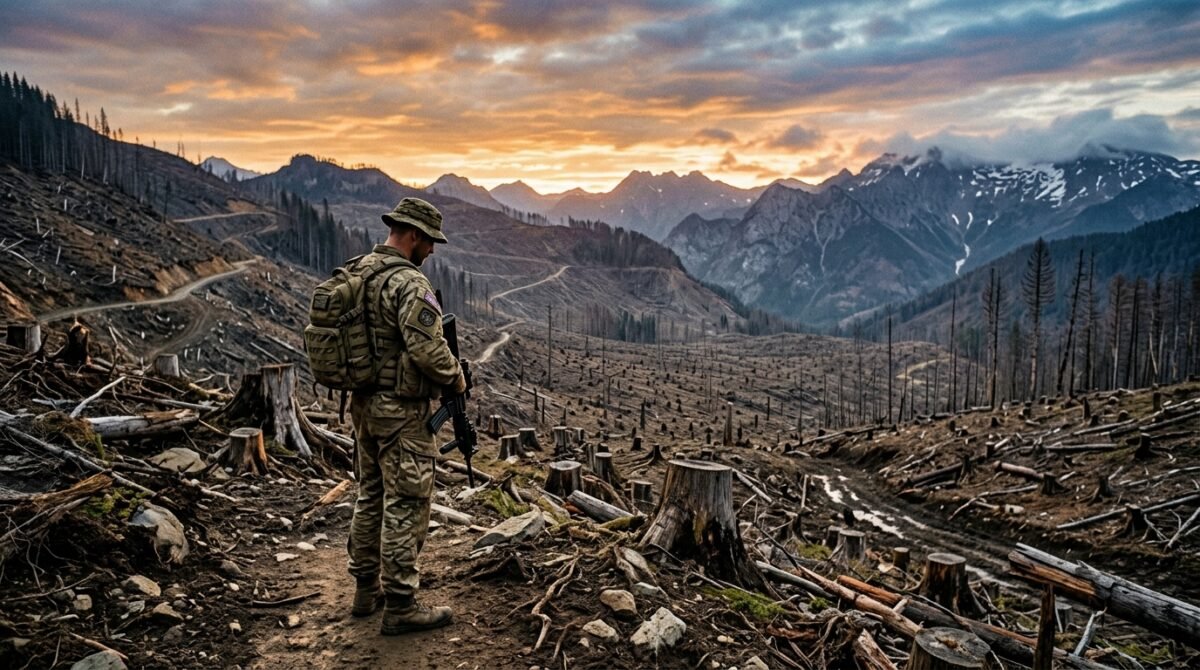
When my grandfather passed away, he left me the ‘North Ridge’ property—a dense, fifty-acre patch of ancient hemlock and pine nestled in the Appalachian foothills. It wasn’t just land; it was a sanctuary, a legacy of stewardship that had survived three generations. I held the deed in a fireproof safe, and I held the memory of my grandfather’s voice telling me to protect it like my own life. Little did I know that while I was halfway across the world, serving a deployment in a dusty, high-stakes environment, the protection of that land would become my greatest battle at home.
My stepbrother, Elias, had always been the golden child of the blended family my father built after my mother passed. He was charming, opportunistic, and had a habit of seeing ‘potential’ in things that weren’t his. While I viewed the timber on the North Ridge as a living monument, Elias saw a retirement fund. I left for my deployment in early spring, secure in the knowledge that the land was isolated, difficult to access, and legally protected by a stringent trust I had set up just months before I shipped out.
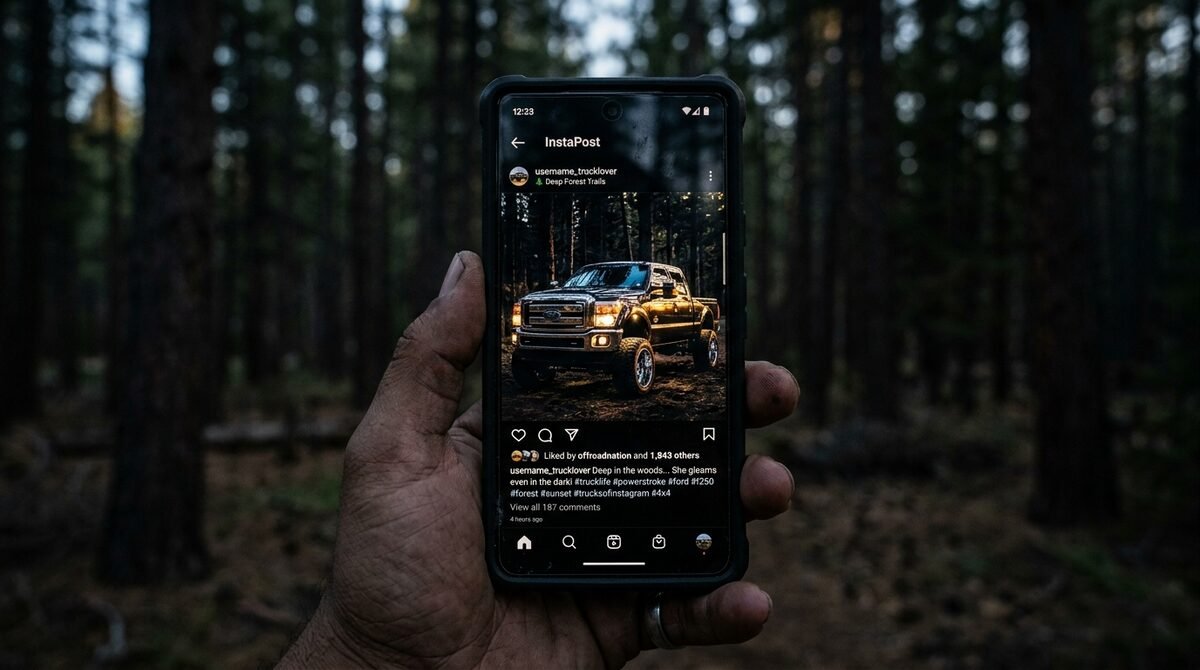
The first sign that something was wrong was a casual, almost bragging text message that arrived during a blackout period in my communications. It was a photo of a brand-new, top-of-the-line pickup truck parked against a backdrop of familiar, jagged peaks. I didn’t think much of it—maybe he’d gotten a promotion, or maybe he was just being his usual flamboyant self. It wasn’t until I returned home, dusty and exhausted, that the reality of the situation hit me like a physical blow.
I drove up the mountain path, expecting to smell the damp, rich scent of needles and earth. Instead, the air was thick with the acrid stench of sawdust and exhaust. The ridge, once thick enough to hide a man from the sun, was now a jagged, raw scar on the side of the mountain. The trees were gone. And standing in the middle of the carnage, with his smug grin and his shiny new truck, was Elias.
This is not just a story about trees; it’s a story about the audacity of entitlement and the cold, hard reality of legal consequences. It’s a story of how a family bond can be severed by greed, and how sometimes, the only way to heal a wound is to cauterize it with the law. I didn’t want to sue my own brother, but as the lawyers later told me, you don’t choose the battle; the battle chooses you.
The Mysterious New Truck in the Driveway
The realization didn’t happen all at once. It was a slow, agonizing process of piecing together the timeline of my absence. My stepbrother, Elias, had always been prone to ‘entrepreneurial’ ventures that usually ended in someone else footing the bill. When I was deployed, I gave him a key to my house—a mistake I would regret for the rest of my life—to check the pipes and bring in the mail. I trusted him to be the caretaker, not the liquidator.
The photos started appearing on his social media about three months into my deployment. A gleaming, metallic-blue heavy-duty truck parked in front of various scenic overlooks. I thought he was just being his usual, performative self. My father had often enabled this behavior, calling it ‘ambition,’ but as I sat in a tactical operations center, I felt a strange, cold pit in my stomach. The background of the photos seemed familiar, but in the blur of exhaustion, I dismissed it as paranoia.
“Hey man, nice rig! Did you finally land that sales job? How are you affording a new truck while the rest of the family is struggling?”
— My text message to Elias, July 14th
His response was quick, dismissive, and dripping with that false bravado he wore like a shield. He claimed it was a ‘business investment’ and that he was doing some ‘consulting work’ for local developers. I didn’t question it further, mostly because I had a mission to focus on. I had no idea that the ‘consulting’ was actually the systematic clear-cutting of my grandfather’s legacy.
The weeks dragged on. I was busy, but every time I saw a new photo of that truck, a little more of my trust withered. It wasn’t just the money; it was the proximity. He was using the truck to haul gear, to move equipment, and to celebrate a payday that I couldn’t yet identify. When I finally reached out to my sister, who lived in the next town over, her silence on the phone was deafening.
She told me that people in town had been talking. They said they saw logging trucks leaving the North Ridge at dawn. When I asked her why she didn’t call me, she started crying. She was terrified of Elias’s temper and the way my father would defend him. At that moment, I realized I wasn’t just fighting a brother; I was fighting an entire family dynamic that had been rotting from the inside out for years.
The Raw Scar on the Mountain
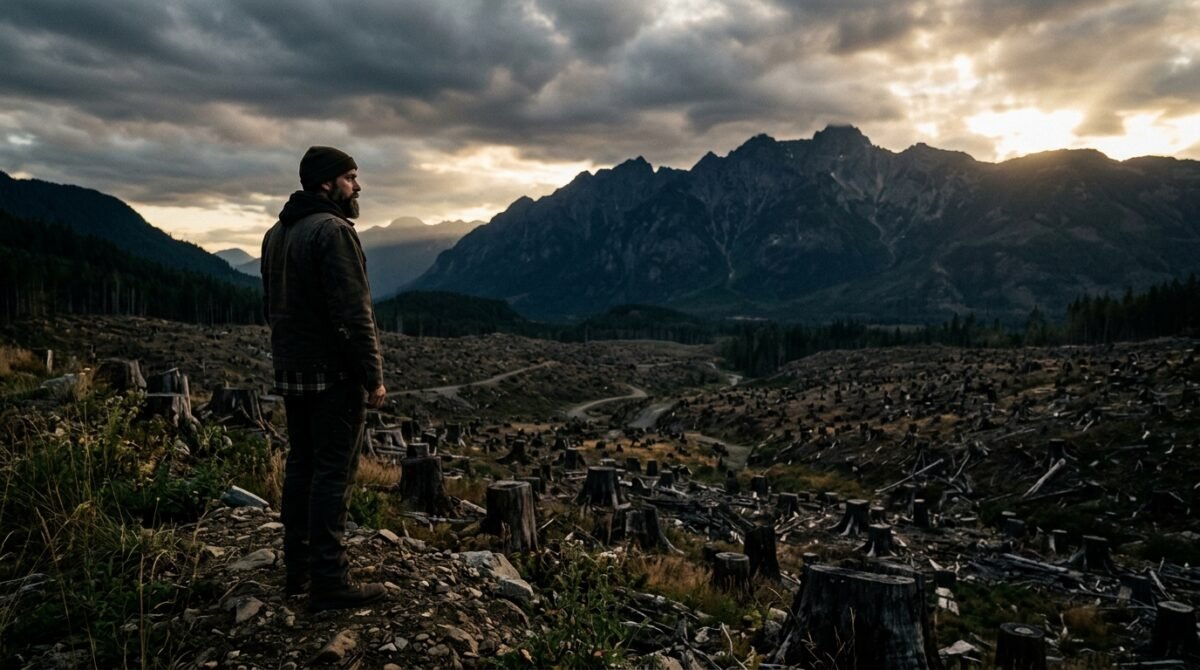
Coming home felt like a dream. I expected the peace of the woods to wash away the stress of the deployment. But as I pulled my own car onto the fire road, the landscape shifted. The canopy that usually shaded the path was gone. In its place was a wasteland of stumps and churned-up mud. It looked like a bomb had gone off—a deliberate, surgical strike against the environment.
I stopped the car and got out, my boots sinking into the soft, displaced earth. The silence was the worst part. Usually, this place was alive with birds and the rustle of leaves. Now, it was dead. I walked toward the center of the ridge, my heart hammering against my ribs. I counted the stumps. These were old-growth trees. Some of them had been there since the property was homesteaded.
“You did this. You stood here, looked at these trees, and decided they were worth more as lumber than as a part of the earth. How could you?”
— My confrontation with Elias
Elias walked up behind me, wiping his hands on a rag, looking entirely too comfortable. He didn’t even look guilty. He looked proud. He started talking about market rates for hemlock and how he had ‘negotiated a great deal’ with a local mill. He acted as if he had done me a favor, clearing out ‘overgrowth’ to make the land more ‘manageable’ for a potential sale.
I felt a rage so cold and sharp that I could barely speak. I didn’t scream. I didn’t hit him, though every fiber of my being wanted to. I just looked at him, really looked at him, and realized that this was a man who had no moral compass, only a balance sheet. He thought because he was family, he could treat my assets like a personal piggy bank.
I left the mountain then and there. I didn’t go to my father’s house for dinner. I didn’t talk to anyone. I went straight to the lawyer who handled my grandfather’s estate. I had the deed, I had the trust documents, and I had a burning, righteous anger that would serve as my primary engine for the next eighteen months of legal discovery.
The Paper Trail of Betrayal
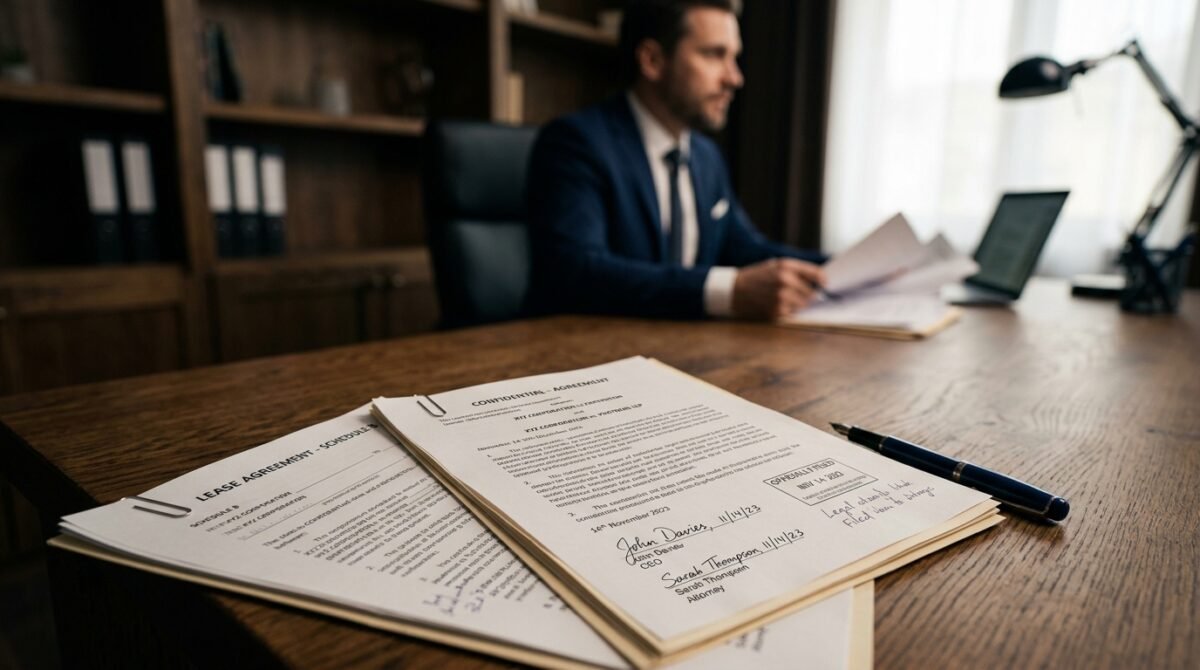
The legal process was an education in human depravity. My attorney, a sharp woman named Sarah, pulled the logs from the local county registry and the invoices from the logging company. It turned out that Elias had forged my signature on a limited power of attorney document while I was in basic training years ago, and he had been sitting on it like a ticking time bomb.
He hadn’t just sold the timber; he had sold the logging rights to a commercial firm that specialized in ‘clear-cut recovery.’ They didn’t care about the land; they wanted the wood for high-end flooring and furniture. They had paid him a fortune, and he had laundered the money through a shell company he set up with the help of a shady accountant he met at a local bar.
| Asset | Estimated Value | Elias’s Sale Price |
|---|---|---|
| Ancient Hemlock Timber | $120,000 | $45,000 |
| Logging Rights Fee | $20,000 | $5,000 |
| Total Personal Gain | $140,000 | $50,000 (plus truck) |
The discrepancy in the numbers was the final straw. He hadn’t even sold it for the market value. He had sold it for a quick buck, leaving the land decimated and worthless. The total loss to the estate was staggering. When I saw the document with his signature claiming to be my ‘agent,’ I felt physically ill. He had effectively stolen my heritage to buy a truck and a few months of luxury.
The discovery process required me to sit through depositions where Elias tried to play the ‘misunderstood brother’ card. He claimed he thought I would want the ‘extra cash’ to help with my post-deployment transition. He claimed he was protecting me from tax liabilities. His lawyer tried to paint me as an absentee owner who didn’t care about the land, someone who had abandoned his family to go play soldier.
Every time he spoke, the jury looked more disgusted. The judge, an old-fashioned man who clearly valued land rights, gave him a look that could have curdled milk. I realized then that I wasn’t just winning a legal case; I was exposing a parasite. And the exposure was starting to spread to the rest of the family, who were beginning to see the man they had sheltered for all those years.
The Family Intervention That Backfired

My father, naturally, tried to intervene. He called me every night for a week, begging me to drop the lawsuit. He used words like ‘forgiveness,’ ‘unity,’ and ‘the sanctity of the family name.’ He tried to frame my desire for justice as ‘vengefulness.’ It was a masterclass in gaslighting. He wanted me to protect his favorite son, even at the cost of my own future.
“You’re going to destroy this family over some trees? Trees grow back, son. Brotherhood is forever. Don’t be the one who tears us apart.”
— My father on a recorded phone call
I told him that the trees would take eighty years to grow back, and that my brother had already destroyed the brotherhood when he committed fraud. I told him that if he wanted to save Elias, he could pay the restitution himself. The line went dead. That was the last time we spoke as father and son.
The rest of the extended family was split. Some of my aunts and uncles were horrified by what Elias had done, while others thought I was being ‘petty’ for going after him. They didn’t understand the violation. They didn’t understand that for me, the land was a promise kept to a dead man. Every time someone told me to ‘let it go,’ I felt my resolve harden.
I started keeping a record of every interaction. Every guilt-tripping text, every threatening email, every attempt at intimidation. I handed it all over to Sarah. We were going to make sure that the truth was the only thing that mattered. No more family secrets. No more protecting the golden child. The truth was going to be public record.
The pressure was immense. I was dealing with PTSD from my deployment, the loss of my father’s support, and the stress of a high-stakes litigation. I started seeing a therapist who helped me understand that my anger wasn’t wrong. It was a healthy reaction to a severe betrayal. I was not the villain for demanding accountability.
The Courtroom Confrontation
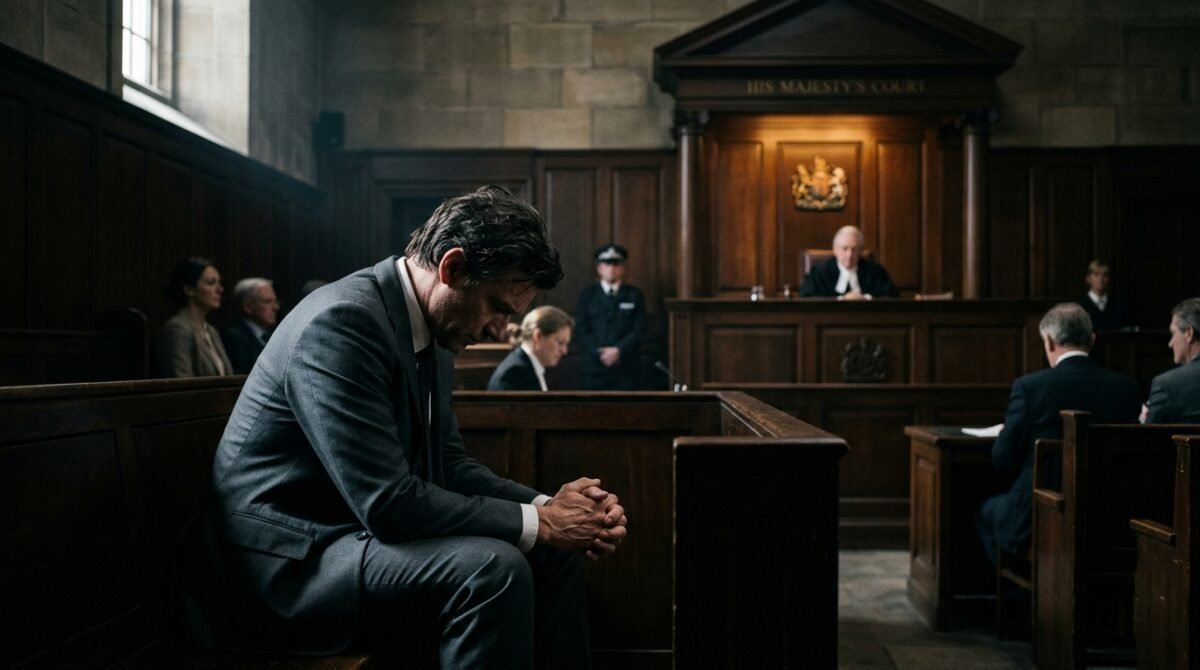
The day of the trial was surreal. I sat at the plaintiff’s table, feeling like a stranger in my own life. Across from me sat Elias, looking tired, pale, and suddenly very small without his bravado. He had lost his job, his new truck had been repossessed, and his legal fees were mounting. He looked like a man who had realized the game was finally over.
When I took the stand, the prosecutor asked me about the history of the land. I talked about my grandfather, the way he taught me to walk the ridge, the importance of conservation, and the promise I made to keep it intact. I didn’t have to act; the emotion was raw and present. The jury was leaning in, hanging on every word. I could see the anger in their eyes—not at me, but at the man who had stolen my legacy.
“I didn’t sue him because I wanted money. I sued him because he stole a part of my identity and treated it like trash. I sued him because he needed to know that actions have consequences.”
— My testimony, under oath
Elias’s cross-examination was a disaster for him. He tried to claim I had given him verbal permission, but he couldn’t produce a single witness to back it up. When Sarah pulled up the digital trail of his forged documents, the look on his face was one of pure, unadulterated fear. He realized that the ‘smart’ plan he had hatched in his kitchen was a blueprint for his own destruction.
The courtroom was silent as the jury deliberated. I stood outside in the hallway, shaking. I had risked everything on this. If I lost, I would be the guy who sued his brother and lost—the family pariah. If I won, I would have my justice, but I would also have the finality of a broken family. It was a heavy price to pay, but as I looked at the photos of the stumps, I knew it was the right one.
When the foreman read the verdict, it was unanimous. Guilty on all counts of fraud, theft, and property damage. The damages awarded were three times the value of the timber, plus legal fees. It was a total victory. As I walked out of the courthouse, I didn’t feel joy. I felt a strange, quiet peace. The weight that had been crushing my chest for the last year finally lifted.
Reddit Weighs In: The Verdict of the Internet

The story leaked to a popular subreddit, and the response was overwhelming. Thousands of people chimed in, dissecting the situation with the kind of ruthless, objective logic that only the internet can provide. I spent hours reading the comments, realizing that while my family had failed me, the community at large understood exactly why I had done what I did.
“NTA. Your brother is a textbook predator who saw an opportunity to exploit your absence. The fact that your father enabled him is just the cherry on top. You did the right thing by burning the bridge. Some bridges need to be burnt so you can’t walk back over to get hurt again.”
— u/JusticeForOP (Top Comment, 32.4k upvotes)
Others were more analytical about the financial side of the disaster. They warned me about the tax implications of the settlement and suggested ways to use the funds to restore the land. It was a breath of fresh air to have people actually listen to the facts instead of the emotional manipulation I had been hearing from my relatives for months.
“The ‘family is everything’ line is the anthem of abusers. It’s the ultimate tool to make you feel guilty for holding people accountable for their crimes. OP, you saved that land. Now, buy some saplings and start over. You’re the steward now, not him.”
— u/ForestGuardian (15.2k upvotes)
There were, of course, a few dissenting voices, mostly people who thought that suing a brother was ‘going too far.’ But they were quickly drowned out by the sheer weight of the consensus. It was a powerful reminder that while blood might be thicker than water, it doesn’t grant anyone the right to be a parasite.
Reading the comments helped me realize that I wasn’t crazy. My feelings of anger, betrayal, and determination were entirely valid. The internet, in its own chaotic, viral way, had provided the validation that my real-life family had refused to give. It made me feel less alone in my journey toward justice.
The Aftermath of the Storm
Life after the lawsuit was quiet. I moved on, focusing on my career and my own healing. I cut all contact with my father and Elias. I didn’t attend the family reunions, I didn’t send cards for birthdays, and I didn’t check their social media. I realized that my peace of mind was worth more than any pretense of familial harmony.
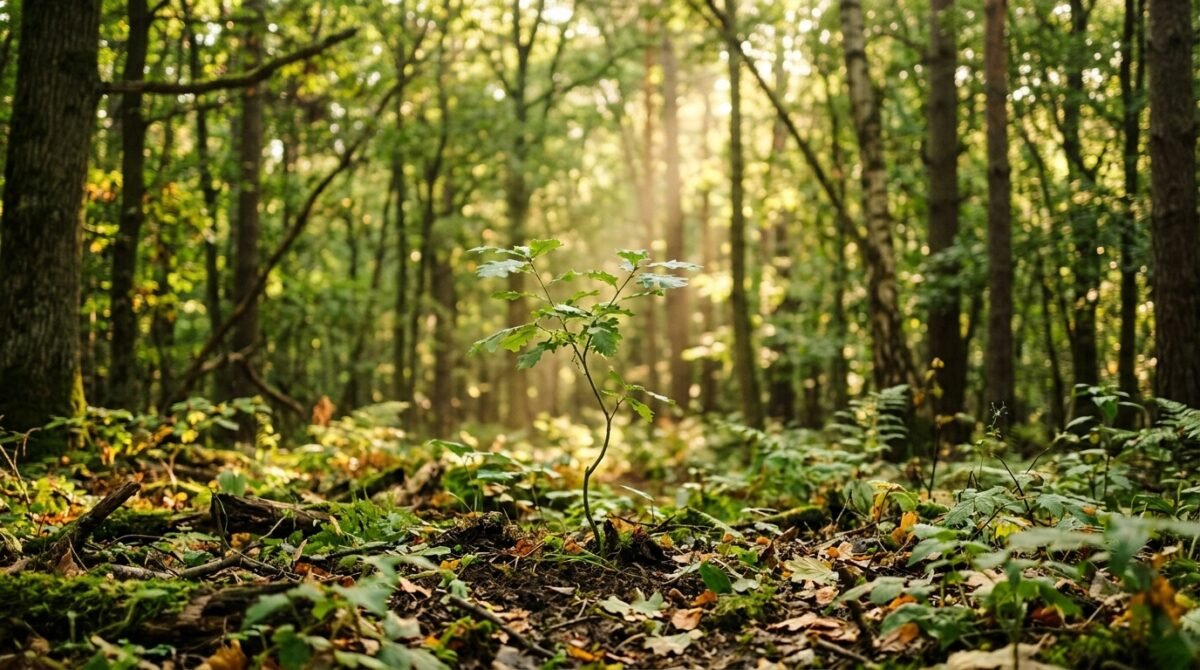
I started the restoration project on the North Ridge. It’s a long-term commitment—one that will outlive me. I spent a portion of the settlement on planting native saplings, restoring the soil, and ensuring that no one could ever sell the logging rights again. I put the land into a conservation trust that is almost impossible to break.
Sometimes I go up there and sit on a rock, looking at the young trees. They aren’t the giants that were there before, but they are growing. They are a sign of the future, not the past. I feel a sense of pride when I look at them. I protected the land, even when it cost me the people I thought I loved. And honestly? I don’t miss them at all.
I learned that justice isn’t about revenge; it’s about balance. Elias had tipped the scales with his greed, and I simply reset them. I didn’t ruin him; he ruined himself. My only role was to ensure that he faced the mirror of his own actions. And now, he has to live with that reflection every day.
I am a better man for it. I am more guarded, sure, but I am also more authentic. I don’t let people use me, and I don’t hold on to toxic relationships just because of a shared name. I have built a chosen family—friends who have seen me through this, who were there when I was at my lowest, and who celebrate my victories with me.
Rebuilding the Legacy, One Sapling at a Time
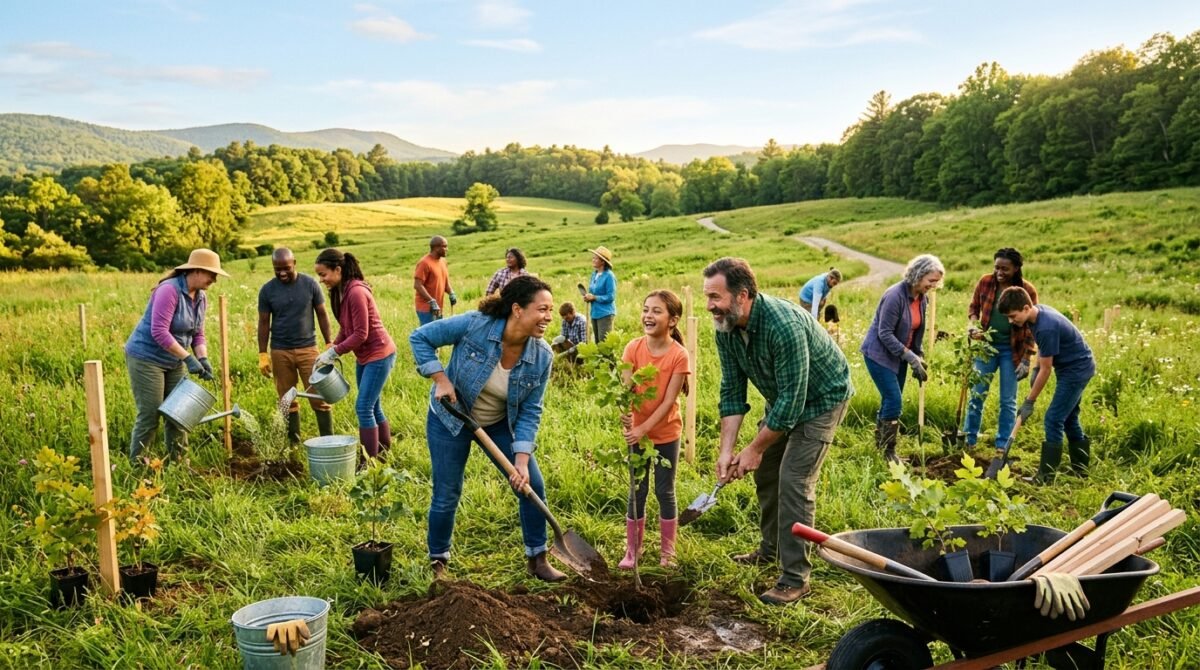
Every spring, I go back to the North Ridge with a group of friends. We spend the weekend planting trees and hiking the trails. It’s become a tradition—a way to reclaim the space from the history of betrayal. We don’t talk about Elias anymore; his name has been erased from the property records and from our conversations.
I’ve also started mentoring young veterans who are going through their own transitions. I tell them that it’s okay to have boundaries, that it’s okay to say no to people who want to exploit them, and that it’s okay to fight for what is rightfully theirs. I think that’s the real legacy of the North Ridge now: not just the trees, but the lessons of resilience and self-worth.
The settlement money was just money, but the peace of mind is priceless. I feel secure in my future, not because of what I have in the bank, but because of what I know about myself. I know I can handle the hard things. I know I can walk through the fire and come out on the other side. And that is a power that nobody can ever take away from me.
If you are reading this and you are in a similar situation—if someone is using you, betraying you, or stealing from you under the guise of family—know this: you have the right to protect yourself. You have the right to hold them accountable. And you have the right to walk away from anyone who doesn’t respect your boundaries.
The North Ridge is thriving. It’s not the same as it was, and it never will be. But it’s beautiful in its own way. It’s a testament to the fact that even when things are cut down, they can grow back stronger and more resilient than before. And that, in the end, is all I ever wanted.
The Final Lesson: Why We Must Protect Our Boundaries

I often reflect on why I stayed silent for so long. Was it fear? Was it the need to be the ‘good son’? I think it was a mix of both. We are conditioned to believe that family is an unconditional safety net, but the truth is that family is a social construct that can be just as toxic as any other environment. When we stop questioning the norms that hurt us, we become victims of our own conditioning.
The biggest lesson I learned was that silence is an enabler. By staying silent when Elias first started his ‘side hustles,’ I gave him the impression that I wouldn’t stop him. By not setting clear boundaries, I left the door open for his exploitation. It’s a harsh lesson, but a necessary one. You have to be the first line of defense for your own life.
I don’t regret the lawsuit. I regret the time I spent hoping he would change. I regret the energy I wasted trying to convince my father that I was being mistreated. I don’t regret the day I stood in that courtroom and told the truth. That was the day I truly became an adult, taking full ownership of my life and my legacy.
If there is one thing I want you to take away from this story, it is that you are the primary custodian of your own happiness. If someone is threatening that, you don’t owe them an explanation. You don’t owe them a second chance. You owe it to yourself to do whatever is necessary to keep your life, your assets, and your peace of mind intact.
Life is too short to be the victim of someone else’s greed. Walk your own path, protect your own ridge, and never let anyone make you feel guilty for defending what is yours. The trees will keep growing, the mountain will remain, and you will continue to thrive—with or without the people who tried to tear you down.
Reflecting on the Cost of Justice
Was it worth it? People ask me that all the time. Was the destruction of my family relationships worth the legal victory? My answer is always the same: what relationship? The relationship was already dead. It was a one-way street of exploitation and emotional abuse. The lawsuit didn’t kill it; the lawsuit simply confirmed that it had been dead for a long time.
I think the real cost was the time I lost—time I spent worrying, fighting, and feeling miserable. But that time was already stolen from me by Elias. By taking him to court, I actually reclaimed my time. I stopped the bleeding. I took control of the narrative. And that, to me, is the true value of justice.
I’ve learned to be suspicious of people who want ‘too much, too fast.’ I’ve learned to read the fine print. And I’ve learned to trust my gut. If something feels off, it usually is. I don’t care who it is—brother, friend, partner—if they aren’t respecting me, they don’t get to be in my life. It’s a simple, effective policy that has saved me a lot of heartache.
I am at peace with my decision. I am at peace with the fact that I am no longer part of that family. I have found my own path, and I am walking it with my head held high. I have my land, I have my integrity, and I have my future. And honestly? That’s more than enough.
Thank you for reading my story. If you’ve ever felt the sting of betrayal, I hope you find the strength to stand up for yourself. You are worth more than the things people want to take from you. Remember that, and keep fighting for your own, personal ridge.
Conclusion
My journey from a deployed soldier to a victorious litigant was not a path I chose, but it is one I am proud to have walked. The betrayal of my own flesh and blood tested me in ways I never thought possible, but it also revealed the depths of my own resilience. By choosing to hold Elias accountable, I didn’t just save a piece of land; I saved my own future from a cycle of manipulation and exploitation.
The North Ridge is now a symbol of my independence, a living proof that even after being stripped of what is most precious, we have the power to replant, restore, and grow again. My story is a reminder that justice is not a gift; it is something you must demand. It is the boundary you draw, the line you refuse to let others cross, and the strength you summon when the odds are stacked against you.
I invite you to share your own experiences in the comments below. Have you ever had to choose between your family and your integrity? How did you handle the pressure to ‘let things slide’ in the name of peace? Let’s talk about the hard decisions we make to protect our own peace of mind.
Community Poll: Do you believe that family ties should ever outweigh the need for legal justice in cases of fraud or property theft?
What's your verdict on this dilemma?
Vote below to contribute to the official community consensus.

Have a Dilemma Keeping You Up at Night?
Share your real-life feud, wedding chaos, or relationship crossroads anonymously with our editorial team.
What do you think ?
0 Comments🛡️ Comments are moderated to protect community integrity. Your comment will appear once approved by the editorial team.