
We often talk about the ‘little things’ in a relationship—who leaves the dishes in the sink, who forgets to text back, or who picks the wrong movie on a Friday night. We tell ourselves these are trivial friction points. But I have learned, in the most agonizing way imaginable, that the way a partner reacts to a genuine life-or-death crisis is not just a ‘moment.’ It is a character audit. It is the raw truth stripped of all the masks, pretenses, and social niceties that we use to keep ourselves comfortable.
My relationship with Mark seemed perfect on the surface. We had been together for two years. He was meticulous, ambitious, and obsessed with his aesthetic—specifically his new, limited-edition sports car. I was the one who worked the double shifts so we could afford the nicer apartment, and he was the one who curated the lifestyle. I thought we were a team. I thought we were building a future. I didn’t realize that in his mind, I was merely an accessory to his carefully curated reality, one that had no room for the messy, unpredictable, and expensive reality of a medical emergency.
The pain didn’t start as a dull ache; it was a sudden, violent tearing sensation in my lower right abdomen. It felt like I had been stabbed from the inside. I was curled on the floor of our living room, gasping for air, while Mark was busy detailing the dashboard of his car in the garage. This wasn’t just a stomach bug; my body was failing, and the clock was ticking. What followed was a series of choices on his part that still chill me to the bone, even months later.
When I finally crawled to him, sweating and crying, begging for a ride to the hospital, he didn’t check my pulse. He didn’t ask if I was okay. His first reaction was a look of profound annoyance, as if I were tracking mud across his pristine floors. He looked at me, then looked at his car, and made a calculation that ended our relationship right then and there. This is the story of that night, the aftermath, and why I chose my life over his comfort.
The Morning of the Immaculate Detail
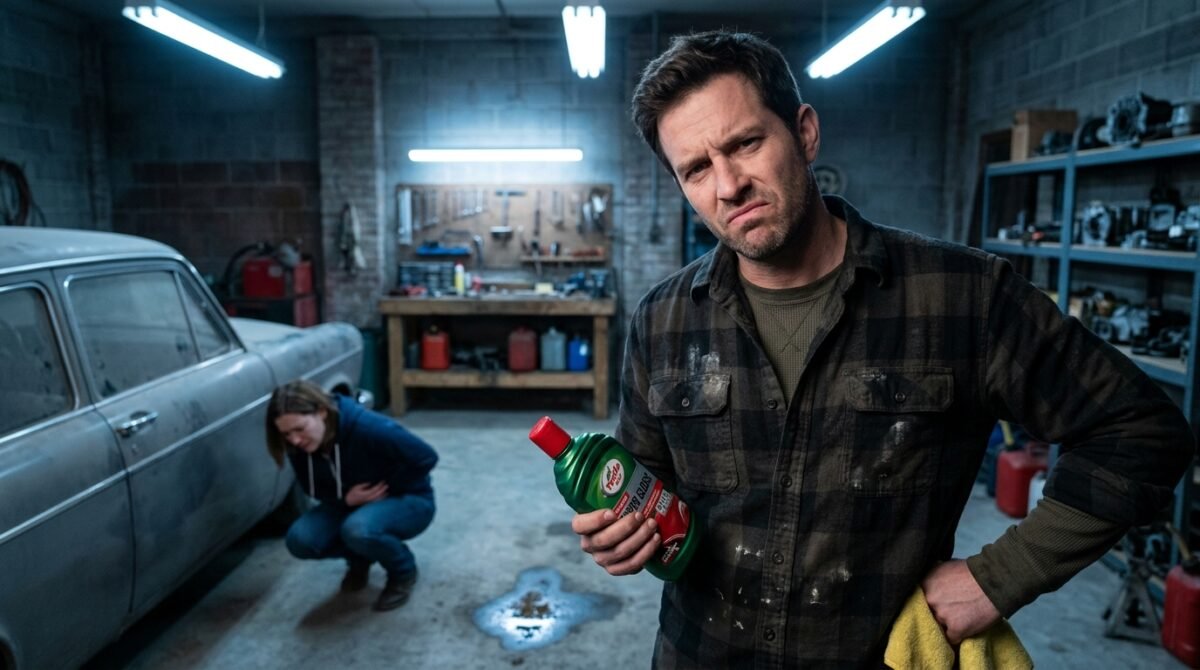
It was a Saturday morning, the kind that usually felt peaceful before our schedules turned into a chaotic blur of errands and social obligations. Mark had been talking about this professional-grade leather treatment kit for weeks. He treated that car with more tenderness than he ever showed me. I had woken up feeling slightly nauseated, but I dismissed it as something I ate at dinner the night before.
By noon, the nausea had turned into an incapacitating cramp. I was in the bedroom, trying to breathe through the waves of agony, when I heard the sound of the shop-vac in the garage. Mark was in his element, buffing the console with a microfiber cloth. I remember thinking how surreal it was that the world was still spinning while my internal organs felt like they were literally catching fire.
I managed to stand up, clutching my side, and staggered toward the door. I knew I couldn’t drive. My vision was swimming, and the sweat was running down my face in cold, greasy streams. I needed him to stop, to take me to the urgent care just three blocks away, or call an ambulance if he couldn’t deal with the ‘mess.’ I didn’t realize that the word ‘mess’ was already taking on a literal meaning in his mind.
“Mark, please. You have to stop. I can’t… I can’t stand up straight. I think something is really wrong. My side, it feels like it’s rupturing.”
He didn’t even look up from the steering wheel. He was obsessed with the creases in the stitching, obsessed with the smell of the leather conditioner. He grunted, a sound of dismissive frustration that I had become far too accustomed to over the months. He was in his zone, and my pain was just a noisy distraction from his weekend project.
I fell against the garage door frame, the wood biting into my shoulder. I told him again, this time with a sob that I couldn’t suppress. He finally turned, but the look on his face wasn’t concern. It was pure, unadulterated irritation. He was looking at my dirty workout pants, at the way I was leaning on his freshly waxed exterior, and the alarm bells should have gone off in my head then. But I was in too much pain to see the monster he was being.
The Ultimatum of the Leather Seats
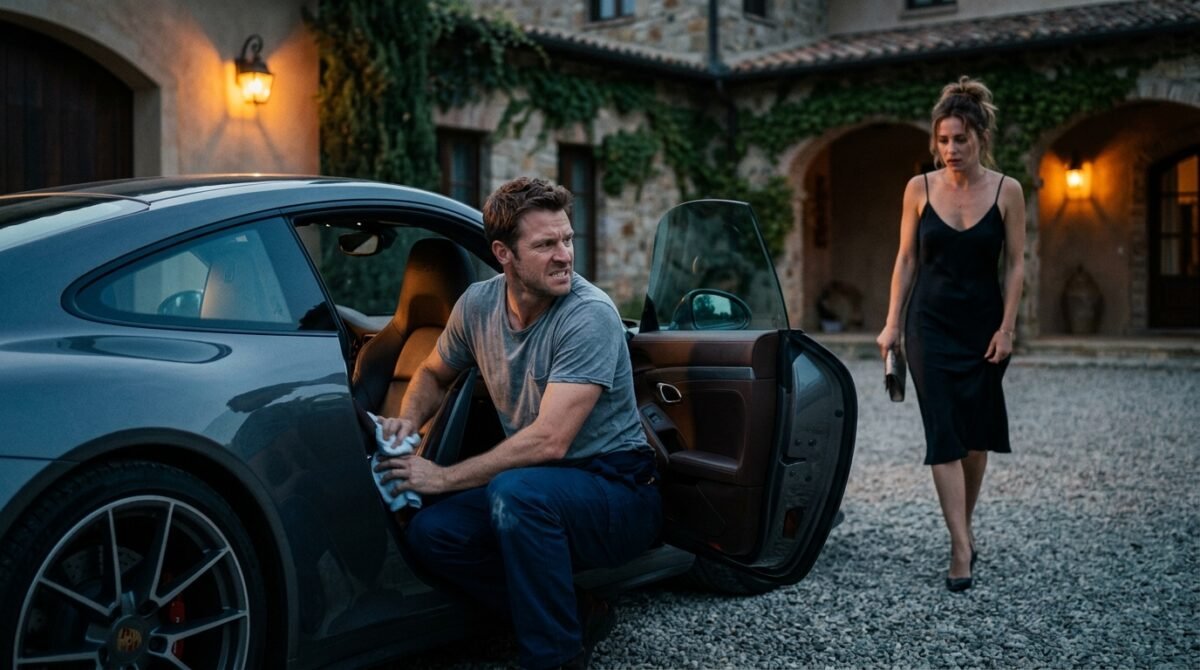
The conversation that followed is burned into my memory. It wasn’t a negotiation; it was a cold, calculated prioritization of material assets over human life. I told him I needed to go to the hospital, and he looked at the seat, then at me, and back at the seat. He asked me if I had ‘anything on my clothes’ that could stain the leather. I was in shock. I was literally dying, and he was worried about a potential spill.
I tried to explain that I was likely having an appendicitis attack, but he interrupted me to tell me to wait for an Uber. He said that an Uber would be ‘safer’ for his car, because the driver would be prepared for ‘passengers.’ I pointed out that I didn’t have time to wait for a stranger to arrive in ten minutes. I was losing consciousness. The level of apathy he displayed was sociopathic.
“You are not getting into this car wearing those sweaty clothes. Do you have any idea what the maintenance on this Italian leather costs? Get an Uber. I’ll pay for the surge pricing. Just don’t touch the upholstery.”
I looked at him, and for the first time, I didn’t see the man I loved. I saw a stranger who valued a depreciating asset more than my existence. I didn’t argue. I didn’t scream. I just felt a strange, cold clarity wash over me. The pain was still there, but the emotional anchor of our relationship had been severed. I realized that if I died in that garage, he would be more upset about the cleanup costs than my funeral.
I forced myself to walk past him, ignoring his demand to stay away from the ‘finish.’ I grabbed my keys—even though I knew I couldn’t drive—just to get them out of his reach. I didn’t take an Uber. I didn’t call him back. I called my brother, who lived twenty minutes away, and told him to meet me at the ER. Then I walked out into the driveway, leaving Mark to his precious leather.
I sat on the concrete, gasping for breath, waiting for my brother. Mark didn’t come out. He didn’t check to see if I was actually going to be okay. He went back inside and finished the other half of the backseat. That was the moment I knew. I wasn’t his partner; I was a tenant in his life, and my lease had just been terminated.
The Emergency Room Realization
By the time my brother pulled into the driveway, I was vomiting on the grass. He didn’t ask questions; he just scooped me into his SUV and drove like a maniac to the hospital. I remember the sirens, the bright lights of the ER bay, and the flurry of nurses moving in sync. It was appendicitis, just as I suspected. My appendix had begun to rupture, and I was minutes away from full-blown peritonitis.
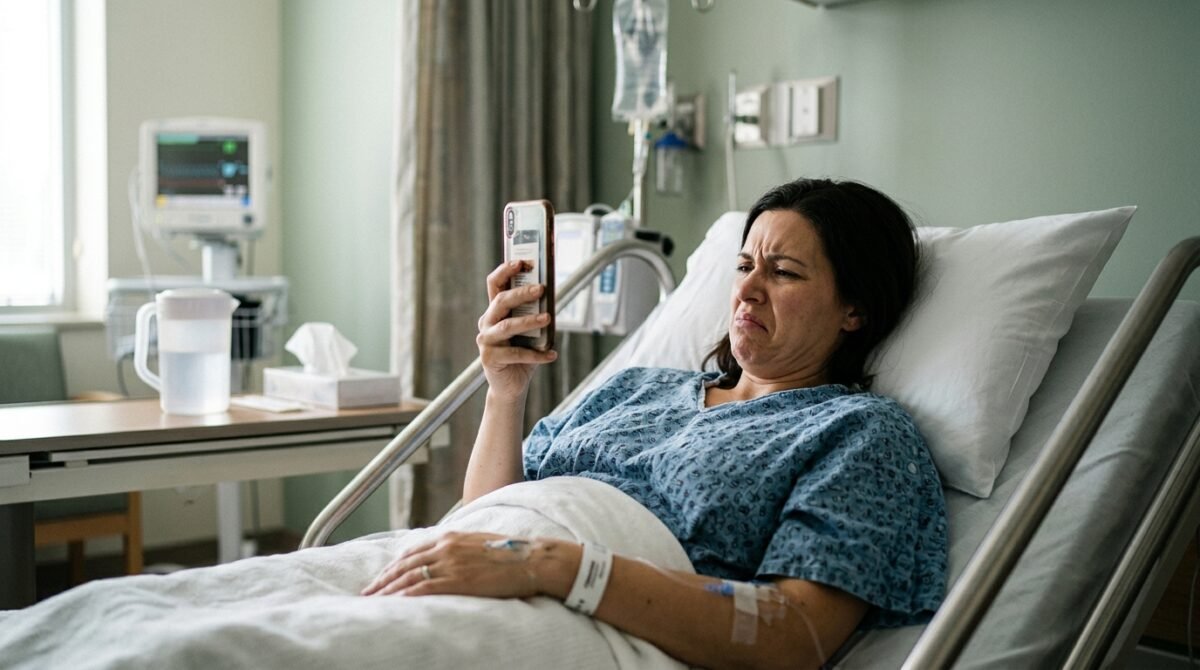
The surgery was a blur. When I woke up, groggy and sore, I looked at my phone. It had been four hours since I left. There were no missed calls from Mark. There were, however, several text messages. I opened them with a trembling hand, expecting an apology or a query about my surgery. Instead, I found a list of grievances that made my blood boil.
“You left the garage door open when you left. The humidity is going to ruin the treatment I just applied. Also, did you actually go to the hospital or were you just being dramatic? My car smells like fear and sweat now.”
— Text Message from Mark
I stared at the screen, unable to comprehend the level of entitlement. My brother was sitting by my bed, and he saw the look on my face. He took the phone from me, read the messages, and his face went pale. He didn’t even consult me; he just typed a response that I wish I could have sent myself. He told Mark exactly where I was, what the doctors said, and that he was never to contact me again.
The silence that followed was heavy. My brother told me that Mark had actually sent a follow-up text asking if I had ‘touched anything’ on my way out of the driveway. It wasn’t about the relationship anymore. It was about pure, unadulterated selfishness. I realized that if I had stayed, I would have spent the rest of my life apologizing for my own existence whenever it inconvenienced him.
The nurses were incredible, but the isolation of that hospital room was the most transformative experience of my life. I had to face the reality that I had invested two years of my life into a man who would watch me die rather than risk a stain on his leather seats. The anger started to burn, replacing the fear. I wasn’t just a victim anymore; I was a survivor, and I was done.
The Fallout and the Deleted Memories
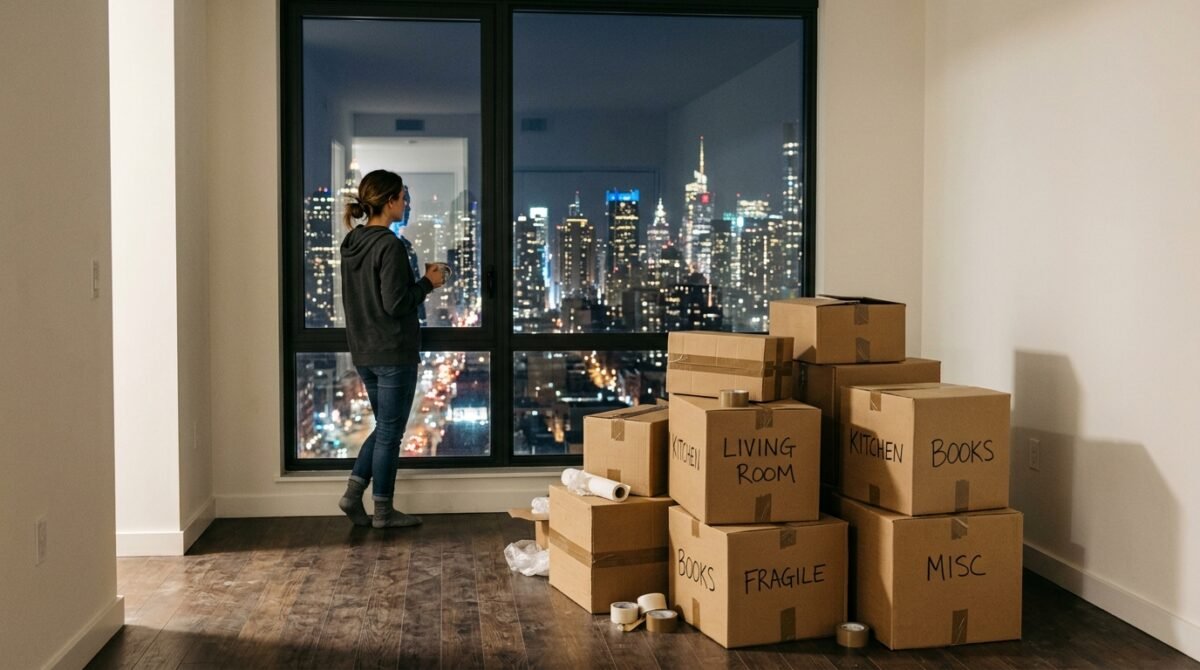
When I was discharged two days later, I didn’t go back to the apartment. I had my brother collect my things. I told him to leave everything of mine that was ‘in the way’ and just take the essentials. I wasn’t going to fight over furniture or decor. I wanted a clean break. I wanted to scrub him from my life as thoroughly as he wanted to scrub his car.
My phone became a battleground for the next few days. Mark kept calling, not to check on my health, but to complain about the ‘scene’ I had caused. He claimed that I was being ‘manipulative’ by going to the hospital with my brother instead of ‘just waiting for an Uber.’ He truly believed that his demand for me to stay out of his car was a reasonable boundary in a medical emergency.
“I just think it’s funny how you made this all about you. You could have just sat in the backseat and put a towel down. You chose to ruin my day, and now you’re avoiding me. This is such a toxic way to handle a disagreement.”
— Text Message from Mark
I realized then that he was incapable of empathy. It wasn’t just about the car. It was about a fundamental inability to see anyone else as a sentient being with needs. I blocked him on everything. I blocked his family, his friends, and anyone else who tried to reach out to tell me that ‘Mark just gets stressed easily.’ Stress is no excuse for negligence of this magnitude.
I moved into a small studio downtown. It was empty, cold, and quiet, but it was mine. I didn’t have to worry about the upholstery. I didn’t have to worry about the ‘aesthetic’ of my living space. I could leave a glass of water on the table without being lectured about rings. The freedom was intoxicating, even though the physical recovery from surgery was slow and painful.
I started attending therapy to understand how I had allowed myself to be with someone like that. The answer was sobering: I had been so eager to be ‘the cool girlfriend’ that I had suppressed all my own needs. I had prioritized his comfort for so long that I didn’t even know how to prioritize my own survival. But that ended the moment I stepped into that hospital.
The Internet Weighs In
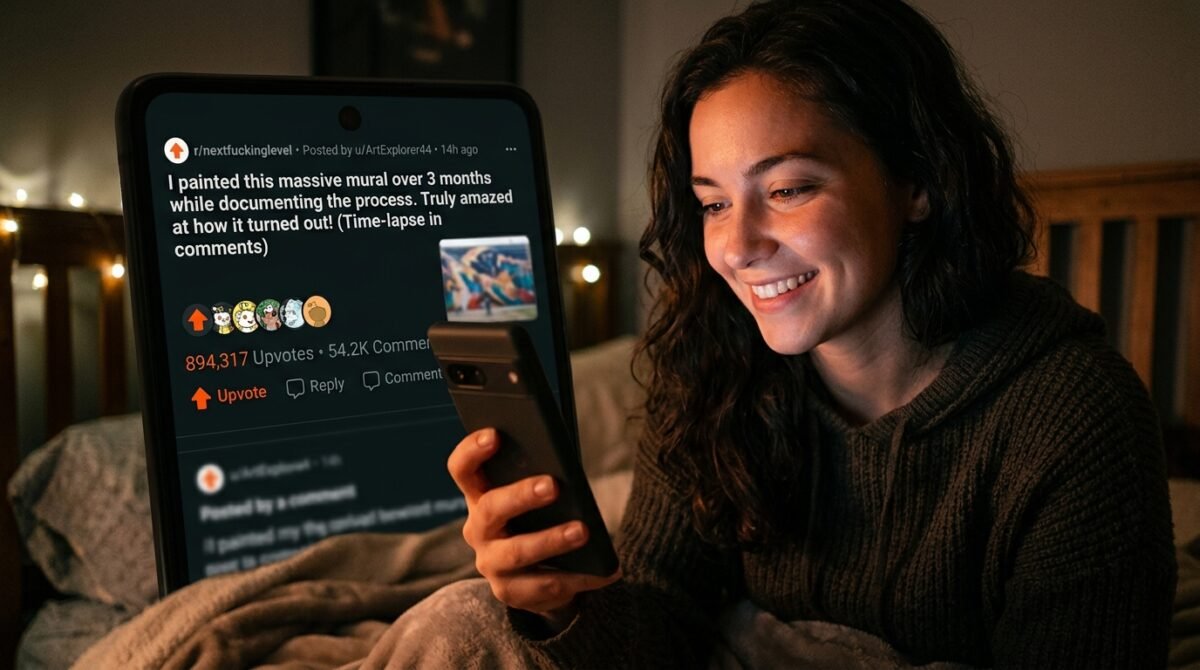
I eventually decided to share my story on a popular forum. I needed to know if I was crazy. I needed to know if my perspective was warped by the trauma of the situation. The response was overwhelming. Thousands of people reached out, validating my anger and sharing their own stories of partners who prioritized the trivial over the essential. The consensus was clear: I had dodged a bullet, or rather, a metaphorical knife.
“This isn’t just about a car. This is about a fundamental lack of humanity. If someone values leather over your life, you are not their partner. You are their property, and you are currently a defective piece of property. Get out and don’t look back.”
— u/RelationshipGuru88 (Top Comment, 32.5k upvotes)
The comments section became a support group. People shared stories about exes who cared more about their gaming PCs, their gym schedules, or their social media images than their partners’ health. It was a sobering reminder that I wasn’t alone, but it also made me realize how common this kind of behavior is. Too many of us are taught to settle for less than basic human decency.
There were some dissenting voices, of course. A few people argued that I should have ‘communicated’ better about the urgency, or that he was ‘just in shock.’ I read those comments with a detached curiosity. It’s easy to judge when you aren’t the one with a bursting appendix. But for those who have been through a real crisis, the answer was always the same: run.
The discussion shifted to the concept of ‘the partner audit.’ Many users suggested that we should all have a ‘crisis test’ in our relationships—not a real one, but a conversation about how we would handle an emergency. It sounds morbid, but after what I went through, it makes perfect sense. You shouldn’t have to wait for a medical catastrophe to find out if your partner is a human being.
Healing and the New Normal

It has been six months since the incident. The scar on my abdomen is fading, a small reminder of the day I regained my autonomy. I’ve started running again, focusing on my health in a way I never did when I was trying to keep Mark happy. I eat what I want, I leave my keys where I want, and I never, ever apologize for having a medical emergency.
I still run into his friends sometimes. They don’t mention him, but I can see the shift in their eyes when they see me. They know what happened. Word travels fast in our social circle. Some of them have distanced themselves from him, realizing that a man who doesn’t care about a dying girlfriend isn’t someone they want to be associated with. Others, I’m sure, are still enabling his narcissism.
I’ve learned to listen to my body. When I feel a cramp, a headache, or even just fatigue, I don’t ignore it. I treat it with the respect it deserves. I am no longer an accessory; I am the protagonist of my own story. And the story no longer includes a man who values Italian leather over my heartbeat.
For those who find themselves in similar relationships, my advice is simple: don’t wait for the crisis. If you feel like your needs are constantly being minimized, if you feel like you are walking on eggshells to protect your partner’s ‘stuff,’ leave. You deserve someone who will drive you to the hospital at 100 miles per hour, without even blinking, just to make sure you are safe.
The Final Echo of the Past
Occasionally, I still think about that garage. I think about the smell of that leather conditioner and the sound of the vacuum. It used to make me nauseous with rage. Now, it just feels like a memory from a different life. I have forgiven myself for staying as long as I did, because I know that I didn’t know better. We aren’t born knowing what a healthy relationship looks like; we have to learn it, often through painful experiences.
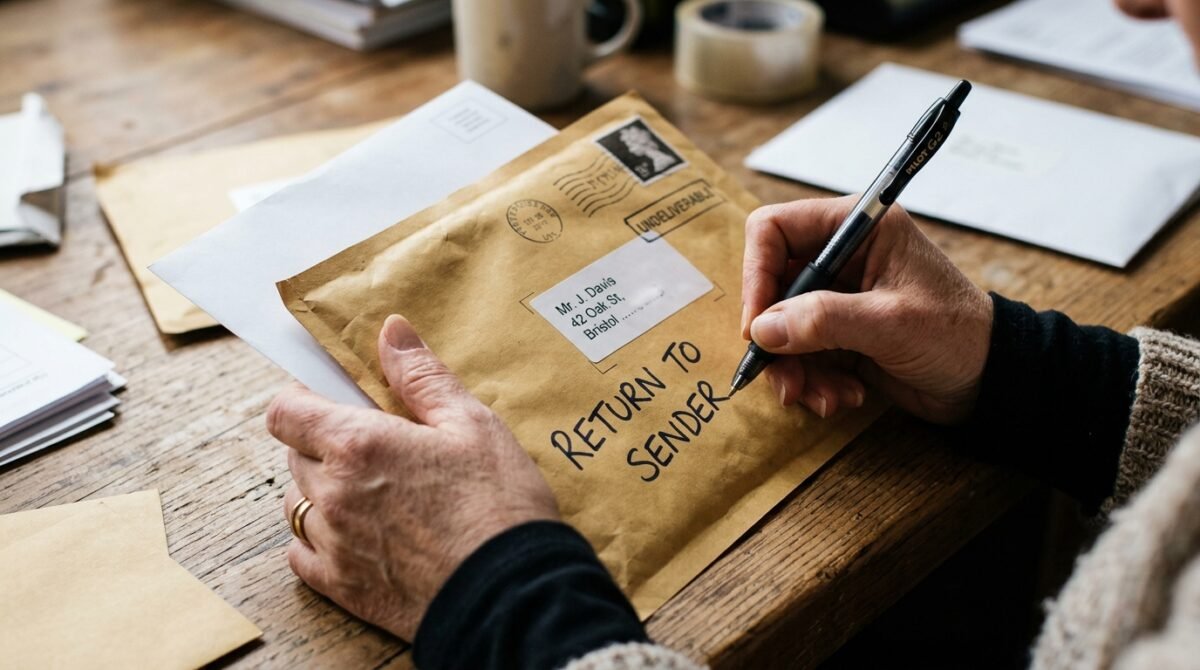
Mark tried to reach out once more, three months ago. He sent a package to my work address. I didn’t open it. I sent it back, unopened, with ‘Return to Sender’ written in big, bold letters. I didn’t need his apology, his explanation, or his closure. I had already found my own closure the moment I walked out of that garage.
“I’ve realized that you were the best thing in my life. I’m sorry about the car. I was just stressed. Can we talk?”
— Leaked Text Message from Mark
The ‘I’m sorry about the car’ part was the dead giveaway. He wasn’t apologizing for not caring about my health. He was apologizing for the ‘inconvenience’ of the situation. Even in his attempt at reconciliation, he managed to make it about his own ego. It confirmed everything I needed to know. He hadn’t changed, and he never would.
I am currently seeing someone new. We’ve been together for two months. Last week, I had a minor migraine. He didn’t ask if it would ruin his day. He asked if I needed water, if I wanted the lights dimmed, and if he should cancel his plans to stay with me. It was so simple, so basic, and yet it felt like a miracle compared to what I was used to.
Reflecting on the Red Flags

When I look back, the red flags were everywhere. They were just masked by my own desire to keep the peace. I remember him getting upset when I wore shoes that weren’t ‘clean enough’ to get into his house. I remember him criticizing the way I folded my laundry because it didn’t look like a magazine spread. I ignored these things because I thought they were just ‘quirks.’
They weren’t quirks; they were indicators of a deep-seated pathology. He needed control over his environment to feel secure, and that control included me. I was just another object in his collection. I was expected to be as polished and pristine as his car, and when I proved to be human, messy, and vulnerable, he couldn’t handle it.
We need to stop romanticizing ‘picky’ partners. There is a difference between someone who likes a clean house and someone who values objects more than human beings. If your partner gets more upset about a spill than they do about your pain, you are in danger. Your physical and emotional safety is the only thing that matters in a relationship.
I hope my story serves as a wake-up call for anyone currently feeling like they are ‘too much’ or ‘not enough’ for their partner. You are not a burden for having needs. You are not a disruption for being human. You deserve a partner who will choose you, every single time, without hesitation. And if they can’t do that, they don’t deserve you.
Lessons from the Parking Lot

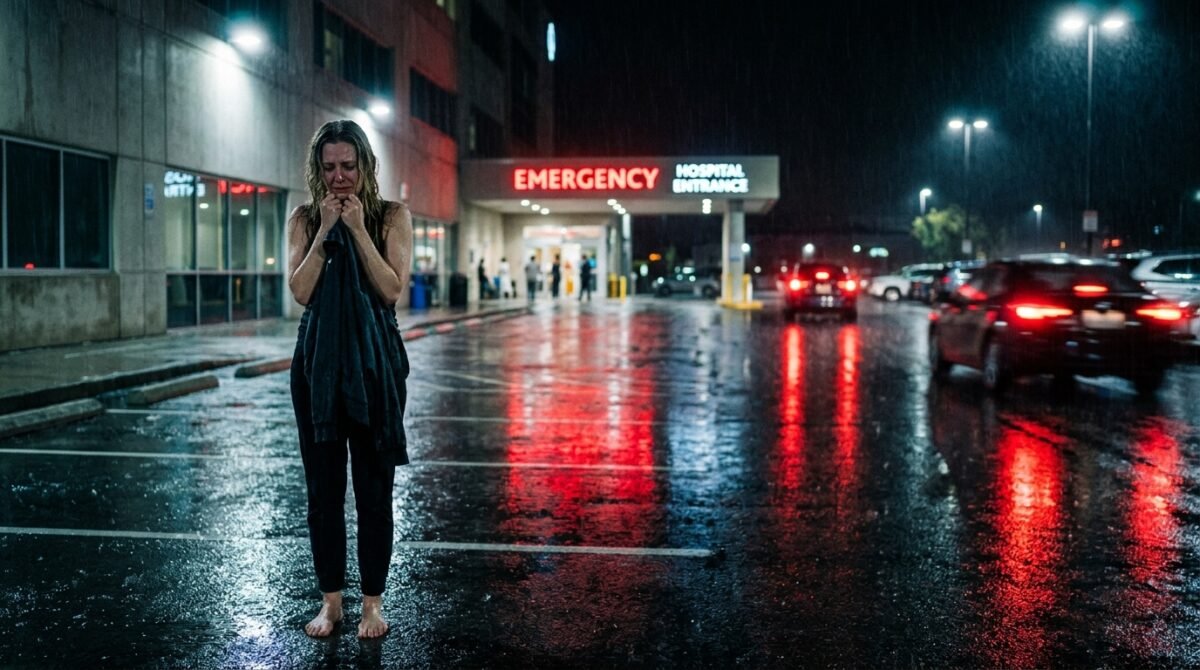
The parking lot of that hospital wasn’t just a physical location; it was the boundary line of my self-respect. Standing there, waiting for my brother while the pain radiated through my body, I made a silent vow: I would never again allow someone to treat me like a secondary concern. I would never again settle for a partnership where my survival was secondary to a material object.
It’s easy to say ‘leave’ when you are reading this from the safety of your own device. It is much harder to do when you are in the thick of it, especially when you have invested time, money, and emotions into the person. But the cost of staying is always higher than the cost of leaving. You lose your dignity, your health, and eventually, yourself.
I am grateful for the appendix incident. That sounds strange to say, but it is the truth. It forced a confrontation that was long overdue. It stripped away the last of my illusions and forced me to look at the reality of my situation. It was the best thing that ever happened to me, because it set me free.
So, here is my takeaway for all of you: Don’t wait for your own version of an emergency. Look at your relationship today. Ask yourself the hard questions. If you were in trouble, would your partner be there for you, or would they be worried about their leather seats? The answer is likely already in front of you. Trust your gut. It knows before your head does.
The Community’s Last Word
The support I received from the community has been the most unexpected part of this journey. Hundreds of people have reached out, not just to offer sympathy, but to share their own ‘breakout’ stories. We have built a small, digital support network of people who have decided that life is too short for toxic, materialistic partners.
“My ex once complained that my crying during my mother’s funeral made him look ‘unprofessional’ to his boss who was sitting nearby. It took me two years to leave that jerk. I’m so glad you got out before it went further.”
— u/Survivor123 (15.2k upvotes)
The stories are heartbreaking, but they are also empowering. They remind me that I am part of a larger movement of people who are choosing themselves. We are learning to set boundaries, to demand respect, and to walk away when those things aren’t met. It is a beautiful, necessary evolution in our social landscape.
If you are reading this and feeling the sting of recognition, know that you are not alone. You are capable of leaving. You are capable of building a life that is truly your own. Don’t wait for the universe to force your hand with a medical emergency. Take control now. You deserve nothing less than full, unconditional support.
I will always be grateful for that night in the hospital. It was the darkest moment of my life, but it led me to the brightest future I could have ever imagined. I am healthy, I am happy, and I am free. And for the first time in a long time, I am exactly where I need to be.
Conclusion
My journey from the passenger seat of that luxury car to the independence of my own life has been the most profound growth experience I have ever had. It wasn’t just about the appendicitis; it was about the realization that my value as a human being is not tied to the maintenance of someone else’s comfort. We are all worthy of a love that prioritizes our heartbeat over our utility.
I hope that my story helps someone else see the cracks in their own foundation before the roof collapses. You do not need to settle for a partner who is annoyed by your existence. You do not need to accept ‘stress’ as a valid reason for neglect. You deserve a partner who shows up, no matter what.
Discussion Poll: If you were in a medical emergency, what is the ‘litmus test’ you use to determine if a partner is truly there for you? Is it their reaction to your pain, their willingness to drop their schedule, or something else entirely? Let us know in the comments below.
What's your verdict on this dilemma?
Vote below to contribute to the official community consensus.

Have a Dilemma Keeping You Up at Night?
Share your real-life feud, wedding chaos, or relationship crossroads anonymously with our editorial team.
What do you think ?
0 Comments🛡️ Comments are moderated to protect community integrity. Your comment will appear once approved by the editorial team.