
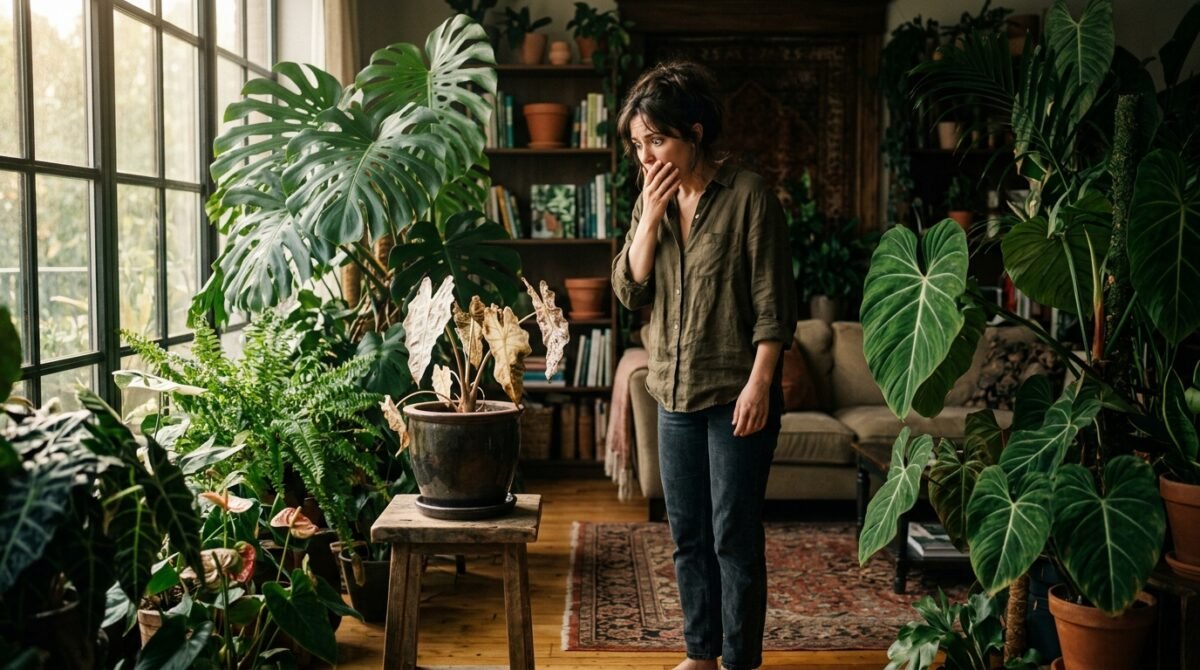
They say you never truly know someone until you live with them, but I never expected to find out that my roommate, Sarah, was a sociopath with a grudge against photosynthesis. For five years, I had curated a collection of rare Aroids—Variegated Monstera, Philodendron Spiritus Sancti, and elusive Anthurium hybrids—that were not just my hobby, but a significant portion of my financial security and my life’s passion.
My apartment was a curated sanctuary, a humid, thriving jungle that required hours of meticulous care every week. Sarah, on the other hand, was the type of person who struggled to keep a cactus alive. The tension between us had been brewing for months, centered mostly around her growing resentment toward the space my ‘clutter’ took up, despite me paying a higher portion of the rent specifically to house my collection.
I had heard the whispers behind my back. Friends told me she complained about the ‘smell of dirt’ and the ‘humidity’ in the common areas, but I dismissed them as typical roommate friction. I was wrong. I was deeply, catastrophically wrong. The moment I walked through the door after a weekend trip to a plant expo, the smell of chlorine hit me like a physical blow.
Every leaf was curled, yellowed, and dripping with a chemical stench that clung to the back of my throat. My rarest specimen, a variegated Monstera Adansonii worth nearly $4,000 on its own, was reduced to a blackened, dripping heap of sludge. She hadn’t just moved them; she had systematically executed them using a gallon jug of heavy-duty bleach.
Standing there, surrounded by the corpses of my botanical children, I felt a cold, sharp clarity wash over me. This wasn’t an accident. It was an act of calculated, spiteful destruction. I didn’t scream, and I didn’t cry. I pulled out my phone, started recording, and began the process of systematic, legal retribution. This is the story of how I sued my former roommate for every penny she had, and why I would do it again in a heartbeat.
The Slow Creep of Resentment in the Living Room
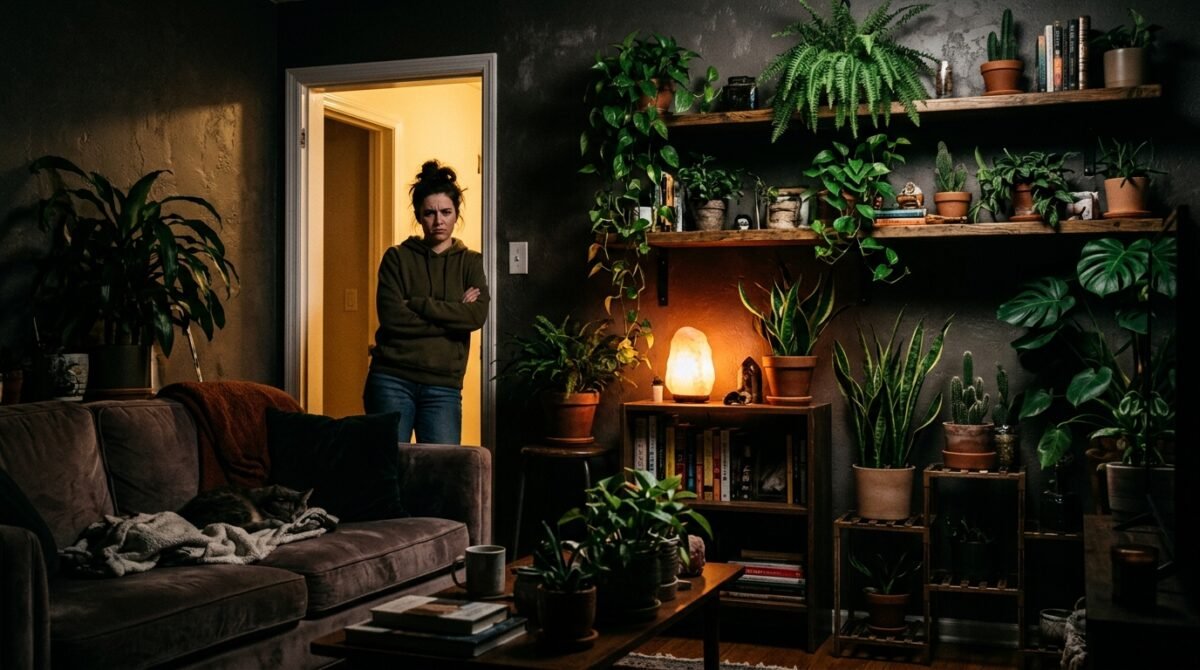
It didn’t start with bleach. It started with subtle, passive-aggressive remarks about the ‘visual noise’ in the living room. Sarah had moved in six months prior, and for the first three, everything seemed fine. She was quiet, clean, and rarely home. But as my plant collection expanded to fill the specialized shelving units I had installed with the landlord’s permission, the air in the apartment began to shift.
I remember sitting on the couch, drinking tea, when she came home from work and stood in the doorway for a full minute, just staring at the Monstera wall. The silence was heavy, thick with something I couldn’t quite identify until she finally spoke. It wasn’t a request to move things; it was a demand for ‘breathing room’ that I didn’t understand.
“You know, some people decorate with art, not with rotting vegetation. It’s starting to feel like living in a greenhouse, and I’m tired of the moldy smell every time I walk through the door.”
I tried to explain the value of the collection, the fact that these were rare specimens that required specific environments, but she wasn’t listening. She was looking at my collection as an inconvenience rather than a passion. It was a clash of values: I saw beauty and investment; she saw a chore.
I offered to buy an air purifier to appease her, which I did. I even agreed to move the smaller pots into my bedroom to clear space on the balcony, thinking it would keep the peace. But the resentment wasn’t about the plants; it was about the control. My dedication to my plants made her feel inadequate in her own living space.
I should have known that someone so deeply insecure would eventually lash out. She started leaving the window open when it was freezing outside, knowing my tropical plants would suffer from the draft. I would find leaves drooping in the morning, and every time I confronted her, she would play the victim, claiming she ‘needed fresh air’ to breathe.
The situation escalated. Small pots started ‘disappearing,’ only to reappear in the trash. I had been giving her the benefit of the doubt, assuming she was clumsy, but the frequency was becoming impossible to ignore. I began documenting everything, taking photos of the plant health and dates, keeping a log of the odd occurrences. It was a subconscious move, but one that would prove vital later on.
The Sunday Evening Incident That Broke the Peace
The weekend of the plant expo was supposed to be a highlight of my year. I had traveled three states away to acquire a specific variety of Philodendron that I had been hunting for months. I left Sarah a text message, reminding her not to touch the ventilation settings, as the humidity needed to be stabilized while I was away. She didn’t respond.
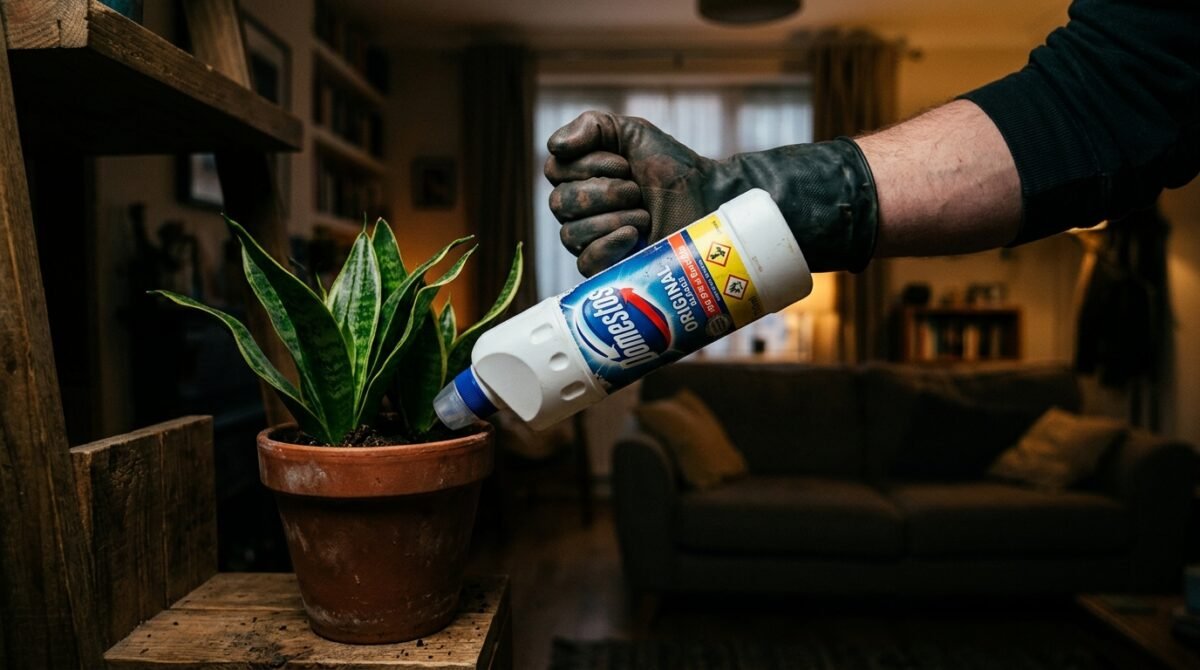
When I returned home on Sunday night, the apartment was eerily quiet. The humidity was gone, replaced by a dry, sterile air that felt wrong. As I walked toward the living room, the smell hit me. It was the sharp, unmistakable odor of household bleach, so concentrated it burned my eyes. My heart sank into my stomach as I turned the corner.
The shelves were dripping. Pools of murky, chemical-filled water sat in the saucers of my plants. My prized Philodendron, the one I had just spent a fortune on, was hanging over the edge of its pot, its vibrant green veins turned a sickly, translucent brown. It was carnage. It was a massacre of a collection I had spent years building.
I didn’t find Sarah immediately. She was in her room, listening to music, acting as if nothing had happened. I stood in the middle of the room, my bags still in my hand, feeling the weight of the loss. When I finally knocked on her door, she opened it with a smirk that vanished the second she saw the rage in my eyes.
“Oh, you’re home early. I was just doing some deep cleaning. The place was looking a bit grimy, and I figured, you know, bleach kills everything, right? Maybe now you can finally have a normal apartment.”
My blood went cold. She wasn’t sorry. She wasn’t even pretending to be confused. She was proud of the destruction. I realized then that she had planned this while I was away, specifically targeting the plants she knew I valued most. The level of malice required to methodically pour toxic chemicals into living organisms was something I couldn’t comprehend.
I pulled out my phone and started recording. I needed her to admit it, to document the motive, and the act itself. She didn’t hold back. She listed the plants she had ‘treated’ as if she were doing me a favor, calling them ‘nasty weeds’ and ‘bacteria magnets.’ It was clear she felt completely justified in her actions.
The Digital Trail of Malice
After the initial shock, I knew I had to act fast. I didn’t move any of the plants; I left them exactly as they were, knowing they were now potential evidence. I took high-resolution photos of every single pot, every bleached leaf, and the empty bleach bottle she had discarded in the kitchen trash. I was methodical, turning my grief into a cold, hard case.
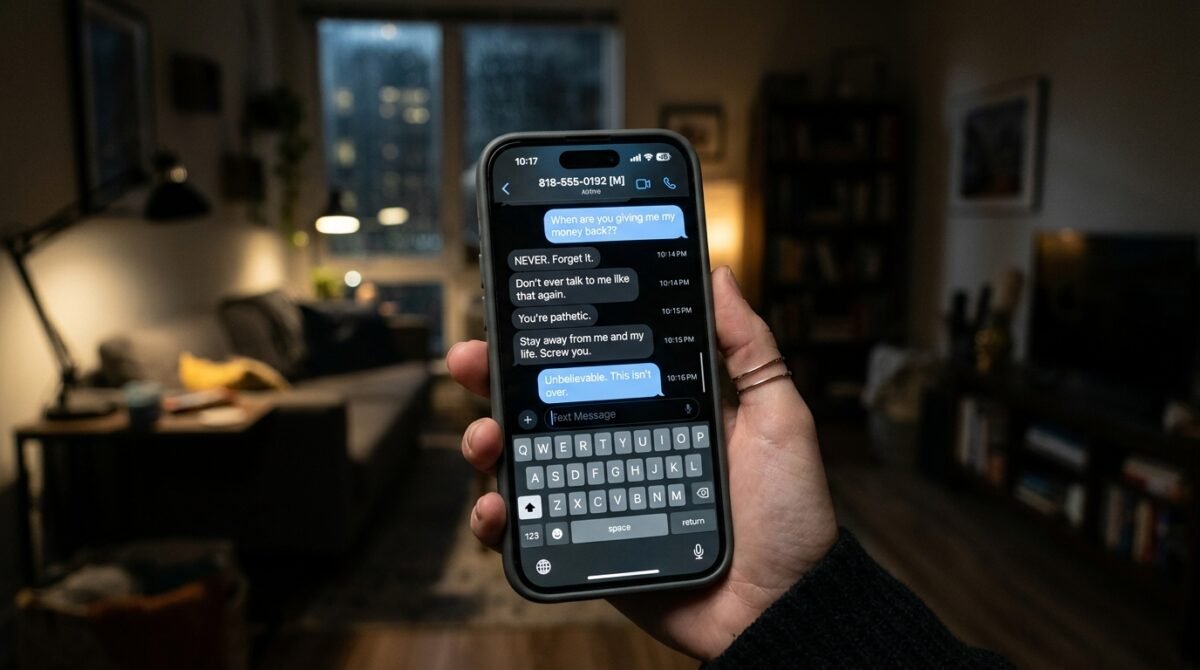
She seemed to realize I wasn’t just ‘sad’ about the plants when she saw me photographing the damage. Her demeanor changed from smug to defensive. She started sending me messages, trying to gaslight me into believing that the plants had been dying anyway, or that I had overreacted. The gaslighting was so transparent it was almost funny.
“I don’t know why you’re being so dramatic. They were already yellowing. I was trying to disinfect the area because I was worried about mold spores affecting my health. You should be thanking me for looking out for the air quality.”
— Text Message from Sarah
I didn’t engage with the gaslighting. I sent her a formal, typed letter, which I also emailed, outlining the market value of every plant that had been destroyed. I included links to reputable nursery sales for similar specimens to prove the value. I wanted her to know that this wasn’t just a personal spat; this was financial theft and destruction of property.
Her reaction was predictable. She scoffed, told me I was ‘delusional,’ and blocked my number. But by then, I already had everything I needed. I had the video footage of her admitting to the act, the photographs of the destruction, and a documented history of our roommate conflict. I wasn’t just going to move out; I was going to make sure she paid for every single leaf.
My friends were split. Some told me to just move out and cut my losses, that suing her would only prolong the misery. But they didn’t understand the years of work that went into that collection. They didn’t see the hours of research, the specific light requirements, the propagation cycles. To them, it was just plants; to me, it was a piece of my soul that she had callously wiped away.
I spent the next two weeks in a haze of legal research. I talked to a lawyer friend who specialized in small claims, and he confirmed that I had a strong case, provided I could prove the value of the plants and the intent of the damage. Intent was the key. She had destroyed property out of spite, not necessity, and that made all the difference in the eyes of the law.
The Day I Filed the Lawsuit
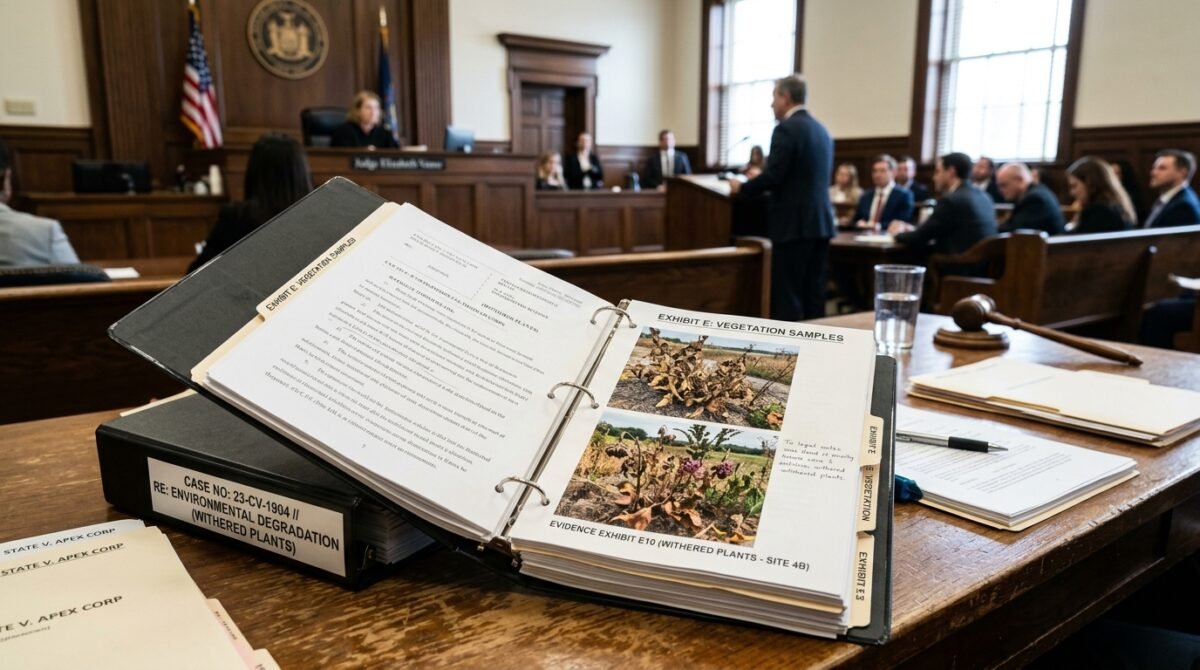
Walking into the courthouse felt surreal. I had never sued anyone before. My life was defined by my plants, by the quiet, steady growth of my garden, not by the sterile, fluorescent halls of a legal building. But as I handed over the documents, I felt a strange sense of empowerment. I was finally taking control of a situation that had been stolen from me.
Sarah didn’t take the news well when the court summons arrived. She showed up at my door, furious, demanding I drop the suit. She tried to frame it as me being an ‘obsessive plant hoarder’ and claimed the court would laugh me out of the building. She was so convinced of her own righteousness that she couldn’t see the reality of her actions.
“You’re actually going to sue me? For some weeds? You realize how crazy you look, right? Everyone is going to think you’re a total psycho for prioritizing plants over a human being.”
I just looked at her, calm and steady. I didn’t argue. I didn’t defend the plants. I simply told her that the court would decide, and that she should save her arguments for the judge. That silence was the most powerful thing I could have done. It denied her the conflict she was craving, the validation she wanted for her own bad behavior.
The preparation for the court date was grueling. I had to compile receipts, photos, and even testimonies from other plant enthusiasts who had seen the collection before it was ruined. I wanted the judge to understand that this wasn’t just a minor hobby—it was a collection of significant value. I had the market history for each plant, the provenance, and the care logs.
I felt a deep, gnawing anxiety in the nights leading up to the hearing. What if the judge didn’t understand? What if they thought I was just being petty? But then I would look at the photos of the destroyed leaves, the black sludge in the pots, and the memory of that smell, and my resolve would harden. She destroyed something beautiful on purpose, and she deserved to face the consequences.
I kept everything organized in a binder, tabbed and color-coded. When I walked into the courtroom, I felt prepared. I had a clear narrative, a mountain of evidence, and the cold, hard truth on my side. I was ready to treat this as what it was: a serious case of vandalism, regardless of the fact that the ‘property’ happened to be living things.
The Courtroom Confrontation
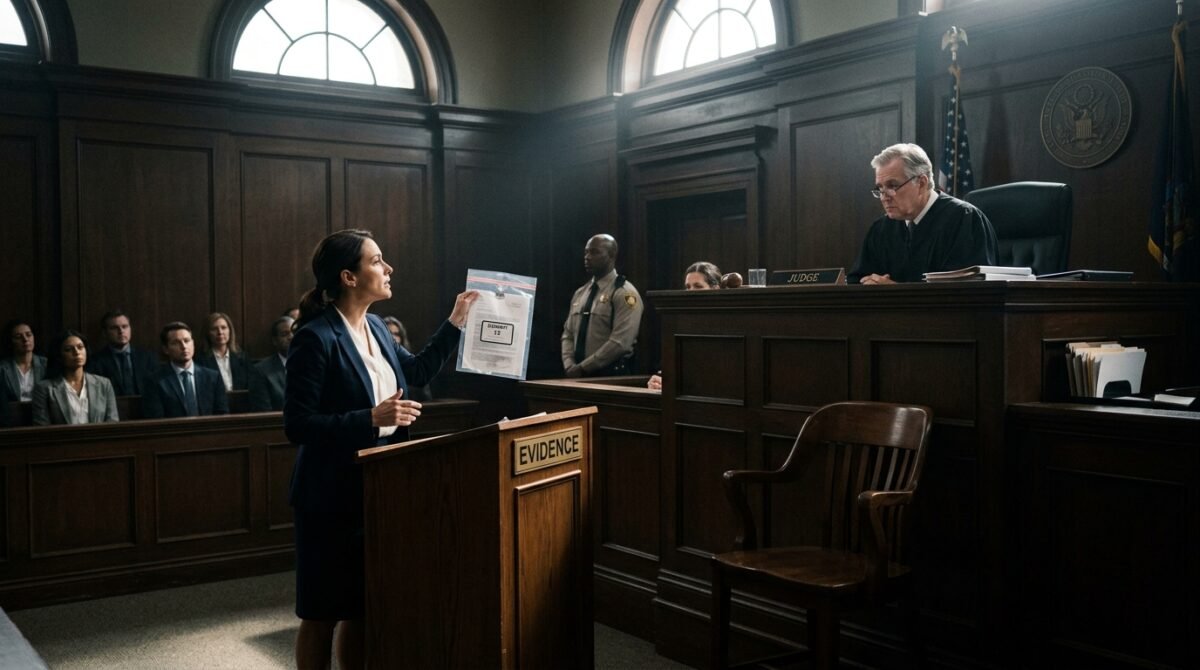
The courtroom was small, cramped, and smelled of old paper. Sarah sat on the other side of the room, looking nervous for the first time. She had a lawyer, a public defender who looked like he’d rather be anywhere else. I represented myself, having spent hours studying similar cases. When the judge finally called our case, my heart was racing.
The judge was a no-nonsense woman with a sharp gaze. She looked over the evidence, specifically the video I had taken of Sarah admitting to the act. Sarah’s face paled when the judge asked her to verify the video. She tried to backtrack, saying she hadn’t realized I was recording, but the judge cut her off.
“The question isn’t whether you knew you were being recorded, Ms. Miller. The question is whether you destroyed the plaintiff’s property. Can you confirm that you poured bleach into these pots?”
Sarah hesitated, then muttered a quiet, ‘Yes.’ The atmosphere in the room shifted instantly. The judge didn’t look impressed by Sarah’s attempts to frame the plants as ‘trash.’ She focused entirely on the fact that the property was legally owned by me, and that Sarah had destroyed it without authorization.
The judge spent time questioning me on the value of the plants. I presented my documentation, showing the prices I had paid and the current market value of rare specimens. I explained the growth rates, the rarity, and the care required to keep them alive. The judge seemed to appreciate the detail, acknowledging that these weren’t just grocery store succulents, but valuable assets.
Sarah tried to argue that I had created a ‘hostile environment’ with the plants, but the judge shut that down quickly. She stated that even if there was a dispute over the use of the common space, it didn’t give Sarah the right to destroy my personal property. That was the moment I knew I was going to win.
Watching the realization dawn on Sarah was, in a strange way, cathartic. She had spent months thinking she was the victim, thinking her annoyance justified her actions. Now, she was staring at the reality of a civil judgment, the possibility of owing me thousands of dollars, and the fact that she was the one who had acted like a child.
The Verdict and the Aftermath

The judge didn’t take long to reach a decision. She ruled in my favor, awarding me the full replacement cost of the plants plus court fees. She specifically noted the malice behind the act, which made the judgment feel like a vindication. I hadn’t just won the money; I had won the argument that my life, my passions, and my boundaries mattered.
Sarah was visibly shaken as we left the courtroom. She approached me in the hallway, her bravado completely gone. She started apologizing, saying she hadn’t meant for it to go this far, that she was just stressed with her job. But it was too little, too late. The damage was done, not just to the plants, but to any semblance of respect I could have had for her.
“I hope this was worth it. I don’t have this kind of money. You’re going to ruin my credit for a bunch of stupid leaves.”
I just looked at her and said, ‘You chose to destroy them. I just chose to hold you accountable.’ I walked away, leaving her standing there in the hallway, the weight of her choices finally settling on her shoulders. I felt lighter than I had in months.
The aftermath was a slow process of rebuilding. I didn’t immediately buy new plants. I needed time to heal, to process the betrayal, and to find a new place to live. I moved out the following week, leaving the apartment and the toxic memories behind. I started fresh in a place with plenty of light and no roommates.
The money from the judgment came through in installments, which I used to slowly reinvest in my collection. I was much more careful this time, focusing on quality over quantity and making sure my space was entirely my own. I never invited roommates to live with me again, opting for a smaller, private space that I could control.
The experience taught me a lot about boundaries. I had been so focused on being a ‘good roommate’ that I had allowed my boundaries to be trampled for months. I learned to spot the signs of resentment early, to address conflicts head-on, and to protect my peace at all costs. It was an expensive lesson, but one that changed how I moved through the world.
Reddit Weighs In: The Community Reacts
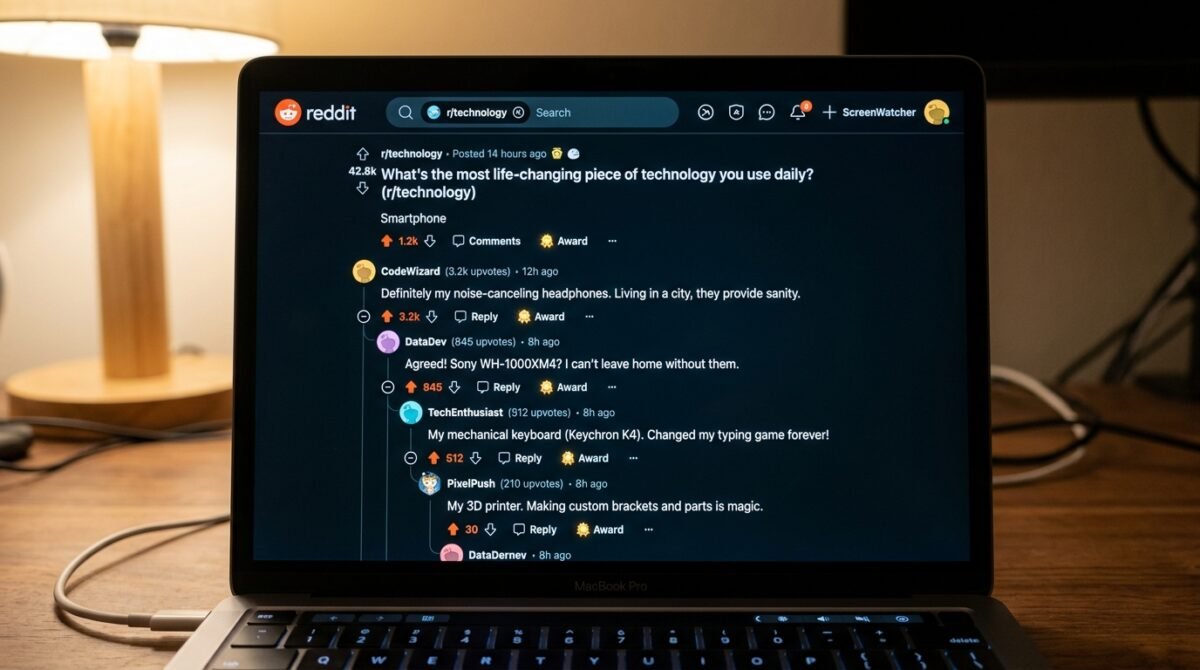
When I finally posted my story on a popular legal advice subreddit, the reaction was overwhelming. It wasn’t just a few people responding; it was thousands. Most were supportive, horrified by the level of malice, and relieved that I had taken legal action. But, as with all things on the internet, there were some who thought I was overreacting.
“NTA. This is textbook destruction of property. People who say ‘it’s just plants’ don’t understand the level of malice required to poison something living. You did the right thing by getting a judgment.”
— u/PlantParentPro (Top Comment, 32.4k upvotes)
The thread became a hub for plant enthusiasts sharing their own horror stories, which made me feel less alone. It was comforting to know that I wasn’t the only one who had dealt with someone who saw their passion as an eyesore. Many people shared tips on how to document property and how to handle disputes with roommates effectively.
“The fact that she used BLEACH is the smoking gun here. That’s not ‘accidentally letting them die.’ That is a targeted, premeditated assault on your property. You absolutely nailed her in court.”
— u/LegalEagle88 (15.2k upvotes)
Some people tried to play devil’s advocate, suggesting that I might have been an annoying roommate, but they were quickly drowned out by the sheer weight of the evidence. The community was largely in agreement: when someone crosses the line from annoying behavior to active property destruction, you don’t negotiate. You sue.
Reading the comments was a form of therapy for me. It validated my anger and confirmed that my reaction had been reasonable under the circumstances. It was a reminder that while the world can be full of petty, malicious people, there is also a community of people who value respect, boundaries, and accountability.
The most surprising reaction came from people who had been through similar situations and hadn’t taken action. They reached out to thank me for sharing my story, saying it gave them the courage to finally stand up for themselves in their own disputes. That, for me, was the most meaningful part of the entire ordeal.
Rebuilding the Jungle: My Life Today
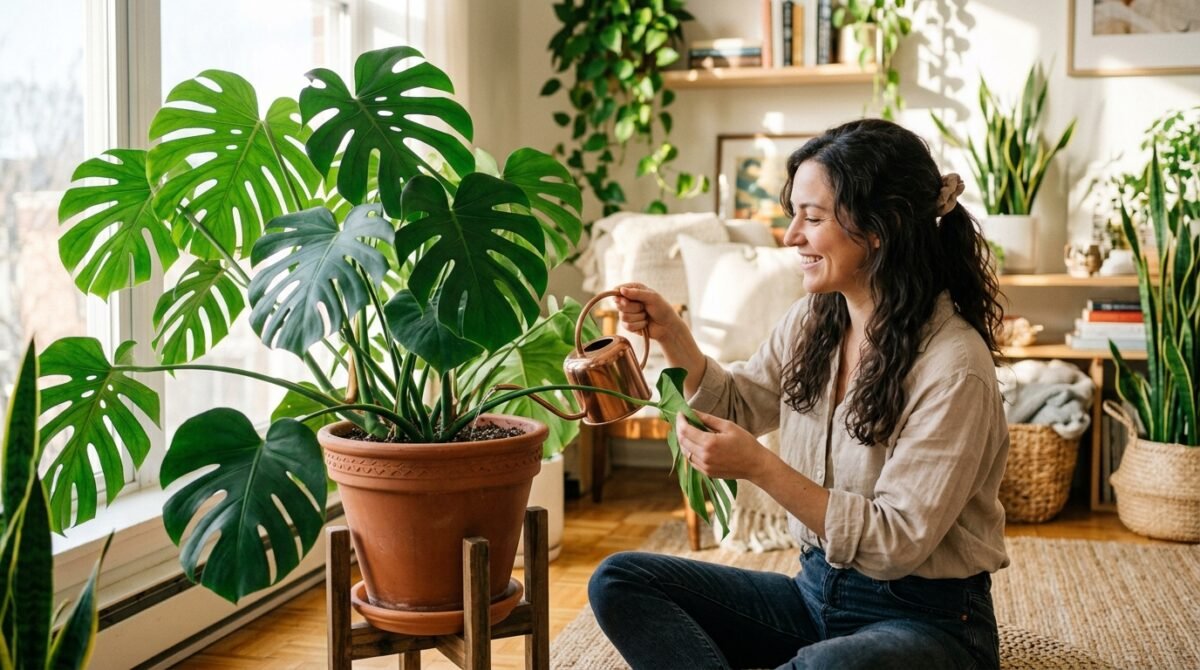
Today, my home is once again a thriving, lush sanctuary. The plants are healthy, the light is perfect, and the air smells like fresh, damp earth—my favorite scent in the world. I’ve started a new collection, one that is even more curated than the last. I treat each plant with a renewed sense of appreciation, knowing exactly how fragile they are.
I’ve moved into a place that is entirely mine. No roommates, no common areas, no shared responsibilities. It’s a small, quiet space that I’ve turned into a sanctuary. It’s my happy place, my refuge from the world, and I take great pride in maintaining it. I’ve learned that sometimes, the best roommate you can have is yourself.
I still think about that day sometimes, the smell of the bleach, the sight of the ruined leaves. But the anger has faded, replaced by a quiet, steady resolve. I’m no longer the person who lets things slide to keep the peace. I’m the person who protects what matters, who stands up for their values, and who knows that boundaries are not just suggestions—they are non-negotiable.
I’ve shared my story with others, and the response has been overwhelmingly positive. It’s helped me let go of the last remnants of resentment. I don’t harbor ill will toward Sarah anymore. She’s a part of my past, a cautionary tale that taught me a valuable lesson. I’ve moved on, and I’m better for it.
My plants continue to grow, each leaf a testament to resilience and renewal. I’ve learned that even after the worst of storms, life finds a way to thrive again. And that is the most important lesson of all. I am stronger, smarter, and more grounded than I ever was before, and my jungle is proof of that.
Conclusion
This experience was the hardest of my life, but it was also the most transformative. I learned that standing up for yourself isn’t just about the result; it’s about the act of reclaiming your power. When you allow your boundaries to be disrespected, you teach others how to treat you. By drawing a hard line in the sand—and in the courtroom—I sent a message that I would not be a victim of spiteful, petty cruelty.
If you find yourself in a situation where someone is testing your limits, don’t wait until they destroy what you love to take action. Document everything, set clear boundaries, and be prepared to enforce them. You don’t owe anyone your peace, and you certainly don’t owe them your silence when they cross the line.
I’d love to hear your thoughts. Have you ever had a roommate situation spiral out of control? How did you handle it? Let’s talk about it in the comments below.
POLL: Would you have pursued legal action, or would you have just moved out to avoid the drama?
- I would have sued, absolutely. Justice matters.
- I would have moved out to save my mental health.
- It depends on the value of the items.
What's your verdict on this dilemma?
Vote below to contribute to the official community consensus.

Have a Dilemma Keeping You Up at Night?
Share your real-life feud, wedding chaos, or relationship crossroads anonymously with our editorial team.
What do you think ?
0 Comments🛡️ Comments are moderated to protect community integrity. Your comment will appear once approved by the editorial team.