
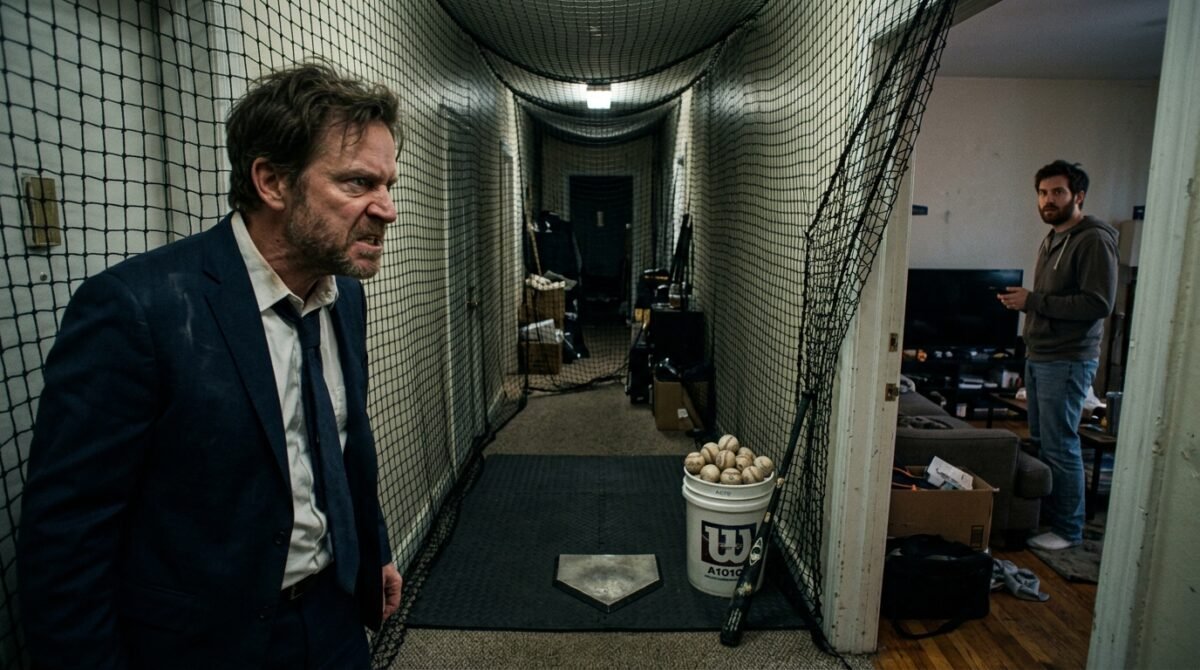
We have all heard the horror stories about nightmare roommates—the dishes left to rot in the sink, the unauthorized guests who treat your home like a hostel, or the passive-aggressive notes left on the refrigerator door. I thought I was living with a relatively normal, if slightly eccentric, freelance graphic designer. For eighteen months, Mark had been reliable enough with the rent and reasonably tidy, if you ignored the occasional stack of sketches cluttering the dining table.
But the true test of a living arrangement isn’t in the day-to-day; it’s in the absence. When I accepted a two-week intensive training program in Chicago, I assumed my home would remain a sanctuary. I provided Mark with my itinerary, left the apartment in pristine condition, and looked forward to returning to my quiet, third-floor walk-up. I never expected that my absence would be treated as an open invitation to launch a bizarre, high-intensity entrepreneurial venture.
When I stepped off the plane at 11:00 PM on a Tuesday, I was exhausted. My phone had been buzzing with notifications, but I had ignored them, assuming they were just junk mail. I walked into the building, climbed the three flights of stairs, and unlocked my door, ready to collapse into my bed. What I walked into was not a home; it was a scene of utter, absurdist madness that would defy belief if I didn’t have the photos to prove it.
The air smelled of stale sweat and rubber. The hallway—the actual, shared hallway of our apartment—had been transformed. Heavy-duty black netting was zip-tied to the door frames, stretching from the kitchen entrance to the bedroom door. A professional-grade turf mat covered the hardwood floor. And in the living room, four strangers were sitting on my couch, scrolling through their phones while waiting for their ‘turn’ in the cage.
The moral dilemma here wasn’t just about the audacity; it was about the fundamental violation of safety, privacy, and sanity. I didn’t just lose my space; I lost my sense of security. The next 48 hours would become a masterclass in swift, clinical detachment and legal maneuvering, culminating in an eviction that left my roommate—and his bizarre clientele—utterly stunned.
The Sound of Thwack and the Sight of Turf

As I stood there in the doorway, my suitcase still in my hand, I watched in slow motion as a grown man in a varsity jacket swung a wooden baseball bat with enough force to put a hole in my drywall. The sound—a sharp, violent ‘thwack’—echoed through what used to be a peaceful home. The batting cage netting was vibrating with the impact of the ball, which bounced back into a bin filled with dozens of scuffed leather baseballs.
The man in the varsity jacket noticed me. He didn’t look embarrassed; he looked annoyed. He turned toward the living room, where Mark was sitting at our kitchen island, looking at a spreadsheet on his laptop. Mark looked up, and for a split second, I saw his eyes widen. He didn’t apologize. He didn’t look horrified. He looked like he’d been interrupted during a busy shift at a restaurant.
I dropped my suitcase. The noise of it hitting the floor was the only sound in the room for a full ten seconds. I walked straight over to the net, grabbed a pair of scissors from the kitchen drawer, and began slicing through the zip ties. The structure began to sag immediately, the tension releasing with a sound like a dying accordion.
“What the hell do you think you are doing? You are ruining the rig! This is a professional-grade setup, and I have five more guys booked for tonight!”
— Mark, in a tone of genuine disbelief.
I didn’t answer him. I just kept cutting. I was fueled by a cold, sharp rage that bypassed my usual desire to be the ‘nice guy.’ I didn’t want to talk about the rent, or the utility bill, or the lack of communication. I wanted the equipment gone, and I wanted the strangers out of my house before the clock struck midnight. The audacity was so profound that it silenced any possibility of a reasonable conversation.
The ‘customer’ finally stood up, grabbed his bat, and started grumbling about a refund. Mark stood up as well, his face turning an indignant shade of red. He seemed genuinely convinced that he was the victim here—that my return home was an unexpected, rude intrusion into his new business model. It was the moment I realized that we were operating on two entirely different planes of reality.
The Spreadsheet of Ridiculousness

Once the last stranger had shuffled out of the apartment, muttering about their lost time, the silence was deafening. Mark stood in the center of the living room, gesturing at the pile of netting and turf on the floor. He started explaining his ‘vision’ as if I were a potential investor rather than the landlord-tenant equivalent of a victim. He had a spreadsheet open on his laptop, detailing projected earnings based on a $25-per-hour rate for the cage.
“It’s the off-season for the local league,” he explained, as if this justified turning our two-bedroom apartment into a sports complex. “I figured, why pay for a gym membership when we have this hallway? And the neighbors haven’t complained once. In fact, Mrs. Henderson downstairs said she liked the rhythm of it. It’s like a metronome for her meditation.”
I pulled up a chair and sat across from him. I wasn’t angry anymore; I was fascinated by the sheer scale of the delusion. I asked him where he thought the money for the damage to the walls would come from. I pointed to the deep gouges where the bat had missed the net and connected with the plaster. I asked him if he had considered the liability insurance for when one of these guys eventually took a line drive to the face or tripped on the turf.
“You’re thinking too small. This is a side hustle, man. I was going to buy us a new high-end espresso machine with the profits. You should be thanking me for thinking outside the box.”
— Mark, trying to justify his actions.
He honestly believed that his attempt to ‘surprise’ me with a luxury coffee maker excused the total conversion of our shared living space into a commercial enterprise. He had spent his own savings on the turf and the net, convinced he was a genius. He didn’t see a lease violation; he saw a startup. And in his world, startup founders were allowed to break a few rules to change the game.
The 24-Hour Notice

I didn’t sleep that night. I spent the early hours of the morning reviewing our lease agreement, specifically the clauses regarding subletting, commercial use of the premises, and unauthorized modifications to the apartment. By 8:00 AM, I had printed the relevant sections, highlighted them in neon yellow, and placed them on the kitchen island. I wasn’t just evicting him; I was documenting the end of a legal partnership.
I sent a formal message to our landlord, explaining the situation and attaching photos of the damage. I didn’t ask for permission to evict; I informed them that a commercial batting cage had been installed without consent and that the tenant responsible was in clear breach of our contract. The landlord, a no-nonsense woman who took her property seriously, replied within minutes. She was on her way over to inspect the unit.
Mark was still asleep when the buzzer rang at 10:00 AM. I opened the door to the landlord, who walked in, stepped over the pile of turf, and surveyed the wreckage. She didn’t say a word to me. She walked straight into Mark’s room and knocked loudly on the door. The look on her face was one of pure, unadulterated fury. She had a copy of the lease in her hand, and she wasn’t interested in his ‘side hustle’ pitch.
“I don’t care if you think you’re the next Steve Jobs. This is a residential lease. You have 48 hours to vacate, or the Sheriff will be here to assist with the process. Consider this your final notice.”
— The landlord, being very clear.
Mark stumbled out of his room, still wearing his sleep mask, looking like a deer caught in headlights. He tried to speak, but the landlord cut him off immediately. The reality of his situation was crashing down around him, and he finally stopped trying to explain the ‘business potential.’ The color drained from his face as he realized he wasn’t just being scolded—he was being evicted.
The Group Chat Meltdown
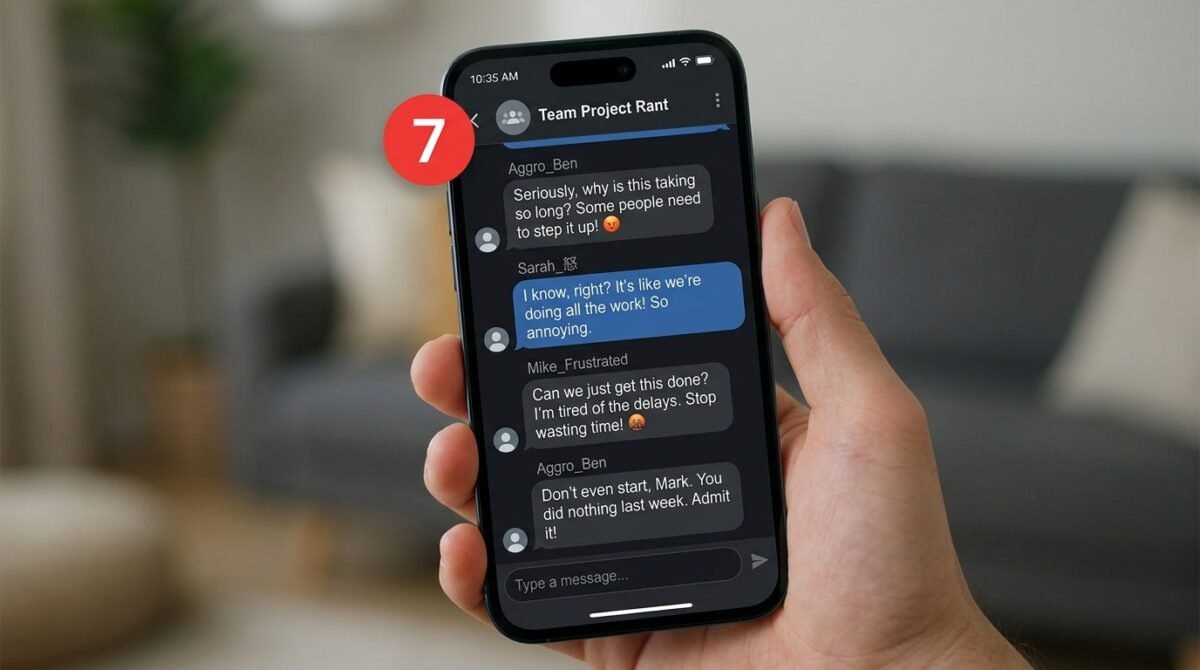
The next few hours were chaotic. Mark spent most of the time frantically calling his friends, trying to find a place to stay and someone to help him move his ‘business equipment.’ He didn’t seem to realize that his friends weren’t interested in helping him haul a professional-grade batting cage down three flights of stairs. I heard him on the phone, his voice rising in volume, desperate for a moving truck or a storage unit.
Meanwhile, the group chat I shared with our mutual friends started blowing up. Mark had evidently gone on a tear, telling everyone that I was a ‘power-tripping, corporate shill’ who killed his dream because I couldn’t handle a little noise. He sent photos of the batting cage—before I tore it down—trying to show everyone how cool it looked, framing it as a fun, creative project that I had spitefully destroyed.
“Can you believe this? I build a perfectly good practice facility, and he acts like I burned the building down. I was trying to build something for us! Some people just don’t have the entrepreneurial spirit.”
— Mark, in the group chat.
I didn’t jump into the fray immediately. I let him dig his own grave. I waited until the chat was saturated with his self-pity, and then I dropped the photos of the damage to the drywall and the text from the landlord confirming the lease violation. The reaction from our friends was swift and brutal. They weren’t interested in his ‘spirit’; they were interested in the fact that he had jeopardized our living situation.
By the time I finished posting, the chat had gone quiet. The defense he was counting on had evaporated. He realized that the narrative he was spinning didn’t match the reality of a destroyed apartment and a legal eviction notice. He stopped texting, and the silence in the apartment became heavy with the weight of his burned bridges.
The Packing Panic
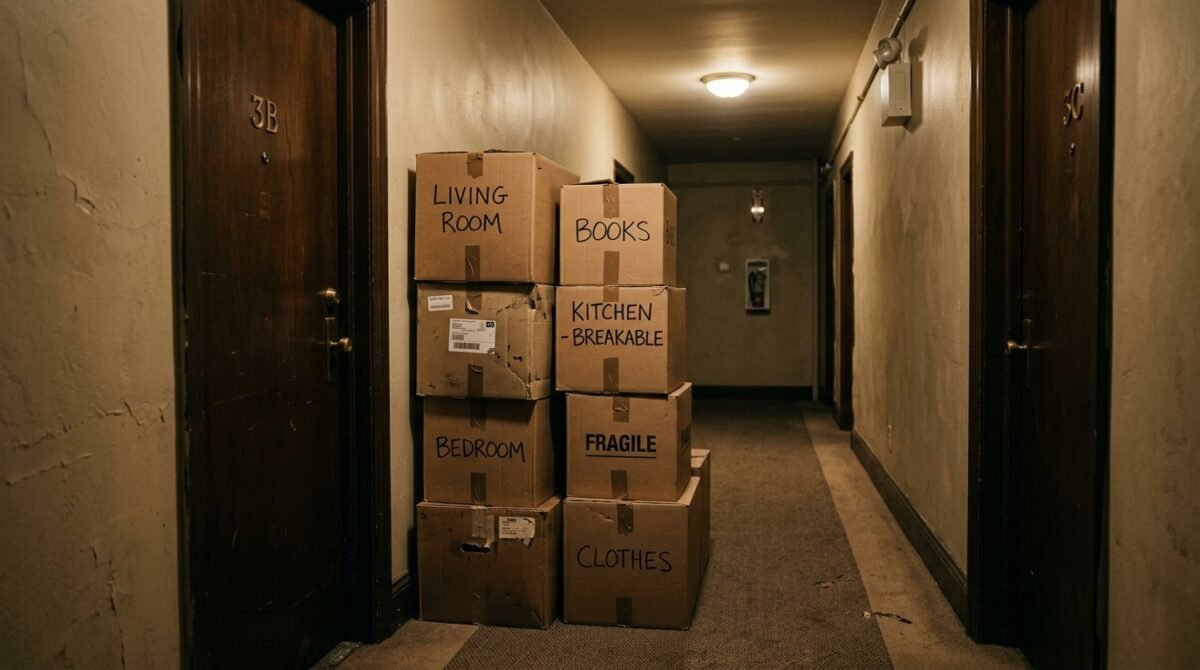
The second day was defined by the frantic, pathetic process of moving. Mark had to find a way to get rid of the turf and the cage. He ended up posting them on a local marketplace app for a fraction of what he paid, hoping to make back at least some of his investment. Watching him try to dismantle the heavy-duty netting while wearing a tracksuit and looking completely defeated was, in a dark way, quite satisfying.
He spent the afternoon carrying trash bags full of zip ties and batting gloves down to the dumpster. He didn’t look at me once. We existed in the same space like ghosts, moving around each other without making eye contact. He had become a stranger to me, a person whose audacity had permanently severed any bond we once had. The apartment, once filled with the energy of a friendship, now felt cold and clinical.
I kept track of the clock. Every hour that passed was one hour closer to the 48-hour deadline. I had made it clear that if he wasn’t out by the time the landlord returned, I would be the one calling the police to have him removed. I wasn’t bluffing. I had no patience left for his excuses or his ‘entrepreneurial’ failures. I was just focused on cleaning the walls and reclaiming my home.
At one point, he asked if he could leave some of his stuff in the garage until the end of the week. I didn’t even look up from my book. I told him that everything had to be gone by 8:00 AM the next day. If it was still here, I would treat it as abandoned property and leave it on the curb. He didn’t argue. He knew that I was finished with him.
Reddit Weighs In: The Verdict of the Hive Mind
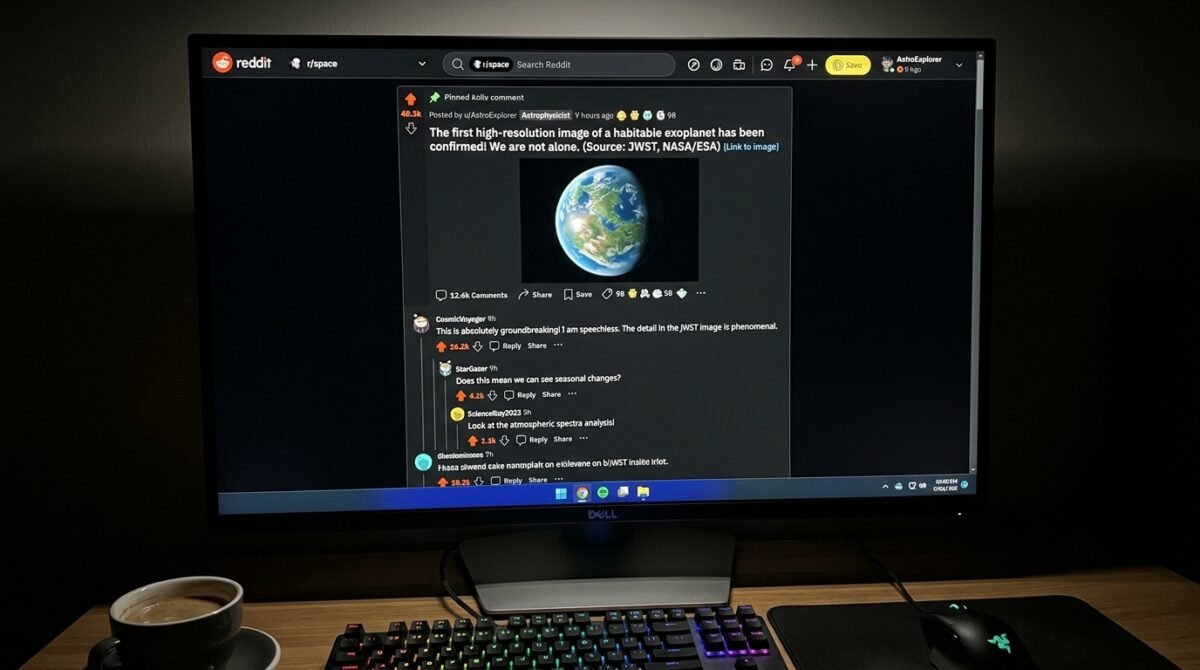
When I finally posted the story to Reddit, I wasn’t looking for validation; I was looking to see if I was actually the villain. I laid out the timeline: the trip, the return, the cage, the eviction, and the aftermath. I included the photos of the damage and the screenshots of the group chat. Within an hour, the post had blown up. The community was in total agreement, but the reasoning was fascinating.
“NTA. This isn’t just ‘roommate drama.’ This is a massive liability. If someone had gotten hurt in that cage, the landlord would have sued both of you, and your renter’s insurance would have laughed at your claim. Evicting him was the only way to protect your own credit and housing history.”
— u/PropertyLawPro (Top Comment, 18.5k upvotes)
The thread became a repository of similar horror stories. People shared their own tales of roommates who thought they were geniuses, from the guy who turned the bathroom into a hydroponic garden to the roommate who set up a recording studio in the living room without asking. It was a sobering reminder that the ‘shared space’ contract is only as strong as the people who sign it.
There were a few contrarians, of course. Some argued that I should have ‘sat him down’ and ‘talked it out’ before involving the landlord. But those voices were quickly drowned out by the reality of the situation. You don’t ‘talk out’ a commercial batting cage in a hallway. That’s a level of boundary violation that requires an immediate, decisive response. The consensus was clear: I had saved my own skin.
The Final Walkthrough
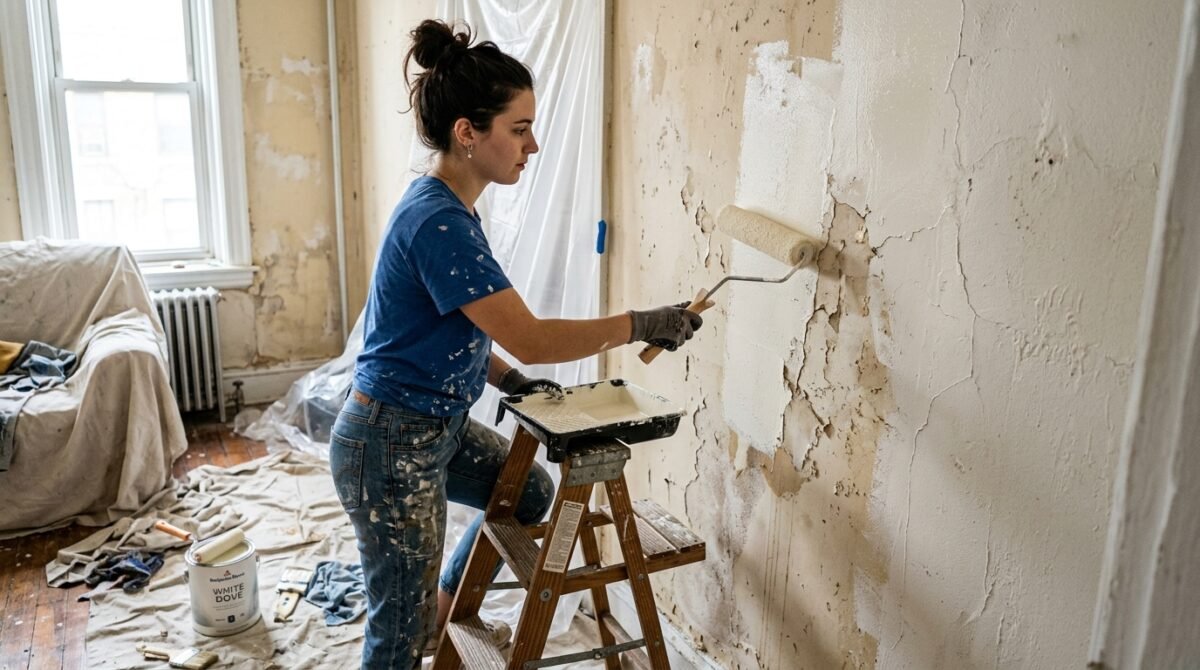
The morning of the move-out, I woke up before the alarm. I went to the kitchen and made coffee, listening for signs of movement in Mark’s room. At 7:30 AM, he emerged, looking like he hadn’t slept for days. He had his keys on the counter. He had cleaned up, but the scars on the walls were still there—the deep, gouged marks from the bats, the scuffs from the turf, the tape residue on the floor.
He didn’t try to make small talk. He picked up his last box, grabbed his keys, and looked at me. For a second, I thought he might apologize, but he didn’t. He just walked out the door and didn’t look back. I locked the door behind him, and for the first time in two weeks, I breathed a sigh of relief. The apartment was finally mine again.
The landlord arrived at 9:00 AM for the final inspection. She walked through the unit, noting the damage to the walls. She didn’t look happy about the repairs that would be needed, but she seemed relieved that the ‘tenant’ was gone. She told me that she would be deducting the repairs from the deposit Mark had left. She also thanked me for handling it so efficiently.
I spent the rest of the day painting over the wall gouges. As I sanded down the plaster and applied the primer, I reflected on how fast a living situation could disintegrate. It took eighteen months of harmony to build a friendship, but only two weeks of madness to destroy it. I wasn’t sad, though. I was just tired of the chaos.
The Lingering Aftermath

Weeks later, I still occasionally find a scuffed baseball tucked away in a corner of the apartment or a stray zip tie under the radiator. Every time I find one, it serves as a reminder of the absurdity of the whole event. I moved the furniture around, changing the layout of the living room so it no longer felt like a place where a batting cage could even fit. I turned my home back into a sanctuary.
I heard through the grapevine that Mark is living with a relative now, still trying to get his graphic design career off the ground. Apparently, he hasn’t learned his lesson about ‘side hustles.’ He tried to turn his cousin’s garage into a screen-printing shop, which, unsurprisingly, ended in another conflict. It seems that for some people, the boundary between ‘home’ and ‘workspace’ is a concept they are destined to ignore.
I haven’t talked to him since he walked out the door. Some people ask me if I regret being so harsh, if I think I could have handled it differently. I tell them that when you violate someone’s home, you forfeit the right to a gentle conversation. I don’t feel guilty, and I don’t feel like I missed out on a ‘great business opportunity’ with a roommate who thought our hallway was a public park.
I’ve learned to be much more discerning about who I live with. I have a new roommate now, a quiet accountant who likes to cook and keeps to himself. We have a rule: no businesses, no construction, and no unauthorized sports equipment. It’s a simple arrangement, but after the batting cage fiasco, it feels like luxury.
Financial Ledger of the Fiasco

To truly understand the scale of the disaster, I sat down and calculated the costs involved. It wasn’t just the rent; it was the damage to the property, the lost time, and the stress. The following table outlines the financial impact of Mark’s ‘entrepreneurial’ venture on our living situation.
| Category | Cost / Impact | Responsibility |
|---|---|---|
| Wall Repair & Repainting | $850 | Mark (Deducted from Deposit) |
| Floor Refinishing | $400 | Mark (Deducted from Deposit) |
| Cleaning Fees | $200 | Mark (Deducted from Deposit) |
| Utility Overage | $150 | Split (Initially) |
| Netting & Turf Waste | $600 | Mark (Total Loss) |
The deposit didn’t even cover half of the actual costs of the damage to the property. The landlord had to sue for the remainder, which added legal fees to the mix. It was a massive, unnecessary expense for everyone involved. All of this for a few hours of ‘batting practice’ in a shared hallway.
When I look at these numbers, I’m reminded of how much Mark’s dream cost us. It wasn’t just money; it was the loss of a good relationship and a comfortable home environment. I hope he learned something from the experience, though looking at his history, I’m not holding my breath. The lesson for me was clear: never assume your roommate understands the basic rules of cohabitation.
The Psychological Toll of Boundary Violations

Beyond the financial damage and the physical mess, there was the psychological impact of having one’s sanctuary violated. Coming home to find strangers in my living room was a jarring experience that left me feeling vulnerable in my own space. For weeks after the eviction, I found myself double-checking the locks and feeling anxious whenever I heard a loud noise in the hallway.
It takes time to rebuild the feeling of safety in a place that has been compromised. The, ‘my home is my castle’ mentality is something we often take for granted until that castle is invaded by someone who doesn’t respect the concept of private property. It wasn’t just about the batting cage; it was about the total erasure of the boundary between personal life and public hustle.
I think the most frustrating part was the gaslighting—the way Mark tried to make me feel like the ‘bad guy’ for being upset. It took a lot of mental energy to remind myself that my reaction was normal and justified. I’m glad I had the support of the online community to validate my perspective, but even then, it took a while to stop questioning whether I was too harsh.
Ultimately, I came out of it stronger and more assertive. I learned that being a good roommate doesn’t mean being a doormat. It means clear communication, firm boundaries, and the courage to enforce them when things go wrong. If you ever find yourself in a similar situation, remember: you have the right to your own space, and you don’t owe anyone an apology for protecting it.
Conclusion
Looking back at the whirlwind of the last few months, I realize how quickly a situation can spiral when common sense is ignored. The batting cage was just the final, absurd symptom of a deeper issue: a lack of respect for shared boundaries. I don’t miss the uncertainty, and I certainly don’t miss the sound of baseballs hitting the wall at 11:00 PM.
This experience taught me that the most important part of any living arrangement is mutual respect. Without it, you’re just two people sharing a war zone, waiting for the next disaster to happen. I am finally in a place where I feel at peace, and I intend to keep it that way. I hope my story serves as a cautionary tale to anyone who thinks their apartment is the perfect place for a ‘side hustle.’
What about you? Have you ever had a roommate whose ‘big idea’ ended up destroying your home life? Do you think I was too hard on him, or would you have done the exact same thing in my shoes? Let me know in the comments below—I’m curious to hear your stories of roommate chaos and how you handled the fallout.
What's your verdict on this dilemma?
Vote below to contribute to the official community consensus.

Have a Dilemma Keeping You Up at Night?
Share your real-life feud, wedding chaos, or relationship crossroads anonymously with our editorial team.
What do you think ?
0 Comments🛡️ Comments are moderated to protect community integrity. Your comment will appear once approved by the editorial team.