
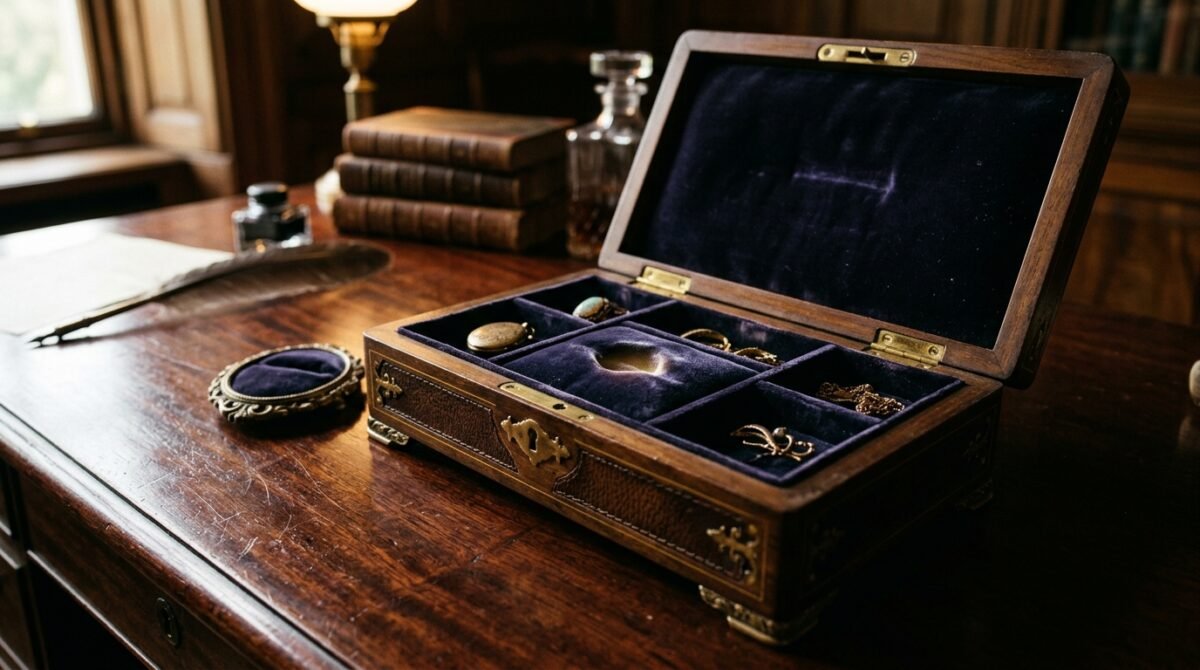
Growing up, the Victorian opal ring wasn’t just a piece of jewelry; it was the physical embodiment of our grandmother’s resilience. It had survived the Great Depression, two world wars, and three generations of family upheaval. When it was passed down to me, it came with a solemn understanding: I was the keeper, not the owner. I maintained a wall-safe in my home office, a fortress of steel and digital code, specifically to protect this piece of history from the inevitable entropy of family life.
My sister, Chloe, had always been the hurricane in our otherwise calm family landscape. While I spent my twenties building a career and honoring our family’s legacy, Chloe spent hers chasing the next dopamine hit, moving from one music festival to the next, often leaning on me to cover her ’emergencies.’ I had set boundaries—firm, clear, and repeatedly ignored. But I never imagined she would cross the line from emotional manipulation to cold-blooded burglary.
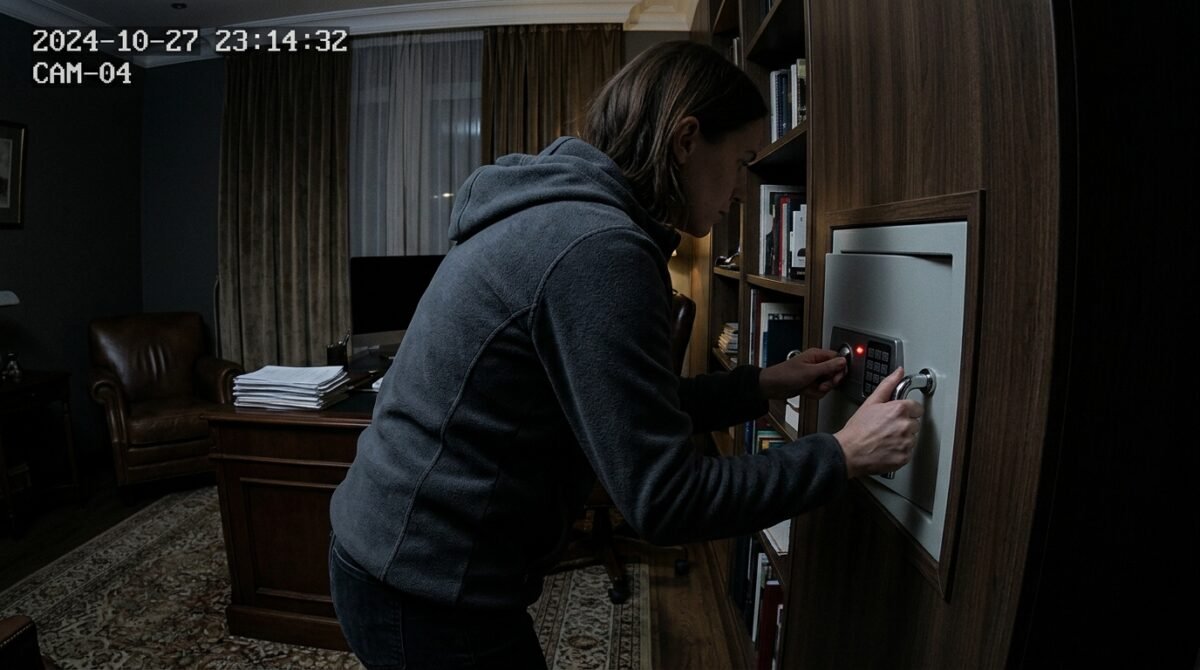
The dilemma began on a Tuesday morning. I received a notification on my phone: Safe accessed. I was forty miles away, sitting in a board meeting, and I knew exactly who had the passcode. Chloe had been housesitting while I was away for a conference, and she had clearly spent the last forty-eight hours trying every combination she could think of, eventually guessing the birthday of our late cat. The betrayal wasn’t just in the theft; it was in the realization that she viewed our family history as nothing more than a pawn ticket for a weekend of mud, music, and excess.
As I sat there, watching the security camera feed on my phone, I saw her hands shaking as she pulled the velvet box from the safe. She didn’t look remorseful. She looked frantic, desperate for the validation of her peers and the high of the festival circuit. At that moment, the sisterly bond I had been desperately clinging to for years shattered. I didn’t scream. I didn’t call her. Instead, I picked up the phone and dialed a contact I had hoped to never need: the local police precinct’s fraud and theft division.
This is the story of how I chose justice over blood ties, and why I decided that sometimes, the only way to save a family member is to let them face the full, unvarnished consequences of their own actions. It is a story about the intersection of legacy, entitlement, and the moment you decide that enough is finally enough.
The Anatomy of an Entitlement Trap
Chloe’s path toward this moment hadn’t been a sudden descent; it was a slow, agonizing slide down a slope of financial reliance and emotional gaslighting. For years, she treated my bank account like a community fund and my home like a hotel. I had allowed it, mostly because our parents had instilled in us a deep, almost religious, sense of ‘sticking together.’ But when she started asking for ‘loans’ that turned into ‘gifts’ for her various festival trips, the dynamic began to shift from sisterly support to predatory exploitation.
The ring was the final frontier. She knew I treasured it. She knew it was the only thing I truly possessed that felt like an anchor to our past. I remember her laughing about it at a family dinner six months prior, suggesting that I was ‘hiding’ wealth from her. I told her then, very clearly, that the ring was not an asset to be liquidated—it was a legacy. She hadn’t listened then, and she certainly wasn’t going to listen now.
“You have everything, and I have nothing. It’s just a rock. Why does a piece of jewelry matter more to you than my happiness?”
— Chloe, during a heated argument about her travel expenses.
I tried to explain that the ring wasn’t about the money. It was about the memory. But for Chloe, everything was a transaction. If I wouldn’t pay, she would find a way to make me pay. The theft was calculated. She waited for me to leave for my conference, knowing exactly where the safe was located and counting on my misplaced trust that she wouldn’t actually break into it. She underestimated, however, that I had upgraded the security system just weeks before.
By the time I saw her on the camera, I felt a strange, cold clarity. There was no room left for excuses. She had crossed the threshold of personal boundary into criminal territory. The moral dilemma of involving the authorities evaporated the second I saw her shove the ring into her pocket with a look of predatory triumph. She wasn’t a lost soul anymore; she was a thief.
I reached out to the detective assigned to my previous report of a ‘stolen’ laptop that had gone missing from my office months prior—an item Chloe had ‘borrowed’ and ‘lost.’ He remembered the case. He remembered the family name. And he agreed that if I could prove she was at the pawn shop, they would be there to meet her. The pieces were moving, and for the first time in years, I wasn’t the one reacting to her whims. I was the one setting the stage.
The Midnight Texting Pattern
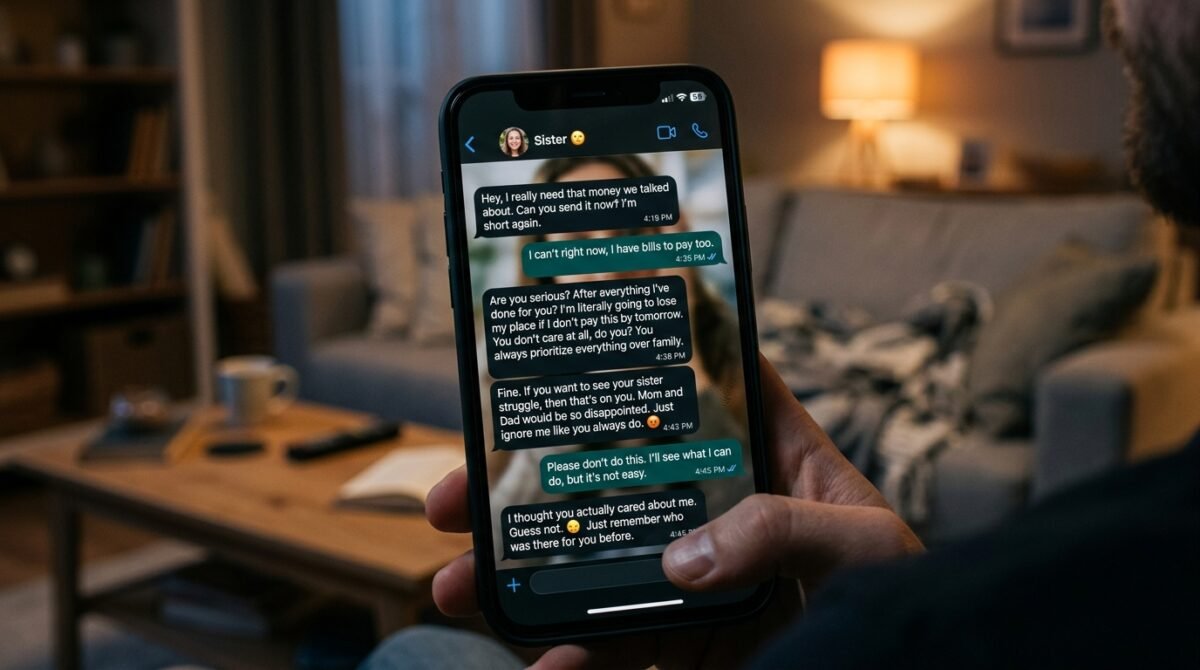
The days leading up to the incident were filled with a barrage of texts that I now recognize as a reconnaissance mission. She was checking in, acting ‘sweet,’ asking about my flight times, and casually mentioning how much she ‘needed’ a vacation. Every text was a probe to see if I was actually leaving, if my security system was armed, or if I had mentioned the ring.
“Hey sis! I’m going to stay at your place to look after the dog. Are you sure you don’t mind? I really need a break before this festival next weekend. You’re the best!”
— Text message from Chloe, two days before the theft.
I played the part perfectly. I told her the house was open and that the dog needed extra care. I even gave her the passcode for the front door, though I kept the safe code hidden in a encrypted file she couldn’t access. I wanted her to think she had the run of the place. I wanted her to feel secure enough to make the mistake that would end her pattern of behavior once and for all.
The silence from her after I arrived at my conference was deafening. I knew she was in the house. I knew she was searching. My pulse quickened every time a motion sensor triggered on my phone, but I remained calm. I was watching a slow-motion car crash, and for once, I was the one holding the brake pedal.
The group chat with our parents was another layer of theater. She was acting as the ‘dutiful daughter,’ sending pictures of the dog and complaining about how hard it was to be alone in my big house. She was building her alibi. She was crafting the narrative of the innocent housesitter, while in reality, she was methodically tearing my home apart to find the one thing I held most dear.
It’s exhausting to look back at these messages now. The manipulation was so blatant, so textbook, yet I had been blind to it for so long. Every ‘love you!’ at the end of a message felt like a knife in the back. I realized that my sister didn’t just want my money; she wanted to tear down the walls I had built to protect myself from her influence. She wanted to see me lose my cool, lose my control, and eventually, lose my heritage.
The Silent Alarm and the Surveillance Feed
When the notification finally pinged—Safe Access Code Entered (Attempt 3: SUCCESS)—I didn’t panic. I felt a surge of adrenaline that was oddly peaceful. I opened the live feed. There she was, illuminated by the cold blue glow of the safe’s internal LED. She looked triumphant. She pulled out the velvet box, opened it, and held the opal ring up to the light, inspecting it like a jeweler appraising a diamond.
She didn’t know the safe had a silent alarm. She didn’t know that the moment the code was input correctly, a high-resolution snapshot was sent directly to my private cloud and to the police department’s dispatch portal. The technology was something I had invested in after the laptop incident, a decision that had caused an argument between us months ago. She had called me ‘paranoid’ and ‘controlling’ for having a safe and security cameras. Now, those tools were the only things standing between me and the permanent loss of my grandmother’s legacy.
I watched as she put the ring in her pocket, grabbed her bag, and walked out the door. She was laughing. She was literally laughing to herself, likely already planning how she would spend the thousands of dollars she expected to get for the ring at the pawn shop downtown. She didn’t look back at the room she had violated. She didn’t look at the dog. She just exited the frame, heading straight for the pawn shop that had previously accepted ‘stolen’ goods from her associates.
“I’ve got it. The big one. The opal. I’m heading to the shop now. This festival is going to be insane.”
— A voice memo Chloe sent to a friend, captured by the smart home microphone.
The audacity was staggering. I called the detective. I gave him her location, her vehicle description, and the exact time she left the house. He told me to stay put and let them handle the apprehension. He didn’t promise that it would be easy, but he promised that they would be waiting for her at the counter. The professional detachment in his voice was a stark contrast to the emotional turmoil I was feeling, but it was exactly what I needed.
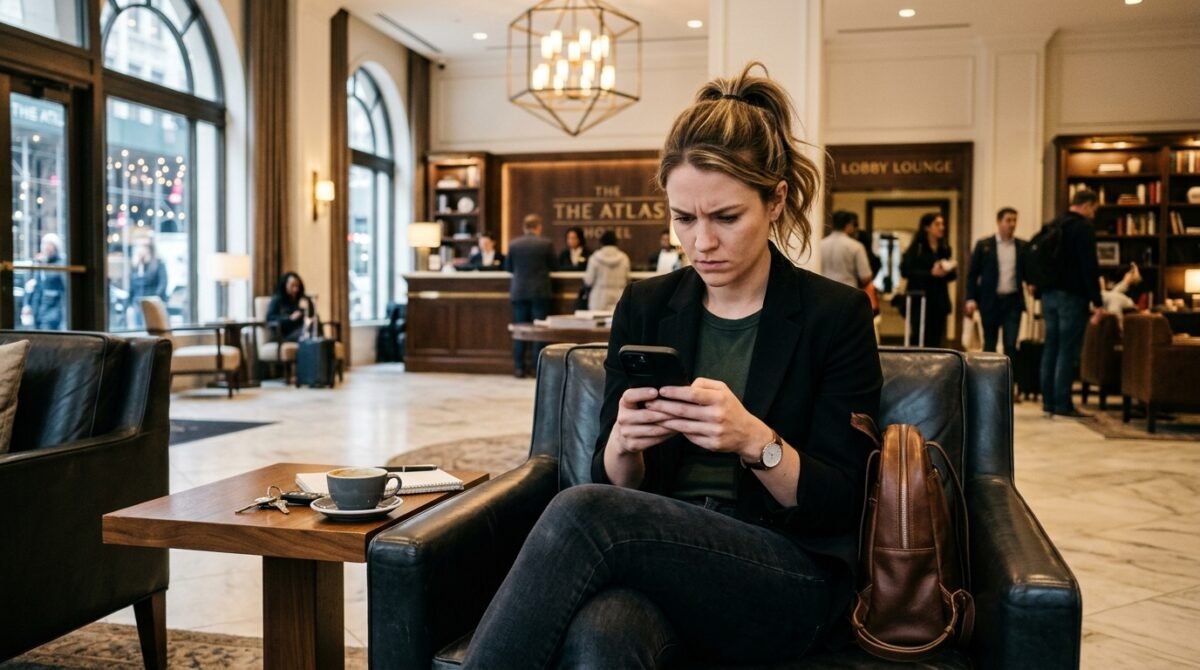
I sat in the conference hotel lobby, the world buzzing around me, feeling completely detached from reality. I had just set my sister up for an arrest. I had put her in the position of being a criminal in a public place. The guilt whispered at me, telling me I was being too harsh, that we were family, that I should just call her and tell her to put it back. But then, I remembered the opal. I remembered the history. And I remembered the years of abuse. I silenced the guilt, closed my laptop, and waited for the update.
The Confrontation at the Pawn Counter

I received the update three hours later. The arrest had been clean, though not quiet. Chloe had tried to argue that the ring was hers, that it was a family heirloom she was entitled to sell. She had even tried to play the ‘crazy sister’ card, claiming I had given it to her to sell as a ‘gift.’ The pawnbroker, an honest man who had been tipped off by the police, kept the ring and the transaction record as evidence.
The scene at the pawn shop must have been chaotic. She was caught red-handed with the heirloom and the pawn ticket. The police didn’t care about the family drama. They cared about the theft, the breaking and entering, and the possession of stolen property. When I finally spoke to the detective, he told me that Chloe had been stunned, not by the arrest, but by the fact that I had actually followed through. She truly believed I would never call the police on her.
“She’s currently being booked. She’s demanding a lawyer and insisting this is a ‘family misunderstanding.’ I suggest you come down to the station to sign the formal complaint if you want to ensure this sticks.”
— Detective Miller, phone call summary.
I went to the station. Walking into that building felt like stepping into a different life. I was no longer the older sibling trying to protect the younger one; I was a victim of a crime reporting a perpetrator. Chloe saw me through the glass partition. The look on her face wasn’t shame; it was pure, unadulterated fury. She looked at me like I had betrayed her, like I was the one who had committed the crime.
She started screaming when I walked into the room. She accused me of being cold, of being a ‘corporate robot’ who cared more about property than people. I didn’t say a word. I just sat across from the officer and signed the papers. I didn’t want to engage in her narrative. I didn’t want to give her the satisfaction of a reaction. I just wanted the ring back and to ensure she understood that the cycle had ended.
The officer asked if I wanted to speak to her. I shook my head. There was nothing left to say. Everything had been said in the years of enabling, the years of taking, and the final act of theft. I left the station, the opal ring safely back in my possession, and walked into the cool evening air. I felt lighter than I had in years, but also deeply, profoundly sad. The sister I thought I had was gone; she had been replaced by the reality of who she actually was.
The Family Group Chat Explosion
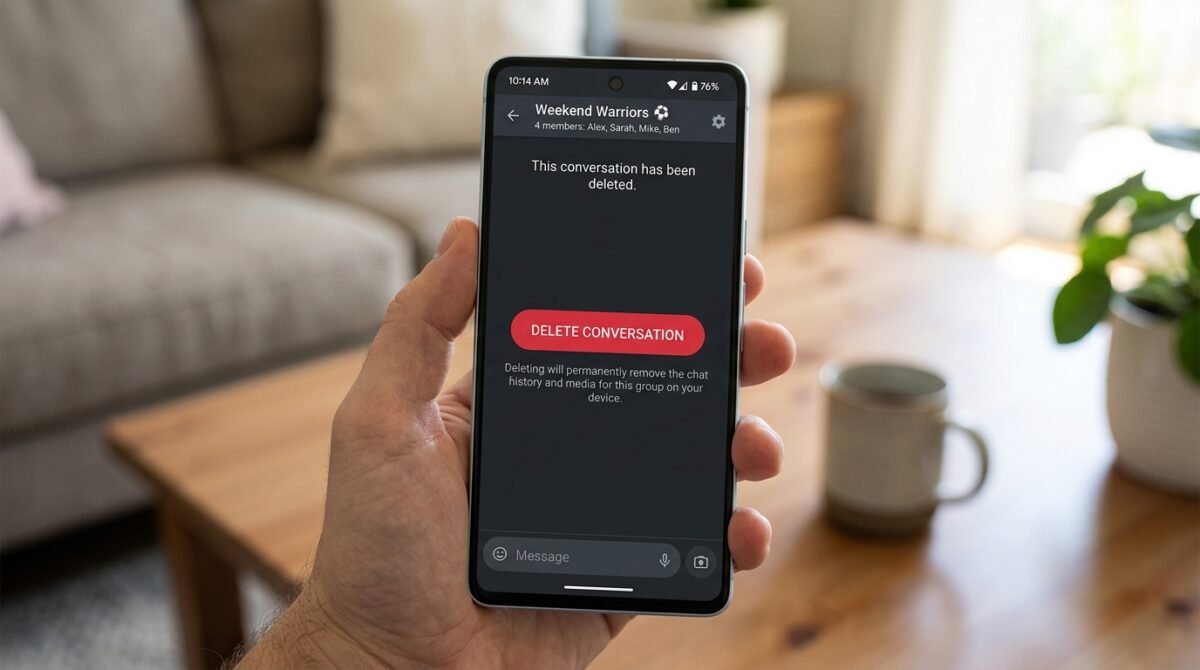
The news hit the family like a bomb. Chloe, having been released on bail, immediately went to the group chat to play the victim. She painted a picture of an overbearing, wealthy sibling who had entrapped her for a simple ‘mistake.’ Our parents were horrified. They didn’t care about the theft; they cared about the optics. They wanted me to drop the charges, to ‘keep it in the family,’ and to pay for her lawyer.
“I can’t believe you would do this to your own flesh and blood. She’s your sister! Drop the charges right now, or we are going to have a serious problem.”
— Mom, in the family group chat.
I didn’t respond for hours. I let the messages pile up—accusations, insults, and pleas. My father even called my work line, demanding I speak to him. It was a masterclass in emotional manipulation. They were all participating in the same dynamic that had allowed Chloe to thrive for years. They were all enablers, and they were all offended that I had finally decided to opt out of the system.
I eventually sent a long, detailed message to the group. I didn’t justify my actions; I simply stated the facts. I included a link to the police report and a summary of the events. I told them that the ring was back in my possession and that the legal process would continue regardless of their feelings. I made it clear that my house was no longer a resource for anyone, and that I would be taking a long, indefinite break from the entire family.
The response was predictable. More anger, more gaslighting, more threats to cut me out of the family if I didn’t ‘fix’ what I had broken. It was as if they couldn’t see the irony of their words. I had ‘broken’ a family by holding someone accountable for a crime. I realized then that I wasn’t just losing a sister; I was losing a delusion. I was losing the idea of a family that didn’t exist.
I muted the group chat and then, after taking a screenshot of the entire history for my own records, I deleted it. I felt a sense of finality that was almost physical. The chains were gone, and while the room felt empty, it also felt clean. I had made my choice, and I was ready to live with the consequences, even if those consequences meant being the ‘villain’ in the eyes of my own parents.
The Reddit Trial: A Community Verdict
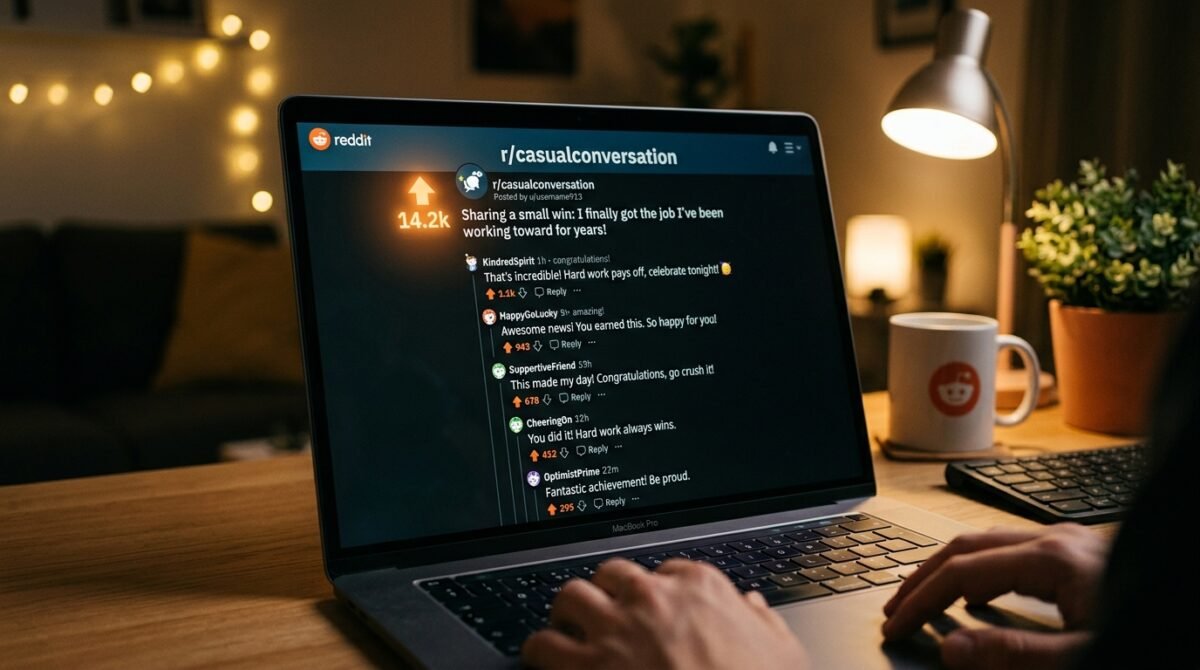
I posted my story on a popular forum, not to seek validation, but to see if I was truly as ‘cold’ as my parents claimed. I expected a mix of opinions, but what I got was a landslide of support that shocked me. The community didn’t see me as a villain; they saw me as someone who had finally broken the cycle of abuse. People from all walks of life shared their own stories of family theft, toxic enablers, and the difficult, necessary act of cutting ties.
“NTA. Your sister is a thief, not a ‘family member’ in this context. The ‘family loyalty’ card is just a weapon used by toxic people to keep you quiet while they drain you. You did the right thing.”
— u/JusticeSeeker (Top Comment, 32.4k upvotes)
The sheer number of people who had been in my position was staggering. It made me realize that my experience wasn’t unique, just uniquely painful. The community analyzed every detail—the safe, the camera, the police involvement—and almost universally agreed that I had handled it with remarkable restraint. They encouraged me to stick to my guns, to continue the legal process, and to prioritize my own mental health over the demands of my family.
“You didn’t break the family; the sister broke the family the moment she decided to rob you. The parents are just complicit enablers. Stay strong, OP. Don’t let them guilt you into dropping those charges.”
— u/FamilyDramaExpert (21.1k upvotes)
Reading these comments was like a healing salve. It validated my reality in a way that my actual family never could. It made me see that ‘family’ is not a sacred entity that excuses bad behavior; it is a relationship that requires mutual respect and boundaries. When those boundaries are repeatedly violated, the relationship ceases to function, regardless of blood ties.
The discussion also turned into a practical guide on how to handle the aftermath. People shared tips on how to deal with potential smear campaigns, how to secure my finances, and how to protect my home. It was a masterclass in self-preservation. I wasn’t alone, and I wasn’t ‘crazy’ for expecting respect. The community gave me the armor I needed to continue standing my ground against the pressure from my parents.
I still check the thread occasionally. It reminds me that I made the right decision, even when it feels like I’m the one suffering the most. It reminds me that my grandmother’s ring is just a symbol, but the person I chose to become—the one who stands up for herself—is real. And that is worth more than any antique, or any familial obligation that demands I set myself on fire to keep others warm.
The Legal Tangle: Beyond the Pawn Shop
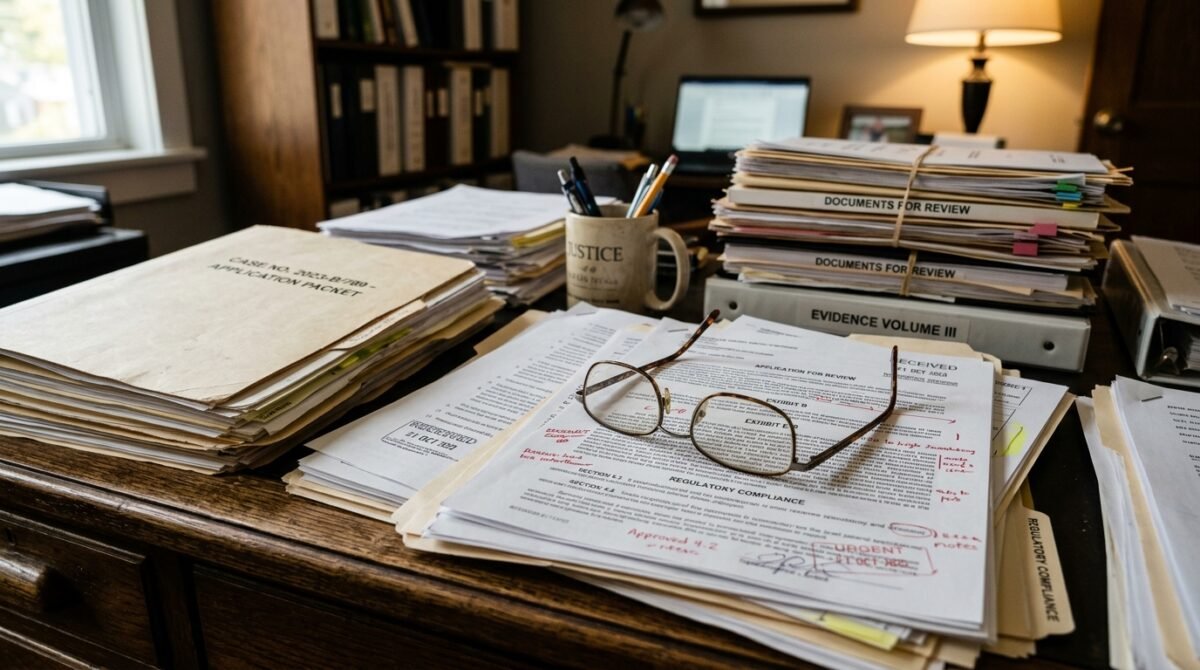
The legal process, as I soon learned, was far from quick. The pawn shop incident was the tip of the iceberg. The police discovered that this wasn’t the first time she had pawned items—many of which were mine, though I hadn’t realized it at the time. My old camera, a collection of vintage coins, even a piece of designer furniture that had ‘disappeared’ during a move—all of them had been offloaded to various shops in the city. The betrayal ran deeper than I had ever imagined.
I had to meet with the prosecutor several times, going over the list of missing items and providing receipts. It was an exhausting, soul-crushing process. I felt like I was reliving every moment of my past, questioning how I could have been so blind. But the prosecutor was empathetic. She explained that this was common in cases involving family members—we tend to give them the benefit of the doubt, over and over, until we no longer can.
Chloe’s lawyer tried to frame it as a ‘misunderstanding’ again, suggesting that we could resolve it through family mediation. I refused. I told the prosecutor that I wasn’t interested in mediation; I was interested in restitution and accountability. I didn’t want my sister to learn that she could talk her way out of a crime. I wanted her to understand that actions have permanent consequences.
“The defense is pushing for a plea deal that involves counseling and probation. They are banking on you wanting to keep this quiet to protect the family name. How do you want to proceed?”
— The Prosecutor, during a meeting in her office.
I stood my ground. I didn’t care about the family name. The family name had already been dragged through the mud by Chloe’s actions, not by my reporting of them. I insisted that she face the charges, even if it meant a public trial. The prosecutor looked surprised, then nodded. She told me she would take a hard line. It was the first time I felt like I was actually in control of my own narrative.
The pressure from my parents intensified during this time. They hired a lawyer to try to pressure me into dropping the charges, citing the ‘trauma’ this was causing the family. I ignored them all. I blocked their numbers and focused on the legal proceedings. It was the most isolating period of my life, but it was also the most liberating. I wasn’t performing for them anymore. I was living for myself.
I know that some people will think I’m being too harsh. I know that they will say I should have handled this differently. But they haven’t lived the life I’ve lived, and they haven’t been the target of the manipulation I’ve faced. For the first time, I wasn’t worried about being the ‘good’ daughter or the ‘supportive’ sister. I was worried about being the person who finally put an end to the madness. And that, I believe, is the best thing I could have done for everyone involved.
The Unannounced 6:00 AM Kitchen Intrusion
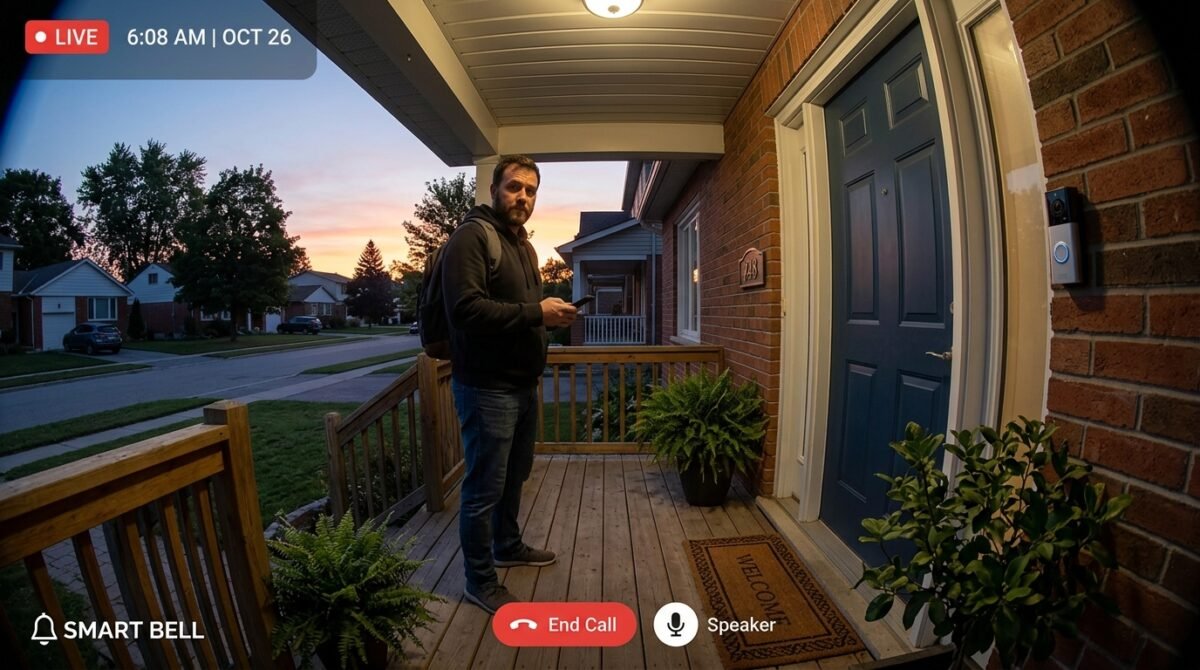
The final attempt at reconciliation—or perhaps, intimidation—happened on a Saturday morning. I was sleeping when I heard the sound of the front door handle jiggling. My security system had been updated again after the theft, and I had installed a smart lock that required a temporary access code. Chloe didn’t have it. She was trying the old key she had kept from when she lived in the area, a key I had forgotten to change the locks for. She was pounding on the door, screaming my name, demanding I come out and ‘talk like a human being.’
I didn’t answer. I went to the security monitor. She looked disheveled, frantic, and clearly under the influence of something. She was screaming that she had ‘found a way to fix everything’ and that I was ‘ruining her life.’ It was the same erratic behavior I had seen for years, but now, it was happening on my terms. I didn’t open the door. I called the police again. I didn’t want to engage. I didn’t want to open that door, literally or figuratively.
“I know you’re in there! Stop hiding behind your fancy cameras and your lawyers! You’re my sister! You don’t get to just erase me from your life!”
— Chloe, screaming at the front door, captured on the doorbell camera.
The police arrived within ten minutes. They didn’t just tell her to leave; they arrested her for trespassing and violating the terms of her bail. It was the end of the line. She was dragged away, still screaming, while I stood in my kitchen, watching the entire scene on my tablet. I felt nothing but a profound sense of relief. The final boundary had been drawn, and she had crossed it for the last time.
After she was taken away, I sat on my kitchen floor, surrounded by the silence of my home. It was the first time in years that I felt completely, utterly safe. No one was coming to take my things. No one was coming to manipulate me. The house was quiet, and for the first time, it felt like it truly belonged to me. The weight I had been carrying—the weight of my family’s expectations and the burden of my sister’s chaos—was finally lifted.
I realized that I would never be able to ‘fix’ her. And I realized that I didn’t have to. The idea that we are responsible for our family members’ happiness is a lie that kills us from the inside out. I had spent my entire life trying to be the hero of her story, when all I needed to be was the author of my own. And in my story, theft, betrayal, and violence had no place.
I changed the locks that day. I updated the security system one last time. And I finally, truly, began to build a life that was entirely my own. The opal ring is back in the safe, but I don’t check on it every day anymore. I know it’s safe, and more importantly, I know that I am safe. And that is the only legacy I care about now.
Reflecting on the Cost of Boundaries

The cost of setting these boundaries was immense. I lost my family. I lost the support system I had relied on, however imperfectly, for my entire life. I became the pariah, the ‘evil’ sister who put her own flesh and blood in jail. I had to navigate the social fallout, the whispers, and the judgment of people who didn’t understand the full scope of what I had been through. But even with all that, the cost of not setting those boundaries would have been much higher.
If I had let her get away with it, I would have lost my self-respect. I would have lost the ability to trust my own judgment, and I would have continued to be a pawn in her game of survival. I would have lived in a state of constant anxiety, waiting for the next ’emergency’ and the next betrayal. The loss of my family was a tragedy, but it was also a liberation. It forced me to define myself outside of the roles I had been forced into since childhood.
I have spent the last few months working with a therapist to process the anger, the grief, and the guilt. I’ve learned that setting boundaries isn’t an act of aggression; it’s an act of self-love. It’s an assertion that your life, your property, and your peace of mind are valuable, and that they are not up for negotiation. It’s the realization that you are the only one who can truly protect your own happiness.
“Boundaries aren’t walls to keep people out; they’re gates to let the right people in, and they’re essential for protecting your own sanity.”
— My therapist, during one of our sessions.
I still have days where I miss the family I thought I had. I still have moments where I wonder if there was another way. But then I remember the look on her face when she was stealing the ring, the sound of her screaming at my door, and the reality of the criminal path she had chosen. And I know that I made the only decision I could have made. I saved the ring, yes, but more importantly, I saved myself.
I’m finally starting to build a new life. It’s smaller, quieter, and much more intentional. I have friends who respect my boundaries, a career that feels rewarding, and a sense of calm that I never thought I’d be able to achieve. I am no longer living in the shadow of my sister’s chaos, and for the first time, I am looking forward to the future, not as a victim, but as a person who is finally, truly, in control.
The Final Verdict: Lessons Learned

Looking back, the most important lesson I learned is that ‘family’ is a word, not a mandate. It does not entitle people to abuse you, steal from you, or manipulate you. The love you share with your family should be a source of strength, not a cage of obligation. When that love is weaponized against you, it’s not love anymore—it’s control, and you have every right to walk away.
I also learned that being the ‘responsible’ sibling is a trap. I had spent my life trying to be the one who kept it all together, the one who fixed the problems, and the one who made the sacrifices. All that did was make me a target. I learned that you cannot fix someone who doesn’t want to be fixed, and you cannot save someone who is actively trying to destroy you. The best way to help someone like Chloe is to let them face the consequences of their actions, as difficult and painful as that may be.
I have no regrets about the legal path I took. It was the only way to send a message that could not be misinterpreted. It was the only way to ensure that I was no longer a victim, but a survivor. And while the aftermath has been isolating, it has also been incredibly empowering. I am no longer defined by my family’s drama; I am defined by my own choices and my own actions.
“You are not responsible for the lives of others, especially when they choose to live those lives at your expense.”
— A piece of wisdom I wrote to myself in my journal.
I hope that my story helps others who are trapped in similar situations. I hope it helps them realize that they are not alone, that they are not ‘crazy’ for setting boundaries, and that they deserve to live a life free from the weight of other people’s chaos. You don’t have to be the martyr for your family’s dysfunction. You don’t have to be the one who fixes everything. You just have to be the one who stands up for yourself.
I am moving forward. I am healing. And I am finally, truly, free. The ring is back in the safe, and it will stay there for the next generation, but it will be passed down to someone who understands its value—not just as an antique, but as a testament to the resilience of a person who finally learned how to say ‘no.’
Conclusion
My journey has been one of extreme highs and lows, from the betrayal of a sister to the silence of a house reclaimed. The Victorian opal ring remains in my safe, a silent witness to the most difficult decision I have ever had to make. It is no longer just a piece of jewelry; it is a symbol of the moment I chose my own dignity over the toxic cycles of my past. The legal process continues to wind its way through the courts, but my personal journey is already at a new beginning.
The lessons I have learned—about boundaries, about self-worth, and about the nature of family—have been paid for in the most expensive currency: my own peace and my original family ties. Yet, I would pay it again in a heartbeat. I have found that true family is something you choose, not something you are born into, and that the quietest, most peaceful life is one where you are the author of your own story.
I invite you, the reader, to reflect on your own boundaries. Have you ever felt the pressure to sacrifice your own well-being for the sake of ‘keeping the peace’? Have you ever had to draw a hard line with someone you love? Let’s talk about it. Share your experiences in the comments below—your stories matter, and your courage to set boundaries is an inspiration to those still standing in the storm.
What's your verdict on this dilemma?
Vote below to contribute to the official community consensus.

Have a Dilemma Keeping You Up at Night?
Share your real-life feud, wedding chaos, or relationship crossroads anonymously with our editorial team.
What do you think ?
0 Comments🛡️ Comments are moderated to protect community integrity. Your comment will appear once approved by the editorial team.