
When we talk about toxic in-laws, the complaints usually revolve around overbearing advice, unsolicited decorating tips, or passive-aggressive comments at holiday dinners. Rarely does the conversation shift to life-threatening sabotage. My journey into the world of ‘JustNo’ family dynamics began not with a petty argument, but with a terrifying realization that the person I trusted to watch my child was actively endangering his life to prove a point.
My three-year-old son, Leo, has a severe anaphylactic allergy to bovine dairy. It isn’t a mere intolerance or a sensitivity; it is a life-altering condition that requires an EpiPen to be within arm’s reach at all times. Since the day of his diagnosis, my mother-in-law, Linda, has made it clear that she doesn’t believe in the ‘severity’ of modern allergies. She views them as ‘fashionable ailments’ or evidence of weak parenting. I always dismissed her eye-rolls as ignorance, but I never anticipated the lengths she would go to in order to satisfy her own skepticism.
The incident that changed everything happened on a quiet Tuesday afternoon. I had dropped Leo off at Linda’s for a few hours while I attended a dental appointment. It was a routine arrangement that had functioned for months, albeit with constant reminders about his diet. I returned home early, forgetting my keys, and walked into a kitchen scene that will haunt me for the rest of my life. The betrayal wasn’t just physical—it was a calculated breach of maternal trust that shattered our family dynamic forever.
This article explores the unraveling of a relationship once built on mutual respect, now reduced to silence, legal threats, and a permanent ban. It is a cautionary tale about what happens when ego clashes with a child’s medical safety, and why some lines, once crossed, can never be uncrossed. This is the story of how I chose my son over family tradition, and why I would do it again in a heartbeat.
The Tuesday Afternoon That Changed Everything

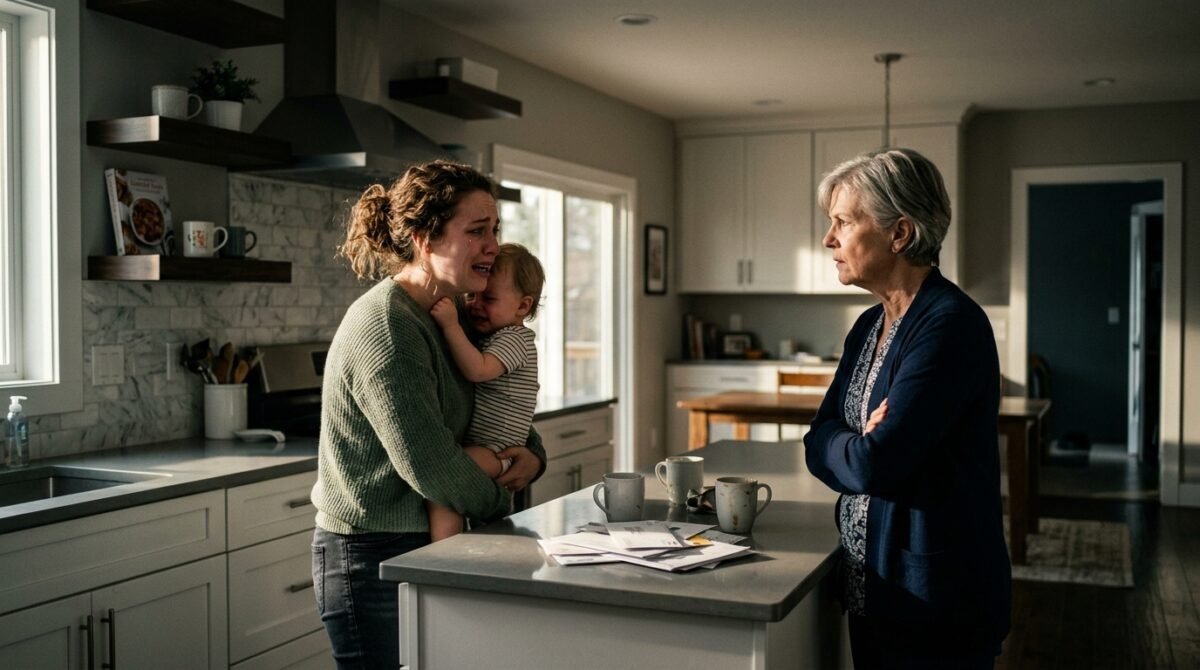
The air in the kitchen was thick with the smell of warm milk. As I walked in, I saw Linda holding a sippy cup to Leo’s lips. My heart stopped. I knew instantly that the cup didn’t contain the oat milk I had meticulously packed in his bag. The color, the consistency, the way he was gulping it down—it was unmistakable. I felt the blood drain from my face as I lunged forward, snatching the cup from his small hands.
Linda didn’t look terrified. She didn’t look apologetic. She looked annoyed, as if I had interrupted a perfectly good science experiment. She wiped her hands on her apron and sighed, staring at me with a cold, detached expression. The silence in the room was deafening, broken only by Leo’s confused whimpering as he realized his treat had been taken away.
“I just wanted to see if he’d have a reaction. He’s been fine for months, and I think you’re just coddling him to make yourself feel necessary.”
— Linda, during the initial confrontation
I was trembling so violently I could barely speak. I checked the expiration date on the milk carton sitting on the counter, then looked at the ingredient list. It was full-fat dairy milk. My son’s face was already beginning to flush, a red, blotchy heat spreading across his cheeks. I grabbed my purse, ripped the EpiPen out, and stood between Linda and my child, my maternal instinct overriding every ounce of social conditioning I had ever possessed.
“You could have killed him,” I whispered, my voice barely audible over the ringing in my ears. Linda just shrugged, adjusting her glasses. She seemed genuinely convinced that she was doing me a favor, exposing what she deemed a ‘false allergy.’ She hadn’t just ignored my instructions; she had planned this. She had bought the milk specifically for this moment, waiting until I left the house to conduct her sick, dangerous test.
I didn’t argue. I didn’t scream. I simply grabbed Leo, shoved his medical bag into the diaper bag, and walked out the door. The drive to the urgent care clinic was a blur of adrenaline and white-hot rage. Every time I looked in the rearview mirror, I expected to see him stop breathing. Thankfully, his reaction was limited to hives and swelling, but the psychological damage done to my trust in my husband’s family was irreversible.
The Husband’s Initial Plea for Peace
When I finally got Mark on the phone, I was sitting in the waiting room, watching the triage nurse fill out the incident report. I expected him to be furious, to be the protective father I had married. Instead, he started with the word that every mother fears in a crisis: ‘But.’ He told me to calm down. He told me that his mother was ‘old school’ and that she ‘didn’t mean any harm.’ The betrayal from my spouse felt nearly as sharp as the betrayal from his mother.
Mark arrived at the clinic an hour later, looking more embarrassed than concerned. He kept checking his phone, likely reading texts from his mother, who had already reached out to frame her side of the story. He insisted that we talk to her before making any ‘drastic decisions.’ He wanted a family sit-down, a mediation to ‘understand her perspective’ and ‘de-escalate’ the situation.
“She’s 70 years old, she doesn’t understand modern medical labels. Can’t we just set new ground rules instead of cutting her off completely?”
— Mark, during the drive home
I felt a cold distance growing between us. I realized then that Mark had been enabling her behavior for years, dismissing her boundary-stomping as ‘eccentricity.’ He had never defended me when she criticized my parenting, and he certainly wasn’t going to stand up to her now when the stakes were literally life and death. I told him that if he wanted to have a relationship with his mother, that was his choice, but she would never be allowed near Leo again.
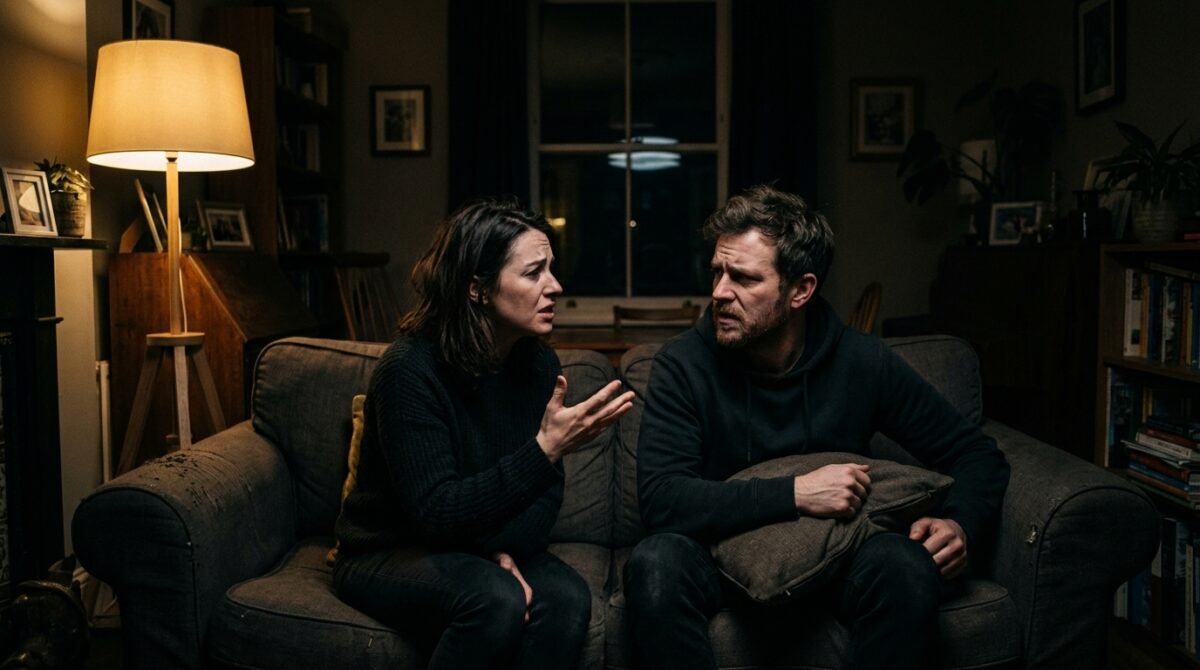
The conversation devolved into an argument about the nature of family loyalty. Mark argued that excluding Linda would destroy the family dynamic, while I argued that the family dynamic had already been destroyed by her attempt to harm our son. He couldn’t seem to grasp the concept that a grandmother’s role is to protect a grandchild, not to test them like a lab rat in a controlled experiment.
That night, I realized that I was fighting a two-front war. I wasn’t just keeping Linda away from my son; I was fighting to convince my husband that our son’s life was worth more than his mother’s feelings. It was the most isolating experience of my life, sitting in our living room while he defended the person who had just put our child in the hospital.
The Group Chat Explosion
The next morning, my phone wouldn’t stop buzzing. It was the family group chat, titled ‘The Smith Clan.’ Linda had gone on the offensive, painting herself as the victim of a ‘hysterical daughter-in-law’ who was keeping her grandson away from her for no reason. She conveniently left out the part about the milk. She told the rest of the family that I had ‘blown up’ over a misunderstanding about snacks and that I was being ‘controlling and irrational.’
“I just wanted to see if the boy was actually allergic, and she reacted like I’d committed a crime. Some people just love being the victim. #GrandmaRights”
— Linda, in the family group chat
Seeing her message, I didn’t hesitate. I screenshotted the medical report from the urgent care, which explicitly stated ‘accidental ingestion of dairy,’ and sent it to the group. I didn’t add any commentary. I just let the cold, hard facts speak for themselves. The silence that followed was agonizing. Then, one by one, the family members began to turn. My sister-in-law, who usually stayed out of it, was the first to speak up.
She demanded to know why Linda would even think to test an allergy. The chat became a battlefield. Cousins, aunts, and uncles weighed in, most of them horrified by Linda’s admission. Linda, however, doubled down. She claimed that allergies are ‘over-diagnosed’ and that my son would have ‘built up a tolerance’ if I had just let her do her work. Her stubbornness was staggering; she genuinely believed she was in the right.
I watched the chaos from my screen, feeling a strange sense of vindication. For years, I had been the one to keep the peace, to bite my tongue, and to accommodate her whims. Now, the mask had slipped, and everyone could see the true nature of the person I had been forced to tolerate. But the victory was hollow. I didn’t want to win a debate; I wanted to know that my son was safe.
By the end of the day, Mark had left the group chat entirely. He was caught between his mother’s pride and the reality of his own child’s medical needs. He wasn’t taking a side; he was retreating. And in that moment, I realized that I couldn’t rely on him to enforce the boundaries I needed to keep my family safe. I had to become the villain in their narrative if it meant being the hero in my son’s life.
The Hard Line in the Sand
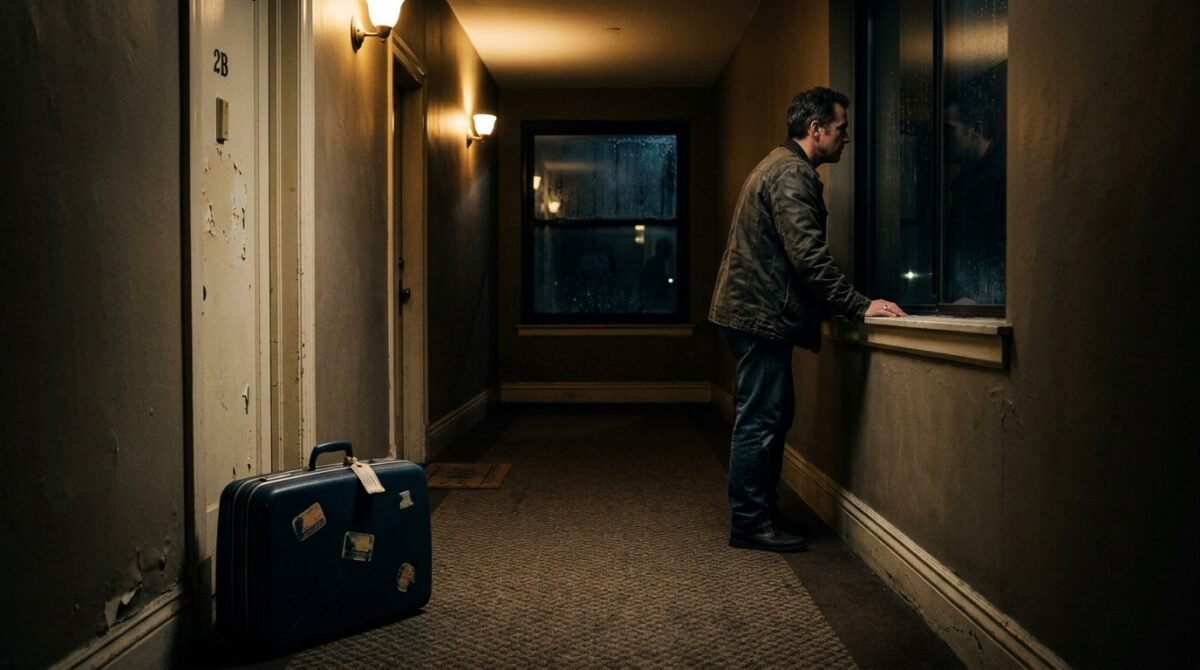
When Mark returned from work that evening, he found me packing a bag. I told him I was taking Leo to my parents’ house for a few days to get some space. He tried to stop me, pleading that things were ‘cooling down’ and that we could just move past it. He suggested a family therapy session where Linda could ‘apologize’ and we could all ‘move forward.’ I laughed, a bitter, hollow sound that seemed to surprise him.
“She doesn’t think she did anything wrong, Mark,” I said, looking him in the eye. “She told the entire family that she was doing a service. You cannot apologize for a premeditated attempt to harm a toddler. There is no therapy for that. There is no moving forward. There is only safety, and right now, safety means being away from your mother.”
“If you can’t protect your son from your own mother, then I have to be the one to do it. You don’t get a say in his medical safety when you’re prioritizing your mother’s comfort over his life.”
— My response to Mark’s attempt to negotiate
The drive to my parents’ house was long and quiet. Leo was oblivious, happily singing along to nursery rhymes in the back seat, unaware of the upheaval that had just occurred. My parents, who had always been polite but distant from Linda, were horrified when I told them the truth. My father, usually a mild-mannered man, was ready to drive over to Linda’s house himself to demand answers.
I had to hold them back. I didn’t want a confrontation; I wanted an iron-clad barrier. I began the process of looking into legal protective orders, just in case. I knew that Linda wouldn’t give up quietly. She was a woman who lived for control, and having that control stripped away by a ‘daughter-in-law’ was an insult she would likely fight against for months or even years.
That night, I didn’t sleep. I scrolled through forums and advice sites, looking for similar stories. I was surprised by how common it was—grandparents ignoring allergies, ‘testing’ them, and then playing the victim. It made me feel less alone, but also more terrified. The prevalence of this behavior was a stark reminder that I wasn’t being paranoid; I was being proactive. And being the ‘difficult’ one was a small price to pay for my child’s health.
The Attempted Redemption Tour
Two weeks later, the flowers started arriving. Dozens of bouquets, followed by expensive gifts for Leo—toys he couldn’t play with, clothes that didn’t fit. It was a classic ‘love bombing’ attempt. Linda wasn’t apologizing; she was trying to buy her way back into our lives. She sent cards written in her elegant, flowery script, filled with platitudes about ‘forgiving and forgetting’ and how much she ‘missed her grandson.’
I returned every single gift to her doorstep. I didn’t leave a note. I just let the packages sit there, accumulating like a mounting pile of rejected pleas. Mark was the one who had to deal with the fallout, as Linda began calling him incessantly, weeping about how ‘heartbroken’ she was. He was exhausted, caught in the middle of a war he refused to end by taking a firm stand.
“I just think she’s lonely, and this is her way of saying she’s sorry. Can’t we just accept the peace offering and move on?”
— Mark, trying to rationalize the return of the gifts
I told him that gifts aren’t apologies. An apology involves acknowledging the fault, expressing remorse, and showing a change in behavior. Linda’s gifts were a way to bypass the guilt. She wanted to pretend the incident never happened, to sweep the near-anaphylactic event under the rug and return to the status quo. I was not going to let that happen. Our safety was not negotiable.
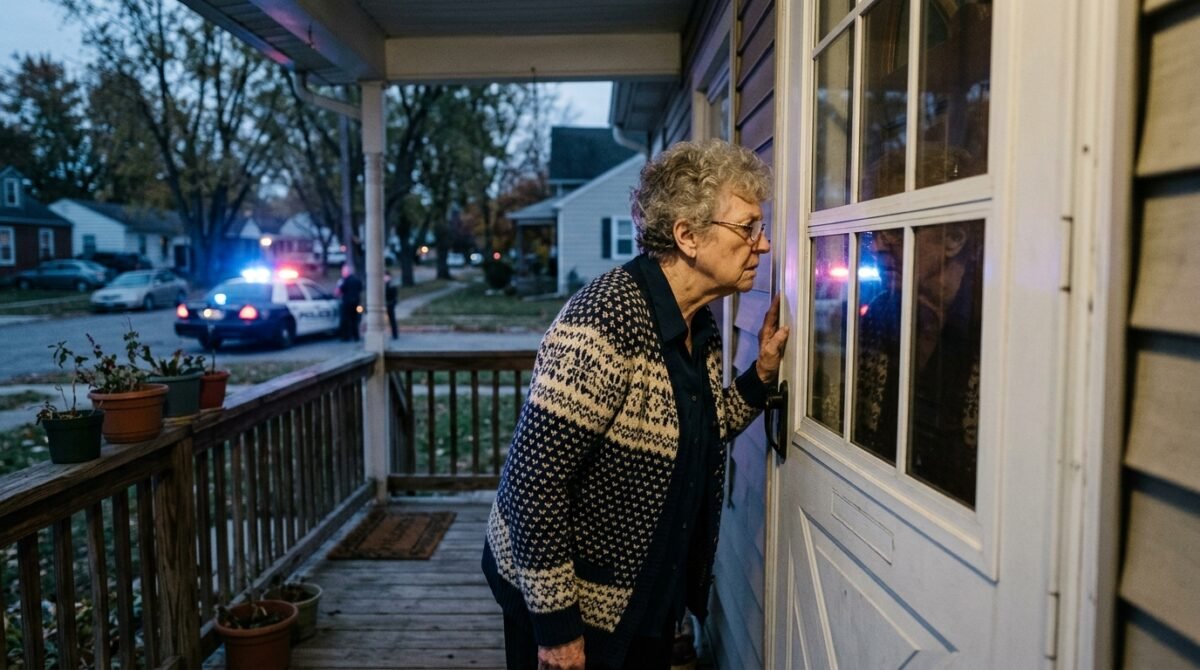
Eventually, she showed up at our house unannounced. I saw her car pull into the driveway from the nursery window. My heart skipped a beat, not out of fear for myself, but for the sanctity of the home I had created. I didn’t open the door. I watched from the upstairs window as she stood on our porch, ringing the doorbell repeatedly, then knocking, then peering through the glass.
I called the police. I didn’t want to escalate, but I needed a record. When the officers arrived, they were professional but clearly annoyed at being called to a domestic squabble. They asked her to leave, and she did, but not before screaming at me from the sidewalk that I would ‘regret this’ and that she had ‘rights’ as a grandmother. It was the final straw. I was done waiting for her to come around. The bridge was not just burned; it was dismantled.
The Legal Reality Check
Following the incident at our house, I consulted with a family lawyer. I needed to know where we stood. Could she sue for grandparent rights? Could she force visitation? The lawyer was reassuring but firm: in our jurisdiction, the parents’ rights to determine the child’s environment and safety were paramount. A grandparent who had endangered a child’s life would have an almost impossible time winning any sort of visitation case.
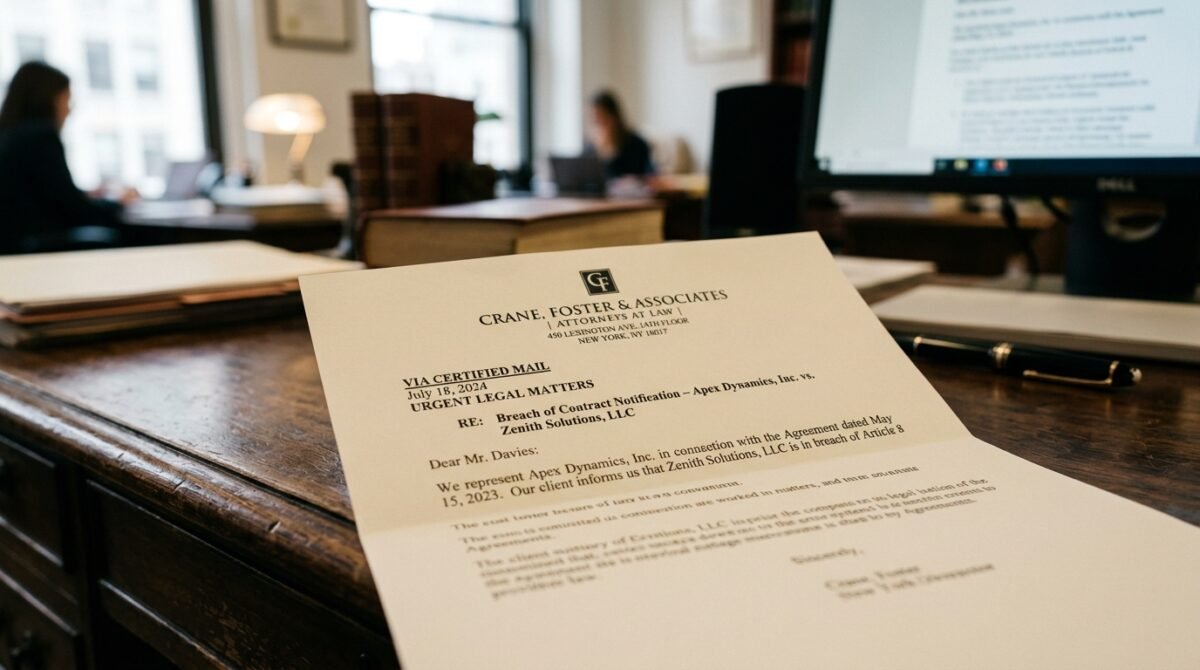
The lawyer suggested a cease-and-desist letter. It wasn’t a lawsuit, but it was a formal declaration that any further attempts to contact us or visit would be met with legal action. It was a cold, formal piece of paper, but it felt like a shield. I had Mark sign it with me, though he did so with great reluctance. He felt like he was ‘betraying’ his mother, but he finally understood that my resolve was not going to break.
“By signing this, you are prioritizing your son’s safety over your mother’s ego. If you aren’t ready to do that, we have a much bigger problem than your mother.”
— My ultimatum to my husband during the legal consultation
When the letter was delivered, the silence from Linda was absolute. For the first time in months, there were no phone calls, no gifts, no unannounced visits. It was a terrifying, wonderful peace. We finally started to heal, focusing on building a life where we didn’t have to look over our shoulders, wondering if someone was trying to poison our son for the sake of a point.
I took the time to educate myself even further on allergy management. I joined support groups, learned the nuances of cross-contamination, and became an advocate for other parents in my situation. I realized that my anger had transformed into a protective fire. I wasn’t just a mother protecting her child; I was a guardian of a life that was worth more than any social obligation.
The legal letter was a turning point. It signaled to everyone—the family, the neighbors, and most importantly, to ourselves—that we were a unit, and that our boundaries were absolute. It was the final step in reclaiming our home. We weren’t just reacting to the drama; we were defining the terms of our existence. And for the first time in a long time, I felt like we were finally in control.
Reddit Weighs In: The Community Verdict
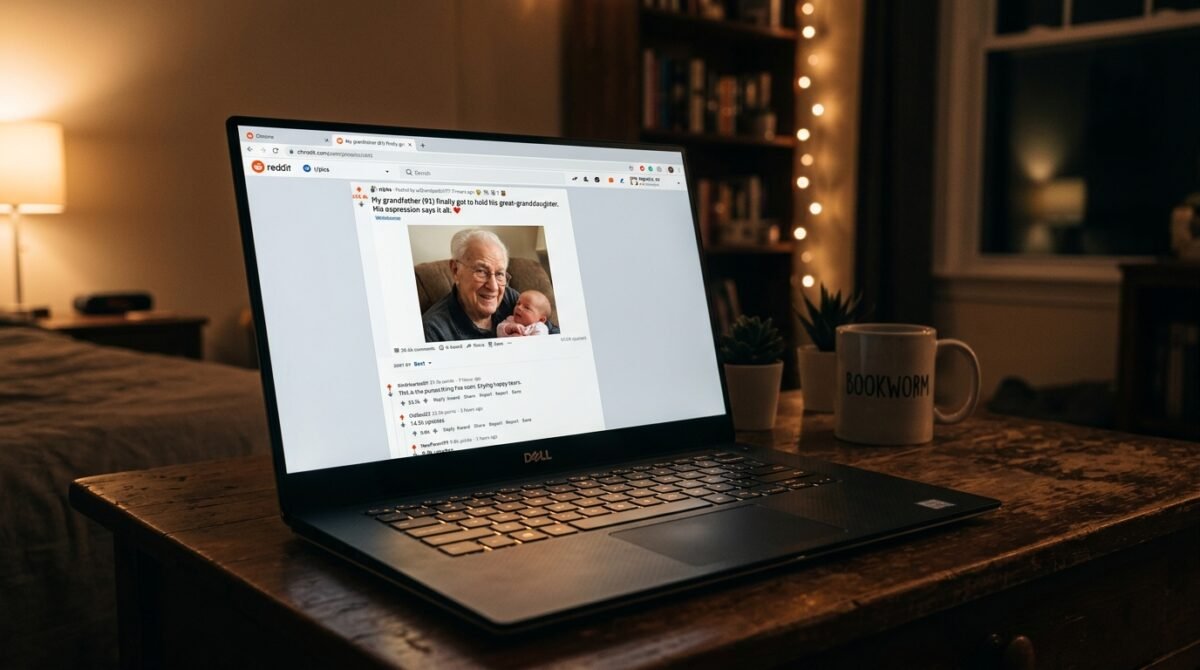
I posted my story on a popular support subreddit, expecting some backlash. I was prepared for the ‘family is everything’ crowd, but I was surprised by the overwhelming support I received. Thousands of people reached out, sharing their own stories of dangerous in-laws and the difficulty of setting boundaries. It felt like a collective sigh of relief from people who had been through the same thing.
“NTA. She intentionally fed a child something that could have killed him. That isn’t just a boundary violation; that is child abuse. Cut her off forever and don’t look back.”
— u/SafetyFirstMom (Top Comment, 32.4k upvotes)
The comment section became a place of healing. People shared resources on how to handle difficult relatives, advice on explaining allergies to schools, and stories of their own ‘NC’ (No Contact) journeys. It was a testament to the fact that I wasn’t alone. There were so many others who had had to make the impossible choice between their family of origin and their own children.
“I had a MIL who used to hide nuts in the desserts she made for my son. I thought it was an accident until I caught her doing it on purpose. You are doing the right thing, OP. The guilt will pass, but the safety of your child is permanent.”
— u/AllergyWarrior (15.2k upvotes)
There were, of course, the contrarians. A few people argued that I was being too harsh, that I should have forgiven her and just ‘supervised better.’ I found myself responding to these comments with the patience of someone who had already done the work. I explained that when someone shows you who they are, you should believe them. And Linda had shown us exactly who she was.
The community reaction was a mirror, reflecting the validity of my decision. It was validating to see that so many others recognized the severity of the situation. It made the loneliness I had felt in my marriage, and the isolation I had felt from my in-laws, seem a little less daunting. I wasn’t the problem; the behavior was. And by standing my ground, I was helping normalize the idea that a child’s life is never a bargaining chip.
Reading the comments, I felt a sense of empowerment. I realized that this story wasn’t just mine; it was a narrative that resonated with thousands of people who felt silenced by family expectations. By sharing it, I was contributing to a larger conversation about the limits of ‘family’ and the importance of personal agency in protecting those we love.
The Lingering Echoes of the Ban

Life has settled into a new, quieter rhythm. We see our extended family less, and the family gatherings that used to define our holidays have become smaller, more intimate affairs. There is a sense of loss, certainly. We miss the family we thought we had, the grandmother Leo could have had, the peace that existed before the secret was revealed. But it is a healthy kind of loss—a grieving for a reality that never truly existed.
Mark and I are in marriage counseling now. It has been a difficult, painful process. We had to confront the ways he was raised, the ways he was taught to suppress his own needs, and the ways we had failed to communicate our boundaries to his family. It hasn’t been a magic fix, but we are learning to be a team. We are learning that our family unit comes first, and that everything else is secondary.
“I realize now that I was protecting my mother’s reputation while putting my own son’s life at risk. I’m sorry it took this long for me to see it.”
— Mark, during a therapy session
Leo is thriving. He is aware of his allergies, he knows not to take food from people he doesn’t know, and he is becoming more independent every day. He doesn’t remember the incident, and for that, I am grateful. He doesn’t have to carry the weight of his grandmother’s resentment. He just gets to be a child, safe and loved, in a house where his well-being is the highest priority.
I sometimes wonder what Linda is doing. I imagine her sitting in her house, surrounded by the ghosts of her own making, still convinced she was the victim. It doesn’t fill me with hate anymore; it fills me with a strange kind of pity. She lost a grandson, a son, and a family because she couldn’t let go of her own ego. It is a tragic, self-inflicted fate.
The ban is still in place, and it will remain so. There is no timeline for its end. There is no ‘getting over’ an attempt to harm a child. We have built a wall of safety, and we are perfectly happy living within its quiet, secure confines. We have found that the most important people in our lives are the ones who respect our boundaries, not the ones who treat them like suggestions.
Reflecting on the Cost of Boundaries

I often reflect on the cost of setting these boundaries. It wasn’t cheap. It cost us family relationships, it caused immense stress in our marriage, and it forced us to become the ‘bad guys’ in our extended family’s eyes. There were days when I wondered if it would have been easier to just endure the passive-aggression, to keep the peace at the expense of my own comfort. But then I remember the sight of my son in the urgent care clinic, his face flushed with a reaction that could have been fatal.
The cost was high, but the alternative was higher. The alternative was a lifetime of constant vigilance, of worrying if my son was being fed something dangerous, of living in a state of perpetual distrust. By drawing a hard line, I paid the price of the relationship to save the soul of our family. I learned that you cannot negotiate with someone who doesn’t respect your child’s life, and that true family love is not about blind obedience to elders; it is about the mutual protection of the most vulnerable among us.
“Boundaries aren’t walls to keep people out; they’re gates to ensure that those who are allowed in are worthy of the trust they’re being given.”
— A thought that keeps me grounded
My advice to anyone facing a similar situation is simple: do not wait for permission to protect your child. You are the parent, you are the protector, and your word is the final law. Do not let anyone—family or otherwise—make you feel guilty for prioritizing your child’s medical needs. The people who are truly on your side will respect your boundaries; the people who get angry when you set them are the ones who needed them the most.
I am not the same person I was before the milk incident. I am more cautious, more guarded, and perhaps a little more cynical about family loyalty. But I am also more confident. I know that I can handle the hardest, most gut-wrenching decisions for the sake of my child. I have learned to stand in my own truth, even when the world tells me I’m wrong.
Looking back, I don’t regret a single decision. The path was painful, but it led us to a place of strength. We are a stronger family for it, and we are a safer family for it. And for me, that is the only outcome that matters. I will continue to guard our boundaries, and I will continue to be the mother my son needs, regardless of what anyone else thinks.
The Unspoken Future

What does the future hold? I don’t know for sure. I assume that at some point, there might be a wedding or a graduation or a funeral where paths might cross again. I am not naive enough to think this is the end of all interaction for the rest of eternity. But I have prepared for those moments. I have rehearsed the words I will use, the way I will hold my ground, and the ways I will keep my son safe while navigating those inevitable intersections.
My husband and I are stronger now than we ever were. We have built a relationship on mutual understanding and a shared commitment to our son. We have learned to communicate in a way that doesn’t rely on the influence of others. We are our own people, with our own rules and our own values. And that, in itself, is a victory.
“We are not defined by the family we came from, but by the family we choose to build.”
— My husband’s sentiment during our last anniversary
We are teaching Leo the importance of his health, the importance of his boundaries, and the importance of listening to his body. We are raising him to be a person who understands his own needs and isn’t afraid to speak up for them. We are breaking the cycle of toxic family expectations that caused this whole mess in the first place.
If there is one thing I want people to take away from this story, it is that you are not powerless. Even when it feels like the whole world is against you, even when it feels like you’re fighting a battle that no one understands, you have the power to define your own reality. You have the power to protect your own.
The milk incident was a tragedy, but it was also a turning point. It was the moment we stopped living for others and started living for ourselves. It was the moment we found our strength. And for that, I suppose, I can be thankful for the chaos. It forced us to grow, to change, and to become the people we were meant to be.
Conclusion
My experience has been a long, arduous journey from a place of blind trust to a place of hard-won wisdom. It has taught me that the sanctity of a child’s life is the single most important metric by which we should judge family dynamics. When an in-law chooses their pride over your child’s safety, they have forfeit their place at your table.
We are now living a life of peace, defined by the boundaries we created and the love we share as a nuclear unit. We have learned that ‘family’ is not a blood-bound obligation, but a choice we make every single day. We choose to surround ourselves with people who respect us, and we have learned to walk away from those who do not.
What about you? Have you ever had to draw a line in the sand with family, even when it caused massive backlash? Do you believe that some transgressions are beyond forgiveness, or do you think there is always a path back to reconciliation? Join the conversation below and share your own experiences with setting boundaries with toxic family members.
What's your verdict on this dilemma?
Vote below to contribute to the official community consensus.

Have a Dilemma Keeping You Up at Night?
Share your real-life feud, wedding chaos, or relationship crossroads anonymously with our editorial team.
What do you think ?
0 Comments🛡️ Comments are moderated to protect community integrity. Your comment will appear once approved by the editorial team.