
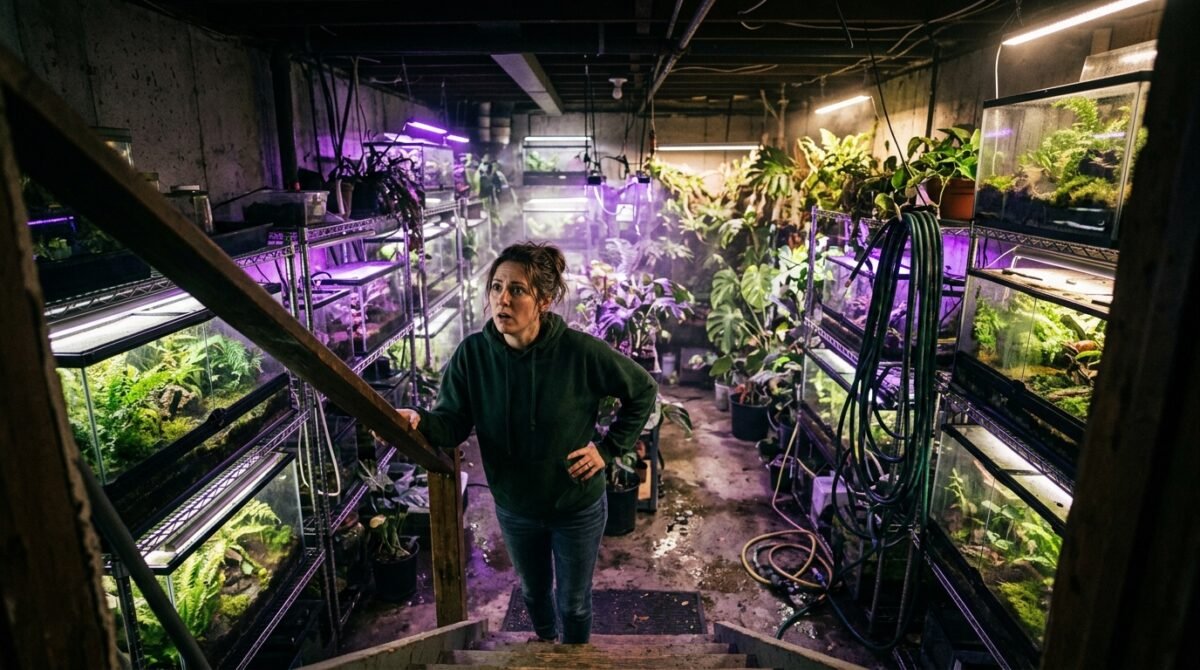
Living with a roommate is often a test of patience, a delicate dance of shared chores, noise levels, and basic respect for personal boundaries. For two years, Sarah and I had mastered this rhythm, or so I thought. We split the rent on a decent townhouse in the city, kept our common areas tidy, and mostly stayed out of each other’s hair. The basement, however, was officially classified as storage space—a place for my old holiday decorations and her unused yoga gear.
It started with a persistent, humid dampness that turned our main-floor hardwood floors slightly tacky. Then came the smell—not mold, but something rich, organic, and suspiciously like a tropical forest floor. I asked Sarah about it several times, but she brushed it off as a plumbing issue, claiming she’d called the landlord to look at a ‘leaky pipe’ that never seemed to get fixed. I trusted her, largely because I was buried in my own workload and too tired to investigate.
The moral dilemma didn’t fully crystallize until the day I arrived home early from a business trip to find a delivery truck idling in our driveway. The driver was hauling crates of moss, bags of specialized soil, and high-end glass vessels into our home, heading straight for the basement door. I didn’t see Sarah; I saw a business in full swing, turning our rented home into a commercial enterprise without my permission or knowledge.
What followed was a slow, agonizing realization that I wasn’t just living with a roommate; I was unknowingly subsidizing a side-hustle that was putting our lease, our security deposit, and my own sanity at risk. The entitlement was staggering, and the silence that followed my discovery was the loudest I’ve ever heard in my own home.
The Humid Unraveling of My Living Room
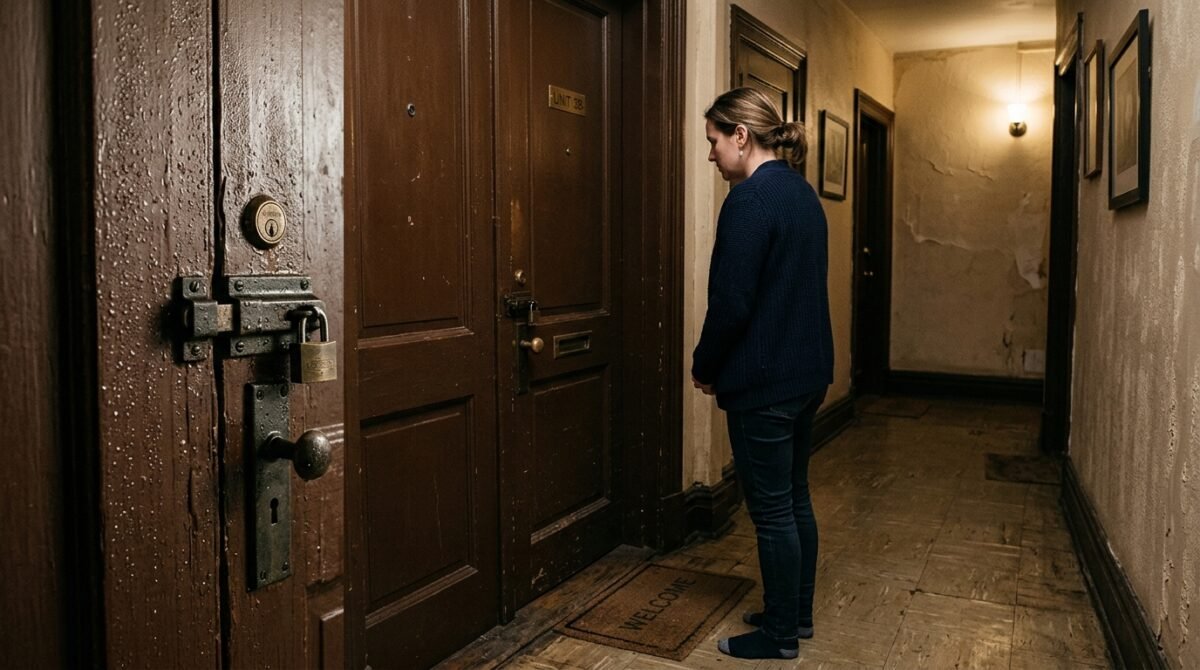
The first signs were subtle, appearing like ghosts in the periphery of my daily routine. It was the condensation on the inside of the basement door, a slick layer of moisture that I initially attributed to a change in the season. I remember wiping it away with a kitchen towel, grumbling about how the house was aging poorly. Sarah, meanwhile, had begun spending an inordinate amount of time in the lower level, claiming she was ‘organizing’ and ‘practicing her meditative breathing’ in the cool air of the cellar.
I didn’t think much of it until the floorboards in the hallway started to buckle. I asked her point-blank if she had spilled water or if there was a major leak. She looked me dead in the eye and said, ‘It’s just an old house, stop obsessing over it.’ Her tone was dismissive, almost condescending, which felt strange given how chill she usually was. Little did I know, she was protecting a secret that was actively damaging the integrity of our home.
When I finally went to retrieve a winter coat from the basement, the door was locked. That was a red flag. We had an unspoken agreement that the storage area was communal, despite my things taking up more space. When I knocked, she didn’t open it immediately. I heard the scuffling of feet, the frantic sound of moving boxes, and then a long silence before she cracked the door open, her face flushed and her hands covered in damp, dark soil.
“Are you kidding me? Why is it locked? And why does the house smell like a literal swamp?”
— Me, confronting Sarah at the basement door
She tried to laugh it off, claiming she was just starting a small indoor gardening project to help with the winter blues. She looked so tired, so genuinely invested in her little hobby, that I backed down. I felt guilty for being the ‘nagging roommate.’ I didn’t realize that in that moment of weakness, I had allowed her to solidify her hold on the space.
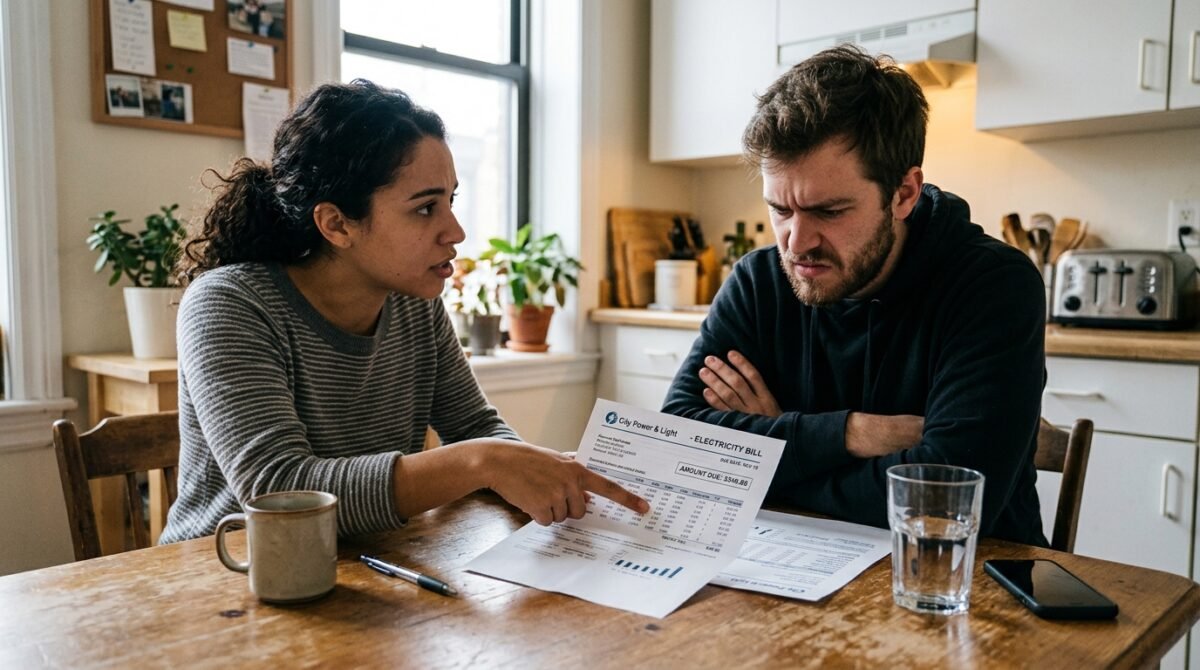
The humidity continued to climb. My clothes began to smell earthy, and the electricity bill spiked by nearly two hundred dollars that month. When I brought up the bill, Sarah claimed she was running a space heater to keep her ‘delicate ferns’ from dying in the drafty basement. I wasn’t happy, but I was still under the impression this was just a hobby. I was dead wrong.
The Delivery Truck and the Commercial Reveal
The day of the delivery truck changed everything. I came home two hours earlier than expected, my luggage still in the trunk of my car. As I pulled into the driveway, I saw a commercial delivery van unloading crates stacked three feet high. The logo on the side read ‘Terrarium Express’ or something similar. My blood went cold. I watched from my car as the driver hauled a pallet of custom glass vessels toward my front door, keys jangling in his hand.
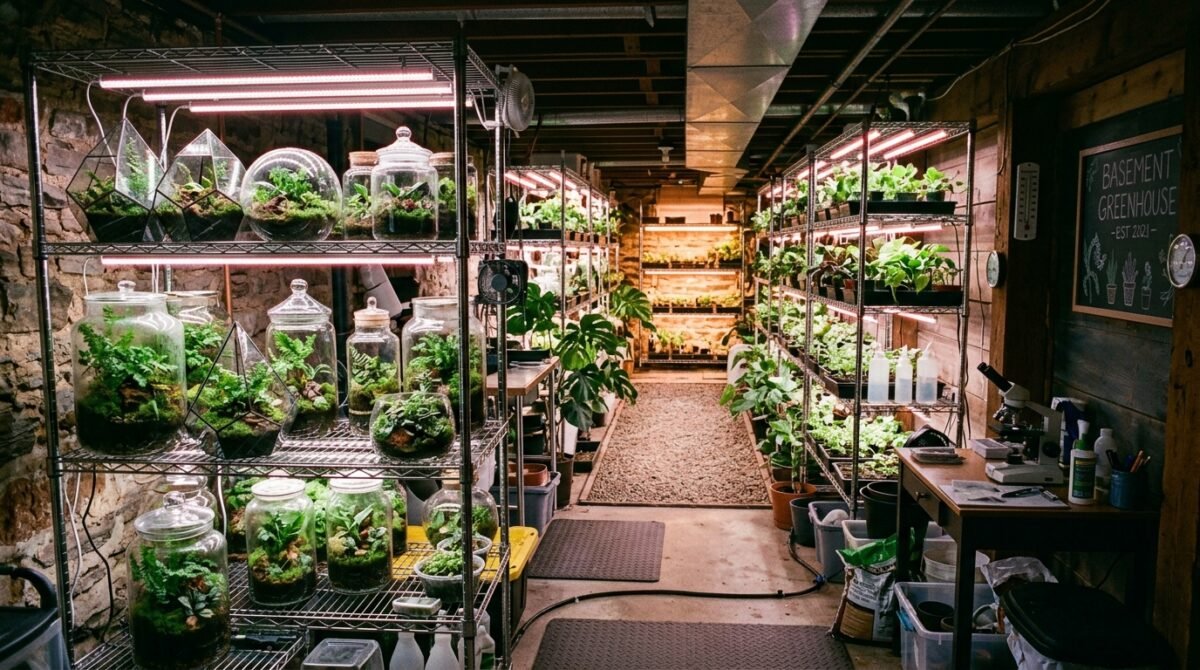
I stepped out of the car, my heart pounding in my throat. I didn’t even say hello to the delivery guy. I marched straight to the house, entered, and found the basement door wide open. Downstairs, the basement had been completely transformed. It was no longer a storage area; it was a professional-grade greenhouse. There were rows upon rows of LED grow lights, industrial misting systems, and hundreds of terrariums filled with rare, high-value exotic plants.
Sarah was standing in the center of this makeshift jungle, barking orders into a headset. She looked like the CEO of a botanical empire, not a graduate student with a hobby. The sheer volume of inventory was enough to suggest this wasn’t just a passion project; it was a full-scale retail operation. She froze when she saw me, her face draining of all color as she realized the jig was up.
“Sarah, explain to me why there is a commercial shipping manifest on our kitchen table and why my basement looks like a botanical garden?”
— My voice trembling with anger
She tried to play it cool, but the panic in her eyes was palpable. She started spewing excuses about how it was just a ‘startup’ and how she was going to be profitable soon. She told me she had been selling these online for months, shipping them out to customers across the state. My head was spinning—she was using our address, our utilities, and our space to run a business that could easily get us evicted if the landlord found out.
The sheer scale of it hit me. The wiring was a fire hazard, the humidity was rotting the floor joists, and the constant traffic of deliveries was likely annoying the neighbors. I didn’t care about the plants. I cared about the lease I had signed, the deposit I stood to lose, and the absolute betrayal of trust. The look on her face wasn’t one of apology; it was one of calculation, as if she were wondering how much more time she could squeeze out of the arrangement before I forced her to stop.
The Calculated Financial Betrayal
Once the initial shock wore off, the reality of the finances began to settle in. I started digging through the piles of paperwork she had left scattered on the basement floor. I found invoices, shipping labels, and a ledger that detailed thousands of dollars in revenue. She wasn’t just selling to friends; she was fulfilling orders for high-end boutique shops in the city. She had been making a killing while I was footing the bill for the electricity and the water that her tropical moss so desperately needed.
I confronted her about the money that night. The atmosphere in the kitchen was thick with tension. She sat at the table, refusing to make eye contact, while I laid out the math. The electricity bill had tripled since she started the business, and the water usage was off the charts. She had been paying her half of the rent, but she hadn’t contributed a single cent to the utility overages that her illegal business was racking up.
When I asked her to compensate me for the last four months of inflated bills, she laughed—a sharp, cold sound that caught me off guard. She told me that since she was ‘sharing’ the space, she felt entitled to the utilities. The audacity was truly breathtaking. She actually believed that because she was the one doing the work, I should be happy to provide the infrastructure for free. It was the classic case of someone treating a shared home as their own private office.
“You’ve been making thousands, Sarah. And yet you let me pay the extra three hundred a month for your grow lights? This isn’t a roommate situation, this is exploitation.”
— Me, confronting her with the utility invoices
She pushed back, claiming that the ‘value’ she brought to the house by being a ‘productive member of society’ outweighed a few dollars in electricity. She suggested that I was just jealous of her entrepreneurial spirit. That was the moment I realized we weren’t just having a disagreement; we were operating on two completely different moral planes. I knew then that the friendship was over.
I told her she had until the end of the month to clear out the basement and return it to its original state. She threatened to call the police, claiming I was ‘harassing’ her in her workspace. I calmly told her that the police would likely be very interested in the commercial zoning violations and the fire hazards she had installed in a residential property. That shut her up, but only for a moment. The war had just begun.
The Eviction Notice and the Smear Campaign
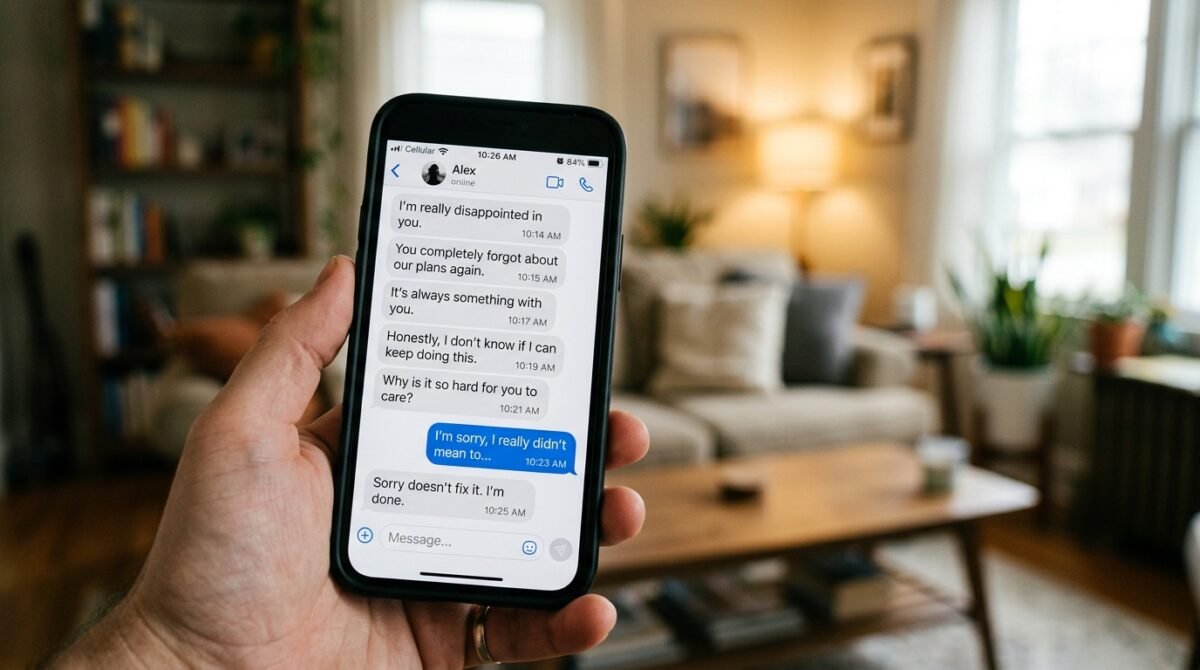
By the end of the week, I had contacted the landlord. I didn’t want to be the person who gets someone evicted, but I realized that my own name was on that lease, and my credit was on the line. The landlord was livid. He came over the next morning and inspected the basement himself. He didn’t even wait for me to explain; the sheer sight of the humid, moss-covered walls was enough for him. He handed Sarah a formal notice to vacate within thirty days.
That’s when the smear campaign started. Sarah didn’t take the eviction quietly. She began posting on social media, painting me as a controlling, jealous roommate who was trying to sabotage her small business dreams. She left out the part about the illegal workspace, the utility theft, and the damage to the floorboards. She even went as far as to message our mutual friends, framing me as the villain of the story.
My phone started pinging with messages from people I barely knew, asking me why I was being so ‘unsupportive’ of Sarah’s passion. It was infuriating. I had to spend my evenings drafting messages explaining the reality of the situation to anyone who would listen. The emotional toll of being publicly slandered by someone you once considered a friend was heavy, but I held my ground. I knew the truth, and I had the photographic evidence to back it up.
“Hey, I heard you’re trying to ruin Sarah’s business because you’re jealous of her success? That’s pretty toxic, honestly.”
— A message from a ‘friend’ I hadn’t spoken to in months
I didn’t engage in the drama. I kept my responses short and factual. I sent them the photos of the basement before and after, and the utility bills showing the spike in costs. Most people quieted down once they saw the evidence. It was a stark reminder of how quickly public opinion can turn when only one side of the story is being told, and how important it is to keep receipts.
The final straw was when she tried to involve my employer. She called my office, pretending to be a client, and left a message complaining about my ‘unprofessional behavior’ in my personal life. Luckily, my boss knew me well enough to realize something was off and brought it to my attention immediately. That was the point of no return. I blocked her on everything, contacted a lawyer to discuss potential libel, and focused entirely on getting her out of my house.
The Final Stand at the Doorstep
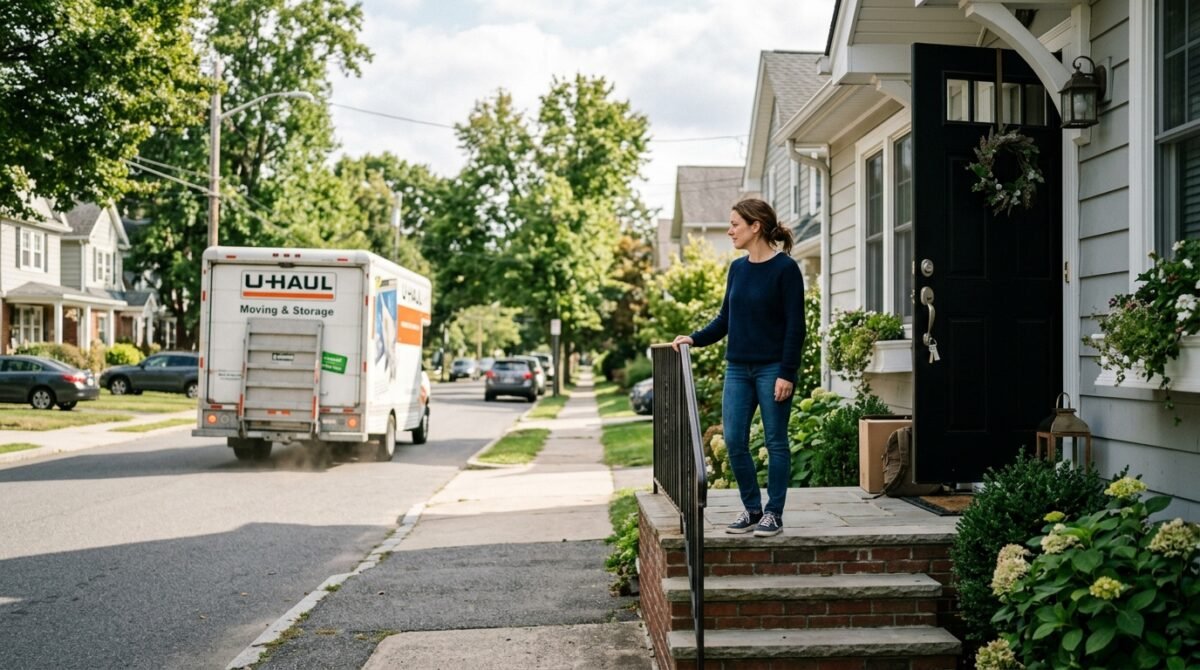
The final day of her residency was the most uncomfortable experience of my life. She had spent the entire week packing, but she was doing it as slowly as humanly possible, leaving piles of boxes in the hallway and making sure to clutter the common areas to the point of being impassable. Every time I tried to move a box, she would claim I was ‘stealing her inventory’ or ‘damaging her products.’ I just wanted her gone.
When the moving truck finally pulled up, I stood by the door, making sure she didn’t take anything that wasn’t hers. She had a habit of ‘borrowing’ my things, and I wasn’t going to let her leave with my kitchen appliances or my tools. She huffed and puffed, complaining about how I was treating her like a criminal, but I didn’t say a word. I just watched her load her terrariums, one by one, into the truck.
The air in the house was stale, and the smell of damp moss lingered in the carpets even though the equipment was gone. We didn’t speak. There was nothing left to say. She finally handed over her keys, and for a split second, she looked at me with a mix of defiance and regret. I didn’t offer a goodbye. I simply closed the door and locked it behind her, feeling a weight lift off my shoulders that I hadn’t realized I was carrying.
“You’re really going to act like this? After everything we went through? You’re a cold person.”
— Sarah, as she handed over the house keys
I watched from the window as she drove away. The driveway was stained with oil from her delivery van, and the basement was a mess of water damage and soil. I knew I had a long road ahead of me to repair the house, but for the first time in months, the house felt like mine again. I opened all the windows, letting the fresh air flush out the remnants of her business.
That night, I sat in the living room and finally breathed. I had learned a hard lesson about boundaries and the danger of ignoring your gut instincts. People are capable of incredible entitlement when they think they can get away with it, especially when they think their ‘passion’ justifies their actions. I realized then that I had been too kind, too accommodating, and too trusting. It was a mistake I wouldn’t make again.
The Aftermath: Damage Control and Reality
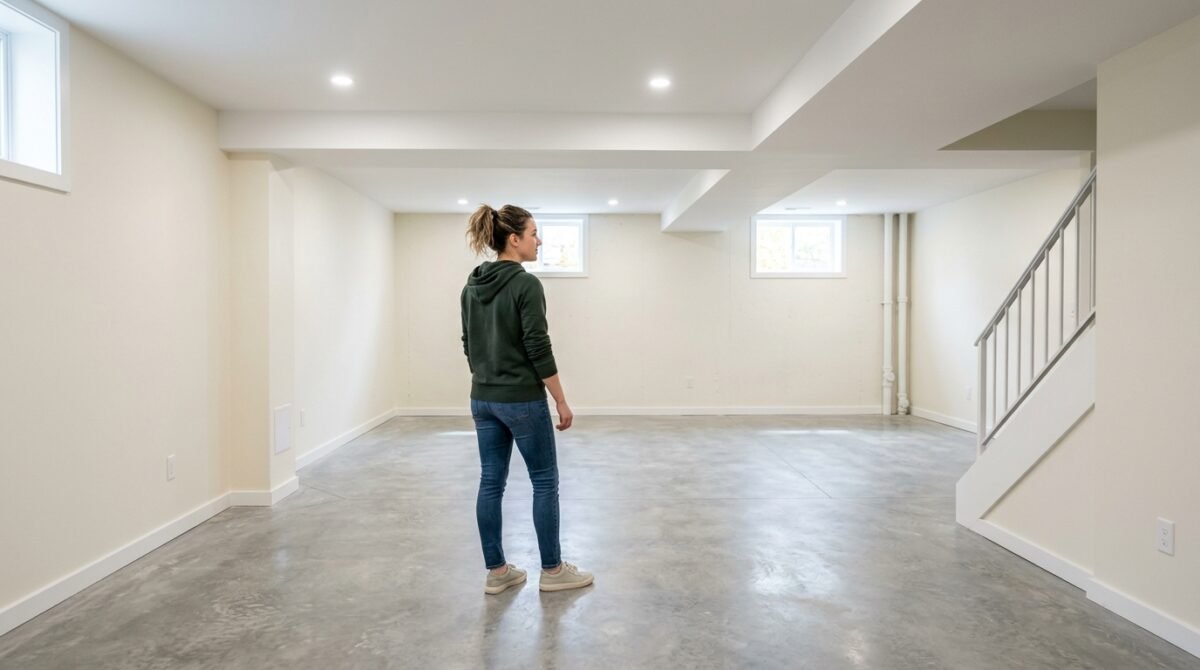
Cleaning the basement was a task that took two full weekends. The moisture had seeped into the drywall, causing black mold to bloom in the corners where the humidity had been highest. I had to hire a professional remediation team to come in and assess the damage. The bill was substantial, and I knew I had to take Sarah to small claims court to recover the costs. It wasn’t just about the money; it was about holding her accountable for the destruction of my living space.
My landlord, thankfully, was understanding. He saw the photos of the damage and agreed that Sarah was solely responsible for the remediation costs. He helped me compile the documentation I needed for the court filing. It was a tedious process, gathering receipts, utility statements, and emails, but it was necessary. I wanted to ensure that she couldn’t just walk away from this without consequences.
The social media backlash from her friends also started to settle. Once the truth came out, most of them realized they had been manipulated into attacking me. A few reached out to apologize, acknowledging that they had only heard her side of the story. It was vindicating, but it also made me realize how easily reputations can be tarnished. I became much more selective about who I shared my personal life with after that.
“I’m sorry I listened to her. I didn’t know she was actually running a business and destroying the basement. That’s wild.”
— A former mutual friend, sending a message of apology
I started seeing a therapist to deal with the anxiety the whole situation had caused. The constant confrontation and the feeling of being gaslighted in my own home had taken a bigger toll than I expected. I needed to learn how to set boundaries earlier and more firmly, and how to trust my intuition when something felt ‘off.’ It was a period of intense personal growth, and I emerged stronger for it.
Life returned to a new normal. The basement was repaired, the mold was gone, and the house was peaceful again. I stopped living with roommates, choosing to pay a bit more to live alone. It was the best decision I ever made. The solitude was a luxury I hadn’t realized I needed, and the peace of mind was worth every extra penny in rent.
The Reddit Verdict: Community Reactions

When I finally posted my story to a popular subreddit, I wasn’t sure what kind of response I would get. I expected some people to call me out for being too harsh, but I was surprised by the overwhelming support. Thousands of people commented, sharing their own horror stories of bad roommates and boundary violations. It was a strange kind of comfort to know that I wasn’t alone in this experience.
The community was particularly focused on the ‘commercial enterprise’ aspect of the story. Many people pointed out that Sarah was not only violating the lease but was likely also in trouble with tax authorities for operating a business from a residential address without proper permits. The legal and financial advice I received in the comments was invaluable, even if I was already past the point of needing it.
The most common sentiment was, ‘NTA’—Not The Asshole. The consensus was that I had been way too patient, and that Sarah’s entitlement was a textbook example of someone who uses others to get ahead. There were a few dissenters, of course, but their arguments about ‘supporting female entrepreneurs’ were quickly shut down by the rest of the community who recognized that business success doesn’t grant you the right to exploit your housemates.
“This isn’t about business; this is about being a decent human being. She used you, damaged your property, and then tried to ruin your reputation. You did the right thing by evicting her.”
— u/RoommateTruthTeller (Top Comment, 32.1k upvotes)
Reading through the comments, I felt a sense of relief. It was like finally getting the validation I hadn’t received from the people who were caught up in her smear campaign. I realized that my anger was justified and that I hadn’t been ‘controlling’—I had been protecting my home. The community debate was a cathartic experience that helped me put the final pieces of the situation together.
I also learned a lot from the people who had been in similar positions. They gave me tips on how to vet potential roommates in the future—checking references, being clear about rules, and never letting someone take over space without a formal, written agreement. It was a masterclass in ‘learning from the mistakes of others,’ and I took every single piece of advice to heart.
Reflecting on the Lessons of Boundaries

Looking back, the entire experience served as a brutal but necessary lesson in the importance of boundaries. I had spent so much of my life trying to be the ‘easygoing’ person, the one who didn’t rock the boat and who trusted that people would return that kindness. But I learned that there’s a massive difference between being easygoing and being a doormat. When someone treats your kindness as a weakness, you have to be ready to pivot quickly.
I also learned to listen to the small, nagging voice in the back of my head. That voice that told me something was wrong when the door was locked, when the floors were damp, and when the electricity bill spiked. I had suppressed that voice for months because I wanted to believe the best in my friend. I learned that trust is something that must be earned and maintained, not just given away based on history.
The financial aspect was perhaps the most eye-opening. I had always assumed that money wasn’t a topic for ‘friends’ to discuss too rigorously, but that was naive. When you live with someone, your finances are inextricably linked, especially regarding utilities and rent. Being open and direct about money—no matter how awkward it might feel—is a fundamental part of a healthy, functioning living arrangement.
“Boundaries aren’t about being mean. They’re about protecting your space and your sanity. If someone gets angry that you have boundaries, it’s a sign that they were benefiting from you not having any.”
— A thought from my therapist that stuck with me
I feel a lot more empowered now. I don’t apologize for my needs anymore. If I need a space to be clear, I make it clear. If I have a concern about a utility bill, I bring it up immediately. I don’t wait for things to boil over into a crisis. It’s a much more sustainable way to live, and it has made me a much more assertive person in all areas of my life.
The ordeal is behind me, but the lessons remain. I’m grateful for the experience in a strange way, because it showed me exactly who I am and what I’m capable of. I stood up for myself, I protected my future, and I walked away from a toxic situation. It was a hard-won victory, but it was worth every single bit of the struggle.
The Current Status: Where I Stand Today
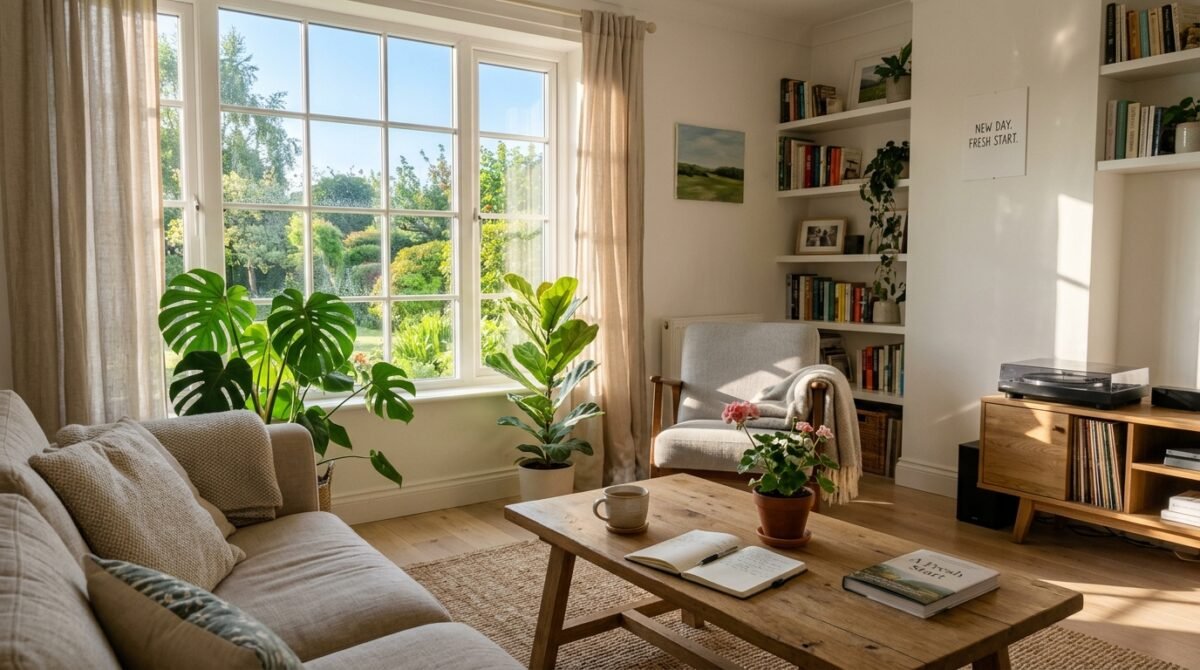
Today, I live in a quiet apartment where the only thing in the basement is a box of old books and a spare winter coat. I’ve reached a point where I can look back at the photos of that ‘terrarium workshop’ and laugh at the absurdity of it all. It’s hard to believe that I actually lived through that, but it has become a staple story at parties—a ‘what not to do’ guide for living with roommates.
I haven’t spoken to Sarah since the day she moved out. I occasionally hear news through mutual acquaintances, and from what I gather, she’s still pursuing her business, but she’s now renting a proper commercial space. I’m honestly glad for her. I never wanted her to fail; I just wanted her to stop using my home for her gains. It’s a much healthier arrangement for everyone involved.
I’ve moved on, focusing on my career and my own personal life. The stress of that year has faded, replaced by a sense of stability and peace. I’m more careful about who I let into my life, and I’m much better at spotting the red flags of entitlement. I’ve learned that the people who matter will respect your boundaries, and the ones who don’t are the ones you’re better off without.
“You’ve come such a long way. I’m glad you finally feel at home in your own house again.”
— My sister, during a visit last month
My advice to anyone currently struggling with a difficult roommate? Don’t wait. Don’t hope they’ll change. Don’t worry about being the ‘bad guy.’ Your home is your sanctuary, and you have every right to protect it. It’s better to have a difficult conversation now than to deal with the fallout of an illegal business or an eviction later.
I’m finally at peace. The house is quiet, the air is fresh, and the basement is just a basement again. I think that’s the best ending I could have hoped for. The experience was a trial by fire, but I walked through it, and I’m stronger for it.
Final Thoughts: The Importance of Community

If there’s one thing I’ve learned, it’s that talking about these things matters. We often suffer in silence, believing that our problems are unique or that we’re the only ones dealing with a difficult situation. But the reality is that so many of us are dealing with the same issues—boundary-pushing, entitlement, and the blurred lines of shared living. By sharing our stories, we create a space for others to feel validated and heard.
The community that rallied around me taught me that we all deserve respect in our own homes. We all deserve to feel safe, comfortable, and in control of our living spaces. Whether you’re dealing with a nightmare roommate or a family member who doesn’t respect your boundaries, remember that you have the power to change your situation. You don’t have to accept the unacceptable.
I am grateful for every person who took the time to read my story, who offered advice, and who shared their own experiences. It was a collective effort that helped me see the truth of my situation. It reminded me that even in the digital age, human connection and shared experiences can be a powerful force for change and understanding.
“The most important lesson? You are the gatekeeper of your own life. Don’t let anyone else decide what’s acceptable in your home.”
— A piece of advice I’ve kept written on my desk since this ordeal
So, here’s to the lessons learned, the boundaries enforced, and the peace of mind regained. May your home be your sanctuary, and may you never find a commercial plant operation hiding under your floorboards. Stay vigilant, stay honest, and always trust your gut. You’re worth it.
What about you? Have you ever had a roommate who took advantage of your kindness? Or have you had to make a tough decision to protect your home? Share your stories below—let’s keep the conversation going and help others learn from our collective experiences.
Conclusion
In the end, the eviction wasn’t just about a basement full of moss; it was about reclaiming my life and my independence. It taught me that while we should strive to be compassionate, we must never sacrifice our own security or well-being for the sake of avoiding conflict. Entitlement, when left unchecked, will always expand to fill the space it is given, and it is our responsibility to draw the line.
I hope my story serves as a reminder to anyone currently suffering under the weight of an unfair roommate situation: you have the right to set boundaries, you have the right to hold people accountable, and you have the right to say no. It might be difficult, it might be uncomfortable, but the peace of mind on the other side is worth every moment of the struggle.
What is your take on this dilemma? Should I have been more lenient, or was the eviction the only logical conclusion? How would you have handled the discovery of a commercial operation in your home? Let us know in the comments below, and don’t forget to vote in our community poll!
What's your verdict on this dilemma?
Vote below to contribute to the official community consensus.

Have a Dilemma Keeping You Up at Night?
Share your real-life feud, wedding chaos, or relationship crossroads anonymously with our editorial team.
What do you think ?
0 Comments🛡️ Comments are moderated to protect community integrity. Your comment will appear once approved by the editorial team.