
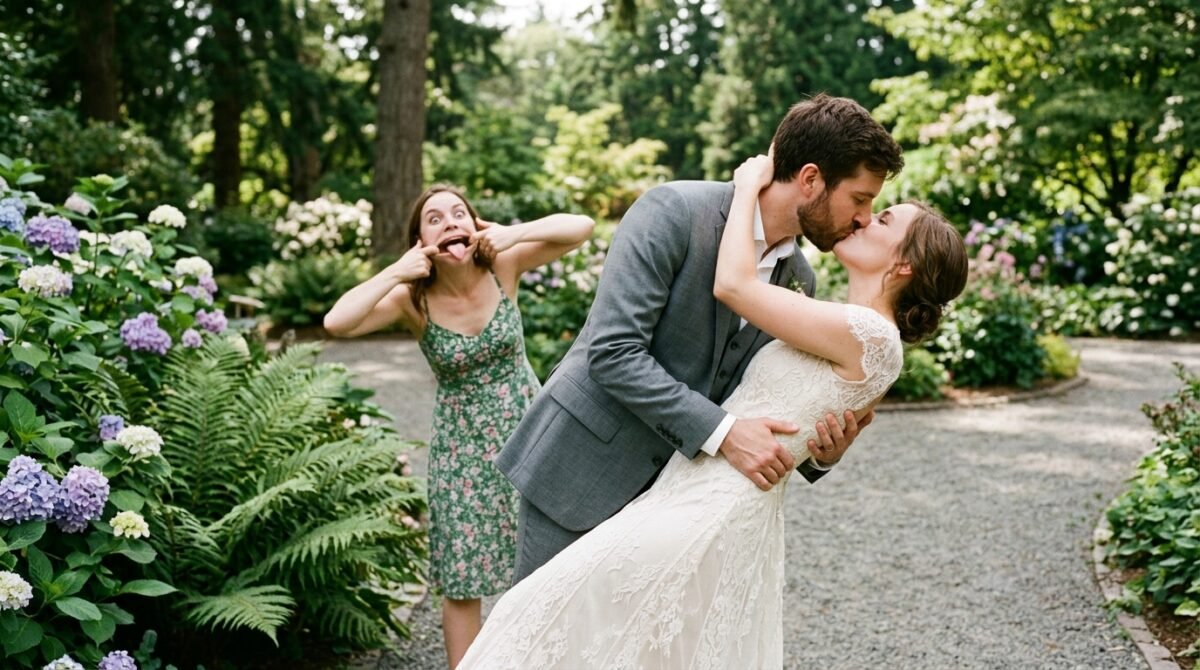
When Mark proposed, I felt like I was living in a fairytale. We spent months planning the perfect engagement shoot—a golden-hour session in the heart of the city’s botanical gardens with a world-renowned photographer whose services cost us a small fortune. My best friend, Sarah, had been my partner in crime since college, so when she offered to help with logistics and act as an extra set of hands, I was nothing but grateful. She insisted on being present, claiming she wanted to be there for ‘every milestone.’
The day of the shoot was humid, stressful, and expensive. Every outfit change was timed, every lighting adjustment was calculated, and the photographer was firing away with the precision of a surgeon. I was completely in the moment, focused on Mark, oblivious to the fact that Sarah was busy orchestrating a campaign of petty sabotage. It wasn’t until I received the digital gallery three weeks later that the reality of what she had done hit me like a brick.
As I scrolled through the high-resolution images, the heartbreak turned into cold, hard fury. In nearly every single shot—the ones where we were laughing, kissing, or gazing into each other’s eyes—Sarah was lurking in the background or slightly off-frame, pulling grotesque faces, sticking her tongue out, and doing bizarre hand gestures. She hadn’t just ruined one or two photos; she had successfully sabotaged the entire $5,000 collection.
I sat on my sofa for hours, the blue light of my laptop illuminating my tear-streaked face. This wasn’t a prank; this was a deliberate act of spite. Why would my best friend, someone I had supported through three breakups and a career change, want to humiliate me on the most important day of my life? The realization that I couldn’t use any of these photos for our save-the-dates was the final straw. I didn’t cry anymore; I just got angry.
The next morning, I did something I never thought I would. I contacted the photographer, requested a quote for the intensive manual retouching required to remove Sarah from the background of forty-two separate frames, and forwarded the invoice directly to Sarah’s email. The subject line was simple: ‘Your contribution to my engagement album.’ This is the story of how that invoice ignited the biggest firestorm of my life.
The Three-Week Wait for the Digital Gallery
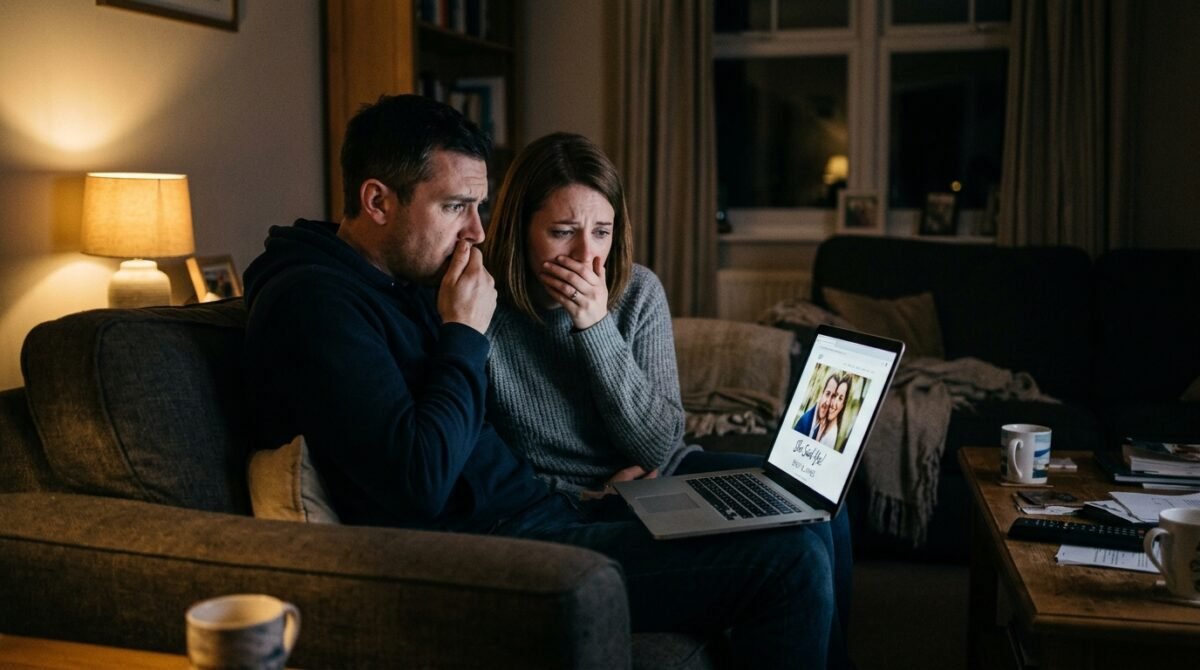
The waiting period after the shoot was filled with anticipation. Mark and I had planned to use the best shot as the centerpiece for our wedding website, and our families were eagerly awaiting the link. I checked my email every four hours, refreshing the page with the kind of obsessive intensity only a bride-to-be can possess. When the link finally arrived, I poured a glass of wine, sat down with Mark, and prepared to be moved to tears by the beauty of our love captured on lens.
Mark was the one who noticed the first one. We were looking at a gorgeous shot of us walking down a paved path, surrounded by blooming magnolias. In the background, barely visible but undeniably obnoxious, was Sarah, cross-eyed and puffing out her cheeks like a blowfish. ‘Is that… Sarah?’ Mark asked, squinting at the screen. I laughed it off initially, thinking it was a one-off moment of silliness. ‘She probably just didn’t realize she was in the frame,’ I reassured him.
But then came the next photo. And the next. By the time we reached the twenty-minute mark of our review session, the laughter had died entirely. It became clear that this was not a mistake. Every time the photographer snapped a photo of us, Sarah was there, poised and ready, waiting to contort her features into the most unflattering, bizarre expression possible. It was a systematic effort to ensure that we wouldn’t have a single usable image.
“I don’t think she was even trying to hide it, Mark. Look at this one. She’s literally looking directly at the photographer’s lens while doing that ‘demented goblin’ face. It’s like she’s trying to photobomb her way into our history.”
The realization settled over the room like a heavy fog. We had spent five thousand dollars on a professional photographer, and because of Sarah’s antics, the images were essentially worthless. The artistic integrity of the shoot was compromised, and the romantic memories were now inextricably linked to the image of my best friend acting like a toddler at a daycare center.
I felt a deep, hollow sense of betrayal. Sarah knew how much this wedding meant to me. She knew about my anxieties, my desire for everything to be perfect, and the financial sacrifices Mark and I had made to afford this specific photographer. To see her treat it as a playground for her own amusement was not just rude—it was a profound breach of trust that I couldn’t simply ignore.
The Invoice Sent at Midnight
After hours of silence, I made a decision. I didn’t want to call her and give her the satisfaction of hearing me cry or beg for an explanation. I wanted to treat this like the business transaction it had become. I went back to the photographer’s portal, reviewed the ‘Additional Retouching’ policy, and saw that manual object removal cost $150 per image. Forty-two images multiplied by $150 was a staggering $6,300.
I took a screenshot of the invoice, opened my email, and attached it to a message addressed to Sarah. I didn’t use flowery language or try to explain how hurt I was. I simply stated the facts. I told her that her behavior had resulted in a significant financial loss and that I expected her to cover the costs required to fix the damage she had caused. I hit send at 11:45 PM, my heart pounding in my chest.
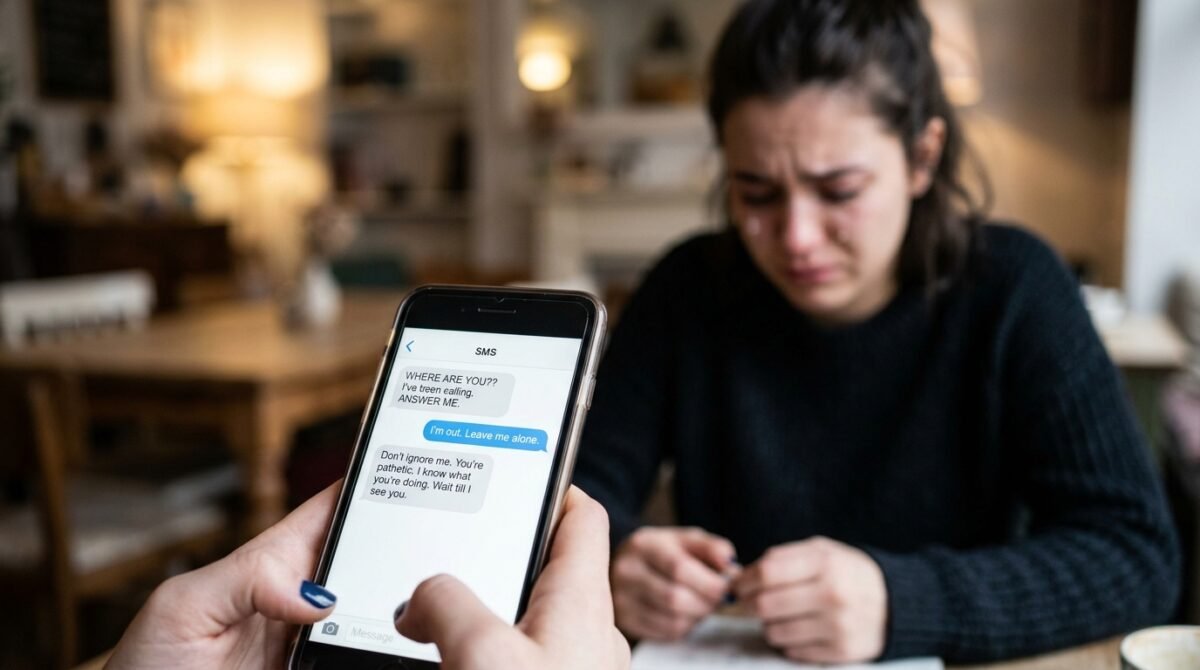
The next morning, my phone didn’t stop buzzing for three hours. The first message was a series of question marks, followed by a defensive wall of text. Sarah claimed that she was just ‘trying to lighten the mood’ and that I was being ‘uptight’ and ‘a total bridezilla’ for taking it so seriously. She seemed to genuinely believe that her behavior was a hilarious prank that I should have appreciated.
“I was just trying to make the photos less boring! Everyone does posed, stuffy engagement photos. I thought I was adding some personality to your otherwise stiff gallery. You’re seriously going to charge me for that? You’re acting like I committed a crime, not like I was just hanging out with my best friend.”
I read her message, and for the first time, I saw her clearly. She wasn’t just ‘spontaneous’; she was deeply insecure and needed to be the center of attention, even at my expense. She couldn’t handle the fact that the day was about Mark and me, so she forced her way into the narrative by turning herself into a caricature. It was a narcissistic act masked as ‘fun,’ and I was done playing along.
I didn’t respond to the text. I didn’t want to engage in the circular logic she was using to justify her actions. I left the phone on the counter and walked away, feeling a strange sense of liberation. The boundary had been drawn, and for the first time in ten years, I wasn’t going to cross it to make her feel comfortable.
The Group Chat Explosion

By noon, the drama had spilled over into our shared circle of friends. Sarah had clearly gone to our mutual friends, framing the story as ‘the bride who is so uptight she’s charging her best friend for being funny.’ I started getting messages from people I hadn’t spoken to in months, some offering support, others clearly fishing for details, and a few outright criticizing my decision to send the invoice.
The group chat I shared with my bridesmaids was the worst. Someone had screenshotted Sarah’s version of the story and posted it, asking if I was ‘really serious about the money.’ I felt my face flush with heat. I had to decide whether to stay silent and let Sarah paint me as the villain, or to show them the actual photos. I chose the latter. I uploaded a collage of the most egregious photos Sarah had ruined, showing exactly what she had done.
“Look, if you think this is ‘funny’ or ‘adding personality,’ then by all means, you can have her at your wedding. But I paid for memories of my engagement, not for a background of her acting like a toddler. It wasn’t a prank. It was sabotage.”
The silence that followed in the group chat was deafening. Even those who had been quick to defend Sarah suddenly had nothing to say. Seeing the images side-by-side made it impossible to argue that she was just being ‘playful.’ She was actively ruining every single shot. The perspective shifted instantly, and the tone of the chat turned from accusatory to shell-shocked.
It was a turning point. People started realizing that Sarah had a pattern of doing things like this—stealing the spotlight, making scenes, and then claiming everyone else was the problem. The support I thought I would lose actually doubled. Friends reached out privately, telling me they had experienced similar ‘joking’ behavior from her and had simply learned to tolerate it until now.
I realized then that Sarah wasn’t just my problem; she was a social grenade waiting to go off in everyone else’s lives, too. By taking a stand, I hadn’t just protected my wedding photos; I had inadvertently opened a conversation about boundaries that a lot of people had been afraid to start. The ‘best friend’ label suddenly felt like a heavy coat I was finally ready to take off.
The Failed Mediation Attempt
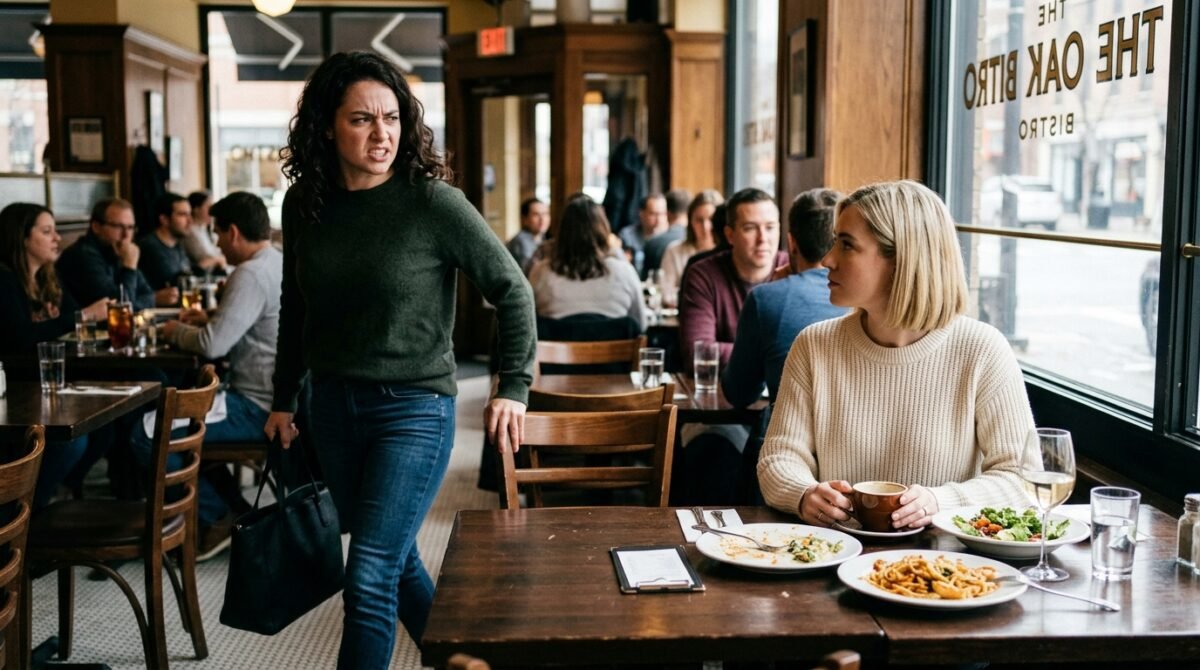
A few days later, a mutual friend, Jessica, reached out to see if we could ‘talk it out.’ She suggested a dinner at a neutral location, hoping to smooth things over before the wedding preparations got too intense. I agreed, mostly because I wanted to see if Sarah would actually apologize. I didn’t expect much, but I wanted to be able to say I tried to resolve it like an adult.
The dinner was excruciating. Sarah showed up with an attitude that was half-apologetic and half-defiant. She kept laughing throughout the beginning of the meal, clearly trying to minimize the situation. When I brought up the invoice again, her demeanor shifted instantly. She became cold, almost robotic, insisting that she didn’t owe me a dime because I hadn’t explicitly told her *before* the shoot that she couldn’t pull faces.
“I didn’t sign a contract, did I? You didn’t give me a rulebook. You invited me, and I was just being myself. If you’re so insecure about your engagement photos that you need to edit people out, that’s your problem, not mine. I’m not paying for your vanity.”
I felt my pulse quicken, but I kept my voice steady. ‘Sarah, you are an adult. You know how to behave in professional settings. You don’t need a rulebook to tell you not to stick your tongue out while your friend is getting engaged. It’s about basic respect, not vanity.’ She rolled her eyes so hard I thought she might hurt herself. The disconnect was total.
Jessica tried to mediate, suggesting that maybe Sarah could pay for a portion of the retouching, but Sarah shut that down immediately. She stood up, threw a twenty-dollar bill on the table for her drink, and told me that if I cared more about a few ‘stupid photos’ than our decade-long friendship, then we didn’t have much of a friendship to begin with. She left the restaurant, and that was the last time we spoke face-to-face.
Looking back, that moment was the closure I needed. She didn’t want to make things right; she wanted to be the victim. She wanted to turn the narrative into her being ‘kicked out’ of my life over a ‘minor misunderstanding,’ rather than acknowledging the deliberate disrespect she had shown me. I didn’t chase her. I just finished my dinner and went home, feeling strangely relieved that the toxic cycle had finally been broken.
Reddit Weighs In: The Verdict of the Internet
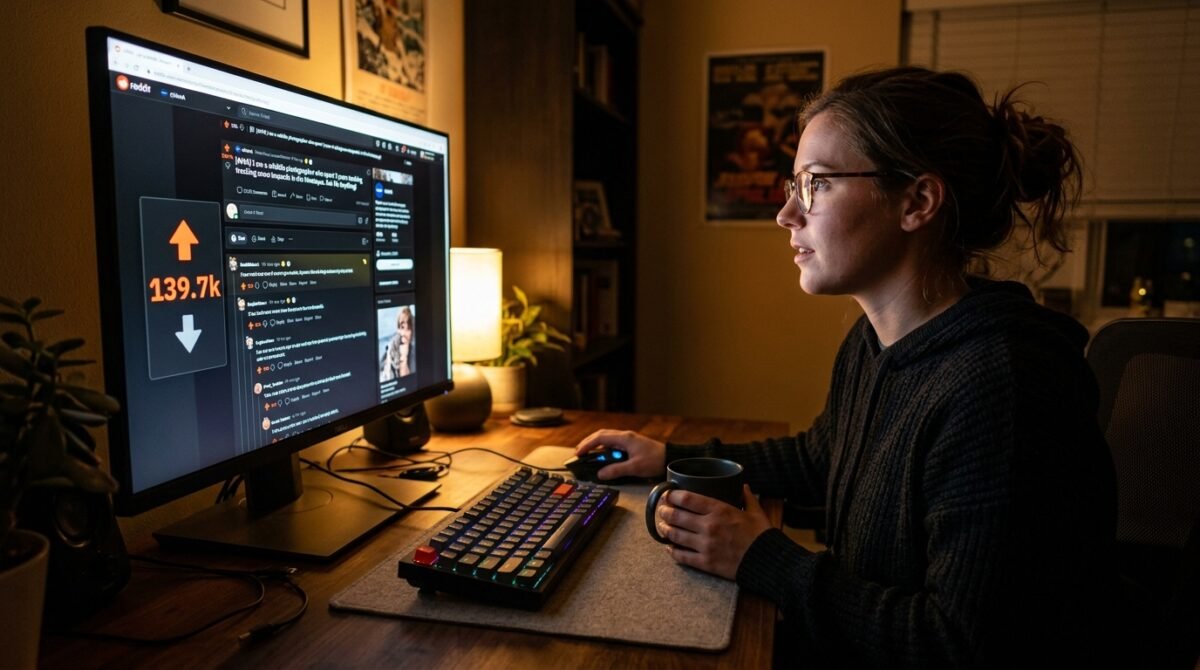
After the dinner, I felt the need to get an objective opinion. I posted the story on a popular relationship advice subreddit, omitting names and locations to keep it private. I included the details of the invoice, the ‘joke’ behavior, and the fallout. I expected some blowback, but I wasn’t prepared for the sheer volume of support I received. The post exploded, garnering thousands of comments within the first twenty-four hours.
The consensus was overwhelming. Most people saw exactly what I saw: a friend who couldn’t handle not being the center of attention. They pointed out that professional photography is an expensive luxury, and ruining those photos was essentially an act of vandalism. The advice ranged from ‘cut her off immediately’ to ‘small claims court is your best friend if she doesn’t pay up.’
“This isn’t just about a prank gone wrong. This is about someone who actively sabotaged your special day because she couldn’t stand that the spotlight wasn’t on her. The fact that she’s calling you ‘insecure’ for wanting clean photos is classic gaslighting. Block her and move on. You don’t need that energy at your wedding.”
— u/ReliableAdvice (Top Comment, 32.4k upvotes)
Reading the comments was therapeutic in a way I didn’t expect. People shared their own stories of ‘friends’ who ruined weddings, birthdays, and milestones with similar attention-seeking behavior. It made me realize that this wasn’t a unique phenomenon—it was a manifestation of deep-seated jealousy or narcissism that often hides in plain sight within friendships.
There were some dissenting voices, of course. A few people argued that I should have been clearer about my expectations, or that the invoice was ‘too petty’ a move. But even those comments were countered by people who understood the financial reality of wedding photography. The general feeling was one of validation; I wasn’t crazy, and my reaction wasn’t disproportionate to the damage she had caused.
The internet, for all its flaws, provided me with the clarity to stop questioning my own instincts. I realized that the guilt I felt about losing my best friend was misplaced. I wasn’t losing a friend; I was losing a liability. The community reaction solidified my decision to move forward without her, and I started the process of reclaiming my wedding planning process as a ‘Sarah-free’ zone.
The Financial Reality of Retouching

When I finally sat down with the photographer to discuss the retouching, I had a much better understanding of the work involved. It wasn’t just a simple ‘delete’ button. The photographer explained that because Sarah was often overlapping with our bodies or moving through the frame, the background had to be reconstructed layer by layer. It was a painstaking, manual process that required hours of technical precision.
I saw a preview of one of the corrected photos. The difference was night and day. Without the distraction, the focus returned to Mark and me. The beauty of the botanical garden actually shone through. I realized that by trying to ruin the photos, Sarah had actually robbed me of the opportunity to see them properly for the first time. I paid the bill, not because I expected Sarah to pay it back—I knew by then that she wouldn’t—but because I wanted to save the photos for myself.
I kept a detailed ledger of all the costs. Not just the retouching, but the time spent, the stress-induced doctor visits, and the emotional labor of dealing with her fallout. I even considered drafting a legal letter, though I eventually decided against it. I didn’t want to spend more money and energy on her than I already had. The ‘invoice’ I sent her had served its purpose; it had made my boundary clear, even if she refused to accept it.
| Expense | Cost | Status |
|---|---|---|
| Professional Photography Package | $5,000 | Paid |
| Retouching Service Fee | $6,300 | Paid |
| Total Financial Impact | $11,300 | Paid by OP |
The financial impact was significant, but the peace of mind was worth every cent. Seeing the final, retouched gallery felt like a rebirth of the project. I finally had the images I wanted, and they were mine. They weren’t tainted by the shadow of someone who wanted to mock me. I put the folders on my secure drive and felt a sense of finality. The chapter was closed.
Reclaiming the Wedding Vision

With the Sarah situation resolved, I felt a weight lift from my shoulders as we moved into the final stages of wedding planning. I found myself making decisions based on what Mark and I actually wanted, rather than trying to appease anyone else. The ‘Sarah-proofing’ of our wedding became a priority. We tightened our guest list, ensuring that everyone who was invited truly had our best interests at heart.
I started noticing other dynamics in my life that I had previously ignored. I began to set boundaries with other people, too. I realized that I had been a ‘people pleaser’ for a long time, and that tendency had made me a magnet for people who wanted to take advantage of my kindness. The experience with Sarah was the catalyst for a total transformation in how I approached my relationships.
“I used to think that being a good friend meant never saying ‘no.’ Now I know that a real friend respects your boundaries. If someone can’t respect your joy on your own day, they don’t deserve to be a part of it.”
Mark was incredibly supportive throughout the entire ordeal. He never once pressured me to ‘just let it go’ or ‘make up with her to keep the peace.’ He stood by me, validated my feelings, and helped me navigate the difficult conversations with our families. We became a stronger team because of it. We realized that our marriage was going to be built on mutual respect, not on maintaining appearances for the sake of others.
Planning the wedding became fun again. We picked out flowers, tasted cake, and designed our invitations, knowing that the people who would be there were our true support system. The absence of Sarah wasn’t a void; it was space for the right people to fill. I felt excited, truly excited, for the first time in months. The wedding wasn’t just a ceremony anymore; it was a celebration of us and the people who actually loved us.
The Final Communication

A few months later, I received one final email from Sarah. It wasn’t an apology. It was a long, rambling message about how she felt ‘discarded’ and how my behavior was the reason our friendship ended. She mentioned that she had seen some of the photos on my social media—the retouched ones—and had the audacity to ask how I managed to ‘make them look so good’ without her input.
I didn’t reply. I read the email, felt a brief pang of nostalgia for the friendship we once had, and then deleted it. I didn’t need the last word. The silence was more powerful than any response I could have crafted. I had moved on, and it was clear that she was still stuck in the same cycle of blame and self-victimization.
It was a strange feeling, realizing that the person who was once my ‘best friend’ was now just a stranger. But it was the right feeling. I had outgrown her, and that was okay. We change, we learn, and sometimes we leave people behind. I felt no ill will, just a deep, quiet sense of indifference. She was no longer a part of my story.
“I hope you find peace, Sarah. I’ve found mine. Please do not contact me again.”
— Final draft message I never sent, just to get it out of my system.
I realized that the ‘invoice’ was never really about the money. It was about standing up for myself. It was the moment I stopped apologizing for having needs and boundaries. The money was a symbol, and the result was the realization that I was capable of defending my own happiness. That was a lesson worth far more than the $6,300 I spent on the retouching.
Reflecting on the Lesson
As I sit here writing this, the wedding is only weeks away. The preparations are almost done, and the stress has faded into a quiet, steady excitement. Looking back on the whole ‘engagement photo’ incident, I don’t see it as a tragedy anymore. I see it as a necessary filter. It showed me who was willing to prioritize their own ego over my happiness.
I learned that being a ‘good friend’ doesn’t mean being a doormat. It means expecting the same level of respect that you give to others. It means not being afraid to have difficult conversations, even if it leads to the end of a relationship. True friends will understand when you set boundaries; they will support you, even when things are complicated.
I’ve also learned that photography, while just a ‘thing,’ carries a lot of emotional weight. It captures moments that we can never get back. I’m glad I took the steps to fix the photos, not because of the aesthetic, but because they represent the beginning of my life with Mark. They are a symbol of our commitment, and I won’t let anyone cast a shadow over that.
To anyone out there dealing with a toxic friend or a boundary-violator: you aren’t being petty for protecting your peace. You aren’t ‘a bridezilla’ or ‘dramatic’ for expecting basic respect. Trust your gut. If someone makes you feel small so they can feel big, you don’t need them in your life. Period.
Looking Forward to the Big Day
The wedding is going to be beautiful. It will be intimate, filled with laughter, and, most importantly, it will be ours. We have a great team of vendors, including a photographer who is a joy to work with and who respects our vision completely. We’ve talked about our expectations, and we are on the same page. No ‘joking’ in the background, no drama, just us.
I’m looking forward to every moment—the walk down the aisle, the first dance, and the quiet moments with Mark when we realize it’s finally real. The experience with Sarah has made me appreciate the people who *are* going to be there even more. I know they love us, and they are there to celebrate our happiness, not to compete with it.
I’ve made my peace with the past. The anger has dissipated, replaced by a sense of resilience. I know that life will throw other challenges our way, but I also know that I have the strength to handle them. I’m not the same person I was when I started this journey, and I’m proud of the woman I’ve become.
Life is too short for toxic friendships. Surround yourself with people who make you shine, not people who want to dim your light. I’ve learned that lesson the hard way, but I’ve learned it well. And that’s all that matters.
Conclusion
The journey from the engagement shoot to today has been nothing short of transformative. I learned that standing up for yourself, especially when it feels uncomfortable, is the ultimate form of self-care. My marriage is starting on a foundation of honesty and boundaries, and for that, I am grateful.
It’s easy to look back and wonder if I could have done things differently, but I’m satisfied with how I handled it. I didn’t let the situation fester; I addressed it, and when the other party refused to respect my position, I walked away. That’s not being petty—that’s being self-respecting.
What about you? Have you ever had a friend or family member try to sabotage a big moment in your life? Did you draw a line, or did you let it slide for the sake of ‘keeping the peace’? I’d love to hear your stories in the comments below. Let’s discuss how to navigate these tricky social dynamics when the people we love don’t show us the love we deserve.
What's your verdict on this dilemma?
Vote below to contribute to the official community consensus.

Have a Dilemma Keeping You Up at Night?
Share your real-life feud, wedding chaos, or relationship crossroads anonymously with our editorial team.
What do you think ?
0 Comments🛡️ Comments are moderated to protect community integrity. Your comment will appear once approved by the editorial team.