
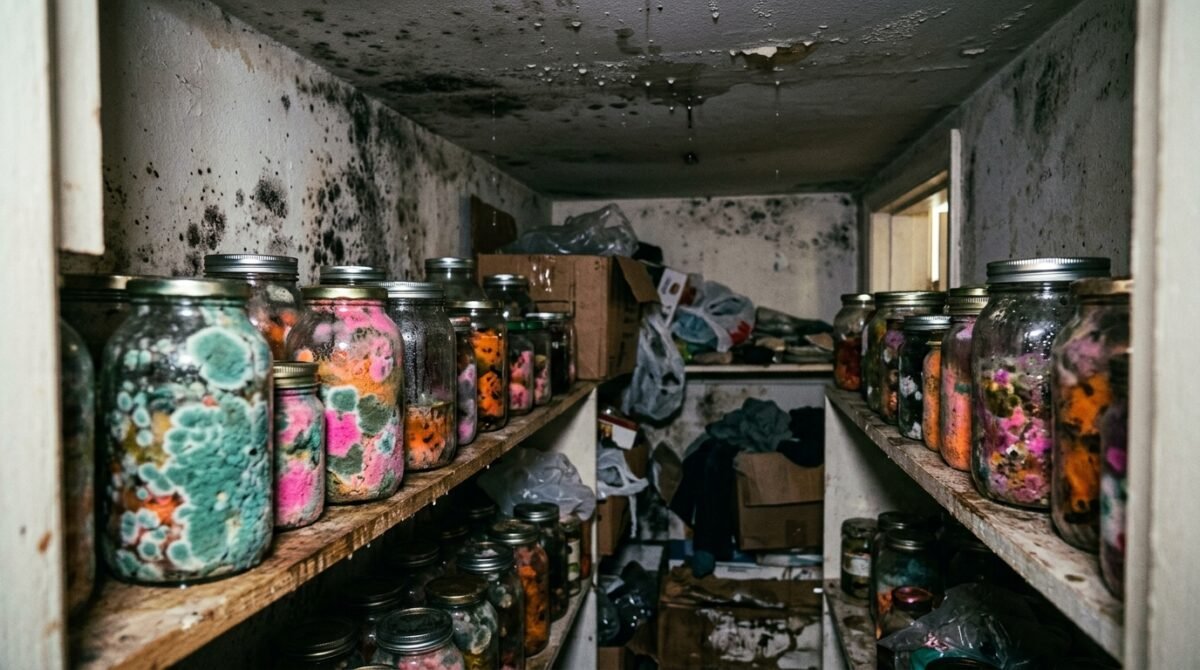
When I signed the lease for our two-bedroom apartment, I expected the usual roommate grievances: an unwashed dish in the sink, a loud television at midnight, or maybe a surprise guest on a Tuesday. I did not, however, expect my life to become a biohazard investigation. My roommate, let’s call him Julian, arrived with a trunk full of glass carboys, pH strips, and a dream of becoming the next local craft-brew sensation. It was supposed to be a small-scale hobby, a way for him to save money on store-bought probiotics. He chose our coat closet as his laboratory, convinced the darkness provided the perfect environment for his ‘SCOBY’ cultures to thrive.
For the first month, it was merely an annoyance. The apartment began to smell like a mixture of vinegar and damp forest floor. I tolerated it because Julian promised me free bottles of his ‘artisanal elixir.’ I didn’t realize that while he was busy monitoring his fermentation timelines, he was also inadvertently creating a perfect breeding ground for Stachybotrys chartarum—more commonly known as black mold. The humidity required to maintain his cultures, combined with the lack of ventilation in our small, interior closet, turned our living space into a humid, toxic petri dish.
By the time I started coughing—that deep, rattling, metallic-tasting cough that never seems to go away—the damage was already done. The spores had migrated through the drywall, latching onto the ventilation system and settling deep into our upholstery. I wasn’t just living with a roommate; I was living with a ticking time bomb of respiratory failure. The moral dilemma wasn’t just about the mess; it was about the fundamental violation of my right to inhabit a safe space, and the sheer audacity of someone who prioritized their ‘side hustle’ over the health of the person they shared a roof with.
This is the story of how a harmless fermentation project spiraled into a complete breakdown of our living arrangement, a legal nightmare involving our landlord, and the eventual realization that some people view the world only through the lens of their own narrow interests. It is a cautionary tale about why you should never, under any circumstances, let someone turn your shared storage space into an industrial food processing unit without a professional ventilation assessment. The fallout was swift, expensive, and utterly life-changing.
The Rise of the SCOBY Empire
It began innocently enough. Julian was obsessed with the idea of ‘living foods.’ He spent hundreds of dollars on organic tea, high-grade cane sugar, and exotic infusions. He treated his SCOBY—that rubbery, alien-looking Symbiotic Culture of Bacteria and Yeast—with more affection than he ever showed his own family. He insisted that the coat closet provided the exact consistent temperature he needed. He hung a thermometer on the door and lined the floor with thermal mats, ignoring the fact that our apartment was built in the early 1990s and had absolutely zero airflow in the coat storage area.
I remember him telling me, with a straight face, that the smell was ‘nature’s way of telling us it’s working.’ I didn’t know much about fermentation at the time, but I knew that a bedroom should not smell like a rotting compost heap. He would spend hours in there, whispering to his jars, checking the pH levels with the intensity of a surgeon performing a bypass. It was strange, but I was a non-confrontational person back then, desperate to keep the peace and hoping he would eventually get bored and move his experiments to his own room.
The growth rate was exponential. He went from three jars to thirty within a span of six weeks. He bought heavy-duty shelving units, stacked them floor-to-ceiling, and blocked the vents that kept the air circulating in that part of the hallway. When I asked him if we should check for moisture buildup, he laughed it off, claiming the fermentation process ‘absorbed’ the excess humidity. It was a lie, or perhaps a delusional belief, that would eventually cost us thousands in deposit money and medical bills.
“You’re stifling the fermentation, man! The SCOBY needs the humidity to stay active. If I open the door too often, the temperature drops and the whole batch gets ruined. Just keep the hallway door shut and stop stressing out about a little bit of vinegar scent.”
— Julian, ignoring my valid concerns about the rising humidity.
I should have put my foot down then. I should have insisted he move the operation to a rented storage space or at least installed a dehumidifier. Instead, I let him continue, believing that as long as he paid his half of the rent on time, I had no right to dictate how he used the closet. That was my first, and perhaps most costly, mistake in the grand scheme of our roommate saga.
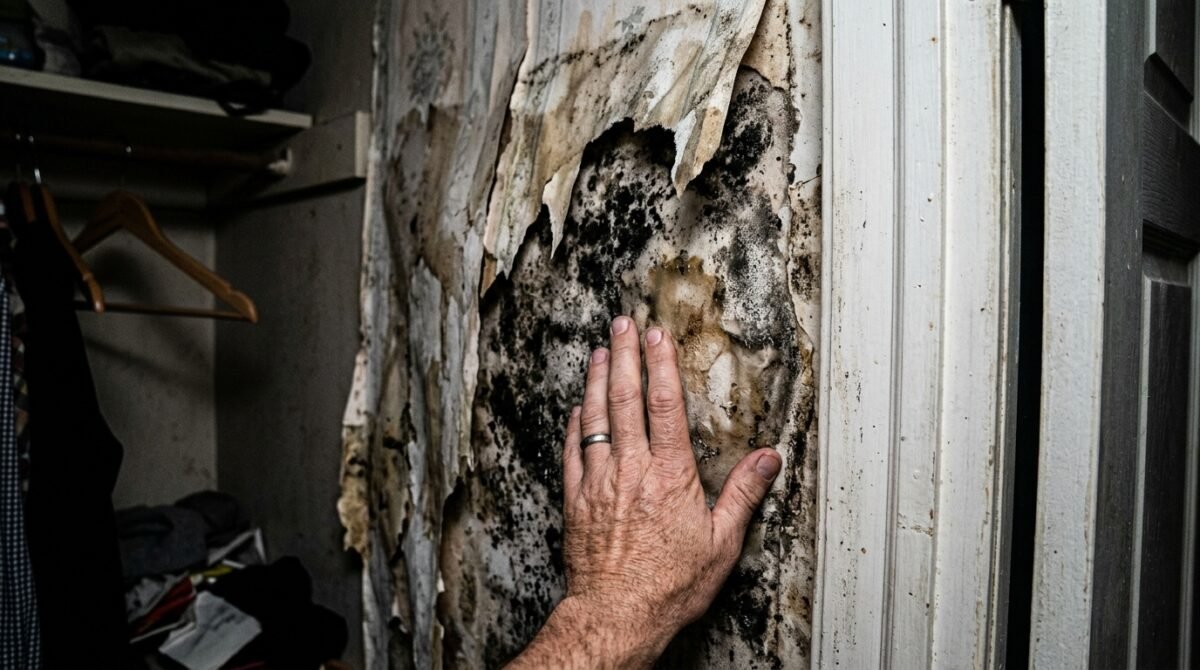
By the end of the second month, the wallpaper near the closet began to bubble. I touched it one evening, and my finger went straight through the softened, damp drywall. I pulled it back to see a patch of fuzzy, black soot that seemed to pulse in the dim light. I didn’t have to be a scientist to know that this was bad, but when I showed Julian, he merely scraped the surface with a paper towel and told me it was just ‘condensation’ that I could wipe off with bleach later. He was so deep into his own world of craft kombucha that he had become completely blind to the rot consuming our home.
The Midnight Coughing Fits
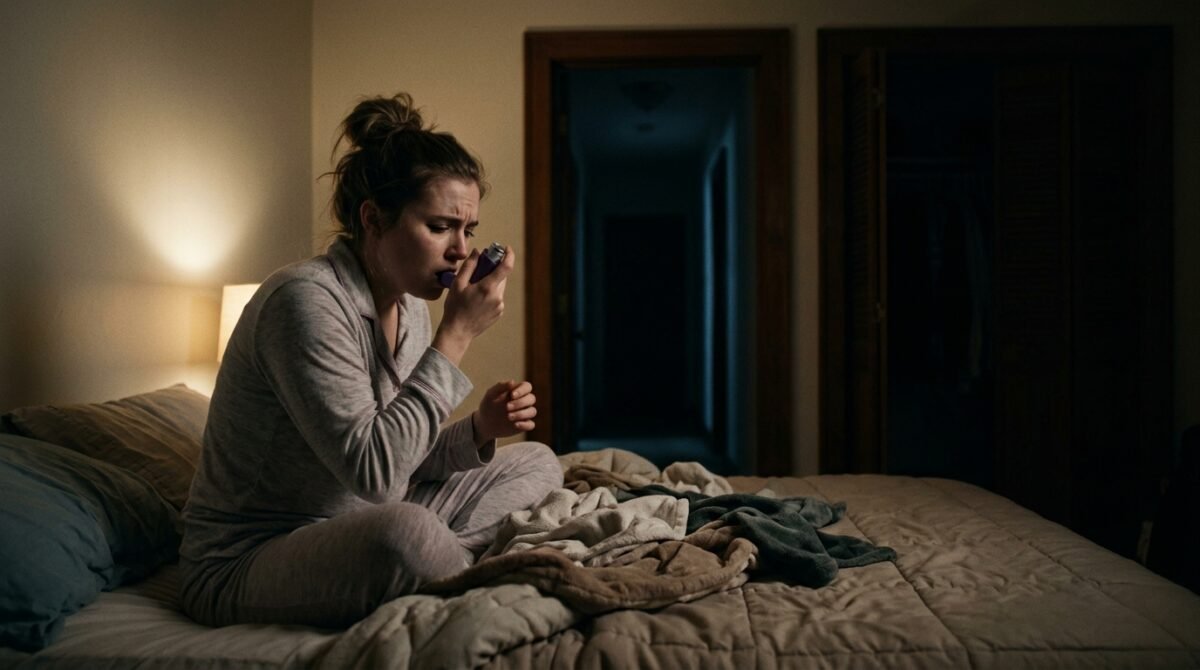
The health issues didn’t happen all at once. They crept in like a fog. It started with a tickle in my throat that turned into a persistent, dry cough by the third week. I assumed it was just seasonal allergies or perhaps a lingering cold, but the symptoms only worsened when I was at home. As soon as I stepped out of the front door, the heaviness in my chest would lift, only to return with a vengeance the moment I walked back inside. I was waking up at 3:00 AM, struggling to catch my breath, my lungs feeling as if they were lined with heavy, damp wool.
I went to an urgent care clinic, where the doctor asked me if I had recently been exposed to water damage. I told him no, thinking of my tidy apartment. He prescribed me an inhaler and suggested I monitor my environment for allergens. It was only when I returned home and stood in the hallway that the realization hit me. The air was thick, heavy, and tasted distinctively metallic. I went to the closet, pulled the door open, and was nearly knocked backward by the sheer intensity of the odor. It wasn’t just vinegar anymore; it was the smell of decay.
I confronted Julian in the kitchen. He was busy bottling a ‘lavender-hibiscus’ blend, seemingly oblivious to the fact that his workspace was now a concentrated biohazard zone. I told him he had to stop. I told him about the doctor’s visit and the mold I had discovered behind the drywall. He didn’t look at me with concern. Instead, he looked at me with annoyance, as if my health issues were an inconvenient interruption to his bottling schedule.
“You’re being dramatic. Mold exists everywhere, it’s part of the environment. If your lungs are weak, that’s on you. Maybe you should try drinking some of this kombucha—it’s full of probiotics that are supposed to boost your immune system. You’re just looking for someone to blame for your own lack of stamina.”
— Julian, dismissively responding to my report of health decline.
The audacity of his comment left me speechless. He was literally telling me that the product of his mold-infested closet was the cure for the health problems caused by his mold-infested closet. The circular logic was maddening, but more than that, it was dangerous. I realized then that I wasn’t dealing with a roommate who made a mistake; I was dealing with someone who was pathologically committed to his own narrative, regardless of the physical reality around us.
I started documenting everything. I took photos of the closet, the crumbling drywall, and the sheer volume of jars. I kept a log of my symptoms and saved every text message where I had asked him to address the moisture. I knew, even then, that this wasn’t going to end with a simple clean-up. I needed evidence, and I needed an exit strategy. The apartment, once my sanctuary, had become a prison, and Julian was the warden of his own fermentation-fueled madness.
The Landlord’s Unexpected Visit
The inevitable confrontation occurred on a Tuesday afternoon. Our landlord, a man named Mr. Henderson who was notoriously hands-off and preferred to manage things through email, arrived unexpectedly to check on a plumbing issue in the unit downstairs. I was at work, but I got a panicked text from Julian telling me that Henderson was on his way up. I rushed home, fearing the worst, knowing that the moment Henderson saw the closet, our lives were going to change.
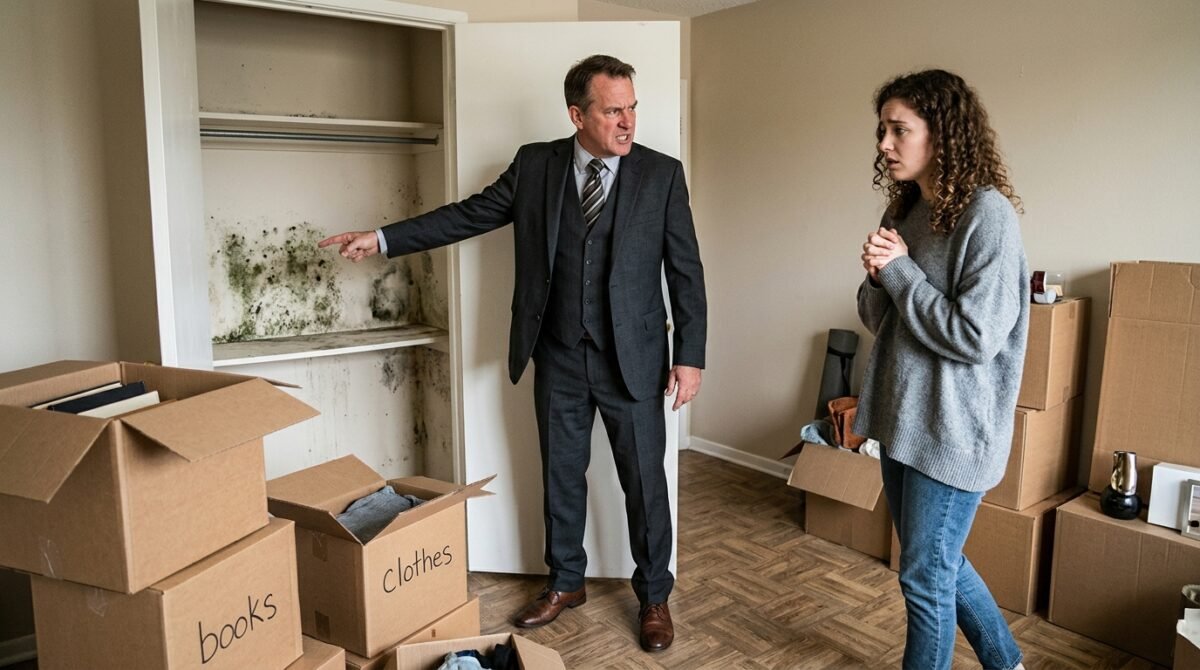
I arrived just as Mr. Henderson was walking into the hallway. He stopped dead in his tracks, sniffing the air with an expression of pure disgust. He turned to Julian, who was desperately trying to block the closet door with his body, and demanded to know what was causing the smell. Julian tried to play it cool, talking about his ‘experimental fermentation project,’ but Henderson wasn’t having it. He pushed past Julian and swung the closet door wide open, revealing the entire, horrifying spectacle.
The closet was a disaster. The shelves were sagging under the weight of the jars, and the back wall was completely covered in a thick, velvety black mold that had spread to the carpet. Henderson’s face went pale. He didn’t even yell; he just looked at us both with a mixture of pity and rage. He told us that he was calling a professional remediation company immediately and that the apartment was officially uninhabitable until further notice. He gave us 24 hours to pack our essentials and get out.
“You’ve turned a residential unit into an illegal food-processing facility, and you’ve destroyed the integrity of the walls. I don’t care about your hobbies, Julian. This is a liability nightmare. Get your things, get out, and expect to be held liable for every cent of the remediation costs. I’m contacting my lawyers.”
— Mr. Henderson, the landlord, upon discovering the mold-infested closet.
The silence that followed was deafening. Julian looked stunned, finally realizing that his hobby had consequences that couldn’t be solved with a simple apology. I, on the other hand, felt a strange sense of relief. It was over. The nightmare of living in a mold-choked apartment was coming to an end, even if it meant the beginning of a legal and financial battle that would likely last for months. I started packing my clothes, throwing away anything that had been in the closet, and wondering how I was going to find a new place to live on such short notice.
Julian tried to argue, of course. He tried to claim that the mold was pre-existing, that it wasn’t his fault, that the ventilation in the building was poor to begin with. Mr. Henderson just stared at him, pulling out his phone to document the damage. It was the end of the line for Julian’s fermentation lab, and arguably, the end of our friendship. I didn’t even look at him as I packed. I just focused on the task at hand, knowing that the real fight was only just beginning.
The Group Chat Explosion
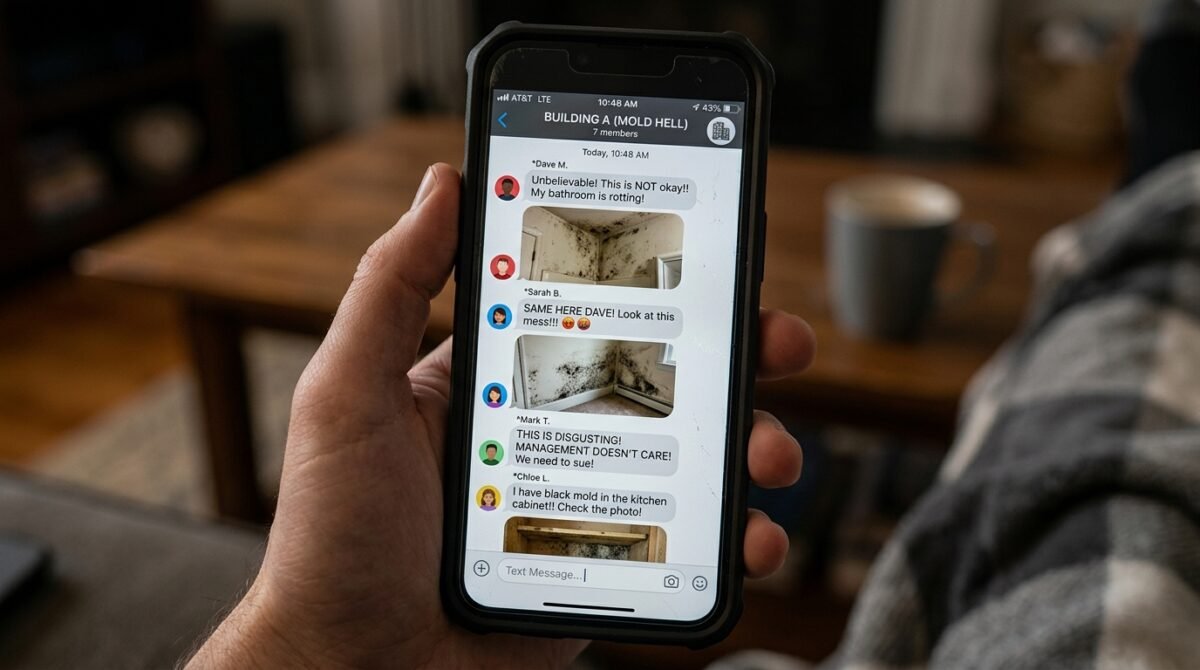
Once we were both out of the apartment, the tension shifted to our social circle. Julian, ever the victim, decided to spin the narrative in our shared group chat. He painted himself as the persecuted hobbyist, claiming that Mr. Henderson was a predatory landlord looking for an excuse to steal our security deposit and that I had abandoned him during a crisis. He conveniently left out the part about the mold, the health issues, and the illegal nature of his fermentation operation.
I watched as the messages rolled in. Friends who didn’t know the full story were chiming in with sympathy for Julian. ‘That sounds so unfair, dude,’ one said. ‘Landlords are the worst,’ another added. I felt a surge of righteous indignation. I had stayed silent for too long, trying to keep the peace, but now that he was trying to drag my name into his mess, I decided it was time to share the truth. I didn’t hold back. I sent photos of the mold, the ruined clothes, and the doctor’s notes.
The response was immediate. The tone of the conversation shifted from sympathetic to horrified. People started asking questions I had been afraid to ask myself. Why had I let it go on for so long? How did Julian think this was normal? The group chat became a battlefield of opinions, with some people still trying to play the middle, while others were calling Julian out for his reckless behavior. Julian went silent, presumably realizing that his attempt to control the narrative had backfired spectacularly.
“Wait, so you were living in a closet full of black mold for two months? And you’re just now saying something? Julian, you’re an absolute maniac for thinking that was okay. You could have killed someone! This isn’t a ‘hobby,’ this is a health hazard.”
— Sarah, our mutual friend, in the shared group chat.
The fallout was intense. I realized that some of our ‘friends’ were just as enabling as Julian had been, but others were genuinely shocked by the level of disregard he had shown. It was a wake-up call for me. I had been so focused on being a ‘good’ roommate that I had allowed myself to be gaslit into accepting dangerous conditions. The group chat served as a mirror, showing me the absurdity of the situation from an outsider’s perspective. It was embarrassing to see it all written out, but it was also validating.
Julian eventually left the chat, unable to handle the scrutiny. I was left to deal with the aftermath, the bills, and the process of finding a new home. But I felt lighter. The truth was out, and I wasn’t carrying the secret of his fermentation lab anymore. I had learned a valuable lesson: boundaries aren’t just about politeness; they are about self-preservation. And sometimes, you have to burn the bridge to save yourself from the fire.
The Financial Fallout
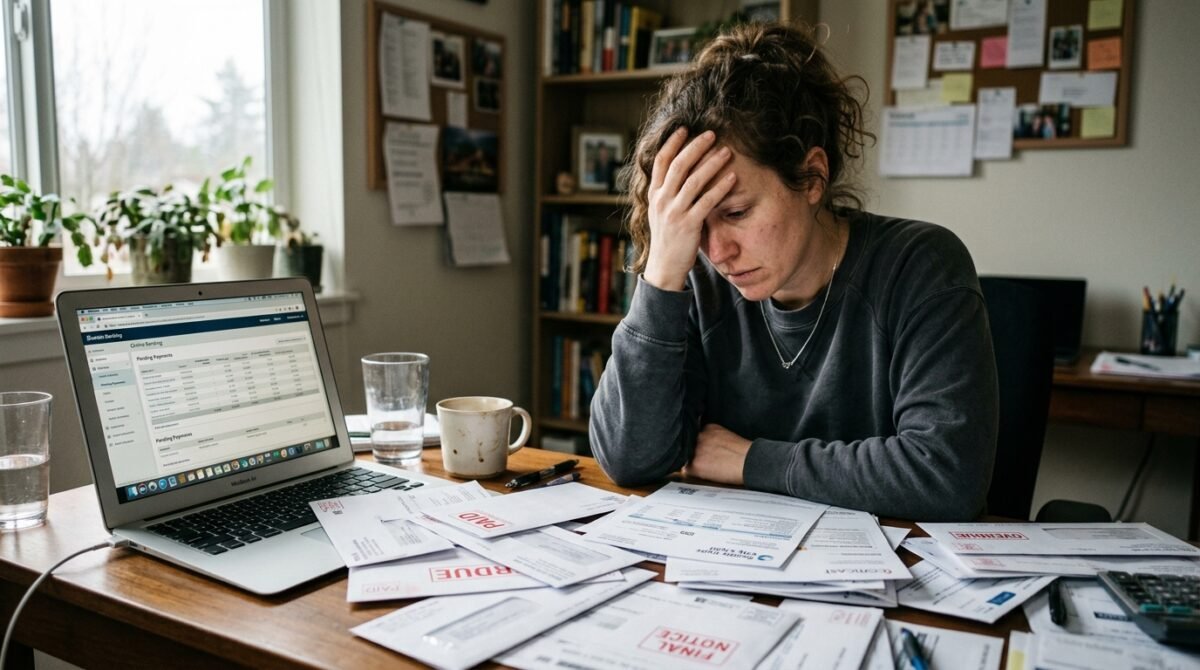
The bill from the restoration company arrived two weeks later, and it was astronomical. Between the mold remediation, the disposal of the ruined carpet and drywall, and the professional cleaning of the entire unit to remove the lingering spores, the total was well over $12,000. Mr. Henderson was demanding that we cover the full amount, citing the lease agreement and the obvious negligence caused by the ‘unauthorized industrial activity.’ It was a terrifying number, one that I definitely didn’t have saved up.
I sat down with a financial advisor to see what my options were. It turned out that because I was on the lease, I was technically just as responsible for the damage as Julian was, unless I could prove that I had taken steps to prevent it or that he had acted without my knowledge. I had my logs, my photos, and my text messages, but it was still going to be a long, drawn-out legal process. I felt sick thinking about the money, but I knew I couldn’t let Julian slide on his responsibility.
Julian, predictably, had no money. He had spent his savings on his fermentation equipment and was currently living on his brother’s couch. He told me he couldn’t pay his share, and that we should just ‘file for bankruptcy’ or ‘ignore the letters.’ The level of immaturity was staggering. He didn’t see the long-term impact on his credit or the legal trouble he was inviting. I realized then that he was never going to take accountability; it would always be someone else’s fault.
“I don’t have the cash right now, and honestly, I don’t think I owe it. The landlord is just trying to squeeze us for everything we’ve got. Don’t pay it, just ignore them. They can’t do anything to us if we don’t respond.”
— Julian, giving terrible financial and legal advice.
I didn’t take his advice. I contacted a lawyer who specialized in tenant disputes. She told me that while the landlord had a strong case, we could potentially argue that the unit had underlying moisture issues that Julian’s hobby merely exacerbated. It was a long shot, but it was better than just accepting total financial ruin. The lawyer’s fees were an additional cost, but I figured it was worth it to at least try to mitigate the damage. It was another layer of stress in an already exhausting situation.
I started working extra shifts, cutting every unnecessary expense, and living as minimally as possible. The financial weight was a constant reminder of the choices I had made and the person I had shared my home with. It was a expensive lesson, but one that had taught me more about accountability than any college course ever could. I wasn’t just paying for the mold; I was paying for the freedom to move on from a toxic situation and the person who had created it.
Reddit Weighs In
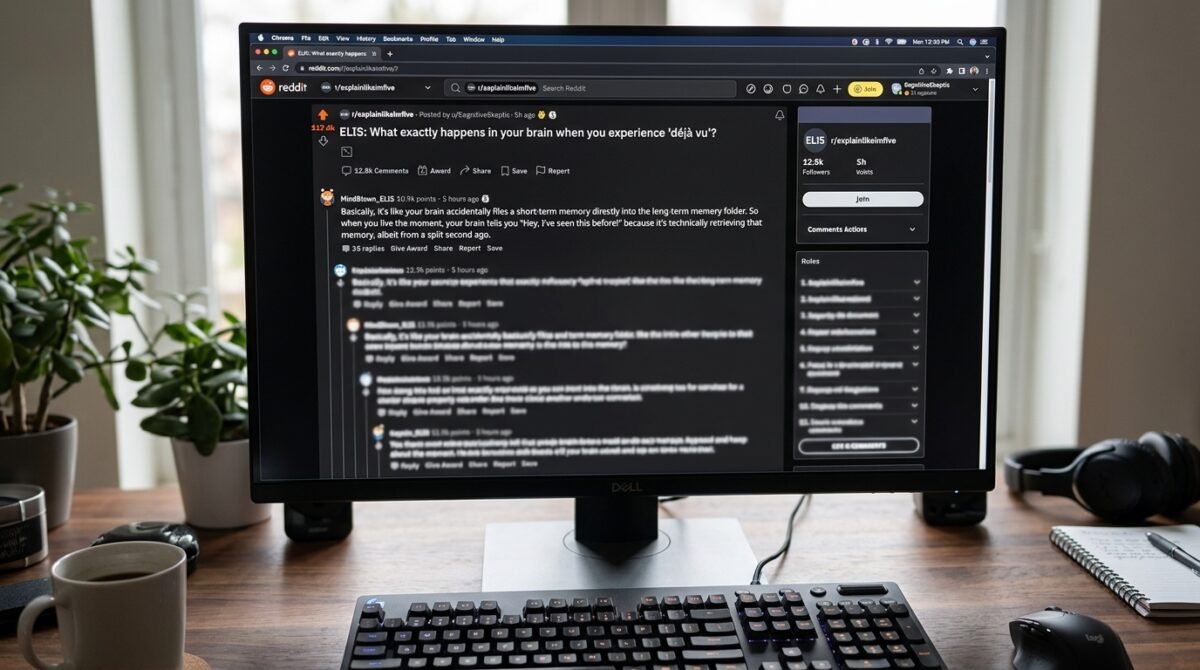
I finally decided to post about the situation on a popular subreddit dedicated to roommate nightmares. I wanted to see if I was crazy, if I had somehow missed something, or if the internet would validate my feeling that I had been completely taken advantage of. I was nervous about posting, fearing that people would call me out for my own part in the disaster, but the response was overwhelmingly supportive. Within hours, the post had thousands of upvotes and hundreds of comments.
The consensus was clear: I was in no way responsible for the mold, and Julian was a selfish, delusional, and potentially dangerous roommate. People shared their own stories of fermentation projects gone wrong, and others gave me specific legal advice on how to handle the landlord and the insurance company. It was the first time since the whole ordeal started that I felt truly heard. The validation was a huge boost to my morale, helping me navigate the legal proceedings with more confidence.
Of course, there were the usual ‘devils’ advocates’—those who claimed I should have been more proactive or that I was just as bad for allowing it to happen. I read those comments too, and while they stung, they also pushed me to reflect on my own passivity. I realized that I had been raised to be ‘polite’ at all costs, and that this trait had been weaponized against me by someone who knew I wouldn’t push back. It was a hard pill to swallow, but it was essential for my personal growth.
“NTA. You were dealing with a biohazard that was actively destroying your health. The fact that he called it a ‘hobby’ is just him gaslighting you. You need to sue him for your share of the damages if he refuses to pay. Don’t let him walk away from this clean.”
— u/LegalEagle99 (Top Comment, 18.2k upvotes)
The thread became a repository of wisdom and warnings. People suggested I look into my renter’s insurance policy—a detail I had completely overlooked in the chaos. Turns out, some policies do cover ‘accidental property damage’ even when caused by a roommate, and I was able to get a small claim processed. It didn’t cover everything, but it helped significantly. The community support was a reminder that while I had been isolated in my apartment, I wasn’t alone in the world.
The post stayed up for weeks, attracting more and more commenters who shared their own experiences with toxic roommates and mold issues. It turned into a surprisingly educational thread, with people posting links to EPA guidelines on indoor air quality and tips for spotting early signs of mold growth. It felt good to know that my disaster might have helped someone else spot a similar problem before it spiraled out of control. My story wasn’t just a rant anymore; it was a resource.
The Legal Mediation Attempt

The mediation meeting with our landlord and our respective lawyers was as tense as you’d imagine. We met in a sterile, white-walled office in the city, the kind of place where you feel like you’re being judged for existing. Julian showed up in a wrinkled t-shirt, acting like it was just another casual hangout. His lawyer, a public defender who clearly didn’t have much to work with, tried to minimize the impact of the kombucha lab, but Mr. Henderson’s lawyer had receipts—literally. He had photos, air quality reports, and even a statement from a professional mycologist describing the type of mold we had.
It was fascinating, in a sick way, to see the destruction quantified. The mold had indeed penetrated the ventilation system, meaning the remediation went far beyond just the closet. The cost was even higher than I had initially feared. I sat there in silence, listening as they argued over percentages of liability. My lawyer held her ground, presenting the evidence that I had repeatedly asked Julian to stop and had even threatened to call the landlord before the mold had become critical. It was the best I could do, but the outcome was far from certain.
Julian, in his classic style, tried to pivot to ‘philosophical’ arguments, talking about how ‘innovation often comes with risks.’ The mediator actually cut him off, telling him that this was about a contract and a physical environment, not about his artistic vision. It was the most satisfying moment of the entire process. He was finally being treated like a grown adult who had caused actual harm, not a misunderstood genius.
“We aren’t here to discuss your ‘vision’ for artisanal beverages, Julian. We are here to discuss a $12,000 remediation bill and the health of your roommate. Your hobby destroyed an apartment. That is a fact, not an opinion.”
— The Mediator, shutting down Julian’s excuses during the meeting.
The mediation dragged on for hours. In the end, we agreed to a settlement where Julian would be responsible for 70% of the costs, given that he was the one who initiated the project and ignored all warnings, while I would pay the remaining 30% as a ‘goodwill’ gesture to help finalize the matter quickly. I was unhappy about paying anything, but the alternative was a prolonged lawsuit that would have cost me even more in legal fees. It was a compromise, but one I could live with.
Walking out of that office, I felt a weight lift from my shoulders. It wasn’t the ideal outcome, but it was an outcome. I was finally untethered from Julian and his messy, toxic world. I had learned how to stand up for myself in a room full of professionals, how to present evidence, and how to negotiate a result that favored my sanity over my bank account. It was a painful, expensive lesson, but I was ready to close the book on this chapter of my life.
Moving On to Cleaner Pastures
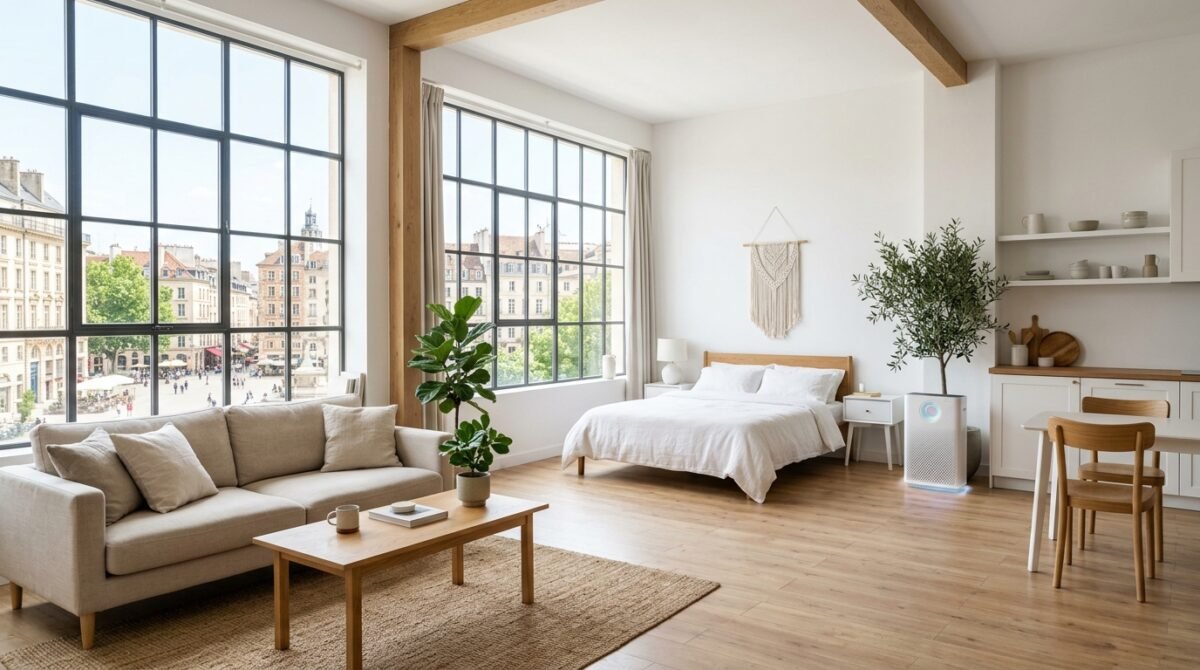
Finding a new apartment was a psychological ordeal. I found myself obsessively checking the closets, sniffing the air, and asking pointed questions about the building’s ventilation system. Prospective landlords probably thought I was insane, but I didn’t care. I needed to know that I would be safe. I eventually found a studio apartment in a newer building, one with high ceilings, large windows, and a strict ‘no commercial activity’ clause in the lease. It was perfect.
Moving in felt like a rebirth. I bought an air purifier, the kind that medical offices use, and ran it constantly. I felt a sense of relief every time I walked through the door and the air smelled like… nothing. Just clean, neutral air. No vinegar, no damp decay, no lingering anxiety. It was worth every penny of the increased rent. I started to decorate, choosing items that were easy to clean and avoiding anything that could trap moisture.
I had to rebuild my life from scratch. I had thrown away so much of my stuff that had been exposed to the mold—my clothes, my books, even my favorite armchair—that I was essentially starting over. It was liberating, in a way. I purged everything that reminded me of Julian and the mess, keeping only the things that brought me joy or were strictly necessary. I felt lighter, both physically and emotionally, as I settled into my new space.
“I never realized how much my living space influenced my mental state until I moved here. Being able to breathe, feeling safe in my own home, it’s not just a convenience—it’s a necessity. Never sacrifice your health for a roommate’s ‘hobby’ ever again.”
— A journal entry I wrote on my first night in my new apartment.
I started reaching out to friends again, hosting small dinners, and reclaiming my social life. I was honest about what had happened, and the support I received was overwhelming. People brought me housewarming gifts, helped me assemble furniture, and genuinely celebrated my return to a normal life. I was no longer the roommate living in a moldy closet; I was someone who had survived a disaster and come out the other side stronger.
The ordeal taught me the importance of clear boundaries, both in my living arrangements and in my personal relationships. I no longer feel the need to be the ‘easygoing’ roommate who accepts anything for the sake of peace. I know my value, and I know that my health and safety are non-negotiable. It’s a lesson I’ll carry with me for the rest of my life, a reminder that sometimes the most important thing you can say is ‘no.’
The Lingering Aftermath

Even now, months later, I still catch myself sniffing the air in public spaces. It’s a reflex, a habit formed in the months I spent living in that biohazard of an apartment. Whenever I walk into a place that feels a bit damp or stuffy, I get a brief surge of anxiety, a reminder of the physical symptoms I lived with for so long. It’s faded, but it’s still there, a ghost of the trauma that lingers in my subconscious.
I haven’t spoken to Julian since the mediation. I see him on social media occasionally, still posting photos of his ‘new’ fermentation projects, now based out of his brother’s garage. He seems to have learned nothing. He still frames his actions as ‘bold’ and ‘visionary,’ completely glossing over the destruction he caused. It’s frustrating to watch, but I’ve learned to let it go. His journey is his own, and I have no part in it anymore.
I did, however, receive a message from him a few weeks ago. It was a short, almost casual note, asking if I was ‘over the whole mold thing’ and suggesting we get a drink to ‘clear the air.’ I didn’t respond. I didn’t even read it fully, just deleted it without a second thought. There is no ‘clearing the air’ with someone who refuses to acknowledge their own destructive impact. I have moved on, and I intend to keep it that way.
“Some people aren’t meant to be part of your long-term life. They are just chapters that you read to learn a lesson about what you don’t want. Closing that book doesn’t make you a bad person; it just makes you a person who values their own sanity.”
— Advice from my therapist during our last session.
I’ve realized that my ‘politeness’ was the real culprit in the whole story. If I had been comfortable enough to speak up, to be the ‘difficult’ roommate, maybe the damage wouldn’t have been so severe. I’ve learned to embrace the idea that setting boundaries is a form of self-respect. It’s okay to be the person who says, ‘This is not okay,’ and to be prepared to walk away if things don’t change. It’s a powerful realization, and one that has transformed how I interact with the world.
I am grateful for the experience in a strange way. It forced me to confront my own limitations and to grow in ways I never would have otherwise. I have a new apartment, a new perspective, and a much better understanding of what I need to be happy. I am safe, I am healthy, and I am in control of my own space. And that, in the end, is all that really matters.
Reflecting on the Fermentation Obsession

Looking back at the whole ordeal, it’s easy to see the patterns. Julian wasn’t just a fan of kombucha; he was a fan of the *identity* of a kombucha maker. He loved the aesthetic of the glass jars, the artisanal label-making, the idea of himself as someone who could master a complex, ‘natural’ craft. He loved the *idea* of the fermentation more than he loved the reality of the process. And that’s the trap that so many people fall into—they become so enamored with a lifestyle or a hobby that they lose touch with the practical reality of what it takes to do it safely.
I see it everywhere now: people starting side hustles in their living rooms, trying to turn their hobbies into businesses, completely ignoring the zoning laws, the health codes, and the impact on their living environment. It’s a cultural phenomenon, this desperate need to be ‘productive’ and ‘creative’ in every waking moment, even when it’s at the expense of our health and our homes. It’s a cycle of burnout and, in this case, literal decay.
We need to talk more about the downsides of these ‘side hustle’ cultures. We need to normalize saying no to roommates who want to turn our shared spaces into production lines. We need to understand that being a ‘chill roommate’ doesn’t mean being a doormat. It means being a partner in a shared living space, which requires communication, compromise, and a mutual respect for the basic needs of everyone involved.
“Your home is your sanctuary, not a commercial enterprise. Before you agree to let someone turn your living space into a hobby farm, a workshop, or a brewery, ask yourself: is this going to affect my air quality, my safety, or my peace of mind? If the answer is yes, say no.”
— Final takeaway from my experience.
I hope that by sharing my story, I can help someone else avoid the same pitfalls. If you are reading this and you find yourself in a similar situation—whether it’s a roommate, a partner, or even a friend—know that you have the right to speak up. Your health is the most valuable thing you own. Don’t let someone else’s ‘passion’ destroy your wellbeing. It’s not worth the stress, the money, or the heartbreak.
I have forgiven myself for my part in the disaster, and I have let go of the anger I felt toward Julian. He was a flawed person who made a mistake, but it was my choice to let it continue. I have learned to own my voice, to set my boundaries, and to prioritize myself. It was a hard-earned lesson, but one I will never forget. And I hope, for the sake of anyone else in a moldy closet, that you learn it a lot faster than I did.
Conclusion
The story of the kombucha lab is, at its core, a story about the fragility of our personal boundaries and the importance of self-advocacy. When we prioritize the comfort of others over our own physical and mental well-being, we open the door to disaster—sometimes literal, mold-filled disaster. The cost of my passivity was high, but the value of the lesson learned is immeasurable. I now approach my home with a new sense of ownership and a firm understanding that a ‘good roommate’ is one who respects the health and peace of everyone they live with, not one who demands that we share in their chaotic, unventilated experiments.
This journey from the initial, innocent jars of tea to the final legal mediation was a long, exhausting, and transformative process. It pushed me to my limits and forced me to rebuild my life from the ground up, but it also made me a stronger, more assertive person. I no longer live in fear of being ‘difficult,’ because I know that being difficult is sometimes the only way to ensure that your needs are met and your safety is protected. The mold may have been cleaned away, but the experience remains a permanent part of who I am.
What about you? Have you ever had a roommate whose ‘hobby’ or ‘side hustle’ pushed the boundaries of what was acceptable in your shared home? Have you struggled to stand up for yourself in a living situation that felt toxic? I’d love to hear your stories and experiences in the comments below. Let’s create a space where we can share our lessons and support one another in navigating the often-tricky world of roommates, boundaries, and the importance of home. What is the one boundary you wish you had set earlier?
What's your verdict on this dilemma?
Vote below to contribute to the official community consensus.

Have a Dilemma Keeping You Up at Night?
Share your real-life feud, wedding chaos, or relationship crossroads anonymously with our editorial team.
What do you think ?
0 Comments🛡️ Comments are moderated to protect community integrity. Your comment will appear once approved by the editorial team.