
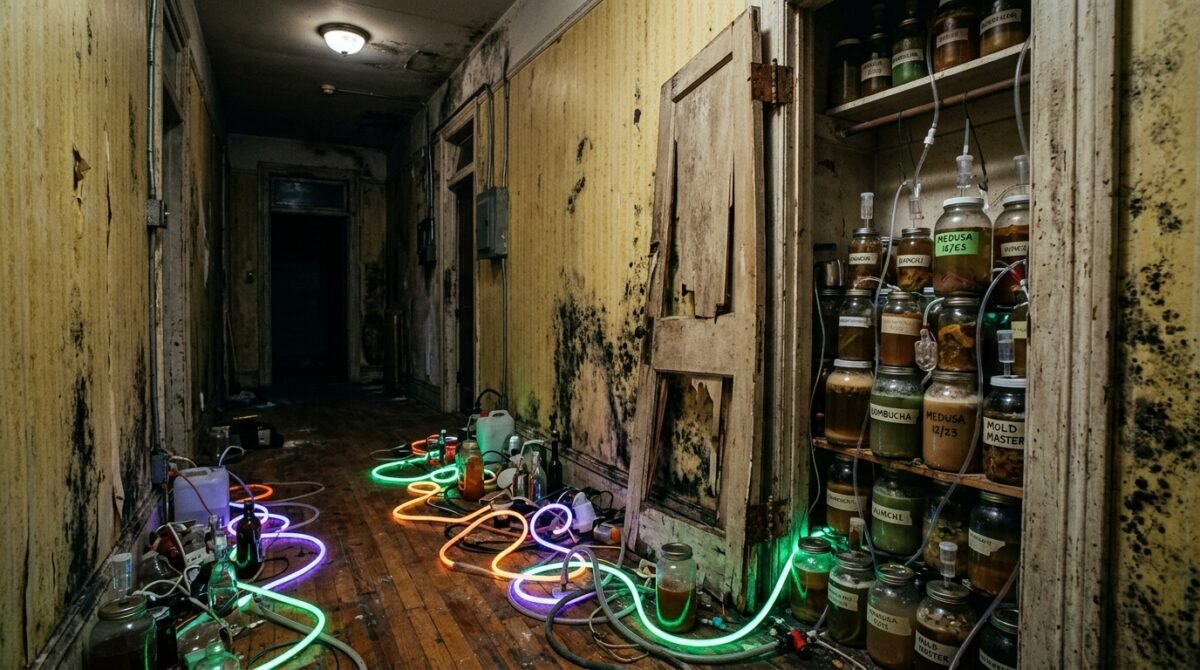
Living with a roommate is a game of compromise. You negotiate the thermostat, you agree on a chore chart, and you generally promise not to murder each other over dishes. When my roommate, Caleb, first mentioned he was ‘experimenting’ with some new probiotic cultures, I figured it meant a few jars of pickles in the fridge. I never expected that my quiet, professional roommate would undergo a metamorphosis into a basement-dwelling alchemist of sour smells and structural decay.
The transformation began subtly. It started with one small heat mat in the hall closet—a space we barely used for our extra coats and the vacuum cleaner. Caleb claimed he was working on a ‘proprietary fermentation process’ that would change the kombucha industry forever. He talked about scalability, profit margins, and ‘the microbiome economy’ while I just wanted a place to hang my winter coat. I didn’t realize that by the time I noticed the smell, the damage was already deep within the studs of our walls.
As weeks turned into months, the closet became a living, breathing organism. The humidity in our hallway spiked to tropical levels, and the sound of bubbling vats became the soundtrack of our apartment. I tried to voice my concerns, but Caleb was already too deep into his ‘startup’ fever. He was convinced he was on the verge of a life-changing windfall, while I was simply worried about the structural integrity of our floorboards.
The moral dilemma here wasn’t just about the mess; it was about the fundamental violation of a shared living space. When you sign a lease, you agree to treat the property with respect. Caleb, however, decided that his ambition outweighed our legal obligations as tenants. The ensuing conflict turned from a simple disagreement over closet space into a full-blown financial and legal battle that has left me reeling and currently seeking a new place to live.
This is the story of how a small batch of ginger-lemon tea turned into a six-figure nightmare, a ruined security deposit, and a friendship that evaporated faster than the liquid in his poorly sealed barrels. Welcome to the saga of the fermentation closet—a cautionary tale of what happens when personal hobbies become public, destructive hazards.
The Initial Pitch and the False Promises
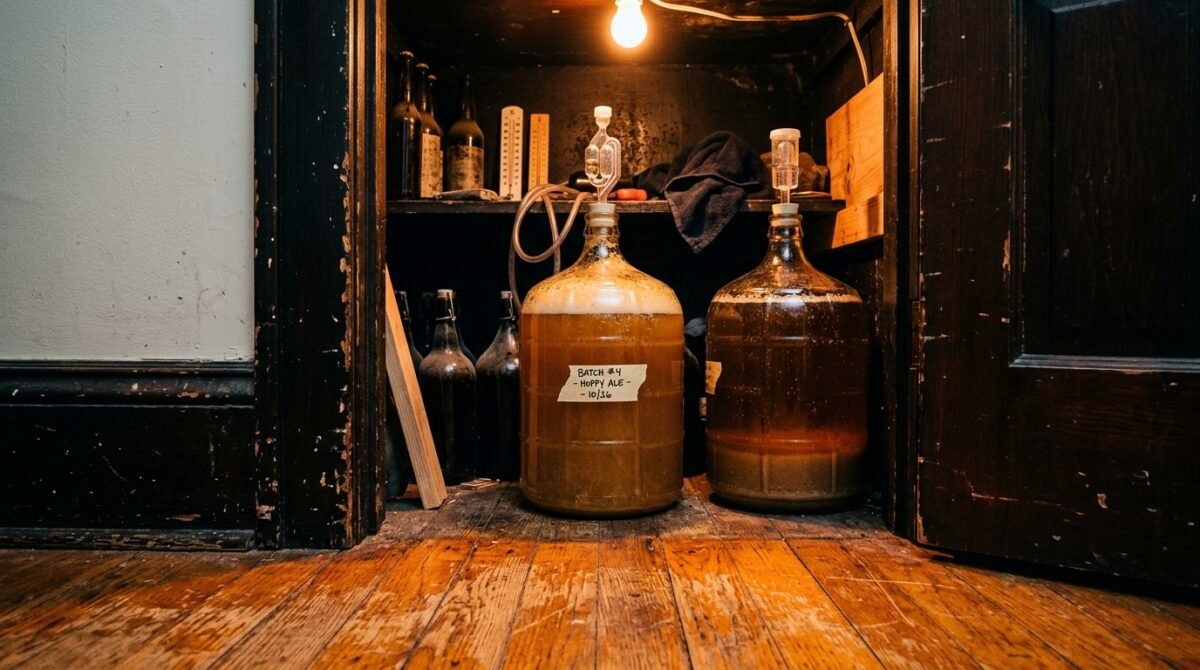
It started on a Tuesday evening in late September. I came home from the office to find the hall closet door slightly ajar, glowing with a soft, warm amber light. Inside, sitting on a makeshift wooden shelf Caleb had installed without asking, were six two-gallon glass carboys filled with a cloudy, amber-colored sludge. He looked up at me with the manic intensity of a man who hadn’t slept, adjusting a dial on a digital temperature controller.
Caleb explained that he had sourced ‘authentic scobies’ from a specialized lab in Oregon. He was convinced that by controlling the exact temperature and humidity, he could create a kombucha that hit a specific ‘umami-tart’ profile that would sell for double the market rate at local farmers’ markets. He promised me he would be out of the closet space within three weeks, right after his first pilot run was bottled and sold. I didn’t know then that the timeline was a complete fabrication.
I asked him about the humidity and the risk of mold, given that the closet lacked any ventilation. He laughed it off, patting the wall with a confident smile. He told me he had sealed the interior with ‘industrial-grade’ plastic sheeting. Looking back, that was the moment I should have put my foot down. Instead, I let him continue under the guise of being a supportive roommate who didn’t want to stifle his ‘entrepreneurial spirit.’
“Look, just give me until the end of the month. Once I get the first batch to the market, I’ll have the cash to rent a proper commercial space. You’re literally standing in the middle of a golden ticket, man.”
— Caleb, explaining the initial plan
The next morning, the air in the hallway felt heavy and metallic. I tried to hang my jacket up, but the shelf felt damp to the touch. I didn’t say anything, assuming it was just condensation from the cooling cycles. I went to work, ignoring the growing knot of anxiety in my chest. I wanted to be the ‘cool’ roommate, the one who wasn’t constantly complaining about chores, but the reality was that I was becoming a bystander in my own home.
By the following weekend, the smell had arrived. It was a sharp, vinegary odor that clung to the upholstery in the living room. It wasn’t just the smell of tea; it was the smell of fermentation gone rogue. I approached Caleb again, this time with more force, but he was deep in conversation with a ‘consultant’ on his laptop, completely ignoring the fact that his science experiment was beginning to take over our common area.
When the Humidity Becomes a Structural Threat
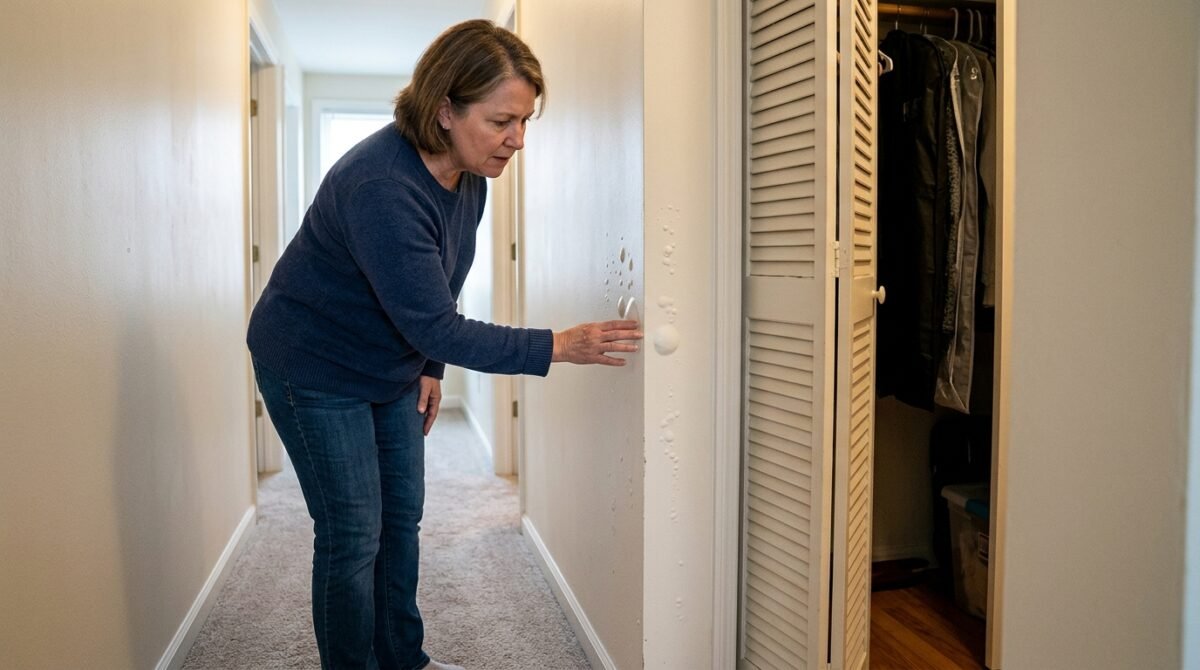
By mid-October, the moisture had breached the ‘industrial-grade’ plastic sheeting. I noticed a subtle warping in the drywall bordering the hallway. The paint was bubbling, forming tiny, grotesque blisters that looked like they were filled with fluid. I poked one, and it was soft, spongy, and deeply concerning. The drywall had lost all its rigidity. It felt like I was poking into a wet sponge that had been soaked in fruit fly bait.
I demanded an emergency meeting. Caleb tried to deflect, talking about how the ‘natural humidity’ was actually beneficial for the skin and how the apartment building’s HVAC system was to blame for the poor circulation. He had become delusional, obsessed with his fermentation logs. He showed me charts—endless, meticulous charts—detailing the PH levels and gas saturation of his various brews. He acted as if he were a chemist in a pristine lab, not a guy with forty gallons of rot in a wooden box.
I pointed at the wall. I pointed at the black speckling beginning to appear along the baseboards. I told him we needed to dismantle the whole operation immediately. He looked at me as if I were a child failing to grasp a complex physics theorem. He insisted that the structural issues were ‘cosmetic’ and that he would repair them himself before we moved out at the end of the lease.
“You’re overreacting. It’s just paint bubbling. Drywall is cheap, man. I’ll patch it up, paint over it, and the landlord won’t even know we were there. Stop trying to kill my business before it’s even launched.”
— Caleb, dismissing the damage
The tension became palpable. We stopped eating together. I started keeping my bedroom door locked, not just for privacy, but to keep the smell out. Every time I walked past that closet, I could hear the slow, rhythmic ‘glug-glug’ of the airlocks. It was maddening. It sounded like the apartment itself was drowning in sour tea.
The worst part was that he started inviting ‘investors’ over. People I didn’t know would show up at 9:00 PM, wearing lab coats—actual, literal lab coats—to taste his ‘product.’ They would stand in our living room, sipping from tiny paper cups and nodding solemnly, while I sat on the couch trying to watch Netflix, feeling like I was living in the punchline of a very bad joke.
The Midnight Collapse
It happened on a Tuesday night in November. I was fast asleep when a sound like a gunshot echoed through the apartment, followed by the unmistakable, wet thud of something heavy hitting the floor. I bolted out of bed, heart hammering, thinking a burglar had broken in. I flipped on the hallway light and stopped dead in my tracks.
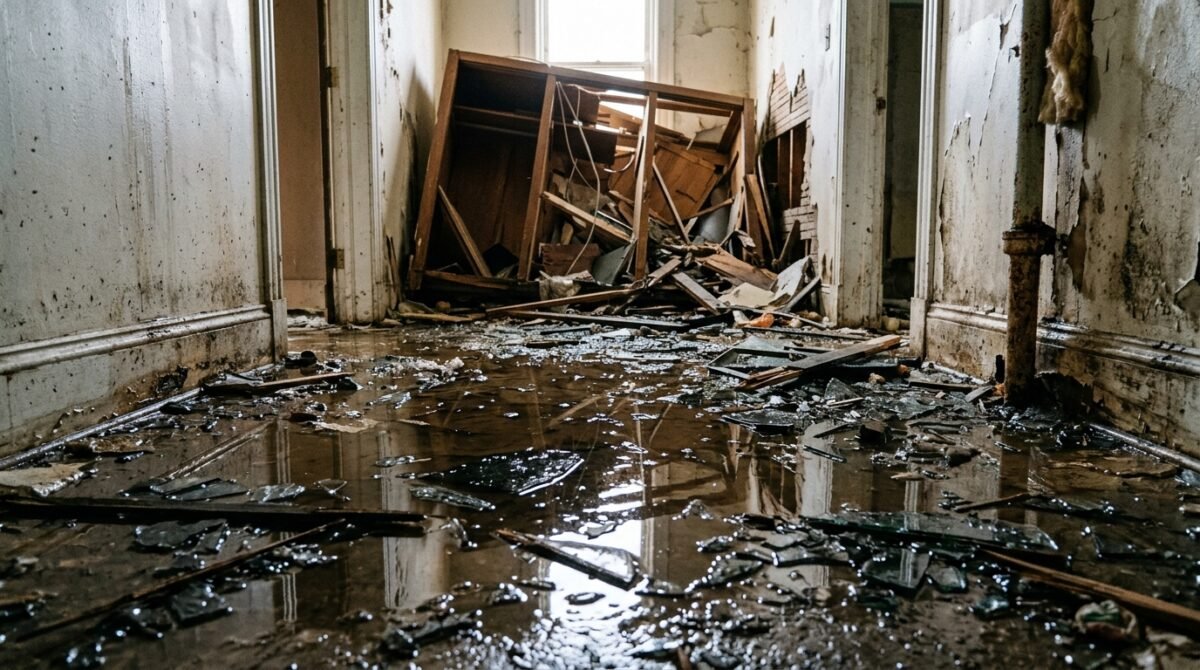
The closet floor had given way. The support beams, rotted through by weeks of constant, unventilated moisture, had finally surrendered. A waterfall of murky, neon-green kombucha was cascading out of the closet, soaking into the carpet of the hallway and seeping under the baseboards into the living room. Caleb was standing in the middle of the mess, his face pale, holding a half-empty jug as if he could stop the flood with his bare hands.
The smell was catastrophic. It was a mixture of rotting fruit, vinegar, and damp wood. The drywall on the adjacent wall had completely crumbled at the base, exposing the insulation, which was now soaked in fermented tea. We stood there for a long time, the only sound the quiet hissing of the liquid hitting the hardwood floor. Caleb didn’t say a word. He just stared at the wreckage of his startup, the ‘golden ticket’ now literally floating away in a sea of sour liquid.
“I… I don’t know what happened. The wood must have had termites or something. This wasn’t supposed to happen. Everything was perfectly calibrated.”
— Caleb, standing in the ruins of his closet lab
The damage was absolute. The carpet was ruined, the subfloor was saturated, and the smell had already started to permeate the walls. I knew immediately that our security deposit was gone, and likely much more. I felt a surge of pure, cold rage. This wasn’t just a mistake; it was an act of extreme negligence that had destroyed our home.
I didn’t yell. I didn’t scream. I just walked to the kitchen, grabbed a trash bag, and started throwing his empty bottles into it. Caleb tried to stop me, saying he could salvage the remaining vats, but I told him that if he touched anything else, I would call the police and report him for violating our lease agreement. He finally backed down, retreating to his room to hide, leaving me alone with the mess.
The Landlord’s Inspection and the Legal Fallout
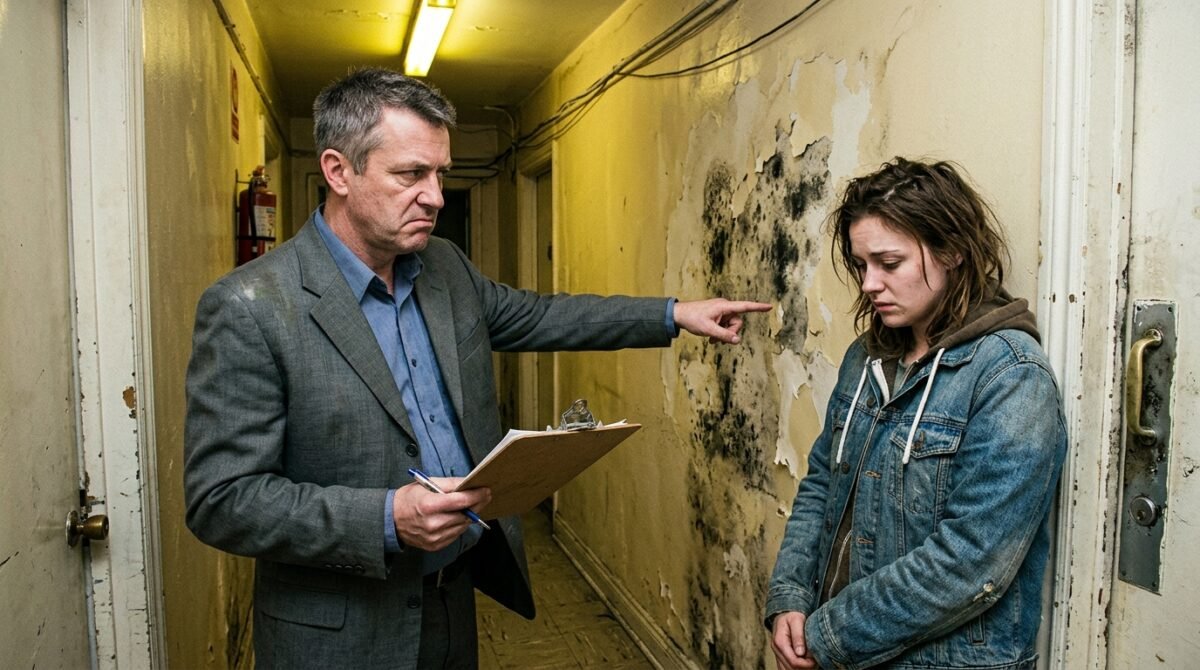
The landlord, Mr. Henderson, was not a man known for his patience. When he arrived the next morning to inspect the ‘plumbing emergency’ we had reported, his face turned a shade of purple I didn’t know was possible. He walked into the apartment, took one look at the destroyed closet, and didn’t even bother to ask for an explanation. He just pulled out his phone and started recording the damage, his voice shaking with restrained fury.
The inspection report was brutal. Beyond the obvious water damage, the moisture had triggered a massive mold bloom behind the walls that had likely been gestating for weeks. Mr. Henderson informed us that the entire hallway would need to be gutted to the studs. He told us that our security deposit was forfeit and that he was sending us an itemized bill for the mold remediation, the floor repair, and the loss of use of the hallway.
Caleb tried to spin a story about a ‘pipe burst’ in the closet, but Mr. Henderson wasn’t born yesterday. He poked at the drywall, saw the remnants of the fermentation vats, and let out a dry, humorless laugh. He told us that he had seen a lot of things in his thirty years of property management, but a ‘closet-based probiotic brewery’ was a first. He was visibly offended by the sheer audacity of the operation.
“I don’t care who pays, but this apartment needs to be brought up to code by the end of the month. You’re looking at ten thousand dollars in damages. If I don’t see that check by Friday, I’m filing a suit against both of you.”
— Mr. Henderson, the landlord
Caleb looked at me, hoping I would split the cost, but I had already documented his refusal to stop the operation. I had saved every text message, every email, and I had even taken photos of the setup back in September when I first asked him to move it. I wasn’t going down with his sinking ship. I was done being the silent, supportive roommate.
The legal threat was the final straw. I decided then and there that I was moving out. I didn’t care about the lease break fee or the loss of my portion of the deposit. I just needed to be away from the smell, the humidity, and the constant reminder of Caleb’s failure. I started packing my boxes that afternoon, while Caleb sat in his room, presumably calculating how to pivot his ‘startup’ to another location.
The Group Chat Explosion
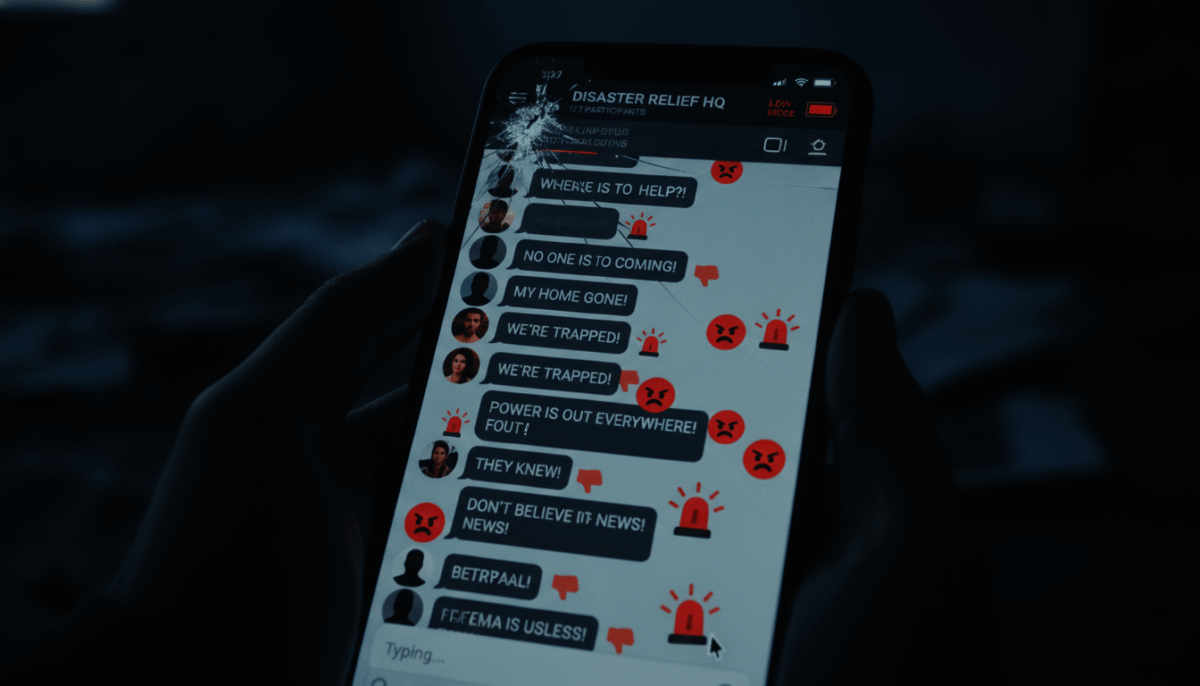
It didn’t take long for the word to get out. Caleb’s ‘investors’ and a few of our mutual friends were in a group chat where he had been posting progress updates for months. I decided it was time to set the record straight. I didn’t want people thinking I had any part in this disaster, and I certainly didn’t want Caleb framing me as the ‘unsupportive roommate’ who ruined his dream.
I sent a message to the group chat, detailing the timeline of the closet lab, the damage caused, and the impending legal action from the landlord. I included photos of the collapsed floor and the mold-infested drywall. The reaction was immediate and, for the most part, entirely on my side. The ‘investors’ were suddenly very concerned about their own potential liability for funding an illicit, unpermitted operation.
“I invested $5,000 into this? You didn’t tell us you were doing this in a residential closet without permits! I want my money back by Monday or I’m calling a lawyer.”
— Sarah (Investor), from the group chat
Caleb tried to defend himself, posting long, rambling paragraphs about ‘disruptive innovation’ and ‘the risks of being a pioneer,’ but nobody was buying it. The chat quickly turned into a roasting session. People who had once praised his ‘drive’ were now questioning his sanity. It was the digital equivalent of watching a car crash in slow motion, and I felt a strange sense of relief watching the walls close in on him.
The group chat, which was supposed to be a place for his victory lap, became the site of his social destruction. People started posting screenshots of his previous claims, highlighting the contradictions in his business model. One friend even pointed out that the ‘scoby’ he was using was probably a common strain you could buy at any grocery store, debunking his entire narrative of ‘proprietary cultures.’ It was a brutal, necessary exposure.
I muted the chat after that. I had said what I needed to say, and the fallout was no longer my concern. I watched from the sidelines as Caleb’s reputation, both as a roommate and an entrepreneur, evaporated in real-time. It was the final chapter of our time together, and I was more than happy to turn the page.
Moving Out and Starting Over
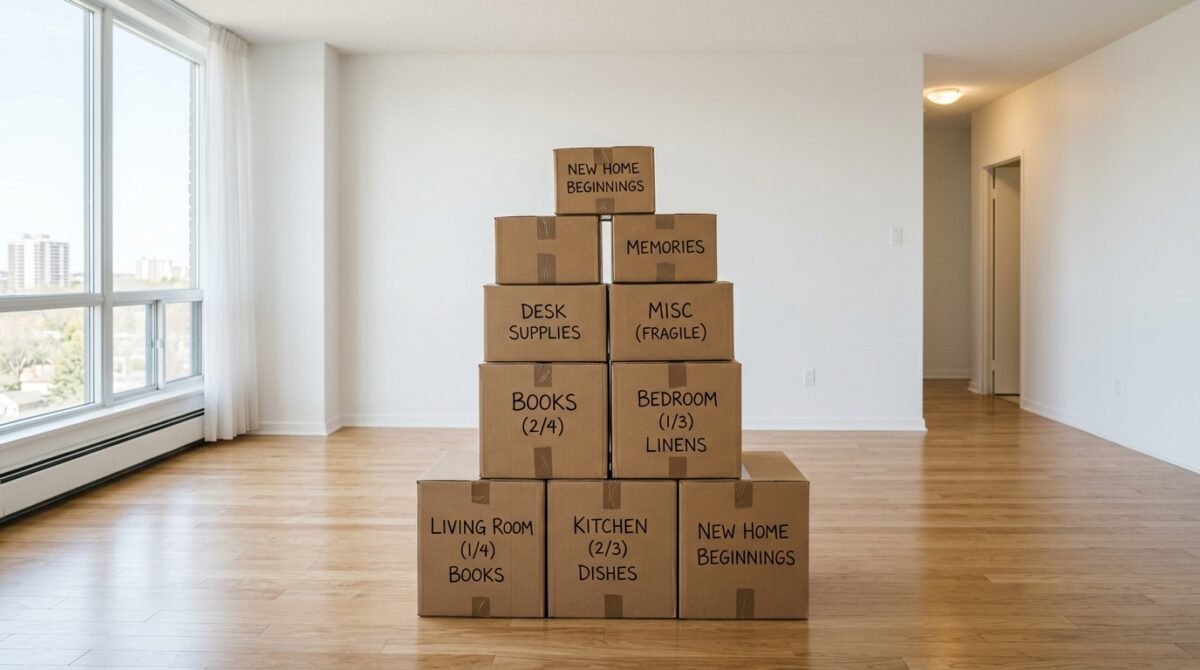
The process of moving out was a blur of exhaustion and relief. I packed my belongings into storage, throwing away anything that had been in the hallway, fearing that the ‘sour smell’ would follow me. Every time I touched a piece of furniture, I felt like I needed to sanitize it. The apartment had become a toxic place, and I couldn’t wait to breathe fresh, clean, non-vinegary air.
Caleb was still in his room when I left for the last time. He didn’t come out to say goodbye. He didn’t apologize. He just sat there, likely staring at his phone, waiting for the legal threats to stop. I left the key on the counter and walked out the door, feeling lighter than I had in months. The weight of his irresponsibility was no longer on my shoulders.
I spent the next two weeks crashing on a friend’s couch, looking for a new place. I was traumatized by the experience—I found myself checking every closet in every apartment I toured, half-expecting to find a hidden vat of kombucha. It took time to realize that not everyone is a delusional fermentation entrepreneur, and that most people actually care about the space they live in.
“You need to stop apologizing for what happened. You didn’t do this. He made his choices, and he’s the one who has to deal with the consequences. You’re just the one who survived the aftermath.”
— My friend, while I was crashing on their couch
Finding a new place was a relief, but the financial sting remained. I had to pay my share of the damages because the lease was under both our names, which was the hardest pill to swallow. I learned a valuable lesson about the importance of reading the fine print and never, ever letting a roommate talk you into ‘just a small hobby’ that involves industrial-sized equipment.
I look back at the situation now with a mixture of amusement and anger. It’s a ridiculous story—the kind of thing people don’t believe until you show them the photos of the collapsed floor. It’s a reminder that sometimes, the biggest threats to your stability aren’t life events or bad luck; they’re the people you choose to share your front door with.
Reddit Weighs In: The Verdict

When I finally posted the story to a popular subreddit, the response was immediate. Within an hour, it had thousands of upvotes. People were horrified by the audacity of the project and the sheer level of destruction it caused. The comments were a mix of outrage, legal advice, and personal stories of nightmare roommates who did similar things.
“This is not a roommate issue, this is a property destruction and potential health hazard issue. You need to get a lawyer and sue him for your share of the damages. He committed fraud by misrepresenting his ‘business’ and caused physical damage to the property. Don’t let him off the hook.”
— u/LegalExpertReddit (Top Comment, 18.2k upvotes)
Others focused on the sheer absurdity of the fermentation aspect. There were comments from professional brewers explaining that fermenting on that scale requires climate-controlled environments and constant sanitation, confirming that Caleb was completely out of his depth. The community was united in their opinion that I was clearly not the asshole in this situation, which was validating after months of being gaslit.
“I once had a roommate who tried to grow mushrooms in our bathtub. I thought that was bad. You win. A commercial brewery in a hall closet? That’s next-level insanity. The smell alone would have made me move out on day one.”
— u/RoommateHorrorStories (5.4k upvotes)
The community also provided some much-needed perspective on how to protect myself in the future. They suggested creating a written agreement for any shared space, setting strict boundaries on hobbies, and always, always keeping records of communication. It felt good to know that my experience could help someone else avoid a similar situation.
Reading the comments, I realized that I wasn’t alone. There is a whole subculture of people who have dealt with roommates who think their personal projects have no impact on others. It made me feel less ‘crazy’ for being so angry and more empowered to set firm boundaries in the future. The support from the internet was the final piece of the puzzle in my own recovery.
The Long-Term Impact on Our Friendship

Caleb and I haven’t spoken since the day I moved out. There was no ‘closing conversation,’ no apology, and no reconciliation. Honestly, I don’t think I would want one. He showed me who he was during those months—a person who was willing to sacrifice our home, our money, and our peace of mind for an ego-driven, poorly planned venture.
The friendship didn’t just end; it decayed, much like the drywall in that hallway. It was a slow, painful process of realizing that the person I thought I knew was someone who could prioritize a jar of tea over our safety. It’s a betrayal of trust that goes beyond just ‘roommate stuff.’ It changes how I look at my friends, and it makes me more cautious about who I let into my inner circle.
I’ve heard through mutual friends that Caleb is still trying to get the business off the ground, but in a different city. Apparently, he’s telling everyone that the landlord was ‘vindictive’ and that the ‘collapse’ was an accident. It doesn’t surprise me. He hasn’t learned a single thing from the experience. He’s still the same person, chasing the same impossible dream, ignoring the same reality.
“Some people aren’t meant to have success. They’re meant to be a cautionary tale for the rest of us. Caleb is definitely in the latter category.”
— A mutual friend, during a recent coffee catch-up
I’ve moved on, and my life is much quieter now. I live in a place where the only thing in the closet is my clothes, and the only smell is the occasional candle I light. It’s a simple life, but it’s mine, and I’ve earned every bit of the peace I have. The experience taught me that boundaries aren’t just suggestions; they’re the foundation of a healthy life.
If Caleb ever tries to reach out, I know what I’ll do. I’ll delete the message, block the number, and keep moving forward. There’s nothing left to say, and there’s nothing worth salvaging from a disaster that destroyed so much. The fermentation experiment is over, and I am finally, truly, moving on.
Lessons Learned the Hard Way

If there’s one thing I’ve learned, it’s that ambition without responsibility is a recipe for catastrophe. We all want to follow our dreams, and we all want to build something of our own, but the moment your dream starts infringing on the rights and safety of the people around you, it’s no longer a ‘dream’—it’s a violation. I learned this the hard way, at the cost of a lot of money and my peace of mind.
I also learned the importance of immediate, firm intervention. I waited too long to address the problem because I wanted to be nice, and that delay cost me dearly. If I had stopped the first jar of kombucha from ever entering that closet, I would have saved myself from months of stress and thousands of dollars in debt. I’ve learned that being ‘nice’ is not the same as being ‘kind’—sometimes, the kindest thing you can do for someone is to hold them accountable.
I’m also much more skeptical of ‘startup’ culture in personal living spaces. If someone tells you they have a ‘big idea’ that requires turning your living space into a factory, run. It’s never just a ‘small setup’—it’s always a slippery slope to total apartment takeover. I now have a ‘no-business’ clause in my mental checklist for any future roommates.
“Your home is your sanctuary. If someone threatens your sanctuary, you have every right to protect it, even if it means losing a friendship. Your peace of mind is worth more than any social obligation.”
— A takeaway from the entire ordeal
Finally, I’ve learned that you can’t fix people who don’t want to be fixed. I thought I could guide Caleb, reason with him, and help him see the light, but the truth is that he was blinded by his own ambition. It wasn’t my job to save him from himself, and it wasn’t my job to be his business partner by default. I’ve learned to focus on my own journey and leave the failures to those who are determined to create them.
I’m in a much better place now, and I’m grateful for the lessons, even if the price was high. I’m a more assertive, more cautious, and ultimately, more self-assured person because of what happened. The fermentation lab is just a story I tell now—a bizarre, chaotic chapter in my life that I’m happy to have behind me.
The Aftermath: Where I Stand Today

It’s been six months since I moved out, and I’ve finally paid off the last of the repair costs I was legally obligated to cover. It was a heavy financial blow, but it feels good to finally have that weight off my shoulders. I’m starting to rebuild my savings, and I’m feeling more like myself every day. The smell has long since faded from my memories and my clothes, and I’ve finally stopped checking the closets in my current apartment.
I’ve also started seeing someone who is the complete opposite of Caleb. They have hobbies, sure—they play guitar and enjoy gardening—but they respect the space we share. There’s no pressure to turn the living room into a concert hall or the balcony into a farm. It’s a partnership based on mutual respect and shared goals, which is exactly what I needed after the chaos I went through.
I still occasionally see Caleb’s name pop up on social media, usually attached to some new, questionable ‘entrepreneurial’ endeavor. I just scroll past. It’s like watching a train wreck from a safe distance—you recognize the disaster, but you’re no longer on the tracks. I don’t feel anger anymore, just a strange sort of pity for someone who refuses to learn.
“Recovery isn’t about forgetting the pain; it’s about learning how to live without the weight of it. I’m finally living again, and that’s the best revenge.”
— My current outlook
I’m planning to use my experience to help others. I’ve thought about starting a blog or a series of articles on how to navigate the ‘roommate from hell’ experience. If I can help one person avoid a closet full of rotting tea or a ruined lease, then the nightmare was worth it in a small way. I want to share the practical advice I wish I had had—the importance of checking leases, the power of setting boundaries, and the reality of roommate agreements.
In the end, I’m grateful for the experience, as much as I hate to admit it. It broke me down and forced me to build myself back up in a stronger, more resilient way. I know what I’m worth, I know what I’m willing to tolerate, and I know how to walk away when things aren’t right. The fermentation lab is gone, but I’m still here, and that’s what matters most.
Conclusion
Looking back at the entire, messy, vinegary situation, I’m struck by how quickly a quiet, professional living arrangement can spiral into a disaster. The fermentation lab was a physical manifestation of a lack of boundaries and a delusional pursuit of personal gain at the expense of others. It was a chaotic, expensive, and stressful experience, but one that ultimately pushed me to define what I truly value in a home and a relationship.
We often think that as adults, we should be able to navigate these conflicts easily, but the truth is that sometimes we are blindsided by the people we trust the most. It’s a humbling reminder that we are responsible for our own peace, and that sometimes, the hardest decision—to leave, to confront, to set a hard boundary—is the only one that actually works. My story is a testament to the fact that you don’t have to be the ‘nice’ roommate if it means sacrificing your well-being.
I want to hear from you. Have you ever had a roommate whose ‘hobby’ turned into a hazard, or have you ever had to deal with an unexpected disaster in your living space? How did you handle it, and what would you have done differently? Let’s talk about the lessons we’ve learned in the comments below—after all, sharing these stories is the only way to make sure we don’t end up in a closet full of sour, rotting experiments again.
Community Poll: What would you have done?
- A) Confronted the roommate immediately and threatened to leave on day one.
- B) Tried to work it out with a compromise and set clear rules for the ‘lab’.
- C) Moved out the moment the first smell appeared, regardless of the lease.
- D) Reported the roommate to the landlord as soon as the closet was modified.
What's your verdict on this dilemma?
Vote below to contribute to the official community consensus.

Have a Dilemma Keeping You Up at Night?
Share your real-life feud, wedding chaos, or relationship crossroads anonymously with our editorial team.
What do you think ?
0 Comments🛡️ Comments are moderated to protect community integrity. Your comment will appear once approved by the editorial team.