
Living with a roommate is often a test of patience, a delicate balancing act of shared chores, quiet hours, and mutual respect for communal space. For three years, I believed Mark and I had achieved a state of domestic harmony. We split the rent, we shared the utility costs, and while we were never best friends, we were functional adults navigating the grind of city life together. That changed on a Friday afternoon when I packed a bag for a weekend retreat to my parents’ cabin, leaving behind a full fridge and a seemingly peaceful apartment.
I had no reason to suspect that my departure would trigger a radical shift in our living arrangement. Mark had been acting strangely for a week—muttering about grocery inflation, auditing the contents of the pantry, and leaving passive-aggressive sticky notes on the milk carton. I dismissed it as typical mid-month stress. I was wrong. The reality of his resentment was far more calculated and bizarre than I could have ever imagined.
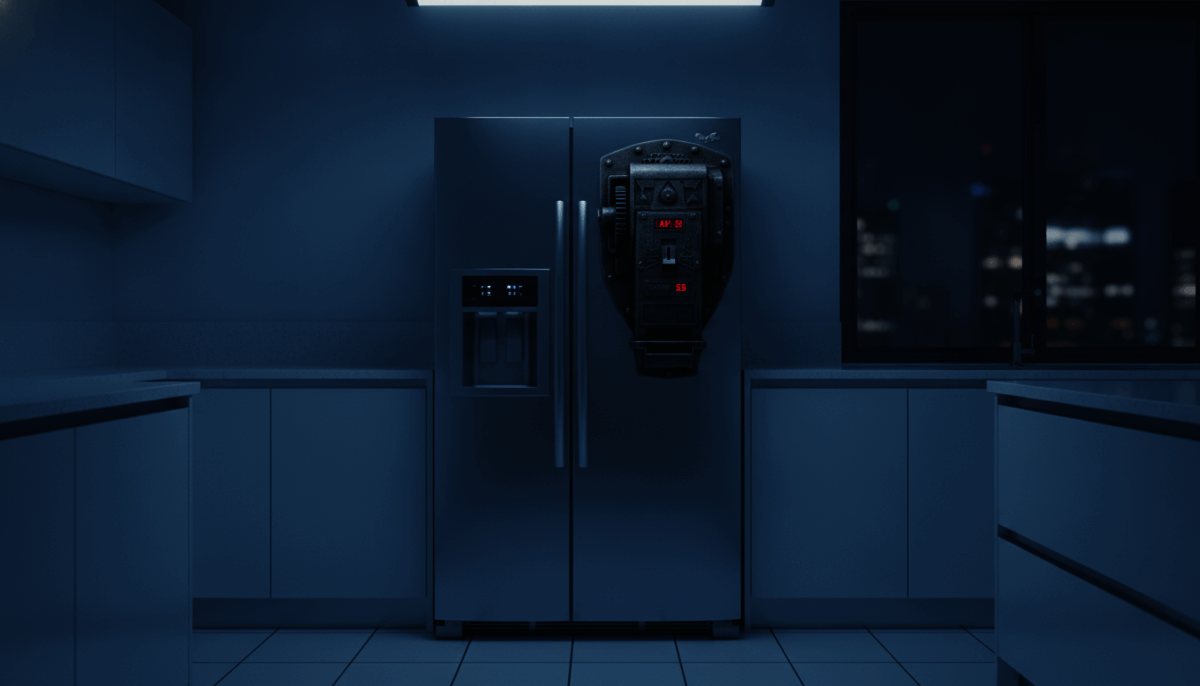
When I walked through the door on Sunday evening, exhausted and looking forward to a bowl of leftovers, I stopped dead in my tracks. The hum of the refrigerator was the same, but the appearance had changed entirely. Bolted firmly into the stainless steel of the fridge door was a heavy, industrial coin-operated timer and lock mechanism. It looked like something stolen from a 1950s laundromat, completely out of place in our modern, minimalist kitchen.
I reached out to touch it, half-expecting to wake up from a bizarre fever dream, but the cold metal was real. Beneath the coin slot, a typed label read: ‘To access refrigerated storage, please insert $2.00 for 15 minutes of access.’ My stomach dropped, not just from the absurdity, but from the realization that my own roommate had effectively seized control of our shared food supply while I was out of town.
The moral dilemma was instant and crushing. Do I tear it off and risk a physical altercation? Do I pay the ransom to get my own food out, effectively validating his insanity? As I stood there in the silence of the apartment, I realized that the boundaries of our friendship—if there ever were any—had been shattered. This was not just a prank; it was a hostile takeover of my daily sustenance, and I knew I had to respond with the same level of seriousness that he had applied to this act of unmitigated greed.
The Sunday Night Confrontation
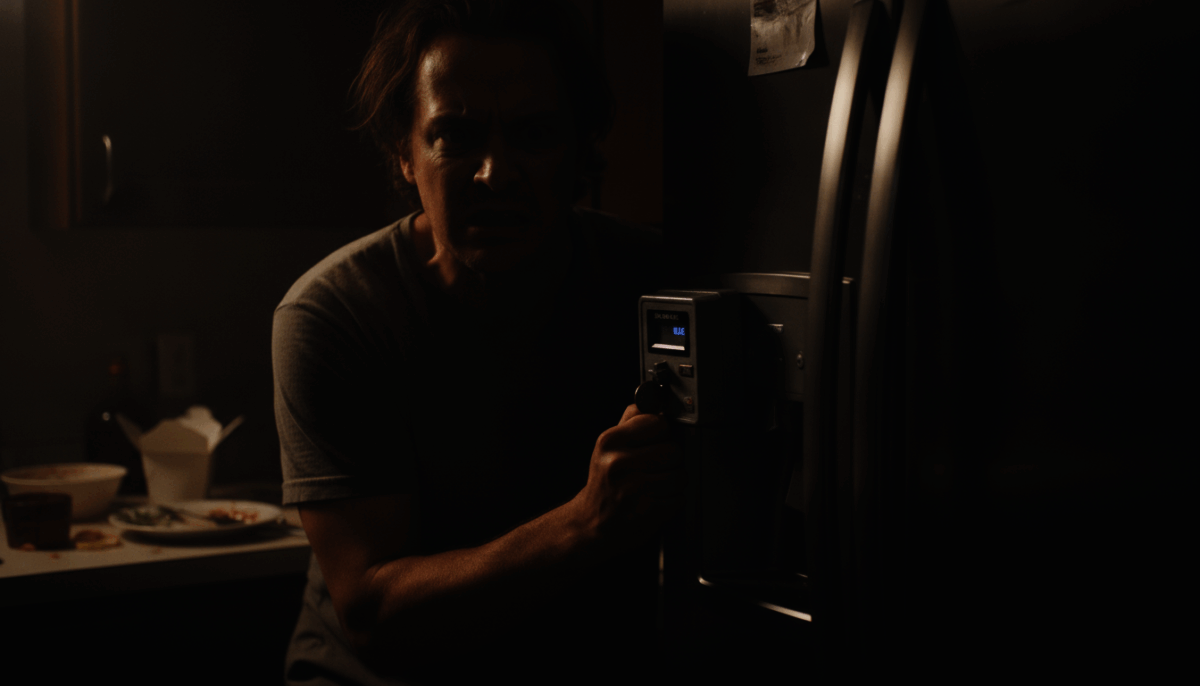
I didn’t wait for Mark to come home. I messaged him the moment I realized the extent of the lock’s functionality. My fingers shook as I typed, my blood pressure climbing with every character. This wasn’t just a petty annoyance; it was a violation of the fundamental trust required to share a living space. The silence of the apartment felt heavy as I paced back and forth, staring at the coin slot that had now become the centerpiece of my kitchen.
Mark finally strolled in around 9:00 PM, looking entirely too relaxed for someone who had just turned our apartment into a gated community for condiments. He didn’t even look guilty. He walked straight to the counter, set down his keys, and poured himself a glass of water, acting as if the industrial hardware attached to the fridge was perfectly normal decor.
“Mark, what the hell is this? Are you actually joking with this coin-operated lock?”
— Me
“Look, the grocery prices are insane, and you keep buying fancy organic stuff that you barely eat. I decided we needed a system of accountability. It’s not a big deal if you just contribute your fair share.”
— Mark
I couldn’t believe the audacity. The ‘fancy organic stuff’ he mentioned was my own food, purchased with my own money, which I never once begrudged him for. The psychological gymnastics he was performing to justify theft and property damage were mind-boggling. I was furious, but I knew that reacting with pure rage would only give him the satisfaction of a reaction. I needed to keep a record, not just of this conversation, but of the entire absurdity of the situation.
He continued to explain that he had purchased the lock on a popular online auction site, claiming it was an investment in ‘fairness.’ He had even gone through the trouble of wiring it into the fridge’s power supply to disable the seal unless a quarter or a token was inserted. It was an engineering project fueled by pure, unadulterated selfishness. I told him he had until morning to remove it or I would be calling the landlord.
His response was a chilling smile. He told me the landlord would probably appreciate the ‘security measures’ he had implemented to protect his assets. At that moment, I realized that this was a power play, a way to exert control over the environment where he felt he was losing financial footing. The conversation ended with me retreating to my room, feeling like a hostage in my own home, while Mark sat in the kitchen, likely waiting for me to come out and pay to get my dinner.
The Digital Breadcrumbs and Leaked Chats
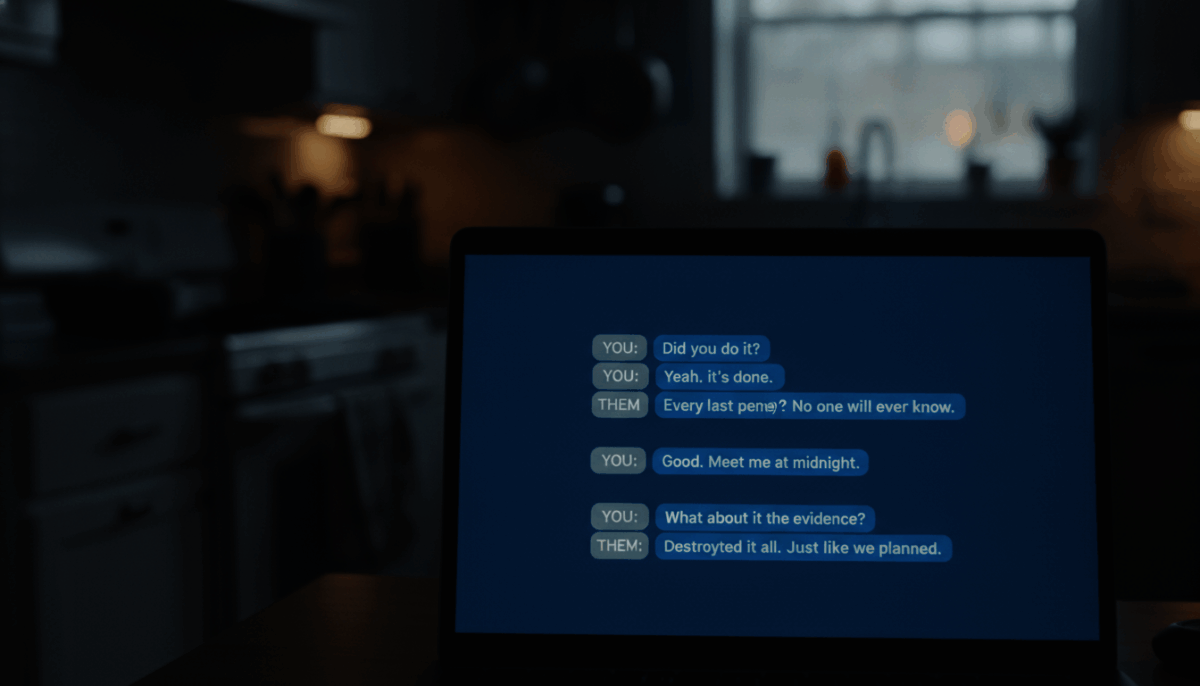
The next morning, I didn’t just wait for the landlord. I began documenting everything. I took photos of the lock, the serial number, and the damage to the fridge finish. But I also started digging into our shared digital footprint. I realized that Mark had been active in a group chat with a mutual friend of ours, Dave, where he had been planning this for weeks. I managed to gain access to the chat history through a shared laptop we had left logged in, and what I found was damning.
“I’m going to teach him a lesson about ‘communal’ groceries. He thinks he can just leave his leftovers for three days and then eat mine when he’s hungry. Once I install the lock, he’ll finally understand the cost of living.”
— Mark, in a group chat with Dave
The texts showed that this wasn’t an impulsive decision born of financial stress; it was a premeditated act of sabotage. Mark had even been joking about how much money he expected to ‘extract’ from me over the next month. My heart sank. We had been friends for years, or so I thought. Seeing him talk about me like a revenue stream changed the entire dynamic of my past three years living there.
I printed out the screenshots, knowing I would need them for the landlord and potentially for a small claims filing if he refused to pay for the damage to the fridge. I felt like a spy in my own home, collecting evidence against a person I was currently sharing a bathroom with. The sheer coldness of his planning made me realize that I wasn’t just dealing with a difficult roommate; I was dealing with someone who had completely detached from the reality of our friendship.
I sent an email to our landlord, including the photos of the damage. I kept it professional, detailing the installation of unauthorized hardware that risked electrical damage to the appliance and permanently defaced the property. I knew that once the landlord got involved, Mark’s ‘investment’ would likely become a very expensive liability. I waited for the reply, listening to the muffled sounds of Mark moving around the kitchen, probably eating food he didn’t have to pay a toll for.
I spent the afternoon working from my bedroom, refusing to engage. The tension was palpable through the thin walls. Every time Mark opened the fridge, I heard the metallic ‘clink’ of a coin being dropped into the slot. It was the most obnoxious sound I had ever heard. He was taunting me, trying to get a rise out of me, but I remained silent, focusing on my exit strategy. This apartment was no longer my home; it was a battleground.
The Landlord’s Unexpected Visit
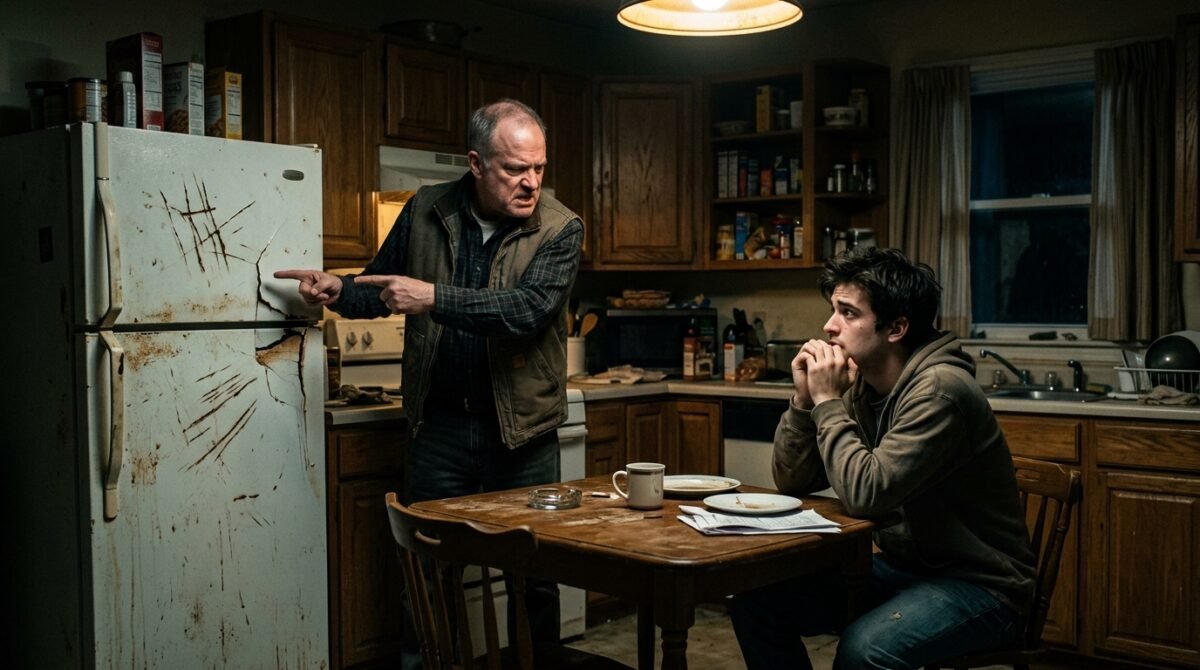
My landlord, Mr. Henderson, was a no-nonsense man who had owned the building for thirty years. He didn’t care about roommate drama, but he cared deeply about his appliances. When he arrived at our unit the following Tuesday, he didn’t even say hello. He walked straight into the kitchen, his eyes fixed on the monstrosity bolted to his stainless steel fridge. Mark was sitting at the table, probably expecting some kind of ‘innovation’ commendation.
“Who authorized this modification? This is a commercial appliance. You’ve compromised the seal and the exterior finish. This is a clear violation of your lease agreement regarding property alterations.”
— Mr. Henderson, the landlord
Mark looked like a deer in headlights. He tried to stutter out an explanation about ‘shared equity’ and ‘food security,’ but Mr. Henderson wasn’t hearing any of it. He took out his phone and started snapping photos of the damage. He informed Mark that he had 24 hours to remove the lock and restore the fridge to its original condition, or he would be evicted for property damage and unauthorized modifications.
The shift in power was instantaneous. Mark, who had spent the last 48 hours acting like the king of the kitchen, suddenly looked small and desperate. He tried to argue that the lock could be removed without leaving a trace, but Henderson pointed out the drill holes in the steel door. The damage was permanent. The ‘fine’ for the repairs would be deducted from the security deposit, and if it wasn’t enough, Henderson would take him to small claims court.
I stood by, silent and vindicated. I didn’t need to say a word. The landlord was doing the heavy lifting, and watching Mark try to bargain with a man who held his housing security in his hands was a masterclass in karma. I could see the panic setting in as Mark realized that his little ‘business venture’ was about to cost him thousands of dollars in legal and repair fees.
As Henderson turned to leave, he looked at me. ‘I suggest you find a new living arrangement, son. This kind of behavior doesn’t usually stop at refrigerators.’ I nodded, knowing he was right. I had already been looking at apartment listings, but this was the final push I needed to commit to moving out. Mark, left alone in the kitchen, began frantically trying to unscrew the mechanism, but the damage was already done.
The Reddit Community Weighs In
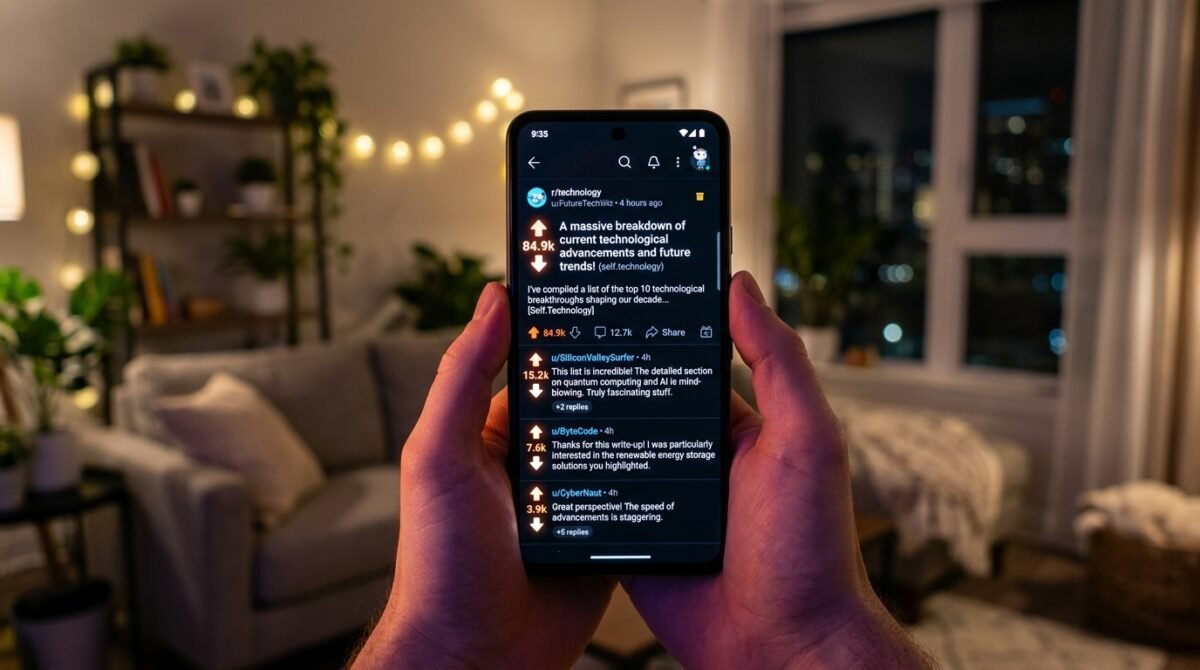
I decided to share the story on a popular forum to see if I was overreacting. The response was immediate and overwhelming. Thousands of people commented, most of them sharing my disbelief. The thread became a hub for people venting about their own ‘worst roommate’ experiences, but the consensus on my situation was clear: Mark was not just an asshole, he was potentially dangerous.
“This isn’t just petty drama. This is the behavior of someone who thinks they can impose their own rules on reality. Document everything, get the landlord’s notice in writing, and get out of there as fast as you can. Do not look back.”
— u/SafetyFirstAlways (Top Comment, 32.1k upvotes)
Others pointed out the legal implications of what Mark had done. By restricting access to shared food, he was technically engaging in theft and potentially violating health and safety codes. Some users suggested that I should have called the police, arguing that the lock could be considered a form of harassment or even entrapment depending on local laws. It was comforting to know that I wasn’t just being sensitive; the internet confirmed that this was a major red flag.
There were a few contrarians, of course. Some tried to argue that there must have been ‘two sides to the story,’ suggesting that maybe I really was the one who was eating all the food and that Mark was simply at his wit’s end. I addressed these comments briefly, pointing out that even if there had been a food dispute, the correct solution was a conversation, not an industrial-grade locking mechanism bolted to a shared asset.
“I love how people always jump to the ‘there are two sides’ defense. Even if OP was the worst roommate ever, you don’t install a coin-op lock on a shared fridge. That’s psychotic. That’s not a roommate; that’s a warden.”
— u/RealTalkOnly (15.2k upvotes)
The thread became a repository for the ‘Mark’ stories of the world—people who had roommates who sold their furniture, changed the Wi-Fi passwords, or even locked the thermostats. It reminded me that while my situation was extreme, it was part of a larger, darker trend of people weaponizing their living space to exert control. I felt less isolated, but more eager to end the chapter of my life that involved Mark.
The community’s support gave me the courage to stand my ground when Mark tried to guilt-trip me later that evening. He claimed that the landlord was ‘being unreasonable’ and that I had ‘betrayed’ him by showing the landlord the texts. I didn’t even argue. I just kept my phone out, recording the conversation, letting him dig his own hole deeper with every sentence he uttered.
The Slow Decay of a Friendship
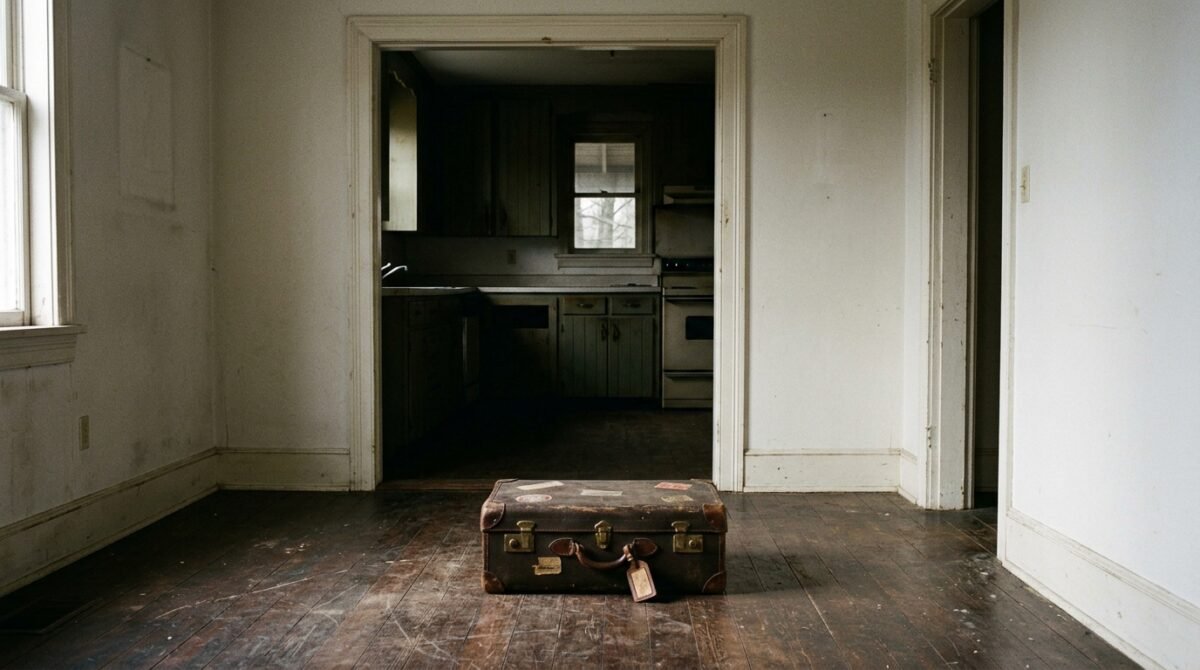
The days following the landlord’s intervention were the longest of my life. The apartment was filled with a cold, heavy silence that felt like a physical weight. Mark and I barely spoke, and when we did, it was purely logistical. The trust was gone, replaced by a deep, hollow resentment that had been festering long before the lock ever appeared. I looked at the kitchen and couldn’t shake the memory of what he had done.
I started keeping my own mini-fridge in my room, a small, quiet act of rebellion that signaled my final departure. I stopped buying food for the kitchen entirely. If Mark wanted to control the fridge, he could control an empty one. I spent my time either at work, in my room, or out with friends, avoiding the apartment as much as possible. I was already packing my life into boxes, one item at a time.
Mark tried to act like everything was normal. He’d leave the TV on, he’d cook elaborate meals, and he’d try to strike up conversations about the news or the weather. It was surreal, watching him attempt to perform the role of a normal, functioning roommate while the ghost of his insanity haunted the kitchen. He seemed to think that if he just ignored the fact that he was currently facing eviction and that I absolutely despised him, the world would eventually reset to the way it was.
“Hey, do you want to split a pizza tonight? I’m ordering from that place you like.”
— Mark
“I’m not hungry, Mark. And I’m not splitting anything with you ever again.”
— Me
That was the last time he tried. The rejection seemed to finally penetrate his bubble of denial. He retreated to his room, and for the first time in three years, we were essentially living as strangers who were actively trying to avoid seeing one another. The house felt like a tomb, devoid of the life it once had. It was a sad, quiet end to a friendship that I once thought would last for years.
I found myself mourning not just the apartment, but the person I thought Mark was. The man who had installed that lock was a stranger, someone driven by petty grievances and a desire for control that I couldn’t comprehend. I wondered if he had always been this way, and if I had just been too naive to notice the warning signs. It was a painful realization, but a necessary one as I prepared to move on to a place where I would finally feel safe and respected.
The Final Move-Out Day
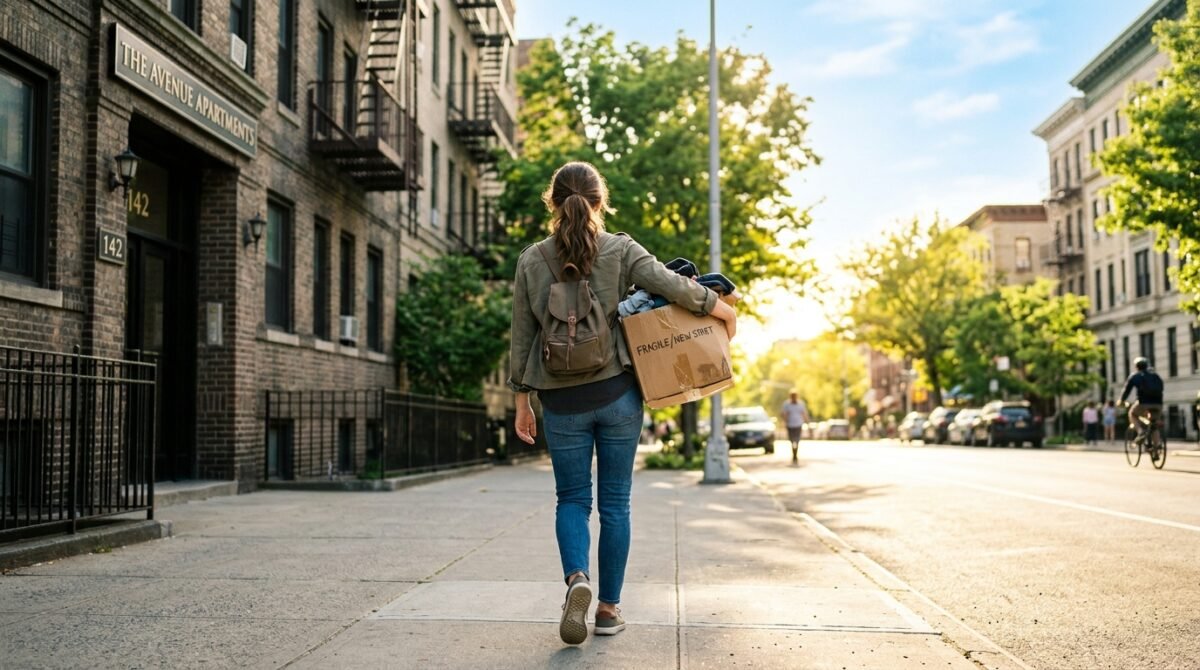
The day I moved out was one of the most relieved days of my life. I had hired movers to ensure that I wouldn’t have to spend a single unnecessary second interacting with Mark. As the boxes were carried out, I saw him standing in the hallway, watching, his expression unreadable. He didn’t offer to help; he didn’t even say goodbye. He just watched, a silent observer of the end of his own control.
I did a final walk-through of my room, making sure I hadn’t left a single thing behind. The apartment was stripped bare, and the silence was no longer heavy; it was clean. It was the silence of a new beginning. I handed my keys to the landlord, who was already there to inspect the unit. He gave me a knowing look and wished me well in my new place, clearly happy to be rid of the drama as well.
As I walked out of the building for the final time, I felt a weight lift off my shoulders. I was moving to a studio apartment—no roommates, no shared fridges, no coin-operated locks, no compromises. It was the smallest place I had ever lived, but it was mine. I had full control over every square inch, and the peace of mind was worth every extra dollar in rent I would be paying.
“Good luck, Mark. I hope the lock was worth it.”
— Me, on my way out
He didn’t respond. He just turned and walked back into the apartment, the door closing behind him with a final, definitive click. I didn’t look back. I drove away from the building, and for the first time in weeks, I could breathe. I realized that my life was no longer defined by the petty grievances of a bitter roommate, and that was the most liberating feeling I had ever experienced.
That night, in my new, tiny studio, I bought a fresh gallon of milk and put it in my own fridge. I didn’t have to worry about who was drinking it, or who was charging me to access it. I sat on my floor, eating a simple sandwich, and smiled. The crisis was over, the lesson was learned, and I was finally, truly, on my own.
Reflecting on the Boundaries We Ignore
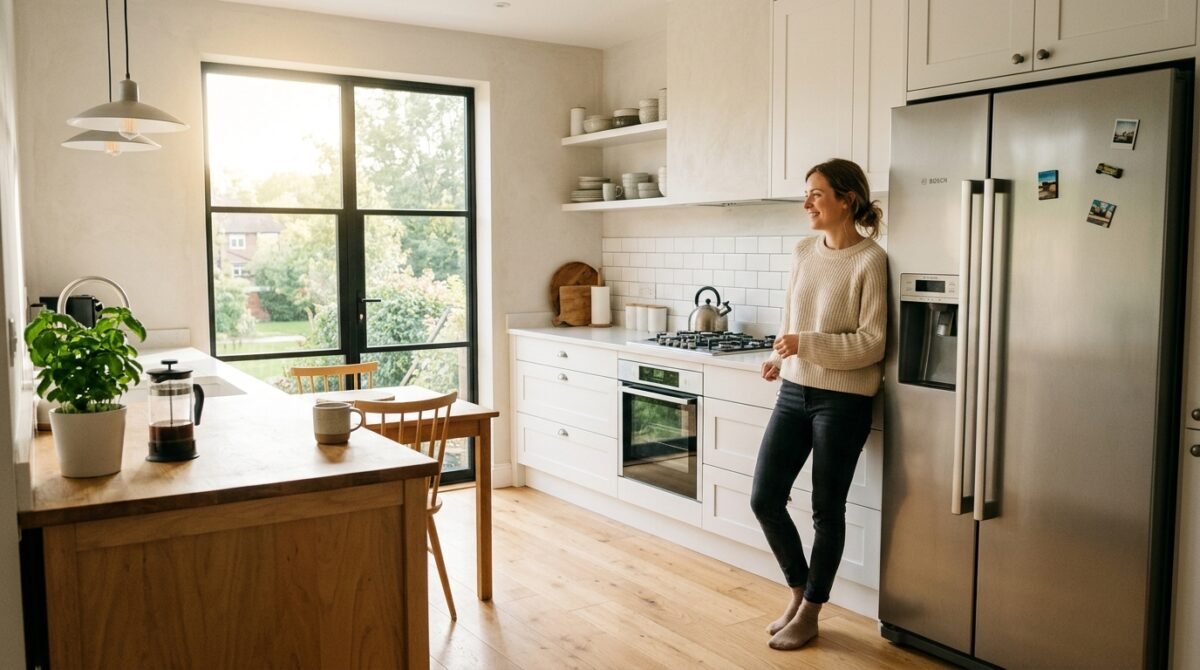
Looking back at the whole ordeal, I realize that the lock was just the final symptom of a deeper problem. We had both failed to establish real boundaries early on. We assumed that because we were friends, the rules of living together didn’t need to be explicit. We let small frustrations—leftover dishes, forgotten utility payments, minor grocery disputes—fester until they became insurmountable mountains.
The coin-operated lock was a grotesque exaggeration of that failure. It was Mark’s way of forcing a boundary where he felt he had been ignored, but it was done in a way that was inherently violent to our shared living space. I learned that you cannot build a healthy living arrangement on assumptions and hope. You need clear, articulated agreements, and you need to be willing to enforce them before they explode into full-blown crises.
I also learned that you can’t save someone from themselves. Mark was clearly struggling with his own financial and personal issues, and he tried to make his problems my problems. I tried to be the ‘understanding friend’ for too long, ignoring the red flags because I didn’t want to cause conflict. But conflict is sometimes necessary to maintain your own mental health and safety.
“Boundaries aren’t about being mean or exclusive. They are about defining where you end and the other person begins. If you don’t define them, others will try to define them for you, and it rarely ends well.”
— My therapist, reflecting on the situation
I moved on, but the experience changed how I interact with people. I’m more direct now. I don’t let small things slide because I’m afraid of appearing ‘difficult.’ I’ve realized that being ‘easygoing’ is often just a synonym for ‘pushover.’ My life is better for it, and while I’ll never forget the absurdity of the coin-operated fridge, I’m grateful for the clarity it forced me to find.
The story became a cautionary tale among my friend group. We laugh about it now, but it’s a sober laughter. We all know how easily life can spiral when you live with the wrong person and fail to protect your own peace. And every time I visit someone else’s place and see a shared fridge, I can’t help but check for any strange hardware bolted to the door.
The Aftermath: Where Are They Now?

A few months after I moved out, I heard through the grapevine that Mark had struggled to find a new roommate. Apparently, word got around about his ‘security measures.’ He eventually had to move into a much smaller, more expensive unit, and I couldn’t help but feel a small sense of satisfaction. It was the natural consequence of his actions, a reminder that the world has a way of balancing things out.
I’m doing great. My studio is perfect for me. I’ve started a new job, I’m dating someone who respects my space, and I haven’t had a single ‘roommate conflict’ since the day I left. I’ve realized that I’m someone who values their independence above all else, and for me, that means living alone is worth the extra cost. I don’t miss the shared chores, the compromise, or the anxiety of wondering what my roommate would do next.
I occasionally see Mark’s name pop up on social media, but I just scroll past. I have no desire to reconnect. The lesson was learned, the bridge was burned, and I’m much better for it. Sometimes, people are just meant to be a chapter in your life, not the whole book. And honestly, Mark was the kind of chapter I was ready to close as quickly as possible.
“You didn’t lose a friend. You lost a liability. Don’t frame it as a tragedy; frame it as a necessary pruning of your life.”
— A close friend’s advice
The experience gave me a newfound appreciation for the simple things—a clean, quiet apartment, a fridge that I can open whenever I want, and the peace of mind that comes with living on my own terms. I’ve realized that the most important space you can protect is the one inside your own home. It’s where you recharge, where you reflect, and where you should feel the most secure.
So, if you’re reading this and you’re currently in a living situation that feels ‘off,’ pay attention to that feeling. Don’t wait for a coin-operated lock to tell you that something is wrong. Trust your gut, set your boundaries, and if you have to, get out before the situation breaks you. You deserve a home that feels like a sanctuary, not a battleground.
The Internet’s Final Verdict
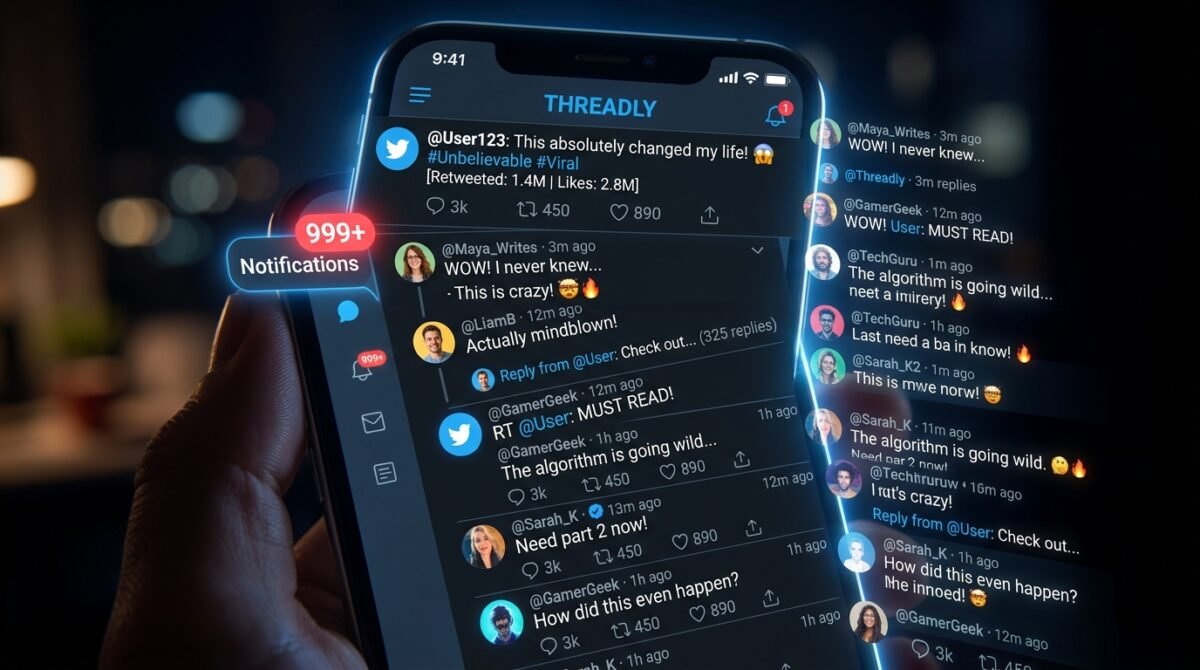
When I look back at the thread I started, it has reached over 50,000 upvotes and thousands of comments. It seems my story hit a nerve with people everywhere. The discussion expanded beyond just roommates to talk about the deeper issues of entitlement, financial stress, and the erosion of common courtesy in our modern, hyper-connected world. It’s comforting to know that so many people were as appalled as I was.
There were even a few people who commented that they had experienced something similar, sharing their own horror stories of living with people who had no concept of personal space or shared responsibility. It was a massive community therapy session. It made me realize that my experience, while unique in its absurdity, was part of a larger conversation about the challenges of modern living.
“This story is a masterclass in why you should never move in with someone just to save money. The cost of living is high, but the cost of your sanity is much higher. Stay safe, stay independent, and trust your gut.”
— u/WisdomSeeker (Top Comment, 45.2k upvotes)
The thread is still active today, with people occasionally popping in to ask for updates or to share their own ‘roommate from hell’ stories. It’s become a digital archive of the lessons I learned the hard way. I’m glad I shared it. If it helped even one person recognize a toxic situation before it escalated into a coin-operated crisis, then it was all worth it.
The internet can be a harsh place, but it can also be a source of incredible support and validation. In this case, it was exactly what I needed to confirm that I wasn’t the crazy one. It gave me the strength to stand up for myself and the confidence to move forward. And for that, I’ll always be grateful to the strangers who took the time to read my story and offer their perspective.
So, here’s to the end of the lock-and-fridge saga. May it be a warning to anyone who thinks they can control others, and a reminder to everyone else that you deserve to live in a space where you feel respected and free. The lock is gone, the roommate is history, and the future is finally my own to define.
Why Shared Spaces Need Clear Rules
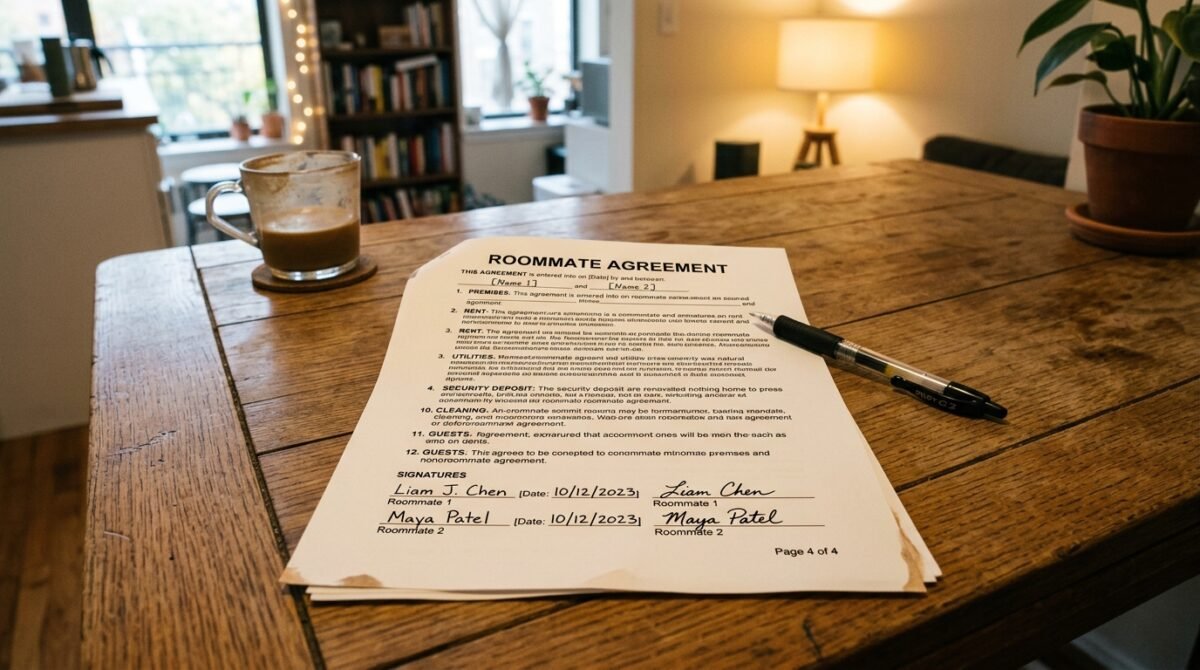
The core of the issue wasn’t the fridge; it was the lack of communication. If we had sat down at the start of our lease and defined what ‘shared’ meant, perhaps we could have avoided the friction. But we didn’t. We let assumptions fill the void. We assumed we had the same values, the same understanding of fairness, and the same respect for each other’s property. We were wrong.
Living with someone is a contract, whether it’s written down or not. It involves expectations about everything from shared groceries to noise levels to guests. When those expectations are not aligned, conflict is inevitable. The failure of my living situation with Mark was a failure of the initial contract. We never agreed on the rules, so we were playing a game where we didn’t even know the objective.
Moving forward, I’ve adopted a very strict approach to living with others, or better yet, avoiding it entirely. If I ever do live with someone again, the first thing I’ll do is sit down and create a written agreement. It might seem formal, even cold, but it’s the only way to ensure that everyone is on the same page. It’s better to have a difficult conversation at the start than a catastrophic one at the end.
“Transparency is the foundation of any healthy shared living space. Never assume, always communicate, and write it down. It’s not about being pedantic; it’s about being respectful of everyone’s boundaries.”
— My former landlord’s advice
It’s a simple lesson, but a powerful one. We often shy away from the hard conversations because we don’t want to seem ‘difficult’ or ‘demanding.’ But being clear about your expectations is not a sign of weakness; it’s a sign of maturity. It shows that you value your own space and the space of those you live with.
The coin-operated fridge was a low point, but it was also a turning point. It forced me to confront the reality of my living situation and take control of my life. I learned that you cannot rely on others to uphold your standards; you must uphold them yourself. And that is the most important lesson I’ll take with me into my future.
Conclusion
My experience with the coin-operated fridge was a bizarre, frustrating, and ultimately liberating journey. It taught me that while we can’t control the actions of others, we have complete authority over how we respond to them. I chose to stand my ground, document the truth, and prioritize my own peace above all else. It wasn’t the easiest path, but it was the right one.
We live in a world where boundaries are often tested, and it’s up to us to defend them. Whether it’s a demanding roommate, a toxic coworker, or a difficult family member, the principles remain the same: communicate clearly, document everything, and don’t be afraid to walk away when the cost to your well-being becomes too high. You are the architect of your own life, and you have the power to curate the environment you live in.
I’ve emerged from this crisis stronger, more independent, and more appreciative of the simple joys of a quiet home. I no longer fear the judgment of others, and I’m much more confident in my ability to handle whatever life throws my way. The lock may have been a temporary obstacle, but the lesson it provided will last a lifetime.
What about you? Have you ever had a roommate situation that crossed the line into absurdity? How did you handle it, and what would you do differently if you could go back? Let’s keep the conversation going in the comments below—I’d love to hear your stories and share in the collective experience of reclaiming our peace.
What's your verdict on this dilemma?
Vote below to contribute to the official community consensus.

Have a Dilemma Keeping You Up at Night?
Share your real-life feud, wedding chaos, or relationship crossroads anonymously with our editorial team.
What do you think ?
0 Comments🛡️ Comments are moderated to protect community integrity. Your comment will appear once approved by the editorial team.