

Living with a roommate is rarely a seamless experience, but most of us eventually find a rhythm. You learn to ignore the unwashed dishes for a day or the occasional loud music on a Tuesday. However, some boundaries are sacred, and the health of a pet is at the very top of that list. My cat, Barnaby, is my world. After he was diagnosed with a chronic kidney condition that required a strictly regimented, high-protein, imported bone broth supplement—which cost an eye-watering $22 per bottle—I made it abundantly clear that the fridge shelf labeled ‘Barnaby’s Medical Supplies’ was strictly off-limits.
My roommate, Chloe, has always had a streak of ‘what’s yours is mine’ entitlement. It usually manifested in her borrowing my hair dryer or ‘accidentally’ using my fancy shampoo, but I never imagined she would cross the line into medical tampering. I returned home last Thursday after a double shift to find the fridge empty, the specialized bottle sitting discarded in the recycling bin, and Barnaby looking lethargic because he had missed his evening dose. The sheer callousness of it—drinking something specifically meant to keep a living creature alive—sent me into a state of cold, calculated fury.
I didn’t scream or throw things. Instead, I sat down at my laptop and drafted a new utility bill breakdown. I calculated the exact cost of the lost broth, added a premium for the stress and the shipping fees I’d have to pay to get a rush-delivery replacement, and deducted it from her share of the electricity and internet. It wasn’t just about the money; it was a message. But when I taped that breakdown to the fridge, I had no idea that I was sparking a civil war that would eventually involve our landlord, a group chat mutiny, and a viral thread that would polarize thousands of strangers.
This isn’t just a story about a missing bottle of broth; it’s a story about the breaking point of human patience. When people live together, there is an implicit social contract that involves basic respect for one another’s property and needs. When that contract is shredded by someone who views your life and your responsibilities as secondary to their own whims, you are forced to make a choice: play the doormat or take a stand. I chose the latter, but the fallout was far more complicated than I ever anticipated.
The Morning Ritual and the Empty Shelf

The morning started with a familiar frantic energy. Barnaby needed his medication mixed with the broth at exactly 7:00 AM. When I walked into the kitchen, the silence should have been a red flag, but I was focused on the task at hand. I pulled the handle of the refrigerator, expecting the cool air and the small, labeled bottle of broth that I had painstakingly sourced from a boutique pet supplier overseas.
Instead, I found the shelf bare. There was nothing but a slight, oily residue on the glass. I blinked, momentarily confused, before my eyes wandered to the recycling bin. There it was: the empty glass bottle, rinsed out and placed neatly on top of a stack of junk mail. My blood turned to ice. This wasn’t just a snack; it was a specific nutritional supplement, and it was gone.
I checked my phone, heart pounding in my throat, hoping for a text message explaining it away—maybe she thought it was just regular broth? But there was nothing. The silence from Chloe’s room was deafening. I felt a surge of panic for Barnaby, who was already starting to pace in the hallway, sensing my distress and his own empty bowl.
“I don’t understand how someone could look at a bottle labeled ‘BARNABY – DO NOT TOUCH’ and think it was a light afternoon drink. It was literally wrapped in a warning label.”
I realized then that this wasn’t an accident. It was a choice. Chloe knew the bottle was mine, she knew it was for the cat, and she simply didn’t care. The realization changed my perspective on her entire existence in our home. Every time she had ‘borrowed’ something in the past, she had at least feigned ignorance. This was a deliberate act of violation.
The Confrontation in the Kitchen

When Chloe finally emerged from her room, she was carrying a coffee mug and humming to herself. I was still sitting at the kitchen table, the empty bottle sitting in front of me like a piece of evidence in a crime scene. When she saw me, her expression shifted from breezy nonchalance to a guarded, tight-lipped annoyance. She knew exactly why I was sitting there.
“Good morning,” she said, avoiding eye contact as she moved toward the coffee machine. I didn’t say good morning. I pushed the bottle slightly toward her. “I’m assuming you have a reason for why my cat’s medication is in the recycling bin, Chloe. Please, enlighten me.”
She rolled her eyes, a gesture that used to annoy me but now felt like an insult to my intelligence. “Oh, honestly. It’s just bone broth. I was making a soup, and I ran out of stock. I saw it in the fridge, and it looked fancy, so I figured you wouldn’t mind. I’ll buy you another one whenever I go to the store next, calm down.”
“You think this is about the price of the broth? It’s about the fact that you knowingly sabotaged my cat’s medical diet. That is not something you can just ‘replace’ when you get around to it.”
I watched as she bristled, her defensiveness turning into a full-blown argument. She tried to frame me as the ‘crazy cat person’ who was overreacting to a minor kitchen mishap. She didn’t want to acknowledge the medical reality of the situation; she wanted to minimize it so she wouldn’t have to feel like the villain. That was the moment I stopped trying to reason with her and started planning the response.
The Calculated Deduction
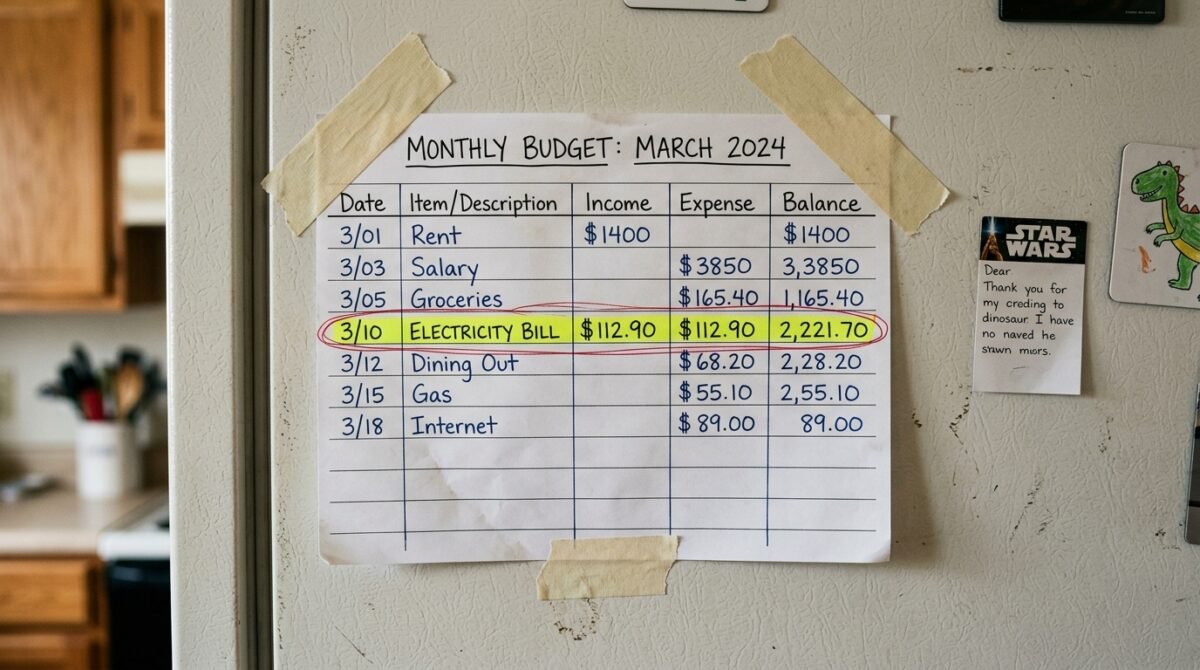
I spent the entire afternoon in a state of icy clarity. I knew that talking to Chloe wouldn’t solve anything; she lived in a reality where her convenience trumped everyone else’s rights. I went to the website of the supplier and looked up the current price for a rush order. With expedited shipping, the total cost for the replacement bottle was $48.50. I took a screenshot of the receipt and added it to a document on my computer.
I then pulled up our shared utility spreadsheet. Every month, we split the electricity, water, and internet bills down the middle. Chloe’s share for this month was $180. I opened a new row in the ledger, labeled it ‘Replacement for Medical Supplies (Cat)’, and entered the $48.50. I subtracted it from her total and updated the document.
I didn’t feel guilty. In fact, I felt a strange sense of vindication. By making this a financial transaction, I was removing the emotion from the equation and holding her accountable in a way she couldn’t ignore. She couldn’t argue with the math; she could only argue with the principle, and the principle was that she had cost me money, so she was going to pay for it.
“I am not asking for a favor. I am charging you for the damage you caused to my property. Consider this an invoice, not a negotiation.”
I printed the document out. I wanted it to be physical. I wanted it to be something she couldn’t just delete or ignore in a text thread. I taped it to the refrigerator door, right where the bottle had been, and went back to my room to check on Barnaby. The house felt quiet, but it was the quiet of a fuse that had just been lit.
The Group Chat Explosion

I knew the blowup was coming, but I didn’t expect it to happen through a group chat. Chloe had apparently screenshotted my utility breakdown and sent it to our shared ‘Apartment Group’ chat, which included our other roommate, Mark. I was sitting on my bed when my phone started buzzing incessantly, notifications popping up one after another like a rapid-fire sequence of fireworks.
“Seriously? Are you actually petty enough to dock my utilities over a bottle of soup? I’ve lived here for two years and I’ve never seen someone so obsessed with money. This is honestly embarrassing.”
— Chloe, via Group Chat
Mark replied a few minutes later, clearly caught in the middle. He was the type of person who avoided conflict at all costs, and his message was predictably non-committal. “Can you guys just talk this out? I don’t want to be involved in the bill math, just send me your portions.” It was clear he didn’t want to take a side, but that only infuriated Chloe more.
She continued to escalate, sending paragraphs about how ‘unhinged’ I was and how it was just a ‘mistake.’ I didn’t reply immediately. I waited until I had a clear head. When I did reply, I kept it professional and cold. I pointed out that the bottle was clearly labeled as medication, and that her ‘mistake’ had caused a medical issue for Barnaby that required a vet visit, which I hadn’t even factored into the cost.
“If you want to talk about embarrassment, let’s talk about a grown woman drinking her roommate’s cat’s medicine because she was too lazy to walk to the grocery store. I’ve deducted the cost. The bill is what it is.”
The chat went dead silent after that. The air in the house was thick with tension when I walked out to the kitchen later that evening to get a glass of water. Chloe was sitting on the couch, staring at her phone, and she didn’t look up. I knew this was just the beginning of a very long month.
The Landlord’s Unwelcome Intervention

Two days later, I received an email from our landlord. Apparently, Chloe had decided to escalate the conflict by complaining that I was being ‘aggressive’ and ‘creating a hostile living environment.’ She claimed that I was withholding rent money, which was a flat-out lie—I had paid my full share, just adjusted the utilities. The landlord, a man who just wanted his rent on time and no drama, was clearly annoyed.
I had to draft a formal reply, including photos of the refrigerator shelf label, the empty bottle, and the veterinary notes detailing Barnaby’s condition. I laid it all out clearly: I had suffered a financial loss due to a roommate’s negligence, and I was simply recovering that loss through the utility split. It was a standard roommate mediation tactic, but it felt exhausting.
The landlord’s response was brief. He reminded us that utility payments are a private matter between roommates and that he didn’t want to be involved in ‘pet-related financial disputes.’ He essentially washed his hands of the whole thing, which was a relief but also left me feeling vulnerable. Chloe clearly felt like she had ‘won’ by getting the landlord involved, even if nothing changed.
“I’m not a mediator. If you two can’t handle the bills, you need to find a new arrangement. Keep me out of the cat broth drama.”
— Property Manager, via Email
Chloe didn’t say a word to me for the rest of the week. She stopped using the kitchen when I was in there, and the energy in the house became stifling. Every interaction felt like walking on glass. I started looking at rental listings that evening. I knew I couldn’t live like this for much longer; the trust was completely gone, and the space no longer felt like a home.
The Reddit Trial: Am I The A-hole?

I decided to post my story on Reddit to see if I was actually being the ‘petty’ roommate Chloe claimed I was. I kept it anonymous, detailing the timeline of the bottle, the medical necessity, and the utility deduction. I expected a mix of responses, but the sheer volume of support was overwhelming. The thread hit the front page within six hours, with thousands of comments debating the ethics of the situation.
Many users focused on the audacity of someone drinking a pet’s medication. There were stories shared of people dealing with similar ‘roommate entitlement’ issues—the stolen lunches, the borrowed clothes, the complete lack of boundary awareness. It was validating to see that I wasn’t the only one who felt like basic property rights were becoming a thing of the past in shared living situations.
“NTA. Your roommate is a danger to your pet and has zero respect for your boundaries. Deducting the cost is the least you could do. Honestly, you should have charged her for the vet visit too.”
— u/RoommateJustice (Top Comment, 32.1k upvotes)
However, there were also the contrarians. Some argued that I was ‘escalating’ a petty situation into a financial one, suggesting that I should have just asked her to pay me back in cash instead of touching the utilities. It was interesting to see how people viewed the ‘correct’ way to handle a roommate dispute. The nuance of the debate kept me reading for hours, feeling less alone in my frustration.
“While NTA for the cat, you’re playing a dangerous game with utilities. If she decides to stop paying her share entirely because you withheld some, you’re the one who ends up with a bad credit score or a shut-off notice. Be careful.”
— u/FinancialAdvisorRedditor (12.4k upvotes)
The feedback loop was intense. I realized that while I was ‘right’ in the moral sense, the practical reality of living with someone who is spiteful is a whole different beast. The community consensus was clear: stand my ground, but start an exit strategy immediately. I took the advice to heart and began organizing my finances to move out.
The Silent Treatment and the Kitchen Freeze
The week after the Reddit post, the house entered a state of ‘cold war.’ Chloe had stopped even pretending to be friendly. She would walk past me in the hallway without a glance, and if she saw me in the kitchen, she would turn around and go back to her room. It was a bizarre, childish environment, but in a strange way, it was easier than the arguments.
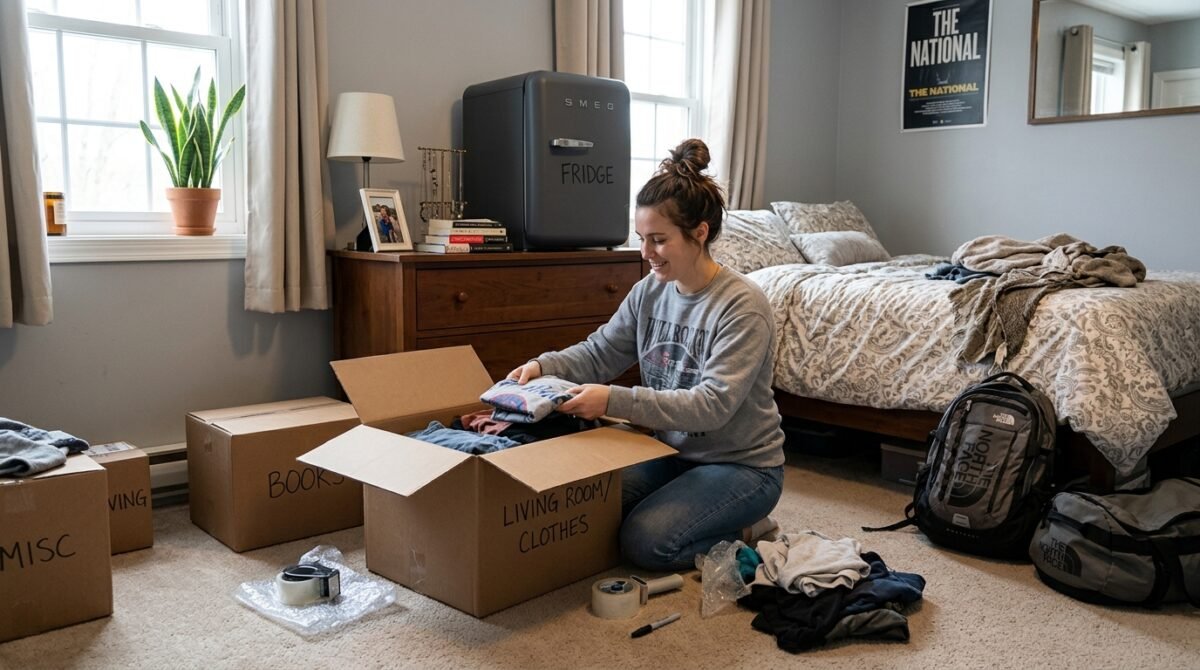
I kept to myself, focusing on Barnaby and my own work. I bought a small, locking mini-fridge for my room to keep his medications and specific diet items in. It cost me $150, but the peace of mind was worth every penny. I didn’t want to give her any more opportunities to ‘borrow’ anything of mine. I also started packing up non-essential items, preparing for the inevitable day I would move out.
Mark, the other roommate, eventually came to me one evening. He looked uncomfortable, shifting his weight from foot to foot. He told me that Chloe had been complaining about me to all our mutual friends, painting me as some sort of financial tyrant. I told him that if they wanted to hear the truth, they could ask me directly, but I wasn’t going to engage in a smear campaign.
“Look, I don’t care what she says. She drank the broth, she knows she was wrong, and I’m done dealing with it. I’m moving out in two months, and that’s the end of it.”
He seemed relieved to hear I had a plan. It turned out he was looking for a way out, too. The atmosphere in the house had become toxic for everyone, not just me. Knowing there was an expiration date on this nightmare made it much easier to tolerate the daily awkwardness. I started viewing the house as a temporary waypoint, which made me feel much less trapped.
The Final Reckoning

Two months later, the day of my move finally arrived. The process was swift and efficient. I had hired movers, and within three hours, my room was empty. Chloe stayed in her room the entire time, even when I was moving my furniture through the hallway. She didn’t come out to say goodbye, and I didn’t expect her to. I had already left the keys on the counter with a note detailing the final utility breakdown.
I had been meticulous with the bills. I wanted to leave on good terms regarding the money, at least. I had paid my portion in full, leaving no room for her to claim I owed anything. As I walked out the front door for the last time, I felt a weight lift off my shoulders that I hadn’t realized I was carrying. The house was just a space; the real life was what I was going back to.
Barnaby was in his carrier, calm and healthy. That was the only thing that mattered. He had his full supply of broth, and we were moving to a place where his needs would be respected. I didn’t look back as I got into the car. The drama, the entitlement, the viral Reddit post—it all felt like a lifetime ago, a strange chapter that I had finally closed.
“I learned one thing from this whole mess: you can choose your friends, but you really need to vet your roommates like you’re interviewing for a high-stakes job. Never compromise on your boundaries.”
I drove away, feeling a sense of immense freedom. The experience was a painful lesson, but it was one that taught me the value of my own peace of mind. I realized that my boundaries weren’t ‘petty’—they were the foundation of my life. And for the first time in a long time, I felt like I was in control of my own story again.
Reflecting on the ‘Petty’ Label

In the aftermath, I’ve had time to reflect on why the situation escalated the way it did. Society often labels women who stand up for themselves as ‘petty’ or ‘difficult,’ especially when it involves money or household rules. Chloe knew this; she tried to weaponize that label against me to make me feel ashamed for asserting a basic boundary. By making me feel ‘extra,’ she hoped I would back down and apologize for being ‘reasonable.’
But the truth is that protecting one’s resources and the health of a dependent is the opposite of petty. It is a fundamental responsibility. When someone violates that, they are the ones who are being disrespectful and disruptive. I think the reason my story resonated with so many people is that they have all, at some point, been told that their needs were ‘too much’ or that they were ‘making a big deal out of nothing.’
I’ve realized that the ‘petty’ label is just a tool used by people who want to break your boundaries without consequences. If you accept the label, you lose. If you refuse to accept it, you stay in your power. It’s a hard distinction to make, especially when you’re in the middle of a conflict, but it’s one that has changed the way I interact with everyone in my life, from colleagues to future roommates.
“If standing up for your cat’s health makes you ‘the petty one,’ then I’d rather be petty than a doormat. Always stand your ground.”
Moving forward, I have a much stronger sense of what I will and won’t tolerate. I don’t feel the need to explain myself as much, either. When you know your boundaries, you don’t need to justify them to people who aren’t interested in respecting them anyway. My life is much simpler now, and my home is finally a place of peace, not a battleground.
Community Analysis: The Anatomy of a Roommate War
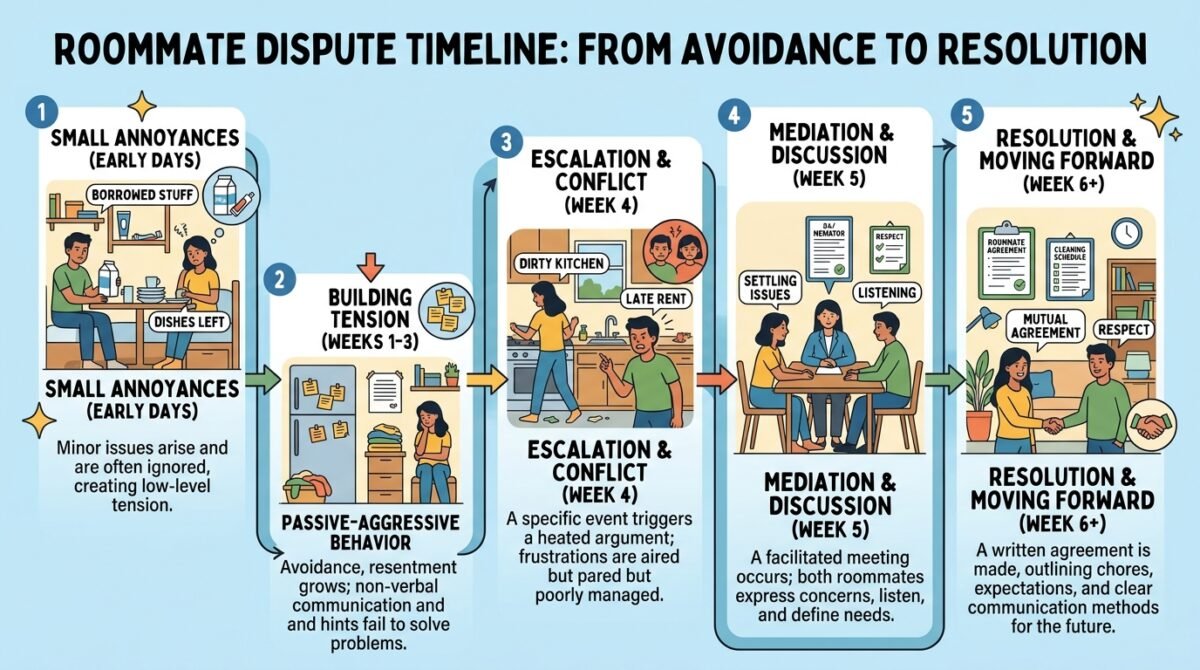
Looking back at the comments on my post, there was a fascinating thread of analysis about the ‘Roommate War.’ Several users pointed out that these conflicts almost never start with the main event—they are the result of months, or even years, of small, ignored boundary violations. The broth was just the ‘straw that broke the camel’s back.’ It was the culmination of a thousand small moments where Chloe had asserted her entitlement.
The community also noted how important it was that I didn’t let the landlord or the ‘group chat’ pressure convince me I was in the wrong. Peer pressure is a powerful tool in these disputes. When people realize they are being observed by a third party, they often cave or try to justify their behavior. Staying neutral and sticking to the facts—the financial cost, the medical necessity—was my best defense.
“The most important thing here isn’t the broth. It’s the fact that OP didn’t let the gaslighting work. Once you start questioning your own reality, you’ve already lost. She held the line.”
— u/LogicAndReason (8.2k upvotes)
The lessons here are universal. Whether it’s a roommate, a partner, or a friend, the dynamic remains the same. If someone consistently shows you they don’t value your boundaries, believe them the first time. Don’t wait for a ‘broth incident’ to realize that your living situation is unsustainable. Trust your gut, document everything, and don’t be afraid to walk away when the cost of staying becomes too high.
Ultimately, the story of the cat broth became a cautionary tale for thousands of readers. It reminded me that we all have a voice, and sometimes, the most ‘petty’ thing you can do is just to take back the power that was taken from you. My move was the ultimate victory, and I’ve never looked back.
Conclusion
Looking back at the whole ordeal, I realize that the cost of that single bottle of cat broth was actually a bargain. It was the price of clarity. It forced me to see the reality of my living situation, to stop making excuses for someone else’s toxic behavior, and to take decisive action to protect my peace and my pet. Barnaby is doing wonderfully, and we are finally in a space where his health is prioritized, not treated as an inconvenience.
The internet debate proved that this is a far more common problem than we care to admit. We often prioritize ‘getting along’ over ‘being respected,’ and that is exactly where the trouble begins. I hope that by sharing this, others who are currently living with ‘entitled’ roommates feel empowered to set their own boundaries—financial or otherwise—without feeling the need to apologize for it.
What about you? Have you ever had to draw a hard line in the sand with a roommate or a family member over a boundary violation? Did you take a financial stand, or did you choose to walk away? Let’s keep the conversation going in the comments below—I’d love to hear your stories of boundary-setting and the lessons you learned along the way.
What's your verdict on this dilemma?
Vote below to contribute to the official community consensus.

Have a Dilemma Keeping You Up at Night?
Share your real-life feud, wedding chaos, or relationship crossroads anonymously with our editorial team.
What do you think ?
0 Comments🛡️ Comments are moderated to protect community integrity. Your comment will appear once approved by the editorial team.