
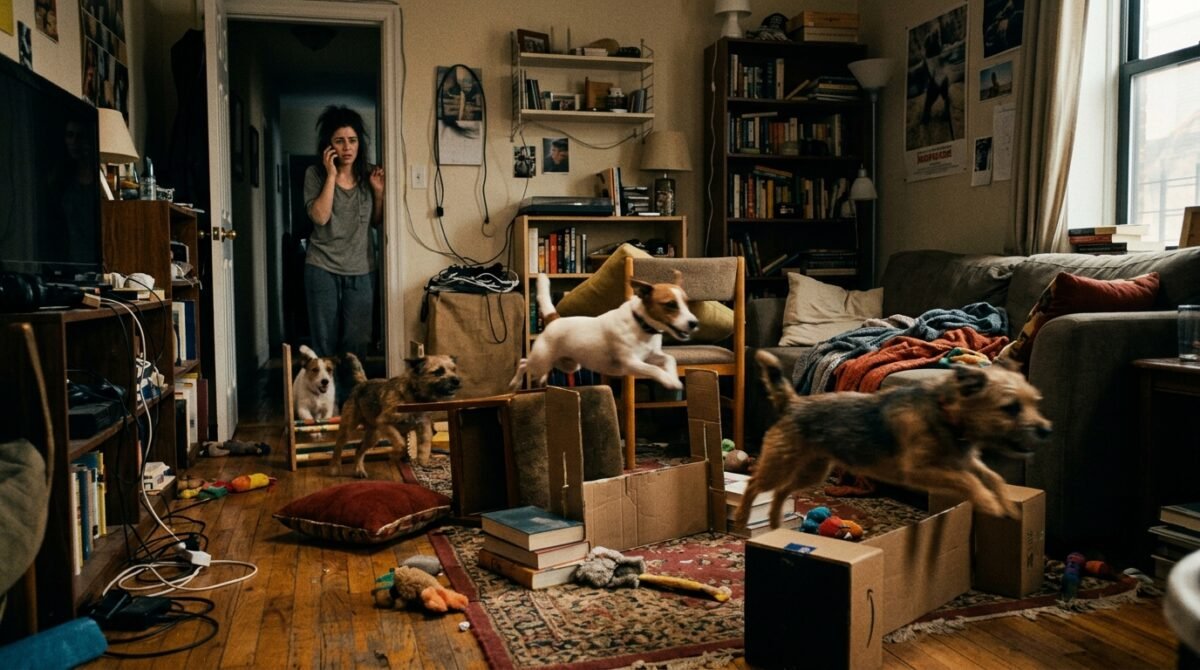
Living with a roommate is often described as a trial by fire, but most people at least agree on the basic premise of shared space: it is for sleeping, eating, and relaxing, not for starting an underground enterprise. My roommate, Greg, had always been what one might call ‘an opportunist.’ He was the kind of person who thought every spare square foot in our lives was a missed revenue opportunity. However, I never imagined that his entrepreneurial spirit would eventually involve turning our second-floor apartment into a pseudo-dog track for strangers.
It started innocently enough. Greg adopted a terrier mix, which was fine by our lease agreement, provided we paid the pet deposit. But as the months went by, the ‘playdates’ became more frequent. Soon, there were people I didn’t know constantly buzzing the intercom, carrying leashes and stopwatch timers. I was working from home, trying to focus on complex coding projects, while the sound of frantic barking and heavy paws thundering across our hardwood floors became the soundtrack to my professional life.
The moral dilemma crystallized when I walked out of my room one Tuesday afternoon to find a stranger wearing a neon vest, holding a clicker, and coaching a Terrier through a makeshift hurdle made of stacked textbooks and duct tape. When I asked what was happening, Greg just laughed it off as a side hustle. That was when I realized this wasn’t just a quirky hobby—it was a full-blown commercial operation occurring in a residential building that strictly forbade sub-leasing or running a business from the premises.
The tension didn’t just bubble; it exploded. I was facing structural damage, potential eviction, and a complete loss of my sanctuary. I had to decide: protect the friendship and stay silent, or protect my credit, my lease, and the well-being of the animals being put through their paces in an inappropriate environment. Choosing the latter felt like a betrayal at the time, but looking back, it was the only way to retain my sanity.
The Escalation of the Indoor Hurdle Course
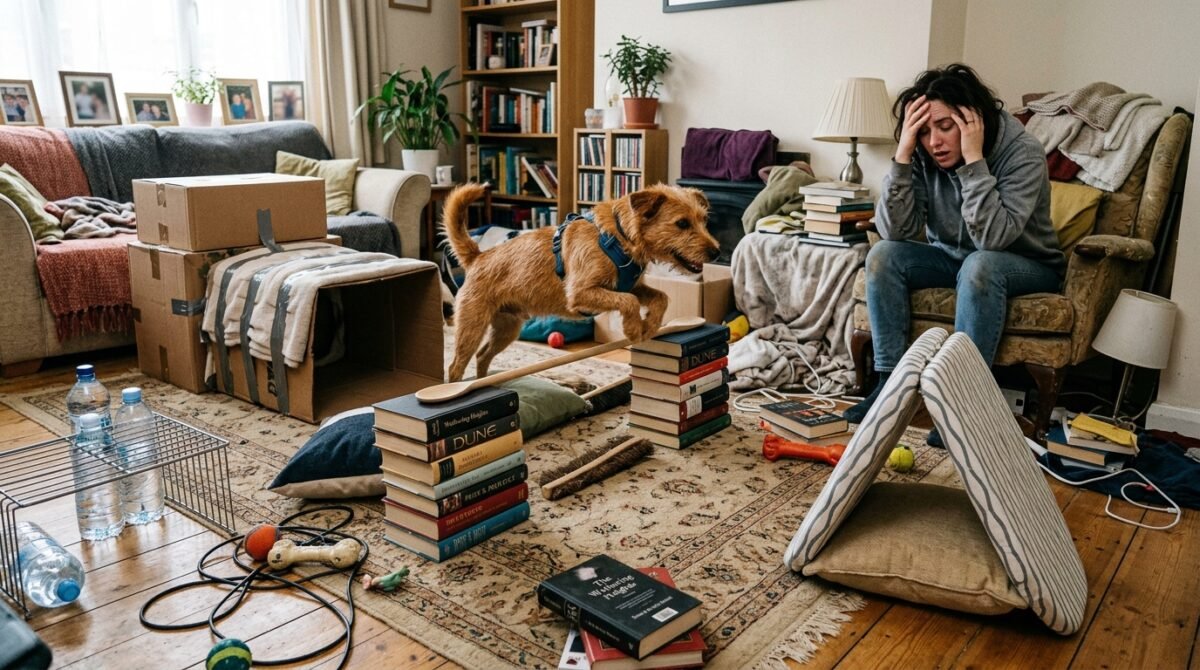
The transformation of our living room was gradual, which is perhaps why I didn’t immediately put my foot down. It started with a single piece of agility equipment—a small, collapsible hoop. Then came the ‘weave poles’ made from broom handles taped to water bottles. Before I knew it, the furniture had been pushed against the walls to make room for a circuit. Every time I raised an issue about the space, Greg would counter with some vague promise about how it was ‘only for an hour’ or ‘just a weekend thing’.
The reality, however, was that the living room had become a revolving door for people who viewed my home as a training facility. I started noticing scratches on the floorboards and a lingering smell that no amount of air freshener could mask. When I brought up the damage, Greg was dismissive, claiming he would ‘fix it later’ with the money he was making from the ‘training sessions’. It was never about the dogs; it was about the ego boost and the cash flow he was generating at my expense.
“Look, it’s just a bit of fun, okay? Stop acting like a landlord. These people pay good money to let their dogs burn off energy in a climate-controlled space. Do you know how hard it is to find a place for this in the city?”
— Greg, during our first major argument
I felt a deep sense of irritation that he felt entitled to monetize a space we both paid rent for. I wasn’t getting a cut of the ‘training fees,’ nor was I consulted when the decision was made to turn our private residence into a public venue. The sheer audacity of his request for me to just ‘deal with it’ while he built his little empire was staggering.
I kept a log of how many people were coming in. Over the course of one week, I counted fourteen different strangers entering our home. Fourteen people who had keys to the building, who were trampling through our hallway, and who were bringing their pets into a space that wasn’t designed for high-intensity canine activity. The apartment building had a strict ‘quiet hours’ policy, yet the barking would often continue well into the evening, causing me to lose sleep before early morning meetings.
The Breaking Point in the Kitchen
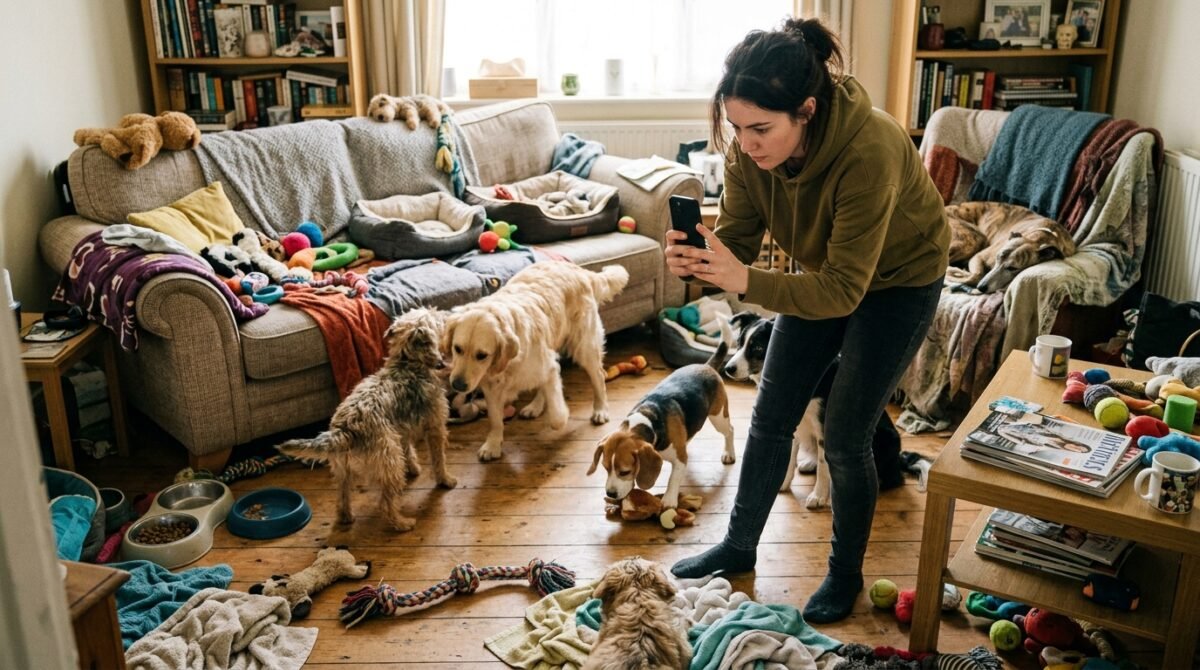
The final straw was not a dog, but the sheer lack of respect for my boundaries. I came home from a long day at the office to find three people I didn’t know sitting at our kitchen island, eating pizza they had ordered to the apartment, while their dogs were literally jumping on the sofa. The smell of wet dog and pepperoni was nauseating. When I walked in, they didn’t even apologize; they acted as if I was the intruder in my own home.
I retreated to my bedroom and called Greg, who was out running errands. My voice was shaking, not from anger, but from a total loss of patience. I told him that the house was not a dog park and that he needed to vacate these people immediately. His response, delivered via text, was the final nail in the coffin of our roommate dynamic. He told me I was being ‘uptight’ and that I should just ‘relax’ because he was making enough money to cover our internet bill for the month.
“You’re making a huge deal out of nothing. It’s a side hustle. Just stay in your room if it bothers you so much. I’m literally helping us pay the bills here. Don’t be so dramatic.”
— Text message from Greg, 6:42 PM
I realized then that there was no reasoning with him. He viewed our living arrangement as a commercial asset to be exploited. He didn’t care about the risk to our security deposit or the stress he was placing on me. I spent that night staring at the ceiling, listening to the muffled sounds of ‘training’ continuing in the living room, and I knew I had to make a move.
The next morning, I did something I had never considered before. I took photos. I took pictures of the equipment, the scratched floors, and the contact information for the ‘clients’ that he had left on the counter. I wasn’t just going to ask him to stop; I was going to ensure he couldn’t continue. I felt a cold, calculated sense of purpose wash over me. The friendship was already gone; it had died the moment he put his profit above my comfort and our lease agreement.
The Anonymous Tip to the Landlord

I knew that if I confronted Greg again, he would just gaslight me or try to negotiate. So, I decided to go directly to the source of his authority: the building manager. I didn’t use my own name; I simply sent an email titled ‘Urgent: Commercial Activity and Lease Violations in Unit 2B.’ I attached the photos and a summary of the events, noting the frequency of the ‘business’ and the damage being done to the property.
The response was immediate. Within two hours, I received a phone call from the building manager, asking for a meeting. I went down to the office and presented my case clearly and calmly. I explained that I had tried to talk to my roommate multiple times, but he had ignored all reasonable requests for boundaries. The manager was appalled, primarily because the liability of having strangers conducting ‘dog training’ in a residential unit was a nightmare for their insurance.
“We take these lease agreements very seriously. If what you’re saying is true, your roommate is in violation of at least four different clauses, including unauthorized commercial activity and property damage. We will be handling this immediately.”
— Building Manager, during our meeting
Leaving that office, I felt a strange mix of relief and dread. I knew Greg would be furious when he found out, but I also knew that I had finally reclaimed my home. The building manager promised to handle the eviction process for Greg specifically, and I was assured that my own tenancy would be evaluated separately since I had been the one to report the violation.
I went back to the apartment and waited. Greg wasn’t home, but I knew he would be back by evening. I packed a small bag with essentials, just in case things turned hostile. I didn’t want to be there when the landlord came to inspect the unit, but I knew I had to be there to explain my side of the story if confronted by the building management or the authorities later.
The Arrival of Animal Control
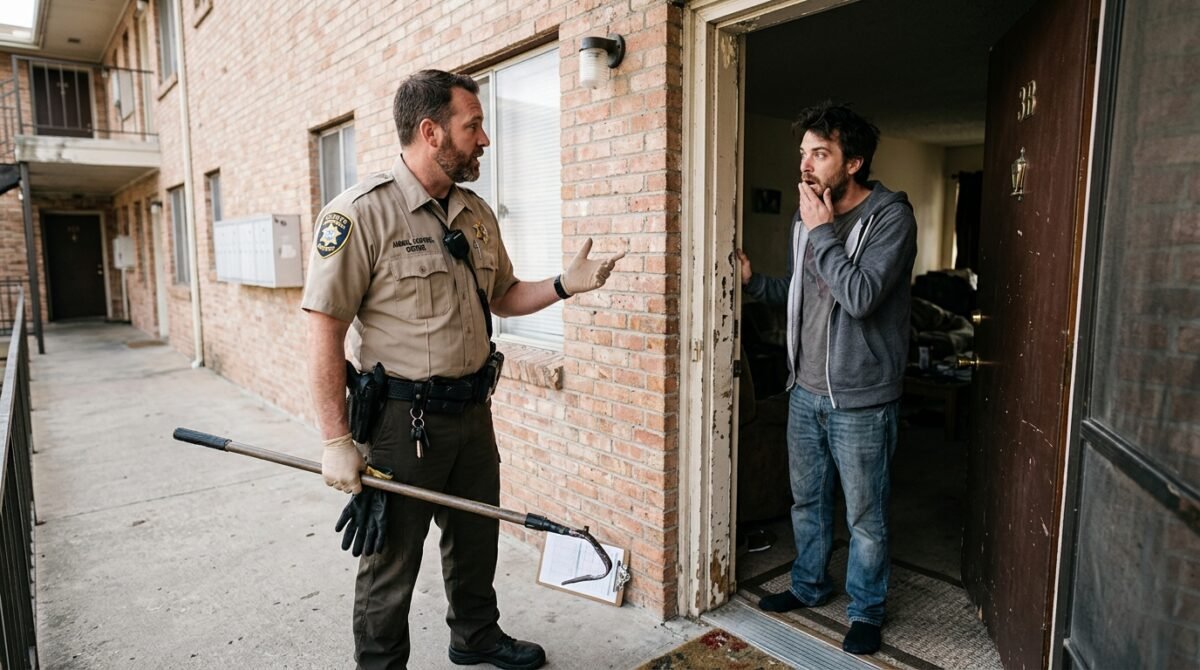
I didn’t stop at the landlord. I also called the local animal control non-emergency line. While I wasn’t certain if the training was abusive, I knew it was definitely unregulated. Having a group of strangers trying to run dogs through a second-floor flat was not only a nuisance, it was a safety hazard for the animals themselves. There were no fire exits specifically for a business, and the space was clearly too small for the activity being conducted.
When the animal control officer arrived at the building, they were accompanied by the landlord. I was present in the hallway, feeling like a whistleblower in a thriller. Greg walked out of his room just as they were knocking on the front door, and the look of confusion on his face turned to pure terror when he realized who was standing there. He started to stammer, trying to explain that it was just a ‘hobby,’ but the officer wasn’t buying it.
“Sir, you are running an unlicensed training business in a residential unit. We’ve had reports of excessive noise and improper containment of multiple animals in a confined space. We need to see your business license and proof of liability insurance immediately.”
— Animal Control Officer, to Greg
The conversation was short. Greg had no license, no insurance, and no defense. He was given a stern warning about the conditions and was told that if any more ‘training’ took place, he would be facing significant fines and potential legal action. I stood by, silent and stoic, as he realized that his ‘hustle’ had officially ended. The shame on his face was palpable, but honestly, I found it hard to feel any sympathy.
He tried to look at me, to find some kind of ally in the room, but I turned away. I was done being the silent partner in his schemes. I watched as the officer and the landlord walked through the apartment, taking notes on the condition of the floors and the makeshift obstacles still scattered around. It was the end of the line for his little operation, and for our living arrangement.
The Fallout and Confrontation
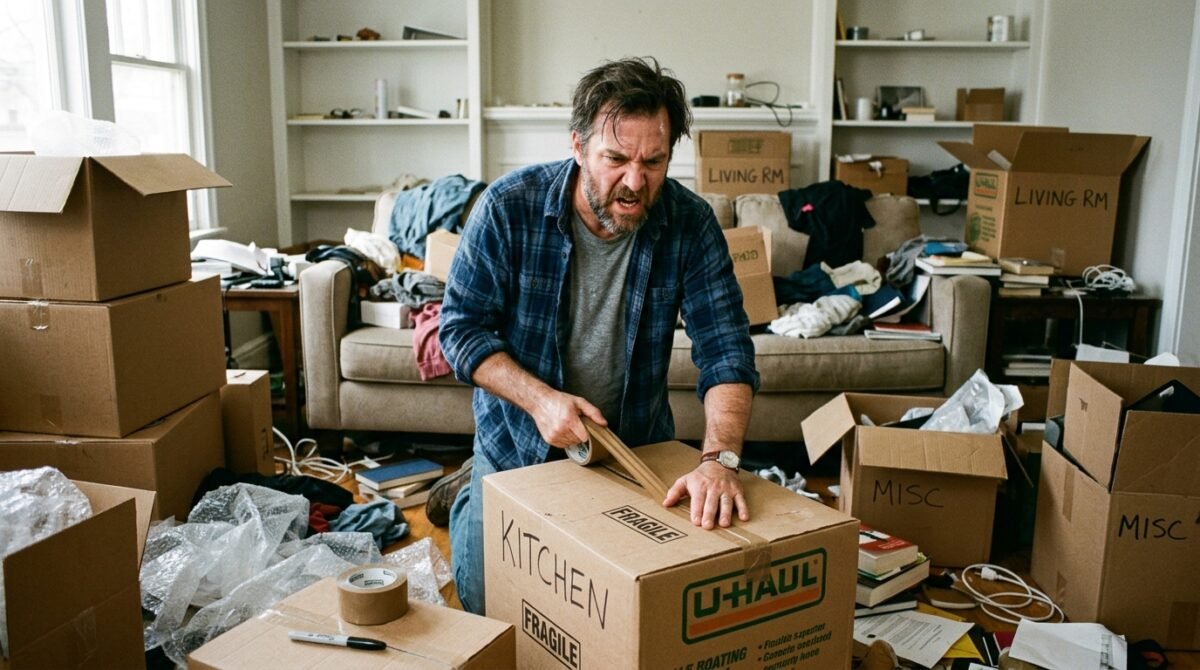
Once the officials left, the silence in the apartment was deafening. Greg didn’t wait long to start screaming. He accused me of ruining his life, of being a backstabbing friend, and of having no ‘entrepreneurial spirit.’ I let him rant. I didn’t defend myself, I didn’t try to explain my reasoning, and I certainly didn’t apologize. I simply sat at the kitchen table and began writing out a list of the expenses I had incurred due to his activities, including the increase in cleaning costs and the personal time I had lost.
He was pacing back and forth, clearly panicked about the eviction notice that was already being drafted by the building management. He tried to tell me that he could talk his way out of it, that he would just offer the landlord a ‘cut’ of the profits. That was when I realized he still didn’t understand the gravity of what he had done. He was so delusional that he thought bribery was a viable strategy.
“You’ve ruined everything! Do you have any idea how much money I was making? I was going to move out in three months anyway! You just couldn’t wait, could you? You had to burn it all down!”
— Greg, screaming in the living room
I looked at him and finally spoke. My voice was calm, which seemed to infuriate him even more. I told him that I didn’t care about his money or his plans. I cared about my home. I cared about not being a party to his illegal activities. I reminded him that we were adults, and adults are responsible for their own actions. I made it clear that if he didn’t vacate the premises by the end of the month, I would be taking further legal action to protect my own credit and tenancy.
The rest of the evening was a blur of packing boxes and slamming doors. He didn’t even try to fix the damage to the floors. He just threw his things into bags, clearly planning to move out as quickly as possible to avoid further confrontation. The air in the apartment felt lighter once he finally left to stay at a friend’s place for the night.
Reddit’s Verdict: The Internet Weighs In

I posted about the situation on a popular subreddit, looking for some validation. I wasn’t expecting the sheer volume of responses. Within hours, the post had thousands of upvotes and hundreds of comments. The community was surprisingly unanimous, which helped calm the lingering guilt I felt about ‘snitching’ on a friend. People pointed out that what Greg was doing was not just annoying, it was incredibly dangerous and legally precarious.
“NTA. Your roommate wasn’t just ‘running a business.’ He was endangering the animals, violating the lease, and putting your housing security at risk. You didn’t ‘snitch’ on him; you protected yourself from the fallout of his illegal activities. He did this to himself the second he started charging strangers to use your living room.”
— u/LegalEagle88 (Top Comment, 18.5k upvotes)
It was validating to see so many people agree that I was right. Many commenters shared their own stories of roommates who had tried to turn their living spaces into businesses, ranging from ‘cat cafes’ to ‘illegal storage units.’ The consensus was clear: when a roommate crosses the line into illegal activity or significant property damage, you are under no obligation to protect them.
“The audacity to think they can run a business in a second-floor apartment, and then call YOU the problem? Greg is a narcissist. He didn’t value your friendship; he valued your apartment as a commercial tool. Don’t look back.”
— u/BoundariesAreCool (4.2k upvotes)
Reading these comments gave me the strength to follow through with the eviction process. It helped me realize that his reaction—the screaming, the blame-shifting—was a classic sign of someone who had been caught red-handed and was trying to deflect the consequences onto someone else. I wasn’t the bad guy; I was simply the one who stood up for basic living standards.
The Legal and Financial Realities
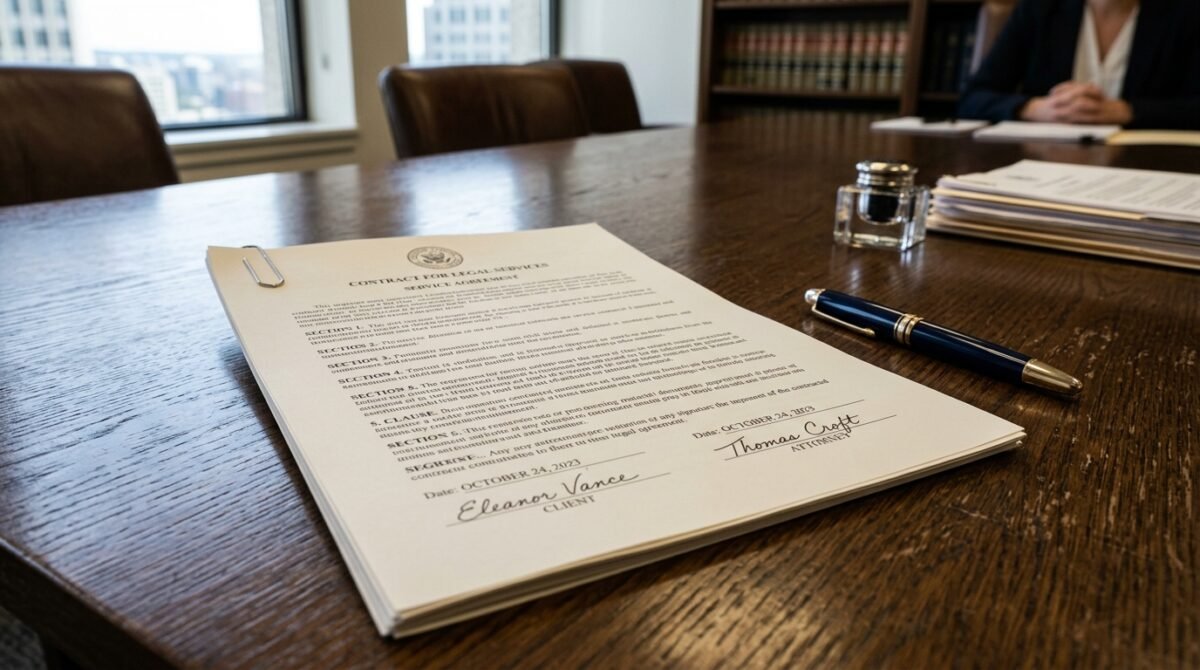
In the aftermath, I had to deal with the actual consequences of the ‘business.’ The landlord sent a bill for floor repairs that amounted to nearly $2,000. Because Greg was on the lease, we were both technically liable for the damages. This was the most frustrating part. Even though I hadn’t been the one running the dogs, my signature was on the lease, and the landlord didn’t care about our internal dynamics.
I had to hire a small claims lawyer to draft a demand letter to Greg for his portion of the damages. He, of course, refused to pay, claiming that the damage was ‘normal wear and tear.’ I had the photos I had taken, along with the documentation from the building manager and the animal control officer. It was a open-and-shut case, but it was still a headache I didn’t want to deal with.
“I’m not paying for the floor. The dogs were well-behaved. The scratches were already there. You’re just trying to squeeze me for more money because you’re mad about the business.”
— Text message from Greg, post-eviction
I eventually got a judgment in my favor, though collecting the money was a different story. He didn’t have the funds, so I ended up having to settle for a payment plan. It wasn’t the ideal outcome, but it was justice in its own small way. The financial loss was a bitter pill to swallow, but it was the price of getting out of an toxic situation.
I learned a valuable lesson about lease agreements and the importance of having clear, written boundaries with roommates from the very beginning. I realized that ‘friends’ don’t put you at risk for their own financial gain, and that trust needs to be earned and maintained, not exploited. Moving forward, I would be much more cautious about who I chose to share a roof with.
Reflecting on the Lost Friendship

It’s been six months since Greg moved out. I still live in the apartment, and it has never felt better. The floors have been refinished, the smell is gone, and the quiet is a luxury I truly appreciate. I still think about our friendship sometimes, but the nostalgia is quickly replaced by the memory of his selfishness. It’s hard to mourn a friendship that was clearly one-sided.
I’ve realized that Greg was never really my friend in the way I understood the word. To him, I was a convenience, a silent partner, and a buffer against the real world. When I stopped being convenient, the friendship vanished. That’s a painful realization to come to, but it’s better than living a lie where I felt constantly exploited.
“Sometimes the people we think are our closest friends are just waiting for the right moment to show us who they really are. You didn’t lose a friend; you gained your integrity back.”
— Advice from a therapist
I’ve moved on to new projects and new social circles. I’m more careful now, more guarded, but also more confident in my ability to stand up for myself. I don’t feel guilty about what I did. I protected my future, and that is worth more than a decade of ‘friendship’ built on exploitation.
If I could go back and change anything, I would have set boundaries much earlier. I would have said ‘no’ the moment the first piece of agility equipment entered the apartment. I would have stopped the madness before it became a pattern. But I can’t go back, and I’m proud of how I handled the situation when it finally reached its peak.
A Lesson in Assertiveness

The biggest takeaway from this experience has been the necessity of assertiveness. In the past, I was a ‘people pleaser,’ always afraid of rocking the boat or being seen as difficult. I thought that by being flexible, I was being a good roommate. All I was really doing was teaching people that they could walk all over me.
Now, I view boundaries as a form of self-respect. They aren’t about being mean or controlling; they are about maintaining a healthy environment where everyone can thrive. If someone doesn’t respect those boundaries, they don’t deserve a place in my life, let alone my home. It’s a simple rule, but one that took me far too long to learn.
“Boundaries aren’t walls to keep people out; they’re gates to let the right people in and keep the wrong behavior out.”
— A quote I found on a self-improvement blog
I feel stronger now, both in my personal life and in my professional life. I don’t hesitate to speak up when something isn’t right, and I don’t apologize for expecting basic respect. The ‘dog trainer’ experience was a trial, but it was also a catalyst for growth. I am no longer the person who lets others dictate my home life.
I hope that if anyone is reading this who is in a similar situation, they find the courage to do what I did. Don’t wait for the situation to fix itself. Don’t wait for the other person to suddenly develop a conscience. Take control of your home, protect your lease, and walk away from anyone who doesn’t respect your boundaries.
Moving Forward: The Final Chapter

I am now fully settled in my apartment, and I’ve even started a small garden on my balcony—something I never could have done when the place was a dog track. Life is quiet, peaceful, and mine. I still receive the occasional text from Greg, usually demanding money or complaining about his new living situation, but I don’t respond. He is a part of my past, a cautionary tale I’ll tell at dinner parties, nothing more.
I’ve learned that the home is a sacred space. It is where we recharge, where we create, and where we find solace from the chaos of the outside world. To allow that space to be compromised for someone else’s gain is a disservice to ourselves. I’m glad I took the steps I did, even if they were difficult and uncomfortable at the time.
“Integrity is doing the right thing, even when no one is watching. Even when it’s uncomfortable, and even when it costs you a friendship you thought was forever.”
— Personal reflection
My hope is that this story serves as a reminder that we have power, even when we feel trapped. We have the power to say no, the power to document, and the power to report. We aren’t helpless in the face of someone else’s entitlement. We have the right to our peace and the right to our sanctuary.
So, here is to new beginnings and to the importance of standing your ground. May your home be your castle, and may you never be afraid to defend it.
Conclusion
My experience with Greg taught me that the most important relationship you have is with yourself and your own peace of mind. By prioritizing my living environment and my legal standing over a toxic friendship, I saved myself from years of potential financial and personal ruin. It wasn’t easy to become the ‘bad guy,’ but looking back, I realize that the label was only applied by those who benefited from my compliance.
I would love to hear from you. Have you ever had a roommate who crossed the line in a way that left you feeling like you had no choice but to take drastic action? How did you handle it, and looking back, would you have done anything differently? Share your stories below—let’s discuss the fine line between compromise and enabling.
What's your verdict on this dilemma?
Vote below to contribute to the official community consensus.

Have a Dilemma Keeping You Up at Night?
Share your real-life feud, wedding chaos, or relationship crossroads anonymously with our editorial team.
What do you think ?
0 Comments🛡️ Comments are moderated to protect community integrity. Your comment will appear once approved by the editorial team.