
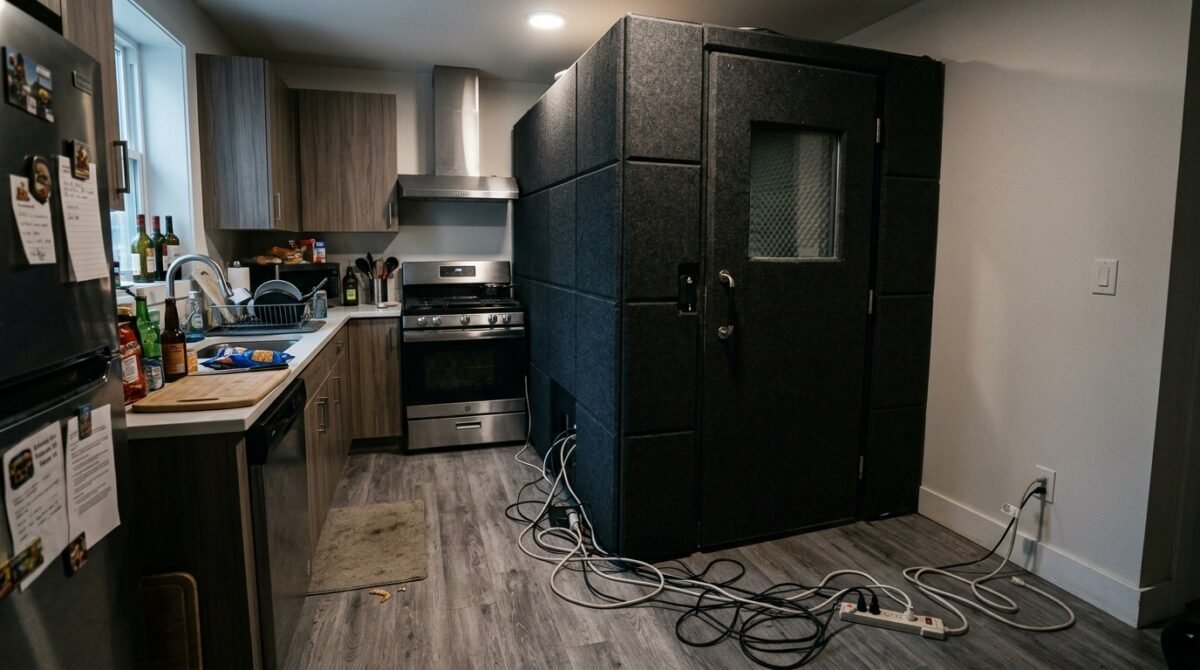
Living with a roommate is often described as a trial by fire, a lesson in compromise, and a test of one’s patience. We all know the rules: respect the shared spaces, keep the common areas clean, and don’t turn the communal kitchen into your private office. But what happens when your roommate decides that her burgeoning career as a cold-calling entrepreneur is more important than your ability to cook a meal or chill a gallon of milk?
For the past three months, my apartment has been a battleground. Sarah, my roommate of two years, decided that she needed a ‘professional environment’ to scale her sales outreach. Instead of finding a co-working space or a studio, she spent four thousand dollars on a pre-fabricated, heavy-duty acoustic booth. She didn’t consult me. She didn’t measure the space. She simply moved it in during a weekend I was away, dragging it into the small galley kitchen of our unit.
The result was catastrophic. The booth was so large that it effectively barricaded the refrigerator and the stove. To open the fridge door, one had to contort their body against the jagged edge of the felt-lined exterior. To use the stove? Forget about it. The booth was positioned so close that the heat of the oven began to warp the expensive soundproofing material. When I approached her about it, she simply told me to ‘be more mindful’ and to ‘respect her hustle.’
The moral dilemma here isn’t just about the fridge; it’s about the erosion of the social contract we signed when we moved in together. I pay half the rent for a functional apartment, not a storage unit for her failed business dreams. When my polite requests were met with gaslighting and dismissive remarks about my lack of ‘entrepreneurial spirit,’ I decided that if she wanted to prioritize her noise, I would prioritize my silence. And my hunger.
The Day the Booth Arrived
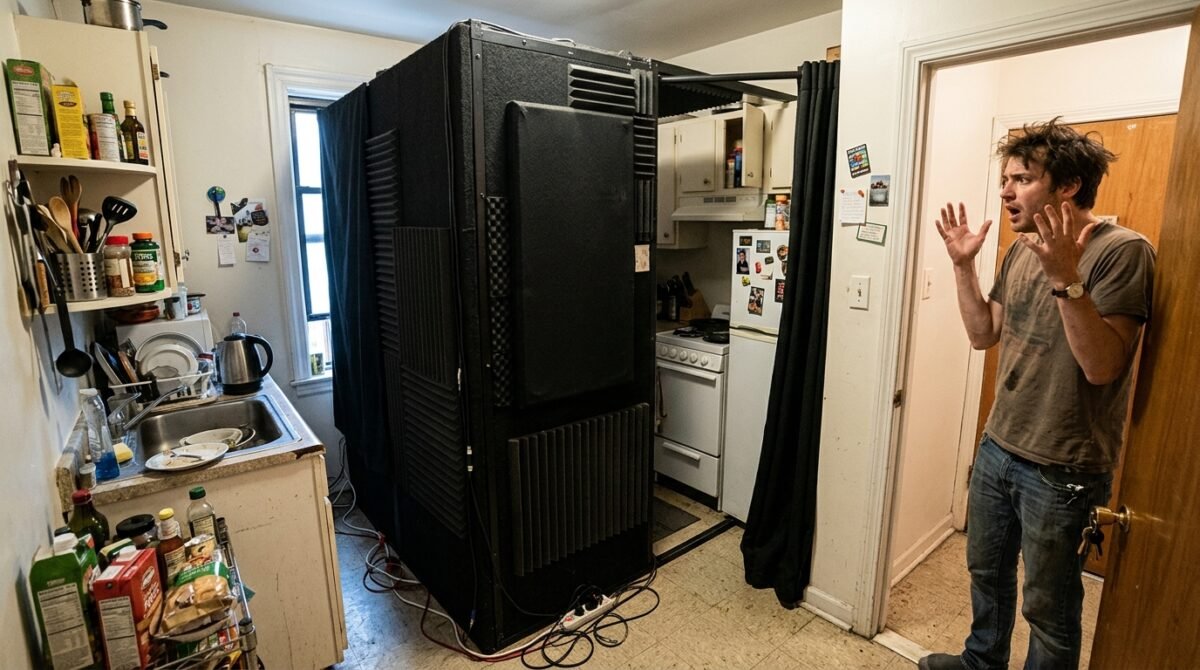
I returned from a three-day weekend at my parents’ house to find the front door difficult to open. As I squeezed through the narrow gap, I was greeted by a towering, charcoal-gray monstrosity that looked like a telephone booth designed for a claustrophobic giant. It dominated the kitchen, casting a shadow over the counter where I used to prepare my breakfast. The smell of cheap industrial adhesive filled the air, replacing the familiar scent of my coffee.
I stood there in stunned silence, my suitcase dropping from my hand with a dull thud. I walked to the kitchen and realized the full extent of the invasion. The refrigerator was inaccessible. The stove was completely blocked. I could hear Sarah inside the box, muffled but audible, speaking in an aggressive, high-pitched sales tone. I knocked on the glass door of the booth, but she waved me away, pointing at her headset and mouthing the words ‘I’m in a call, leave me alone.’
I waited for hours. By the time she finally stepped out, she was glowing with a strange, frantic energy. ‘You like it?’ she asked, completely missing the look of absolute fury on my face. ‘It’s a game-changer. I’ve already closed three leads today. This is going to pay for our next year of rent, honestly.’
“Sarah, you literally blocked the fridge. I can’t get to my food. You cannot put a soundproof box in a shared kitchen, it’s not an office!”
She rolled her eyes, leaning against the booth as if it were a piece of modern art. ‘You’re so dramatic. Just move the fridge if you have to, or just buy stuff that doesn’t need refrigeration. Can’t you see I’m trying to build something here? This is an investment in our future, and you’re acting like a child over a minor inconvenience.’
I felt my blood pressure rise. The entitlement was staggering. She wasn’t asking for a favor; she was demanding that I subsidize her business by sacrificing my basic quality of life. That night, I didn’t say another word. I went to bed hungry, and I plotted my first move. If she wanted to work in a fortress, she would learn that fortresses need electricity, and electricity can be cut.
The Morning Ritual of Sabotage
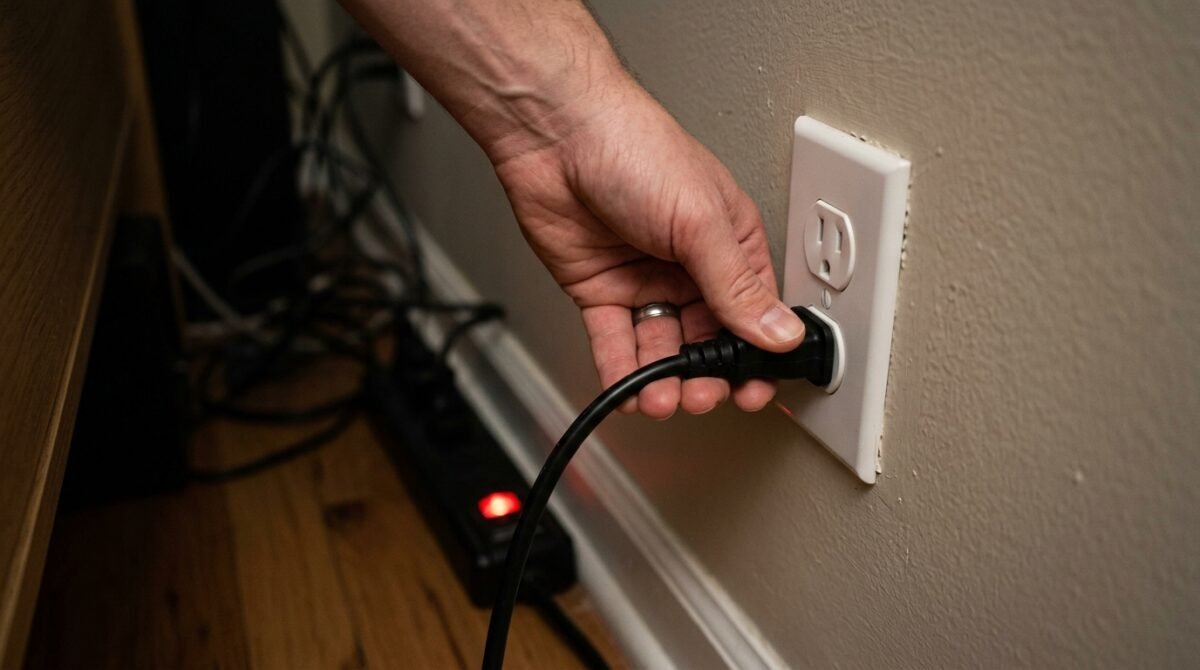
The next morning, at 6:00 AM, I set my alarm for fifteen minutes before Sarah’s typical ‘start time.’ I crept into the kitchen, my heart hammering against my ribs. There, snaking along the floor from the booth to the wall outlet, was a heavy-duty power strip, glowing with a soft, ominous red light. It powered her lights, her ventilation fan, and her high-end microphone setup.
With a satisfying click, I pulled the plug. The hum of the booth’s internal fan died instantly. It was the most peaceful silence I had heard in days. I then went about my morning routine—boiling water on the electric kettle in my bedroom—and left for work before she even stepped out of her bedroom to start her day.
When I returned home that evening, the air was thick with tension. Sarah was standing in the middle of the living room, her face flushed with rage. ‘Did you touch my power strip?’ she demanded, not even offering a greeting. I calmly set my keys on the table and looked her in the eye. ‘I needed to plug in my air purifier,’ I lied, keeping my voice steady. ‘The outlet was taken.’
“You unplugged me in the middle of a live webinar! I lost two clients because the air stopped circulating and the mic cut out! Are you trying to sabotage my career?”
I shrugged, pouring myself a glass of water. ‘If you didn’t have a giant box blocking the normal outlets, maybe you wouldn’t be using an extension cord that runs across the middle of the floor. It’s a fire hazard, Sarah. I’m just looking out for our safety. If you want to run a business, get a real office.’
The look of pure, unadulterated hatred she gave me told me that the war had officially begun. She didn’t apologize for the fridge; she didn’t acknowledge the inconvenience. She simply retreated to her room, and I knew she was already brainstorming ways to retaliate. The kitchen was no longer a place for cooking; it was a front line.
The Escalation of Passive Aggression
Within a week, the house had turned into a minefield of petty grievances. I started waking up to find the hallway cluttered with her shipping boxes, forcing me to navigate an obstacle course just to reach the bathroom. In return, I began ‘accidentally’ leaving the kitchen lights on all night, knowing the glow would bleed into her booth and annoy her. It was childish, yes, but the frustration was bubbling over.
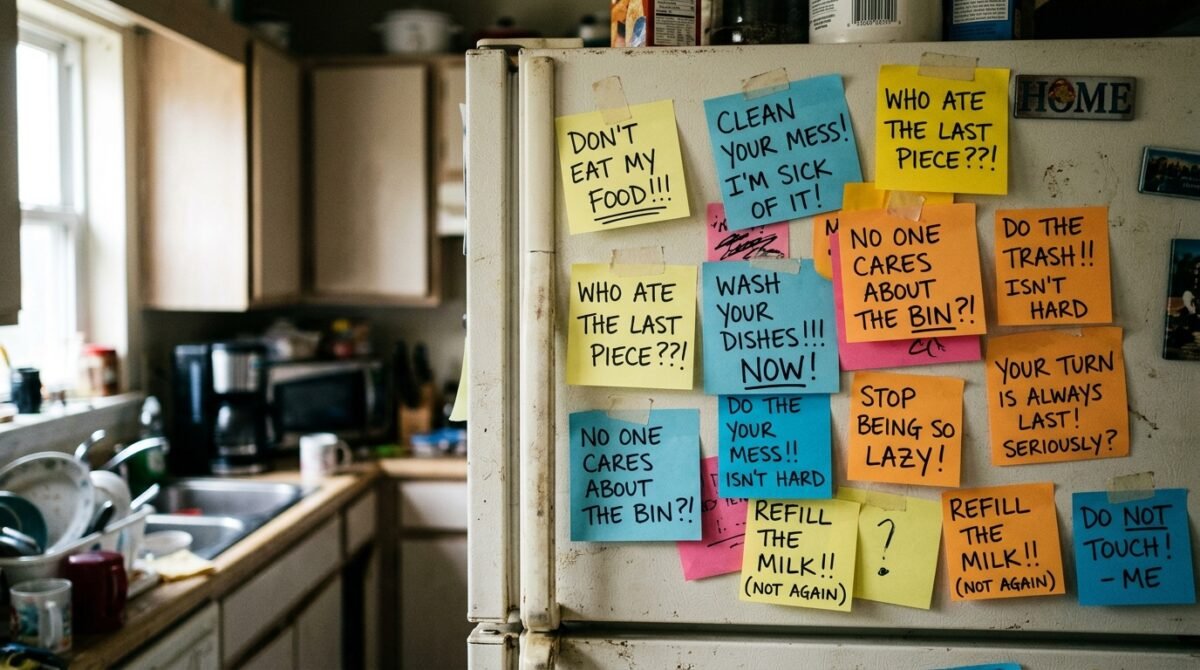
She started leaving passive-aggressive sticky notes on the fridge, which I had to peel away layers of tape to reach. ‘PLEASE RESPECT THE WORK ZONE,’ one read in bold, black marker. I simply wrote ‘PLEASE RESPECT THE SHARED KITCHEN’ underneath it and stuck it back on the door. It was a game of cat and mouse, and neither of us was backing down.
The financial aspect was also starting to wear on me. I was buying fewer groceries because storing them was a nightmare. I spent more money on takeout, which I then had to eat in my room because the kitchen was perpetually occupied by the sound of her ‘sales calls.’ I was living like a hermit in my own home, paying half the rent for a bedroom and a bathroom.
“I don’t care if you’re ‘closing deals.’ You have taken over the common space. My rent payment covers the kitchen, and right now, I don’t have a kitchen. Move the booth or I’m calling the landlord.”
She laughed when I mentioned the landlord. ‘Go ahead,’ she challenged. ‘He loves me. I fixed the sink last month, remember? He won’t care about a piece of furniture I bought. You’re just jealous that I’m making money while you’re stuck in your dead-end job.’
Her arrogance was her greatest weakness. She genuinely believed she was untouchable. She didn’t realize that in a shared lease, the landlord has a vested interest in ensuring that a tenant doesn’t turn the kitchen into a commercial zone, which likely violated our zoning or building safety codes. I hadn’t called the landlord yet, but I started looking up our lease agreement, specifically the clauses regarding subletting and business use of the premises.
The Group Chat Leak

The situation turned nuclear on a Tuesday night. I was scrolling through our shared roommate group chat—usually reserved for utility bills and toilet paper supply counts—when I saw a new thread Sarah had created. She had accidentally added me to a chat she clearly intended for her ‘business partners’ or friends. The title: ‘Dealing with the Roommate from Hell.’
I scrolled through the messages with growing horror. She was painting me as a controlling, lazy, and jealous narcissist who was trying to bring her down because I couldn’t handle her success. She even posted photos of me in the kitchen, complaining about my ‘messy habits’—which was just a picture of a single coffee mug I had left on the counter for ten minutes.
“She keeps unplugging my gear. I think she’s trying to break the equipment. How do I legally force her out of the apartment? I want to keep the booth here permanently.”
— Sarah’s Leaked Message to her friends
The replies were even worse. Her friends were egging her on, suggesting she install a camera to ‘catch me in the act’ so she could use it as evidence for an eviction. I felt a chill run down my spine. She wasn’t just being a bad roommate; she was actively plotting to ruin my living situation to secure her own dominance.
I didn’t respond in the chat. I just took screenshots. Every single one of them. I saved them to a cloud drive and printed hard copies. If she wanted to play the legal game, I would be ready. I realized then that there was no fixing this. We weren’t friends, and we weren’t even really roommates anymore. We were enemies trapped in a two-bedroom apartment.
The Landlord Confrontation
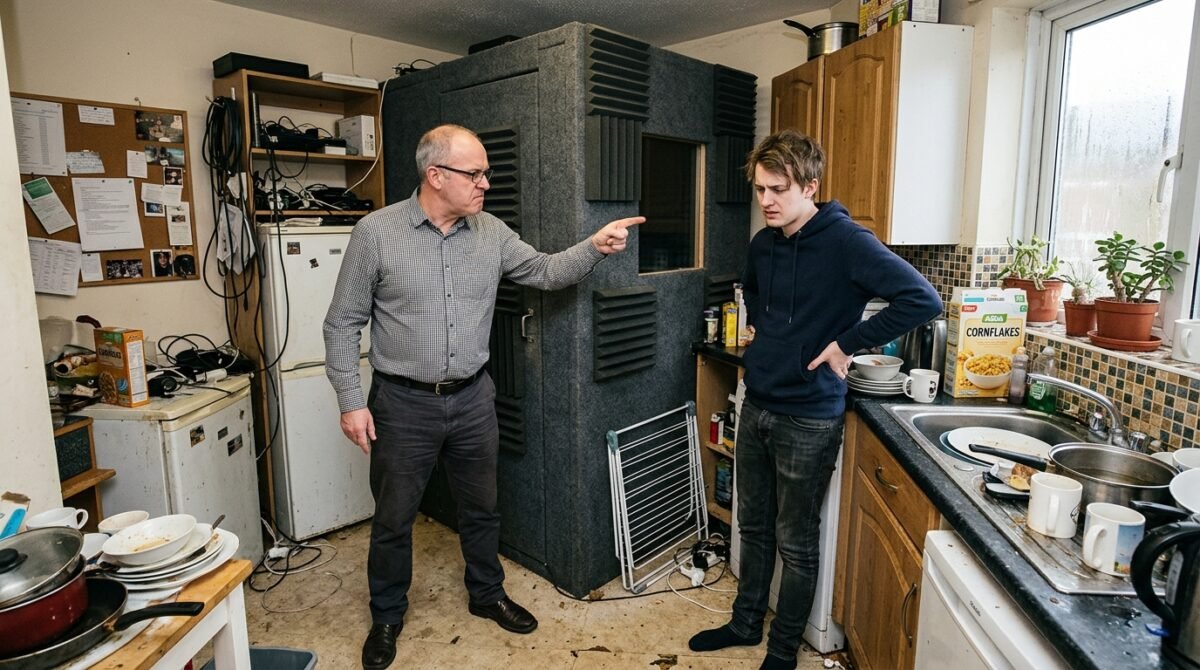
I didn’t wait for her to make her move. I contacted our landlord, Mr. Henderson, the next day. I didn’t frame it as a ‘roommate dispute.’ I framed it as a fire safety and lease violation issue. I sent him the photos of the booth blocking the stove, the pictures of the tangled wiring, and a detailed list of the ways the kitchen had become unusable.
Mr. Henderson, a man who valued his property far more than his tenants’ career aspirations, arrived at the apartment on Thursday afternoon. Sarah was in the booth, in the middle of a sales call, when he walked in with me and unlocked the door. He didn’t even knock. He just walked straight to the kitchen, surveyed the booth, and let out a long, low whistle.
“Ms. Sarah, you have 48 hours to remove this structure. It violates the fire code, it’s damaging the flooring, and you are not permitted to operate a commercial business out of a residential unit. If it’s not gone by Saturday, I am terminating your lease.”
Sarah stumbled out of the booth, her headset dangling around her neck, her face pale. She tried to argue, to explain the ‘potential’ of her business, but Mr. Henderson wasn’t listening. He had a stern look on his face, the look of a man who was thinking about his insurance premiums and his property value. He didn’t care about the ‘hustle.’
She turned to me, her eyes blazing. ‘You did this,’ she whispered, her voice shaking with rage. ‘You sabotaged me.’ I didn’t blink. I didn’t feel bad. I had given her every chance to compromise, and she had chosen to turn our home into her own private kingdom. The war was nearing its end, but the fallout was only just beginning.
The Great Extraction
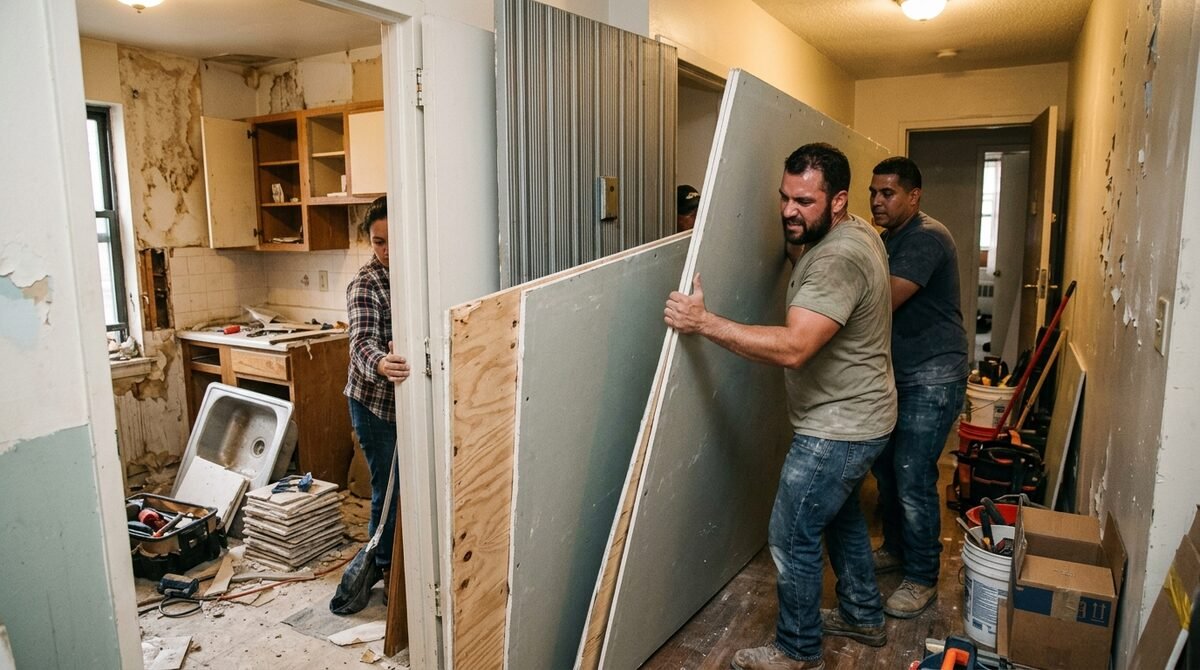
The next two days were pure chaos. Sarah tried to find movers, but since she had no money—the booth had apparently drained her entire savings—she was forced to call her brother and a group of her friends to help dismantle the beast. It was not a small task. The booth was heavy, modular, and held together by industrial-grade bolts that were clearly not meant to be moved once installed.
As they worked, the kitchen was turned into a construction zone. Dust, screws, and felt scraps littered the floor. Sarah was barking orders, crying, and yelling at her brother for scratching the floorboards. I stayed in my room with the door locked, listening to the cacophony. It was music to my ears. I felt a sense of relief that was almost overwhelming.
When they finally managed to haul the last panel out the door, the kitchen looked like a crime scene. There were deep gouges in the linoleum, and the wall behind where the booth had sat was covered in sticky, grey residue. Mr. Henderson returned for a final inspection, his face darkening as he looked at the damage. He pulled out a clipboard and began listing the repair costs.
“This comes out of the security deposit, Sarah. All of it. And you’re still responsible for the painting and the floor repairs. Consider yourself lucky I’m not suing you for the breach of lease.”
Sarah didn’t say a word. She just looked at the empty space where her dream had lived for three months. She looked small, defeated, and completely out of her depth. I didn’t gloat, but I didn’t help either. I just watched, waiting for the moment she would leave, so I could finally reclaim my home.
The Reddit Verdict
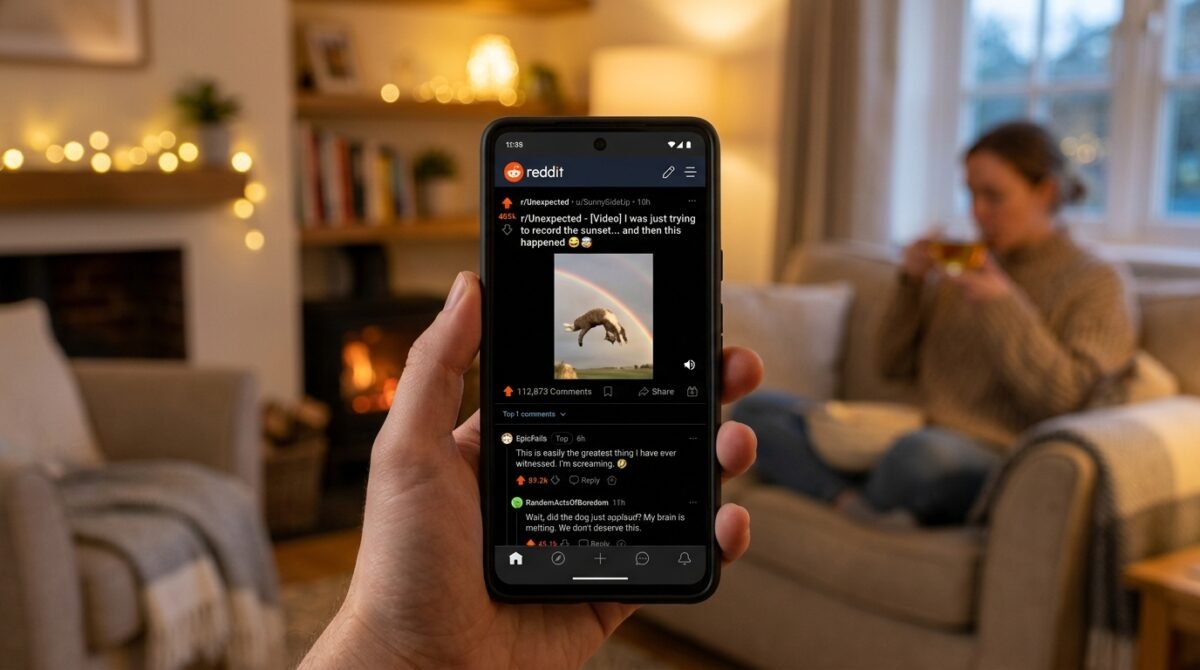
That night, I posted the whole story to Reddit. I didn’t leave out any details—the unplugging, the lying, the landlord call, the group chat leak. I expected people to call me the villain. After all, I had engaged in sabotage. But the response was overwhelming. The post hit the front page within hours, and the comments were overwhelmingly in my favor.
People were shocked that someone would have the audacity to place a soundproof booth in a shared kitchen. The consensus was that Sarah was not just a bad roommate, but a toxic person who lacked the basic social skills required for cohabitation. The ‘unplugging’ was viewed by most as a proportionate response to a boundary-stomping transgression.
“NTA. You didn’t just ‘block’ the kitchen; you effectively evicted her from her own common space. She chose her business over the peace of the home. The fact that she leaked a group chat to smear you is the real red flag. You need to move out or get her out ASAP.”
— u/RoommateTruthTeller (Top Comment, 45.2k upvotes)
“I love the petty sabotage. Unplugging the power strip? That’s gold. She wanted to play the ‘hustle culture’ game, and she failed. Don’t feel bad for a second. You were being held hostage in your own home.”
— u/LegalEagleEye (12.4k upvotes)
The validation was nice, but it didn’t change the fact that I was still living with the ghost of her ego. The tension remained, even with the booth gone. The damage to the apartment was real, and the emotional toll of the past few months had left me drained. I knew I needed to make a change, regardless of what the internet thought.
The Departure
A week later, Sarah gave her notice. She couldn’t afford the repairs, and she couldn’t face me after everything that had happened. The atmosphere in the apartment had become so toxic that even breathing the same air felt exhausting. I watched her pack her things—the few items she owned that weren’t related to her failed business venture—and I felt a strange sense of mourning, not for her, but for the friendship we once had before the ‘hustle’ took over.
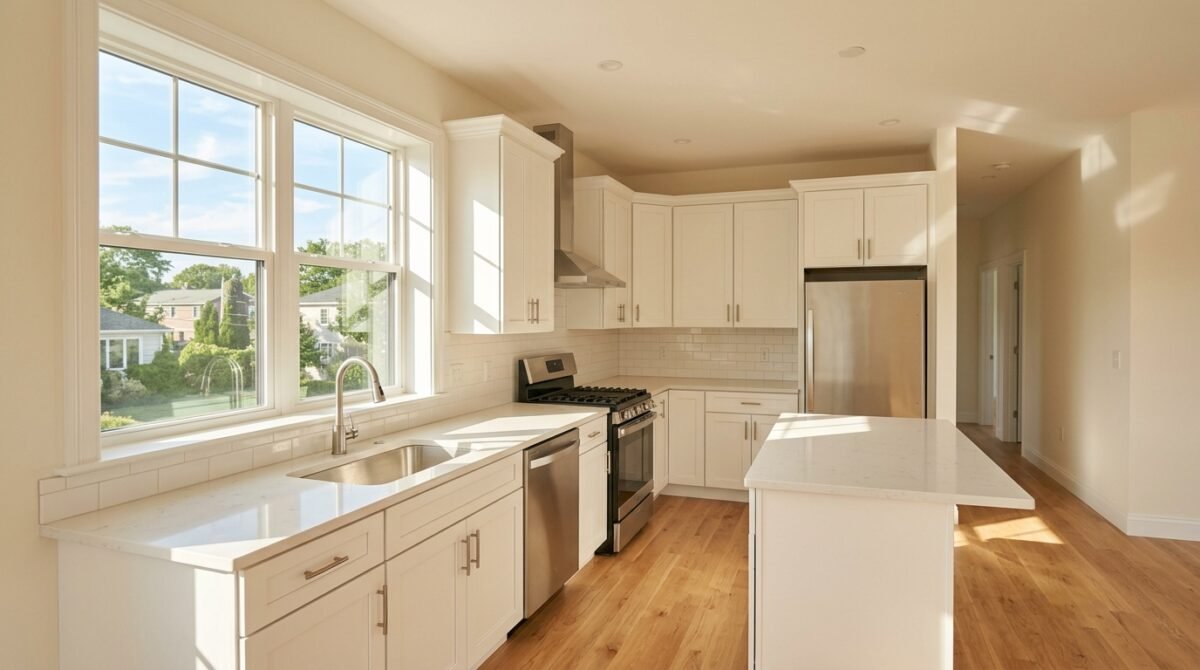
When she finally closed the door behind her for the last time, I didn’t celebrate. I didn’t throw a party. I just sat on the floor of the empty, cleaned-up kitchen and breathed. The air was clean. The stove was accessible. The fridge was mine again. It was the most beautiful sight I had ever seen.
Mr. Henderson returned to inspect the unit after she moved out. He looked at the repairs, nodded, and handed me back my share of the security deposit, minus the cleaning fee. He even offered to let me keep the current lease if I could find a new roommate. I told him I’d rather live alone for a while. I needed the peace.
“You’re a good tenant, but you’ve got a lot of patience. Most people would have been out months ago. Good luck with the next chapter, and try to find someone who doesn’t come with… furniture projects.”
He was right. I had been too patient. I had let her run over my boundaries because I wanted to be ‘nice.’ I had let her make my life miserable because I didn’t want to cause a scene. I had learned the hard way that when someone tells you who they are—a person who thinks their needs are more important than yours—you should believe them the first time.
Lessons in Boundaries

Looking back, the acoustic booth was just a catalyst. If it hadn’t been the booth, it would have been something else—a dog she didn’t train, a boyfriend who moved in without permission, or a business that required constant, loud attention. Sarah was a person who lived in a world where she was the main character, and everyone else was just an extra in her life.
I spent the following months focusing on myself. I started cooking again, experimenting with new recipes that I could finally leave in the fridge without fear of them being moved or spoiled. I reclaimed the kitchen as my sanctuary, a place where I could reflect on the day and decompress. I also started being more assertive at work and in my personal life, refusing to apologize for taking up space.
I realized that ‘hustle culture’ is often just a mask for entitlement. It’s a way for people to bypass the social contract by claiming their work is more ‘important’ than the basic needs of others. It’s a trap, and it’s one that I will never fall for again. I value my time, my space, and my sanity far more than anyone else’s ambition.
“The most important thing I learned? A boundary is not a suggestion. It’s a requirement for a healthy relationship. If someone can’t respect your basic needs, they don’t deserve your company, no matter how ‘successful’ they claim to be.”
I still talk to some of our mutual friends, and they tell me that Sarah is doing ‘fine,’ working out of a real co-working space now. I’m glad for her. I truly am. But I’m even gladder that she’s doing it in a place where she can block the fridge without annoying anyone but herself.
Community Perspectives
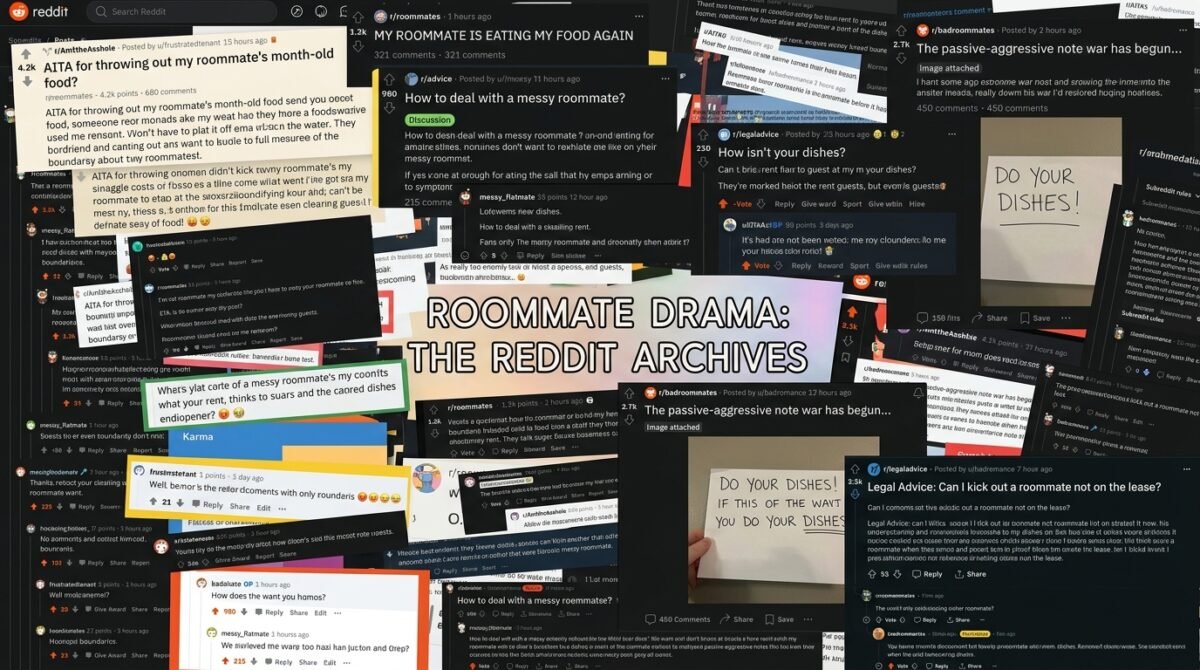
The Reddit thread continued to grow, with people sharing their own horror stories about roommates and boundary violations. It was a cathartic experience to read about others who had dealt with similar ‘main character’ energy in their own lives. Some stories were funny, others were heartbreaking, but all of them echoed the same sentiment: you are not responsible for someone else’s dysfunction.
One commenter shared how they dealt with a roommate who took over their living room with gaming equipment. Another told of a roommate who tried to turn the bathroom into an art studio. The common thread was the lack of communication and the refusal to acknowledge the other person’s right to a home. It made me realize that my experience, while extreme, was not unique.
“I had a roommate who turned the dining room into a hydroponic grow-op. The humidity ruined the wallpaper, and the smell was unbearable. People like this have no concept of shared space. You did the right thing by getting the landlord involved early.”
— u/HomeIsASanctuary (8.2k upvotes)
“It’s amazing how many people think the world exists to facilitate their side hustle. If it’s not in the lease, it doesn’t belong there. The entitlement is the real crime, not the unplugging.”
— u/BoundaryBound (5.1k upvotes)
The community support gave me the courage to move forward. It reminded me that I wasn’t the ‘crazy one’ for wanting to be able to use my own kitchen. It validated the anger I had been suppressing and allowed me to let go of the guilt I felt for ‘sabotaging’ her dream. The dream was never mine, and I was never responsible for keeping it alive.
Conclusion
This saga of the acoustic booth was a painful, expensive, and stressful period of my life, but it was also a turning point. It forced me to define what I would and would not tolerate in my own home. I learned that silence is not just the absence of sound; it’s the presence of peace. And that peace is worth fighting for, even if that fight requires a bit of creative unplugging.
Today, I live in that same apartment, but it feels completely different. It’s quiet, it’s organized, and it’s mine. I have no roommates, no booth, and no drama. I can leave my coffee on the counter, I can use my stove whenever I want, and I can open my fridge without having to navigate a wall of soundproofing foam. It’s the simple things that make a house a home.
To anyone out there currently struggling with a roommate who thinks they own the world: speak up. Document everything. Know your rights. And if they refuse to respect the space you pay for, don’t be afraid to take the steps necessary to reclaim your life. You deserve a place where you can feel at home.
What about you? Have you ever had a roommate who tried to turn your shared living space into their own private domain? How did you handle it, and what was the breaking point? Let’s talk about it in the comments below!
What's your verdict on this dilemma?
Vote below to contribute to the official community consensus.

Have a Dilemma Keeping You Up at Night?
Share your real-life feud, wedding chaos, or relationship crossroads anonymously with our editorial team.
What do you think ?
0 Comments🛡️ Comments are moderated to protect community integrity. Your comment will appear once approved by the editorial team.