
Family dynamics are often built on a delicate foundation of unspoken expectations and long-standing patterns of behavior. For years, I had been the sibling who was expected to yield, to accommodate, and to ‘keep the peace’ whenever my younger sister, Chloe, wanted something she hadn’t earned. It was a role I had played since childhood—the reliable, sensible older sister who always had her act together, while Chloe was the impulsive, free-spirited one who lived life by the seat of her pants, often leaving the rest of us to sweep up the debris of her poor planning.
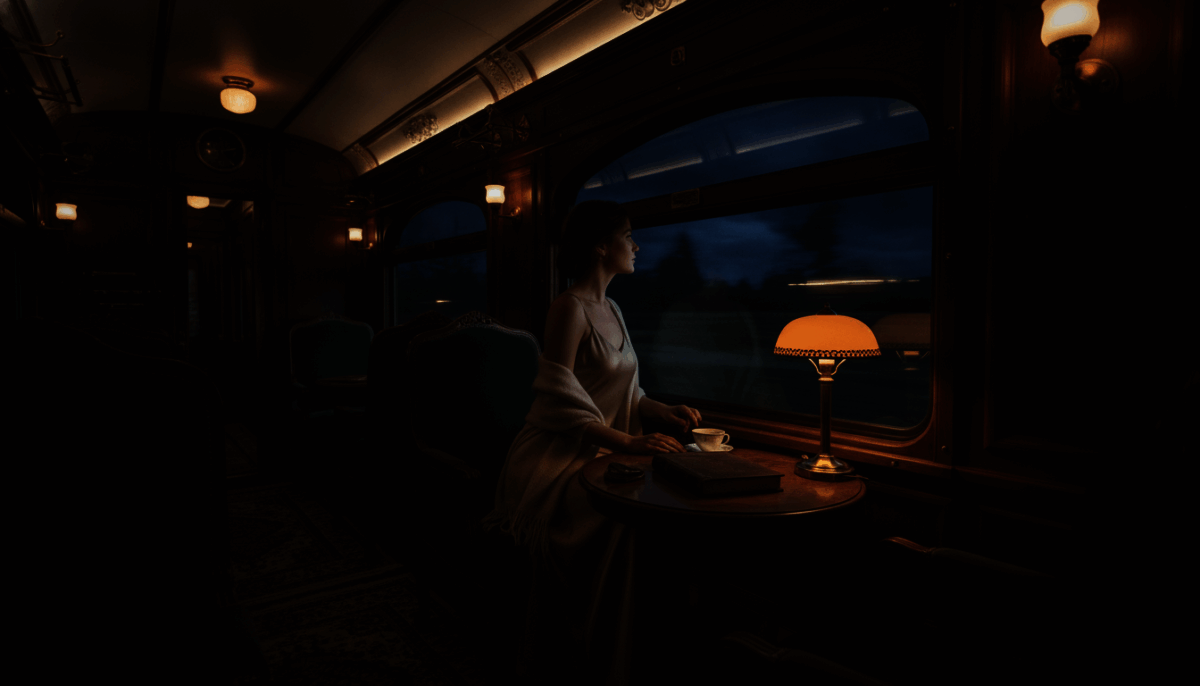
This particular story begins with a cross-country train journey, a trip I had been planning for months. It wasn’t just a commute; it was a curated experience. I had saved for a private sleeper cabin, a space of solitude and comfort that I desperately needed after a grueling year of professional burnout. I had booked my ticket six months in advance, selecting the cabin with the best view of the landscape, meticulously planning my meals and my reading list. It was supposed to be my reward for surviving a volatile corporate merger, a moment of silence in a world that never stopped demanding things from me.
Then, the notification came. Chloe, who had decided to go on a spontaneous trip with her partner—despite being seven months pregnant—had failed to secure a seat in advance. She had gambled on standby tickets, assuming that her ‘condition’ would grant her magical priority on a sold-out train. When she realized the reality of her situation, she turned her eyes toward me. The expectation wasn’t that she would find another way; the expectation was that I, as her sister, would simply forfeit my sanctuary so she could be comfortable.
The moral dilemma here wasn’t just about a train cabin; it was about the years of accumulated resentment that had been festering beneath the surface of our family interactions. It was about whether ‘family’ serves as a perpetual pass for boundary-crossing, or if there is a point where the individual’s needs finally outweigh the demands of a relative who refuses to take responsibility for their own life choices. This is the story of how I said no, and how that single word shattered the illusion of our family harmony.
The Six-Month Countdown to Solitude
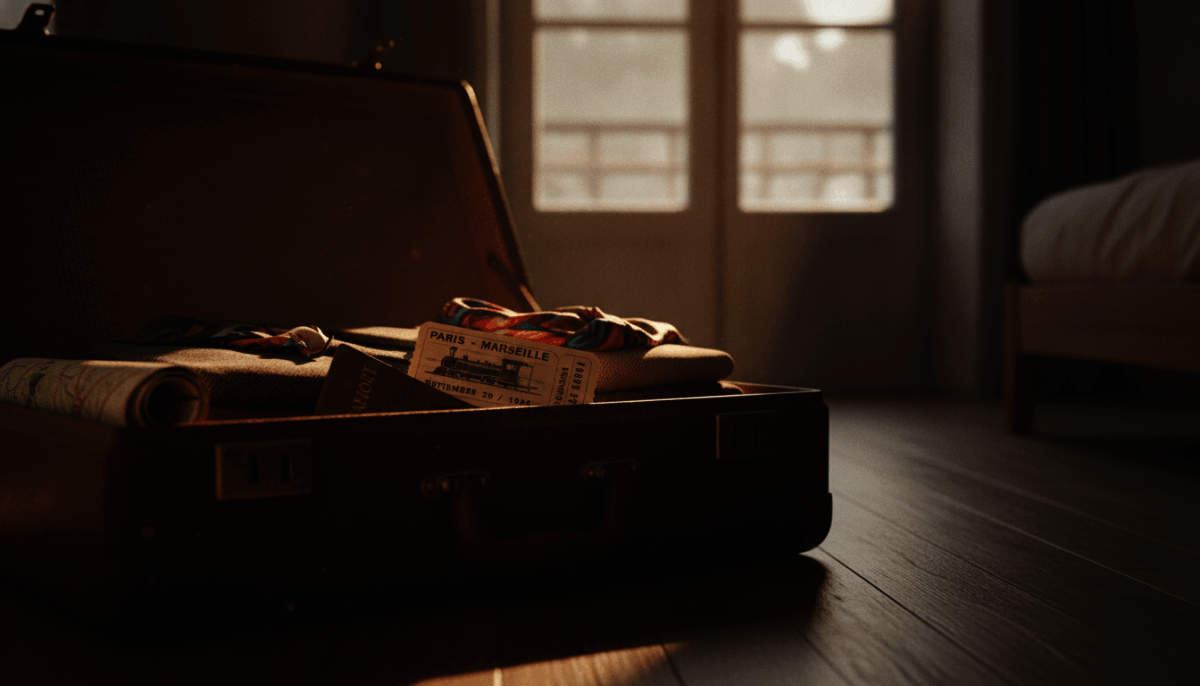
I had been counting down the days until the departure date like a child waiting for Christmas. My life in the city had become an endless cycle of back-to-back meetings, stressful commutes, and constant digital tethering. The train journey was meant to be my total disconnect. I had booked the ‘Deluxe Sleeper’—a cabin that included a private shower, a bed, and a service attendant. The cost was significant, representing nearly three weeks of my discretionary savings, but to me, it was an investment in my mental health.
Every detail was planned. I had purchased physical books, noise-canceling headphones, and a selection of teas. I wanted to watch the mountains pass by from the window of my cabin, undisturbed by the noise of the public carriages. I had even sent a message to the concierge service to ensure my cabin was ready for check-in upon arrival. My parents knew about this trip, as did Chloe, though she had been dismissive of it, calling it ‘a bit excessive’ during our last Sunday dinner.
The irony of her comment wasn’t lost on me. Chloe was currently in the midst of a ‘baby moon’ planning phase, which involved impulsive spending and a total lack of concern for logistical reality. She lived in a state of perpetual emergency, creating crises that other people were expected to solve. I had learned, over the years, to keep the details of my life private to avoid becoming a target for her whims, but I couldn’t hide a cross-country train trip that took me away for a full week.
I remember sitting at the dining table, watching her scroll through travel apps on her phone. She looked tired, her hands resting on her bump, but there was an air of entitlement that had only grown since she announced her pregnancy. She spoke about her travel plans as if they were destiny, assuming that the universe would bend to accommodate her. Little did I know that she was already looking at the train schedule for the exact route I had booked, and that my sanctuary was already on her radar.
I spent that final week at work feeling a sense of peace, knowing that the light at the end of the tunnel was a train moving through the wilderness. I had no idea that a storm was brewing, one that would force me to choose between my own peace of mind and the suffocating demands of family loyalty. It was a lesson in how quickly a well-laid plan can be threatened by the sheer audacity of someone who refuses to plan for themselves.
The 4:00 AM Discovery
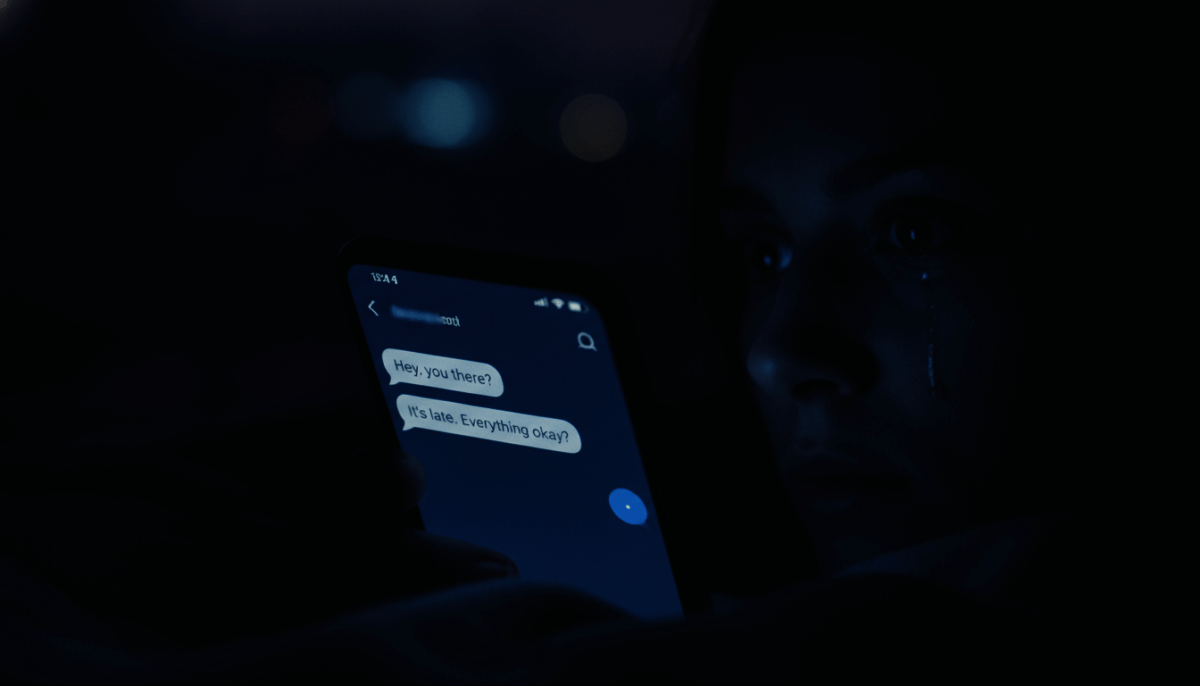
The chaos began not with a phone call, but with a series of frantic text notifications that jolted me awake well before my alarm. It was 4:00 AM, and my screen was lighting up with messages from Chloe. She had been trying to book her travel for the trip that was scheduled to depart in less than 48 hours. Apparently, the realization had finally hit her that waiting until the last minute during a peak holiday season was a catastrophic mistake. Every single seat, from coach to first-class, was fully booked.
I stared at the messages, my heart sinking. I knew exactly where this was going before I even read the next one. She wasn’t asking for advice; she was looking for a solution that involved me. The tone of her messages shifted from panicked to demanding with alarming speed. She had clearly done her research and knew that I was on the train, and more importantly, she knew I had a private cabin that could ‘technically’ accommodate two people if they were family.
“I cannot believe you didn’t tell me you were on the train! I’m stuck, and the airline prices are insane. You have the sleeper cabin, right? I’ll just hop in with you. It’s the only way for me to get there safely with the baby. Mom says you’ll be happy to help out since you’re so ‘organized’ anyway.”
— Text Message from Chloe, 4:12 AM
I felt a cold sensation in the pit of my stomach. The audacity of her request was breathtaking. She hadn’t even asked; she had assumed. And the mention of ‘Mom’ was a classic tactical move—bringing in a third party to apply pressure before I even had a chance to process the request. It was a manipulation tactic I had seen a hundred times, and yet, it still managed to make my blood boil. I didn’t reply immediately. I needed to breathe, to ground myself in the reality that I was not obligated to surrender my life to her inability to manage a calendar.
I stood up and paced my living room, the darkness outside the window mirroring the sudden cloudiness of my mood. I had worked so hard for this trip. The thought of sharing my small, private sanctuary with a pregnant woman who would likely be complaining, stressed, and demanding was the exact opposite of the ‘reset’ I had promised myself. My back was aching from the work week, and I needed my rest. I didn’t have the emotional capacity to be a support system for someone who had effectively ignored my boundaries for years.
I finally sat down to type a response, my fingers hovering over the glass. I knew that whatever I said would be interpreted as a betrayal. In my family, saying ‘no’ to Chloe was the ultimate cardinal sin. It didn’t matter if I had a valid reason; the fact that I put my own comfort on par with her ‘needs’ would be twisted into a narrative of selfishness. I had to decide: would I fold and be miserable, or would I stand firm and deal with the fallout?
The Confrontation at the Station

When I arrived at the train station, the air was thick with the scent of diesel and the frantic energy of departing travelers. I kept my head down, hoping to avoid any unnecessary encounters, but I felt a familiar tension at the back of my neck. I knew Chloe would be there. She had sent a text saying she was ‘coming to talk’ regardless of my answer. I had hoped she was bluffing, but as I made my way toward the boarding platform, I saw her standing there with a massive duffel bag, looking both exhausted and accusatory.
She didn’t wait for me to approach. She marched over, her hand resting on her belly in a gesture that felt performative. She looked at me with eyes that were narrowed and hard. She didn’t offer a hello or an apology for the early morning texts. She went straight to the grievance. She started talking loudly enough that passersby were beginning to glance our way, a tactic clearly designed to shame me into submission.
“You’re actually going to do this? You’re going to force me to stay behind when I need this trip for the baby? It’s just one cabin, and you have the extra space. Do you have any idea how much stress you’re causing me right now? I thought you were supposed to be the ‘responsible’ one, but you’re just being cruel.”
— Chloe, standing on the boarding platform
I stopped and looked at her, really looked at her. She wasn’t just a sister; she was a master of the guilt trip. I felt a strange sense of clarity wash over me. The fear of her anger, which had controlled so much of my life, suddenly seemed small compared to the value of my own autonomy. I didn’t raise my voice; I kept it steady and low, which only seemed to frustrate her further because it denied her the emotional spectacle she was craving.
“Chloe,” I said, my voice measured. “You chose to book standby tickets. You were told when you booked them that there was a high risk of not getting a seat. My cabin is a private space that I paid for, and I am not sharing it with you or anyone else. This trip is non-negotiable for me. You are an adult, and you need to figure out your own travel arrangements instead of relying on me to fix your mistakes.”
The Family Group Chat Explosion

The moment I boarded the train and settled into my cabin, my phone started vibrating incessantly. The family group chat was lighting up, and it was clear that Chloe had wasted no time in spinning the narrative. She had sent a voice note that sounded like she was on the verge of tears, describing me as ‘heartless’ and ‘obsessed with money.’ My mother and a few aunts had already chimed in, echoing her sentiments without even asking for my side of the story.
I watched the messages scroll by, feeling a weird sense of detachment. It was like reading a script for a play I no longer wanted to perform. My mother’s messages were particularly galling, filled with platitudes about ‘family togetherness’ and how I should ‘be the bigger person.’ They were all acting as if my decision to enjoy a trip I had paid for was an act of aggression against my pregnant sister. It was a complete distortion of reality, yet it was the reality they all seemed content to live in.
“I’m not saying you have to do it, but is a little grace really that hard? She’s carrying your niece/nephew. Can’t you just sacrifice a little comfort for the sake of your own family? It’s only a few days on a train. Please just call her and apologize.”
— Mom, via Family Group Chat
I sat on the plush seat of my cabin, the train beginning to hum as it pulled out of the station. I looked out the window at the city skyline retreating into the distance. For the first time in years, I didn’t feel the need to defend myself. I didn’t feel the need to explain my reasons or apologize for my existence. I simply muted the group chat and turned my phone onto airplane mode. The silence in the cabin was immediate and profound, a physical weight lifting off my shoulders.
It wasn’t that I didn’t care about my family; it was that I realized they didn’t care about me. They cared about the role I played—the safety net, the accommodator, the one who always yielded. By refusing to play that role, I had become an inconvenience, a disruption to their well-oiled machine of enabling. It was a lonely realization, but it was also incredibly freeing. I had finally severed the cord, and the world didn’t end.
As the train gathered speed, passing through the outskirts of the city, I opened my book and took a deep breath. I knew that when I turned my phone back on, there would be a deluge of angry messages, but for now, I was in my own world. I had successfully defended my boundaries, and the price of that defense was the temporary loss of a family that had never really seen me for who I was.
The Anatomy of Entitlement

As I sat in the dining car later that afternoon, I had time to reflect on why this had escalated so quickly. It wasn’t just about the train. It was the culmination of years of Chloe treating my time, money, and space as an extension of her own. Growing up, I was the one who shared my toys, then my clothes, then my apartment, and then my savings. Chloe had learned that she didn’t have to plan because I would always have a plan. She didn’t have to pay for her mistakes because I would eventually pick up the tab.
This entitlement had been reinforced by my parents, who viewed my success as a resource for the family. Whenever I tried to set a boundary, it was met with, ‘But she’s your sister,’ or ‘You have more, so why are you being stingy?’ They never questioned why she had less, or why she couldn’t manage her own life. They just focused on my ‘failure’ to share. It was a toxic dynamic that had stunted Chloe’s maturity and eroded my own sense of self-worth.
I watched the landscape shift from suburban sprawl to rolling hills and forests. I realized that by saying no, I was actually doing Chloe a favor—though she would never see it that way. If she never faced the consequences of her lack of preparation, she would never learn to plan. She would continue to float through life, expecting the world to move out of her way. My ‘no’ was the first time she had been forced to deal with reality, and it was a reality she found profoundly unfair.
The irony was that she could have easily afforded a flight or a different mode of transportation if she had just booked it earlier. She wasn’t broke; she was just impulsive and accustomed to having her needs catered to by others. The ‘pregnant’ card was being played to generate sympathy, but it didn’t change the fact that her travel issues were a result of her own negligence. I had stopped feeling guilty and started feeling a strange, cold resolve.
I ordered a glass of wine and watched the sun dip below the horizon, painting the sky in shades of violet and orange. It was a beautiful sight, and for the first time in years, I was enjoying it for myself, not as a background to someone else’s drama. I was reclaiming my life, one mile of track at a time. The anger would be there when I got home, but for tonight, the train was my sanctuary, and that was enough.
The Aftermath of a ‘No’

When I finally turned my phone back on, the notifications were astronomical. My mother, my sister, my aunt—everyone had sent messages. There were threats to cut me off, accusations of being a ‘bad aunt’ to the unborn baby, and even a message from my father asking why I couldn’t just be ‘easier to get along with.’ The sheer volume of the reaction told me everything I needed to know: I had hit a nerve, and it was a big one.
I chose to respond to only one message: my mother’s. I didn’t want to engage in a back-and-forth with Chloe, because that would only feed her need for a fight. I kept my message clear, concise, and final. I explained that I was not a resource for the family to tap into whenever they had a crisis and that my boundaries were non-negotiable. I told them that I would be taking some time for myself and that I would reach out when I was ready to talk, but not before.
“I am on vacation. I am not available to discuss my travel arrangements or to be the solution to Chloe’s poor planning. I have set boundaries for my own mental health, and I expect them to be respected. I will be taking a break from family communication for the next few weeks. Please do not contact me regarding this matter further.”
— My message to the family group chat
The response was immediate. The group chat exploded with vitriol. My mother called me ‘cold’ and ‘spiteful,’ while my aunt compared me to the ‘cruelest people’ she knew. I didn’t read past the first few messages. I blocked the notifications for the group chat and set my phone to ‘Do Not Disturb’ for the duration of the trip. The silence that followed was the most beautiful thing I had experienced in years.
I spent the rest of the trip in a state of quiet reflection. I spent hours reading, writing in my journal, and simply sitting in my cabin, watching the world go by. I realized that the fear of losing my family’s approval had been a ghost—a phantom that kept me in chains. Now that I had confronted it, I saw that the chains were made of nothing. They couldn’t actually hurt me, unless I let them. I was stronger than I had ever given myself credit for.
The trip ended, but the change in me was permanent. I didn’t know what I would face when I returned home, but I knew I would not go back to the way things were. I had proven to myself that I could stand alone, and that was a power that no amount of family pressure could ever take away from me. The train pulled into the final station, and I walked off the platform with my head held high, ready to face whatever came next.
The Internet Weighs In

When I finally decided to share my story on an online forum, I was prepared for the backlash. I knew that family drama, especially involving a pregnant person, was a lightning rod for criticism. But to my surprise, the response was overwhelmingly supportive. People saw exactly what I had been dealing with—the pattern of manipulation, the entitlement, and the unhealthy dynamic that had been allowed to fester for far too long.
The comments sections were filled with people sharing their own stories of ‘black sheep’ siblings and overbearing parents. It was a massive validation of my feelings. For years, I had thought I was the problem, that I was the one who was too selfish, too rigid, or too cold. To see thousands of people tell me that I had done nothing wrong was a healing experience I hadn’t expected.
“NTA. Your sister is an adult. Being pregnant does not mean she gets to hijack your paid vacation because she failed to plan. The fact that your family is ganging up on you just proves that they’ve been using you as a doormat for years. Don’t apologize. You did the right thing.”
— u/TravelBound99 (Top Comment, 32.1k upvotes)
Of course, there were dissenters. Some people felt that ‘family comes first’ and that I should have been more accommodating given the pregnancy. But those voices were drowned out by the chorus of people who understood that ‘family’ is not a synonym for ‘pushover.’ It was a fascinating case study in how our culture is beginning to shift, with more people prioritizing their own mental health over the demands of toxic family cycles.
The thread became a viral hit, with people debating the ethics of travel, the responsibilities of siblings, and the limits of familial obligation. It was strange to see my personal drama being dissected by strangers, but it was also empowering. I realized that my situation wasn’t unique, and that by speaking up, I was helping others realize that they didn’t have to tolerate the same treatment. The ‘Reddit effect’ was real—it was a community of people who were tired of the same old narratives and were hungry for something real.
I spent hours reading the comments, finding comfort in the shared experiences of others. It was a community I hadn’t known existed, and it gave me the strength to continue holding my boundaries. When I eventually returned to my normal life, I didn’t feel the need to hide or explain myself. I had a community of support, even if it was digital, and that was enough to keep me steady as I navigated the inevitable tensions with my family at home.
The Cold Reality of Low Contact

Coming home was difficult. The initial anger from my family had cooled into a thin, icy layer of resentment. When I went to family gatherings, the atmosphere was strained. There were pointed comments about ‘people who only care about themselves’ and heavy silences whenever I entered a room. Chloe, in particular, refused to make eye contact with me. It was clear that she was still waiting for an apology, and it was equally clear that she wasn’t going to get one.
I began to practice ‘low contact.’ I stopped attending every single Sunday dinner. I didn’t pick up the phone every time my mother called to complain about Chloe’s behavior. I focused on my own life, my own friends, and my own goals. It was a slow process, but it was incredibly effective. I felt my anxiety levels drop, and the constant, nagging need for their approval began to fade. I was becoming my own person, independent of the family identity I had been forced into.
My sister eventually had her baby. I sent a gift, but I didn’t go to the hospital. I didn’t want to insert myself into that environment, knowing how much tension still existed. It was a firm boundary, one that I held despite the inevitable guilt-tripping from my parents. I was the ‘bad guy’ in their story, and I had come to terms with that. If being the ‘bad guy’ meant I could finally live a life that felt like my own, then so be it.
The distance between us grew, and in many ways, it was a relief. I found that I enjoyed my own company more, and the relationships I did nurture were healthy, balanced, and built on mutual respect rather than obligation. I had lost a family dynamic that was suffocating me, but I had gained a sense of peace that was priceless. I didn’t know if we would ever reconcile, but I knew that I would never again sacrifice my own well-being to serve someone else’s entitlement.
Life moved on. I got a promotion, I traveled to places I had only dreamed of, and I built a home that was truly mine. The train journey that had started it all was no longer just a trip; it was the catalyst for a total transformation. It was the moment I stopped asking for permission to live my life and started simply living it. And looking back, I wouldn’t have changed a single thing.
Reflecting on the ‘Selfish’ Label

People often ask me if I regret the way things turned out. They point to the rift in my family and the coldness at the dinner table and ask if a train cabin was really worth it. And every time, I tell them the same thing: it wasn’t about the cabin. The cabin was just the tipping point, the final straw in a lifetime of compromises. If it hadn’t been the train, it would have been something else—a borrowed car, a last-minute favor, a demand for money.
The label of ‘selfish’ is one that is often used to keep people in line, especially women. We are taught that our needs are secondary to the needs of the family, that being ‘good’ means being self-sacrificing to a fault. When I refused to play that part, I was labeled selfish. But I’ve come to realize that ‘selfish’ is often just a word for ‘someone who has boundaries.’ And there is nothing wrong with having boundaries, especially when they are the only thing protecting your mental health.
I think back to the person I was before that trip—anxious, people-pleasing, constantly worried about what everyone else thought. I don’t miss her. I like the person I am now: clear-headed, firm, and finally at peace with my own decisions. I have learned that you cannot pour from an empty cup, and for years, my cup had been completely drained by the demands of others.
I’ve also learned that true family doesn’t demand that you sacrifice your happiness for their convenience. True family supports your growth, even when it’s uncomfortable. If they cannot do that, then perhaps the definition of family needs to be expanded to include the friends and community who actually show up for you. I am much happier now, and I’ve found that the people who truly love me are the ones who respect my ‘no’ just as much as my ‘yes.’
So, was it worth it? Absolutely. I would choose my peace of mind over a temporary family harmony any day of the week. I have learned that the only person who is responsible for my happiness is me, and I’ve finally stopped apologizing for looking after that responsibility with everything I have.
Lessons Learned in the Quiet

Looking back, the most important lesson I learned was the power of the word ‘no.’ It is a complete sentence, and it doesn’t require an explanation or a justification. When we feel the need to explain ourselves, we are already giving away our power. We are asking for permission to say no, which implies that the other person has the right to decide whether our ‘no’ is valid. They don’t.
I also learned that you can’t control how other people react to your boundaries. You can only control your own actions. I couldn’t stop my family from being angry, and I couldn’t stop them from calling me names. But I could choose how I responded to that, and by refusing to play the game, I took away their leverage. Their anger was a reflection of their own inability to handle the loss of control, not a reflection of my character.
I’ve started to apply this to other areas of my life as well. I’m better at saying no at work, better at setting expectations with friends, and better at being kind to myself. The chaos of that week on the train had stripped away the layers of pretense I had built up over the years, leaving behind something much more durable and real. I am not the same person who boarded that train, and I’m grateful for that.
To anyone out there who feels like they are being pushed, squeezed, or manipulated by their family: you are allowed to say no. You are allowed to prioritize your own needs. You are not a bad person for wanting to live your own life. And if the people around you react with anger instead of understanding, that is not your failure—it is a sign that you are moving toward a healthier, more authentic version of yourself.
The road ahead might be different than I imagined, but it’s a road I’m choosing for myself. And for the first time in my life, I’m excited about where it’s going. The train ride was just the beginning, a long, winding journey through the landscape of my own life, and I’m finally in the driver’s seat.
Conclusion
The fallout from my decision was significant, but it was also clarifying. I realized that my family’s reaction had very little to do with the train itself and everything to do with the shifting power dynamics. I was no longer the reliable, accommodating sibling, and that left a void in their lives that they were ill-equipped to fill. This experience taught me that the only way to build a healthy relationship with my family was to first build a healthy relationship with myself.
Today, I maintain a low-contact relationship with my sister and parents. It’s not the ideal I might have hoped for, but it’s a sustainable reality that protects my mental health. I’ve learned that sometimes, love means distance. I’m no longer the person who feels guilty for existing, and I’ve found that my life is richer, deeper, and more authentic than it ever was when I was trying to please everyone around me.
This story has sparked incredible debates across social media, with people divided on the ethics of family loyalty versus personal autonomy. I invite you to share your own thoughts. Have you ever had to draw a hard line with a family member, even when it cost you their favor? How do you navigate the thin line between being a supportive relative and maintaining your own independence? Let’s keep the conversation going in the comments below.
What's your verdict on this dilemma?
Vote below to contribute to the official community consensus.

Have a Dilemma Keeping You Up at Night?
Share your real-life feud, wedding chaos, or relationship crossroads anonymously with our editorial team.
What do you think ?
0 Comments🛡️ Comments are moderated to protect community integrity. Your comment will appear once approved by the editorial team.