
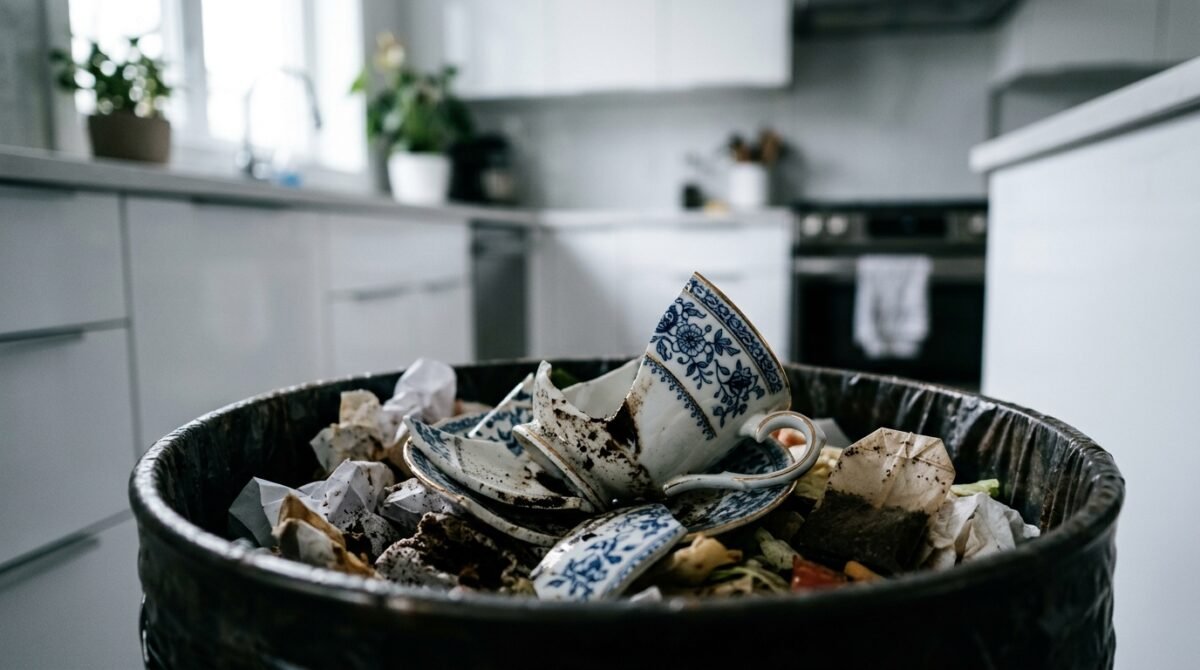
They say home is where the heart is, but for me, it had also become a museum of the people who shaped me. Among my most prized possessions were my grandmother’s vintage ceramic mugs—hand-painted, delicate, and irreplaceable relics from a time before mass production swallowed everything unique. They weren’t just kitchenware; they were pieces of my history, stories told over morning coffee by the woman who raised me.
When my husband, Mark, and I decided to take a much-needed week-long retreat to the coast, we made the fatal mistake of trusting his mother, Linda, with our house key. She had complained for months about the ‘clutter’ in our kitchen, dismissing my vintage collection as ‘dust magnets’ and ‘garbage’ that didn’t fit the ‘modern aesthetic’ she insisted our home should have. We brushed off her comments as typical unsolicited parental advice, never imagining she would act on her disdain while we were miles away.
Returning home to a kitchen that felt sanitized and sterile was jarring, but the true horror wasn’t what was missing from the cupboards; it was what I found in the outdoor trash bin. Seeing the shards of my grandmother’s legacy glinting under the trash bag liner triggered a visceral reaction of grief and rage that I had never experienced before.
This wasn’t just a disagreement about decor or personal taste. It was a calculated violation of a sacred space. By the time I sat down to write this, the locks had been changed, the key had been revoked, and the family was currently engaged in a silent war of attrition that threatened to end our relationship with Mark’s parents permanently.
The Unsolicited Kitchen Makeover
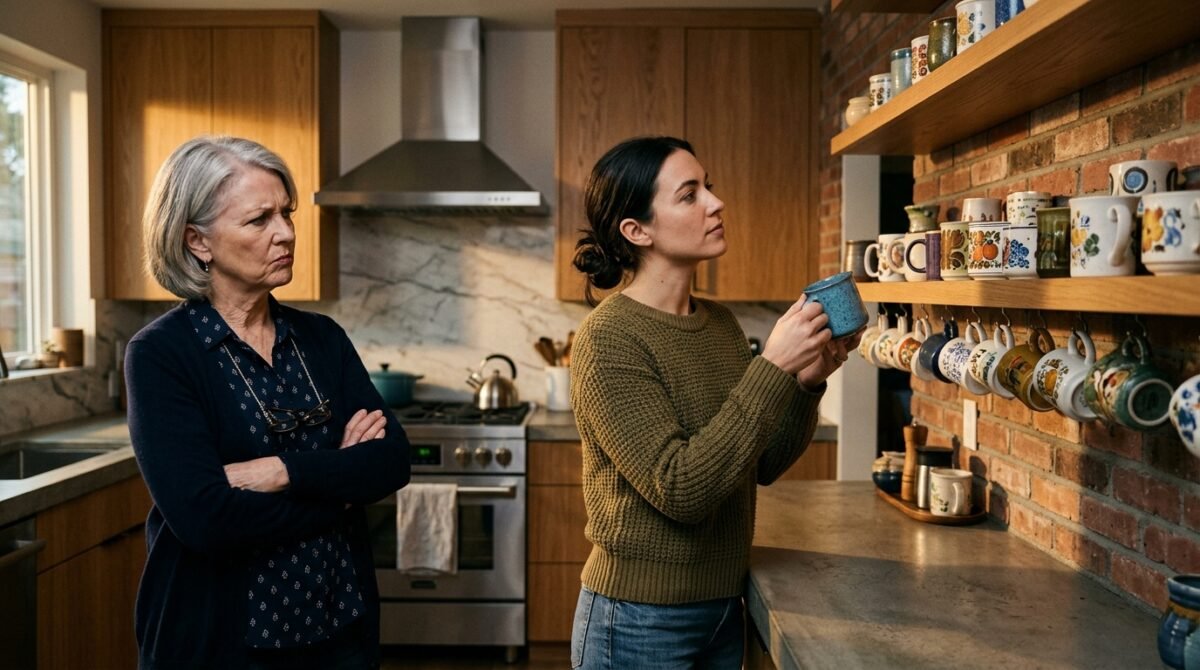
The tension began exactly three months before our trip. Linda had visited for dinner, and as she stood by the coffee station, she tapped her manicured nail against the rim of one of the vintage mugs. Her face crinkled in that signature expression of hers—the one that suggested she was suffering a personal affront simply by being in the presence of my ‘tacky’ choices.
I remember standing there, wine glass in hand, trying to keep the peace. I told her specifically that those mugs were not for use; they were for display, a nod to my heritage. She had scoffed, telling me that life was too short for nostalgia and that I needed a sleek, matching set of white stoneware if I wanted to be taken seriously as a homemaker.
“You’re living in the past, Sarah,” she had said, her voice dripping with artificial sweetness. “When I look at this shelf, I don’t see a home. I see a thrift store. You’re young, you have a good income, and you’re wasting it on old dust-covered junk. I’m just trying to help you elevate your space.”
“Those mugs have survived three generations of war, migration, and poverty, Linda. They don’t need your approval to hold value in my home. Please do not touch them again.”
I thought my tone was firm enough. Mark, however, had spent his entire life learning to tune out his mother’s barbs. He sat on the couch, watching the game, completely oblivious to the brewing storm. He assumed that because he wasn’t bothered by her comments, I shouldn’t be either. That silence from my husband would eventually become the biggest catalyst for the explosion that followed.
The Breach of Trust

The decision to give Linda the key was purely pragmatic, or so we thought. We had a pet sitter, but Linda insisted on stopping by to ‘water the plants’ and ‘check the mail.’ She framed it as a favor, a way to keep an eye on our home while we were in the mountains, disconnected and unreachable. In hindsight, we were handing the fox the keys to the chicken coop.
The trip was beautiful. For five days, we hiked, laughed, and forgot about the pressure of our day jobs. There were no signals, no pings from the family group chat, and for the first time in a year, I felt genuinely relaxed. I didn’t think about the kitchen. I didn’t think about the mugs. I didn’t think about Linda.
When we finally pulled into our driveway, the air felt different. I stepped into the house and immediately noticed the scent—a heavy, artificial citrus cleaner that wasn’t ours. The house felt ‘too’ clean, as if someone had scrubbed the personality out of every corner. My heart sank, a cold weight settling in my chest before I even reached the kitchen.
I opened the cabinet. Empty. The space where my grandmother’s mugs had sat for three years was occupied by a set of generic, boring, white ceramic cups. They were brand new, still carrying the faint smell of factory chemicals. I felt dizzy. I looked over at Mark, who was busy unloading the cooler, and I couldn’t even speak. I just walked toward the back door, heading for the recycling bin.
“Mark, come here. Please. Tell me you didn’t agree to this. Tell me she didn’t throw them away.”
Seeing them in the trash—crushed, shattered, and discarded like common refuse—broke something in me. I didn’t cry. I just stood there in the humid afternoon, staring at the porcelain shards that represented the only connection I had left to a woman I loved dearly. The rage was cold and precise.
The Passive-Aggressive Note
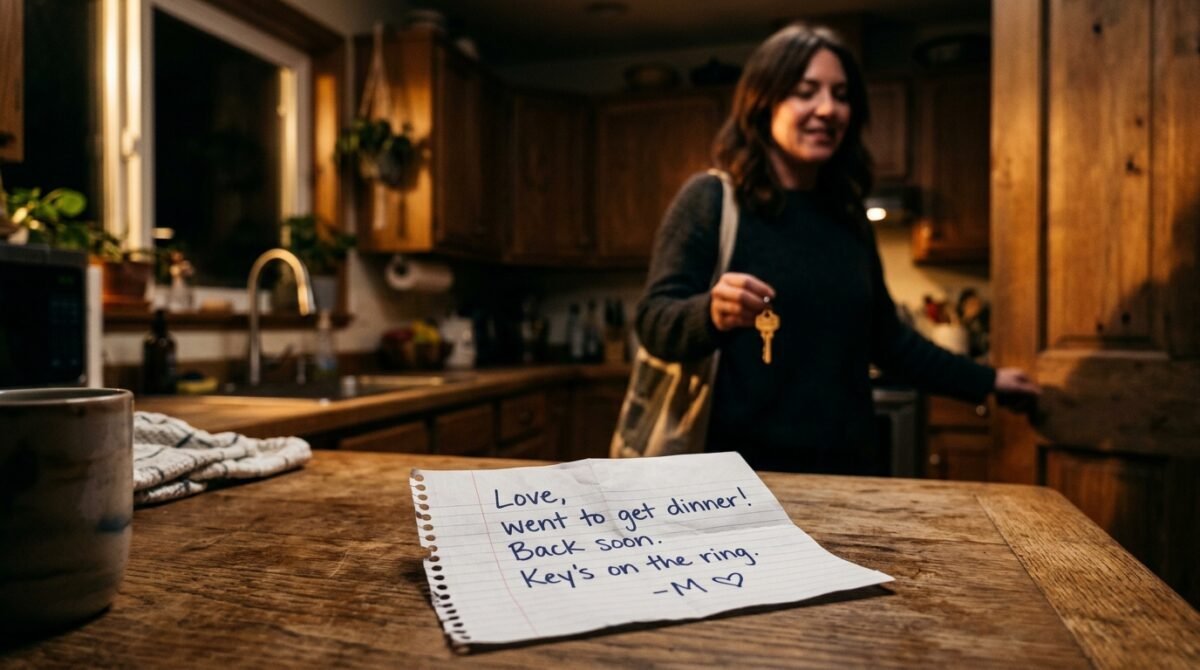
Taped to the counter was an envelope with my name on it, written in Linda’s elegant, cursive handwriting. It was a note of ‘justification,’ as if she expected me to thank her for the ‘favor.’ She hadn’t even had the grace to hide her tracks; she was proud of what she had done. She truly believed she was doing me a favor by ‘decluttering’ my life.
The note read: ‘Dearest Sarah and Mark, I knew you’d come around eventually. The kitchen looks so much brighter and more sophisticated now! I took the liberty of disposing of those old, chipped relics. They were an eyesore and frankly, embarrassing for guests to see. I replaced them with a quality set that reflects your actual lifestyle. Love, Mom.’
I showed the note to Mark. His face went pale. He had always known his mother was pushy, but this was a boundary-obliterating act of destruction. He tried to dial her number immediately, but she wasn’t picking up. It was as if she knew we would be furious and had chosen to hide behind her phone’s ‘Do Not Disturb’ setting.
I didn’t wait for him to finish his call. I went straight to the hardware store. I bought new locks, heavy-duty ones, and installed them myself while Mark sat on the floor of the hallway, still trying to get an answer from his mother. I was done with conversations. I was done with ‘managing’ her feelings. The locks were the only message that mattered.
“She didn’t just move them, Mark. She destroyed them. She put my family history in the trash. There is no conversation to be had here.”
The finality of the key turn was the loudest thing I had ever done. It was the moment I stopped being the daughter-in-law who tried to please her and started being the woman who protected her own peace, no matter the cost to the family dynamic.
The Group Chat Explosion
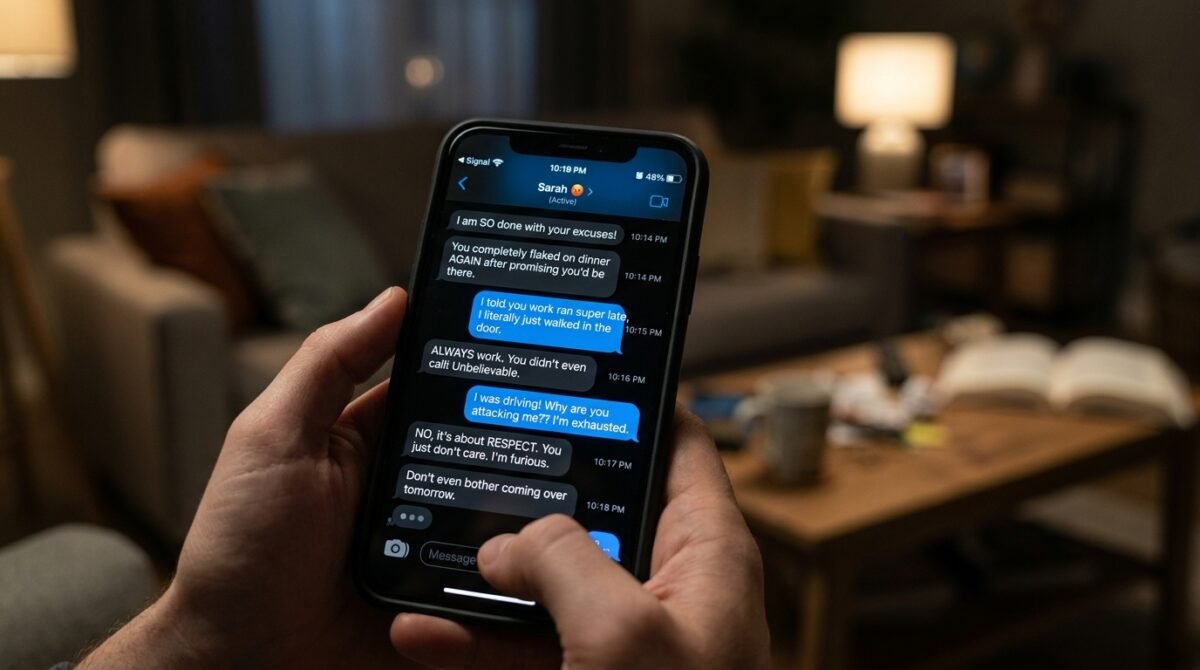
By the time Linda finally responded, the message wasn’t one of apology. It was an interrogation. She wanted to know why her key didn’t work. She wanted to know why we were being ‘dramatic’ about a ‘simple act of kindness.’ The family group chat, which usually consisted of holiday plans and mundane links, suddenly turned into a battlefield.
Linda didn’t just text us; she brought the rest of the family into it. She messaged my sister-in-law, my father-in-law, and even my own parents. She painted me as the ungrateful daughter-in-law who was ‘obsessed with hoarding garbage’ and ‘lashing out’ over a harmless surprise upgrade. The narrative was spinning out of control in real-time.
“I don’t understand why Sarah is being so volatile. I spent my own money to give them a beautiful, modern kitchen, and she’s treating me like a criminal because of a few dusty old cups. Someone please talk sense into her.”— Linda, Family Group Chat
Mark finally stood up, though his hands were shaking. He typed out a response, defending our right to our property and calling his mother out on her destruction. It was the first time I had ever seen him stand up to her so firmly. It felt good, but it didn’t fix the damage. The group chat was a mess of flying accusations, with aunts and cousins taking sides, most of them telling us to ‘just get over it’ because she is ‘family.’
I ended up muting the chat, but not before I took screenshots. I knew this wasn’t going to end with a simple apology. People like Linda don’t apologize; they reframe the narrative until they are the victims. I needed records. I needed proof of what was taken and what was said. The digital paper trail was becoming our most important asset in this war.
The Financial and Emotional Cost
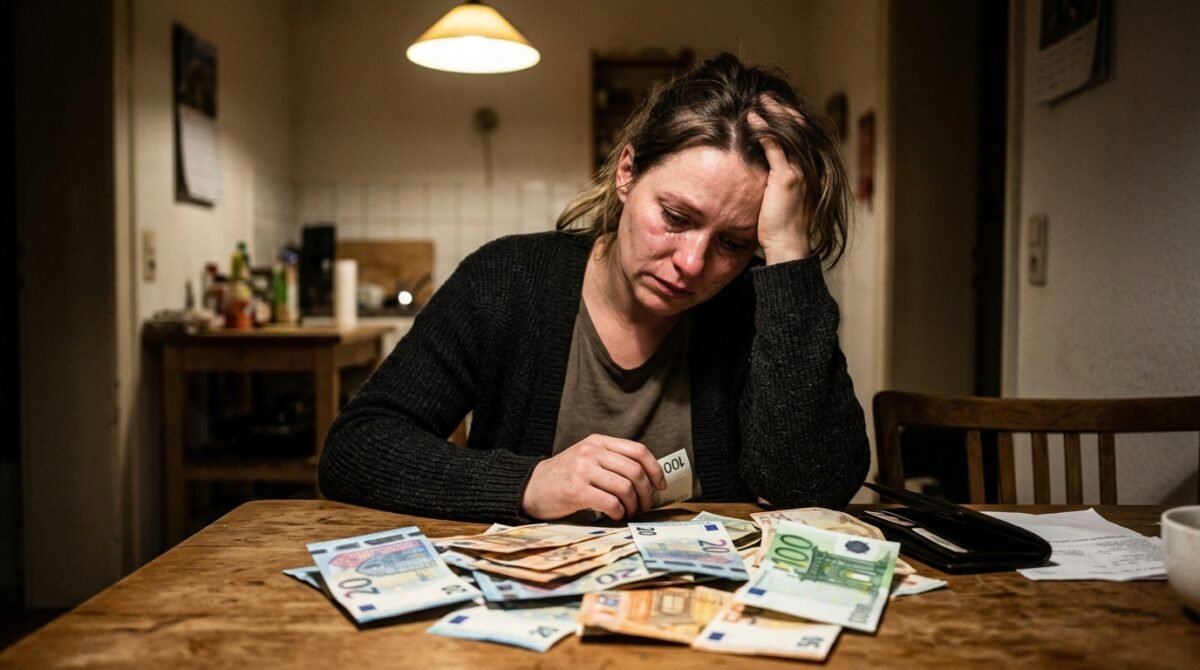
When we sat down to calculate the damage, it wasn’t just about the money. Sure, the mugs were worth a decent amount on the vintage market—some were rare mid-century pieces—but the emotional cost was immeasurable. How do you put a price on the only things your grandmother left you? I had spent hours researching the history of those pieces, tracking down the factory in Europe, learning about the artist who painted them.
Linda, however, saw only the dollar sign and the aesthetic. She told my father-in-law that she would ‘reimburse’ us for the cups, as if that solved the problem. She literally offered to write a check for $200 to cover the cost of the ‘used junk.’ That was the moment I realized she had no capacity for empathy. She couldn’t understand that some things aren’t replaceable.
Mark was starting to see it too. He looked at his mother’s offer, then at my face, and he just sighed. He had spent his childhood trying to earn her approval, and now, finally, he realized that her approval was a poison. It was a realization that broke him more than the mugs had broken me. He had to accept that the mother he wanted—the one who would respect us—did not exist.
“It’s not about the money, Linda. It’s about the fact that you think you have the right to decide what is valuable in our home. You don’t. You never will again.”
We didn’t take the check. We didn’t want her money. We wanted an apology that acknowledged the violation, but we knew it was never coming. The financial loss was a footnote; the real issue was the fundamental lack of respect she had for our boundaries, our autonomy, and our grief.
The Reddit Verdict
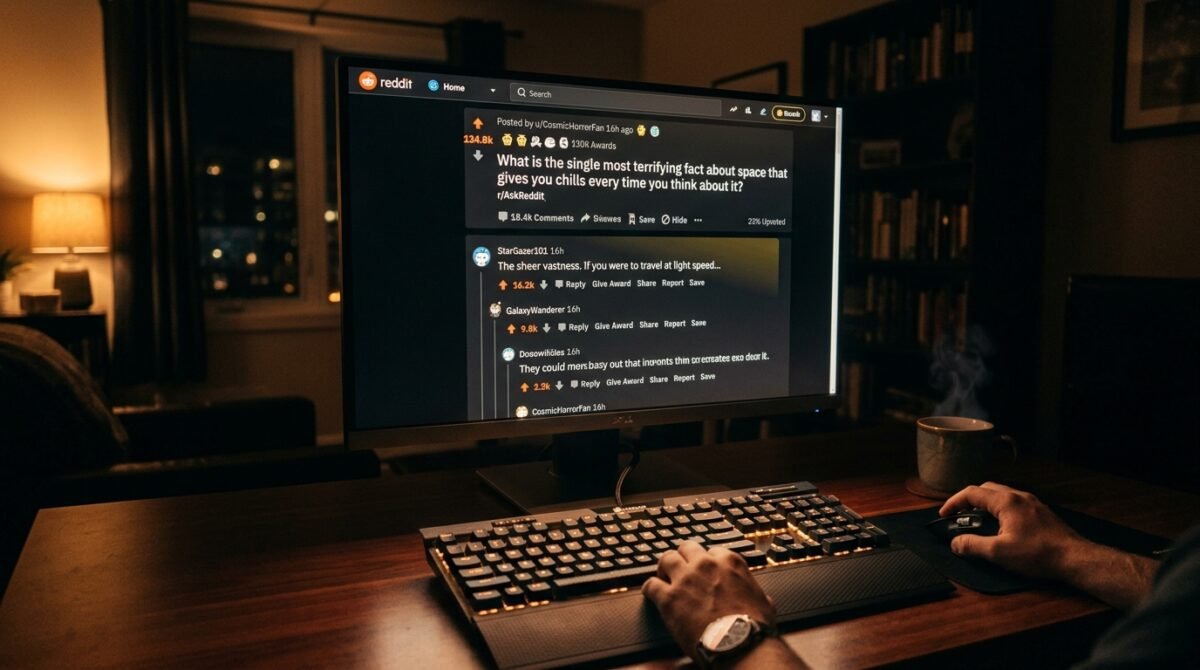
I posted about the situation on Reddit, feeling like I was losing my mind. Was I the unreasonable one? Was I being too sensitive? The response was overwhelming. Within hours, the post hit the front page. Thousands of people, many of whom had dealt with their own boundary-violating in-laws, validated my anger. It felt like a weight was lifted off my shoulders.
“NTA. This isn’t just about the mugs. This is about control. She wanted to erase your personality and replace it with her own. Keeping the key was a privilege, and she lost it the moment she decided she owned your life.”— u/BoundaryWarrior (Top Comment, 32.4k upvotes)
The comments sections were full of similar stories. Some people talked about in-laws throwing away wedding photos, painting rooms while they were at work, or even rehoming pets. It was a dark, hidden world of domestic entitlement that I hadn’t realized was so common. Reading the stories of others helped me realize that my reaction wasn’t just a response to a few mugs—it was a response to years of cumulative disrespect.
One commenter, a lawyer, even suggested that what Linda did was technically destruction of private property. I wasn’t going to go that far—I wanted peace, not a lawsuit—but the advice was helpful. It reminded me that I was on firm ground. I wasn’t crazy. I wasn’t being dramatic. I was a homeowner protecting my property from an intruder, even if that intruder happened to be my mother-in-law.
The community support gave me the backbone I needed to hold firm when the pressure from the rest of the family increased. My aunt-in-law called, trying to guilt-trip me into ‘making up’ for the sake of the upcoming family birthday dinner. I used the phrases I had learned from the commenters. I held the line. I didn’t apologize. I didn’t explain. I just repeated: ‘Linda violated our home, and she is no longer welcome to have a key.’
The Sunday Dinner Standoff
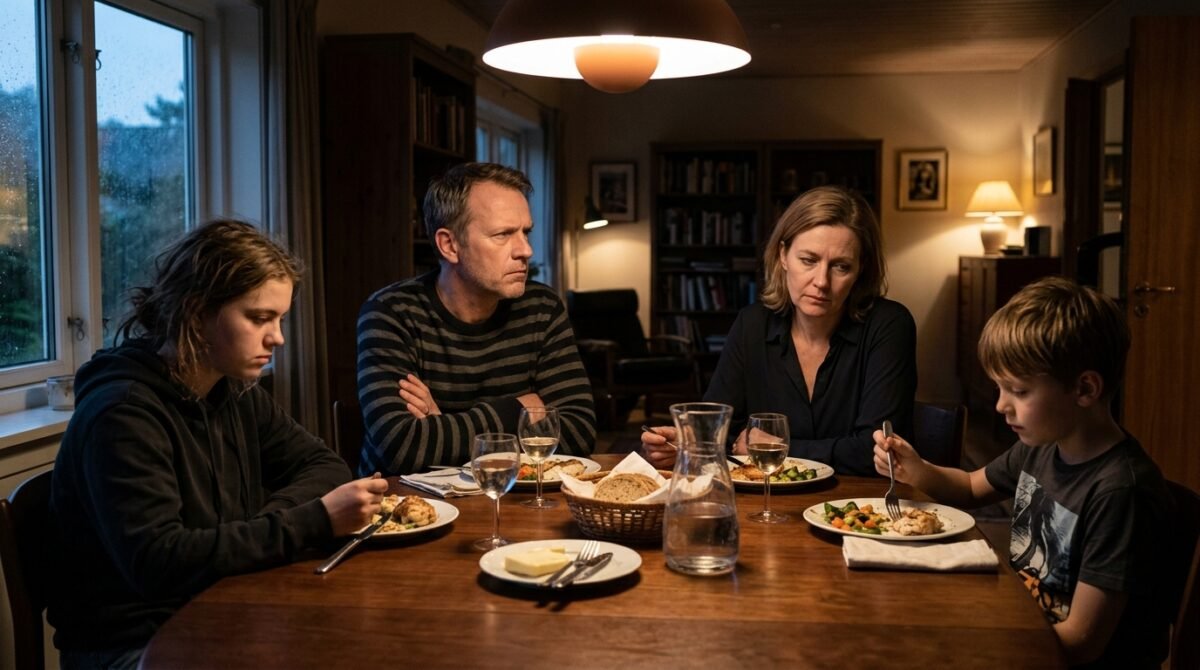
The inevitable showdown happened at my brother-in-law’s house for a birthday party. We arrived, hoping to keep things civil and avoid the subject, but Linda was waiting. She was surrounded by the rest of the family, playing the victim, talking about how ‘upset’ she was that we hadn’t spoken to her in weeks. The atmosphere was thick enough to cut with a knife.
When we walked in, the room went dead silent. You could hear the ice cubes clinking in the drinks from across the hallway. Linda stood up, looking expectant, clearly waiting for me to walk over and hug her, to ‘put this behind us’ like she always demanded. I didn’t. I stayed near the door, keeping a physical distance that felt safe.
“Sarah, dear, aren’t you going to say hello?” she asked, her voice projecting across the room. It was a trap, of course. She wanted to see if I would buckle under the social pressure of the collective. She wanted to force a reconciliation on her terms, without her ever having to admit she did anything wrong.
“Hello, Linda. I hope you’re doing well. We’re here to celebrate David’s birthday, nothing more.”
I walked past her and went straight to the kitchen to help with the appetizers. I didn’t give her the performance she wanted. The rest of the dinner was agonizingly awkward. Every time I made eye contact with anyone, they looked away. They were all terrified of the conflict, all hoping that I would just ‘be the bigger person’ so they wouldn’t have to deal with the discomfort of her behavior.
But being the bigger person is just another term for being the doormat. I refused. I sat through the meal, answered questions with polite, monosyllabic responses, and left the moment the cake was cut. Mark followed me out, his face set in a grim, determined expression. We hadn’t apologized, and we hadn’t backed down. For us, that was a victory.
The Aftermath and the New Normal

Life has changed since that night. We are officially low-contact with Linda. We don’t see her unless it’s a major event, and even then, we keep our interactions strictly professional and brief. She still sends the occasional text, trying to bait us into a fight, but we don’t engage. We don’t explain our boundaries anymore; we just enforce them.
Mark and I have grown closer because of it. We spent weeks in therapy, unpacking the patterns of his upbringing and the way he had been conditioned to prioritize his mother’s feelings over his own. It was a painful process, but it was necessary. We learned how to communicate as a team, how to present a united front, and most importantly, how to value our home as a sanctuary, not a public space for family members to curate.
The kitchen looks different now, but it feels like ours. I didn’t replace the mugs with the ones she bought; I donated those to a charity shop the next day. Instead, I slowly started collecting new pieces, ones that I chose for myself, ones that have no association with her. Every time I make coffee, I think of my grandmother, but the bitterness of the loss is fading, replaced by a sense of pride in the boundaries I’ve built.
“She thought she was ‘cleaning’ our house, but she was actually clearing the space for us to finally become our own family.”
The house is quiet, the locks are secure, and for the first time in our marriage, I don’t feel like I’m waiting for the other shoe to drop. The price of that peace was high, and it cost us a relationship with a woman I once hoped would be a mentor, but looking back, I know it was the only way forward.
Why We Can’t Forgive
People ask me why I can’t just ‘forgive and forget.’ Forgiveness, to them, means resuming the status quo—letting her back into the house, letting her back into our lives, and pretending the destruction never happened. But forgiveness doesn’t mean allowing someone to continue hurting you. It doesn’t mean trust is restored.
Trust is earned through action, not through apologies. And Linda has demonstrated, time and time again, that her actions are governed by her own desires, not by love or respect for her son and daughter-in-law. To forgive her without her showing any genuine remorse or change in behavior would be a betrayal of myself.
I have accepted that I will never get the apology I deserve. She will continue to tell the story where she is the hero who tried to help, and I am the villain who overreacted. That’s okay. I don’t need her version of the story to be true for my life to have meaning. I only need to know that I held my ground and protected what was mine.
“Forgiveness is not a pass for people to continue being toxic. It is the ability to walk away without carrying the weight of their actions.”
We are moving forward, one day at a time. The house, our marriage, and our mental health are better for the boundaries we’ve set. We aren’t looking back, and we certainly aren’t giving out any more keys. The lessons we learned were hard, but they were invaluable.
Lessons from the Kitchen Trash

If there is one thing I want people to take away from this, it’s that your home is the one place where you should feel completely, unequivocally safe and respected. If someone in your life makes you feel like your space is up for negotiation, then they are not respecting you. It doesn’t matter if they are your mother, your father, or your best friend.
Boundaries are not mean; they are a sign of self-respect. When you set a boundary, you aren’t doing it to hurt someone; you’re doing it to ensure that the relationship can exist on terms that are healthy for everyone. And if someone refuses to respect those boundaries, then they have told you everything you need to know about how they value you.
I look back at that day, the day I found the shards of my history in the garbage, and I see it as a turning point. It was the day I stopped being a child in the eyes of my in-laws and started being an equal. It was the day I realized that my own life was worth more than their approval. That realization is worth more than any set of mugs.
“Never let anyone make you feel like your boundaries are a burden. If they do, they were never truly on your side to begin with.”
We are stronger for it. Our marriage is stronger. Our home is truly ours. And while I still miss those mugs every morning, I have replaced them with something even better: the quiet, steady peace of knowing that no one can come into our house and destroy what we’ve built, not ever again.
Conclusion
The saga of the vintage mugs serves as a stark reminder of how fragile family dynamics can be when boundaries are treated as suggestions rather than requirements. My story isn’t just about kitchenware; it’s about the fundamental right to define one’s own environment and the courage it takes to protect that right, even when it means facing the ire of those closest to us.
The community reaction has been a testament to how many of us struggle with the ‘family-first’ myth, and it has empowered me to continue living by the standards we’ve set. We are in a better place now, though the path to get here was fraught with anxiety, guilt, and the slow realization that our family structure had to change for us to survive.
I’m curious to hear from you—have you ever had to draw a line in the sand with family, even at the risk of permanent estrangement? When does the duty to ‘keep the peace’ cross the line into self-betrayal? Share your thoughts and experiences in the comments below.
What's your verdict on this dilemma?
Vote below to contribute to the official community consensus.

Have a Dilemma Keeping You Up at Night?
Share your real-life feud, wedding chaos, or relationship crossroads anonymously with our editorial team.
What do you think ?
0 Comments🛡️ Comments are moderated to protect community integrity. Your comment will appear once approved by the editorial team.