
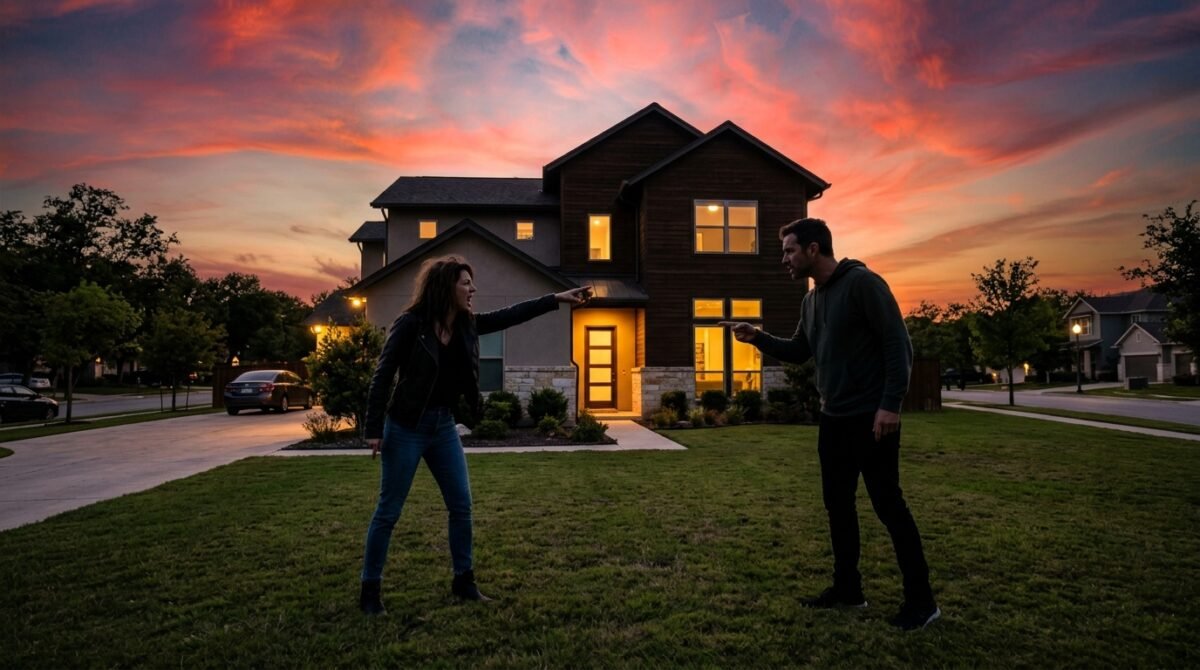
Buying a home is supposed to be the pinnacle of adult achievement—a moment to pop champagne, host a housewarming party, and finally hang your own pictures on walls you actually own. For me, at twenty-eight, it was the culmination of five years of aggressive saving, working side gigs, and living in a cramped studio apartment while my peers were traveling the world. I didn’t buy a mansion; I bought a sturdy, three-bedroom craftsman that felt like a sanctuary. It was my space, my equity, and my future.
But for my parents, my home was not a sanctuary. It was an untapped asset. It was a blank slate for them to solve the problem they had been ignoring for a decade: my thirty-two-year-old brother, Jason. Jason is a kind soul, but he has become professionally stagnant, relying on the ‘safety net’ of my parents’ basement for years. When they saw the floor plan of my new home—specifically, the fact that there was a detached garage and a modest basement space—the wheels in their heads didn’t just turn; they spun out of control.
The tension began in the form of ‘helpful’ suggestions before I had even closed on the property. ‘It would be so easy to renovate that garage into a studio for your brother,’ my mother had remarked over dinner, her tone casual but her eyes searching for my approval. I had laughed it off, thinking it was just a passing thought. I didn’t realize that in my parents’ eyes, I hadn’t just bought a house; I had bought a solution to their primary family burden. The boundary violation didn’t start with a bang; it started with a quiet, persistent expectation that my life would accommodate their lack of planning.
As the move-in date approached, the ‘suggestions’ turned into demands, and the ‘family obligation’ narrative began to take center stage. I was suddenly the selfish sibling, the one who had ‘made it’ while the rest of the family struggled, despite the fact that my success was entirely self-funded. The moral dilemma wasn’t just about a room; it was about the fundamental right to own my own life without being tethered to a sibling who refused to launch. What followed was a series of confrontations that would test the very foundations of our family dynamic, forcing me to choose between being the ‘good daughter’ and being an adult with boundaries.
The Blueprint of Discontent

It started during a Sunday lunch, just two weeks before I was scheduled to get the keys. My parents were looking at the digital listing on my tablet, zooming in on the property photos with a level of scrutiny that made my skin crawl. They weren’t looking at the crown molding or the updated kitchen; they were looking at the square footage of the laundry room and the exterior dimensions of the garage.
“You know, with a little plumbing work, that back corner of the garage could be a perfect efficiency apartment,” my father said, tapping his finger against the screen. He looked up at me, his face devoid of irony. “It would give Jason his own private entrance. He wouldn’t even have to come through your main house if he didn’t want to. It’s the responsible thing to do, considering how much he’s been struggling to find his footing.”
“Dad, I bought this house for me. I’m not running a boarding house, and I’m definitely not interested in being Jason’s live-in landlord. He’s thirty-two. He needs to find his own path.”
The air in the restaurant suddenly felt very thin. My mother gasped, a performative, sharp sound that drew eyes from the neighboring table. She clutched her purse tightly, her expression shifting from casual interest to profound disappointment. It was the look I had grown up with—the look that meant I had committed some grievous moral failing by prioritizing my own comfort over the family collective.
“We aren’t asking you to be his landlord, dear,” she said, her voice dropping to a low, hissed reprimand. “We are asking you to be a sister. Do you know how hard it is for us to have him still in the basement? We need a change of scenery for him. You have the space. It’s not like you’re using the garage for anything important.”
I looked at them, truly seeing the entitlement for the first time. They weren’t asking for a favor; they were demanding a life-alteration, treating my real estate investment as a communal property owned by the family trust. I realized then that my purchase of this home hadn’t liberated me from them; it had just given them a new piece of property to stake their claims upon.
The Unannounced Sunday Inspection
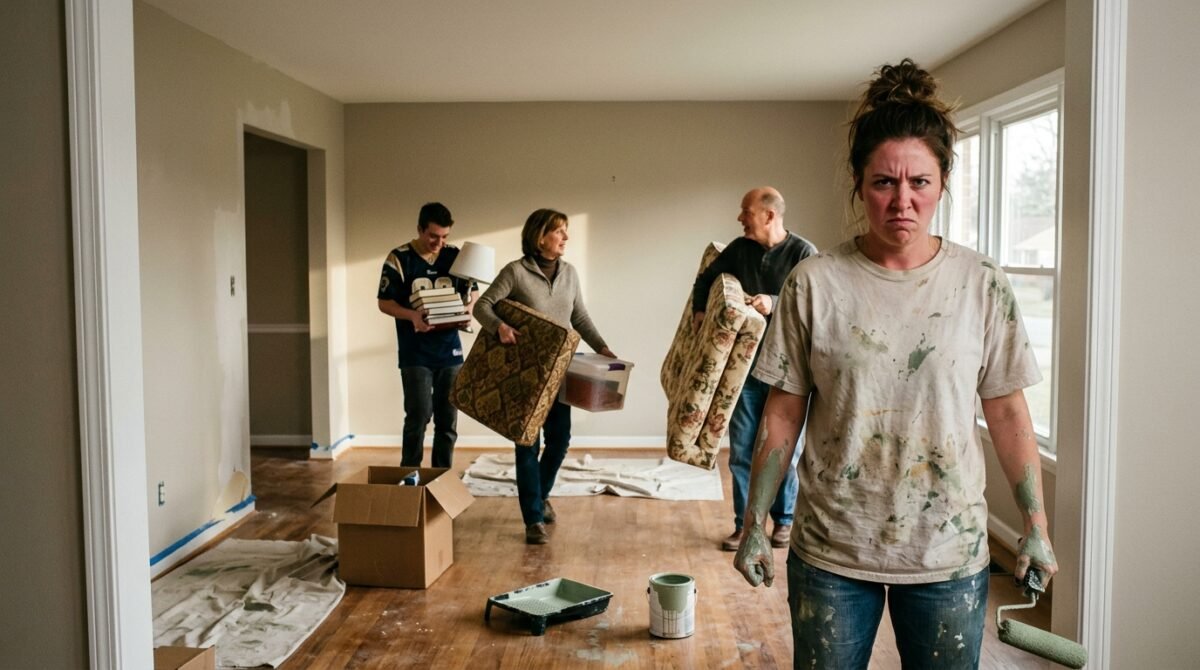
I thought my refusal at lunch would have been the end of it. I was wrong. The following Sunday, three days after I had officially received the keys, I was in the middle of painting the living room when I heard the distinct sound of my father’s SUV pulling into the driveway. My heart sank. I hadn’t invited them, and I certainly hadn’t given them a key. I walked to the front door, my hands covered in primer, and opened it to find them standing there with Jason in tow.
Jason looked sheepish, his hands buried deep in his pockets, refusing to meet my eyes. He clearly didn’t want to be there, but he lacked the backbone to say no to our parents. My mother was already scanning the entryway, her eyes darting toward the hallway that led to the kitchen and the back door that exited toward the garage. She didn’t even say hello.
“We thought we’d bring Jason by to see the potential,” my mother said, stepping over the threshold without waiting for an invitation. My father followed, and Jason shuffled in behind them. I stood my ground in the doorway, blocking their path into the living room. It was a moment of pure, unadulterated boundary-crossing, and the anger I felt was hot and bright, cutting through the exhaustion of moving.
“You need to leave. Now. I didn’t invite you, and you definitely don’t have permission to bring Jason here to ‘scout’ my house for a room. This is my home, not a family project.”
My father scoffed, pushing past me as if I were a minor inconvenience. “Don’t be dramatic. We’re family. Family helps family. Jason, go look at the garage and tell us if you think it’s big enough for that sectional we have in storage.” I was shaking with fury. The sheer audacity of them treating my property like an extension of their own was a wake-up call I couldn’t ignore. I realized that if I let them in, I would never be able to get them out.
The Digital Paper Trail of Guilt
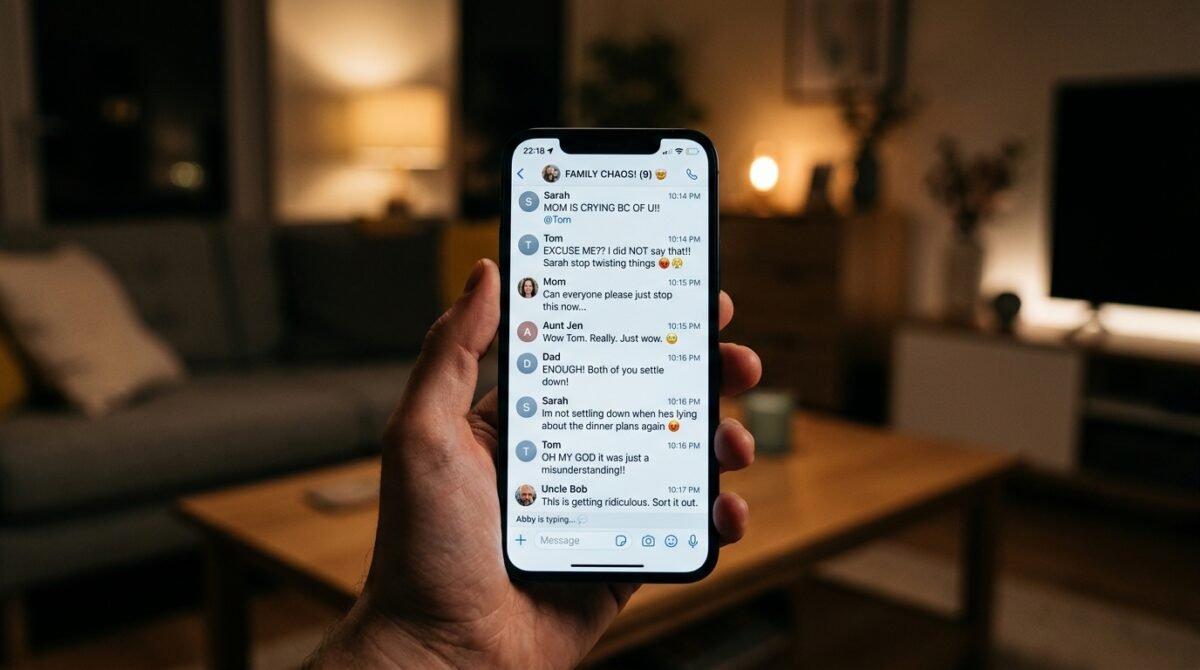
After I successfully kicked them out of the house, my phone started buzzing incessantly. It wasn’t just my parents; it was the family group chat, which had been dormant for months. My mother was on a mission to mobilize the rest of the extended family against me. She was framing my boundary-setting as an act of cruel abandonment, painting me as a cold-hearted sister who had ‘forgotten where she came from’ now that she had a mortgage.
“I just can’t believe how selfish [OP] is being. We’re just trying to help Jason get his life together, and she’s treating us like intruders. She has so much space and she won’t even share it with her own brother. It’s heartbreaking.”
— Mom, in the family group chat
The messages kept rolling in. My aunt chimed in, saying she was ‘disappointed’ in my attitude, and a cousin I hadn’t spoken to in years sent a passive-aggressive sticker. I read through them with a sense of detachment that surprised me. I wasn’t hurt anymore; I was just done. I spent an hour crafting a calm, firm response that refused to engage in the emotional blackmail they were peddling.
“This isn’t about helping Jason,” I typed out, my thumbs steady. “This is about you using my home as a solution for a problem you’ve been enabling for a decade. I am not the villain for wanting to live alone in the house I worked hard to buy. Do not contact me about this again.” I hit send and watched the chat go silent. It was a beautiful, terrifying silence. I knew it was only the beginning of the fallout, but for the first time, I felt like an adult standing on my own two feet.
The fallout didn’t stop there. My mother began calling my work number, claiming it was an emergency, only to pivot back to the same argument about the garage. I eventually had to block her number, a move that felt like amputating a limb but was necessary for my own mental health. The psychological weight of their expectations was finally being lifted, but the cost was the total unraveling of our family relationship.
The Financial Reality Check
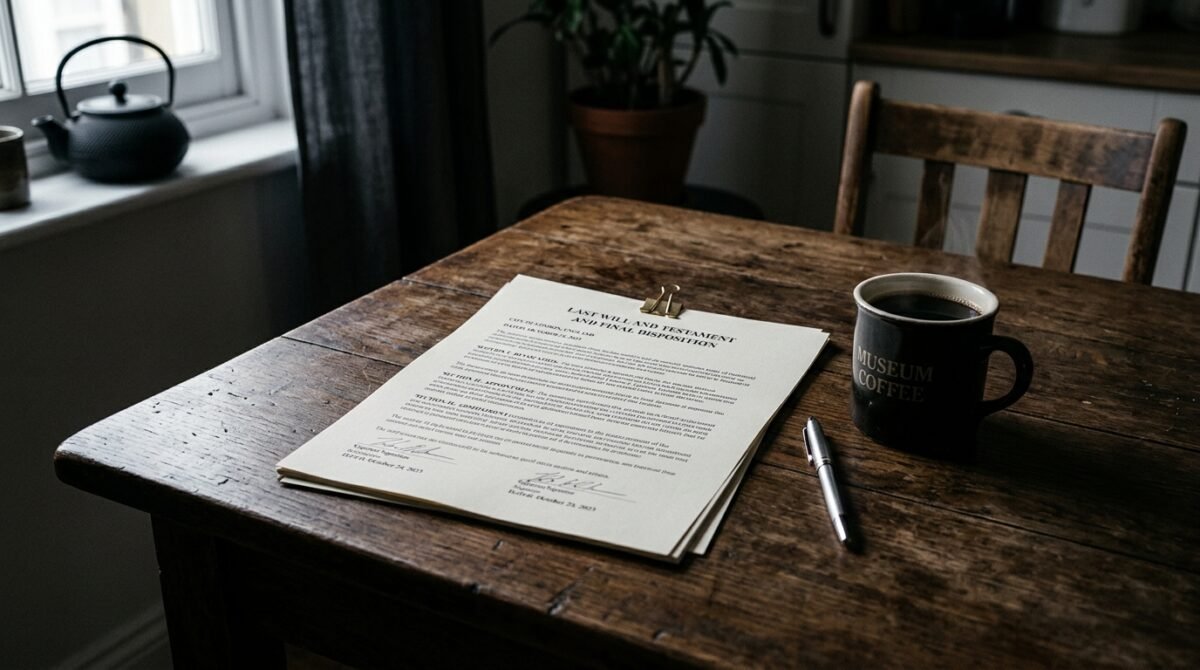
The next day, I received a certified letter in the mail. My father, in a display of true pettiness, had sent me a ‘proposal’ outlining how much I should charge Jason for rent, how he would contribute to utilities, and a timeline for a garage renovation. He even included a breakdown of ‘family loyalty’ which supposedly justified the invasion of my space. It was a bizarre, corporate-style document that treated our relationship as a landlord-tenant contract, complete with projected ROI for my home.
I sat at my kitchen table and read the letter three times. The level of delusion was staggering. They really thought that if they formalized the arrangement, I would somehow be coerced into compliance. They were operating under the assumption that I was still the child who needed their permission, not the homeowner who held the deed. I decided to print out my own document—a list of my actual expenses, the cost of the renovation they were demanding, and the legal repercussions of trespassing.
I drove to their house, walked up to the door, and placed the document in their mailbox, along with a firm note. I wasn’t going to argue with them anymore. I was going to set boundaries that were clear, documented, and non-negotiable. If they wanted to talk about my home, they would do it on my terms, or they would not do it at all. It was a power move, and I knew it would make them livid, but I was past caring about their comfort.
The financial breakdown was simple: to make the garage livable, it would cost roughly $25,000 in permits, plumbing, insulation, and HVAC. Who was going to pay for that? My father didn’t mention money, of course. He assumed I would absorb the costs because ‘it’s family.’ I, on the other hand, had a mortgage, a property tax bill, and a life to build. I wasn’t throwing away my savings on an annex for a man who had never held a job for more than six months.
The Reddit Trial: Am I The A**hole?
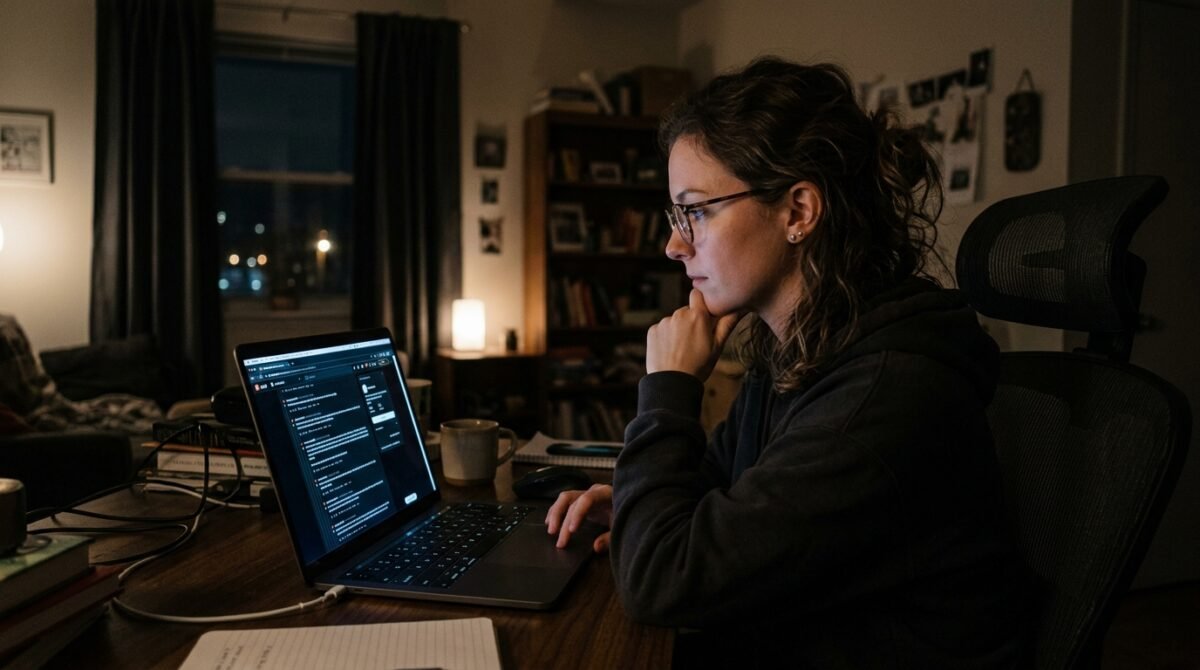
I decided to post my story on a popular subreddit to see if I was truly the heartless monster my parents painted me to be. I laid out the facts: I bought the house, they wanted me to house my 32-year-old brother, and they were trespassing when I said no. Within an hour, the upvotes started pouring in, and the comments section turned into a battleground of support and shared trauma. People from all over the world shared stories of their own entitled relatives and the boundaries they had to fight to establish.
“NTA. Your parents are essentially trying to offload their parental responsibilities onto you. They want you to subsidize Jason’s life because they’re tired of dealing with him. Do not give them a key, do not renovate the garage, and do not apologize for wanting your own space.”
— u/HomeownerBoundaries (Top Comment, 32.5k upvotes)
The validation was overwhelming. I felt a weight lift off my chest that I hadn’t realized I was carrying. It wasn’t just my parents; this was a systemic issue in many families where boundaries are seen as insults rather than healthy requirements. The community offered me advice on how to handle the legal side of things, like installing security cameras and being prepared to file a report if they showed up again.
Another comment caught my eye, one that hit close to home. It talked about the ‘Golden Child’ vs. the ‘Enabler’ dynamic and how often the ‘Successful Sibling’ is treated as a piggy bank for the rest of the family’s failures. It described my exact situation with chilling accuracy. I realized my brother wasn’t just a person; he was a symptom of a family system that refused to let go of control.
I spent the entire night reading through the comments, feeling less like a cruel sister and more like a person who had finally drawn a line in the sand. The Reddit community didn’t just give me advice; they gave me the confidence to stand my ground when my parents inevitably tried to escalate the situation. I realized that my worth was not defined by how much I was willing to sacrifice for a family that didn’t respect my boundaries.
The Confrontation at the Property Line
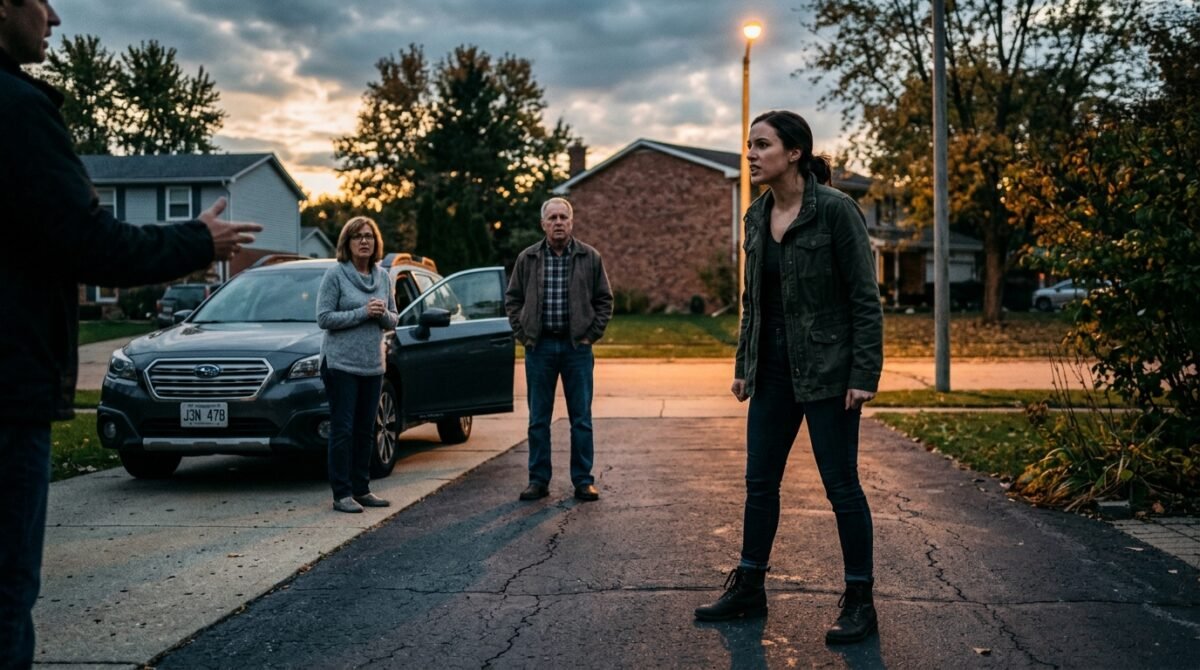
A week later, the inevitable happened. I was coming home from work, and my father’s car was parked in my driveway, blocking my path to the garage. They were there with a contractor—some guy they probably hired off Craigslist—trying to measure the space for the renovation. I pulled in behind them, blocking them in, and stepped out of my car, my phone recording on a gimbal mount I’d attached to my shirt. I was done with the games.
My father looked up, his face reddening as he saw me. He didn’t move. The contractor, looking incredibly uncomfortable, started to pack up his tape measure. I walked up to them, my voice calm but firm. “You are trespassing. You have five minutes to leave my property, or I am calling the police and having your vehicle towed. And you,” I turned to the contractor, “you are on private property. If you stay, you are part of the liability.”
“You’re really going to call the cops on your own father? Over a garage? You’re acting like a total stranger, not a daughter.”
— My Father
“I am acting like a homeowner protecting their investment,” I replied. “You’ve had plenty of warnings. You’ve crossed the line too many times. Get off my property.” My mother started screaming about how I was ‘tearing the family apart’ and how this would ‘ruin our reputation’ in the neighborhood. I ignored her, staring directly at my father until he finally relented. He was seething, his hands balled into fists, but the threat of a police record seemed to curb his entitlement just enough.
They left, but not before my mother promised that I would regret this. I watched them drive away, my hands shaking only slightly. The contractor apologized to me as he left, saying he had no idea it was a private dispute. I felt a strange sense of peace. I had stood up for myself in the most direct way possible. There was no going back now, but I didn’t want to.
The Fallout in the Extended Family
The next few days were a blur of angry phone calls from relatives I hadn’t heard from in years. My parents had told their version of the story, painting me as a spoiled, entitled daughter who bought a house and immediately turned her back on her ‘suffering’ family. I received texts from aunts, uncles, and cousins, all telling me to ‘just do the right thing’ and help my brother. It was a coordinated campaign of guilt, designed to isolate me until I surrendered.
I decided to go on the offensive. I typed up a concise, factual summary of what had actually happened—the unauthorized ‘inspection,’ the boundary-crossing, the financial entitlement—and sent it to the family group chat before blocking everyone. I didn’t care about their opinions anymore. I was cutting the noise out of my life entirely. If they wanted to play the game of family secrets, they were going to have to do it without me.
The impact was immediate. My cousin sent a message saying, ‘I didn’t know you were being harassed like that.’ Another aunt messaged me privately to apologize, saying she had only heard my mother’s side. The narrative was shifting, but it didn’t matter. I was done with the family politics. I changed my phone number and moved on. The silence that followed was the most peaceful thing I had experienced in years.
I realized that the ‘family’ I had been trying to maintain was a construct that existed only as long as I played my part. As soon as I stopped playing, the whole house of cards collapsed. It was a harsh, necessary realization. The people who truly cared about me didn’t care about my garage or my brother’s living situation; they cared about me. And those were the only people I had room for in my life now.
Finding Peace in My Own Space

With the drama finally reaching a stalemate, I was able to actually enjoy my home. I finished the painting, bought a real couch, and started hosting dinners for friends—people who actually respected my space and wouldn’t dream of demanding I remodel it for their family members. I had a housewarming party, and my parents weren’t invited. It was the most liberating experience of my adult life. I looked around the room and saw only people I loved and who loved me back.
I started a new routine. On Sunday mornings, instead of worrying about calls from my mother or surprise visits from my father, I would sit on my porch with a cup of coffee and read. The peace was palpable. I had reclaimed my life, my time, and my property. The stress of the past few months had aged me, but it had also strengthened me in ways I never thought possible. I was no longer the ‘good daughter’; I was the ‘independent woman.’
Jason even sent me a text, once, a month later. He apologized for his part in it, saying he never wanted to be a burden and that he was looking into a room-share downtown. I responded by telling him I was proud of him for taking the step, and that I would be happy to grab coffee with him once things had cooled down. It was a small bridge, but it was one I chose to build, not one that was forced upon me. It felt right.
The garage remains a garage. It houses my car and my tools. Occasionally, I look at it and remember the struggle, but it doesn’t bother me anymore. It’s just a room. The real victory wasn’t the house; it was the ability to define my own life, to set my own rules, and to walk away from anyone who couldn’t respect them. I had finally learned that ‘family’ is not a synonym for ‘doormat.’
The Lessons of Boundary Enforcement
Reflecting on the entire ordeal, the most striking thing was how long I had allowed the dysfunction to continue. I had been training my parents to expect access to my life for years by always saying ‘yes’ or ‘maybe later.’ I had been the one to pay for family dinners, to help out when they had an issue, and to be the ‘responsible’ one who could always be leaned on. It took a massive, explosive conflict to break that cycle, but it was necessary.
I learned that boundary setting isn’t about being mean or cruel; it’s about being clear. People who benefit from your lack of boundaries will always call you mean when you finally set them. It’s a defense mechanism, a way to keep you compliant. Recognizing that was the turning point. I stopped seeing their anger as a reflection of my character and started seeing it as a reflection of their own inability to cope with a reality they didn’t control.
I also learned the value of a support system outside of family. The Reddit community had provided more emotional support and sound advice than my own parents had in years. It showed me that your ‘real’ family isn’t always the one you’re born into; it’s the community you choose to build around yourself. I felt stronger, more confident, and more grounded than I ever had before.
If you are in a similar situation, my advice is simple: draw the line, hold it, and don’t apologize. It will be painful, and you will lose people, but you will also gain something much more valuable: your own autonomy. You are the architect of your life, not your parents, not your siblings, and not your extended family. Own it.
Moving Forward into the Future

Looking back, the house is just a house. It has walls, a roof, and floors, but it’s not the building itself that matters—it’s what I learned while living in it. I have grown into a person who can say ‘no’ without a flicker of guilt. I have learned to prioritize my mental health over the performative expectations of people who claim to have my best interests at heart but actually only care about their own convenience.
My relationship with my parents is currently non-existent, and for now, that is exactly how it needs to be. I don’t feel the need to ‘fix’ it. If they reach out and can respect the boundaries I have set, perhaps there is a future for us. But I am not holding my breath. I am focused on my life, my job, and my friends. I am finally, truly, in control of my own story.
The most ironic part of all of this is that if they had just respected my boundaries from the start, I probably would have been more than happy to help Jason find a place or assist him in other ways. But because they chose to demand and manipulate, they burned the bridge entirely. It is a lesson in the power of respect: it is the currency that buys you access, and they spent all of theirs long ago.
I am moving forward with a sense of clarity that is worth more than any real estate investment. I have learned that the most important thing you can ever own is your own sense of self. Everything else—houses, money, possessions—is just background noise. I am ready for whatever comes next, because I know that whatever it is, I will face it on my own terms.
Conclusion
The story of my house is, at its core, a story about the transition from child to adult. It is the moment where we decide who we are and what we are willing to tolerate. By standing my ground against my parents’ entitlement, I didn’t just save my garage—I saved my sanity. I have learned that the people who love you will always respect your boundaries, and the people who demand you break them for their convenience never truly loved you in the first place.
We are all the protagonists of our own lives, and it is a tragedy to let others dictate our narratives. If you have ever felt like an extra in your own story, or if you have ever felt like your success was being treated as a public utility, know that you are not alone. It is time to set your boundaries, hold them, and reclaim your narrative. You owe it to yourself to live a life that you actually own.
What about you? Have you ever had to draw a hard line with family over your home or your boundaries? Have you ever been told you were being ‘selfish’ for simply wanting your own life? Share your story in the comments below—let’s talk about how to protect our peace in a world that constantly demands we give it away.
What's your verdict on this dilemma?
Vote below to contribute to the official community consensus.

Have a Dilemma Keeping You Up at Night?
Share your real-life feud, wedding chaos, or relationship crossroads anonymously with our editorial team.
What do you think ?
0 Comments🛡️ Comments are moderated to protect community integrity. Your comment will appear once approved by the editorial team.