
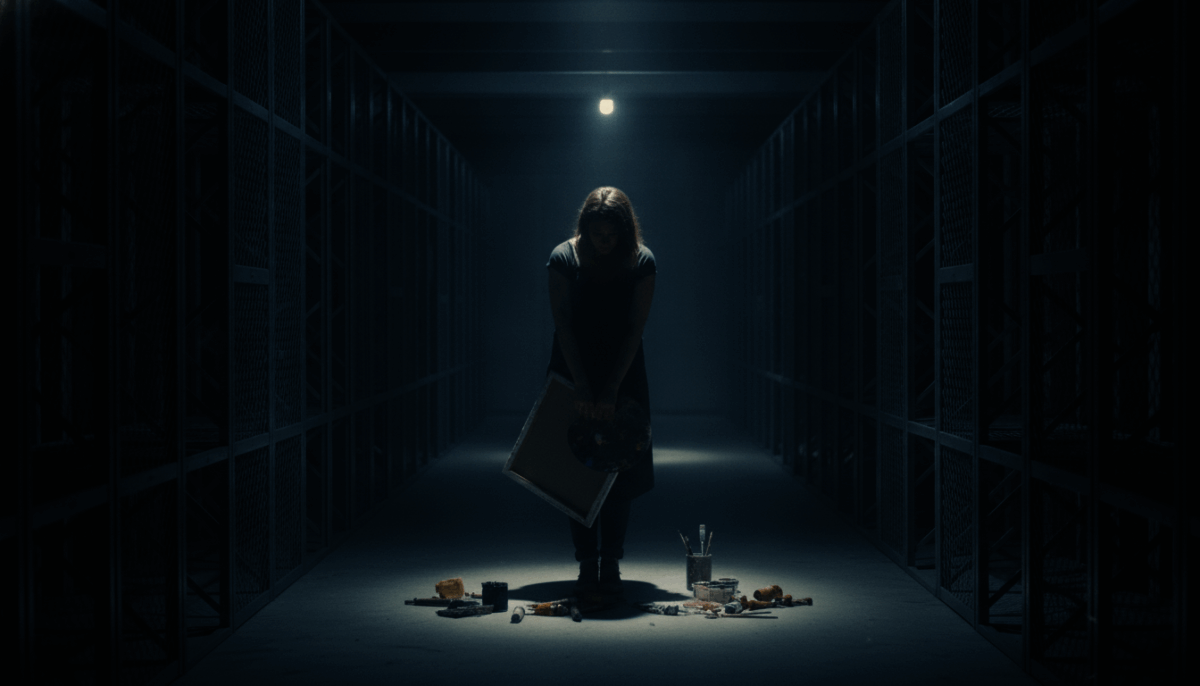
For most, an art studio is a sanctuary—a place where the chaotic debris of the soul is meticulously reorganized onto canvas. For me, my climate-controlled storage unit in the city was not just a storage space; it was my professional archive. I had spent six years meticulously documenting my progression, from undergraduate studies to my first gallery representation, keeping every award-winning oil canvas tucked away in a humidity-controlled environment, waiting for the right moment to exhibit them in a solo show.
My parents always claimed to be my ‘biggest supporters.’ They attended my college exhibitions, bought the occasional print, and frequently bragged about my ‘creative genius’ to anyone who would listen at Sunday dinners. It was this performative pride that made the ultimate betrayal so much more blinding. I trusted them with the spare key to my unit—a decision that was supposed to be a temporary convenience while I spent a month abroad for a residency.
When I returned, the silence of that storage unit was deafening. The racks were bare. The smell of linseed oil and varnish was gone, replaced by the sterile scent of empty metal. I didn’t know then that my life’s work hadn’t been stolen by a common burglar, but by the two people who had promised to guard it. The revelation was not just a loss of property; it was a total collapse of the foundation of my family trust.
What followed was a harrowing journey through gaslighting, financial entitlement, and the devastating realization that my parents viewed my artistic output not as a career or a passion, but as a liquid asset to be traded whenever my brother, the ‘golden child,’ needed a life upgrade. This is the story of how a family’s twisted priorities destroyed a bridge that can never be rebuilt.
The Empty Locker and the Ghost of a Professional Career
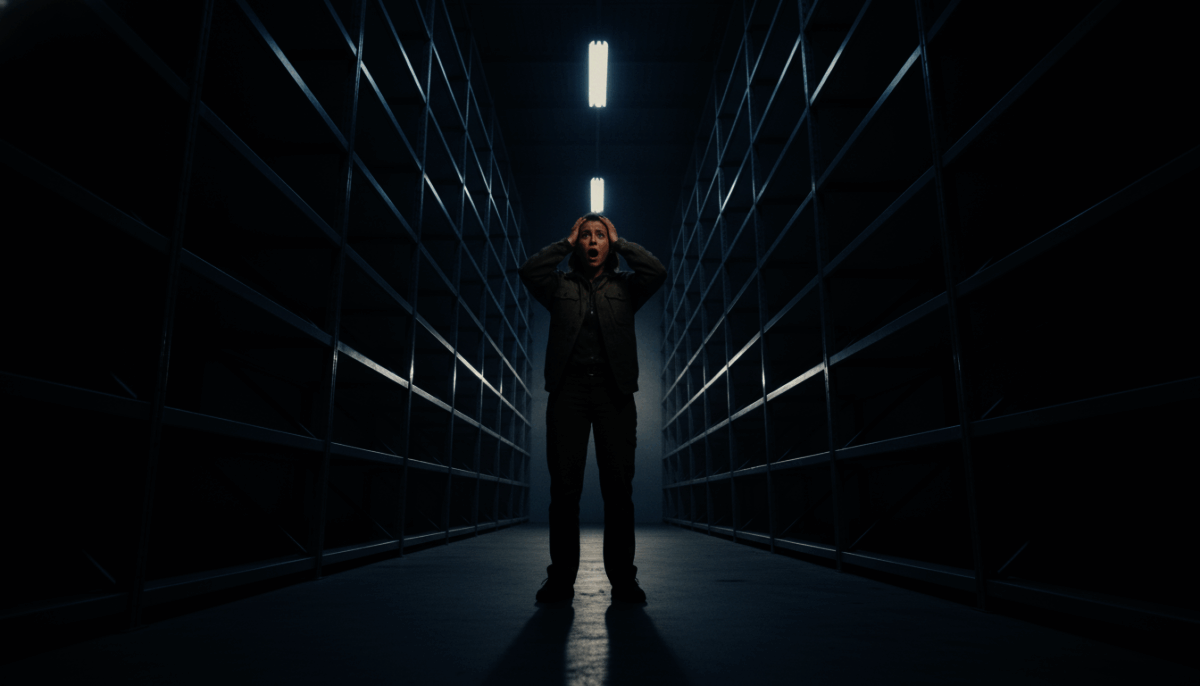
Standing in the center of the locker, I felt a physical sickness. I checked the unit number three times, sure that I had somehow wandered into the wrong hallway. But the dust patterns on the floor were familiar, and the specific label I had placed on the doorframe was still there, mocking me. My canvases, some of which had been insured for thousands of dollars due to their exhibition history, were completely gone.
I immediately called the facility manager. I expected to hear about a break-in, perhaps a security breach that would trigger my insurance policy. Instead, the manager sounded apologetic but confused. ‘Your parents stopped by last week,’ he said. ‘They had a key. They brought a truck. They said you had authorized the removal because you were moving to Europe permanently. They even had a signed note.’ My heart sank. I hadn’t moved to Europe. I had just been away for a month.
My hands were shaking as I dialed my mother’s number. I was expecting an explanation, a misunderstanding, perhaps a confused panic. What I got was an dismissive, breezy attitude that made my blood run cold. She treated the emptying of my unit as if it were a spring cleaning exercise I had simply forgotten to appreciate.
“Oh, stop being so dramatic. We were just helping you out. Those paintings were just sitting there collecting dust, and your brother really needed this cruise for his mental health. It’s a family effort, isn’t it?”
— My Mother, during our first phone call
I stood there, the reality of the situation crashing over me. They hadn’t just ‘cleaned’ the space; they had liquidated my inventory. My early works, my study pieces, and my award-winning oil paintings were likely sold to antique dealers or dumped at a local flea market for pennies on the dollar, all to pay for a luxury cruise for my brother, who had been unemployed for the better part of a year.
The sheer lack of respect for my profession was staggering. They didn’t see art; they saw inventory. They didn’t see years of labor; they saw a ‘vacation fund.’ As I walked out of the facility, I realized that the art wasn’t just gone; my sense of safety within my family had been permanently dismantled. I had been exploited by the very people who claimed to be my biggest fans.
The Confrontation at the Sunday Dinner Table

I didn’t wait to see them. I showed up at my parents’ house on Sunday, knowing full well that the entire family would be there. I wanted the truth, and I wanted it in front of witnesses. The house smelled of roasted chicken, a scent that now made me nauseated. My brother was sitting on the couch, looking tanned and refreshed from a trip he hadn’t yet taken, bragging about his upcoming itinerary.
As I walked into the kitchen, the conversation died instantly. My father looked up from his newspaper, his expression shifting from casual boredom to mild annoyance. He clearly thought I was there to apologize for the ‘scene’ I had caused on the phone earlier. I didn’t give him the chance to speak first. I laid out the financial loss, the emotional devastation, and the absolute breach of trust.
“You sold my work. My career. My paintings that have been in galleries. You sold them at a flea market for less than the cost of a frame, just so Kyle could sit on a boat for a week. How could you?”
— My confrontation in the kitchen
My brother, Kyle, looked up, genuinely confused. He didn’t even seem to realize the money had come from my work. He thought it was an ‘inheritance advance.’ The lack of awareness was almost more painful than the theft itself. My mother, meanwhile, doubled down, playing the victim card, claiming that I was ‘selfish’ for wanting to keep my art while my brother was ‘struggling’ in life.
The argument escalated quickly. My father stood up, trying to physically intimidate me, telling me that I was a child living in a fantasy world. They kept insisting that because I was their daughter, they had a ‘right’ to my belongings. It was a terrifying glimpse into their warped sense of ownership. They viewed me as an extension of themselves, not as an individual with my own life and professional boundaries.
I left that house not with an apology, but with a firm ultimatum: pay back the value of the paintings within 30 days, or I would involve the authorities. My father laughed. He thought I was bluffing. He thought the ‘family’ bond was stronger than my need for justice. He was about to find out how wrong he was.
The Price of a Sibling’s Vacation
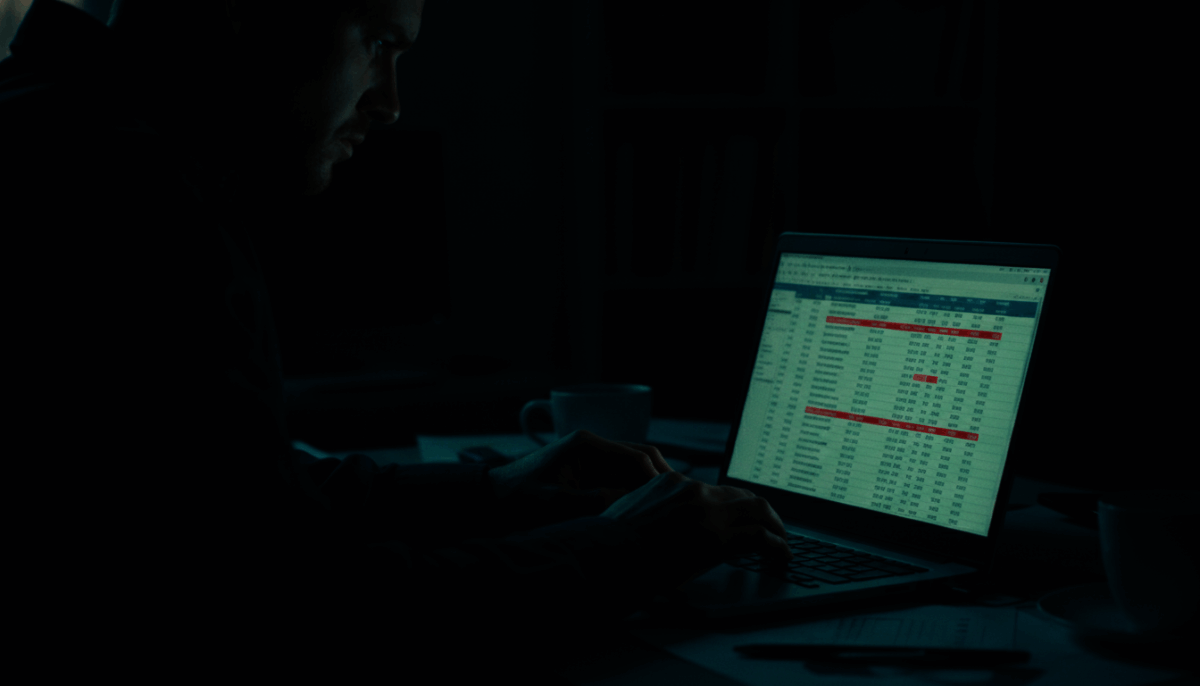
After the confrontation, I began the grueling process of tallying the damage. I had a spreadsheet of every piece, its dimensions, the materials used, and the prices at which they had previously sold. The total was staggering. When I accounted for the current market value of the pieces sold, the ‘cruise money’ my parents had generated was a fraction of what those paintings were actually worth.
I started receiving texts from my brother, who was apparently ‘hurt’ that I was threatening our parents. He had no idea the source of the money, or he was choosing to remain willfully ignorant. His messages were a masterclass in gaslighting, attempting to paint me as the villain for being ‘materialistic’ about my art while he was trying to ‘find himself.’
“I don’t know why you’re being so cold. Mom and Dad are just trying to help me get back on my feet, and they said you have plenty of other art anyway. Why can’t you just be happy for me for once?”
— Text from Kyle, my brother
The irony was suffocating. He was talking about me being ‘cold’ while he was currently planning a vacation funded by the literal destruction of my professional livelihood. I didn’t reply to him. I was busy gathering evidence—emails from the storage facility, statements from my gallery contacts, and even a screenshot of a post a local flea market seller had made, showing one of my paintings propped up against a cardboard box.
I realized then that my parents were not just enabling my brother; they were actively sacrificing me to ensure he stayed dependent on them. It was a toxic cycle, and I was the one paying the bill. I reached out to a lawyer, not because I wanted to be petty, but because I needed to establish that my work was my own. The legal advice was stark: if I didn’t press charges, I was essentially condoning the theft.
Every day was a battle against the urge to just ‘move on’ and keep the peace. But the peace had already been shattered. The silence in my studio was a constant reminder that my work had been liquidated. I knew that if I didn’t force the issue, they would continue to treat my life like a personal piggy bank. The countdown had begun, and the tension in the family was reaching a breaking point.
The Reddit Verdict: Echoes of Solidarity
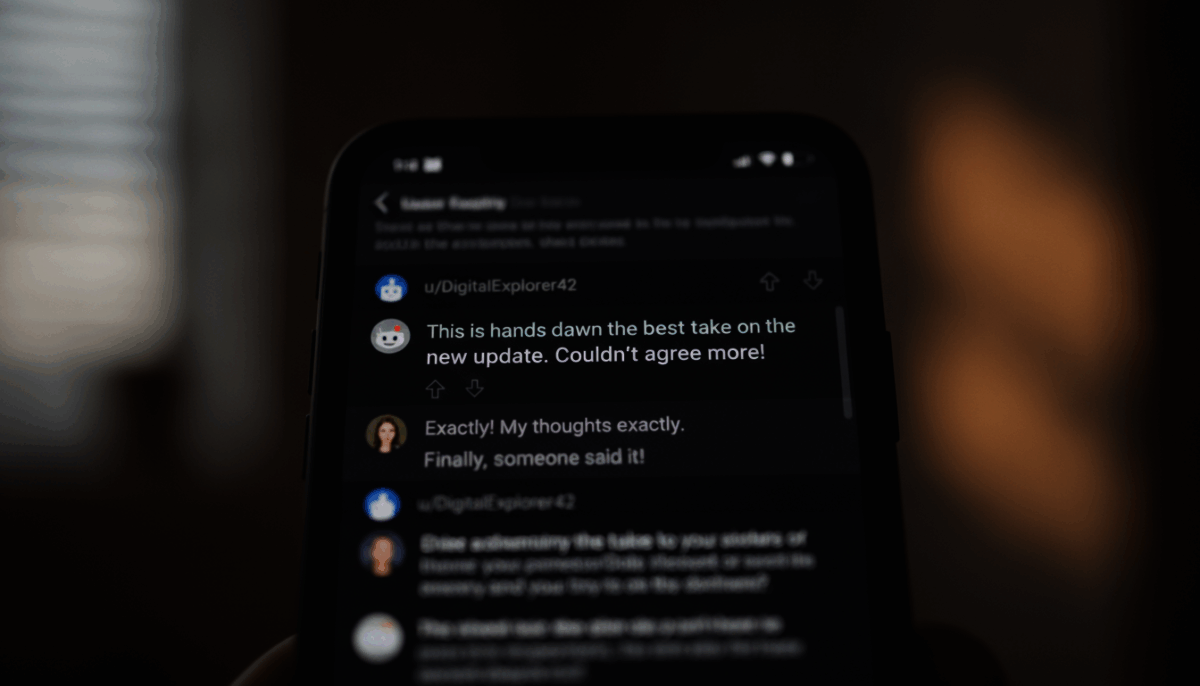
I posted my story to an advice forum, not expecting much. I needed to see if I was losing my mind, or if my sense of betrayal was actually justified. Within minutes, the response was overwhelming. The internet, often a harsh place, rallied behind me with a ferocity I hadn’t expected. The consensus was clear: what my parents did was theft, pure and simple.
The comments sections were filled with people sharing similar stories of ‘golden child’ favoritism and parental boundary violations. It was comforting to know I wasn’t alone, even as the specific details of my story continued to trend. The outrage was palpable, and the advice was practical, leading me to file a police report against my parents.
“This isn’t just ‘family drama.’ This is grand larceny. Your parents committed a crime. The fact that they are your parents makes it a betrayal, but the law doesn’t care about your bloodline. Get a lawyer, freeze their access to everything, and press charges immediately.”
— u/LegalEagleEye (Top Comment, 32.1k upvotes)
Another user noted the psychological impact of being treated as a secondary child. ‘The way they treated your art as disposable shows they never valued your career—only what they could extract from it. This is a pattern, and it will not change until you enforce a hard boundary.’ The validation was exactly what I needed to stop doubting my decision to go public and go legal.
There were, of course, the dissenters—the ‘family is everything’ crowd who suggested I was overreacting. But their voices were drowned out by the thousands who understood the violation of having one’s life’s work sold for a cruise. The community support gave me the backbone to stop engaging with my parents’ manipulative texts and focus on the cold, hard reality of the police report.
Reading the comments, I felt a weight lift. I wasn’t the selfish artist; I was an entrepreneur whose property had been stolen. The shift in perspective allowed me to stop viewing my parents as authority figures and start viewing them as defendants. The process was no longer about ‘fixing the family’; it was about reclaiming my agency.
The Police Report That Changed Everything
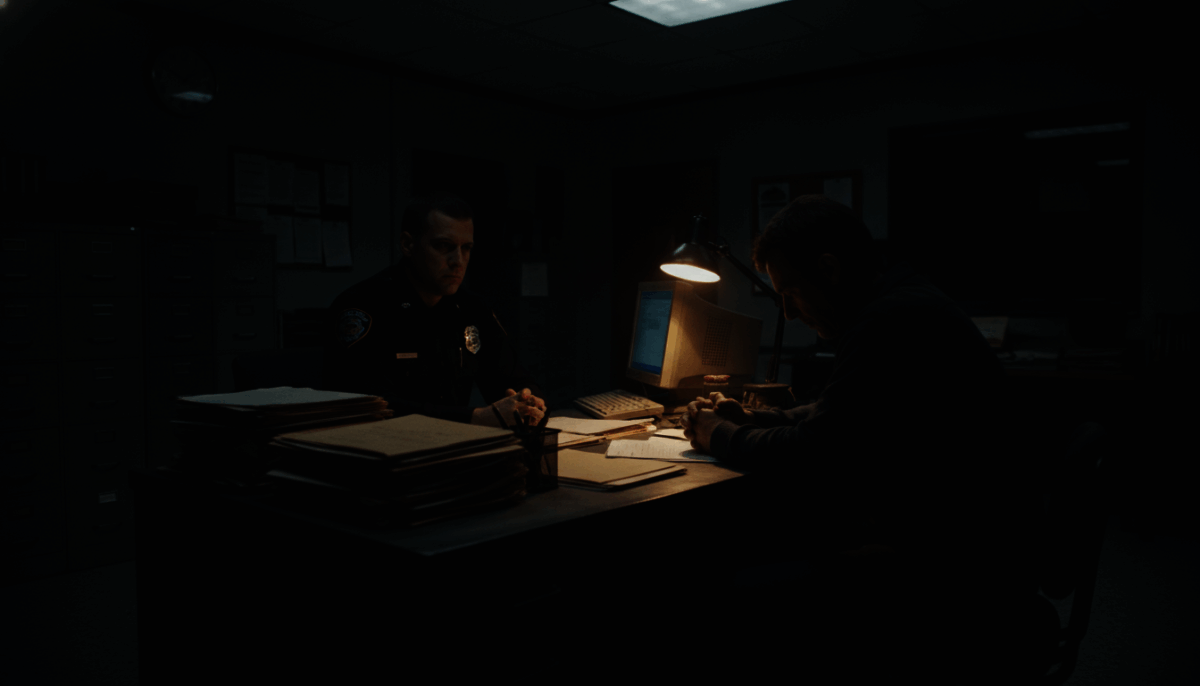
When I walked into the local police station, I felt a strange sense of calm. The officer behind the desk listened patiently as I laid out the timeline. When I mentioned the storage facility, the key, and the unauthorized removal, his expression turned serious. ‘This isn’t a civil matter,’ he said, ‘this is theft, and potentially conversion of property.’ He guided me through the statement process, and I provided every piece of evidence I had collected.
The next day, my father called. He was furious, his voice cracking with a mixture of fear and rage. He had received a visit from the police. He couldn’t believe I had actually gone through with it. He spent the entire call trying to justify his actions, repeating the same tired lines about ‘family’ and ‘helping each other out’ that had stopped working weeks ago.
“You’ve ruined us! The police were at the house! Do you have any idea how this looks? You’re going to destroy your brother’s future over some old canvases? You’re acting like a spoiled brat!”
— My Father, over the phone
I didn’t argue. I didn’t defend myself. I just listened to him unravel. ‘This is about the value of the paintings, Dad. You stole them. You sold them. And now you have to answer for it.’ I hung up before he could finish his rant. For the first time in my life, I felt like the adult in the room. I had stopped playing their game of emotional manipulation and started operating on the terms of reality.
The fallout was immediate. My extended family started calling, some siding with me, others trying to play mediator. I cut them all off. I wasn’t interested in being the subject of family gossip or the target of guilt trips. I was in full protection mode, focusing on my recovery and my legal standing. My parents were no longer my support system; they were a threat.
The police report acted as a catalyst. It forced my parents to face the consequences of their actions in a way that my pleas never could. It wasn’t about the money anymore; it was about the principle. I had been violated, and I was going to ensure that there was a record of it. The path forward was difficult, but it was clear.
The Total Collapse of the Golden Child Narrative
Kyle was the one who ultimately broke under the pressure. When the police reached out to him regarding the cruise tickets—which were bought with the proceeds of my art—he realized that his ‘vacation’ was now evidence of a crime. He called me, weeping, trying to shift the blame onto our parents, claiming he didn’t know the money was stolen.
I told him the truth: ignorance was no longer a defense, and he was just as culpable for accepting the stolen goods as they were for selling them. The dynamic between us, which had always been tilted in his favor, had fundamentally shifted. He was no longer the golden child; he was a co-conspirator. The realization was devastating for him, but it was the reality he had helped create.
“I’m sorry, okay? I just wanted a break. I didn’t know they sold your work. I thought they had a bonus or something. Please, don’t make me go to court. I can’t handle this.”
— Kyle, during a panicked phone call
I didn’t offer him comfort. I told him he needed to speak to a lawyer and that I was not going to withdraw my complaint. He had spent his whole life watching me work while he took, and this was the final, inevitable outcome of that dynamic. The entitlement had finally hit a brick wall, and it was crushing everything in its path.
My parents, realizing that Kyle was no longer the protected prince, tried to turn on me with even more ferocity. They claimed I was ‘tearing the family apart,’ as if the family hadn’t already been torn apart the moment they broke into my locker. They were desperate, clinging to a version of reality that didn’t exist anymore.
I watched from a distance as their carefully constructed facade of a perfect family crumbled. It was painful, but it was necessary. The codependency had been the fuel for our family’s dysfunction, and watching it burn out felt like a strange kind of cleansing. I was finally free from the expectations that had kept me tethered to their toxic needs.
Why the Sunday Dinner Table Went Completely Silent
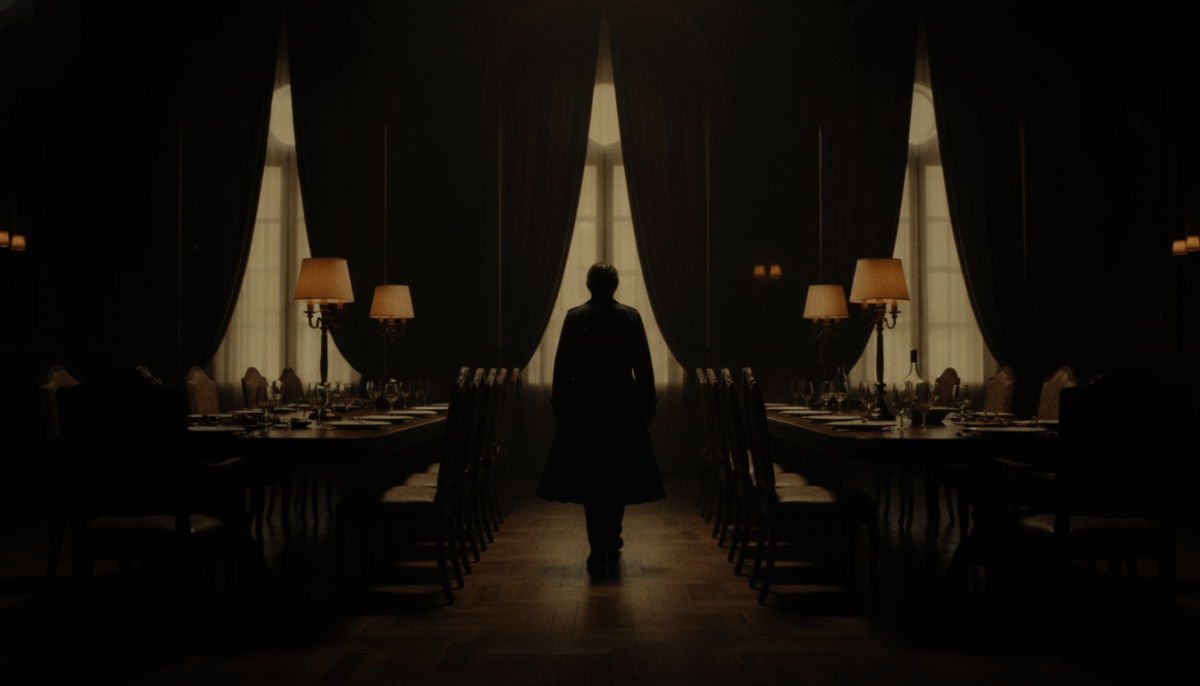
The final blow to our family unit happened at a mandatory family gathering where my parents tried to force a ‘reconciliation.’ They had invited me over under the guise of an apology dinner, but it was clear from the moment I walked in that it was an ambush. The atmosphere was stifling, and my parents were trying to act as if everything was back to normal.
They had prepared a grand meal, and my brother was there, looking thin and pale. They wanted to move past the ‘incident’ and get back to being a family. I sat at the table, watched them serve the wine, and listened to them talk about my brother’s ‘misunderstanding’ of the situation. They were waiting for me to play my part, to be the forgiving child who would brush it all under the rug.
“Let’s just put this behind us. We’re family. We’ve all made mistakes. Can we just have one dinner without talking about the lawyers?”
— My Mother, trying to smooth things over
I looked at them, then at the empty seat where my art should have been, metaphorically speaking. I realized that they had no intention of apologizing for the theft; they were only apologizing for the consequences. I stood up, pushed my chair back, and looked them each in the eye. I didn’t shout. I didn’t cry. I spoke with a calm, cold finality that left the room in total, deafening silence.
I explained that the betrayal wasn’t the stolen items, but the complete lack of respect for the person I had become. I told them that I would not be returning to these dinners, that I would not be participating in their version of family, and that the legal process would continue until there was some semblance of restitution. The silence that followed was heavy, broken only by the sound of a clock on the wall.
They looked at me with confusion, then anger, then finally, a hollow despair. They didn’t understand that they had lost their daughter, not because of a cruise or a crime, but because they had never truly known her. I walked out of the house, leaving the food untouched. That was the last time I ever saw them.
The Financial Ledger of a Broken Trust
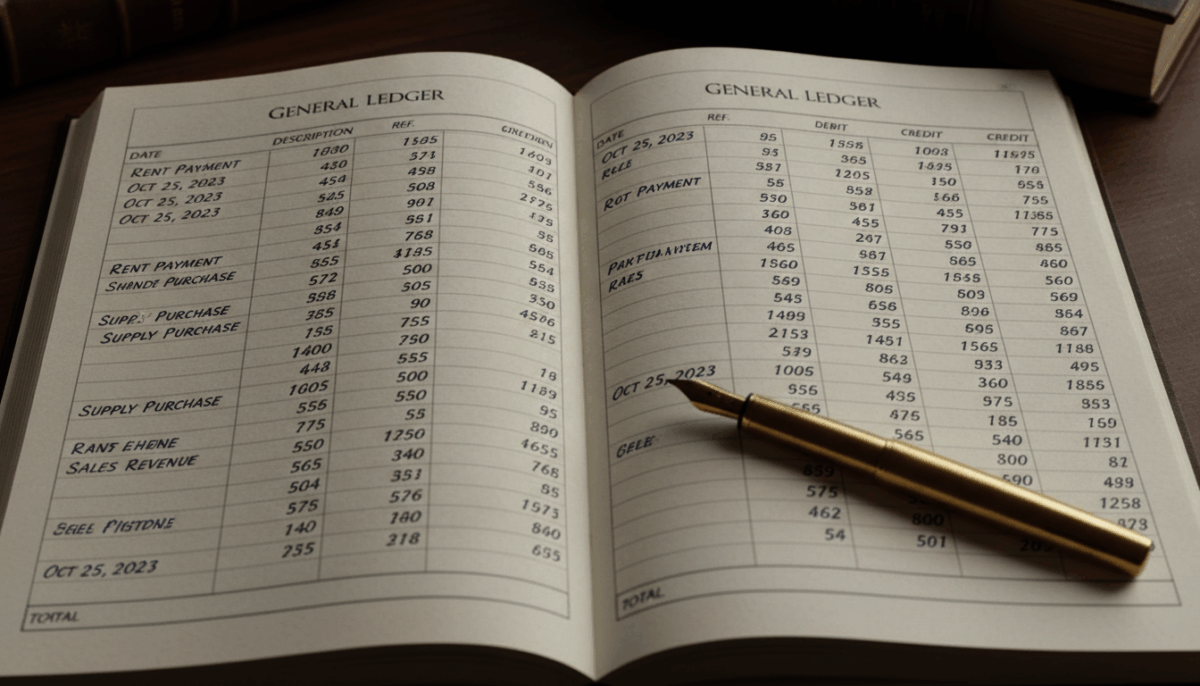
In the aftermath, I had to quantify the damage in a way that felt almost surgical. I created a ledger—not for my parents, but for myself—to understand the true cost of my ‘family.’ It wasn’t just the price of the canvases; it was the cost of the storage, the lost time, the legal fees, and the emotional toll of the entire ordeal. The numbers were stark.
| Category | Estimated Loss | Impact |
|---|---|---|
| Market Value of Art | $22,500 | Lost inventory/career setback |
| Legal/Consulting Fees | $4,200 | Necessary recovery costs |
| Storage Facility Fees | $1,800 | Paid for lost protection |
| Emotional/Therapy | $3,000 | Recovery from trauma |
Seeing these figures on paper made the situation feel tangible. It was no longer a vague sense of sadness; it was a clear, quantifiable loss. My parents had effectively stolen nearly $30,000 from my future to fund a week of leisure for my brother. The math of the situation was the final argument I needed to justify my decision to go no-contact.
I showed this ledger to my lawyer, who used it as a basis for the civil claim. It wasn’t about getting the money back—I knew I likely never would—it was about the process of accounting for what had been taken. It was a way of declaring that my life and my work had value, regardless of what my parents thought.
The ledger became a symbol of my independence. Every time I felt the urge to reach out or to forgive, I looked at those numbers. They reminded me that this wasn’t just a ‘family spat’; it was a calculated liquidation of my assets. The numbers were cold, but they were honest, and they helped me move forward.
Rebuilding an Artist’s Life from the Ashes
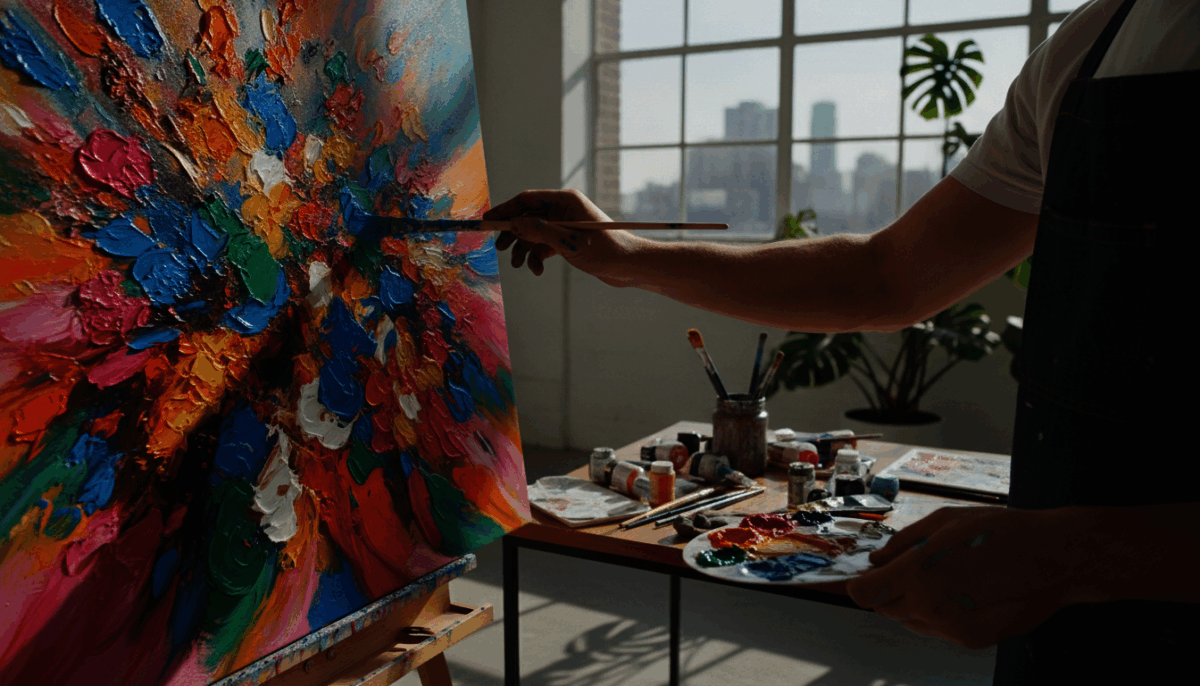
After the dust settled, I had to figure out how to paint again. The studio was empty, my archives were gone, and my trust in the world was shattered. I moved to a new city, far away from my parents and the memories of the storage facility. I started with a blank canvas, not figuratively, but literally. I had no reference material, no old sketches, just the present moment.
The first few weeks were difficult. Every time I picked up a brush, I was reminded of what I had lost. But then, something changed. I started to paint the anger, the betrayal, and the confusion. The work became raw and honest in a way it had never been before. I wasn’t painting for galleries or for my parents’ approval; I was painting for myself.
I found a new community of artists who didn’t care about my family history. They cared about the work. They encouraged me, challenged me, and reminded me why I started in the first place. My art began to evolve, becoming bolder and more personal. The loss of my old work had been a tragedy, but it had also been an opening.
I still occasionally feel the phantom limb of those missing canvases. But then I look at what I’m creating now, and I realize that the old work was just the beginning. I had been holding onto it, protecting it, when I should have been moving on. The theft forced me to evolve, to let go of the past and commit to the present.
I am no longer the daughter who seeks approval at Sunday dinners. I am an artist who defines her own value. I have built a new life, one that is entirely my own, and it is more beautiful than anything I could have captured on those lost canvases. The journey was long and painful, but it led me to the person I was always meant to be.
The Certified Letter That Changed Everything
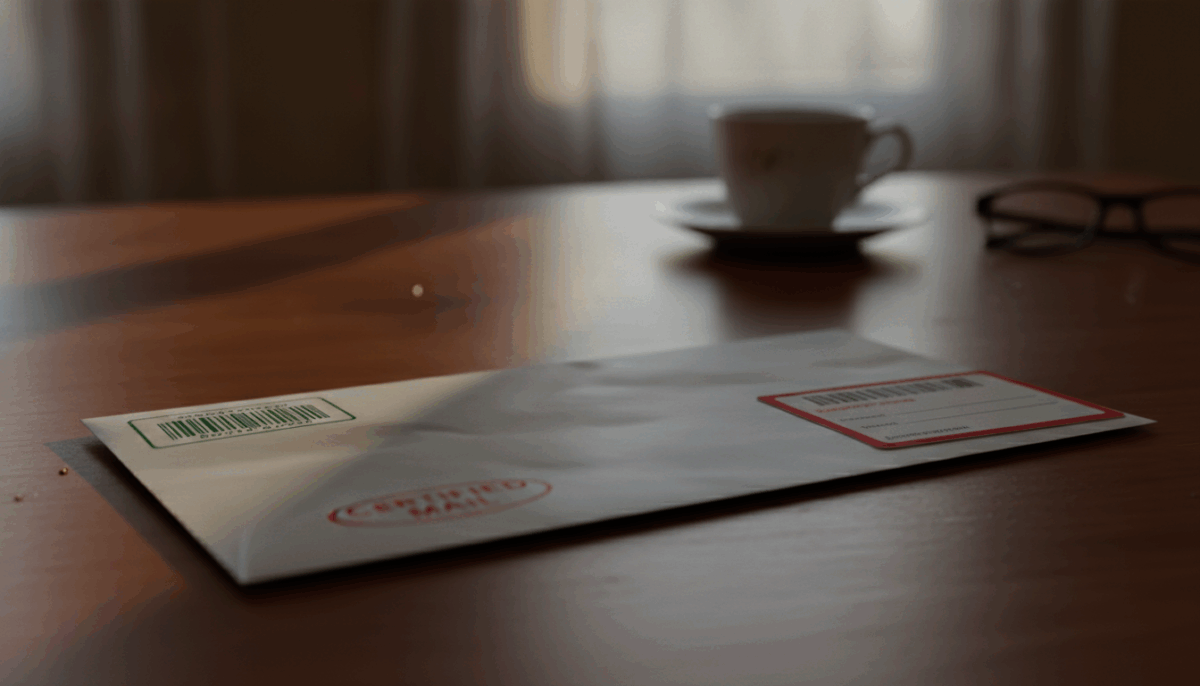
Months later, a certified letter arrived at my new address. It was from my parents’ lawyer. They were trying to settle the civil suit, offering a fraction of the value as a ‘goodwill gesture’ if I dropped the charges and signed a non-disclosure agreement. It was their final attempt to silence me, to sweep the entire history under the rug.
I read the letter with a sense of detachment. It was so transparent, so typical of their way of operating. They didn’t want justice; they wanted to minimize the damage to their reputation. They were terrified of the public fallout, terrified that their friends and family would find out what they had done. They were trying to buy my silence, just as they had tried to buy my brother’s happiness.
“This offer is made in good faith to resolve the matter and preserve the family reputation. We trust you will see the wisdom in putting this behind us and moving forward with the support of your family.”
— From the letter sent by my parents’ lawyer
I called my lawyer and instructed them to reject the offer. I didn’t want their money, and I certainly didn’t want their silence. I wanted the truth to remain available, and I wanted them to know that I could not be bought. The rejection of that offer was the final, definitive step in my journey toward total autonomy.
I sent back a counter-offer: full restitution plus legal fees, or the case would proceed to court. I knew they wouldn’t pay it, and that was exactly the point. I wanted to force them to continue to see the cost of their actions. I was no longer playing their game; I was changing the rules.
The letter sat on my desk for a few days, a reminder of the path I had chosen. I felt no fear, no regret. I was standing on solid ground, and for the first time, I felt like the author of my own story. The past was behind me, and I was looking forward to a future where my work and my boundaries were respected.
Conclusion
Reflecting on this ordeal, I realize that the theft of my paintings was not just a financial crime; it was a wake-up call. It forced me to strip away the expectations and the toxic patterns that had governed my life for so long. The art I lost is gone, but the resilience I gained is permanent. I learned that true family is not a requirement of blood, but a choice of mutual respect and boundaries.
To anyone currently caught in a similar cycle of entitlement or boundary violation: your work, your space, and your life have intrinsic value that no one—not even your parents—has the right to liquidate. Protect your boundaries with the same passion you protect your dreams. You are the only one who can truly value what you have built.
I am now completely no-contact, and my art has never been better. The silence from my family is no longer deafening; it is peaceful. What would you have done in my position? Would you have pressed charges against your own parents, or would the pressure to keep the peace have been too high? Share your thoughts in the comments below.
What's your verdict on this dilemma?
Vote below to contribute to the official community consensus.

Have a Dilemma Keeping You Up at Night?
Share your real-life feud, wedding chaos, or relationship crossroads anonymously with our editorial team.
What do you think ?
0 Comments🛡️ Comments are moderated to protect community integrity. Your comment will appear once approved by the editorial team.