
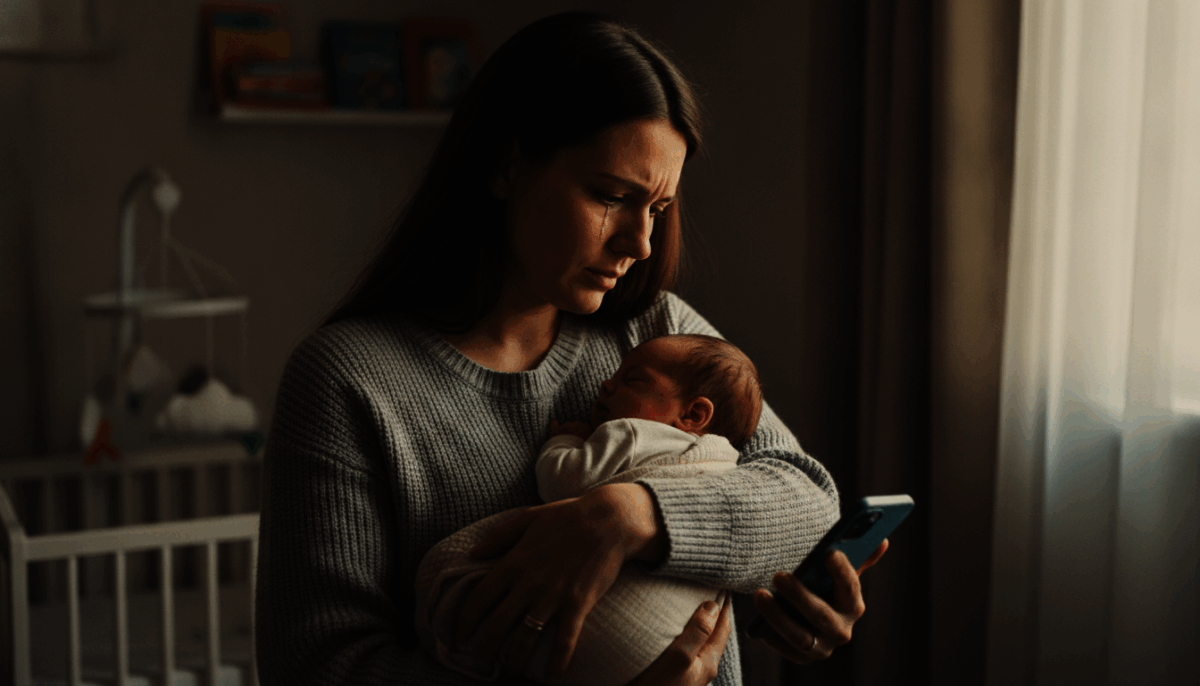
Naming a child is perhaps the most significant gift a parent can bestow. It is a decision fraught with tradition, personal meaning, and years of careful deliberation. For me and my partner, selecting the name ‘Oliver’ for our son wasn’t just about the sound or the popularity; it was a tribute to my late grandfather, a man who shaped my childhood with stories and unconditional support. We kept the name a secret until the hospital delivery room, wanting the announcement to be a private, joyous moment shared with our closest circle.
However, what should have been the happiest week of my life turned into a nightmare of manipulation and bizarre entitlement. Within forty-eight hours of my son’s birth, my sister, Chloe, arrived at my home not with flowers or diapers, but with a demand that felt like a slap in the face. She insisted that I legally change my newborn’s name because she had recently named her new golden retriever puppy ‘Oliver,’ and she felt that my son having the same name would ‘confuse her dog’s social development.’
The absurdity of the situation cannot be overstated. I initially laughed, thinking she was pulling a cruel, sleep-deprived prank. But as the minutes ticked by and her face remained stone-cold, I realized she was entirely serious. This wasn’t a joke; it was a power play in a lifelong history of sibling competition that had finally crossed the line into the unforgivable. This is the story of how a puppy changed the course of my family dynamic forever.
This narrative isn’t just about a name. It’s about the erosion of boundaries, the expectation of submission, and the moment I finally drew a line in the sand that I knew I could never cross back over. When a family member prioritizes a pet over a child, the fallout is inevitable. Here is how I walked away from the chaos to protect the peace of my small family.
The Hospital Room Confrontation
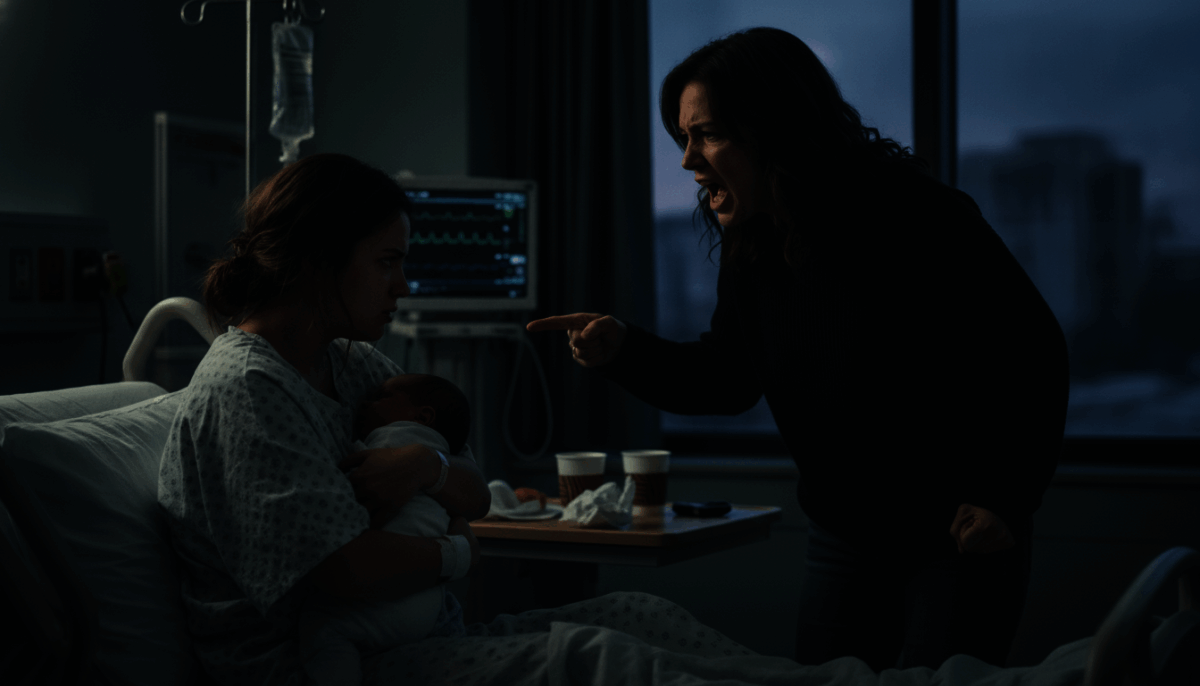
The air in my hospital recovery room was thick with the scent of lilies and sterile antiseptic. I was exhausted, recovering from a long labor, and utterly enamored with the tiny, swaddled bundle resting in my arms. My husband, Mark, was dozing in the uncomfortable recliner next to me. When Chloe burst through the door, her energy was frantic, lacking the warmth one expects from a new aunt. She didn’t look at the baby; she looked at me with a singular, sharp intensity.
She didn’t offer congratulations. She sat on the edge of the bed and sighed, looking at her nails before speaking. ‘I saw your Instagram post,’ she said, her voice dripping with irritation. ‘You cannot be serious with the name. You know I just got that puppy last week. I named him Oliver. You’re effectively stealing his name.’
I stared at her, my heartbeat quickening. I tried to maintain a calm exterior, though my head was pounding. ‘Chloe, I’ve been talking about naming my child Oliver for six months. You knew this. You didn’t even have a dog until a week ago. How is this even a conversation?’
“I don’t care about your planning. My dog is already responding to the name. It’s bad enough we’re in the same family, but now people are going to think I’m copying you, or worse, that your baby is an afterthought to my dog. Change it.”
— Chloe, in the hospital room
I looked over at Mark, who had finally woken up, his expression shifting from confusion to cold, hard defense. He stood up, towering over the small space. ‘Chloe, you need to leave. My wife is recovering, and we are not changing our son’s name for a golden retriever. Please, get out now.’
She didn’t leave quietly. She stormed out, shouting into the hallway about how selfish I was. The nurses glanced in, and for the first time in my life, I didn’t feel ashamed of her behavior. I felt a strange, chilling clarity. This was the end of the line for me.
The Escalation in the Family Group Chat
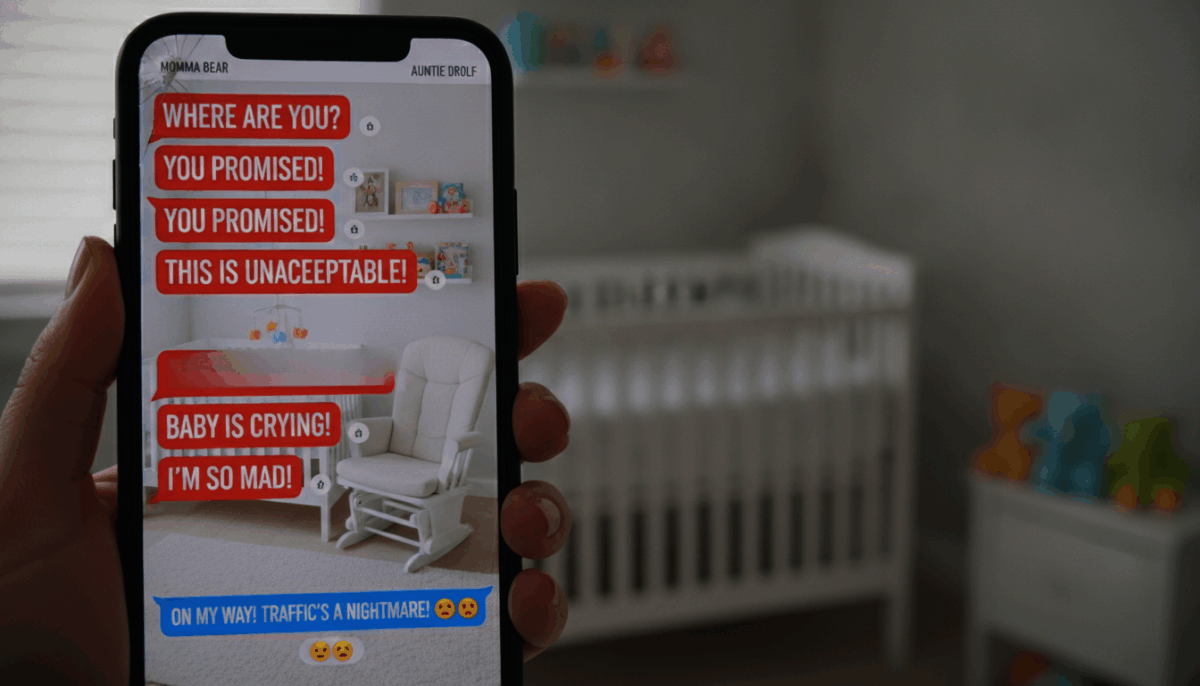
By the time we got home from the hospital, my phone was vibrating incessantly. Chloe had taken our personal dispute and turned it into a public spectacle, dragging our parents and cousins into a digital war zone. She had spun the narrative to make it seem as though I was the one being petty, claiming that I knew about her puppy’s name and chose it specifically to spite her.
The group chat, usually reserved for birthday wishes and holiday planning, became a battleground of accusations. My mother, ever the peacekeeper, was trying to diffuse the situation, but she was only fueling the fire by suggesting we ‘just pick a middle name or a nickname’ to avoid ‘unnecessary drama.’ The exhaustion of new motherhood was being compounded by the relentless buzzing of my phone.
“Seriously, OP? Just call him Ollie or something. Chloe is clearly upset and you’re being the bigger person by changing it. It’s just a name, but it’s causing a rift in our family.”
— My Mother, in the Family Group Chat
I felt my blood pressure rising. I typed a response that I had been drafting in my head for years—a response that didn’t just address the name, but the years of Chloe’s self-centeredness. I didn’t want to be the ‘bigger person’ anymore. I wanted to be a mother who taught her son that his name belonged to him, not to a dog, and not to his entitled aunt.
I watched as my siblings-in-law started taking sides. Some were horrified by Chloe’s demand, while others were simply tired of the noise. I realized then that my family was so accustomed to catering to Chloe that the idea of me saying ‘no’ was perceived as an act of aggression rather than an assertion of autonomy.
I decided to mute the chat. I couldn’t handle the toxicity while trying to feed my newborn and heal. I turned my phone off entirely, looking at Mark. ‘We are done,’ I whispered. He nodded, his hand resting on my shoulder. We were no longer participating in the charade.
The Unannounced 6:00 AM Kitchen Intrusion
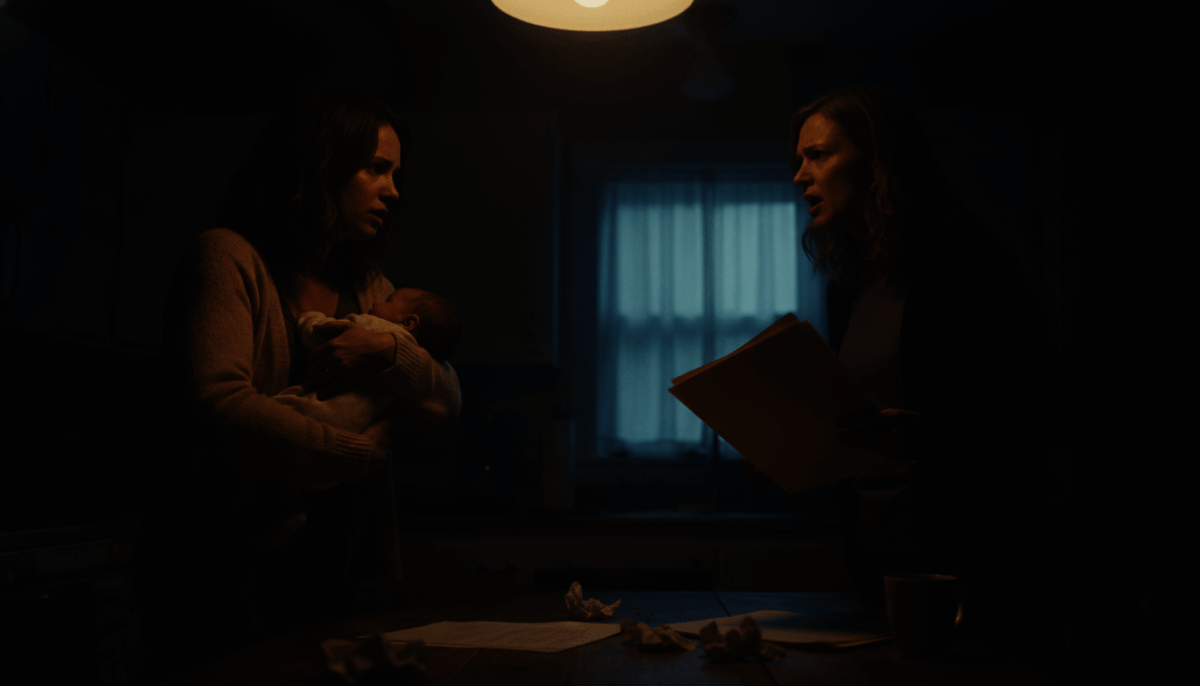
The breaking point came three days later. It was barely dawn, and I was in the kitchen, struggling to get my son to latch while the house was still dark and silent. The sudden sound of a key in our front door lock made me jump so hard I nearly dropped the bottle. I heard the door creak open and then the distinct, heavy footfalls of my sister walking straight into our home as if she owned the place.
I didn’t even have time to cover up before she was standing in the kitchen, holding a leash. ‘I’m not leaving until you sign the paperwork,’ she demanded, waving a printed document—a legal name change form she had apparently downloaded and filled out. The sheer audacity of her walking into my home at dawn to force a name change on my infant was a level of boundary violation I hadn’t thought possible.
I stood up, holding my son close. My voice shook, but not with fear—with an absolute, righteous fury. ‘Get out of my house, Chloe. Right now. If you don’t leave, I am calling the police. Do you understand me? You have no right to be here.’
“I am his aunt! I have every right! You are ruining his life by giving him a dog’s name! Everyone in the family agrees that you are being irrational and selfish!”
— Chloe, screaming in the kitchen
I didn’t argue. I didn’t try to reason with her. I simply walked to the landline and dialed 911, keeping my eyes locked on hers. Her bravado shattered the moment she realized I wasn’t bluffing. She turned and fled, screaming insults as she ran out the door, leaving it wide open behind her.
The house felt cold, not just from the morning air, but from the realization that my own sister had become a stranger. I sat back down on the kitchen floor, rocking my son, and for the first time, I didn’t cry. I felt a surge of strength. I had protected my home, and I had protected my son. The bridge wasn’t just burned; it was completely demolished.
The Reddit Verdict: A Community Divided
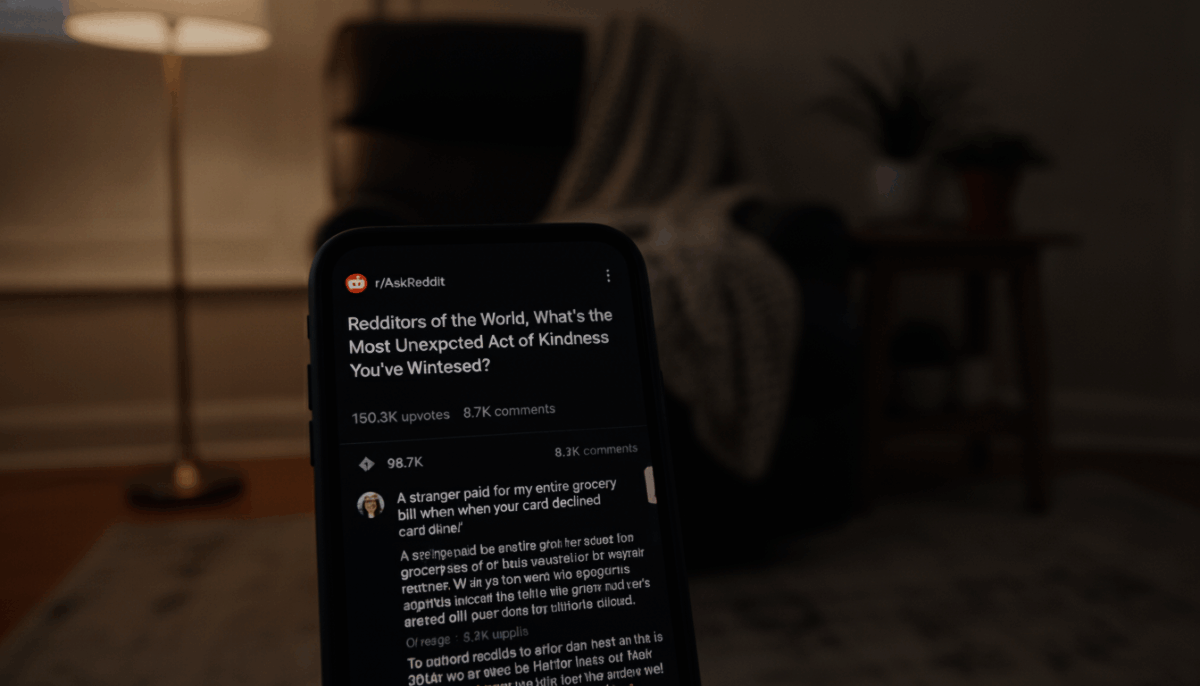
I knew the internet would be a place for validation or destruction, but I needed an objective perspective. I posted the story on a popular subreddit, keeping the details raw and honest. The response was immediate and overwhelming. Thousands of people weighed in, and the discourse was fascinating—a mirror of how society views family, entitlement, and the boundaries of respect.
The overwhelming majority of users were on my side, citing the sheer absurdity of prioritizing a dog over a human. They labeled Chloe’s behavior as classic narcissism. It was comforting to see thousands of strangers recognize the toxicity that my own family had spent years trying to normalize.
“NTA. Your sister is clearly dealing with some kind of main-character syndrome. The fact that she tried to force a legal name change on a newborn because of a puppy is beyond unhinged. Go no-contact immediately. This isn’t just about the name; it’s about control.”
— u/FamilyDramaExpert (Top Comment, 32.1k upvotes)
However, there were dissenting voices. Some suggested that I was being ‘petty’ by not just choosing a different name to ‘keep the peace.’ Those comments were quickly downvoted into oblivion, but they served as a reminder that some people value avoiding conflict over maintaining their own self-respect. Reading through the threads, I saw my own life reflected in dozens of other stories of sisters, brothers, and parents who felt entitled to dictate the lives of others.
The Reddit thread became a source of strength for me. It wasn’t just about the name; it was about the collective acknowledgment that I was not crazy. The gaslighting I had experienced for years—the feeling that my needs were secondary to Chloe’s wants—was finally being dismantled by common-sense strangers.
I spent hours reading the comments, realizing that the ‘family peace’ everyone was so concerned about was actually just a system of emotional tax I had been paying for years. By choosing to step away, I wasn’t just losing a sister; I was gaining my life back. The community consensus was clear: keep the name, cut the contact, and don’t look back.
The Aftermath of Silence
Following the kitchen incident, the silence was deafening. My parents called incessantly, begging me to ‘be the bigger person’ and just apologize for the way I spoke to Chloe. They insisted that she was just ‘distressed’ and that the dog was like a baby to her. Every call felt like a demand for me to betray my own instincts for the sake of an unstable person.
I sent a final, short email to my parents and Chloe. I stated clearly that I would not be changing my son’s name, that I would not be accepting any more uninvited visitors, and that I was taking a step back from the family to focus on my child. I didn’t ask for permission; I set the boundary. The response was a barrage of vitriol that proved I had made the right decision.
The impact on my daily life was profound. I stopped checking the family group chat. I stopped waiting for the next crisis. For the first time, my husband and I were truly alone in our parenting journey, and it was peaceful. We fell into a rhythm of feedings, naps, and quiet walks, unburdened by the drama that had previously defined our existence.
“We are not interested in discussing this further. My son’s name is Oliver. My sister’s dog is named Oliver. There is no confusion, only an unreasonable demand. I am taking space for my family’s mental health. Please do not contact us until you can respect these boundaries.”
— My email to the family
I discovered that grief comes in waves. I wasn’t just mourning the loss of a relationship; I was mourning the idea of the sister I had hoped for. I realized that the person I was trying to please didn’t exist—or rather, the version of her I had built in my head was a fantasy I had clung to while she grew into someone who didn’t respect me at all.
I started therapy to navigate the guilt that my parents kept trying to heap upon me. My therapist helped me realize that ‘no’ is a complete sentence. I had lived my life as a supporting character in Chloe’s drama, and it was time to move to center stage, even if it meant performing the role alone.
The Legal Threat That Never Came
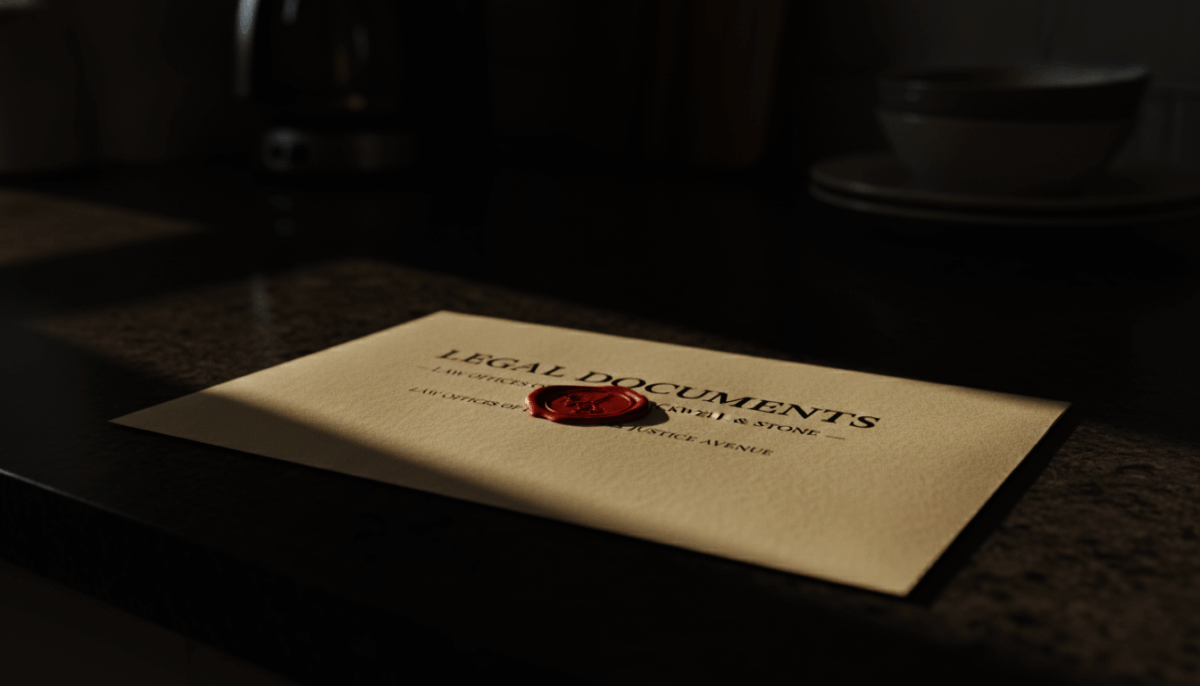
A week after the final email, I received a certified letter from an attorney’s office. My heart skipped a beat, and for a terrifying moment, I wondered if Chloe was actually trying to sue me for naming rights. I opened the envelope with trembling hands, only to find a cease-and-desist letter claiming that my ‘harassment’ of my sister was causing her emotional distress.
The letter demanded that I stop ‘defaming’ her and that I cease all contact with her puppy—a ridiculous clause that made me laugh out loud. It was a bluff, a piece of expensive stationary meant to intimidate me into submission. I consulted with my own lawyer, who essentially told me to burn it. It was a paper tiger, just like Chloe.
I didn’t respond. I kept the document as a memento of how far someone will go to maintain a narrative of victimhood. It was the final, desperate attempt to exert power over me, and it failed. The realization that she was willing to pay a lawyer to force her will upon me was the ultimate validation that she was not a safe person to have around my son.
“It is a pathetic attempt at control. Don’t respond, don’t acknowledge, and don’t give her the satisfaction of seeing you worried. She wants a reaction, and you aren’t going to give her one.”
— My lawyer, over the phone
The incident actually brought me and Mark closer. We had to work as a team, navigating the legal threat and the emotional fallout. We realized that our marriage was strong enough to withstand the external pressure of my family, and that gave us an incredible sense of confidence. We were a unit, and nothing she did could fracture us.
I started to feel a sense of relief whenever I saw a dog named Oliver in the park. It became a funny, ironic reminder of how absurd my sister’s behavior was. I even started calling my son by his name with a little more pride, knowing that no amount of pressure could make me abandon the choice I made for him.
Why I Don’t Regret the Name
People ask me if I regret the name. If I could go back in time and choose something else, would I? The answer is a resounding no. If I had changed the name, I would have signaled to Chloe—and to the rest of the world—that her whims were more important than my child’s identity. I would have set a precedent that I could be bullied into changing my fundamental decisions.
The name Oliver is a symbol of my boundaries. It represents the line I drew when I decided that I was done being the ‘easy’ sister, the one who always bent until she broke. Every time I call my son’s name, I am reminded of the strength it took to stand by that decision. It is a gift of self-respect that I am passing down to him.
I’ve seen the way people treat those who don’t enforce boundaries. They are walked over, taken for granted, and treated like extensions of someone else’s ego. I refuse to let my son grow up in that environment. I want him to know that his name, his life, and his choices are his own, and that no one, not even family, has the right to dictate them.
“You didn’t change the name for the baby, you changed the power dynamic of the whole family. That’s a legacy worth more than any name.”
— A friend’s advice to me
My son will grow up hearing stories about his name—not the story of the puppy, but the story of the grandfather he was named after. That is the only narrative that matters. He is named after a man of integrity and love, not a golden retriever puppy owned by a woman who doesn’t understand the concept of a shared world.
Living my life with that name has brought me a strange kind of freedom. It’s a constant, daily reminder that I can survive the judgment of others. It’s a little piece of armor that I wear every time we leave the house, knowing that I am the one who decided who my son is, and that is a power that belongs to me alone.
The Sunday Dinner That Never Happened
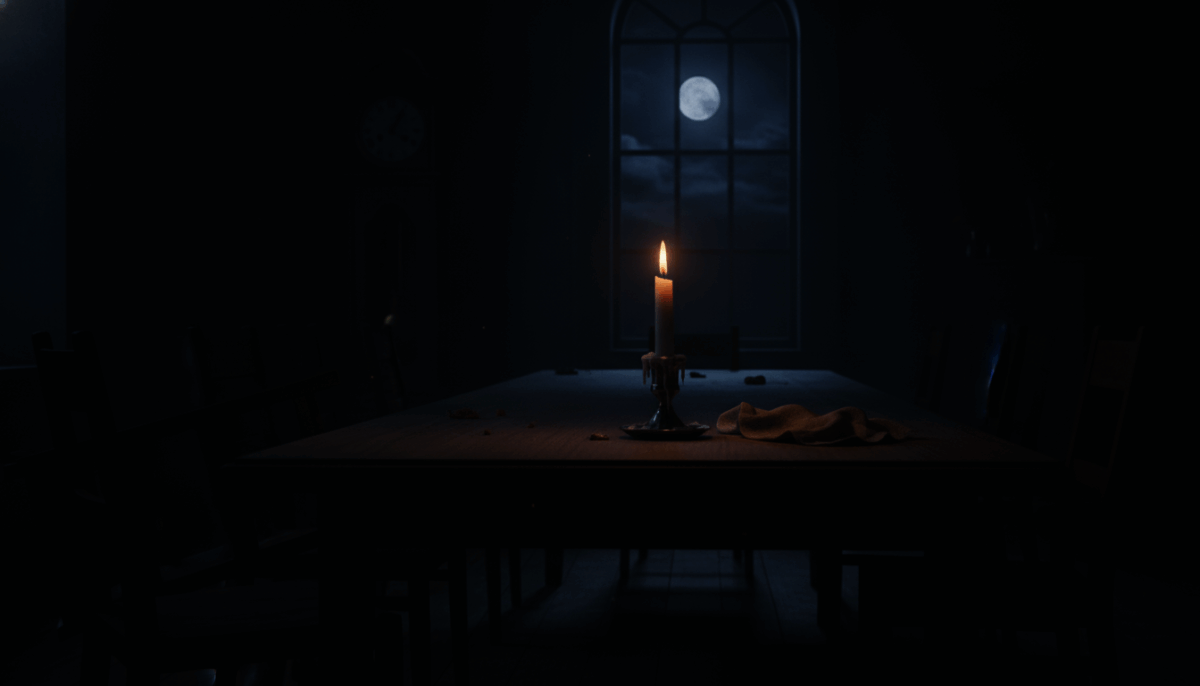
Six months later, my parents invited us to Sunday dinner. They claimed it was a chance to ‘clear the air’ and ‘get back to normal.’ I knew what that meant: they wanted me to apologize to Chloe, pretend the last half-year didn’t happen, and let her back into our lives without her ever acknowledging the pain she caused. They wanted a return to the status quo.
I didn’t go. I sent a polite but firm decline. I knew that if I walked into that house, I would be walking into a trap. I would be subjected to passive-aggressive comments about how I was ‘tearing the family apart’ and how ‘the baby is too young to know the difference anyway.’ I didn’t need that stress.
The fallout was predictable. My mother called me, crying, saying that my absence was ruining the family’s image. I told her that if the family’s image was so fragile that it couldn’t survive one person standing up for themselves, then the image was never real in the first place.
“I am not coming to dinner because I am choosing not to be around people who don’t respect me. If you want to see me, come to my house, but don’t ask me to sit in a room with someone who tried to terrorize my family over a dog.”
— My response to my mother
It was the hardest phone call I’ve ever made, but it was also the most liberating. I was no longer the child trying to earn their approval. I was an adult, a mother, and a person who deserved better. The family dinner went on without me, and I spent the day at the beach with my husband and son, watching the waves roll in.
I realize now that missing that dinner was the final step in my healing process. It was the moment I accepted that I didn’t need my family to validate my life. I had built my own family, and it was healthy, strong, and completely devoid of the toxic expectations that had plagued me for decades.
Reflecting on Toxic Entitlement

Looking back, the entire scenario feels like a fever dream. How does a grown woman decide that her pet’s name is more important than her nephew’s? It speaks to a deep, cavernous insecurity, a need to possess and control everything within her orbit. Chloe wasn’t just mad about the name; she was mad that she didn’t get to choose it for me.
I’ve realized that this wasn’t an isolated incident. There were a hundred small moments before this—the times she borrowed my clothes without asking, the times she made my accomplishments about her, the times she demanded my attention when I was struggling. The puppy was just the final, most visible manifestation of a lifelong pattern of entitlement.
The internet community helped me realize that this is a common trauma for people with narcissistic family members. It’s the ‘death by a thousand cuts’ where you slowly give away your autonomy to keep the peace, until one day you wake up and realize you don’t recognize your own life. Cutting off contact wasn’t an act of cruelty; it was an act of survival.
“Entitlement is a parasite. It doesn’t stop until it consumes everything. You didn’t just save your baby’s name; you saved your own identity from being consumed.”
— Insight from a follower on my story
I feel a strange sense of empathy for her now, but it’s a detached, safe empathy. I hope she finds the help she needs to be happy, but I know that her happiness cannot come at my expense. I’ve learned that I am responsible for my child, my marriage, and my own mental health—and that is a full-time job that leaves no room for other people’s drama.
I am a better mother because I set these boundaries. I am more present, more patient, and more at peace. My son will never know the version of me that was constantly walking on eggshells. He will know a mother who is strong, decisive, and fiercely protective of her own peace. That is the greatest gift I could ever give him.
Lessons from the Puppy Wars
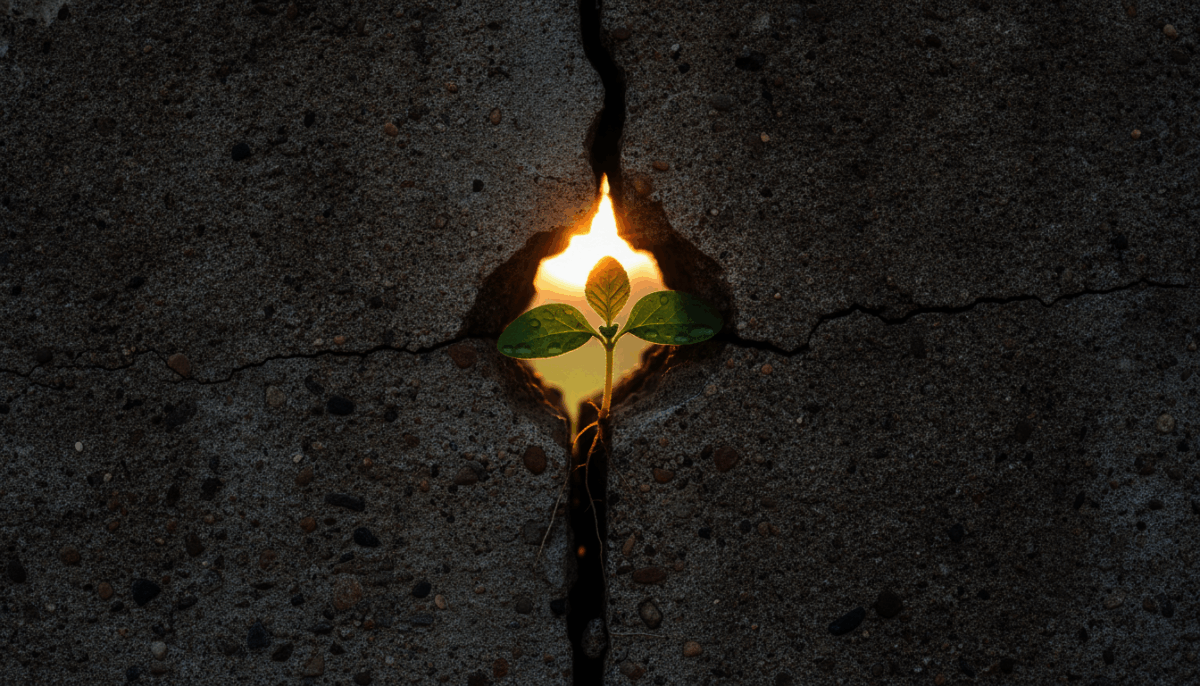
What did I learn? I learned that your family is who you choose, not just who you are related to by blood. I learned that boundaries are not punishments; they are the walls that keep your house standing. I learned that you cannot change toxic people, but you can change how much of your life you give them access to.
The ‘puppy wars’ taught me to trust my gut. When something feels wrong, it is wrong. You don’t need a committee to validate your feelings, and you don’t need to debate your boundaries with people who don’t respect them. If I had spent more time arguing and less time acting, I would still be trapped in the cycle of misery.
I’ve also learned to be more selective with who I share information with. Not everyone deserves to know your plans, your dreams, or your baby’s name. Keeping things private until you are ready to share them is a form of protection. Some people are like weeds; they will try to choke out whatever beauty you try to cultivate.
“Your boundaries are a reflection of your self-worth. When you stop negotiating them, you start living a life that actually belongs to you.”
— Personal reflection
I am now more focused on the people who bring value to my life. My friends, my partner, and my son—these are the people who matter. The rest is just noise. I have stopped feeling the need to explain my actions to people who have no intention of understanding. I am no longer a player in Chloe’s game, and that is the most peaceful place I have ever occupied.
My advice to anyone facing a similar situation? Don’t wait for them to change. They won’t. Don’t hope for an apology that will never come. Just walk away, set your boundaries, and start living your life for yourself. The world is much bigger, and much kinder, once you step out of the shadow of your family’s expectations.
Conclusion
The story of Oliver the baby and Oliver the puppy has become something of a cautionary tale in my extended family. Some still whisper that I was too harsh, that I should have just changed the name to ‘Ollie’ or ‘Liv.’ But every time I hear those whispers, I look at my son, I hear his name, and I know I did the right thing. I didn’t just save a name; I saved my life from being a supporting character in someone else’s ego-driven narrative.
Walking away was the hardest decision I ever made, but it was also the most important. It taught me that my peace is not up for negotiation. If you are currently dealing with a toxic family member who demands you sacrifice your happiness for their comfort, know this: you are not being ‘petty.’ You are being a protector. Protect your home, protect your children, and above all, protect your peace.
What about you? Have you ever had to cut contact with a family member over a boundary violation that felt ‘small’ to others but was the final straw for you? How did you handle the pressure from the rest of your family to ‘keep the peace’? Share your stories in the comments below—let’s support each other in reclaiming our lives.
What's your verdict on this dilemma?
Vote below to contribute to the official community consensus.

Have a Dilemma Keeping You Up at Night?
Share your real-life feud, wedding chaos, or relationship crossroads anonymously with our editorial team.
What do you think ?
0 Comments🛡️ Comments are moderated to protect community integrity. Your comment will appear once approved by the editorial team.