
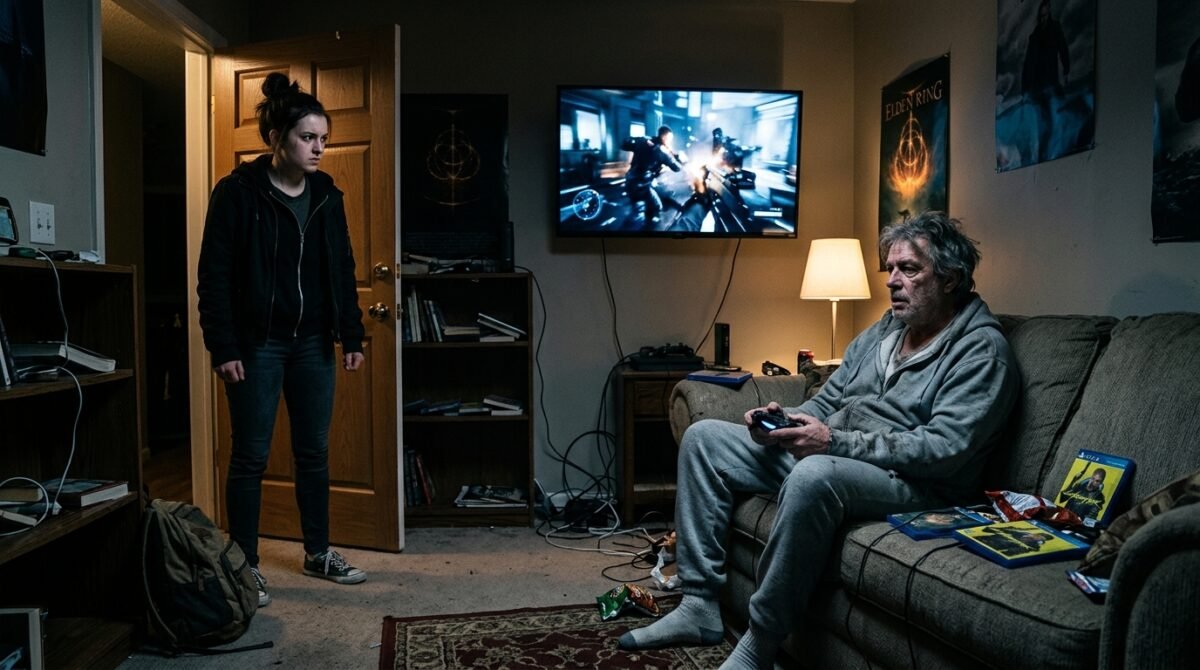
Growing up, my parents always had a softer spot for my brother, Kevin. While I worked three part-time jobs to put myself through college and saved every penny for a down payment on my first condo, Kevin was the ‘free spirit.’ That spirit apparently involved living in their basement until the age of thirty-five, fueled by convenience store snacks and an endless rotation of high-end gaming consoles. I assumed that when I moved out, the distance would act as a buffer against their enabling. I was wrong.
The trouble began when my parents decided to sell their house to ‘downsize’ into a luxury retirement villa that—conveniently—did not allow adult children to move in with their parents. Suddenly, I wasn’t just a daughter; I was the primary solution to a problem they had spent two decades cultivating. They didn’t ask; they told me. They assumed that because I was successful, I was obligated to provide a launchpad for a man who had never held a job for longer than six months.
The moral dilemma here isn’t about helping family; it’s about the erosion of self-respect. My parents viewed my apartment not as my home, but as a transitional facility for a man-child. They argued that because I made ‘good money,’ I didn’t ‘need’ the extra space in my second bedroom. They ignored the fact that the space served as my home office—the very engine that paid my mortgage. The expectation wasn’t just that I host him; it was that I host him for free, including utilities and groceries.
When I finally said no, the reaction wasn’t shock—it was vitriol. I was labeled selfish, cold, and a traitor to the family unit. The ensuing months have been a masterclass in emotional manipulation and boundary-setting. This isn’t just a story about a spare room; it’s about the moment you realize that if you don’t say no, you will be exploited until there is nothing left of your own life to salvage.
The Tuesday Night Ambush at the Dinner Table
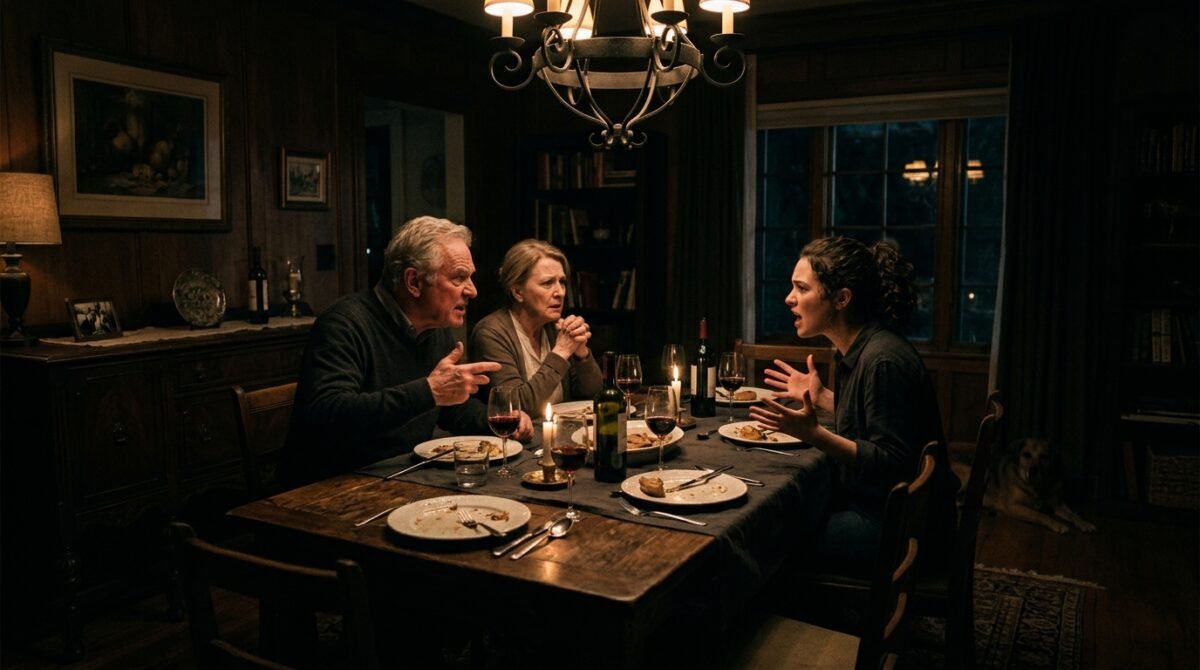
It started over a seemingly innocuous dinner at my parents’ new, smaller apartment. The air was thick with the scent of pot roast, and my mother was being unusually attentive. Kevin sat across from me, his eyes glued to his phone, oblivious to the fact that he was the centerpiece of a strategic conversation. My father cleared his throat, a sound I had learned to associate with impending bad news.
“We’ve had some thoughts about the transition,” my father began, his voice steady. “The villa is lovely, but it’s just not set up for Kevin. He needs a place to land while he finishes his… project.” I stared at him, bewildered. “What project, Dad? You mean the MMO game he’s been playing since 2018?”
My mother sighed, reaching across the table to pat my hand. “It’s a potential career path, dear. It’s an e-sports consultancy. He just needs a stable environment for a few months. Your place is perfect. It’s close to the city, and you have that extra bedroom that’s just sitting there collecting dust.” I felt my pulse quicken. I knew exactly where this was going, and the audacity took my breath away.
“I am not turning my home office into a gaming den for a thirty-five-year-old man. I work from home. I need that space.”
My father scoffed, leaning back in his chair. “You can work from the kitchen table, can’t you? Or that coffee shop you like? It’s not a huge sacrifice to ask you to support your own brother for a few months while he finds his footing. We’ve supported you enough over the years, haven’t we?” The implication was clear: I owed them for my existence, and that debt was now being called in, with interest.
I looked at Kevin, who finally looked up from his phone with a smirk. He didn’t even bother to feign gratitude or humility. He just expected it. That look was the catalyst for the entire disaster that followed. I didn’t yell; I simply set my fork down and realized that the bridge I was standing on was already burning, and it was time to step off.
The Deluge of Passive-Aggressive Text Messages
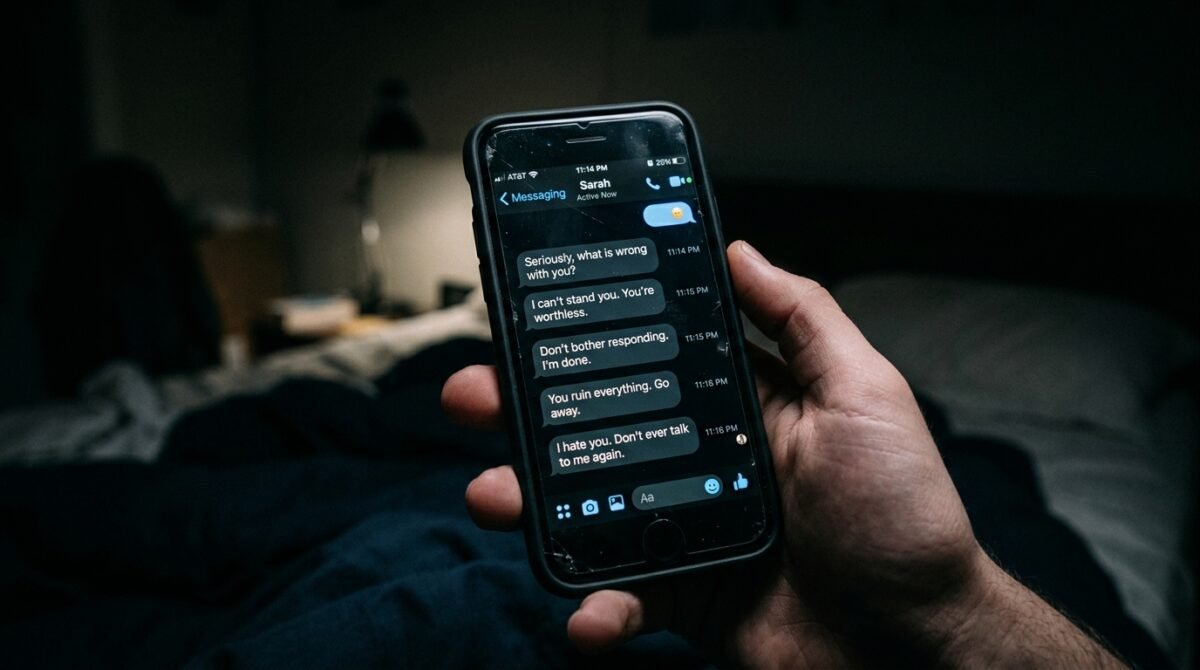
The days following that dinner were a blur of digital harassment. My phone didn’t stop pinging. It wasn’t just my parents; the family group chat, which usually consisted of holiday plans and birthday wishes, became a weaponized feed of guilt and shame. My mother started by sending links to articles about ‘the importance of sibling bonds,’ as if reading a generic lifestyle blog would convince me to surrender my autonomy.
Then came the direct messages from Kevin. They were short, demanding, and utterly devoid of self-awareness. He wasn’t asking for a favor; he was asserting his right to my property. He seemed to genuinely believe that because we shared the same DNA, my hard-earned assets were communal family property. I felt like I was losing my mind, watching the people who raised me treat me like a selfish child.
“Look, sis, don’t be like that. Mom and Dad are stressed, and you’re the only one who can help. Don’t make me sleep in my car. It’s really not a big deal for you.”
— Text Message from Kevin
I responded by stating clearly that I would not be hosting him, under any circumstances, and that my home was not a charity. The backlash was instantaneous. My father called me immediately, screaming that I was heartless and that he didn’t know where he went wrong in raising me. The vitriol was stunning—they were treating me like a criminal for protecting my own living space.
I began to screenshot everything. I didn’t know why at the time, but something told me I would need to prove the level of pressure they were applying. My friends were horrified when I showed them the thread. They told me that I was being gaslit into believing that my boundaries were unreasonable. It was a cold, lonely realization that my family valued their comfort over my well-being.
By the end of the week, I had muted the group chat, but the anxiety remained. Every time my phone vibrated, I jumped. I was essentially being bullied into submission by people I loved, and the pressure was taking a toll on my mental health. I couldn’t sleep, and my work performance was suffering. I was at a breaking point, and I hadn’t even let him in the door yet.
The Midnight Visit and the Locked Door
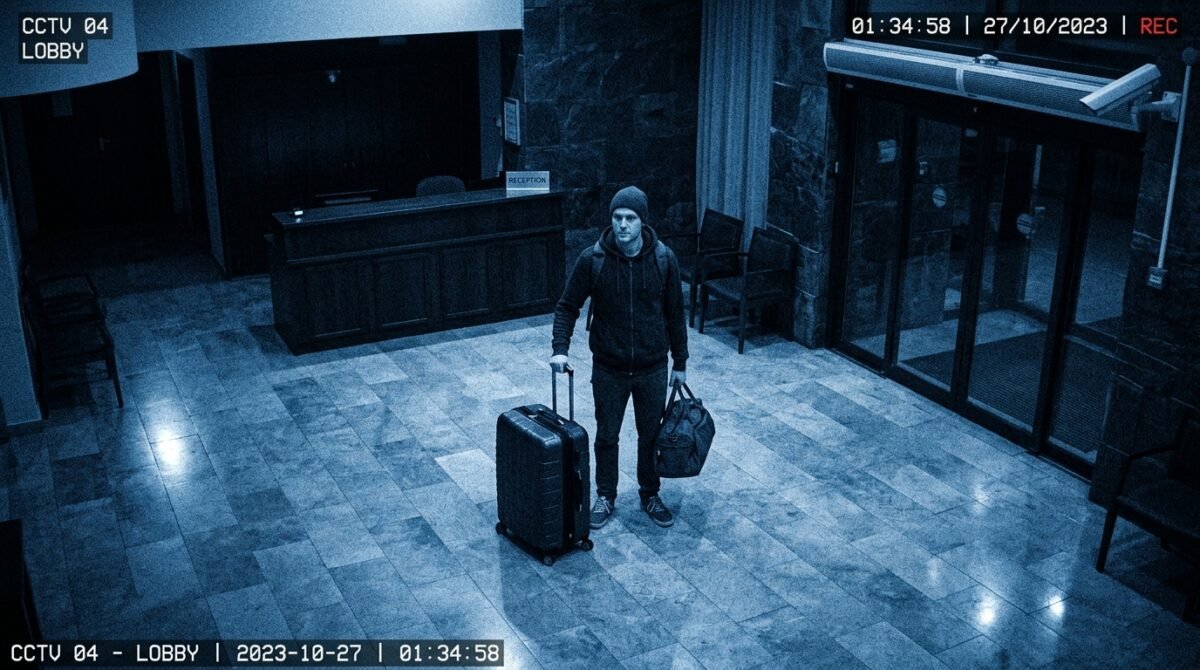
The true escalation happened on a Thursday night at 11:30 PM. I was already in bed, half-asleep, when the intercom buzz sounded. I ignored it, assuming it was a delivery driver for a neighbor. Then it buzzed again. And again. I checked the camera on my phone, and my heart stopped. It was Kevin, standing in the lobby with two massive suitcases and a gaming tower wrapped in a trash bag.
He was looking directly into the camera, grinning, as if this were some kind of surprise visit. I didn’t buzz him in. I didn’t even reply to the text message that popped up on my screen a second later saying, ‘Open up, I’m here!’ I stood in my living room, trembling with rage and disbelief. He had actually just shown up, expecting me to be a doormat.
I waited for him to leave, but he stayed. He sat on the floor of the lobby for two hours, calling me repeatedly. I silenced my phone and watched him on the camera, pacing, checking his phone, and finally, looking annoyed. It was the most bizarre, violating experience of my life. He genuinely believed that if he just showed up, I wouldn’t have the guts to turn him away.
“I see you on the camera. Do you really think you can just ignore me? Open the door. This is pathetic.”
— Text Message from Kevin
Finally, I called building security. I didn’t tell them he was my brother; I told them a stranger was loitering in the lobby and refusing to leave. Seeing the guard walk up to him and watch him be escorted off the property was the most empowering moment of my life. He looked back at the camera one last time, his face twisted in pure, unadulterated rage.
The silence that followed was absolute. He eventually left the property, but the fallout was only beginning. The next morning, I woke up to twenty missed calls and a barrage of furious voicemails from my mother, screaming about how I had ‘called the police’ on my own brother. The narrative had been twisted—I was now the villain, the person who had betrayed the family, and the war was officially in the open.
The Intervention That Backfired
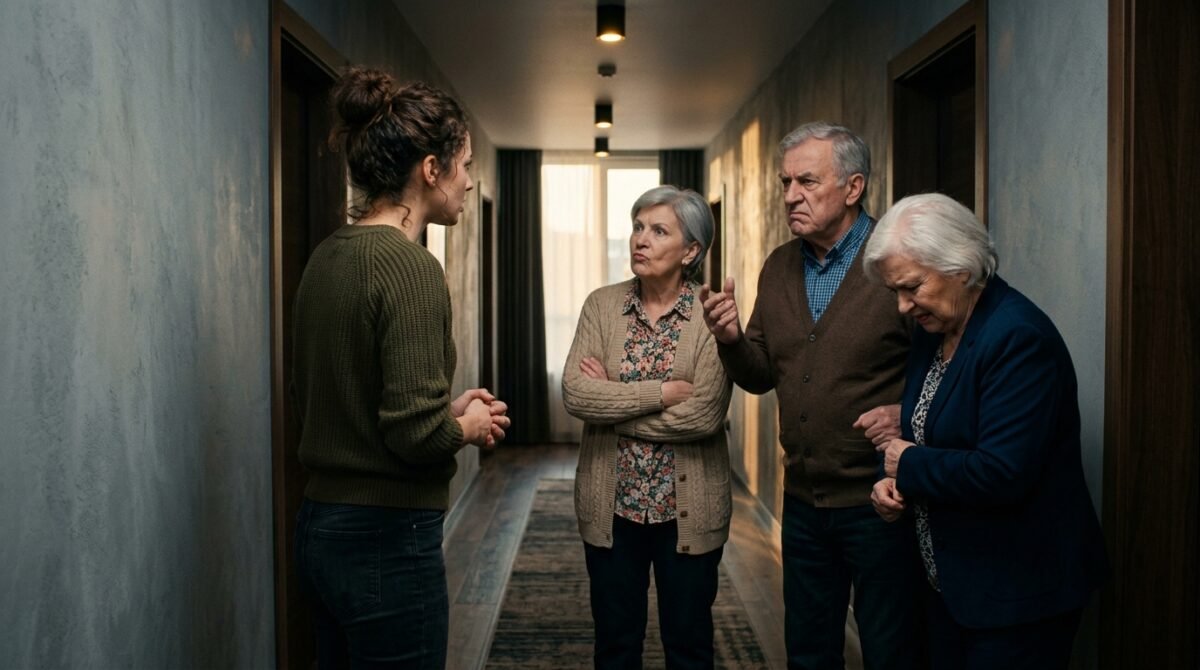
The following weekend, my parents didn’t call. Instead, they showed up at my front door with a ‘peace offering’—a grocery basket full of things I didn’t even like—and an agenda. They had clearly planned a sit-down, an intervention of sorts, to discuss my ‘behavior’ and why I needed to ‘get over myself’ and help Kevin. They were flanked by my Aunt Sarah, who had always been the family mediator.
I didn’t let them in. I stood in the hallway of my apartment building, arms crossed, refusing to budge. The shock on their faces was palpable. They expected me to invite them in, brew some coffee, and listen to a lecture about sibling duty. I had no interest in playing that game anymore. The foyer became our battlefield, and the neighbors probably heard every word.
“You are being completely unreasonable. He is your brother. Family takes care of family, even when it’s inconvenient. You have the space, and you have the funds. Why are you choosing to be this way?”
— My Mother, during the confrontation
I didn’t try to justify myself. I didn’t mention my work, my finances, or my personal needs. I simply stated that their demand was inappropriate and that I would not discuss it further. Aunt Sarah tried to interject, talking about how ‘in the old days,’ we wouldn’t even have this conversation. I cut her off, reminding her that I wasn’t living in the old days, and I certainly wasn’t living for the convenience of my brother.
The confrontation lasted twenty minutes. My mother started crying, which was her signature move when she lost control of a situation. My father tried to intimidate me by looming over me, but I just held my ground. I told them that if they didn’t leave, I would walk back into my apartment and leave them standing in the hall until they grew tired of the cold tile.
They left, eventually, but not before delivering a final ultimatum. They said that if I didn’t change my mind, I was officially cut off from family gatherings. They thought it was a threat, a way to isolate me into submission. They didn’t realize that being excluded from a family that weaponized guilt and expected me to act as a free boarding house was actually the gift I had been waiting for all year.
Reddit Weighs In: The Community Verdict
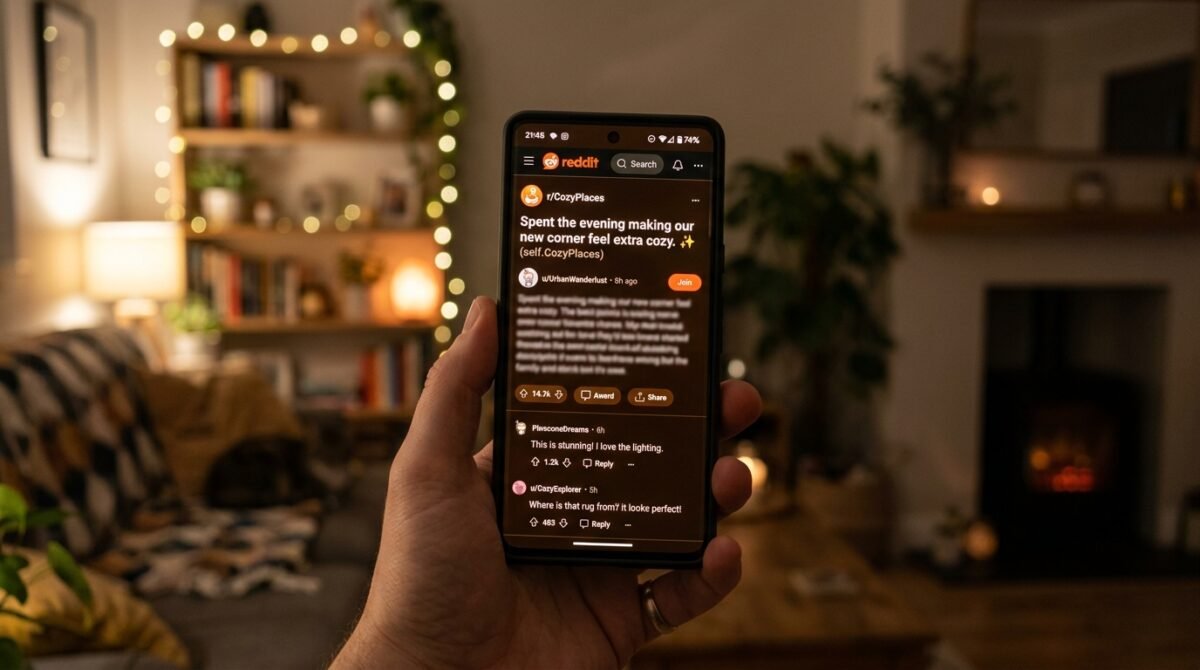
I posted the entire saga on a popular sub-forum that night. I needed to know if I was actually the monster they made me out to be. I laid out the facts: the age, the lack of effort, the entitlement, and the midnight stunt at my apartment. The response was overwhelming. Within hours, my inbox was flooded with support, and the thread had reached the top of the page. It was validation in its purest form.
The collective wisdom of the internet was clear: I was not the asshole. The consensus was that my parents were enabling a grown man, and by refusing to participate, I was actually the only one acting as an adult. People shared their own stories of ‘failure to launch’ siblings and the financial and emotional ruin that came with trying to save them. It was a sobering reminder that I wasn’t alone in this specific type of hell.
“NTA. Your parents aren’t asking you to help a family member; they are asking you to subsidize their own failure to launch a productive adult. Do not let him in. If you give him an inch, he will take the entire house and you’ll be the one moving out in six months.”
— u/ReasoningReality, 15.2k upvotes
There were, of course, the contrarians. A few commenters argued that family is ‘forever’ and that I should just ‘suck it up’ for a few months. But they were drowned out by the sheer volume of people who understood the sanctity of boundaries. One user even suggested that my parents’ anger was actually a projection of their own guilt for failing to push Kevin to be independent years ago.
Reading the comments, I felt the weight lift off my chest. I realized that my family’s definition of ‘family duty’ was toxic and manipulative. They were using the term to disguise their own lack of responsibility. I stopped feeling guilty about the ‘No’ and started feeling proud of it. I had survived a campaign of emotional terrorism, and I had come out on the other side with my boundaries intact.
The Reddit thread became my sanctuary. Whenever I felt a twinge of doubt, I went back and read the top comments. It reminded me that ‘No’ is a complete sentence and that I didn’t owe anyone an explanation for why I wanted to live in peace. The internet had given me the perspective I couldn’t get from my own parents, and for that, I would be forever grateful.
The Legal Threat and the Reality Check
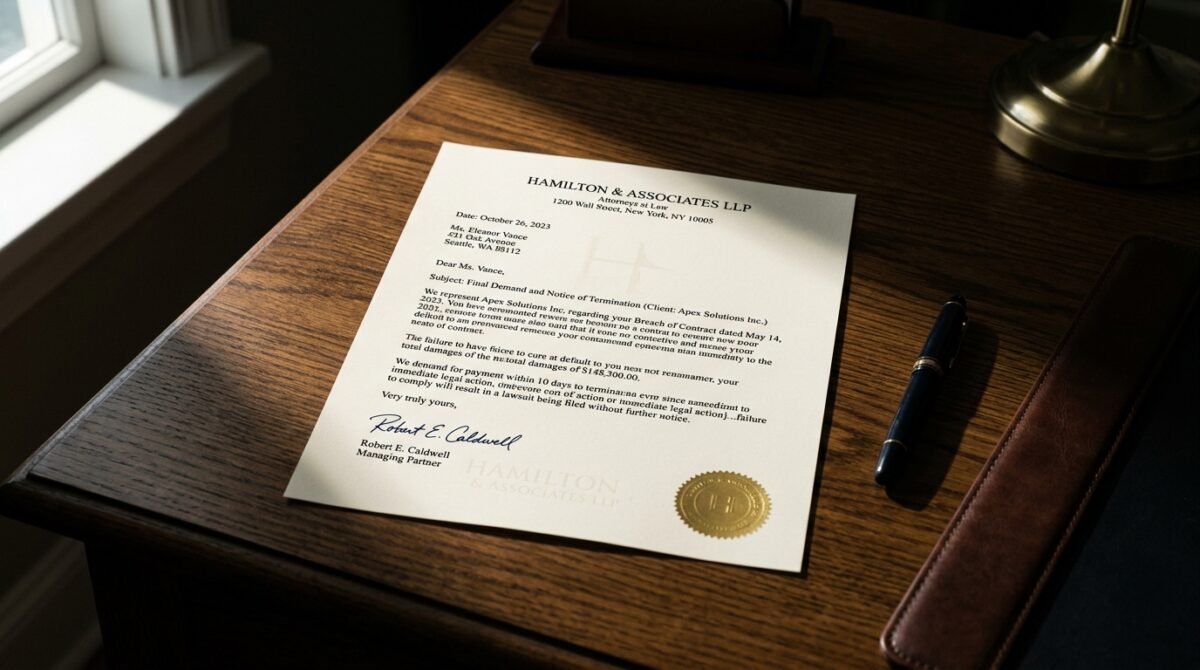
Just when I thought the dust had settled, a certified letter arrived. My father, in a last-ditch effort to exert control, had spoken to a friend of his who was a paralegal. The letter claimed that I was ‘legally obligated’ to provide housing because my parents had paid for a portion of my undergraduate tuition years ago. It was laughable, a desperate grasp at leverage that had no basis in reality.
I didn’t panic. I didn’t even call them. I took the letter to an actual attorney, who laughed for a solid minute before drafting a cease-and-desist letter. It was a formal notification that any further attempts to harass me or make fraudulent legal claims would be met with a defamation suit. It felt good to spend a little bit of money on a lawyer—it was the best investment I’d made all year.
“You cannot be forced to house an adult sibling because of past tuition payments. That is not how contract law or property rights work. Ignore the letter, and let me handle the response.”
— My Attorney
The response from my parents was silence, followed by a frantic call from my mother, who sounded genuinely terrified. They hadn’t expected me to fight back with legal counsel. They had assumed I would fold under the threat of a ‘lawsuit.’ The reality of having to deal with a real-world consequence, rather than just guilt-tripping their daughter, finally seemed to sink in.
My father didn’t talk to me for weeks. It was a strange, peaceful period. I spent my time focusing on my work, my health, and my own goals. The space in my second bedroom remained an office, a sanctuary for my productivity and my career. Every time I walked past it, I was reminded of what I had saved by saying no. I hadn’t just saved my room; I had saved my future.
The legal posturing proved to me that this was never about Kevin. It was about power. My parents couldn’t stand the fact that I was an independent entity, someone who couldn’t be controlled by their emotional outbursts or manufactured crises. The letter was their final attempt to break me, and it had failed spectacularly. I was officially untouchable.
The Breaking Point: A Thanksgiving Without the Noise
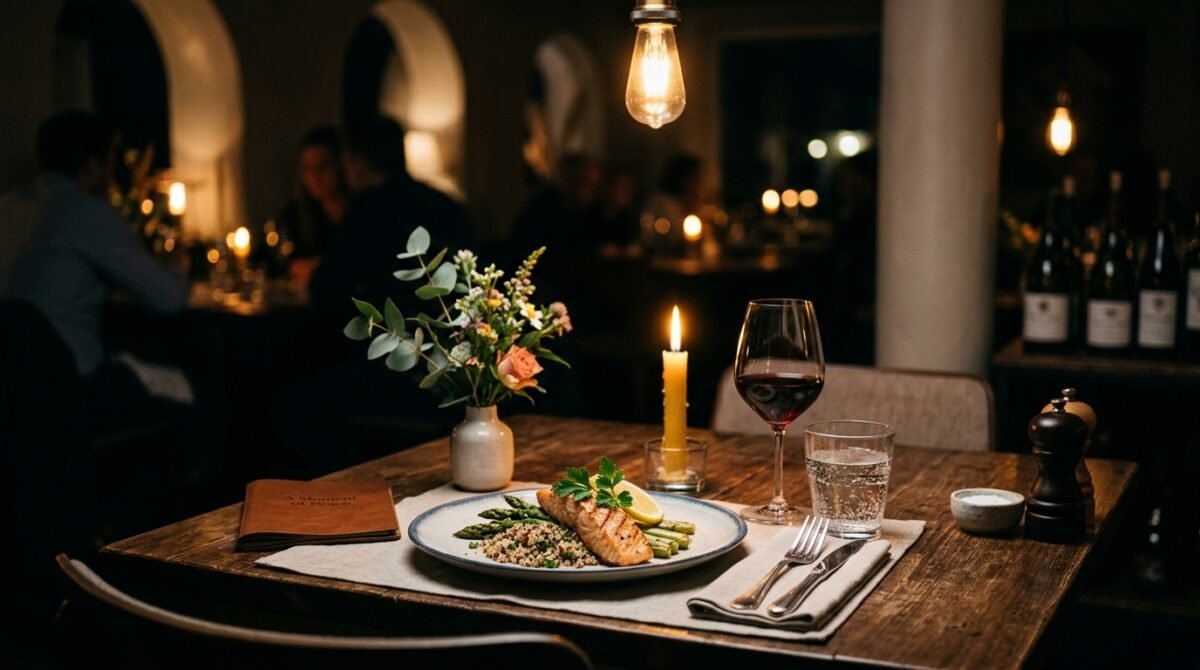
Thanksgiving came, and for the first time in my life, I didn’t go home. I stayed in my apartment, cooked a small, delicious meal for myself, and invited a few friends who were also estranged from their toxic families. It was the best holiday I’d ever had. No passive-aggressive comments, no forced smiles, and no discussion about Kevin’s ‘career path.’ Just genuine, adult conversation.
I kept my phone off for most of the day. When I finally turned it on, the voicemails were what you’d expect. My mother was sobbing about how ’empty’ the table was and how I had ruined the holiday for everyone. It was classic deflection—they were the ones who had made it impossible for me to attend, yet I was the one being blamed for their loneliness. I didn’t listen to the rest of the messages.
“You’re really going to choose your friends over your own flesh and blood? We set a place for you. Everyone is asking why you’re not here. You’re being incredibly selfish.”
— Voicemail from my Mother
I realized then that I wasn’t the one who had changed; the dynamic had simply shifted. I was no longer the child, and they were no longer the authority. I was an adult with my own life, and they were just people who hadn’t figured out how to treat me as an equal. The guilt that I had felt for months finally evaporated, replaced by a sense of calm and clarity.
I did something I’d been meaning to do for a long time: I sent a single, clear text message to the group chat. I told them that I was taking an indefinite break from the family because of the constant disrespect and boundary-crossing. I didn’t leave room for negotiation. I didn’t ask for permission. I simply stated my terms and went back to my holiday.
The silence that followed was deafening. No one replied. No one called. It was as if they didn’t know how to exist without me being the target of their dysfunction. I felt a profound sense of relief. The holidays were over, and I was still standing. I had protected my peace, and in doing so, I had finally started the process of building a life that was truly my own.
Reflecting on the Fallout and the Growth

Months have passed since the ‘incident,’ and things have settled into a new, albeit distant, normal. I haven’t spoken to Kevin once. I hear through the grapevine that he’s still in the basement of a relative’s house—a cousin who, unlike me, still buys into the family propaganda. It makes me sad, in a way, but it’s a detachment I’ve learned to live with. I can’t save someone who refuses to save themselves.
My relationship with my parents is… well, it’s nonexistent. And honestly? It’s for the best. We exchange polite, short messages on major birthdays, but the closeness is gone. I’ve realized that the ‘closeness’ I once craved was actually just a lack of boundaries. I was playing a role in their play, and as soon as I walked off the stage, the entire production fell apart. I don’t miss the play.
“Sometimes, the most loving thing you can do for your family is to stop enabling their worst impulses. You did the right thing, even if it hurts.”
— Advice from a Therapist
I’ve invested the time and energy I would have spent managing Kevin into my own life. I’ve traveled more, advanced in my career, and surrounded myself with people who respect my boundaries and value me for who I am, not what I can provide for them. I’ve learned that the family you choose is often more important than the family you’re born into.
Looking back, I don’t regret a single thing. Not the argument, not the security guard, not the lawyer. It was all necessary. It was the price of admission for my own autonomy. I had to be the ‘villain’ in their story so that I could be the protagonist in my own. And that is a trade I would make a thousand times over.
If you find yourself in a similar position, know this: you are not a bad person for wanting to live your own life. You are not a bad person for refusing to be a safety net for someone who hasn’t tried to build a life of their own. Your home is your sanctuary, and you have every right to protect it. Don’t let guilt make your decisions for you.
The Lingering Question: Was It Worth It?

Is it worth losing your relationship with your parents to hold your ground? This is the question that I see in every Reddit comment section regarding family drama. My answer, after all this time, is a resounding yes. But it’s not because I wanted to lose them. It’s because the relationship I had with them was not a relationship—it was a transaction. And when I stopped paying the toll, the relationship ended.
I think about the alternate universe where I said ‘yes.’ I’d be living in a constant state of anxiety, cleaning up after a man who sees me as a servant, listening to my parents tell me that I should be grateful to ‘help.’ I would be smaller, more stressed, and probably on the verge of a breakdown. The cost of ‘keeping the peace’ would have been my own sanity.
“Peace isn’t just the absence of conflict; it’s the presence of respect. If you don’t have the latter, you’ll never have the former, no matter how much you sacrifice.”
I’ve learned that people who demand you set yourself on fire to keep them warm will never be satisfied. Once you give them the office, they’ll want your money. Once you give them your money, they’ll want your time. It’s a bottomless pit, and the only way to win is not to play. You don’t owe anyone access to your life, not even family.
So, was it worth it? The distance is painful at times. The silence on holidays is noticeable. But the peace I feel when I wake up in my own home, in my own space, knowing that I am in control of my own life, is worth every single ounce of the pain. I have built a life I can be proud of, and for the first time, I am living it entirely for myself.
I’ve moved on. I’ve stopped checking their social media to see if they’re still complaining about me. I’ve stopped waiting for an apology that will never come. I’ve realized that their validation is not a requirement for my happiness. I am enough, all on my own, and that is the greatest lesson I’ve ever learned.
Final Reflections: Setting the New Standard
The final, most important lesson I’ve taken from this experience is that boundaries are not just for others—they are for ourselves. I had to learn how to respect my own needs before I could expect anyone else to do the same. I spent years apologizing for existing, for being successful, and for wanting a life different from the one they had envisioned for me. That stops now.
I’ve become a different person. I’m more confident in my decisions, less likely to feel guilty about putting myself first, and more intentional about who I let into my circle. The drama with Kevin and my parents was the fire that forged this new version of me. It was painful, it was messy, and it was absolutely necessary for me to grow into the adult I am today.
“Your boundaries are not a sign of your selfishness; they are a sign of your self-respect. Never apologize for having them.”
I’ve started mentoring younger women at my office, many of whom are dealing with the same pressures—the expectation to be the ‘helper,’ the ‘listener,’ and the ‘caregiver’ for siblings who refuse to grow up. I tell them the same thing I told myself: you are not a charity. You are not a resource. You are a human being with your own path to walk.
I hope that my story helps someone else realize that they don’t have to carry the weight of their family’s expectations. You can say no. You can walk away. You can choose to prioritize your own well-being. It’s not easy, and it might cost you relationships you once thought were permanent, but the version of yourself you save on the other side is worth everything.
The chapter with Kevin and my parents is closed. I’m not waiting for an update, and I’m not looking for an ending. I’m living in the middle of a new story, one where I am the author. And for the first time, I have no idea what’s going to happen next—but I know that whatever it is, I’ll be the one to decide how to handle it.
Conclusion
My journey from the ‘obedient sister’ to the ‘villain of the family’ has been a brutal but transformative experience. It has forced me to redefine what family means and to establish boundaries that I hope will protect me for the rest of my life. The entitlement that my parents and brother displayed was not a reflection of me, but a reflection of their own inability to grow and adapt. By saying no, I didn’t just save my home office—I saved my soul.
We need to stop normalizing the idea that family members are automatically entitled to our resources, our time, and our space simply because of shared biology. It is time we start valuing the individual over the collective, especially when the collective is built on a foundation of manipulation and guilt. If you are currently dealing with a similar situation, remember that you are the architect of your own life. Do not let anyone build a home in your head that you don’t want them in.
What about you? Have you ever had to draw a hard line with a family member who refused to launch? Did you stand your ground, or did you cave to the pressure? Let’s talk about it in the comments. We need to normalize the act of saying ‘no’ to our families when they ask for more than we are willing—or able—to give.
What's your verdict on this dilemma?
Vote below to contribute to the official community consensus.

Have a Dilemma Keeping You Up at Night?
Share your real-life feud, wedding chaos, or relationship crossroads anonymously with our editorial team.
What do you think ?
0 Comments🛡️ Comments are moderated to protect community integrity. Your comment will appear once approved by the editorial team.