
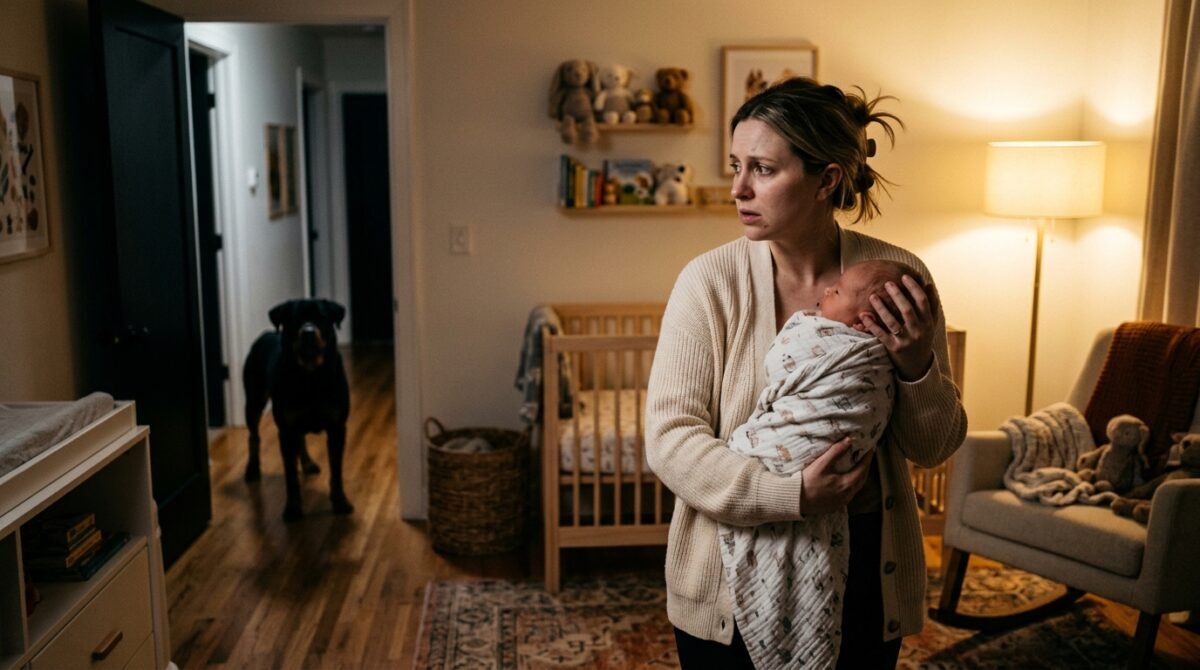
Becoming a parent is, by all accounts, one of the most transformative experiences a person can undergo. You spend nine months meticulously preparing, sanitizing, and establishing a fortress of safety for a tiny human who relies on you for every single breath. When my daughter arrived, the world felt fragile yet beautiful. We were in that golden, exhausting stage of the first week home—a time governed by cluster feeding, sleep deprivation, and an overwhelming, primal instinct to protect the life we had just brought into existence.
My in-laws, however, had a different set of priorities. They viewed my boundaries as suggestions, and our home as an extension of their own living room. They had been badgering us to meet the baby since the moment we got back from the hospital, ignoring my plea for a quiet, healing adjustment period. I wanted grace; they wanted a spectacle. I wanted a peaceful introduction; they brought an unwelcome, snarling surprise that would forever change the trajectory of our relationship.
The events of that Tuesday afternoon are burned into my memory with the precision of a high-definition photograph. It wasn’t just a lapse in judgment; it was an act of profound disrespect that signaled a complete disregard for the physical safety of my daughter. As I reflect on that day, the guilt I initially felt for banning them from my property has long since evaporated, replaced by the steely resolve of a mother who realized that, in the face of negligence, family status means absolutely nothing.
This is not a story about being difficult or demanding. It is a story about the breaking point—the moment where the polite facade of family obligation shatters against the reality of a genuine threat. It is a testament to how far some people will go to exert control, and why, sometimes, you have to burn the bridge to save the foundation of your own home.
The Prelude to the Unannounced Arrival
Leading up to the birth, the tension regarding the dog had already reached a boiling point. My in-laws, Linda and Mark, own a massive Rottweiler named ‘Buster.’ Now, I don’t harbor prejudices against breeds, but Buster is a reactive animal. He had bitten the mailman twice and required a muzzle during neighborhood walks. I had explicitly requested, multiple times, that they leave the dog at home during their visits, especially while the baby was still so fragile.
Linda would always laugh it off, calling me ‘anxious’ or ‘overprotective.’ She loved to suggest that the dog was ‘a good judge of character’ and that he would simply ‘bond’ with the baby. The implication was clear: my concerns were a personal slight against her pet, not a legitimate safety precaution. Every time I brought it up, the conversation would descend into a dismissive lecture about how they raised their own children with dogs roaming freely.
“You’re really going to deny your daughter the chance to meet her family dog? It’s not like he’s a wild animal. He’s family, just like we are. Stop being so dramatic about a little bit of fur.”
— Linda, during a phone call two days before the visit.
I tried to remain firm, but the gaslighting was persistent. My husband, David, was caught in the middle. He wanted to appease his parents while keeping me calm, which meant he often failed to reinforce the boundaries I was setting. He kept saying, ‘They’ll listen when they get here,’ but I knew better. I felt like I was being set up to fail, tasked with being the ‘mean daughter-in-law’ who had to play the heavy.
On the morning of the visit, I sent a final, clear text message to the group chat we shared with David. I wanted it documented. I specifically said, ‘Please remember, no dog. We are still healing, and I am not comfortable with any animals in the house yet.’ I received no response, just a thumbs-up emoji from David. I should have realized then that my husband hadn’t actually spoken to his parents about the finality of that demand.
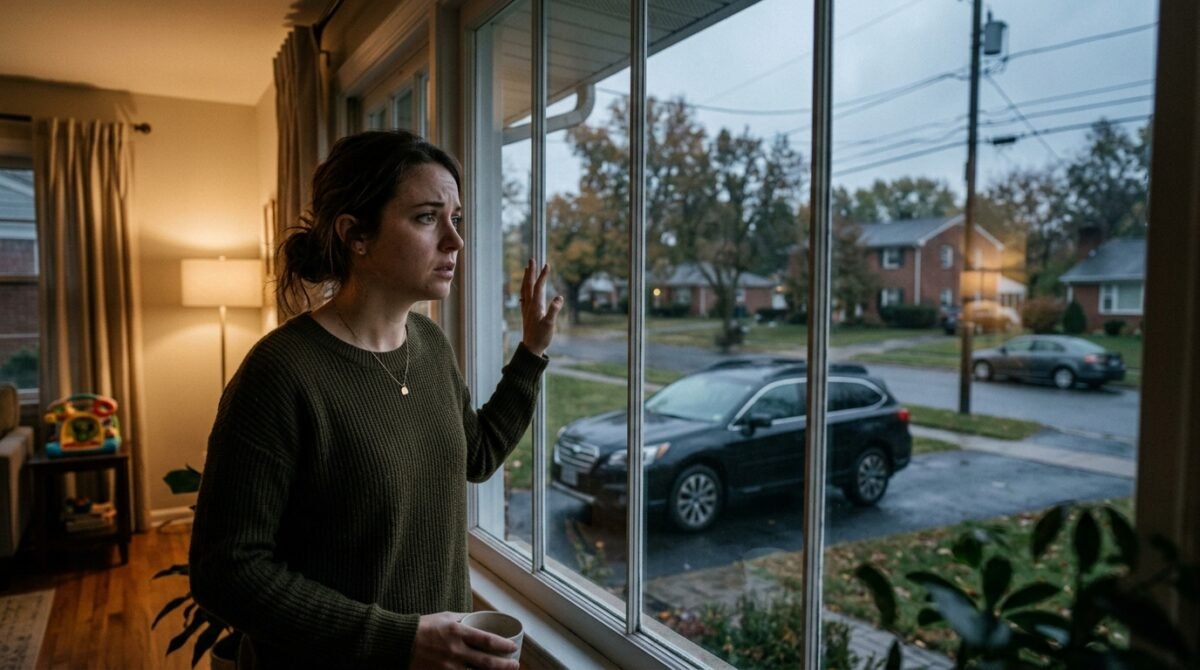
The air in our living room felt heavy all morning. I couldn’t focus on the baby’s schedule; I was too busy checking the locks and staring out the window. My gut was telling me something was wrong, a persistent, gnawing sensation that I was losing control of the environment I had worked so hard to curate. Little did I know, the car was already pulling into the driveway.
The Sound of Aggression at the Front Door
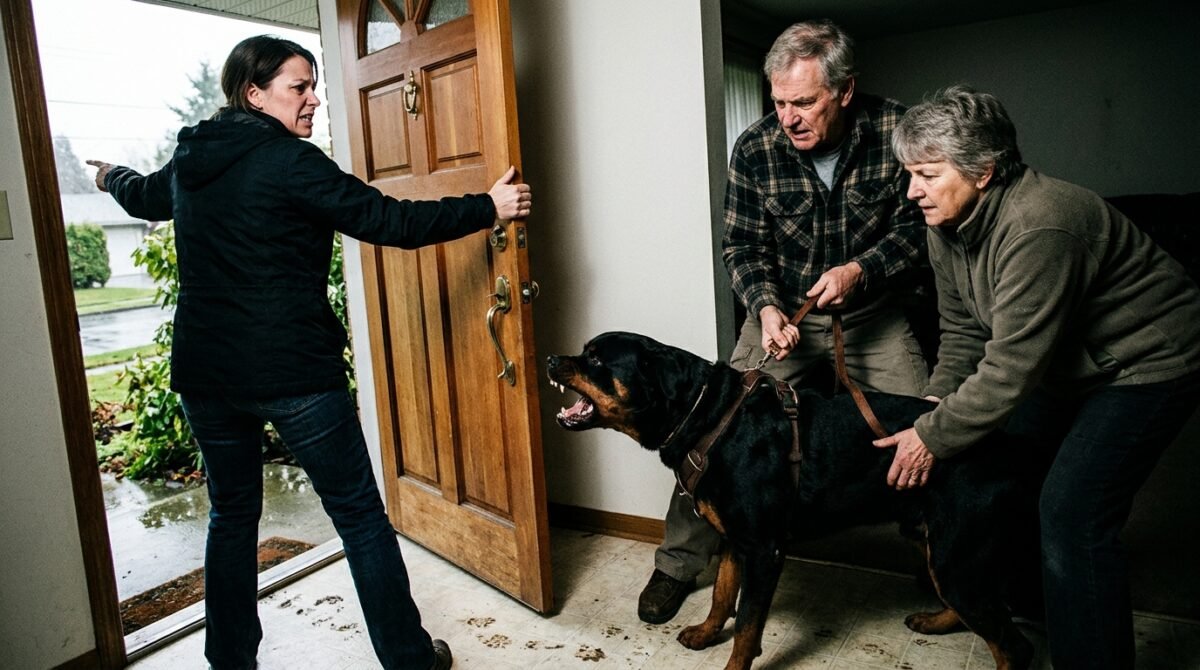
When the doorbell rang, I was nursing. David went to answer it, and I heard the unmistakable sound of a heavy leash jangling against a collar. My heart dropped. I didn’t even have time to finish putting the baby back in her bassinet before I heard the deep, guttural growl that could only belong to one creature. It was a sound that vibrated through the floorboards, a primal warning that stopped me in my tracks.
I rushed to the living room, my postpartum body aching, to find Linda and Mark standing in our entryway with Buster. The dog wasn’t just there; he was lunging against the leash, his hackles raised, teeth bared at the air. My daughter was in David’s arms, who looked absolutely terrified and completely paralyzed by the suddenness of the situation. The dog was snapping at the air, clearly agitated by the unfamiliar environment and the smell of the newborn.
“What in the hell are you doing? I told you, absolutely no dog in this house. Get him out, right now!”
— OP, confronting the in-laws.
Linda just smiled, a look of serene, forced ignorance on her face. ‘Oh, don’t be so silly. He’s just excited! He knows there’s a new baby. Look how interested he is!’ She didn’t move to back the dog up; she stood there, holding the leash loosely, as the animal continued to lunge toward my husband and my newborn daughter. The sheer insanity of it was blinding.
Mark was just standing there, checking his watch as if this were a casual neighborhood walk. The power dynamic they were trying to establish was crystal clear: they were going to do what they wanted, in my home, regardless of my explicit instructions. They were testing the boundaries, and they were using my daughter as the poker chip in a game of dominance.
I didn’t argue. I didn’t try to negotiate. I walked over, grabbed the door handle, and stood there, my hand trembling but my voice steady. I felt a surge of adrenaline that was entirely unfamiliar—a protective rage that rendered me incapable of fear. I looked them both in the eye and told them that if they didn’t leave immediately, I would be calling the police to have them removed for trespassing and endangering a minor.
The Fallout and the Escalation
The drive away was filled with shouting, but they left. However, the drama didn’t end there. The moment they were gone, my husband, David, turned on me. Instead of supporting my decision, he started defending them, claiming that I had ‘overreacted’ and ’embarrassed his parents.’ He was worried about the optics, about the fact that they were now sitting in their car down the street, crying and calling his siblings to complain.
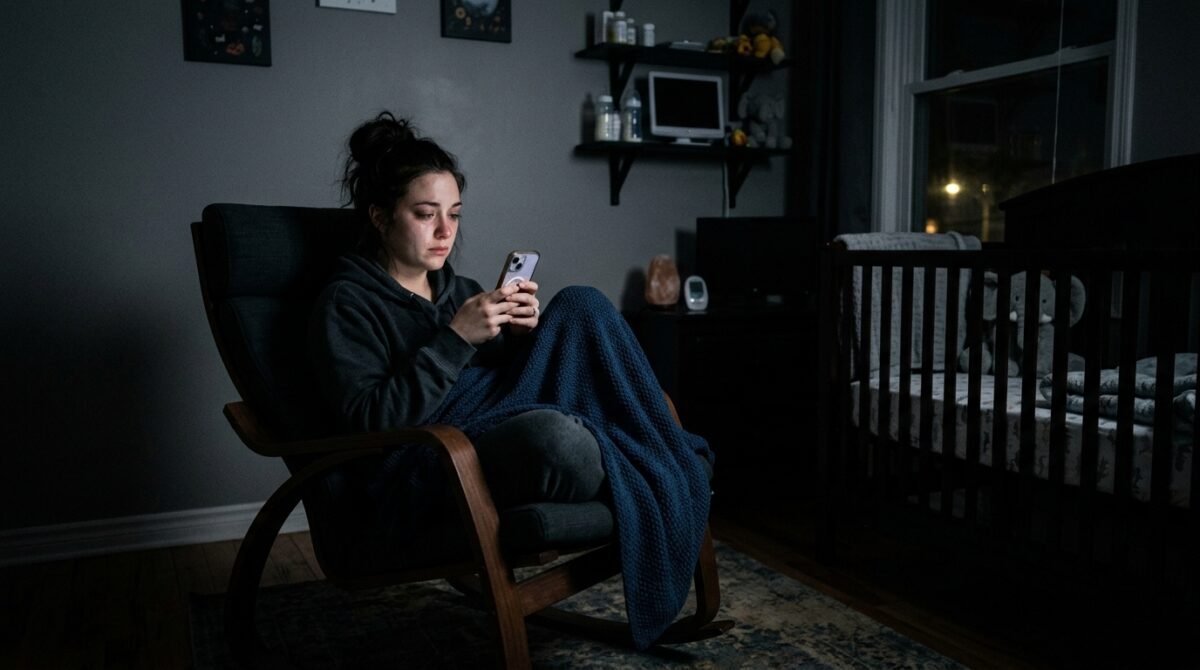
I was shaking. I sat on the couch, sobbing, while the baby finally fell asleep. My husband was pacing, his phone lighting up with notifications from his mother. The texts were vicious, claiming that I was ‘keeping the baby away’ and that I was ‘unstable.’ He was reading them aloud, expecting me to apologize for the ‘unpleasant scene.’ I looked at him and realized that he wasn’t my partner in this moment; he was their proxy.
“They think you’re being unreasonable, and honestly, can you blame them? It was a simple visit. Now they’re crying in the car, and my brother is calling me to ask why I let you treat them like criminals.”
— David, attempting to gaslight the author.
I told him that if he couldn’t see the danger—that a reactive, biting dog was inches away from our one-week-old baby—then he had no place being a parent to her. I told him he had to choose: his parents’ convenience or our daughter’s safety. It was the hardest thing I’d ever said, but the words felt like they were being pulled from a source of truth I hadn’t known I possessed.
He didn’t choose. He walked out of the room to take a call from his mother, leaving me alone in the nursery. I felt a deep, profound sense of isolation. I was a week postpartum, sleep-deprived, hormonal, and now, I was realizing that my biggest challenge wasn’t the in-laws; it was the man who was supposed to be my protector failing to see the wolf at the door.
I spent the next two hours documenting every interaction, every text, and every threat. I knew this wouldn’t end today. They would come back, or they would escalate through other means. I needed a paper trail, and I needed to ensure that no one could twist the narrative to make me look like the aggressor. I was no longer playing family games; I was in survival mode.
The Digital Campaign to Discredit Me
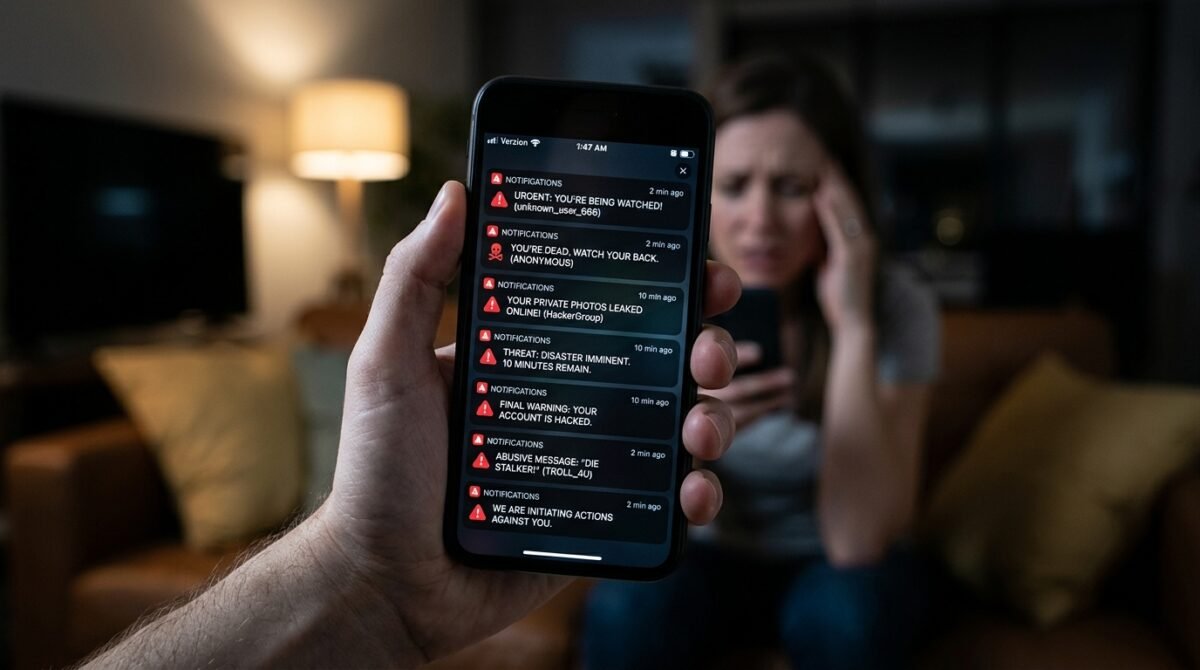
By the next morning, the smear campaign was in full swing. My phone was buzzing incessantly. Messages from David’s sisters, cousins I’d met only once, and even family friends were flooding my inbox. They were all repeating the same narrative: I was a ‘hormonal, hysterical new mother’ who was ‘keeping the grandchild away’ over a ‘minor misunderstanding’ about a dog.
They didn’t mention the biting history. They didn’t mention the lunging. They didn’t mention that I had explicitly banned the dog days before. They painted me as a gatekeeper, a villain who was using a baby to exert control over a loving set of grandparents. It was a masterclass in manipulation, and it was working on people who didn’t know the full story.
“We just want to see the baby. Why are you being so difficult? It’s family, for heaven’s sake. Let them come over, apologize, and move on. Stop acting like the world revolves around your rules.”
— A text from one of David’s sisters.
I started receiving calls from unknown numbers, people I didn’t recognize, telling me that I was ‘lucky to have in-laws who cared’ and that I should ‘be careful not to burn bridges that I’ll need later.’ The pressure was mounting. It felt like the entire extended family was descending upon us, not to see the baby, but to force me to capitulate to the in-laws’ demands.
David was still stuck in the middle, but he was slowly starting to buckle under the weight of the collective family pressure. He was apologizing to them for ‘my behavior,’ which was the ultimate betrayal. Every time he spoke to them, he eroded my authority as a mother and a partner. He was essentially telling them that my rules were negotiable, as long as they screamed loud enough.
I decided to go on a digital blackout. I blocked the entire extended family on my social media and restricted their access to my phone. I told David that he was strictly forbidden from sharing photos of our daughter with them until we had a serious, mediated conversation about boundaries. He didn’t like it, but I didn’t care. The safety of my home and the peace of my child were non-negotiable.
The Confrontation That Finally Changed David
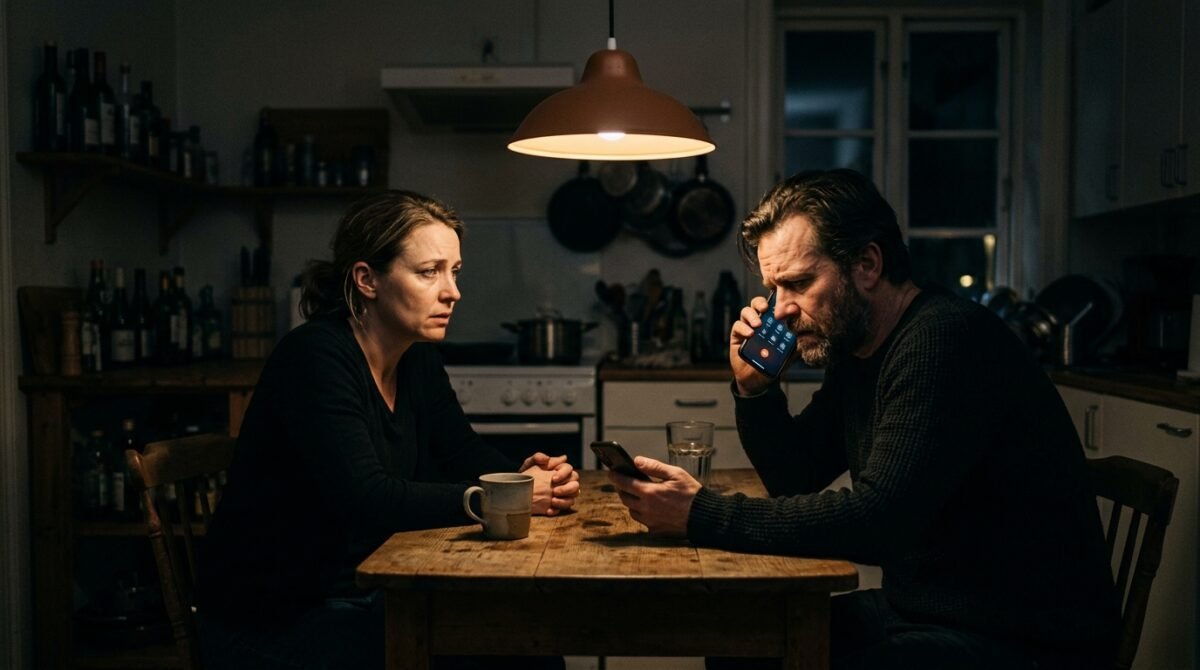
The breaking point came when David tried to invite them over for a ‘reconciliation dinner’ without telling me. He thought that if he could just get everyone in the same room, the ‘tension’ would evaporate. He didn’t understand that for me, this wasn’t about tension; it was about safety. When I found out, I didn’t yell. I didn’t cry. I was eerily calm.
I sat him down at the kitchen table and put a printed list in front of him. It was a timeline of the events, starting from the first time I voiced concerns about the dog, to the bite history, to the text messages we exchanged, and finally, the account of the incident at our door. I asked him to read it, out loud, and tell me where he saw a ‘misunderstanding’ instead of a pattern of negligence.
“Read it, David. Read the record. Does this look like a misunderstanding to you, or does it look like your parents prioritizing their pride over our daughter’s life?”
— OP, forcing a reality check on her husband.
He read it, his face pale. He couldn’t deny the facts. The documentation was too thorough, the history too consistent. For the first time, he seemed to grasp that his parents’ entitlement wasn’t a quirk; it was a character flaw that was now directly endangering his own child. The silence in the room was heavy, but for the first time, it was a productive silence.
He admitted that he had been trying to avoid the conflict because he was afraid of them. He admitted that he had been raised to believe that his parents were always right, and that questioning them was a moral failure. It was a breakthrough, but it was just the beginning. Realizing they were wrong was one thing; standing up to them was another.
He took the list, stood up, and told me he was going to handle it. He picked up his phone, and in front of me, he called his mother. He told her clearly and firmly that they were not to come to our home, that they were not to contact me, and that any future relationship with the baby was contingent on them respecting our boundaries and apologizing for their behavior.
The Aftermath and the Public Verdict
After the call, the fallout was instantaneous. My in-laws didn’t apologize. Instead, they doubled down. They claimed that we were ‘brainwashing’ David and that we were being ‘cruel.’ The family group chat, which I had previously muted, was now a war zone. I finally decided to share the truth. I didn’t do it to stir up drama; I did it to protect my reputation and clarify why we were taking these drastic steps.
I posted a simple, factual account on a private social media group where the family was active. I didn’t use names, but I described the situation clearly: a newborn infant, a reactive, biting dog, and a total disregard for parental boundaries. The response was overwhelming. While some of the older family members still sided with the in-laws, the majority of the younger generation were horrified.
“I don’t care who you are—you don’t bring a biting dog to meet a week-old baby. That is not just rude; that is borderline criminal negligence. You were 100% right to lock them out.”
— A cousin’s comment, providing much-needed validation.
The community support was a balm to my weary soul. I realized that my instincts weren’t ‘hormonal’ or ‘hysterical.’ They were the protective instincts of a mother who understood that safety is the most important boundary of all. The Validation from strangers and supportive family members helped me solidify my resolve. I wasn’t just doing this for myself; I was setting the tone for how my daughter would be treated for the rest of her life.
David, too, felt the shift. He started to see how much of his life had been lived under their thumb. He began to set his own boundaries, independent of mine. It was a slow, painful process of deprogramming, but it was essential. We were no longer a satellite orbiting his parents; we were our own planet, with our own gravity and our own rules.
We remain low-contact to this day. There have been no more unannounced visits, no more forced meetings, and certainly no more dogs. The peace in our home is sacred, protected by the hard, sometimes uncomfortable decisions we had to make in those first, chaotic weeks. It wasn’t the introduction to parenthood I imagined, but it was the one I needed to become the parent my child deserves.
The Digital Jury: What Reddit Had to Say
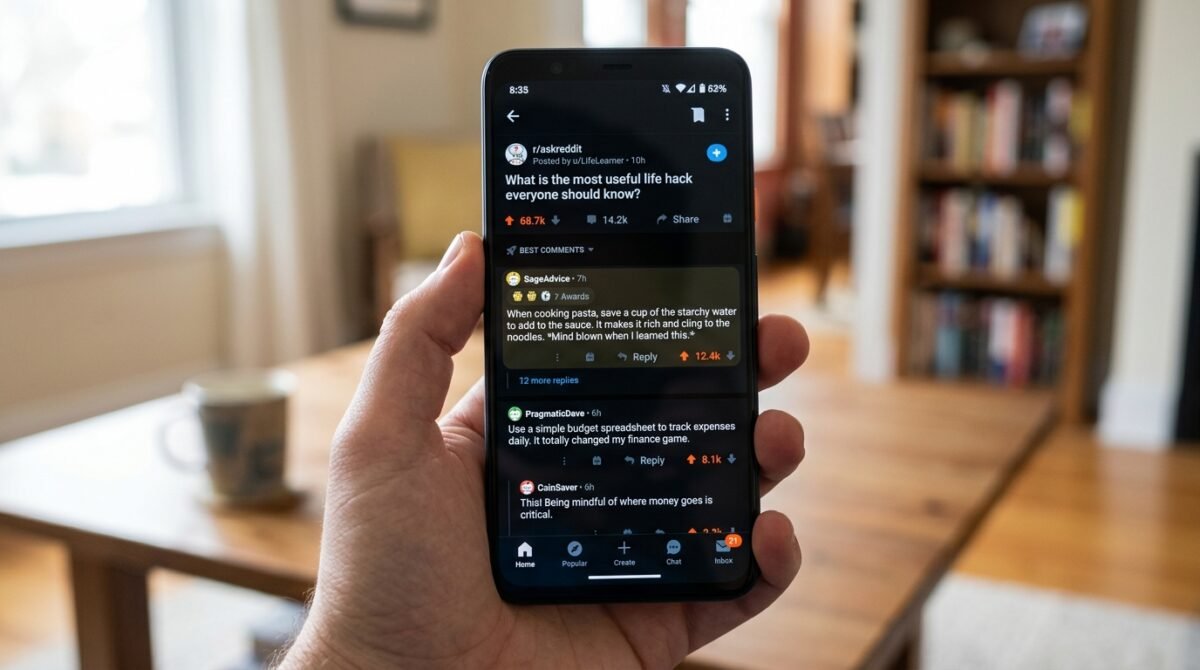
When I shared this story on a popular forum, the outpouring of support was instantaneous and overwhelming. Thousands of people weighed in, and the consensus was absolute. The internet, often divided on family drama, was surprisingly united in its condemnation of the in-laws’ behavior. It was the reassurance I needed that my sanity wasn’t the problem—the behavior was.
“NTA. Your husband needs a serious reality check. He prioritized his parents’ desire to ‘meet the baby’ over your newborn’s literal physical safety. That dog has a bite history! This isn’t about ‘being mean,’ this is about keeping your child alive.”
— u/SafetyFirstMom (Top Comment, 32.5k upvotes)
Many users shared their own experiences with overbearing in-laws and dangerous pets, highlighting just how common this specific type of boundary violation is. The stories ranged from ‘mildly annoying’ to ‘legally actionable,’ reinforcing the idea that when it comes to a new baby, you cannot afford to be polite at the expense of safety. The commenters were especially vocal about the husband’s role, urging me to demand better from him.
“The dog is irrelevant. The real issue is the lack of respect for your ‘No.’ If they can’t listen to you about a dog, they won’t listen to you about vaccines, discipline, or anything else. The ban is the only logical move.”
— u/BoundaryWarrior (15.2k upvotes)
Reading these comments, I felt a deep sense of relief. It is so easy to feel like you are the problem when you are deep in the trenches of new parenthood, especially when the people around you are gaslighting you into believing your concerns are invalid. The Reddit community didn’t just support me; they validated the entire concept of the ‘Mama Bear’ instinct.
There were, of course, a few ‘devil’s advocates,’ but they were quickly drowned out by the sheer volume of people who understood that a week-old baby’s immune system and safety are paramount. It was a powerful reminder that while family is important, it does not come with a license to endanger children. The community discussion turned into a masterclass in boundary setting and parental advocacy.
Ultimately, the discourse helped me refine my own feelings about the situation. I stopped feeling guilty about the ‘ban’ and started seeing it as a necessary filter. If they couldn’t be trusted to respect a basic safety boundary, they couldn’t be trusted with access to my child. It was that simple, and I stopped apologizing for it.
Refining Our New Life: The Hard Truths

Life now is quieter, and infinitely safer. We have established clear, written rules for anyone who comes into our home. It sounds formal, perhaps even a bit clinical, but it works. It removes the guesswork and the ambiguity. If someone wants to see our daughter, they know the conditions. There is no room for ‘misunderstandings’ when the expectations are clearly laid out.
David and I have been attending therapy, both individually and together. It’s been an eye-opening journey. We talk a lot about ‘enmeshment’ and how his parents had blurred the lines between their lives and his. It wasn’t just about the dog; the dog was the catalyst for addressing decades of boundary-less behavior. We are rebuilding our marriage on a foundation of mutual respect and shared decision-making.
“We aren’t just parents; we are the gatekeepers. If we don’t hold the gate, no one else will. It’s not about keeping people out; it’s about making sure the people who are in are safe and respectful.”
— A sentiment from our therapist.
My daughter is now growing up in a space where her needs come first. She doesn’t know about the drama, and I hope she never has to. My goal is to ensure that by the time she is old enough to understand, these boundaries are just a natural part of our family culture. We are modeling the kind of behavior we want her to emulate: clear, firm, and uncompromising when it comes to personal well-being.
I still occasionally hear whispers from the extended family, but I don’t listen. I’ve learned that the opinions of people who don’t respect your life are just noise. I’ve found a new community of other parents—people who get it, who have been through the ringer, and who aren’t afraid to put their kids’ safety above ‘tradition’ or ‘politeness.’ It’s a tribe, and it’s a strong one.
The dog, as far as I know, is still with them. I don’t wish the dog harm, but I do wish he was in a home where he was properly managed and trained. But that is not my problem anymore. My problem is my daughter, and my life, and keeping both of those things as bright and beautiful as they can possibly be. The ban stays, the boundaries stay, and the peace stays.
Lessons from the Trenches
If I could go back to that first week, knowing what I know now, would I do anything differently? Perhaps I would have been firmer, sooner. I might have sent that text message earlier, and I would have made sure my husband was on board with the consequences of ignoring it. But I wouldn’t change the decision to ban them. That was the right move, even if it was the most difficult one.
I’ve learned that ‘family’ is not a magic word that excuses bad behavior. It’s a relationship, and like any relationship, it requires respect to function. When that respect is violated, the relationship must change. You have to be willing to walk away from people who refuse to see your humanity, even when those people are your children’s grandparents.
“Never apologize for protecting your child. You are their only advocate in those first vulnerable months. If you don’t speak up, who will?”
— A piece of advice that kept me going during the darkest days.
I hope that if you are reading this and find yourself in a similar situation, you realize that you aren’t alone. There is a whole world of parents who have had to make these impossible choices. You don’t have to be the ‘nice’ one. You have to be the ‘safe’ one. That is your duty, your honor, and your privilege.
Take the time to document your boundaries. Communicate them clearly and repeatedly. And when they are ignored, don’t hesitate to enforce them. The people who truly love you and your child will respect those boundaries, even if they don’t fully understand them. The people who don’t? They show you exactly who they are, and you should believe them the first time.
We are doing well. The stress of those early months has faded into a distant, manageable memory. We are a team, a unit, and we are stronger for having walked through that fire. We’ve learned that the most important thing you can offer your child is a safe place to grow, and sometimes, that means keeping the world—and even the family—at a distance.
Moving Forward: A New Chapter

Looking back, the entire ordeal seems almost surreal. How could a simple meeting between grandparents and a grandchild devolve into a total severance of contact? But that’s the reality of boundary-less families. It wasn’t about the dog; the dog was just the final, impossible-to-ignore symptom of a much larger disease. It was about their inability to see us as adults with our own agency.
We are currently in a place of radical acceptance. We accept that his parents are who they are, and that they likely won’t change. We also accept that we are the ones who have the power to define our own lives. We don’t spend our weekends waiting for their phone calls or worrying about their approval. We spend our weekends at the park, at the library, and in the quiet sanctuary of our own home.
“We’ve found our own rhythm. It doesn’t include their noise, their drama, or their demands. It’s just us, and it’s exactly what we need.”
— OP, on their current life status.
The lessons we learned have extended far beyond our marriage. We are more confident in our decisions, more assertive in our workplaces, and more intentional in our friendships. We’ve learned to spot manipulation from a mile away and to step back before it can take root. The experience was a painful, expensive lesson, but it was a transformative one.
I hold no malice. Truly. I have reached a point where I can look at the situation with a sense of detachment. I feel bad for them, in a way. They are missing out on so much because they couldn’t prioritize their grandchild’s safety over their own ego. But that is their loss, not ours. We are rich in what matters most: health, peace, and the love we share.
To anyone out there struggling with overbearing family members, know this: you have the right to set the terms of your own life. You have the right to curate your environment for the sake of your child. And you have the right to stand your ground, even when it feels like the whole world is against you. You are the architect of your family’s future. Build it on solid ground.
Conclusion
The story of my in-laws and their Rottweiler is, at its core, a story about the transition from being a child to being a parent. It’s the moment you realize that your primary loyalty has shifted—that you are no longer the one who needs protection; you are the one who provides it. That shift is often messy, emotional, and fraught with conflict, especially when you are dealing with people who refuse to respect the new hierarchy.
I often think about the day they arrived at our door. I think about the growl of the dog and the look in Linda’s eyes—the utter conviction that her wants outweighed our baby’s safety. It’s a terrifying thought, but one that I’ve learned to process. It wasn’t a malicious act in their minds; it was a blind spot, a failure of empathy so profound that they couldn’t even fathom why it would be a problem. And that is why boundaries are so important.
We continue to live our lives with the same commitment to safety and respect that we established that day. It hasn’t been perfect, but it has been ours. We’ve learned that it is okay to be the ‘difficult’ one if ‘difficult’ means keeping your children safe. We’ve learned that families are not defined by blood, but by behavior and mutual care.
I want to turn this over to you, the readers. Have you ever had to draw a line in the sand with family, even when it meant risking relationships? What was the moment you realized that your boundaries were more important than ‘keeping the peace’? Share your experiences in the comments below. Let’s talk about the hard work of parenting and the lessons we’ve learned along the way.
What's your verdict on this dilemma?
Vote below to contribute to the official community consensus.

Have a Dilemma Keeping You Up at Night?
Share your real-life feud, wedding chaos, or relationship crossroads anonymously with our editorial team.
What do you think ?
0 Comments🛡️ Comments are moderated to protect community integrity. Your comment will appear once approved by the editorial team.