
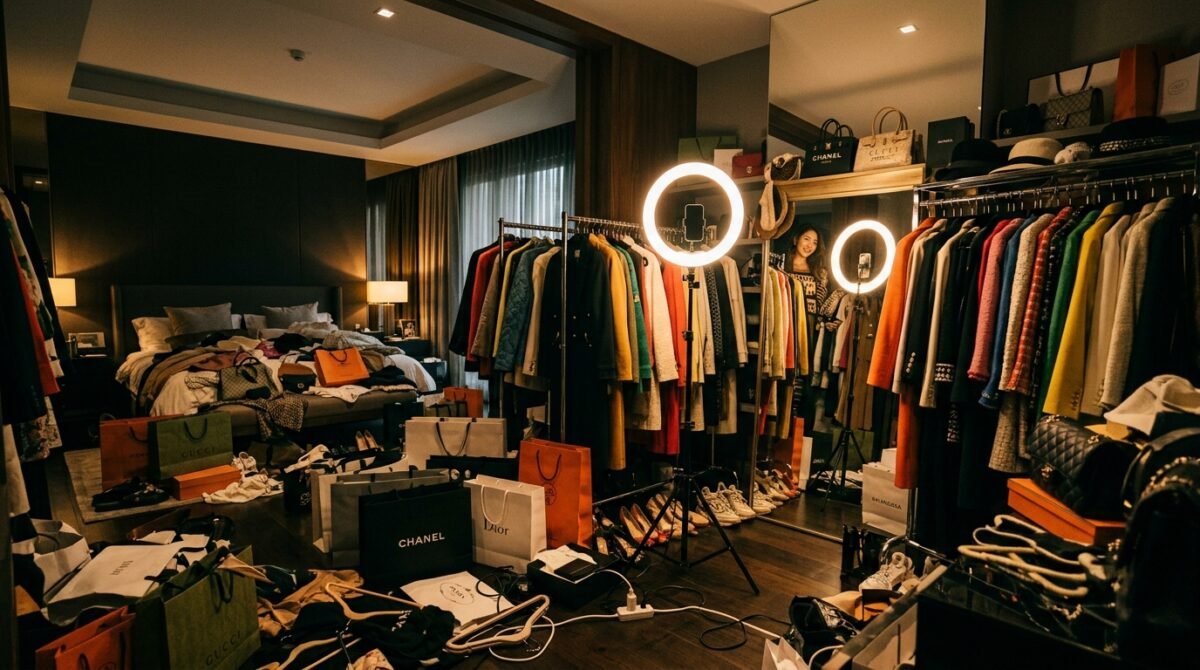
When people tell you that family is the most important thing in the world, they usually forget to mention the fine print. They forget to tell you about the boundaries that get stomped on, the unspoken rules that are treated as suggestions, and the sense of entitlement that grows in the dark corners of familial obligation. My sister, Chloe, has always been the ‘star’ of our family. An aspiring influencer with a flair for the dramatic and a bank account that never seemed to match her lifestyle, she viewed the world—and my home—as her personal studio.
For years, I played the part of the supportive older sibling. I lent her money when her ‘brand deals’ fell through, I offered my apartment as a staging ground for her shoots, and I tolerated the glitter on my carpets and the ring light that stayed set up in the living room for weeks. But when she decided that my guest bedroom—my actual, functional sanctuary for visiting relatives—was the perfect place to house her ever-expanding wardrobe, the dynamic shifted from ‘supportive’ to ‘exploited.’
It wasn’t just the space. It was the audacity. Without asking, she moved her heavy industrial clothing racks into the room, installed professional-grade mirrors that left holes in my walls, and started treating my home like a boutique hotel that didn’t charge for room service. The final straw came on a Tuesday when I returned home from a long shift to find my guest room completely inaccessible, locked from the inside by her new ‘studio’ door handle.
The moral dilemma here wasn’t about the space itself, but about the lack of respect. She saw my property as a commodity for her engagement metrics. I saw it as my home. When she refused to clear the room for my parents’ upcoming visit, I decided that if she wanted to treat my house like a commercial location, she was going to pay the commercial rate. I didn’t yell. I didn’t throw her clothes on the lawn. I simply sat down at my laptop and created an invoice that would change our relationship forever.
The Day the Guest Room Vanished
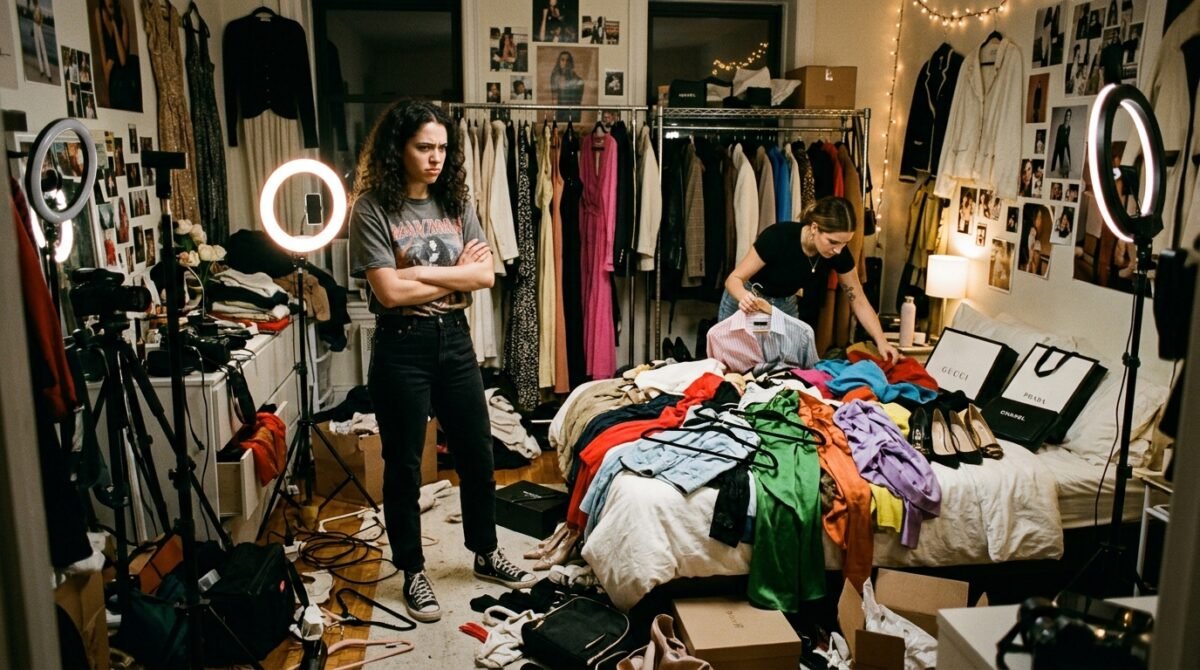
The transformation didn’t happen overnight, but the realization of it felt like a sudden, jarring blow. I had been away on a business trip for four days, and in that time, Chloe had effectively colonized the guest wing of my townhouse. I walked in, expecting to drop my suitcase in the spare room, only to find the door locked with a keypad deadbolt I certainly didn’t install.
I knocked, feeling a strange mixture of confusion and burgeoning anger. When she finally opened the door, she was surrounded by boxes of shoes, racks of shimmering sequins, and a ring light that blinded me as I stepped inside. She didn’t even look guilty. In fact, she looked annoyed that I had interrupted her ‘creative process’ as she tried to find the perfect angle for her evening post.
“You’re home early? I’m right in the middle of a shoot for the summer collection, so could you maybe go hang out in the kitchen for another hour? I need the natural light from this window.”
— Chloe, during the initial confrontation
I looked at the walls, where she had adhesive-backed hooks everywhere, peeling away the paint in long, ugly strips. My guest room, which I usually kept pristine for my parents or out-of-town friends, now looked like the back office of a failing retail store. The smell of expensive perfume and hairspray was thick enough to choke on.
“Chloe, this is my house. Why is there a keypad on this door? And why are my walls being destroyed?” I asked, my voice dangerously calm. She just laughed, dismissing my concerns with a wave of her hand. She claimed that she was ‘building a business’ and that I should be proud to be part of the journey. It was the classic influencer gaslighting tactic: if you don’t support my narcissism, you’re the one holding me back.
I realized then that she didn’t see me as a sibling or a host. She saw me as an asset. The realization was cold and sharp. I didn’t argue further; there was no point in arguing with someone who had already decided that their aesthetic was more important than my property rights. I walked out, closed the front door behind me, and began to draft the email that would initiate the ‘business arrangement.’
The Spreadsheet of Professional Consequences

I spent that night building the most detailed spreadsheet of my life. I didn’t want to make this emotional, which is why I chose to make it transactional. I researched local rates for professional studio spaces, equipment storage, and—crucially—the costs of repairing wall damage and deep cleaning carpets. I also factored in the inconvenience of not having a guest room available for my parents, who were flying in from out of state in three weeks.
The total came out to a figure that wasn’t just symbolic. It was calculated based on the market rate for a commercial studio rental in my neighborhood, plus a premium for the ‘in-home’ nature of the setup. I labeled it ‘Invoice #001: Commercial Studio Space and Storage Rental.’ I sent it to her email address at 8:00 AM the next morning, followed by a message on our family group chat for good measure.
“Hey Chloe, since you’ve decided to turn the guest room into a permanent studio, I’ve adjusted the living arrangements. I’ve sent over a rental invoice for the space usage, storage, and the inevitable restoration costs for the walls. Payment is due by Friday to ensure the space remains available for your ‘content.'”
— My text to the family group chat
The silence in the group chat was deafening. My brother, who lived three states away, replied with a series of popcorn emojis. My parents, who were blissfully unaware of the transformation of my guest room, just asked when the room would be ready for their visit. The tension was palpable even through a screen.
Chloe called me within two minutes. I didn’t pick up. I knew exactly what she was going to say—that I was being petty, that family shouldn’t charge family, and that I was jealous of her growth. I let it go to voicemail. I wanted a paper trail, not a shouting match. I wanted to ensure that when this eventually blew up, there would be no ambiguity about what had been agreed upon.
By noon, the invoice had been viewed. I could see the ‘read’ receipts on my accounting software. She hadn’t paid, of course. She hadn’t even acknowledged the numbers. She simply sent a text back, accusing me of sabotaging her career right as she was about to sign a major sponsorship deal with a fashion brand. The narrative was already shifting: I was the villain for demanding rent, she was the victim for having to work in a ‘hostile environment.’
The Midnight Confrontation in the Living Room

She showed up at my house at 11:00 PM, keys in hand, expecting to breeze past me as if the invoice never existed. She was accompanied by a ‘creative consultant’—a guy I had met once, who looked perpetually exhausted. She marched straight to the guest room, but I was waiting in the hallway. I didn’t move.
“You aren’t going in there until we talk about the invoice, Chloe,” I said, crossing my arms. She looked at me like I had grown a second head. She tried to step around me, but I stepped into her path. The ‘consultant’ looked down at his shoes, clearly wishing he were anywhere else on the planet.
“You’re actually going to do this? Over a room? You know how much this shoot means to me. This brand deal could literally set me up for the next year. You’re being incredibly selfish.”
— Chloe, during the hallway confrontation
“It’s not about the shoot, Chloe. It’s about the fact that you think my life revolves around your ‘brand.’ You didn’t ask. You just took. And now, you’re going to pay for the privilege or you’re going to pack it up,” I replied. My voice was steady, even though my heart was hammering against my ribs.
She started to cry—a practiced, performative sob that I had seen a thousand times before. She appealed to the consultant, asking if he thought I was being unreasonable. He just mumbled something about needing to get the lighting gear setup before sunrise. I didn’t budge. I held my ground, feeling a strange sense of liberation in refusing to be the ‘supportive sibling’ for once.
We stood there for ten minutes, the air thick with mutual disdain. She eventually realized that I wasn’t going to fold. She tried to threaten me, mentioning how she would tell Mom and Dad that I was ‘kicking her out’ while she was struggling. I just pointed to the front door. It was the most satisfying moment of my adult life—realizing that I didn’t need her approval to set a boundary.
The Reddit Community Weighs In
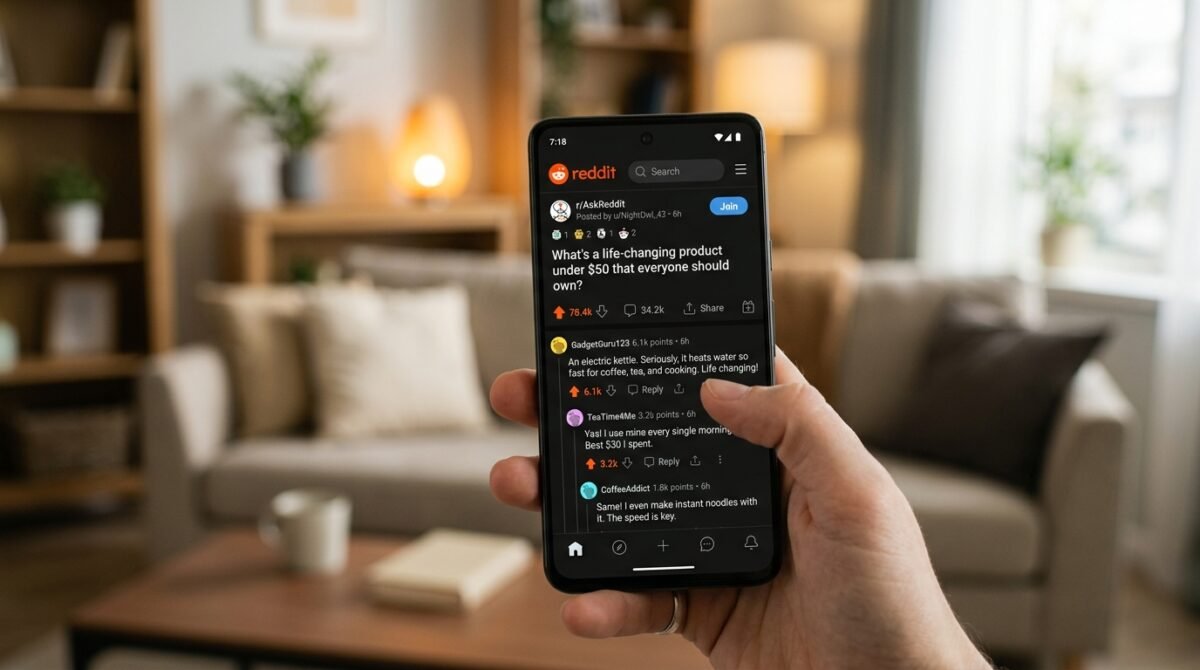
I didn’t think twice about posting the situation on a popular subreddit. I needed a gut check. Was I being too harsh? Was I the asshole for charging my sister? I wrote out the story, focusing on the lack of communication and the damage to the property. Within an hour, the post had blown up. The comments section became a battlefield of opinions, with thousands of people debating the ethics of family, boundaries, and influencer culture.
“NTA. The moment she turned a personal space into a commercial warehouse without your permission, she stopped being a ‘guest’ and became a ‘tenant.’ You have every right to charge her. In fact, you should be charging her for the cleaning deposit too.”
— u/RetailExpert (Top Comment, 32.1k upvotes)
There were hundreds of comments like that. People shared their own stories of ‘family influencers’ who took advantage of their kindness. It was validating to see that I wasn’t alone in this. The consensus was clear: my sister was a classic narcissist who thrived on enabling, and I had been the enabler-in-chief for far too long.
But there were dissenters, too. Some people argued that family is family, and that charging a sister is the ‘nuclear option’ that destroys relationships forever. They argued that I should have just sat down and talked it out, as if I hadn’t tried that a dozen times before. I read through the comments with a glass of wine, feeling less guilty with every passing minute.
The most eye-opening part was the advice from people who worked in real estate and law. They warned me about the ‘squatter’s rights’ implications. If she kept her stuff there for a certain amount of time, she could theoretically claim she was a resident and I would have to go through a formal eviction process to get her out. That was the moment I realized the invoice wasn’t just about money—it was about legal protection.
I started replying to the top comments, clarifying that this wasn’t the first time she had pushed a boundary. The community responded with even more support. Someone even offered to draft a sample ‘Commercial Lease Agreement’ for me to use in the future. The sheer volume of people who saw through her ‘influencer’ persona gave me the confidence to stick to my guns.
The Certified Letter and the Silence
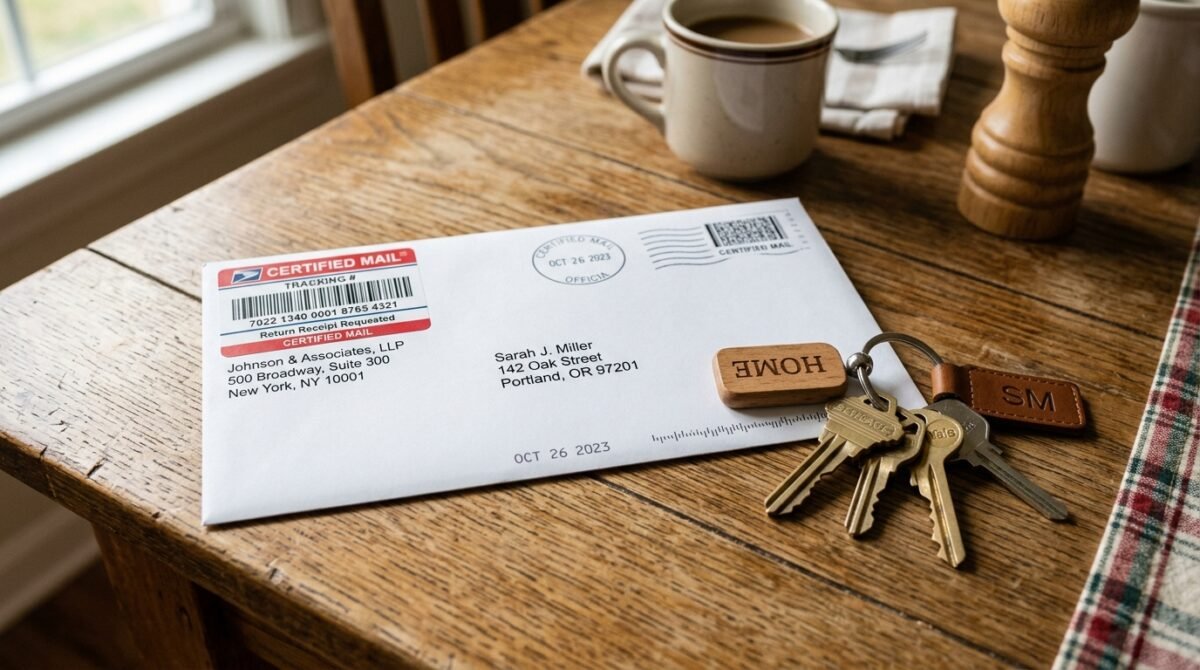
When the Friday deadline for the invoice passed, I didn’t send a gentle reminder. I sent a formal, certified letter. It outlined the terms of a temporary lease for the ‘studio space,’ including a clause that explicitly stated no residential rights were being granted. I also included a list of damages that needed to be repaired by the end of the month, or the costs would be deducted from her future ‘rent.’
Chloe didn’t respond to the email or the letter. She went silent. For three days, I didn’t hear a word. It was the longest three days of my life. I was worried she might have just abandoned the room, leaving me with a mountain of clothes and equipment that I didn’t know how to legally dispose of. Then, on the fourth day, I got a text from my mother.
“Why is Chloe telling us you’re charging her thousands of dollars to work? She says she’s been helping you with your ‘social media presence’ and that this is a total betrayal. What is going on?”
— My Mother, via text message
I sighed and started typing. I didn’t want to drag my parents into the mud, but I knew I had to defend myself. I sent them a photos of the room—the holes in the wall, the clutter, the locked door. I explained that this wasn’t a business partnership; it was a hostile takeover of my home. I didn’t mention the exact dollar amount, but I made it clear that her actions were unacceptable.
The fallout was predictable. My mother, usually the mediator, was shocked. She had no idea that Chloe had been using my house as a warehouse. She had always told the family that Chloe was ‘renting a studio in the city.’ The lie was finally exposed. The silence from Chloe wasn’t because she was thinking; it was because she was spinning a narrative that was finally falling apart.
I waited for the blowback. I waited for her to show up with my parents, ready to lecture me about ‘family values.’ I even changed the locks on the front door, just in case. I was prepared for the war, but I never expected the next move she would make—the attempt to ‘go public’ with her side of the story.
The Public ‘Exposé’ That Backfired
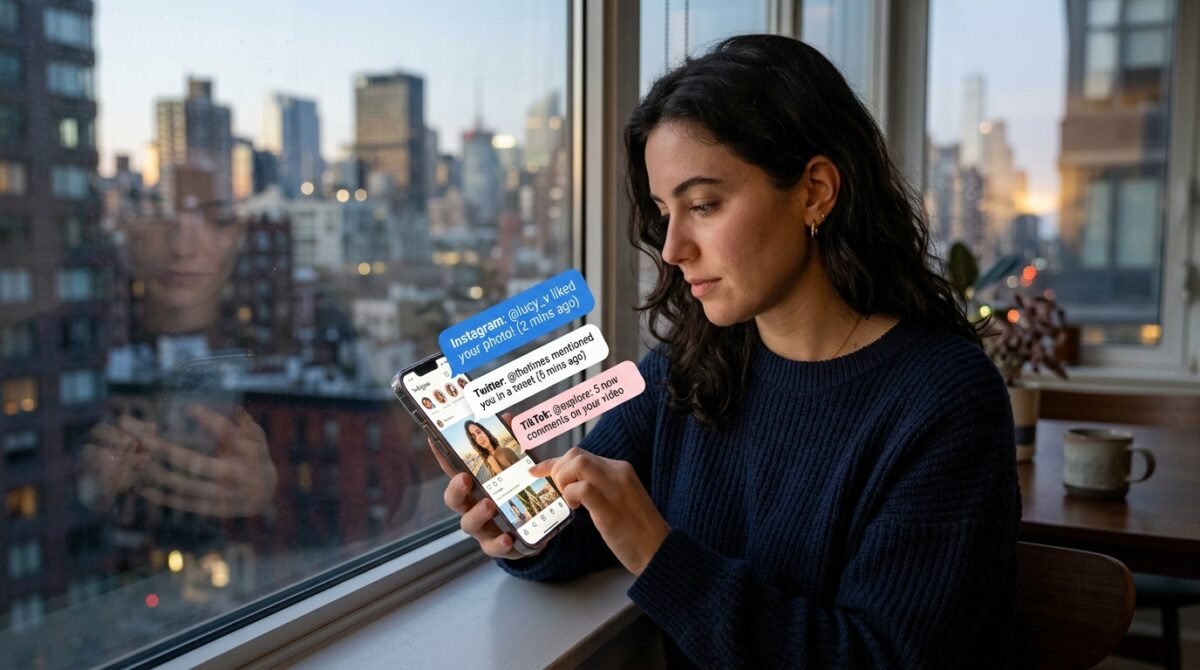
I knew she was dramatic, but I didn’t think she would actually do it. On a Thursday morning, my phone started blowing up with notifications. My friends were sending me screenshots of a video Chloe had posted to her Instagram Stories. She was crying, talking about how ‘toxic family members’ were trying to stifle her growth and how she was being ‘extorted’ for her hard work.
She didn’t name me, but she showed the room—my guest room—and the ‘invoice’ I had sent, calling it ‘proof of the harassment’ she was facing. She framed it as a story of an unsupportive, jealous sibling who couldn’t handle her success. The comments on her post were initially supportive, with her fans attacking the ‘mystery sibling’ for being a hater.
I didn’t respond immediately. I let it play out. I waited until the engagement peaked, and then I posted my own response. It wasn’t a video. It was a simple, objective post on my own page, featuring the photos of the damaged walls and the list of conditions I had provided. I kept the caption professional and firm: ‘A business arrangement requires consent, not just a key to the front door.’
“I’ve always supported my sister’s career, but a home is not a commercial studio. When you turn a guest bedroom into a storage unit without asking, you don’t get to call it ‘support.’ You get a bill.”
— My public response on social media
The turn was immediate. Her followers, who were mostly young people who also valued their personal boundaries, started to question her. They pointed out that she hadn’t mentioned she was using my house for free. The narrative shifted from ‘hater sibling’ to ‘entitled influencer.’ She deleted the story within an hour, but the damage was done.
She lost a significant amount of credibility that day. People weren’t interested in her ‘victim’ story when they saw the blatant disrespect she had shown to her own family. The ‘consultant’ who had helped her move the stuff in even posted a comment saying he was just a hired hand and hadn’t realized the space wasn’t hers. It was a complete disaster for her brand.
I felt a strange sense of vindication. It wasn’t about winning; it was about the truth being seen. She had tried to leverage her online status to manipulate me, and it had backfired because she had overestimated her audience’s loyalty to her over their own sense of basic human decency. She didn’t speak to me for a month after that.
The $1,400 Restaurant Bill Lesson

A month later, the tension had reached a plateau. My parents, attempting to play the role of peacemakers, invited us both to dinner at a high-end restaurant, hoping we could ‘hash things out.’ I agreed to go because I wanted to set some final boundaries in person. I told myself I would stay calm, keep it professional, and not let her get under my skin.
The dinner was an agonizing experience. Chloe acted like nothing had happened, making small talk about her latest campaign. I didn’t engage. When the bill arrived, the waiter brought it to the center of the table. It was $1,400—an exorbitant amount for a dinner where she had ordered three bottles of champagne that no one else wanted.
“Well, since you’re so ‘business-minded’ now, surely you can cover the rest of the bill? I’ve had such a rough month with all that stress you caused me.”
— Chloe, sliding the bill toward me with a smirk
I looked at the bill, then I looked at my parents, who were watching with bated breath. I didn’t hesitate. I pulled out my card and paid for my own meal, leaving exactly the right amount for my share, plus tip. I didn’t offer to cover her or the champagne. I stood up, excused myself, and walked out of the restaurant.
The look on her face was priceless—a mix of shock and pure rage. She had expected me to fold, to pay for her excess just like I always had. By refusing, I was telling her that her entitlement didn’t extend to my wallet, even in a public setting. It was the final nail in the coffin of our old dynamic.
My parents followed me out to the parking lot. They were upset, but they were also beginning to see the reality. They realized that Chloe wasn’t just ‘growing up’; she was losing touch with how to treat people. They didn’t scold me. They just asked me to give it time. I told them I was done giving, and that I was finally ready to start living for myself.
The Final Move-Out
The week after the dinner, I received a text from a moving company. Chloe was finally clearing out the room. She didn’t reach out to me personally. She just sent the date and time they would be there. I made sure I was home, not to help, but to oversee the process. I wasn’t going to let them damage the door frames on their way out.
The movers were professional and efficient. As the room emptied out, the space started to feel like my own again. The peeling paint on the walls, the indentations in the carpet, and the smell of perfume—all of it slowly vanished as they hauled the racks and mirrors away. I felt a weight lifting off my shoulders that I hadn’t realized I was carrying.
When the last box was gone, I walked into the empty room. It was stark, damaged, and quiet. I sat down on the floor, breathing in the scent of nothingness. I hadn’t received a penny for the rent, but that didn’t matter anymore. The cost of the repairs would be a fraction of what I had gained in peace of mind. I started looking at paint samples, picking out a calming shade of blue to cover the damage she had left behind.
“The room is empty now. I’ve sent the bill for the wall repairs to your email. We don’t have to talk, but I expect that amount to be paid by the end of the month.”
— My final text to Chloe
She didn’t reply to that, either. She didn’t pay the bill, and at this point, I don’t think she ever will. I decided to write it off as a ‘tuition fee’ for learning how to stand up for myself. I was finally free of the expectation that I had to be the one to pay for her lifestyle, and that was worth every cent.
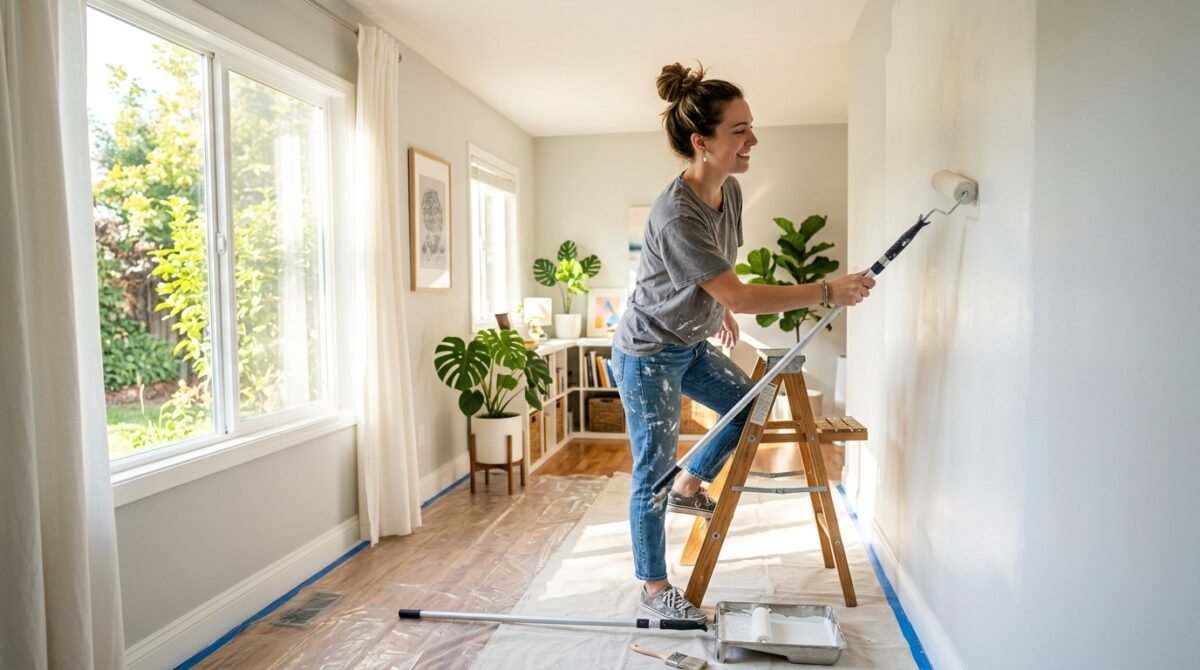
I spent the weekend painting the room. It was hard work, scrubbing the adhesive residue and sanding the walls, but it was therapeutic. Every stroke of the roller felt like I was reclaiming my space, my home, and my sanity. By Sunday night, the room looked better than it had in years. It was ready for its intended purpose: a place for guests who actually respect the people who host them.
Reflecting on the Fallout

It has been six months since Chloe moved her ‘studio’ out of my house. The silence between us is still there, and honestly, I don’t miss the drama. My parents have learned to accept the new boundaries, though they still hope for a reconciliation. I told them that I’m open to a relationship, but only if it’s built on mutual respect, not on the exploitation of my time and resources.
I’ve noticed that she has moved her setup into a shared studio space in the city. She posted about it, calling it her ‘new headquarters.’ I didn’t comment, and I didn’t watch the video. I’m living my life, focused on my own career and my own peace. The experience taught me that being a ‘good sibling’ doesn’t mean being a doormat. It means expecting the same level of care that you provide to others.
People often ask me if I regret being so ‘cold’ about the whole thing. I tell them that I wasn’t cold; I was clear. There is a difference. When you are constantly being taken advantage of, being ‘nice’ is just a way of participating in your own exploitation. I chose to step out of that role, and while the transition was painful, it was absolutely necessary for my own well-being.
I still see her posts sometimes, popping up in my feed. She’s doing fine. She’s still an influencer, still chasing the next big brand deal. And I’m still here, in my house, with a clean guest room and a set of boundaries that keep my life running smoothly. We are two different people now, and that’s okay. We don’t have to be everything to each other to be family.
Lessons from the Infamous Invoice

If there is one thing I’ve learned, it’s that boundaries are only as strong as your willingness to enforce them. If I had just complained without taking action, she never would have stopped. The ‘invoice’ was a tool, not a weapon. It forced her to acknowledge that my time and space had value, even if she refused to pay for it. It made the invisible struggle visible.
I’ve had a few friends reach out to me since the story went viral, telling me about their own ‘Chloe’s’ in their lives. It’s comforting to know that I’m not the only one who has had to make the hard choice between keeping the peace and keeping their dignity. I’ve become a bit of an advocate for ‘transactional transparency’ in family relationships, at least when things get out of hand.
I don’t think I’ll ever fully trust her with my keys again, and that’s a hard pill to swallow. But I’ve learned that trust has to be earned, not just given because of a blood relation. We are still in a ‘low-contact’ phase, and for now, that’s exactly where I need us to be. The space between us is no longer filled with her clothes and her drama; it’s filled with the quiet, healthy distance I needed all along.
I hope that one day she will understand why I did what I did, but I’ve stopped waiting for that apology. I don’t need it anymore. I’ve moved on, and I’ve found a peace that is much more valuable than any apology she could offer. The guest room is ready for visitors—real ones, who know the value of a home and the importance of respect.
Conclusion
The story of the luxury hotel invoice is a reminder that family dynamics are often built on a foundation of unspoken assumptions. When we challenge those assumptions, the reaction can be explosive. But beneath the anger and the drama, there is often a much-needed correction. By setting a boundary—and by using the language of commerce to make that boundary clear—I was able to regain control over my own life.
The internet community was divided, but the support I received was overwhelming. It showed me that many people are struggling with the exact same issue: the feeling that they are being used by people they love, and the guilt that comes with wanting to say ‘no.’ If you’re in that position, remember: your space, your money, and your time belong to you. You are allowed to protect them.
What about you? Have you ever had to charge a family member for their lack of boundaries? Have you ever had to make a ‘cold’ decision to protect your own peace? Let me know in the comments below. Let’s discuss the line between support and exploitation, and how we can all be better at saying ‘no’ before it reaches the point of no return.
What's your verdict on this dilemma?
Vote below to contribute to the official community consensus.

Have a Dilemma Keeping You Up at Night?
Share your real-life feud, wedding chaos, or relationship crossroads anonymously with our editorial team.
What do you think ?
0 Comments🛡️ Comments are moderated to protect community integrity. Your comment will appear once approved by the editorial team.