
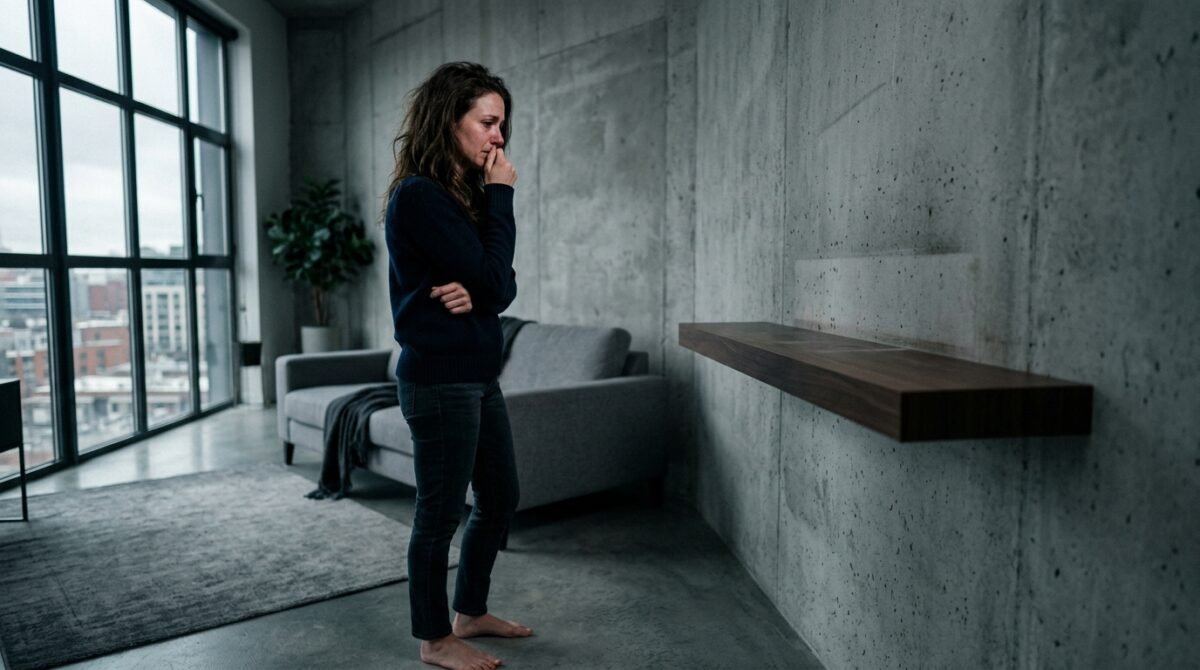
Marriage is built on shared experiences, but for Mark, it was built on a singular, rigid aesthetic that excluded my history. We had been married for three years, and from the start, Mark made it clear that he lived for ‘clean lines’ and ‘intentional living.’ I tolerated his obsession with minimalism, thinking it was just a quirky personality trait. I kept my grandmother’s vintage jewelry box, my childhood scrapbooks, and the hand-painted letters from my late mother tucked away in our guest bedroom closet—my sanctuary of memories.
Last week, I took a long-overdue trip to visit my sister, who had just welcomed her first baby. It was supposed to be a week of joy and bonding, a break from the growing tension regarding our home environment. Mark had been pushing for me to ‘thin out’ my belongings for months, claiming my boxes were a form of visual noise that kept him from achieving inner peace. I told him, clearly and repeatedly, that those items were non-negotiable.
When I returned home on a Sunday evening, exhausted and eager to see my familiar space, I walked into a home that felt like a museum of someone else’s life. Every shelf was bare. The guest closet, which I had locked before leaving, had been emptied. The contents—every single sentimental artifact I cherished—were gone. When I confronted him, he didn’t apologize; he smiled, telling me he had done me a favor by ‘liberating’ me from the clutter.
The betrayal was sharp, immediate, and visceral. I realized in that moment that he hadn’t just thrown away cardboard and paper; he had thrown away the physical anchors of my identity because he didn’t value them as much as he valued his sterile white walls. The air in the room felt thin. I knew then that I couldn’t simply argue this away. I needed to show him exactly what it felt like to have your history treated as trash.
The Sterile Voids Where My Memories Lived

I stood in the center of the living room, my suitcase still in my hand, as the silence of the house pressed against my ears. It wasn’t just quiet; it was a vacuum. Where my grandmother’s hand-painted porcelain vase had sat, there was only a dustless, white surface. My heart began to hammer against my ribs. I walked to the guest bedroom, my breath catching in my throat. I turned the handle, praying it was a mistake.
The closet was hollow. My boxes were gone. Every letter, every dried flower from my wedding bouquet, every photo strip from my teenage years—all of it had been evicted. I walked back into the living room where Mark was sitting on the couch, scrolling through his tablet, looking entirely at peace with the world he had created.
“Mark, where is everything? The closet is completely empty. Tell me you put those boxes in the garage.”
He didn’t look up immediately. When he did, his expression was maddeningly serene. He sighed as if he were dealing with a petulant child who had misplaced a toy. “I told you, they were dragging us down. The energy in this house was stagnant. I took the liberty of dropping them off at the donation center on Thursday morning. The house feels so much lighter now, don’t you think?”
I felt a coldness wash over me that I had never experienced before. It wasn’t anger—not yet. It was the terrifying clarity of a person who has just realized they are living with a stranger. He hadn’t just ‘donated’ my belongings; he had executed them. He knew exactly what was in those boxes. He had seen me cry over those letters when my mother passed. He had watched me arrange those photos.
“You donated my mother’s letters?” I whispered, my voice trembling. “You donated the only things I have left of her?” He stood up, shrugging, completely missing the gravity of his violation. “Paper fades, but the memories stay in your head. You’re holding onto ghosts. I just wanted us to be able to breathe in our own home.”
The Midnight Packing Operation

I didn’t scream. I didn’t throw a vase, mostly because he had thrown all the vases away. I simply went into the bedroom and closed the door. I sat on the edge of the bed for two hours, watching the digital clock change numbers, waiting for the sound of his rhythmic, untroubled breathing from the living room couch. He had decided he wanted a minimalist life? Fine. I would give him the most minimalist experience of his entire existence.
I opened his closet. It was terrifyingly organized. Every shirt was color-coded; every pair of shoes had a designated landing spot. It was a testament to his control. I didn’t destroy anything. I didn’t rip his clothes or cut his ties. I simply took his high-end, Italian-leather luggage set from the top shelf and began to fill it. I chose his most expensive suits, his pristine sneakers, and his carefully curated collection of minimalist tech gear.
I packed with a cold, calculated efficiency that surprised me. Every item I placed into the bags felt like an act of reclamation. I wasn’t being cruel; I was simply helping him reach his goal. He wanted an empty space? I was going to provide him with the most spacious apartment in the city—by removing his presence from it entirely.
I finished around 3:00 AM. I left the bags by the front door, neatly arranged in a straight, minimalist line. I went to the guest bedroom, which was now empty, and lay on the floor because he had even gotten rid of the spare bed frame. I didn’t sleep. I just waited for the sun to rise and for the inevitable confrontation that would shatter the foundation of our marriage.
The Morning Realization

The sound of his footsteps on the hardwood floor was the only warning I got. He walked into the hallway, expecting to go to the kitchen for his morning pour-over coffee, but he stopped dead in his tracks. I was already sitting at the kitchen island, drinking a glass of water, watching the scene unfold from the reflection in the window.
“What is this? Are you serious right now? You’re acting like a child because I wanted to clean up the space?”
He didn’t touch the bags. He just stared at them with genuine confusion, as if he couldn’t comprehend that his actions had consequences. I stood up and walked toward him. “I’m not acting like a child, Mark. You wanted a space devoid of clutter. You wanted to live in an environment where things don’t ‘weigh you down.’ Well, those bags contain everything you own. You’re light now. You’re free. I’ve helped you achieve your dream.”
His face turned red, a stark contrast to the white walls he loved so much. “This isn’t the same thing! Those things were trash! My clothes are professional assets! You can’t just pack my life up!” I laughed, a sharp, humorless sound. “They weren’t trash, Mark. They were my life. And since you’ve decided that my life is ‘clutter,’ I’ve decided that yours is an obstruction.”
He looked at me, searching for a sign that I was joking, that I would eventually relent and unpack the bags. When he saw the cold resolve in my eyes, his arrogance faltered for the first time. He realized that the dynamic had shifted. He wasn’t the architect of our home anymore; he was a guest who had overstayed his welcome.
The Financial Breakdown of the ‘Minimalist’ Life

Later that day, I sat down with a legal pad and began to map out the financial cost of his ‘decluttering.’ It was a sickening exercise. The items he had donated were not just sentimental; they held significant market value that I had been keeping safe for our future children. I wrote it all down, calculating the costs of the antique jewelry, the heirlooms, and the vintage collections.
| Item Category | Estimated Value | Replacement Status |
|---|---|---|
| Heirloom Jewelry | $12,500 | Impossible |
| Vintage Letters/Mementos | Priceless | Lost |
| Antique Porcelain | $3,200 | Market Search |
| Childhood Scrapbooks | Priceless | Destroyed |
The table sat on the kitchen counter, right next to his car keys. When he came home from work, he didn’t even put his briefcase down. He just stared at the paper. It was a tangible record of his entitlement. He thought he was ‘fixing’ our home, but he was actually destroying assets that didn’t belong to him.
“You think this is just about money?” he asked, his voice low. “You think a list makes you right?” I didn’t look up. I just tapped the paper with my pen. “It’s about respect, Mark. You didn’t ask. You didn’t consult. You just took. And now, you’re going to see exactly what that looks like in the eyes of a judge if you don’t start making this right immediately.”
He paced the room, his movements agitated. He was trying to find a way to reframe the narrative, to make me the villain for being ‘materialistic.’ But the math was on my side. Minimalism is a luxury that requires the consent of everyone living in the house. Without that consent, it’s just theft.
The Group Chat Explosion
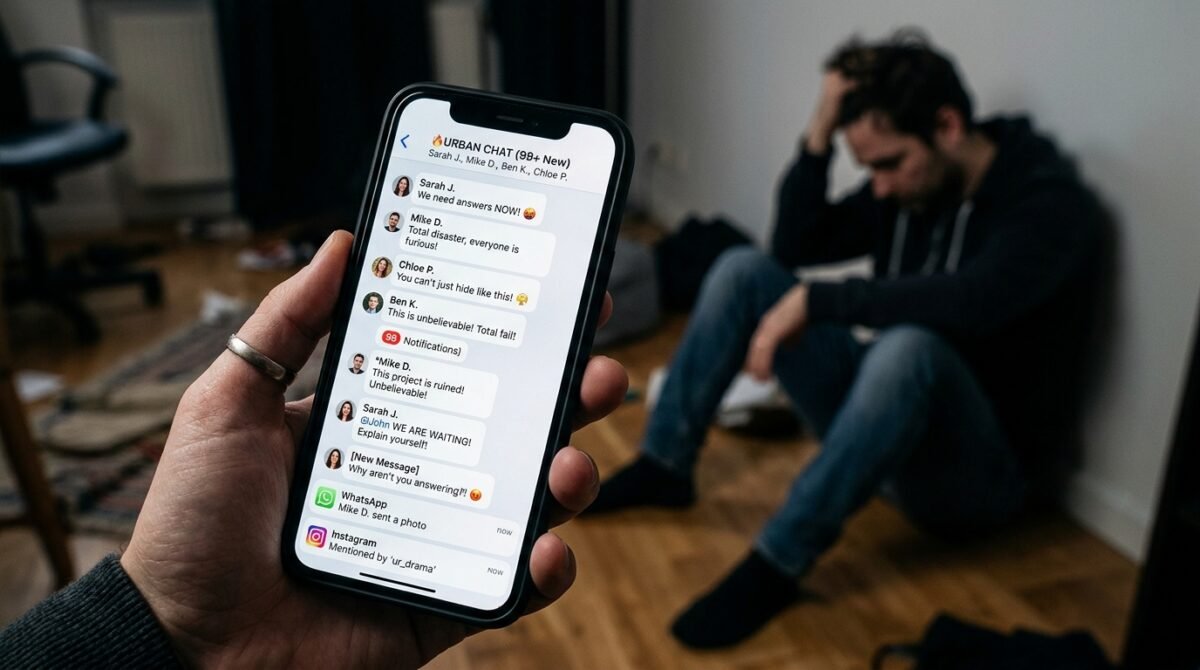
The fallout wasn’t contained to our four walls. Mark, in a fit of self-pity, reached out to our shared friend group, trying to paint himself as the victim of a ‘crazy, hoarding wife.’ He didn’t tell them he had thrown out my things; he told them I was ‘having a breakdown’ and ‘refusing to keep a tidy home.’ The response in the group chat was immediate, but not in the way he expected.
“Guys, she’s literally throwing my clothes out because I tried to make our living space functional. I don’t know what to do. She’s being completely irrational.”
— Mark, Family/Friends Group Chat
My sister, who I had called immediately after the incident, jumped in. She didn’t mince words. She posted a photo of the boxes I had told her about, the ones he had donated. The group chat went dead silent for twenty minutes before the messages started flooding in.
“Mark, you threw out the letters from her mom? The ones she keeps in that velvet box? Are you out of your mind? That’s not decluttering, that’s emotional abuse.”
— Sarah (Our Mutual Friend), Group Chat
The screen of my phone lit up incessantly. People who had once praised Mark’s ‘clean, modern style’ were now calling him out for his blatant lack of boundaries. He had managed to alienate the very people he expected to support his narrative. He sat on the floor, reading the messages, his face pale.
“They don’t understand our relationship,” he muttered, but his voice lacked conviction. “They think I’m the bad guy.” I looked at him, feeling a strange sense of pity. He truly believed his own hype. He believed that his aesthetic was a moral virtue, and that anyone who didn’t subscribe to it was morally inferior.
The Certified Letter That Changed Everything
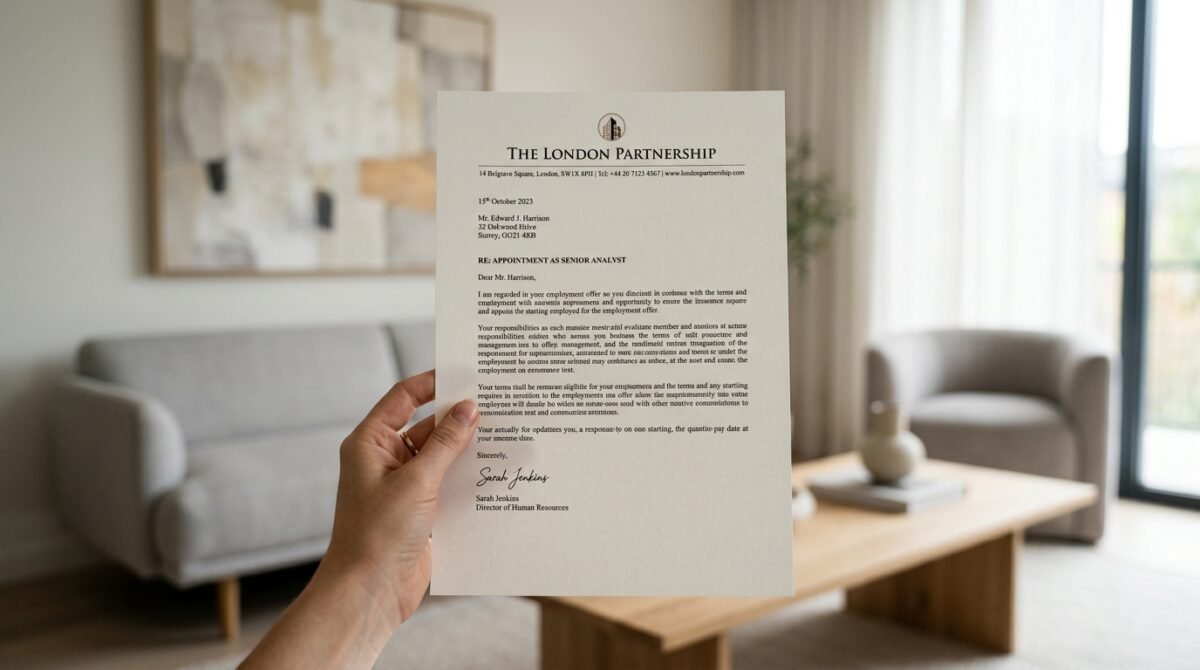
Two days later, a certified letter arrived from his mother. She had heard the story from someone in the family and was absolutely livid. She didn’t call me; she sent a formal letter to both of us, outlining her extreme disappointment in his actions. It was a bizarre, old-fashioned way to communicate, but it hit harder than any text message ever could.
The letter detailed how she had given me those items specifically, knowing that I would cherish them. She didn’t care about his ‘minimalist journey.’ She cared about her legacy being discarded. Mark read it in the kitchen, his hand shaking. It was the first time he looked genuinely frightened by the consequences of his actions.
“I never thought of it like that. I thought it was just stuff. I didn’t realize it was a family legacy. You should have told me.”
I stared at him, incredulous. “I told you, Mark. I told you a dozen times. You just stopped listening because you didn’t think my history was important enough to be included in your version of a perfect life.” The realization that he didn’t even value his own family’s history—only his own control—was the final nail in the coffin for me.
I took the letter from him and placed it in the trash can. “See? Throwing things away is easy, isn’t it? Does the house feel lighter now, Mark? Because I feel like I’m suffocating.” He didn’t respond. He just stared at the empty space on the wall where our family portrait used to be. He had finally achieved his dream: a perfectly empty, meaningless house.
The Reddit Trial: Why the Internet Took My Side

I posted about the situation on a popular subreddit, needing an objective perspective. I expected a mix of responses, perhaps some criticism for how I handled his clothes. I was wrong. The support was overwhelming. Thousands of people chimed in, dissecting the power dynamics of our marriage and the inherent entitlement of his ‘decluttering’ crusade.
“This isn’t about clutter. This is about control. He wanted to erase your past so he could be the only influence in your life. The fact that he threw away irreplaceable items is a massive red flag. Divorce him. This won’t get better.”
— u/RelationshipGuru (Top Comment, 32.4k upvotes)
The thread became a repository for others who had lived with ‘minimalist’ partners who used aesthetics as a weapon. I spent hours reading stories that mirrored my own—people whose spouses had thrown away their art, their books, their children’s mementos. It was a solidarity I hadn’t realized I needed. I wasn’t crazy. I wasn’t being dramatic. I was being erased.
Another comment stood out, one that hit the nail on the head regarding the psychological aspect of what he had done. It wasn’t about the objects; it was about the lack of autonomy. By taking away my things, he had stripped me of my ability to feel at home in my own house. He had turned our marriage into a space where only his preferences mattered.
“He’s not a minimalist; he’s an autocrat. He wants a show home, not a partnership. Pack his bags for real and find someone who wants to share a life, not curate a museum.”
— u/TruthSeeker99 (15.2k upvotes)
Reading these comments gave me the strength to follow through with the separation. I realized that if I stayed, I would eventually lose all connection to who I was before I met him. I was a person with a history, with memories, and with value—none of which were compatible with his sterile, empty vision of the future.
The Final Walkthrough

A week later, the lawyers were involved. The house was being listed for sale. Mark looked like a shell of himself. He had spent the last few days trying to ‘re-collect’ the things he had donated, but of course, they were long gone. The thrift store had already processed them, and the items were dispersed into the world, lost forever. He looked at me, hoping for an apology for the suitcase incident, but I had none to give.
“I just wanted us to be happy,” he said, his voice raspy. I looked around the house. It was still perfectly, painfully clean. There was no clutter, no mess, no personality. It was the most beautiful, dead place I had ever been in. “Happiness isn’t found in a lack of things, Mark. It’s found in the people you share your things with. You never wanted a partner. You wanted a prop for your lifestyle.”
I walked into the guest room, my bags packed for real this time. I was heading to my sister’s, where I knew I would find warmth, mess, and the chaotic beauty of a home filled with life. I didn’t look back when I walked out the front door. I didn’t care that he was left alone in his perfect, empty box.
The air outside felt different. It was humid, full of the scents of the city, and wonderfully, untidily alive. I took a deep breath, feeling the weight of the last three years lift off my shoulders. I had lost my mementos, yes, but I had regained my sense of self. And that was worth more than any antique vase or hand-painted letter.
The Aftermath: Building a Life with Meaning

Three months have passed. I am living in a small apartment that is the exact opposite of our old home. It is filled with plants, books, photos, and a thrifted velvet chair that I absolutely adore. Every time I look around, I see pieces of my life. It’s not ‘minimalist,’ and it’s certainly not a museum, but it is mine. It is warm, and it is a reflection of who I am.
Mark is still in that apartment, or so I hear. He’s still trying to keep it perfect. I wonder if he ever sits there in the silence and realizes that he has everything he ever wanted, and yet, he has absolutely nothing at all. He lost the one thing that actually mattered—a person who loved him despite his quirks—because he couldn’t stop trying to curate her out of existence.
I’ve started therapy to deal with the loss of my mother’s letters. It’s still painful, but I’m learning to hold onto the memories themselves rather than the physical items. The therapists say that the act of reclaiming my space was a vital part of my healing process. It was the moment I stopped being a guest in my own marriage and started being the author of my own life.
I’ve also started a tradition of my own: every Sunday, I invite friends over for dinner. We make a mess, we laugh, we leave dishes in the sink, and we talk until the early hours of the morning. It’s chaotic, it’s loud, and it’s beautiful. It’s everything Mark hated, and it’s everything I love.
Reflections on Boundaries and Control

Looking back at the whole ordeal, I see now that the ‘minimalist’ label was just a cover for a deep-seated need for control. It wasn’t about the objects; it was about the inability to tolerate anything he couldn’t personally manage or define. When we enter into relationships, we are effectively merging two histories, two collections of experiences, and two sets of values. If one partner insists on overriding the other, that’s not a partnership; it’s an erasure.
I’ve learned that boundaries are not just about what we say; they are about what we are willing to do when those boundaries are crossed. I spent years telling Mark what I needed, and he ignored it. It wasn’t until I took a stand—the bold, uncomfortable stand of clearing his space—that he finally understood the gravity of his actions. It shouldn’t have come to that, but it did, and I don’t regret it.
To anyone reading this who feels like they are being slowly erased in their own home: stand your ground. Your history is not clutter. Your memories are not visual noise. You deserve to live in a space that reflects who you are, not just the aesthetic preferences of someone who refuses to see you. If your partner doesn’t respect your boundaries, they don’t respect you.
I’m finally at peace. It took a lot of pain to get here, but I wouldn’t trade the person I am today for the life I had back then. I’m free, I’m surrounded by things that matter to me, and for the first time in a long time, I am truly, deeply, and unapologetically at home.
Conclusion
The story of my marriage ended, but it was the beginning of my true life. Minimalism is a beautiful philosophy for those who choose it, but when it is used as a tool to impose control or erase a partner’s history, it becomes a weapon of emotional destruction. I walked away from a ‘perfect’ home to find the imperfect, vibrant, and authentic life I had been missing.
What about you? Have you ever had a partner or family member try to ‘clean’ or ‘fix’ your life without your consent? How did you handle the intrusion? Do you think I went too far, or was it the only way to make him understand the depth of his violation? Let’s talk about it in the comments below—I want to hear your stories of setting boundaries in the face of control.
What's your verdict on this dilemma?
Vote below to contribute to the official community consensus.

Have a Dilemma Keeping You Up at Night?
Share your real-life feud, wedding chaos, or relationship crossroads anonymously with our editorial team.
What do you think ?
0 Comments🛡️ Comments are moderated to protect community integrity. Your comment will appear once approved by the editorial team.