
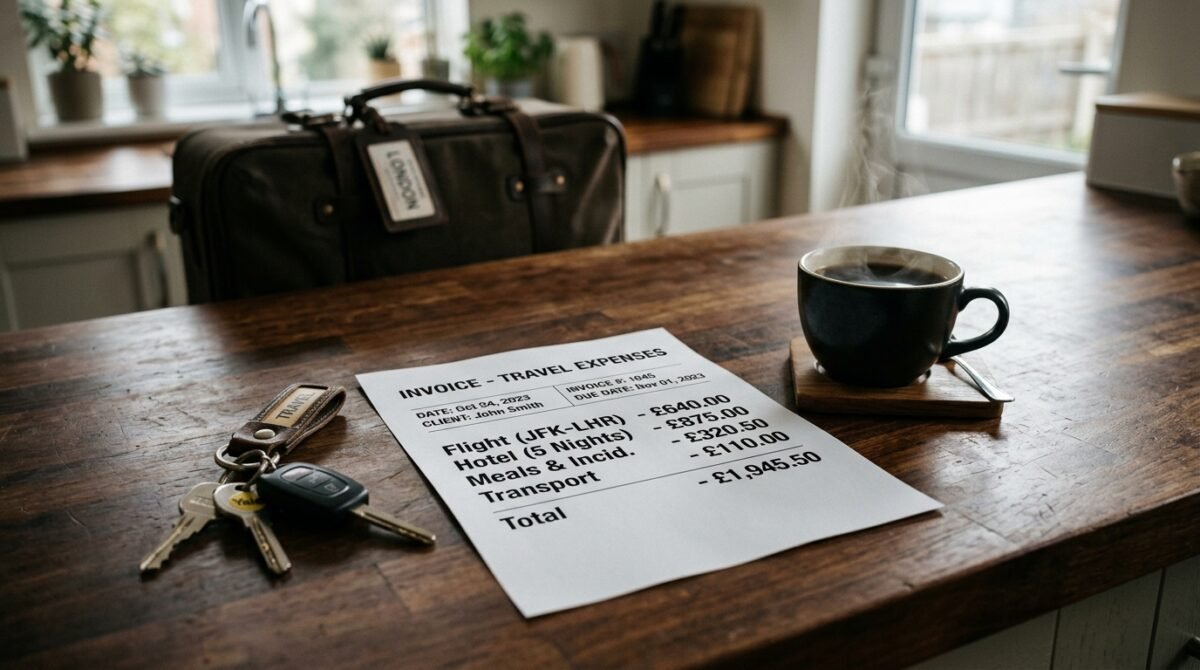
Relationships are built on small, often unspoken compromises. We trade favors, we share the burden of chores, and we operate on a foundation of mutual support. But what happens when that foundation is replaced by a transactional ledger? For Sarah, a 28-year-old graphic designer, the transition from partner to service provider happened slowly, almost imperceptibly, until it reached a breaking point that no one—least of all her boyfriend, Mark—saw coming.
Mark was a high-powered consultant who valued efficiency above all else. His life was a series of spreadsheets and optimization hacks. For months, Sarah had accommodated his busy schedule, taking over the lion’s share of household management. She didn’t mind the extra work—until the day she found the invoice. It wasn’t just a request for help; it was a formal, itemized bill for services rendered, left prominently on the kitchen counter like a corporate audit.
The audacity of the gesture wasn’t just in the dollar amount—$150 for ironing shirts and folding laundry—but in the underlying message: Sarah’s time and labor were no longer a contribution to their shared home, but a liability Mark felt entitled to quantify. It was a cold, clinical reduction of a romantic partnership into a master-servant dynamic that left Sarah reeling.
As she stood in their shared kitchen, reading the list of ‘services’ and their corresponding ‘market rates,’ the realization hit her with the force of a tidal wave. This wasn’t a partner; this was an employer who had forgotten that his employee had a life, a career, and feelings of her own. With Mark at the gym, oblivious to the shift in the tectonic plates of their life, Sarah made a decision that would redefine her future.
This is the story of how a single piece of paper transformed a relationship into a cautionary tale, and how one woman took control of her life in the most dramatic way possible, leaving behind not just a partner, but an entire ideology of entitlement that had no place in her world.
The Corporate Spreadsheet of Affection
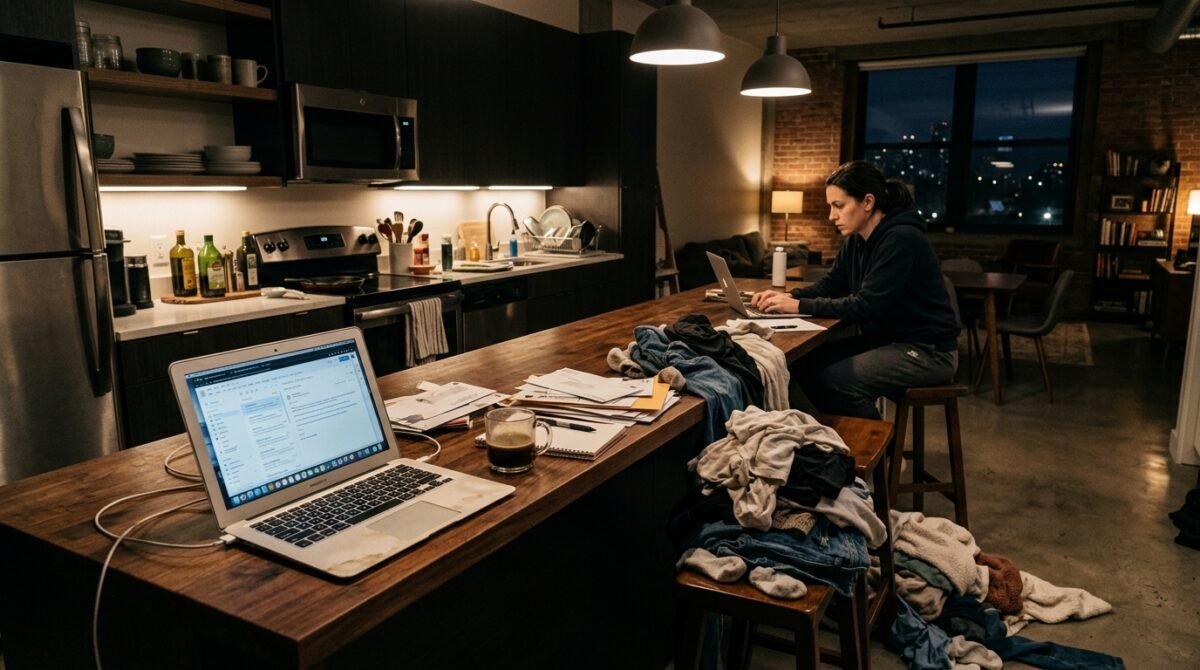
The irony of our relationship was that it started with such warmth. We met at a coffee shop, bonded over our shared disdain for corporate jargon, and spent the first year in a whirlwind of shared dreams and late-night dinners. But as Mark’s career trajectory skyrocketed, the dynamic began to shift. He stopped talking about ‘us’ and started talking about ‘resource allocation.’ At the time, I thought it was just his work-brain bleeding into his personal life, a quirk I could laugh off.
Slowly, the household chores became a source of contention. If I didn’t get to the dry cleaning, I wasn’t just ‘forgetful’—I was ‘creating a deficit in his weekly efficiency.’ I found myself apologizing for not being a better assistant to his life, even though I was working sixty hours a week at my own agency. The pressure was subtle but constant, a dripping faucet of criticism that wore me down over time.
I remember trying to talk to him about it during one of our Saturday breakfasts. He was busy checking his stocks on his phone while I tried to explain that I felt overwhelmed. He looked at me, sighed, and said, ‘Sarah, if you can’t manage the household, maybe we should look into outsourcing.’ I thought he was joking. I thought he was trying to be funny. I didn’t realize he was already drafting the bill in his head.
“I just feel like I’m doing everything around here lately. Can we talk about a better system for the laundry and the cleaning?” I asked, keeping my voice as steady as possible.
Mark didn’t look up from his screen. “I pay for the majority of the mortgage, Sarah. If you want to talk about labor, let’s talk about ROI. I need my shirts ready for Monday, and if you can’t do it, I’ll find someone who can.”
That was the first time I felt like a stranger in my own home. The conversation didn’t lead to a collaborative solution; it led to him essentially treating my domestic help as an under-performing asset. The disconnect between his reality—where he was the king of the castle—and my reality—where I was drowning—was absolute.
Looking back, I realize I was already living in an environment of emotional scarcity. I was trying to prove my worth through domestic labor, hoping that if I just did enough, he would see me as his equal again. But you can’t negotiate your worth with someone who thinks you’re a line item on a budget report.
The $150 Itemized Insult
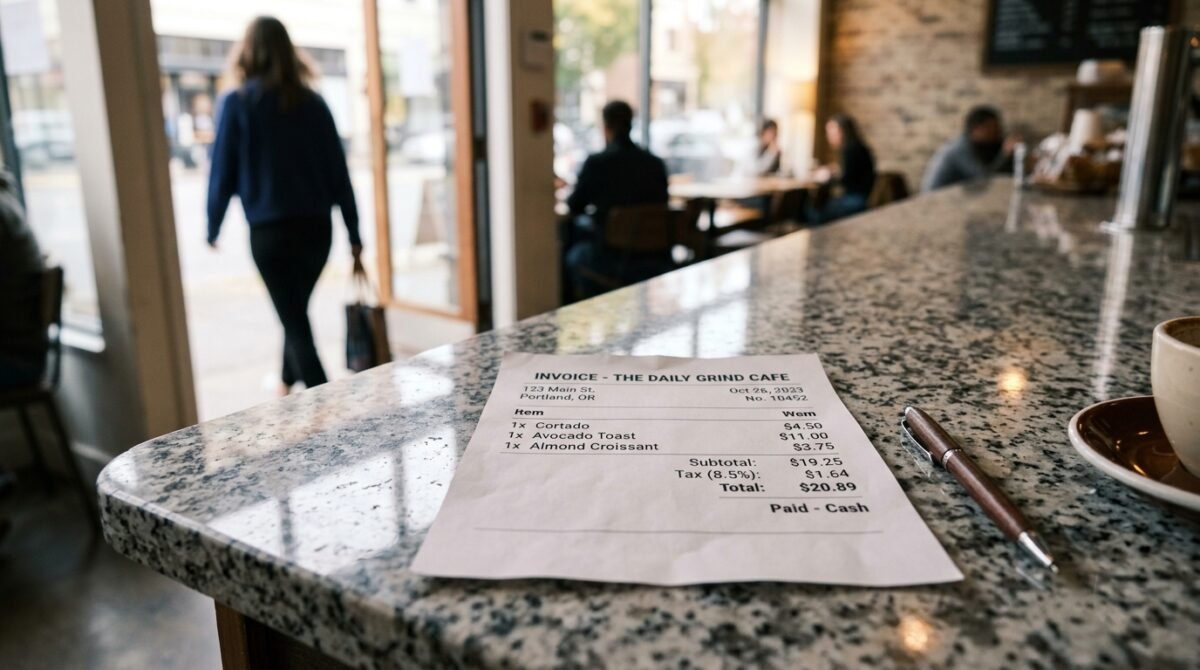
The invoice was sitting right next to the coffee maker. It was printed on heavy cardstock, perfectly aligned, with a bold header that read: ‘Household Services Invoice – Week of Oct 12th.’ My heart stopped as I scanned the items. ‘Professional Ironing: $60. Folding and Organizing: $40. General Tidying: $50.’ Total: $150. Below the total, he had even included a payment deadline and a note about ‘late fees’ for future delays.
I read it three times, convinced it was a joke. I checked the trash, looking for a prank gift card or a hidden camera. But there was nothing. Just the cold, hard numbers. He had actually taken the time to calculate the hourly rate for domestic help and applied it to me, his girlfriend of three years. It was the most dehumanizing thing I had ever experienced.
I felt a sudden, icy clarity. This wasn’t about the laundry. This was about power. He wanted to make me feel small, to make me feel like I owed him for the privilege of living in his space, even though we had agreed to split the expenses based on our respective incomes when we moved in. He had effectively erased our partnership and replaced it with a transactional contract I never signed.
I thought about all the nights I’d stayed up late, making sure his office was clean, prepping his lunches, making sure he felt supported before his big presentations. All of that, in his eyes, was just ‘work’ that was currently failing to meet the required standard. I wasn’t his partner; I was a service provider who was currently being put on probation.
“I don’t know what I was expecting,” I whispered to the empty room. “But it definitely wasn’t this.”
I stared at the paper until the words blurred. The sheer arrogance of it was breathtaking. He really thought this was a way to ‘motivate’ me to do more. He had no idea he had just destroyed the last shred of my respect for him.
I realized that if I confronted him, he would just gaslight me. He would tell me I was being ‘over-sensitive’ or that it was ‘just a joke’ to make a point. I didn’t want a conversation. I wanted to be gone. I didn’t want to explain why a human being shouldn’t be treated like a cleaning service. I wanted him to experience the reality of a world without me in it.
The Packing Panic

I didn’t have much time. Mark usually spent an hour at the gym on Saturday mornings, leaving me a precious window of sixty minutes to disappear. I felt a rush of adrenaline that was entirely devoid of sadness. It was pure, unadulterated focus. I grabbed my largest suitcase from the hall closet and started tossing clothes, books, and essentials inside.
I left all the things he had bought me. The expensive jewelry, the designer bags, the high-end electronics—they all stayed. I wanted him to know that this wasn’t about the money. I took the photos of us, but only the ones where I was happy, the ones that served as memories of who I was before I became his subordinate. I left the ‘joint’ items behind; I didn’t want to argue over a toaster.
When I reached the kitchen, I saw the invoice again. I took a pen from the junk drawer and scrawled a note on the back of it. ‘Invoice Paid in Full. I’m canceling the subscription to your life. Good luck with the ironing.’ It felt petty, but it also felt like the most honest thing I had ever written. I left the note exactly where the invoice had been.
My hands were shaking as I locked the door for the last time. As I walked to my car, I felt the weight of the last three years lifting off my shoulders. I was scared, sure, but I was also free. I didn’t have a plan, but I had my dignity, and for the first time in a long time, that felt like enough.
“You’re really doing this?” my inner voice asked.
“Yes,” I answered. “I am. I am leaving this man, and I am never looking back.”
I started the engine and pulled out of the driveway. I didn’t look at the house in the rearview mirror. I just drove. I drove toward my sister’s place, toward a life that wasn’t itemized, toward a future where I didn’t have to apologize for existing. The sun was coming up, and for the first time in years, the morning felt like it belonged to me.
The Text Message Meltdown
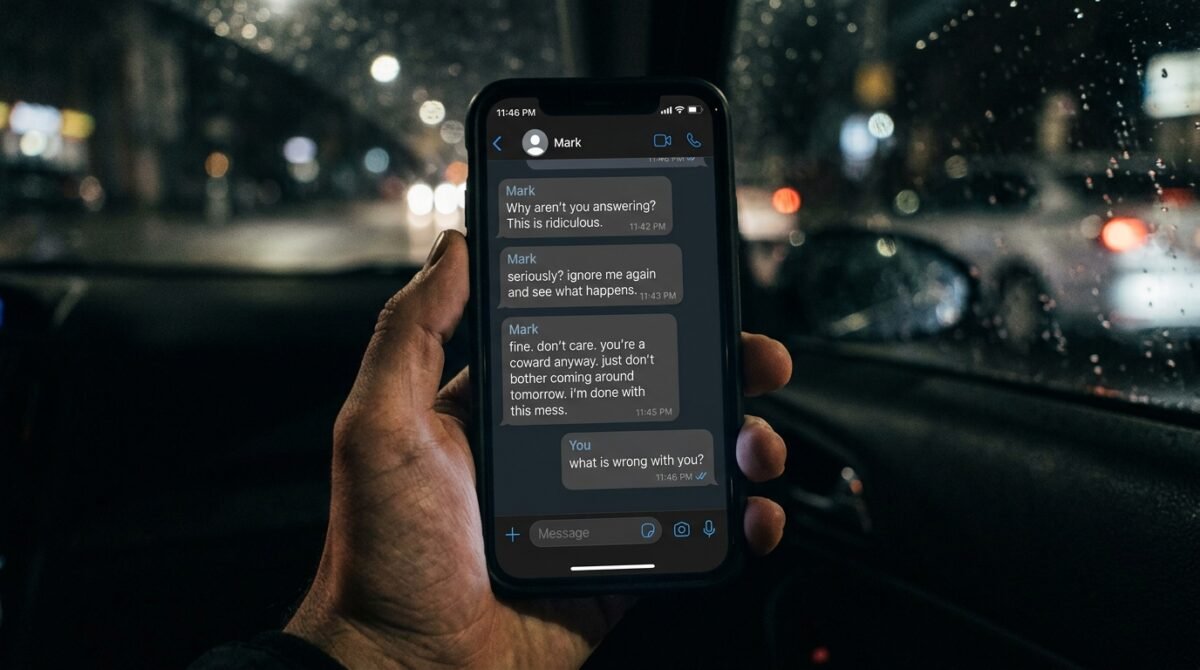
My phone started buzzing ten minutes after I arrived at my sister’s house. I knew it was him. The first message was short, sharp, and dripping with his usual brand of condescension. ‘Where are you? The laundry isn’t done and the kitchen is a mess. What kind of game are you playing?’
I ignored it. The second message came two minutes later. ‘Stop being dramatic. I had a long week, I just wanted to see if you understood the value of my time. Call me back right now.’ He still didn’t get it. He thought this was still a negotiation. He thought he could bully me back into compliance with a few sharp words.
Then came the third message, the one that showed his true colors. ‘You’re really going to walk out over a joke? You’re so unstable. I hope you realize you’re throwing away a good life over your inability to handle a little constructive feedback.’ That was his specialty—turning his abuse into my character flaw. He made me feel like the crazy one for reacting to his insanity.
“Where are you? The laundry isn’t done and the kitchen is a mess. What kind of game are you playing?”
— Mark (10:15 AM)
“You’re really going to walk out over a joke? You’re so unstable. I hope you realize you’re throwing away a good life over your inability to handle a little constructive feedback.”
— Mark (10:22 AM)
I took a deep breath and typed my response. It was the only message I would ever send him. ‘I’m not throwing away a good life, Mark. I’m throwing away a transaction. I am not an employee, and you are not my boss. You can pay someone else to do your laundry now. I’m done.’ I hit send, blocked his number, and put the phone in a drawer. The silence that followed was the most beautiful thing I had ever heard.
The Reddit Trial: Community Verdict
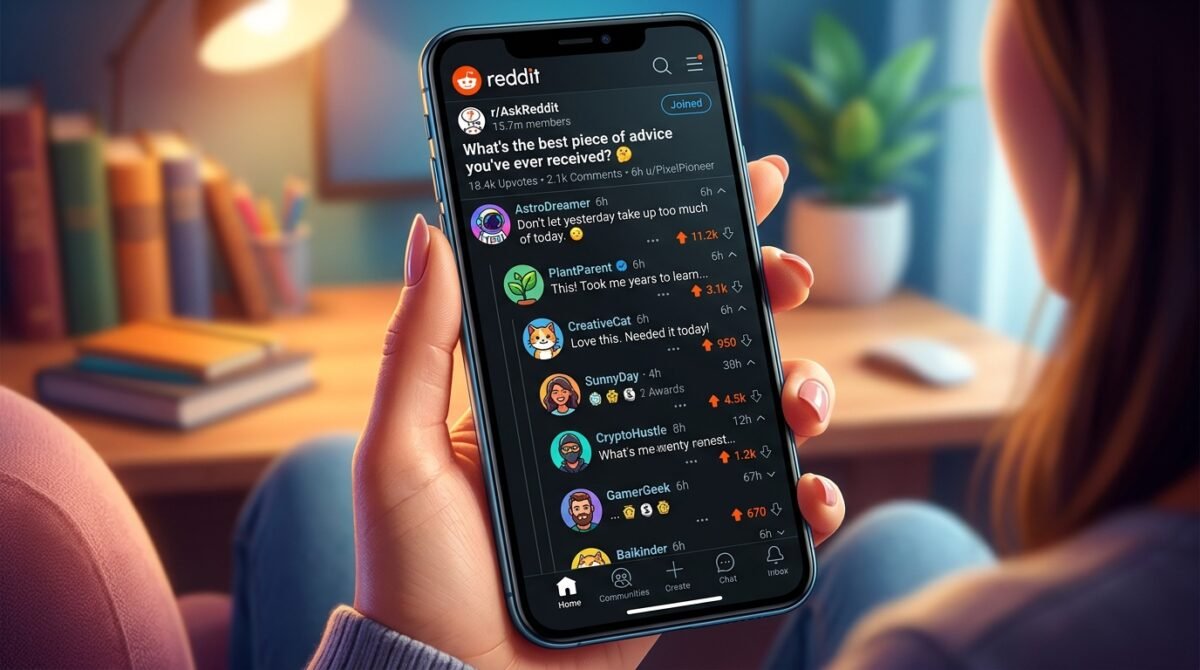
I didn’t think anyone would care, but the urge to vent was overwhelming. I posted the story to a popular subreddit, leaving out the names but keeping all the gory details of the invoice. Within an hour, the post had blown up. Thousands of comments poured in, most of them echoing my own disbelief. It was validation in its purest form.
The community was ruthless. They picked apart his logic, exposed his entitlement, and offered words of support that I hadn’t realized I needed. Some people shared their own stories of being taken for granted, turning the thread into a cathartic space for everyone involved. It was a stark reminder that I wasn’t alone in this experience.
Of course, there were the contrarians, the ones who tried to play devil’s advocate. ‘Maybe he was just trying to show you how much he values his own time?’ one user wrote. They were quickly ratioed into oblivion by hundreds of commenters who pointed out exactly why that logic was inherently broken. It was fascinating to watch the collective intelligence of the internet dismantle his worldview in real-time.
“This isn’t a relationship; this is a hostile takeover. You didn’t walk out, you escaped a business contract that was designed to make you feel worthless. Congratulations on the promotion to ‘single and free’.”
— u/RelationshipGuru (Top Comment, 32.5k upvotes)
“The fact that he thinks he can charge his own girlfriend for basic domestic tasks is a massive red flag. He doesn’t want a partner; he wants an indentured servant. Run, don’t walk, and never look back.”
— u/FreedomSeeker (18.2k upvotes)
Reading these comments helped me realize that the gaslighting had worked. I had actually spent months wondering if I was the one who was wrong, if I was just too lazy or too sensitive. Seeing thousands of people stand in solidarity with me erased that doubt. It wasn’t me. It was him. And I was finally seeing it clearly.
The Aftermath: Reclaiming My Space

Living at my sister’s house was a reset button. I started focusing on the things I had neglected while I was busy trying to be the perfect girlfriend. I picked up my old hobbies, spent time with friends I hadn’t seen in months, and started working on projects that actually brought me joy. The constant, gnawing anxiety that had defined my life for the last year began to evaporate.
I still had to deal with the logistics of moving my remaining belongings out of the apartment. My sister helped me arrange a neutral third party to pick up the rest of my things while Mark was at work. I didn’t want to see him. I didn’t want to hear his excuses or his apologies. I wanted a clean break, a total disconnection from the life we had built.
Every time I thought about him, I looked at the invoice again. I had kept it as a reminder, a physical manifestation of his entitlement. It was the anchor that kept me grounded in my decision. Whenever I felt a twinge of loneliness or regret, I looked at that list of ‘services’ and remembered exactly who he was. It was the best medicine for the post-breakup blues.
My friends were supportive, though they were shocked by the extremity of it all. They had seen glimpses of his behavior, but they hadn’t known the extent of it. When I showed them the note, they all laughed, but it was a sad kind of laughter. They knew how much I had given to that relationship, and they were angry on my behalf.
“You deserve so much better than someone who treats you like an employee,” my sister told me over dinner one night. “He didn’t just lose a girlfriend; he lost the person who made his life functional. Let him figure out his own ironing.”
I realized then that I had been doing more than just his laundry. I had been carrying the weight of his entire emotional life, and he hadn’t even noticed. Now, he was left with his spreadsheets and his invoices, and he was alone. It was a fitting conclusion to the story we had written together.
The Confrontation That Didn’t Happen

There was a part of me that wanted to face him, just to see the look on his face when he realized I wasn’t coming back. I wanted to see him try to explain his logic, to watch him fumble for words when he realized his usual tactics weren’t working. But I knew that would be a mistake. A confrontation would only give him the chance to manipulate, to play the victim, or to make me feel small again.
Instead, I chose the power of silence. I chose the power of walking away without a word. It was the ultimate rejection of his system. By refusing to engage in his game, I had won. I had taken back my power and left him with nothing but a house that was now just a collection of empty rooms and unironed shirts.
I heard through a mutual friend that he was ‘confused’ and ‘hurt.’ He didn’t understand why I had reacted so strongly to ‘a simple joke.’ That was the most telling part of all. He couldn’t even see the dehumanization in his own actions. He was so deep in his own worldview that he couldn’t comprehend that I was a person with feelings, not a resource to be managed.
It made me realize that I hadn’t just escaped a bad boyfriend; I had escaped a worldview that was fundamentally broken. I had escaped the idea that a relationship is something you manage, rather than something you nurture. I was finally ready to move on, to find something that wasn’t based on an invoice, but on love.
“He’s still talking about the invoice to everyone,” my friend told me. “He’s trying to frame it as a ‘misunderstanding.’ He just doesn’t get it.”
“I know,” I said. “And I don’t think he ever will.”
That was the final nail in the coffin. The fact that he was still talking about it, still trying to justify his actions, showed that he hadn’t learned a single thing. I was so glad I had left when I did. I was finally free to be myself again.
The Financial Realization

I started looking at our finances from the past few years with a new set of eyes. I realized that the $150 invoice was just the tip of the iceberg. There were subtle ways he had been exerting control over our finances the entire time. He had insisted on managing our joint account, ‘for efficiency,’ while I had to submit receipts for every minor expense. I had been living in a controlled economy and hadn’t even realized it.
The realization was sickening. I had been so busy being a ‘good partner’ that I had allowed him to effectively dictate my financial freedom. I was making my own money, but he was controlling how I spent it. It was a classic sign of financial abuse, and I had been too close to the situation to see it. That invoice was just the final, blatant act in a long history of subtle control.
I started taking steps to reclaim my financial autonomy. I opened my own bank account, changed my passwords, and started tracking my own expenses. It was empowering to see the money stay in my account, to feel the freedom of making my own choices. It was a small step, but it felt like the first step toward a new, independent life.
I also started researching financial abuse and how to spot the signs. It was eye-opening. I saw so many of my own experiences reflected in the articles and testimonials I read. I realized that my situation wasn’t unique; it was a pattern of behavior that was designed to make women feel dependent and powerless. I was so grateful that I had escaped when I did.
“Financial abuse is a common tool for control in relationships,” my therapist told me. “It’s not just about the money; it’s about the power dynamics. By controlling your resources, he was controlling your independence.”
I was so glad I had taken the steps I had. I was finally on the path to financial recovery and independence. It wasn’t just about the money; it was about the freedom to be myself, to make my own choices, and to live a life that wasn’t governed by someone else’s rules.
Why I Never Looked Back

People often ask me if I regret leaving so abruptly. They ask if I should have tried one last conversation, if I should have given him a chance to apologize. I tell them the same thing every time: No. I had given him plenty of chances. I had tried to talk, I had tried to set boundaries, and I had tried to be the best partner I could be. But he had made his choice, and I had to make mine.
The moment I saw that invoice, I knew that our relationship was over. It wasn’t just about the laundry; it was about the fundamental disrespect that it represented. A relationship without mutual respect is just a hollow shell, and I wasn’t going to spend another day in a shell that was slowly crushing me. I had too much self-respect to settle for less than I deserved.
Leaving was the hardest thing I’d ever done, but it was also the most liberating. I had reclaimed my time, my agency, and my dignity. I had learned that I was stronger than I thought, and that I was capable of making hard choices when I needed to. I had learned that I didn’t need to be defined by my partner, that I could stand on my own two feet.
I’m in a much better place now. I’m doing work I love, I’m surrounded by people who support and value me, and I’m finally living a life that feels authentic. I don’t miss him, and I certainly don’t miss the ‘services’ I was forced to provide. I’m finally free, and that’s a feeling I wouldn’t trade for the world.
“The best decision you ever made was walking out that door,” my best friend told me. “You’ve grown so much since then, and it’s beautiful to watch.”
I know she’s right. I haven’t just recovered from a breakup; I’ve discovered who I am again. I’ve realized that I’m not a service provider, but a person with my own dreams, my own passions, and my own value. And that’s a realization that has changed everything for me.
The Final Reflection on Entitlement

Looking back at the whole ordeal, I realize that the most shocking thing wasn’t the invoice itself, but the sense of entitlement that led to it. Mark really believed he had the right to quantify my labor, to treat my life as a line item on his personal ledger. It was a mindset that had been nurtured by his upbringing, his career, and his own narcissism, and it was something that no amount of ‘talking’ was going to change.
The invoice was just the symptom of a much deeper disease. It was a world where human connections were secondary to efficiency, where people were treated as assets or liabilities, and where empathy was seen as a weakness. I had been trying to live in that world, trying to be the perfect assistant to his life, and it had almost destroyed me.
I’m so grateful that I had the clarity to see it for what it was. I’m so glad that I had the courage to walk away. It wasn’t just about the laundry; it was about the freedom to be human in a world that wants to turn us into machines. It was about the freedom to choose, to be myself, and to live a life that was truly my own.
If you find yourself in a situation where you’re being treated like a service provider rather than a partner, don’t wait for an invoice. Listen to your gut. Trust your instincts. You deserve more than that. You deserve to be seen, to be heard, and to be valued for who you are, not for what you can do for someone else.
“You are not a line item in anyone’s life,” I told my younger self. “You are the author of your own story. Never let anyone else hold the pen.”
I’m finally the author of my own story again, and I’m writing a chapter that is entirely my own. It’s a chapter filled with growth, freedom, and the kind of love that isn’t transactional. It’s a chapter I’m proud to live, and I wouldn’t have it any other way.
Conclusion
My life today is unrecognizable from the one I led when I lived with Mark. I’ve learned that boundaries are not barriers to intimacy, but the very things that make genuine connection possible. By saying ‘no’ to the transactional life, I said ‘yes’ to myself. It wasn’t an easy transition, but it was the most important one I ever made.
We often talk about the ‘red flags’ in relationships, but we rarely talk about the slow, creeping erosion of self-worth that comes from accepting a dynamic where your labor is undervalued and your presence is seen as a utility. That invoice wasn’t a mistake; it was a mirror. It showed me exactly who he was, and it forced me to see exactly what I had become. And I didn’t like what I saw.
Today, I share my story not for pity, but for power. If you are reading this and seeing echoes of your own life in my words, know that you are not alone, and you are not obligated to stay in any situation that drains your soul. You are more than your contributions, you are more than your labor, and you are worthy of a partner who sees you as an equal, not an asset.
I want to hear from you. Have you ever experienced a ‘transactional’ moment in your relationship that opened your eyes to a deeper problem? How did you set your boundaries, or did you, like me, find that the only way to win was to leave the table entirely? Share your experiences in the comments below—let’s talk about how we can support each other in reclaiming our agency.
What's your verdict on this dilemma?
Vote below to contribute to the official community consensus.

Have a Dilemma Keeping You Up at Night?
Share your real-life feud, wedding chaos, or relationship crossroads anonymously with our editorial team.
What do you think ?
0 Comments🛡️ Comments are moderated to protect community integrity. Your comment will appear once approved by the editorial team.