
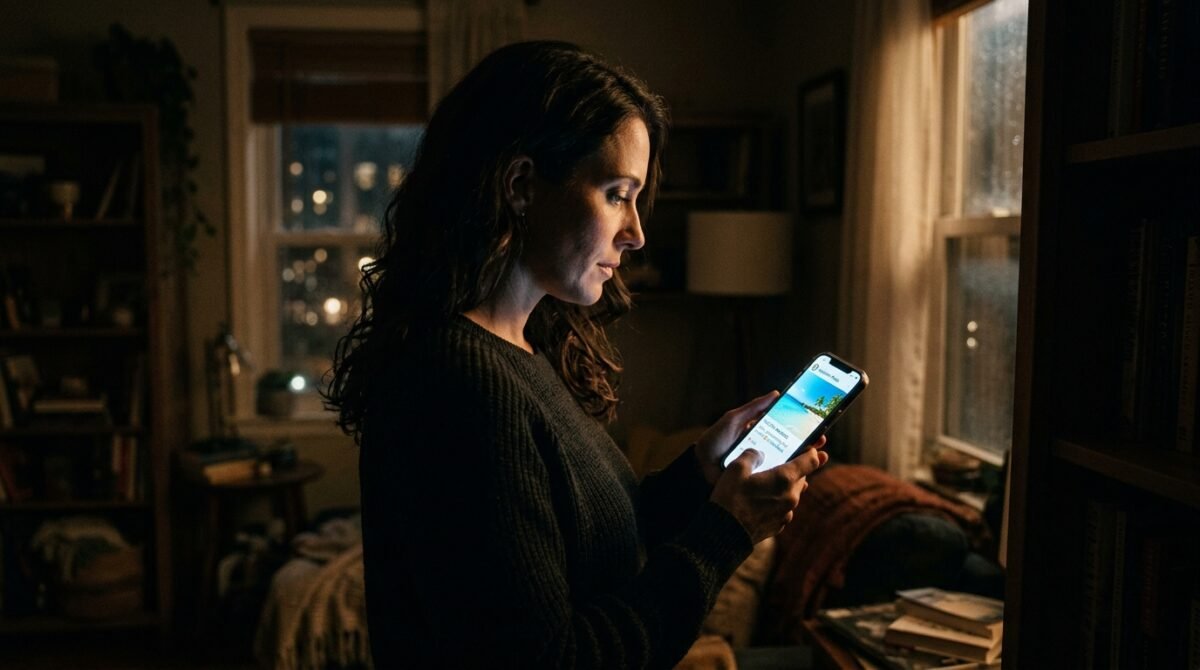
When Mark told me he had to work late, I believed him. We were saving for a down payment on a house, and his job as a senior project manager often required long, grueling hours during end-of-quarter pushes. For three years, I had been the supportive spouse, leaving dinner in the warmer and sitting in the quiet silence of our apartment, cheering him on as he climbed the corporate ladder. I never questioned the necessity of the ‘mandatory overtime’ calls that pulled him away during weekends or holidays, assuming we were both working toward a shared future.
But the cracks in the facade began to show in the small, seemingly insignificant details. A scent of expensive cologne that wasn’t his, a forgotten receipt for a high-end restaurant in a city he hadn’t visited, and the increasingly evasive answers to my questions about his team. I felt the slow, steady hum of intuition alerting me that something was fundamentally wrong, yet I suppressed it, trusting the man who had promised me forever. I convinced myself that I was being paranoid, that my own insecurities were projecting shadows onto a hardworking, devoted partner.
The moral dilemma I faced was whether to trust my gut or to continue playing the role of the blind, supportive wife. Deep down, I knew that if I poked the bear, I might lose the life I had worked so hard to build. Yet, the cost of silence was starting to feel heavier than the risk of discovery. I didn’t know then that the truth wasn’t just hidden; it was being actively curated and sold to me as a lie while he was thousands of miles away in a tropical paradise, living a life I had no idea existed.
This is the story of how a routine check of a shared cloud account shattered my reality, revealing a double life so meticulous it felt like a script for a thriller movie. From the fake conference calls to the stolen moments in Mexico, my husband had orchestrated a betrayal that spanned continents and bank accounts, turning our marriage into a performance art piece where I was the only audience member who didn’t know the play had ended.
The Late Night Spreadsheet Discrepancy

It started on a Tuesday, the kind of mundane evening where the only excitement was deciding what to watch on streaming services. Mark was allegedly at the office, locked in a ‘critical audit’ that would keep him until at least 2:00 AM. I was managing our household finances, reconciling our shared credit card statements, when I noticed an anomaly. There were charges from a high-end bistro in a coastal town, along with an airline incidental fee that didn’t align with his business travel schedule.
I sat at our kitchen island, the cold light of the laptop illuminating my face. My heart hammered against my ribs like a trapped bird. I told myself it was an error—a clerical mistake by the bank. I called the number on the back of the card, my voice trembling as I asked for clarification on the transactions. The representative was kind, but firm; the charges were verified, and the GPS ping for the card use was geographically impossible for someone working in our city’s downtown business district.
“Ma’am, I can confirm these charges originated in the Cabo San Lucas area. If this is a mistake, we can initiate a fraud claim immediately.”
— Bank Customer Service Representative
I hung up the phone, the silence of the apartment suddenly deafening. My stomach churned, a physical reaction to the dawning realization that I wasn’t dealing with a simple error, but a calculated deception. I opened our shared digital calendar, the one we used to coordinate chores and appointments, and saw the entries he had made: ‘Audit Meeting,’ ‘Client Call,’ ‘Q3 Deadline.’ They were all lies, carefully curated to keep me from questioning his absence.
I felt a strange sense of dissociation, as if I were watching someone else’s life fall apart. I stood up and paced the living room, my mind racing through months of ‘overtime.’ How many times had he left me alone under the guise of corporate necessity while he was actually living a life that didn’t include me? The betrayal felt sharp, immediate, and utterly encompassing, like a cold wave crashing over me in the middle of a desert.
I decided then that I wouldn’t confront him yet. I needed evidence that was ironclad, something that couldn’t be dismissed as a misunderstanding or a ‘miscalculation’ on my part. I began digging through our cloud storage, looking for photos, receipts, or any trace of the woman I suspected was behind this elaborate charade. I felt like a detective in my own home, searching for clues that would confirm my worst fears.
The Digital Breadcrumbs in the Shared Cloud
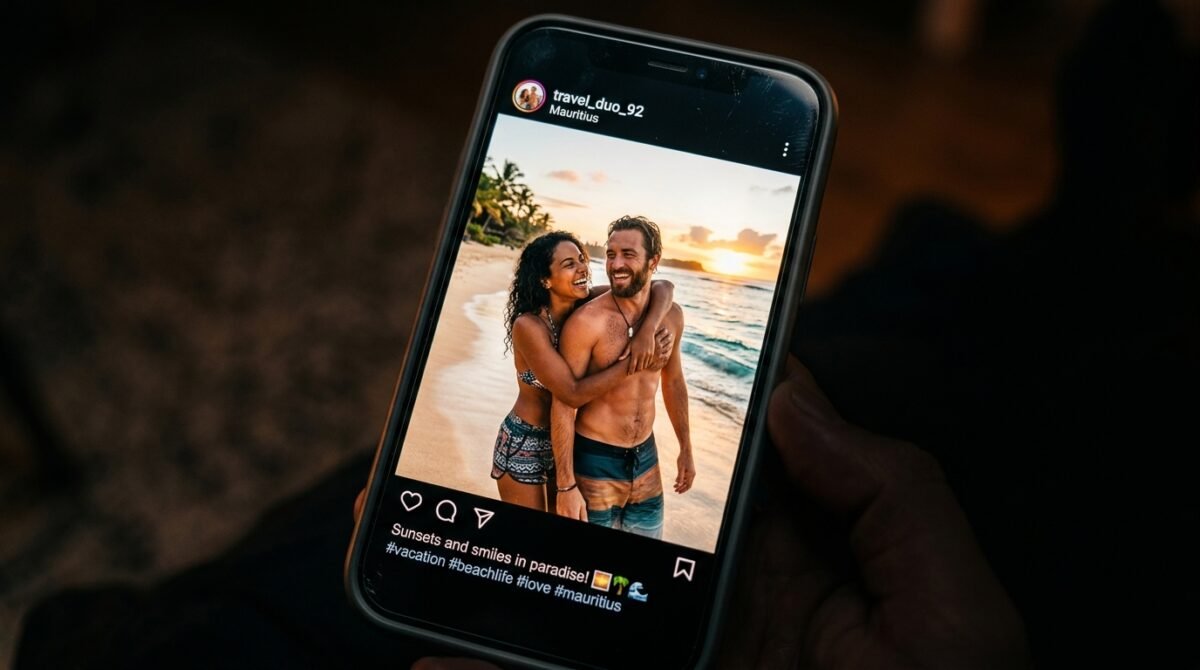
I knew Mark was careless with his digital footprint, a flaw I had teased him about for years. He always saved everything to the shared cloud, thinking it was a secure backup for our files. I navigated to the ‘Recent Uploads’ folder, holding my breath as the thumbnails loaded. There, nestled between professional headshots and project PDFs, were photos that made my blood run cold. They weren’t from a conference room or an office cubicle.
The images were vibrant, saturated with the golden hue of a Mexican sunset. In them, Mark wasn’t wearing his standard corporate attire. He was wearing linen shirts and sunglasses, smiling with a woman I recognized immediately from his old Facebook profile—his ex-fiancée, Sarah. They were clinking glasses at a beachside resort, their bodies leaning into each other with an intimacy that felt like a punch to the gut. The timestamps confirmed my suspicion: every single ‘overtime’ shift was accounted for in these photos.
“Look at how happy he looks in those photos, Sarah. He isn’t working on a project; he’s working on a vacation. He’s been living a double life.”
— My inner monologue while scrolling through the photo album
I realized then that this hadn’t been a one-time lapse in judgment. This was a sustained, ongoing relationship. There were photos from three separate trips over the last six months, all timed perfectly with his fake ‘mandatory’ overtime hours. I felt physically ill, my head spinning with the implications of what I was seeing. I downloaded every single file, creating a digital folder of evidence that would eventually become the cornerstone of my path forward.
The sheer logistics of the deception were staggering. He had faked conference calls, used background noise apps to simulate an office environment, and even sent me selfies taken in his car before he supposedly went into the office, all to maintain the illusion. It was a masterpiece of manipulation, executed by the person who had vowed to protect me above all others. I sat on the floor, surrounded by the ghosts of a marriage that was effectively already dead.
I looked at the dates again. He had been away during our anniversary, claiming he had to fly to the company headquarters in Chicago. In reality, he had been sipping cocktails on the beach with a woman he was supposed to have cut ties with years ago. The anger started to replace the shock, a burning, white-hot fury that made it difficult to breathe. I wasn’t just a spouse; I was a prop in his elaborate, self-serving theater.
The 6:00 AM Kitchen Intrusion
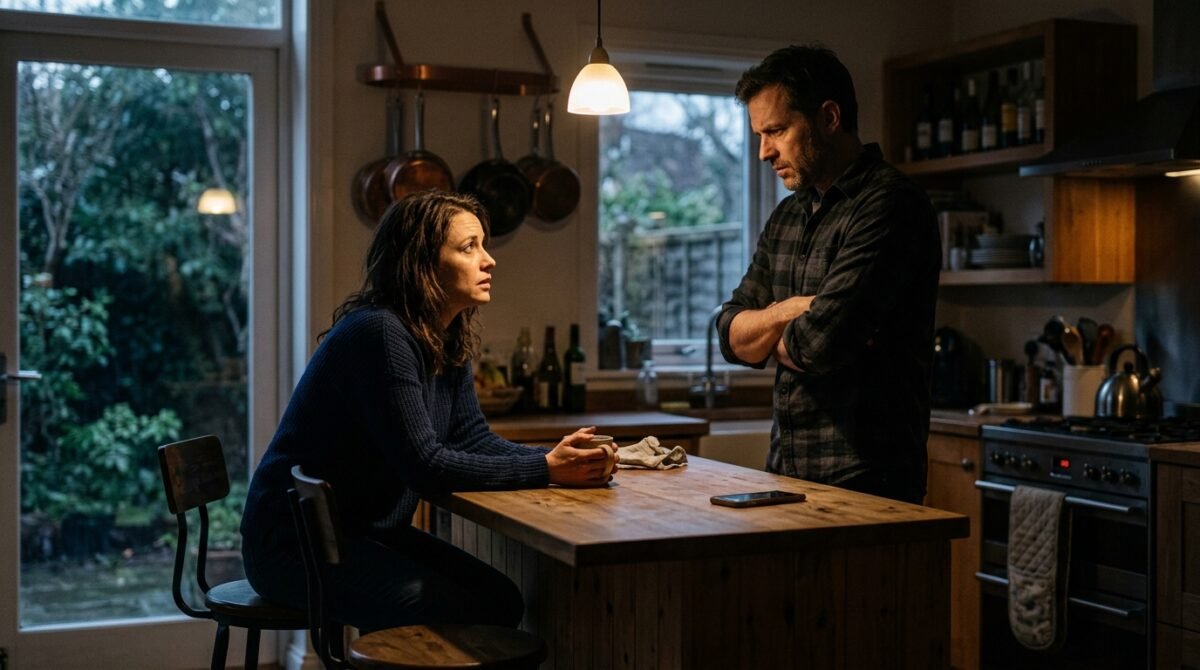
The next morning, Mark returned home at dawn, as he always did after a ‘long night at the office.’ He walked through the front door, looking disheveled and tired—a performance he had clearly perfected. I was already in the kitchen, sitting in the dark with my laptop open. The air in the room felt heavy, charged with the energy of an impending storm. He didn’t see me at first, tossing his briefcase onto the counter with a weary sigh.
“God, what a night,” he muttered to himself, rubbing his eyes. “The board meeting was a disaster. I’m going to need a long shower and maybe a week of sleep.” He walked toward the fridge, intent on grabbing an energy drink, but he froze when he finally noticed me sitting at the island. His posture shifted instantly, his practiced exhaustion replaced by a momentary, subtle flicker of panic that he masked with a forced smile.
“Hey, honey. Didn’t expect you to be up so early. Everything okay? You look like you’ve been sitting here all night.”
— Mark, attempting to regain control of the narrative
I didn’t smile back. I pushed the laptop screen toward him, displaying the first photo of him and Sarah in Cabo. The silence that followed was absolute, the kind of silence that precedes a tectonic shift. He looked at the screen, then back at me, his eyes searching for an angle, a lie, anything that would save him. But for once, he had nothing. The evidence was too clear, too damning to be spun into a corporate excuse.
“How was the audit, Mark?” I asked, my voice steady despite the adrenaline coursing through my veins. “Did the boardroom have a beach view? I’m curious, because it looks like you and Sarah were having a wonderful time while I was here, managing our life and believing every word you said. Was the ex-fiancée part of the merger, or just a personal perk you decided to include?”
He didn’t answer immediately. He stared at the screen, his face draining of color. The mask had slipped, and for the first time, I saw the man beneath the veneer of the ‘hardworking provider.’ He looked small, pathetic, and entirely caught in the act. He tried to reach for my hand, but I recoiled, the physical contact feeling like acid against my skin. The kitchen, our sanctuary, had been transformed into a battlefield where the weapons were truth and betrayal.
The Desperate Pivot to Gaslighting
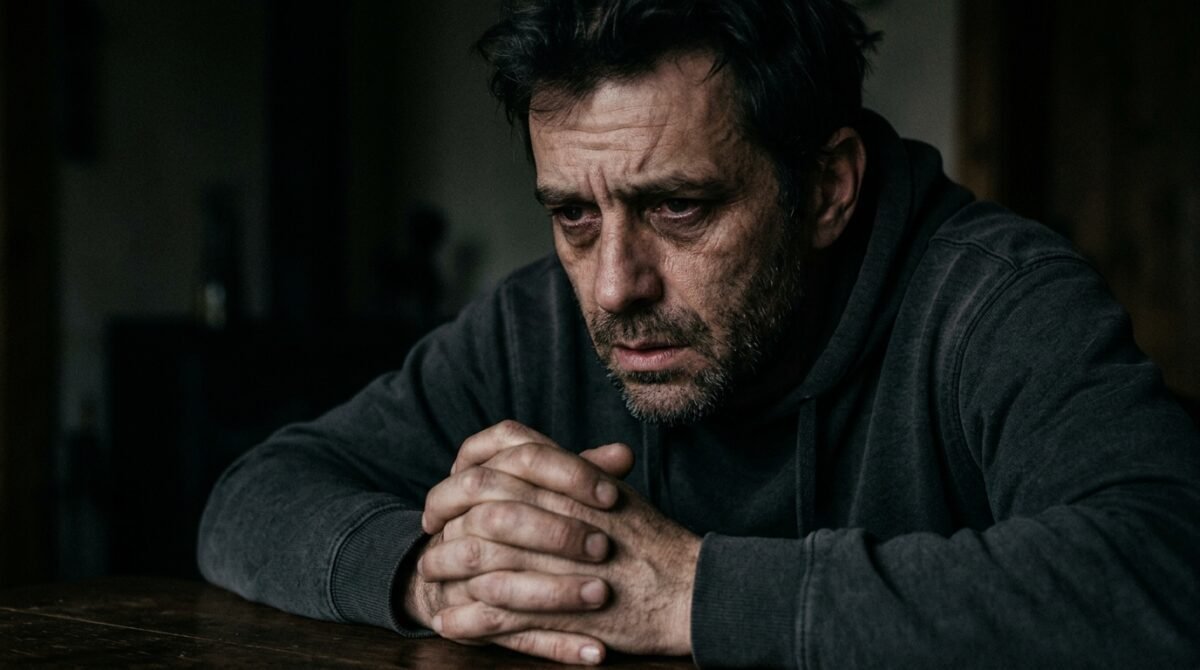
Mark’s first response wasn’t an apology. It was a pivot. He immediately tried to reframe the entire situation, suggesting that I had been ‘invading his privacy’ and that the photos were ‘out of context’ or ‘old.’ He claimed he had been trying to ‘help’ Sarah navigate a difficult time, and that the trips were just business networking events that got blurred. He was spinning so hard I thought he might actually collapse from the effort.
“You’re twisting everything,” he said, his voice rising in volume. “I was doing what I had to do for my career, and if you had just been a little more supportive instead of questioning every hour I spent away, we wouldn’t be in this position. You’re looking for problems where there aren’t any, and you’re using my private files to try and ruin me.” The gaslighting was so textbook, so predictably manipulative, that I almost started laughing.
“Don’t you dare blame me for your choices. You didn’t just take a trip; you lied to my face for months, stole our savings to fund your affair, and made a mockery of this marriage. Don’t tell me I’m the one who twisted this.”
— My response to Mark’s attempt at gaslighting
I stood up, and for the first time in our marriage, I felt taller than him. I wasn’t just reacting to the betrayal; I was dissecting it. I pointed out the specific dates, the bank charges, and the way he had consistently prioritized his ex-fiancée over our commitment. He kept trying to talk over me, using corporate jargon to minimize the impact of his actions, but I refused to let him control the conversation. I was done with the performance.
He tried to use the ‘I’m tired’ card again, but I pushed him harder. I asked him why he felt the need to lie if it was all so innocent. I asked him why he had kept the affair a secret if it was just ‘networking.’ Each question was a needle in his bubble of denial. He was crumbling, not because he was sorry, but because he was losing the ability to lie to me effectively. It was a terrifying, eye-opening experience to see the man I loved turn into a stranger before my eyes.
The conversation lasted for hours, a grueling, repetitive dance of accusation and deflection. By the time he stopped talking, the sun was fully up, casting harsh light over our disarray. He was exhausted, defeated, and I was finally, truly awake. The marriage wasn’t just damaged; it was structurally compromised beyond any hope of repair. I told him I needed space, that he needed to leave, and that I would be contacting a lawyer immediately.
The Legal Reality Check
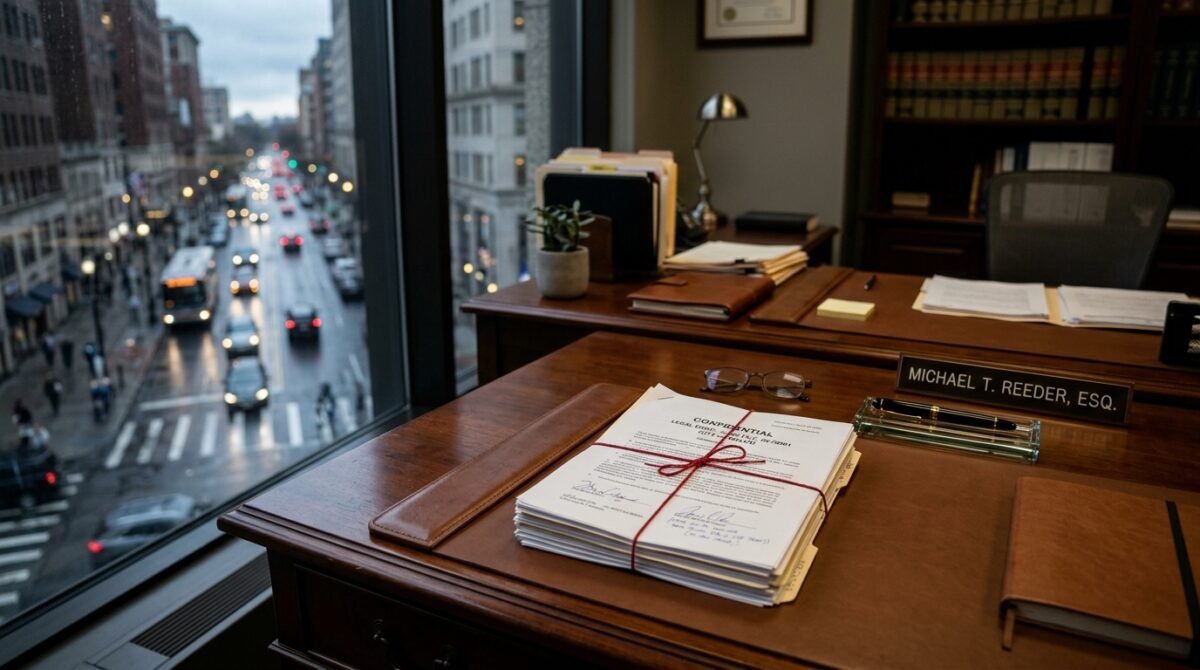
I didn’t wait for him to apologize again. I spent the morning gathering everything—the bank statements, the cloud photos, the text logs, and even the receipts I had found in his car weeks prior. I contacted a divorce attorney, someone who specialized in high-conflict separations. When I sat in the attorney’s office, laying out the evidence, the lawyer’s face remained stoic, but I could see the wheels turning. This wasn’t just an affair; it was a clear case of marital asset dissipation.
My attorney explained that the funds he had spent on these trips—the airfare, the hotels, the fine dining—were considered marital property. By diverting those funds for his affair, he had effectively stolen from us. The financial trail was clear, and it would be a significant factor in the settlement negotiations. For the first time, I felt a flicker of vindication. He had thought he was being clever, but he had left a trail of breadcrumbs that would cost him dearly.
“He’s been very careless with the money, hasn’t he? We can use these records to show a clear pattern of financial misconduct. This changes the leverage entirely.”
— My divorce attorney during our initial consultation
We filed the paperwork the next day. Serving him with the papers felt like closing a chapter of a book I never wanted to read again. He was shocked, clearly believing that he could talk his way out of this as he had done with so many other issues. He tried to call, text, and email, pleading for ‘one more chance’ to explain, but I had already blocked his number and set up a communication barrier through our lawyers.
The financial impact was significant, but the emotional relief was worth every penny. I stopped obsessing over the ‘why’ and started focusing on the ‘what next.’ I began to rebuild my life, one day at a time, finding solace in the newfound autonomy of my decisions. I didn’t need to ask for permission, I didn’t need to check a shared calendar, and I certainly didn’t need to wonder if my husband was where he said he was.
Friends and family were initially shocked, many of them having viewed our marriage as the ‘perfect’ union. But as the truth trickled out, the support was overwhelming. I was reminded that I was not the one who failed; I was the one who was failed. The process was long and draining, but with each document filed and each asset evaluated, I felt the weight of the secret lifting from my shoulders, replaced by the cool, hard clarity of reality.
The Public Unraveling of the Lie

The news of our separation traveled quickly through our social circle. Mark, in a desperate attempt to salvage his reputation, tried to paint me as the ‘unstable’ one, suggesting I had ‘gone off the deep end’ because of my career stress. He reached out to our mutual friends, framing his trips to Cabo as ‘business development’ that I had misunderstood due to my ‘irrational jealousy.’ It was a final, desperate act of manipulation.
But he had underestimated the power of the evidence I had collected. When he started spreading his version of the truth, I didn’t retaliate with anger. I simply sent the photos—the ones of him and Sarah—to our core group of friends. I didn’t need to add a caption. The images spoke for themselves. The silence that followed his ‘explanation’ was the final nail in the coffin of his social credibility.
“Wait, so he was in Cabo for a ‘business development’ meeting with his ex-fiancée? That sounds like a very specific type of networking.”
— A text from a mutual friend after seeing the photos
The realization rippled through our friends. People who had once admired his ‘work ethic’ were now horrified by the extent of his duplicity. He was isolated, not just from me, but from the community he had curated. It was a stark reminder that lies have a shelf life, and when they expire, the rot they cause is impossible to hide. He found himself alone, his ‘business trips’ now public knowledge, his reputation in tatters.
I watched from a distance as he tried to backpedal, issuing half-hearted apologies to those who would listen. But it was too late. He had burned the bridges that mattered, and the fire was of his own making. I felt no satisfaction, only a deep, profound sense of finality. He had spent years building a persona, only to dismantle it in a matter of weeks because he couldn’t resist the urge to live a lie.
I began to move forward, reclaiming my space and my identity. I started taking trips of my own—not to hide, but to explore. I reconnected with hobbies I had abandoned and friends I had neglected during my years of supporting his ‘career.’ I realized that the life I had been leading wasn’t just a lie; it was a cage. And now, I was finally outside the bars, breathing in the air of a future I was building for myself.
Reddit Weighs In: The Verdict of the Internet
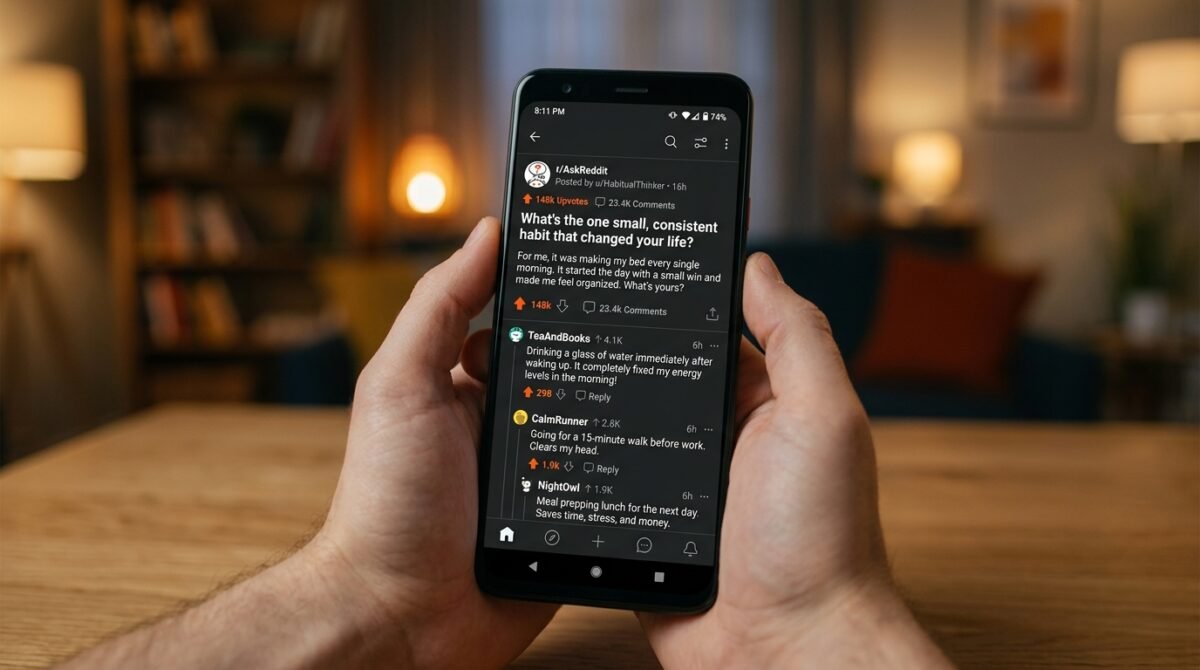
I posted my story on a popular forum, needing an objective perspective from strangers who didn’t know us. The response was immediate and overwhelming. Thousands of people weighed in, offering support, validation, and their own experiences with similar betrayals. The consensus was clear: I had done the right thing by leaving, and Mark’s behavior was a textbook example of a narcissist in action.
“OP, you are not crazy. You are the victim of a sophisticated, long-term gaslighting operation. The fact that he used ‘work’ as a cover is common among those who want to feel important while being unfaithful. Walk away and don’t look back.”
— u/RelationshipGuru (Top Comment, 32.1k upvotes)
There were also those who warned me about the legal complexities, urging me to ensure that the asset dissipation was fully accounted for in the settlement. I appreciated the practical advice, as it kept me focused on the facts rather than the emotions. The community reminded me that my value wasn’t defined by his betrayal, and that I was capable of recovering and finding happiness again, regardless of how much time I had ‘lost’ in the marriage.
The debate in the comments section was fascinating. Some people focused on the audacity of the ‘mandatory overtime’ lie, others on the betrayal of the ex-fiancée, and many shared their own stories of discovering lies through the most mundane of sources. It was a collective catharsis, a reminder that while our stories are unique, the pain of betrayal is universal. The engagement helped me process the trauma, turning my personal struggle into a cautionary tale that helped others.
I read every comment, finding comfort in the solidarity of strangers. It was a strange, modern way to heal, but it worked. I wasn’t alone. Thousands of people had been through the same fire and had come out the other side. They reminded me to stay strong during the divorce proceedings, to keep my boundaries firm, and to never let anyone make me doubt my own reality again. The internet, often criticized for its toxicity, had been my lifeline.
I eventually stopped checking the thread, realizing that my life needed to be lived in the real world, not the digital one. But the lessons remained. I had learned to trust my intuition, to value transparency above all else, and to recognize the signs of a manipulative partner before they could inflict such damage. I was ready to close this chapter, not just for my own sake, but for the version of me that deserved better.
The Final Financial Reckoning

The divorce proceedings were grueling, but they were also a necessary audit of our life together. My lawyer was relentless in tracking every cent that Mark had funneled into his secret life. When the final settlement was presented, it included a significant clawback of the funds he had spent on the Cabo trips, as well as a division of assets that reflected his financial misconduct. He tried to contest it, but the evidence was irrefutable.
Seeing the final tally, the sheer amount of money he had wasted on his double life, was jarring. It was enough for a down payment on a house, or a substantial retirement fund. But as I signed the papers, I didn’t feel the sting of the loss. I felt the relief of the settlement. The transaction was a formal acknowledgment of the truth, a document that verified the betrayal and ensured he paid the price for it.
“He thought he was being clever, but in the end, his ‘vacations’ cost him his marriage, his reputation, and his savings. The math doesn’t lie.”
— My lawyer during the final document signing
He was noticeably quiet during the final meeting, his arrogance replaced by a hollowed-out resignation. He knew he had lost, not just the money, but the game he had been playing. He tried to catch my eye once, perhaps looking for forgiveness or a sign of weakness, but I refused to give him either. I simply looked at the documents, confirmed the figures, and walked out of the room, leaving behind the man who had been the architect of my misery.
The financial impact was a lesson in itself. I started to manage my own finances with a new level of rigor, ensuring that my assets were protected and that I was fully in control of my financial future. I didn’t need a partner to manage my life anymore; I was perfectly capable of doing it myself. The money wasn’t just wealth; it was independence, a buffer against any future attempts to manipulate or control me.
I walked out of the building into the bright, clear afternoon, the air smelling of possibility. I wasn’t just single; I was free. The weight I had been carrying for years had vanished, replaced by a sense of lightness that I hadn’t felt in a decade. I had survived the betrayal, the gaslighting, and the loss, and I had come out on the other side as a stronger, more resilient person. The final financial reckoning wasn’t just a legal victory; it was a personal one.
Reflecting on the Architecture of Betrayal

Looking back, I can see how the architecture of betrayal was built. It wasn’t one single event; it was a series of choices, a slow erosion of trust that occurred under the cover of ‘corporate responsibility.’ Mark had used my own values—my respect for his career, my desire for our shared future—against me. He had manipulated the very foundations of our marriage, turning my trust into a weapon he could wield whenever he needed to escape.
The most painful part wasn’t the realization that he was unfaithful; it was the realization that he had thought I was stupid enough to believe him. He had viewed me as a utility, a person who provided the stability he needed to pursue his own selfish desires. The realization that he had never truly respected me was the ultimate sting, a deeper cut than the infidelity itself. It made me question not just his honesty, but his character.
“I don’t regret the marriage because I learned who I was, but I do regret the time I wasted on a man who never deserved me.”
— My reflection on the past years
I’ve spent a lot of time analyzing the ‘why’ and the ‘how,’ but I’ve learned that the answers aren’t as important as the aftermath. I am responsible for my own healing, and I am responsible for the boundaries I set moving forward. I have no room in my life for people who treat me as an option or a prop. I have learned to value transparency and to look for actions, not just words, when assessing the integrity of the people in my life.
I see the world differently now. I am more cautious, yes, but I am also more authentic. I don’t feel the need to perform for others, and I don’t feel the need to trust blindly. I have a new definition of ‘partnership,’ one that requires mutual respect, honesty, and a shared commitment to the truth. I am building a life that is mine, a structure that isn’t built on lies but on the solid, unshakeable foundation of my own self-worth.
The experience, as painful as it was, has been a catalyst for growth. I have rediscovered my own interests, my own voice, and my own power. I am no longer waiting for someone else to tell me what is real; I define my own reality. And that, I realize, is the most valuable lesson of all. I am the hero of my own story, and I am finally writing it without the interference of a deceptive, manipulative antagonist.
New Beginnings and Firm Boundaries

Today, I am in a completely different place. I moved to a new city, started a job that I truly love, and surrounded myself with people who are honest, supportive, and kind. I still think about the ‘mandatory overtime’ sometimes, but the memory has lost its sting. It’s just a story now, a chapter in a book that I’ve finished reading. I have no anger left, only a clear, cold indifference that is far more peaceful than the fire of fury.
I have set firm boundaries in my relationships, ensuring that I never again lose myself in the service of someone else’s lie. I value transparency and look for consistency between words and actions. I don’t shy away from asking the hard questions, and I don’t fear the answers. If a situation doesn’t feel right, I trust my gut. I have learned that the cost of being wrong is far less than the cost of pretending everything is okay when it isn’t.
“Setting boundaries isn’t about closing yourself off; it’s about making sure that the people who enter your life are worthy of the space you give them.”
— Advice from my therapist
I am dating again, but it’s different. I am not looking for a savior or a partner who needs me to sacrifice my identity. I am looking for someone who shares my values and respects my boundaries. I am taking it slow, enjoying the process of getting to know someone without the pressure of a ‘shared future’ being the only goal. I have found happiness in my own company, and that, I’ve realized, is the best foundation for any relationship.
I still receive updates about Mark through mutual acquaintances. He hasn’t changed. He’s still chasing his ‘career,’ still moving from one lie to the next, never settling long enough to realize that the problem was never the job or the woman—it was him. I feel a sense of pity, but I don’t let it consume me. He is a ghost from a past life, and I have no desire to haunt that space again.
I am grateful for the journey, as difficult as it was. It taught me who I am and what I’m capable of. I am stronger, wiser, and more confident than I ever was before. I am the architect of my own life, and I am building something beautiful, something honest, and something that is truly mine. And that is the best revenge—not living well, but living with intention and truth.
Conclusion
The betrayal I experienced was a profound test of my identity and my resilience. It forced me to confront the reality that the life I had curated was, in many ways, an illusion built on the foundation of someone else’s deception. Yet, it was through this process that I discovered the strength to reclaim my life, to set boundaries, and to define my own worth independent of external validation. The journey was long and fraught with pain, but it led me to a place of true empowerment and clarity.
As I reflect on the path that brought me here, I am struck by how often we ignore the signs in favor of maintaining the peace. We prioritize the comfort of a lie over the pain of the truth, often until the cost of that deception becomes too high to sustain. My hope is that by sharing my story, I can encourage others to trust their intuition, to value their own reality, and to remember that they are worth more than the lies that keep them trapped.
We all have the power to define our own narratives. We are not just actors in someone else’s play, but the directors of our own lives. When we choose truth over convenience, we open the door to a future that is authentic, vibrant, and entirely our own. The past is just a prologue; the real story begins when we decide to stop pretending and start living with intention and honesty.
What about you? Have you ever had to trust your gut when everything else told you to doubt yourself? Have you ever discovered that a partner was living a double life? Let’s talk about it in the comments. Your experiences and insights could be the help someone else needs to find their own truth.
What's your verdict on this dilemma?
Vote below to contribute to the official community consensus.

Have a Dilemma Keeping You Up at Night?
Share your real-life feud, wedding chaos, or relationship crossroads anonymously with our editorial team.
What do you think ?
0 Comments🛡️ Comments are moderated to protect community integrity. Your comment will appear once approved by the editorial team.