
It started as a casual conversation about safety, or so I thought. Mark had always been the protective type, a quality I found endearing during our first year of dating. But as our wedding date approached, that ‘protective’ nature began to curdle into something far more restrictive and, quite frankly, invasive. It wasn’t just about sharing location for emergencies anymore; it was about knowing exactly which grocery store aisle I was in, how long I spent at the gym, and why I had stopped at a coffee shop on my way home from work.
The breaking point wasn’t a shouting match or a dramatic breakup scene, but rather the silent, chilling realization of just how deep the surveillance went. I found out through a casual slip-up—a comment about a ‘detour’ I hadn’t even mentioned to him. When I confronted him, his excuses were coated in manipulative sweetness: ‘I just worry about you,’ or ‘The world is dangerous, I want to know you’re safe.’ It was gaslighting, pure and simple, and it made me feel like an object under a microscope rather than a partner in a relationship.
I realized then that I couldn’t simply tell him to stop. He had proven, through his secrecy, that he didn’t respect my boundaries or my autonomy. If he wanted to know where I was so badly, I decided I would give him exactly what he was looking for—or rather, I would give him a phantom version of me to chase across the city while I reclaimed my peace of mind.
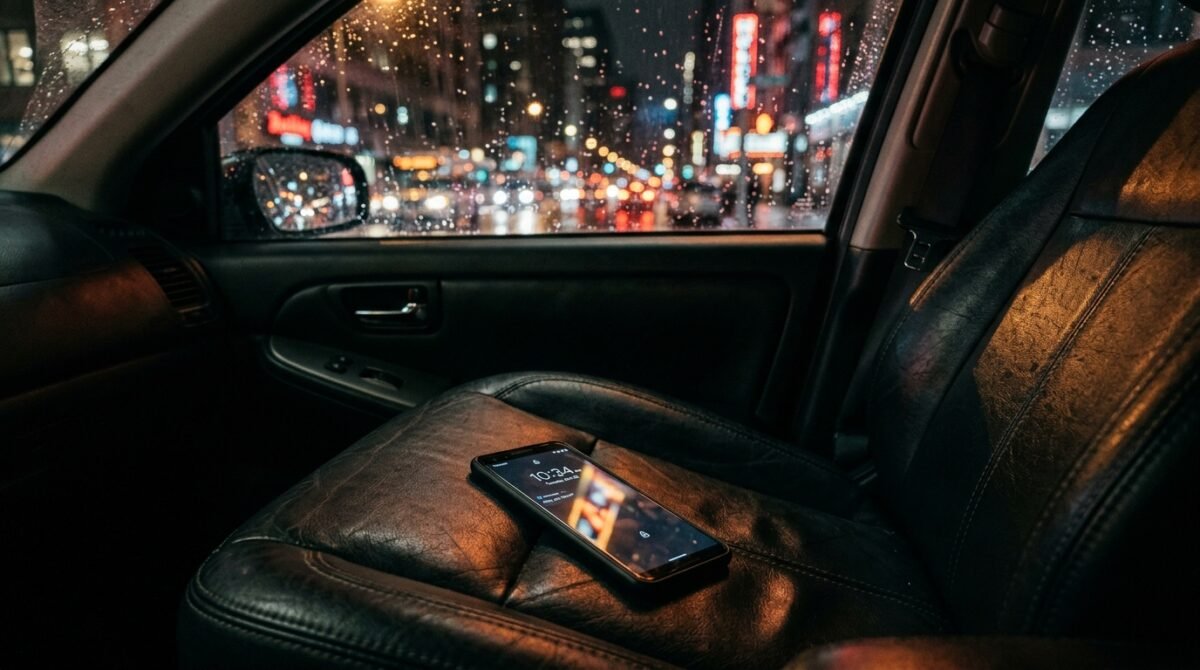
The plan was simple, reckless, and deeply satisfying. I would treat my phone like a decoy, leave it in the hands of a stranger, and disappear for forty-eight hours. No texts, no calls, no location pings, and absolutely no explanation. It was the only way to demonstrate the absolute absurdity of his obsession with my whereabouts, and it turned out to be the most transformative weekend of my life.
This is the story of how I left my life in the backseat of an Uber, the panic that ensued on the other end of the line, and the ultimate realization that some relationships don’t just need boundaries—they need to be left behind entirely.
The Chilling Comment That Unmasked the Stalker
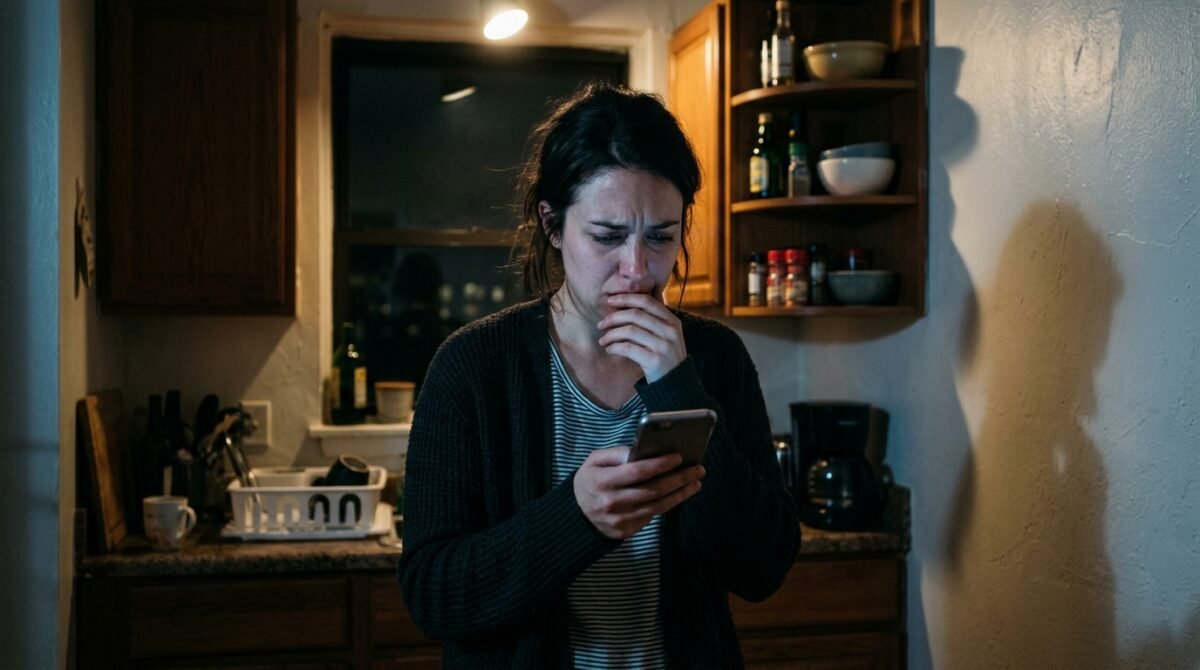
The Tuesday evening started innocently enough. I had come home late from a project at work, exhausted and looking forward to nothing more than a glass of wine and a quiet night. Mark was in the kitchen, his posture rigid, his eyes fixed on his laptop. As I walked in, he didn’t even look up before dropping the line that would eventually end our engagement.
‘You were at the park for forty-five minutes today,’ he said, his voice flat. ‘I thought you said you were going straight to the gym after work. Why lie about that?’ I froze in the entryway, my bag slipping from my shoulder. My heart hammered against my ribs, not out of guilt, but out of a sudden, nauseating fear. I hadn’t told him I was at the park. I hadn’t told anyone.
“I wasn’t lying, Mark. I had an extra hour between meetings and I sat on a bench to clear my head. Why are you tracking my movements like I’m a child or a prisoner?”
He finally turned around, his expression shifting from cold accusation to forced concern. ‘I just want to make sure you’re safe, Sarah. There have been reports of construction issues on that side of town. It’s not tracking, it’s peace of mind.’ But the ‘peace of mind’ he described sounded a lot like control. I realized that my location was being monitored through a shared family account that he had managed to compromise behind my back.
The silence in the kitchen was suffocating. I didn’t argue. I didn’t scream. I just stared at him, seeing him for the first time as a man who needed to possess my every action. The trust was already gone, dissolved by the reality that he didn’t believe I was a capable adult. I walked past him into the bedroom and locked the door, feeling like a stranger in my own home.
That night, I didn’t sleep. I scrolled through my phone, checking settings, disabling permissions, and watching the little blue dot that represented me. It was tethered to him, a digital leash I had never agreed to wear. By 3:00 AM, I had a plan. I wasn’t just going to turn off the location; I was going to give him a show.
The Decoy and the Driver

The next morning was a blur of calculated movements. I left for work at my usual time, phone in hand. I called an Uber, not to go to my office, but to a busy transit hub on the other side of the city. When the car arrived, I had a conversation with the driver, a kind-looking woman named Elena. I explained, in vague terms, that I was having a crisis with a controlling partner and needed to drop my phone off to ‘reset’ my life.
I offered her a hundred dollars to keep the phone in her car for the weekend, charge it, and drive her usual routes. She looked hesitant at first, but when I told her it was a matter of regaining my personal safety, she nodded. ‘I’ve been there, honey,’ she whispered. ‘You go do what you need to do. Your phone is safe with me, and it’s going to travel all over the city.’
“I just need this gone, Elena. He’s obsessed with where I am. If he sees it moving around, he’ll think I’m just out and about. If it stops, he’ll know I cut him off. Can you just keep it in the passenger seat?”
I handed over the device. It felt like shedding a layer of lead. I watched as the car pulled away, my digital identity bouncing toward the downtown district. I turned around, walked to the bus station, and boarded a coach heading to a small lakeside cabin I had rented for two days. I was officially invisible.
The thrill of being untethered was intoxicating. For the first time in years, I didn’t check my notifications. I didn’t worry if I was running ten minutes late or if I needed to text someone where I was. I was just… me. The cabin was quiet, the air was crisp, and the only person who knew where I was—was me.
Meanwhile, on the other side of town, Mark was undoubtedly checking his app. He would see me heading toward the city center, then stopping at a restaurant, then moving to a residential area, then back to the highway. He would be confused, likely annoyed, but he wouldn’t suspect a thing. He was playing with a toy I had given him, and he didn’t even know it was broken.
The Panic in the Group Chat
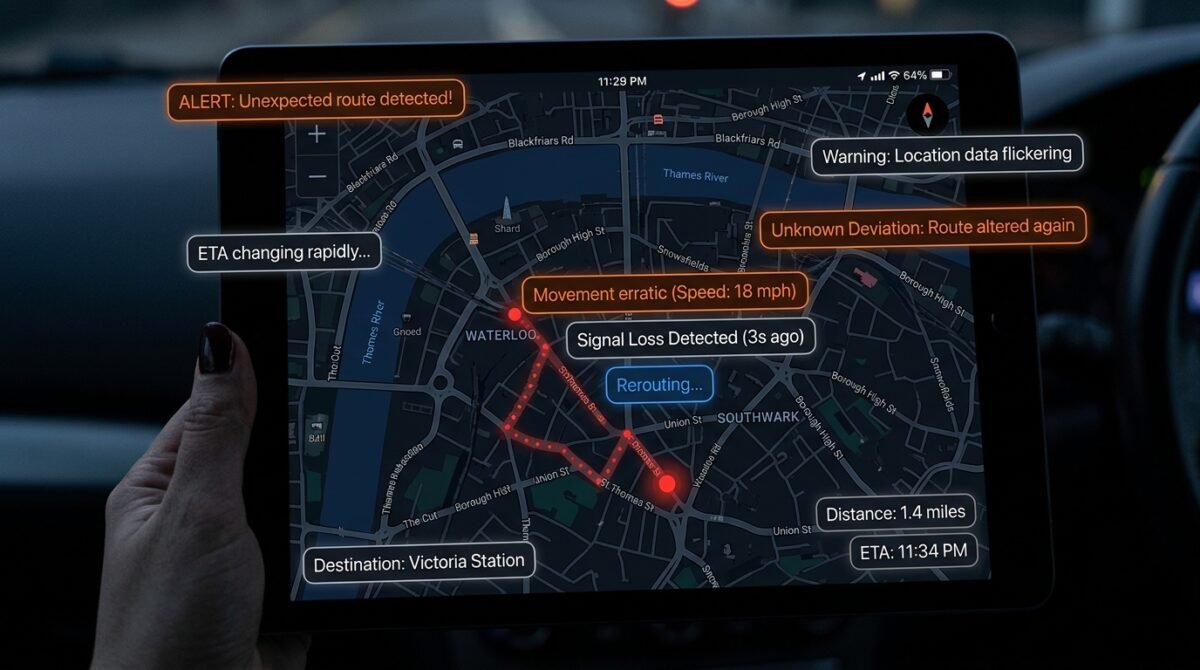
Back at home, the situation was escalating rapidly, or so I later discovered. Mark had expected me home for dinner, and when I didn’t show up, he began to spiral. He tried calling, but he couldn’t reach me. He tracked the phone to a local shopping mall, then to a movie theater, and finally to a hotel parking lot. He assumed I was cheating, or perhaps just ignoring him, which in his mind, was a crime.
He started texting, then calling, then messaging my friends and family. The chaos in our shared family group chat was a testament to his mounting instability. He was trying to maintain a facade of ‘worried fiancé’ while clearly being unhinged by the lack of direct access to me. The messages flowed in, creating a digital trail of his descent into mania.
“Where are you? Your location says you’re at the Marriott. Why are you at a hotel? Answer me right now, this isn’t funny anymore.”
— Mark (10:14 PM, Day 1)
He even contacted my sister, who knew nothing about the plan but was equally terrified because she thought I had been kidnapped. Mark’s messages became increasingly accusatory. He was projecting his own insecurities onto my silence. He didn’t care if I was safe; he cared that he had lost control of the narrative.
By the second day, he had filed a report with the police, claiming I was a ‘missing person’ who was ‘acting erratically.’ The irony was not lost on me when I heard about this later. He was the one tracking me, yet he was painting me as the unstable one. He was trying to force a confrontation through external pressure.
My phone, meanwhile, was having a grand old time. Elena had driven it to a suburban park, a strip mall, and even a local dog park. Mark was likely losing his mind trying to reconcile my ‘location’ with the fact that no one could get in touch with me. He was trapped in a digital loop of his own creation, and I was miles away, finally learning how to breathe again.
The Confrontation at the Doorstep
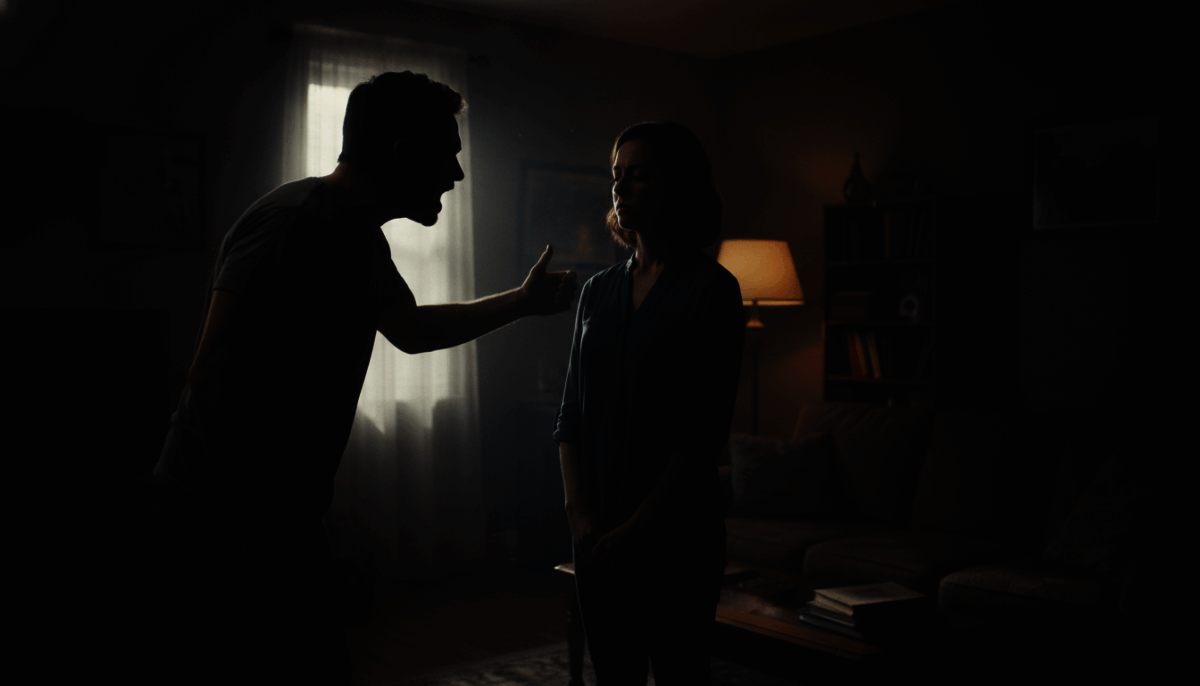
When I finally returned home on Sunday evening, I walked into a battlefield. Mark was waiting in the living room, surrounded by my sister and his best friend. He looked like he hadn’t slept in days. When I walked through the door, the silence that fell over the room was heavy, vibrating with tension and unspent anger.
He stood up immediately, his face flushed with a mixture of relief and pure, unadulterated rage. ‘Where the hell have you been?’ he shouted, not even waiting for me to take off my coat. ‘I had the police looking for you! Do you know what you put me through? You were at a hotel, you were at a park—what were you doing?’
“I was taking a break, Mark. I was taking a break from being tracked, from being watched, and from being controlled by you. I didn’t need to tell you where I was because I am a grown woman who doesn’t need your permission to exist.”
I calmly pulled my phone out of my pocket—I had retrieved it from Elena earlier that afternoon—and placed it on the coffee table. ‘You wanted to know where I was? You had the phone. You were tracking it all weekend. If you didn’t know where I was, that’s on you for not knowing me well enough to trust me without a GPS coordinate.’
The look on his face was priceless. It shifted from confusion to realization, and finally to a cold, hard glare. He realized he had been played. He realized that the ‘safety’ he was clinging to was a digital ghost. He had been tracking a stranger’s car for two days, and it had cost him the very thing he claimed to be protecting: our relationship.
My sister looked between us, her eyes wide. She had been worried, but seeing my calm demeanor and Mark’s explosive reaction, she finally understood. She stepped back, putting distance between herself and the situation. She realized that this wasn’t about me being ‘missing’; it was about me finally setting the boundaries he had spent months trying to dismantle.
The Unraveling of the Trust
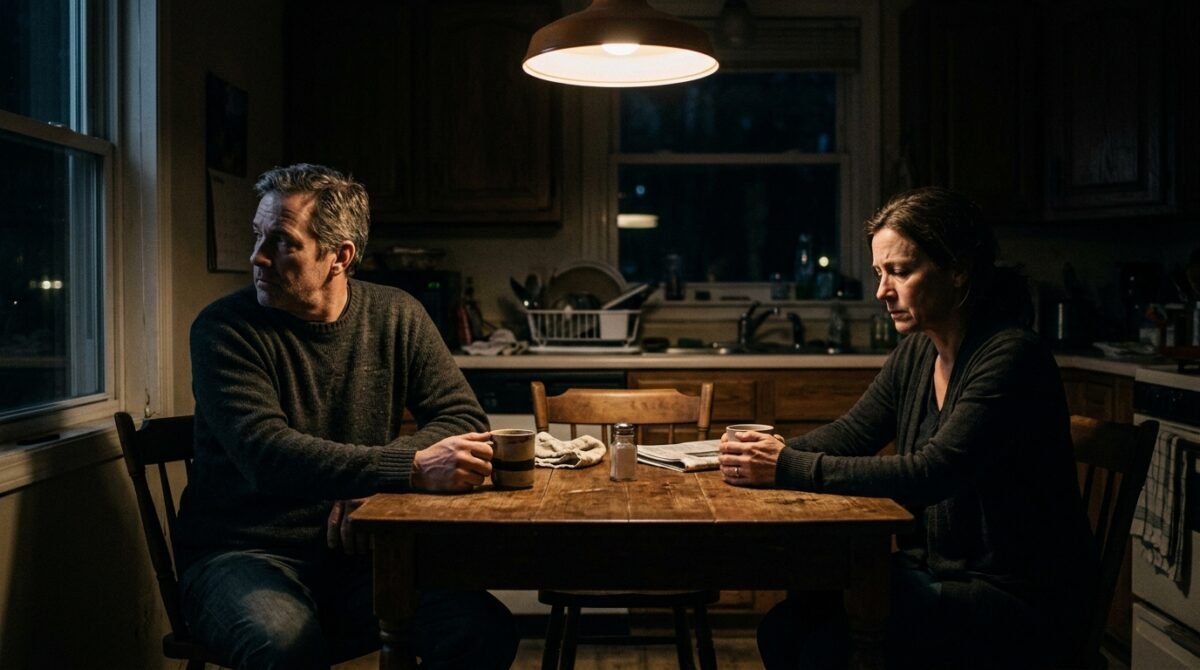
The aftermath of my return was not a tearful reconciliation; it was the final autopsy of our engagement. Mark tried to justify his actions, claiming that my ‘disappearance’ proved he was right to monitor me. He argued that if I had nothing to hide, I wouldn’t have gone to such lengths to ‘deceive’ him. He couldn’t grasp the concept that the deception was a direct response to his violation of my privacy.
We sat at the kitchen table, the same place where he had first let his ‘tracking’ slip. He tried to pull the guilt card, talking about how much he loved me and how terrified he had been. ‘I was worried you were hurt,’ he insisted. I looked him dead in the eyes and asked him how many times he had checked my location that weekend. ‘I don’t know,’ he muttered. ‘Maybe every hour?’
“If you were truly worried I was hurt, you would have called my sister sooner. You would have gone to the police earlier. Instead, you spent forty-eight hours staring at a screen, waiting for me to show up in a place that made you feel justified in your paranoia.”
The conversation was circular and exhausting. Every point I made about personal space and autonomy, he countered with a point about ‘commitment’ and ‘transparency.’ He viewed transparency as a one-way street where he held the binoculars. I viewed it as a mutual agreement based on respect, something he clearly wasn’t capable of.
I realized that even if we stayed together, I would never feel ‘seen’ by him. I would only ever be ‘monitored.’ He didn’t want a partner; he wanted a possession. The realization didn’t bring sadness, but a strange, liberating sense of clarity. The wedding was off, not because of a single incident, but because the foundation of our life together had been built on surveillance rather than trust.
He pleaded for me to reconsider, to ‘work through it,’ but he wasn’t talking about working through the behavior—he was talking about working through my ‘irrational reaction.’ He still didn’t see the problem. He still thought he was the victim. And that was the final nail in the coffin of our relationship.
Reddit Weighs In: The Verdict of the Internet
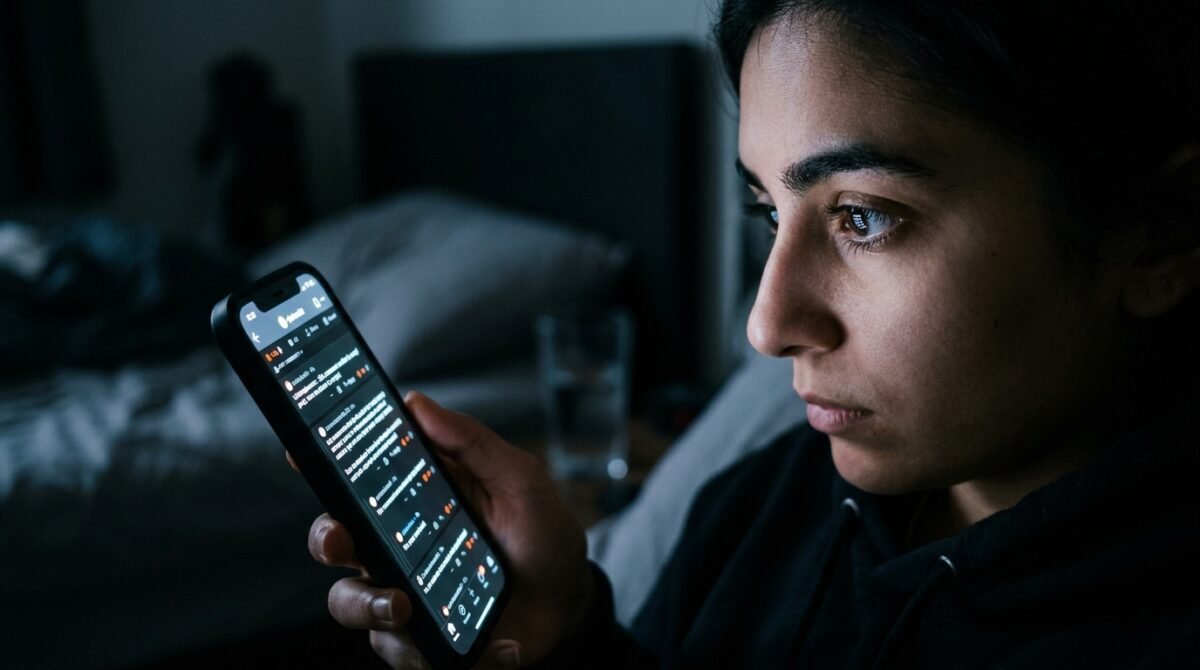
When I finally posted the story on a popular subreddit, I wasn’t expecting the outpouring of support. I thought I might be judged for being ‘petty’ or ‘vindictive.’ Instead, the community was overwhelmingly on my side, with many users sharing their own horror stories of partners who had crossed the line from ‘caring’ to ‘stalking.’
The top comment, which received thousands of upvotes, perfectly summarized the situation. It wasn’t about the phone; it was about the power dynamic. The community saw exactly what I had seen: that Mark’s behavior was a textbook example of coercive control, and my response was a desperate, necessary act of self-assertion.
“OP, you didn’t leave your phone in an Uber; you left behind a toxic relationship. This isn’t about the tracking—it’s about the fact that he thinks your autonomy is something he can manage. Don’t look back. You did exactly what you needed to do to save your own sanity.”
— u/DigitalFreedomFighter (Top Comment, 32.5k upvotes)
There were, of course, the dissenters—the ‘devil’s advocates’ who argued that ‘if you have nothing to hide, you have nothing to fear.’ But they were quickly drowned out by voices of reason who pointed out that privacy is not about hiding; it’s about boundaries. The sheer volume of support made me realize that I wasn’t overreacting.
I spent hours reading the comments, finding comfort in the shared experiences of others. It was a digital support group that I didn’t know I needed. It validated the feeling of violation I had experienced and confirmed that I had done the right thing. The internet, for all its toxicity, had provided a safe harbor for me to process my trauma.
I even saw people analyzing the ‘Uber’ strategy, calling it a ‘masterclass in setting boundaries.’ Some suggested that I should have left the state, but I knew that returning to face the music was the only way to truly end things on my terms. I wasn’t running away; I was choosing to walk away from a life that no longer fit who I was becoming.
The Legal and Emotional Realities
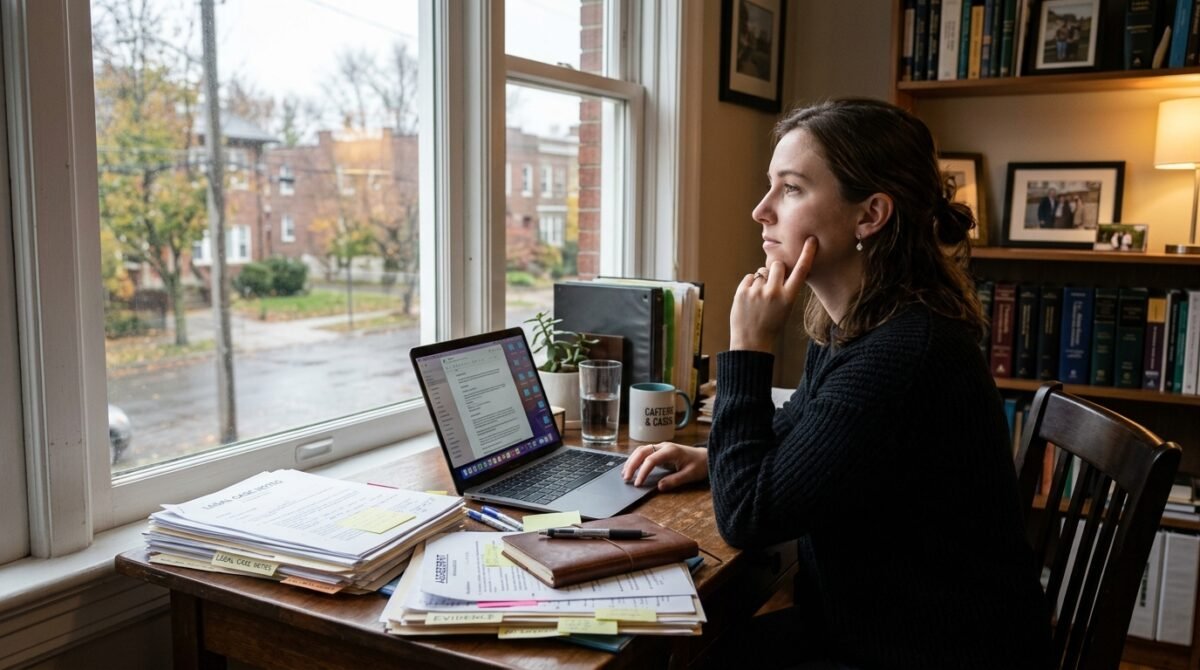
Following the breakup, things got a bit more complicated. Mark didn’t handle the rejection well. He tried to keep access to our shared accounts, he attempted to guilt-trip my family, and he even threatened to ‘expose’ me to our mutual friends as someone who ‘abandoned’ him during a crisis. It was classic deflection. He wanted to maintain the narrative that he was the ‘good guy’ who had been wronged.
I had to consult a lawyer to ensure he couldn’t access my personal information or harass me further. It was a stark reminder that when you set a boundary with someone who relies on control, they don’t just walk away—they push back. The legal aspect of the split made me realize just how deep his need for control went; he wanted to keep tabs on me even after we were no longer a couple.
“He wanted to know where I was because he couldn’t stand the idea that I was happy without him. It wasn’t about love. It was about possession, and once I took that possession away, he felt nothing but rage.”
I started therapy to deal with the aftermath. My therapist helped me see that I had been slowly eroding my own sense of self to accommodate Mark’s insecurities. I had started to apologize for things I didn’t need to apologize for, and I had started to hide things just to avoid his ‘concerns.’ It was a slow, subtle brainwashing that I was only just beginning to undo.
The financial side was also a hurdle. We had shared bills, shared accounts, and a shared deposit on our apartment. Untangling our lives was a bureaucratic nightmare. Every time I had to reach out to him for something, it was like stepping back into a trap. I eventually had a friend act as an intermediary for all of our logistics.
Looking back, I’m grateful for the clarity that the weekend of silence provided. It was a catalyst. Without that moment of total disconnection, I might still be in that apartment, wondering why I felt so suffocated. I would still be a data point in his grand scheme of ‘keeping me safe.’ The cost of the separation was high, but the cost of staying was my entire identity.
Reclaiming My Own Map
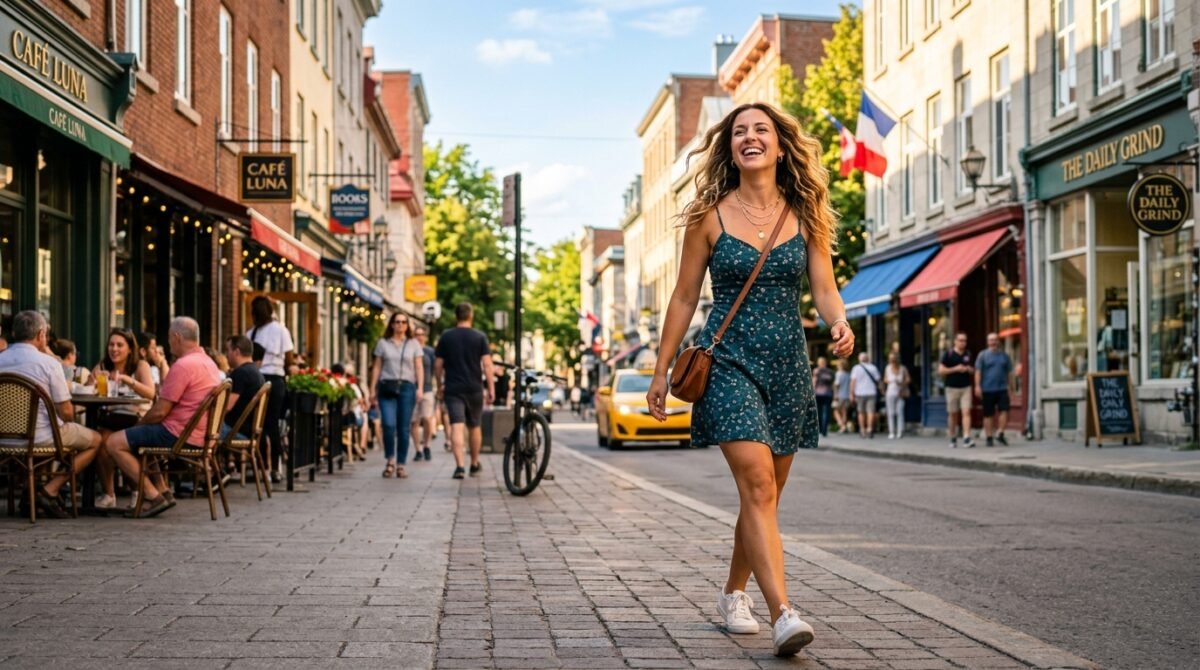
Life today is drastically different. I live in a new apartment, I have total control over my digital life, and I haven’t tracked a single person’s location. I’ve learned that trust is not a GPS coordinate; it’s a feeling of comfort that comes when you know you don’t need to check up on someone to know they’re okay.
I still think about that weekend often. I think about Elena, the Uber driver who became an unwitting accomplice in my liberation. I think about the look on Mark’s face when he realized he had been stalking a stranger’s car for two days. Most of all, I think about the woman who sat in that cabin by the lake, rediscovering what it meant to be truly alone with her thoughts.
I’ve started dating again, but the boundaries are clear from day one. If someone expresses a need to track me, it’s an immediate ‘no.’ I don’t entertain the ‘what if’ scenarios. I don’t care about the ‘safety’ arguments. I know now that the most dangerous thing you can do for your mental health is to surrender your autonomy to someone who doesn’t respect it.
“You don’t realize how much space you’re taking up until you’re forced to reclaim it. I didn’t just reclaim my location; I reclaimed my life. And I wouldn’t trade that for anything, not even a perfect, safe, monitored future with someone who didn’t trust me.”
For anyone else dealing with a partner who thinks their phone is a public record, my advice is simple: trust your gut. If you feel like you’re being watched, you probably are. And if you have to go to extremes to feel free, then the problem isn’t your behavior—it’s the relationship. You deserve to be in a place where you don’t feel like you need a getaway plan.
I am finally, blissfully, unmapped. And I’ve never felt more found.
The Final Lesson on Digital Autonomy

As I reflect on the past year, the most profound lesson hasn’t been about technology, but about integrity. Digital privacy is a proxy for personal respect. When we hand over our passwords, our location, and our data without hesitation, we are telling our partners that our lives are open books to be edited by them. It’s a dangerous precedent to set, and once established, it’s incredibly difficult to reverse.
I’ve seen friends struggle with similar issues, trying to justify their partner’s ‘checking in’ as a sign of affection. It’s a insidious lie. Affection is about checking in because you care how the other person’s day was, not because you need to verify their itinerary. It’s the difference between a partnership and a prison guard dynamic.
I often wonder what Mark is doing now. Is he tracking someone else? Has he learned that love requires the risk of the unknown? I suspect he hasn’t. The need to control is a deep-seated pathology, not something that changes overnight. But his journey is no longer my concern. My journey is the one that matters, and it’s taken me into a life of authentic connection.
The experience taught me to value my own intuition above all else. When I felt that initial chill, that small voice telling me something was wrong, I should have listened. Instead, I let him gaslight me into thinking I was the paranoid one. That was the real mistake. I’ve learned to listen to that voice now, and it’s served me better than any surveillance app ever could.
I hope my story serves as a reminder to everyone who feels that digital leash tightening around their neck: you have the power to cut it. It might be messy, it might be uncomfortable, and it might end in a breakup, but the freedom on the other side is worth every bit of the struggle. You are not a data point; you are a person, and you deserve a life that isn’t lived in the shadow of someone else’s insecurity.
Moving Forward: Redefining Partnership

Today, my definition of a healthy partnership looks very different. It’s built on the foundation of ‘I trust you, so I don’t need to know where you are.’ It’s about having a life that is separate, yet connected in a way that respects the individuality of both people. We share experiences, not locations.
There is a beauty in the unknown. When I don’t know exactly what my partner is doing at every moment, I look forward to hearing about it when we reunite. The stories are more authentic, the conversation is more vibrant, and the connection is deeper. It’s the difference between reading a live-update feed and having a conversation with someone you care about.
I’ve also become a staunch advocate for digital literacy and boundaries. I encourage others to regularly check their privacy settings, not because they’re doing something wrong, but because they deserve to keep their personal life personal. It’s a fundamental right in our modern world, and it’s one that we should all defend with as much vigor as we defend our physical boundaries.
Looking forward, I’m excited about the future. I have plans that aren’t governed by anyone else’s schedule. I have a life that is entirely my own, and it feels wonderful. If there is one thing I would tell my past self, it’s that the panic I felt during that weekend was not the end of the world—it was the beginning of my new one.
So, here’s to being unmapped, untracked, and undeniably free. The road ahead is wide open, and for the first time, I’m the only one holding the steering wheel. And that, in itself, is the greatest victory I could have ever hoped for.
Conclusion
The story of my phone in an Uber isn’t just about a broken engagement; it’s about the reclaiming of the self in an age of constant surveillance. It highlights the delicate line between ‘safety’ and ‘control’ and shows how easily that line can be blurred when trust is absent. I hope this narrative encourages others to reflect on their own boundaries and recognize the signs of coercive control before it’s too late.
Relationships should be based on mutual respect, not tracking software. If you find yourself needing to monitor your partner, or if you feel like you are being monitored, it is time to have a serious, perhaps difficult, conversation about what trust really means. And if that conversation doesn’t lead to change, you have to be ready to walk away, just as I did.
What about you? Have you ever had to set a firm boundary in your relationship regarding digital privacy? Or perhaps you’ve been on the other side, learning the hard way that control is not the same as love. Let’s discuss this in the comments—share your experiences, your thoughts on the ‘tracking’ dilemma, and what you would have done in my situation.
Poll: Do you believe location tracking in a committed relationship is a sign of care, or a red flag for control?
A) It’s about safety, I don’t mind it.
B) It’s a major invasion of privacy, I would never allow it.
C) It depends on the context, but I prefer my own space.
What's your verdict on this dilemma?
Vote below to contribute to the official community consensus.

Have a Dilemma Keeping You Up at Night?
Share your real-life feud, wedding chaos, or relationship crossroads anonymously with our editorial team.
What do you think ?
0 Comments🛡️ Comments are moderated to protect community integrity. Your comment will appear once approved by the editorial team.