

Friendship is often described as a sacred contract—a pact of mutual support, shared joy, and an unwritten code of reciprocity. But what happens when that contract is systematically rewritten by one party, turning casual companionship into a series of lopsided transactions? For three years, Sarah and Elena were inseparable. They navigated job changes, breakups, and the monotony of corporate life over countless lunch hours. But then, the pattern began to shift.
It started small. A forgotten purse in the back of a taxi. A digital wallet that refused to sync at the register. A minor oversight that Sarah, in her generosity, brushed off. But as the ‘forgotten’ incidents stretched from one to twelve, the dynamic shifted from innocent forgetfulness to a glaring, uncomfortable pattern of exploitation. Sarah found herself not just paying for her own meals, but subsidizing a life she wasn’t living.
The moral dilemma here isn’t just about the money; it’s about the betrayal of trust. Is it a mistake if it happens once? Maybe. Is it a mistake if it happens twelve times? That is a choice. Sarah was faced with a grueling realization: she was being used, and the person she called a best friend had decided that her kindness was a resource to be mined rather than a bond to be cherished.
This is the story of that breaking point—the moment where the polite facade finally shattered. It is a story about the courage to set boundaries, the sting of being manipulated by someone you love, and the complex, often messy reality of ending a long-term friendship over something as seemingly petty as a lunch tab.
The Slow Erosion of Reciprocity
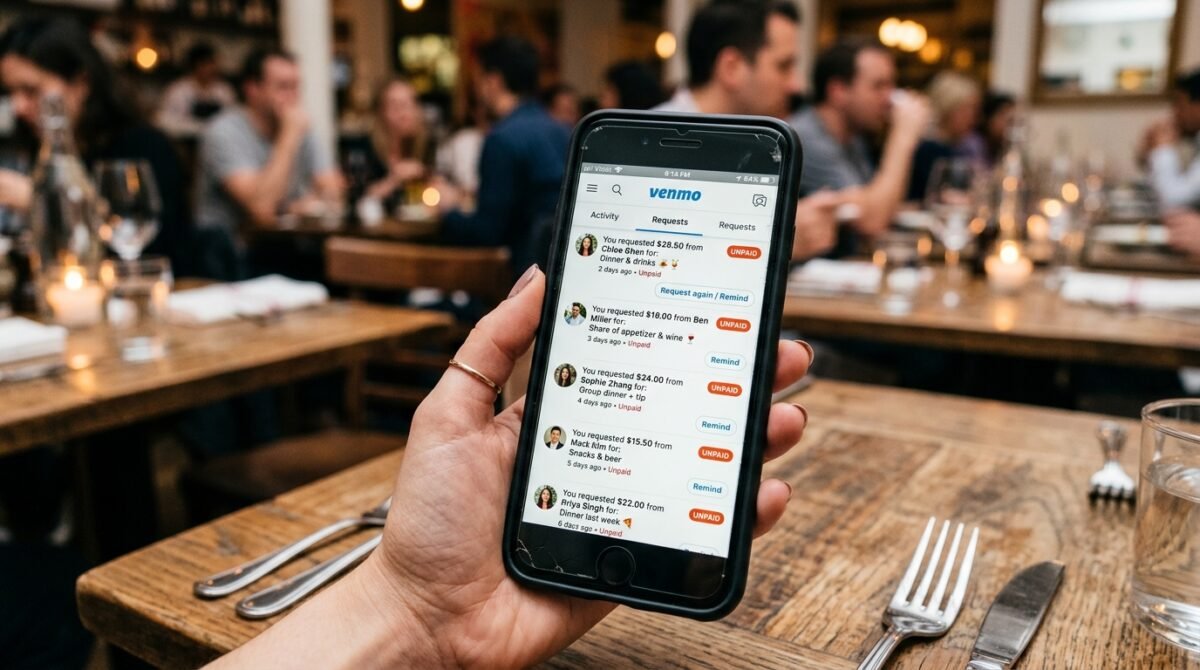
The first few times Elena ‘forgot’ her wallet, it was almost comical. We would laugh, I’d pull out my card, and she’d insist on covering my coffee the next day. It felt like a fair enough trade. We were two young professionals navigating the city, and the ebb and flow of who paid for what was just a natural part of our rhythm. I never thought twice about it until the frequency started to spike.
By the fifth time, I began to notice a pattern. It wasn’t just lunch; it was the ‘forgotten’ parking passes, the ‘I left my phone in the car’ moments, and the sheer audacity of choosing the most expensive item on the menu despite having no means to pay for it. I remember the knot in my stomach the first time I realized she wasn’t even attempting to pay me back anymore. She simply treated me like a permanent, interest-free line of credit.
“Oh my god, Sarah, I am such an idiot! My brain is just fried from the quarterly review. Could you just get this? I’ll Venmo you as soon as we get back to the office, I promise!”
— Elena, during our sixth lunch outing
I started keeping a mental ledger, which I hated doing. It felt petty, small-minded, and beneath our friendship. But as the numbers climbed into the hundreds, the ‘mental ledger’ became a physical reality. I started checking my bank statements. The realization hit me like a physical blow: I had spent nearly six hundred dollars over three months on someone who was supposedly my equal.
I brought it up once, timidly, trying to frame it as a joke. I asked if she wanted to start a shared tab to make things easier. She laughed it off, told me I was being ‘so serious’ and that we were ‘family,’ which made me feel guilty for even bringing it up. That was the first lesson I learned: manipulation often masquerades as affection.
Looking back, I see now that she was testing the waters. Every time I paid without a fuss, she felt empowered to push the boundary further. The silence I maintained was, in her eyes, a green light to continue. I was essentially funding her lifestyle, and I had no one to blame but myself for not closing the bank sooner.
The Silent Treatment and the $40 Salad
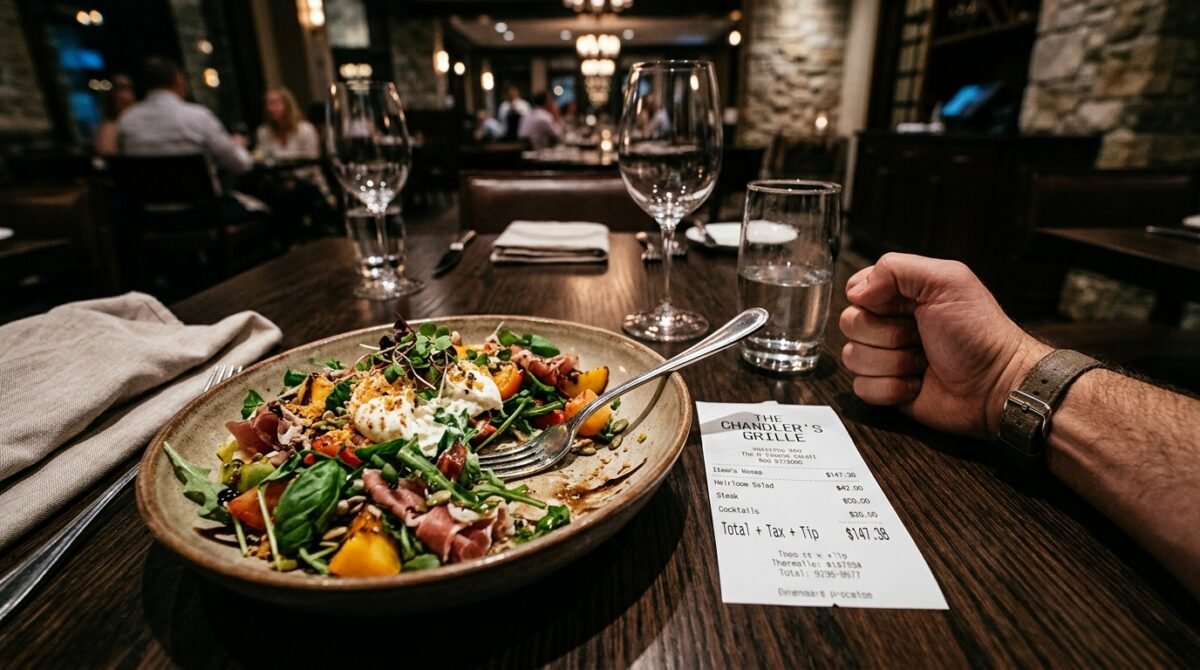
By the time we hit the tenth lunch, the tension was palpable. I was no longer coming to these meals with a sense of excitement; I was coming with a sense of dread. I would sit there, watching her order the premium options, knowing full well that when the check arrived, she would reach for her purse only to find it missing, or worse, perform the ‘card decline’ dance.
On this particular day, she ordered the most expensive salad on the menu and a side of truffle fries. She didn’t even look at the prices. She looked at me with this bright, airy smile, completely detached from the reality of the bill that was looming. When the server placed the check down, she didn’t even glance at it. She reached for her water and started talking about her weekend plans.
“I just need to vent about the new manager. Can you believe she expects me to work through lunch? Anyway, I’m so excited for the concert on Friday. It’s going to be amazing, you have to come!”
— Elena, completely ignoring the check on the table
I didn’t answer. I just stared at the bill. It was over forty dollars for a quick lunch. I felt a surge of heat crawl up my neck. I looked at her, really looked at her, and realized she was a stranger. This wasn’t the friend who helped me move into my first apartment. This was someone who saw me as an ATM.
I didn’t say a word. I paid the bill, but I didn’t get the warm, fuzzy feeling of ‘helping out a friend.’ I felt used. I felt exploited. And most importantly, I felt stupid. I walked back to the office in silence, and for the first time, I didn’t respond to her chatter. I was done.
The office environment made it worse. I had to sit next to her for the rest of the day, listening to her talk about her ‘hard week.’ It was a masterclass in gaslighting. She was complaining about being broke while I was still processing the fact that I had just covered her decadent lunch for the tenth time. My resolve began to harden into something cold and permanent.
The Thirteenth Lunch: The Turning Point
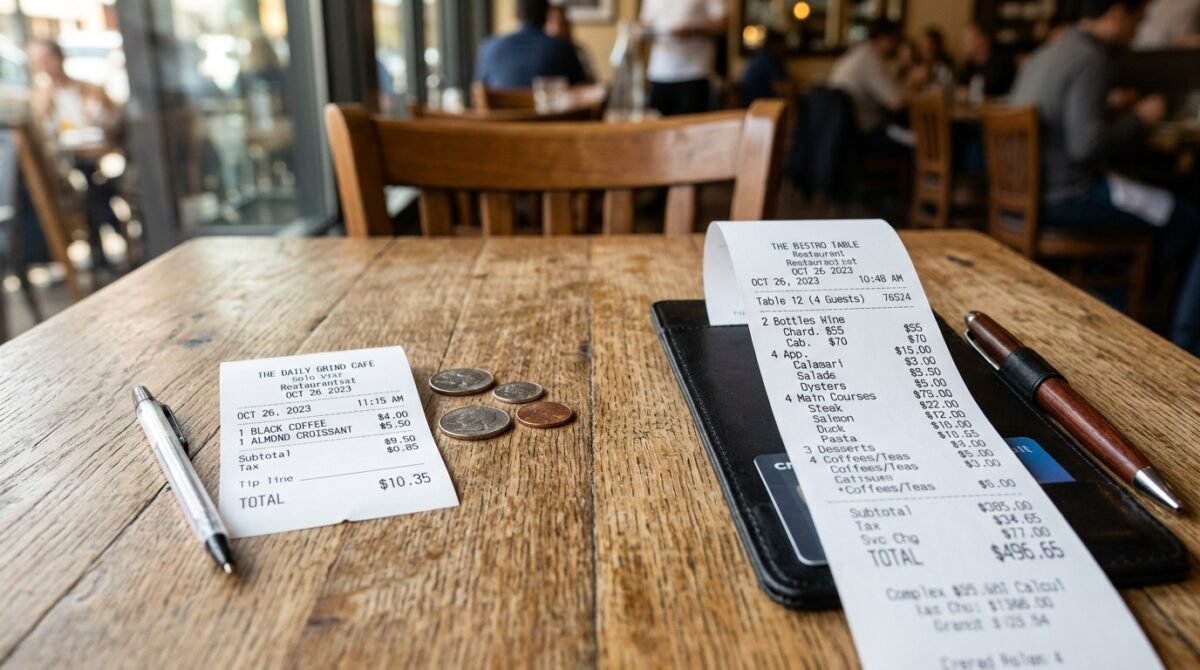
I knew the thirteenth lunch would be the last. I hadn’t made a plan to end the friendship, but I knew I couldn’t keep doing this. I decided that if she pulled the same stunt again, I would handle it differently. I wouldn’t be the ‘nice’ one anymore. I wouldn’t be the silent martyr.
When we arrived at the restaurant, I was calm. It was a strange, eerie kind of calm. She ordered the usual, and I ordered a small soup. I was going to test her. I wanted to see if she would even offer to pay for her own meal if I didn’t lead with my credit card. When the server came by, I made sure to catch his eye immediately.
“Could we please have separate checks? It’s going to be easier for us today.”
— Sarah, speaking clearly to the waiter
Elena stopped mid-sentence. She looked at me, then at the waiter, and then back at me. Her expression was a mix of confusion and indignation. She didn’t say anything immediately, but the air in the booth turned frigid. She finally opened her mouth to speak, and I knew exactly what was coming.
She started the performance. She fumbled with her bag, checked her pockets, and then gave me that wide-eyed, panicked look. ‘Oh no,’ she whispered, ‘I think I left my card in my coat pocket at the office. Sarah, can you cover me just this once? I’ll send it to you immediately, I swear.’
I didn’t blink. I didn’t offer a sympathetic smile. I just looked at her and said, ‘No, I can’t.’ The server returned with the separate checks and dropped them on the table. My check was for six dollars. Hers was for forty-eight. The silence that followed was heavy enough to crush a diamond.
The Walkout and the Aftermath

She stared at the bill as if it were an insult. She looked at me, expecting me to cave, expecting the usual performance of ‘don’t worry about it.’ But I just stood up. I put my six dollars and a tip on the table, grabbed my coat, and looked at her one last time. There was no anger left, just a profound sense of clarity.
I didn’t yell. I didn’t cause a scene. I simply said, ‘I think you can figure this out,’ and I walked out of the restaurant. I could feel her eyes on my back, burning into me, but I didn’t turn around. I walked back to the office, took a deep breath, and felt like I had shed a hundred pounds of dead weight.
“You are being so petty! I’ve never seen you act like this. You’re literally walking out and leaving me here with the bill? You know I don’t have my wallet!”
— Elena, shouting as Sarah walked away
The office was quiet when I returned. I sat at my desk and opened my email. I didn’t check my phone. I knew the messages would be coming, and I wasn’t ready to deal with them yet. For the first time in months, I felt like I was in control of my own life again.
Later that afternoon, she didn’t come to my desk. She didn’t try to talk to me. She was clearly stewing in her anger, and I was fine with that. I had realized that a friend who relies on your silence to exploit you isn’t a friend at all. She was an anchor, and I had finally cut the rope.
I spent the rest of the day working with a focus I hadn’t felt in weeks. The fear of confrontation had always been my biggest weakness, but having faced it, I realized it wasn’t as terrifying as the alternative—living a life where I was constantly being taken advantage of by the people I trusted the most.
The Digital Fallout

When I finally checked my phone that evening, the notifications were a storm. There were six missed calls and a barrage of text messages, each one more aggressive than the last. She wasn’t asking for money anymore; she was attacking my character. She called me selfish, dramatic, and a ‘fake friend’ who cared more about forty dollars than our years of history.
“I can’t believe you actually walked out. Do you have any idea how humiliating that was? The waiter kept looking at me, and I had to call my brother to come pay the bill. You are officially the worst person I know.”
— Text message from Elena
I read the message and felt nothing. No guilt, no regret. It was a cold, hard confirmation of everything I had suspected. She wasn’t sorry she had used me; she was sorry she got caught. She was sorry the consequences had finally caught up to her. And she was using shame to try and force me back into the old pattern.
I didn’t reply. I knew that if I engaged, it would just turn into a cycle of justifying my actions, and I didn’t owe her any justification. I had paid for twelve lunches. I had set a boundary. I was the one who had been wronged, and yet, she was acting like the victim. It was a classic display of DARVO—Deny, Attack, and Reverse Victim and Offender.
I blocked her on everything. It felt like the final step in a long, arduous process. I didn’t want to hear her excuses, I didn’t want to hear her justifications, and I certainly didn’t want to hear her tell me how ‘hard’ her life was. I was done with the drama. I was done with the financial drain. I was done with the friendship.
The next day at the office was awkward, but I held my head high. She avoided me, and I avoided her. It was a silent, cold war, but for the first time, it didn’t bother me. I had reclaimed my dignity, and no amount of social tension could strip that away from me.
Community Perspectives: The Reddit Verdict

I posted about the incident on a popular subreddit, needing to know if I was the villain, as she had suggested. The response was overwhelming. Thousands of people weighed in, and the consensus was not what I expected. The internet, often known for its cruelty, was surprisingly supportive. It turned out I wasn’t the only one who had dealt with a ‘forgotten wallet’ friend.
“This isn’t about the money, OP. This is about the lack of respect. She was using you as a meal ticket and gaslighting you when you brought it up. You didn’t ‘walk out’ on a friend; you walked out on an parasite. NTA (Not The Asshole) 100%.”
— u/LogicAndReason (Top Comment, 18.2k upvotes)
The comments were filled with stories of people who had been in similar situations. Some had lost thousands of dollars before finally cutting ties. Others shared tips on how to identify these types of people early on—the ‘I’ll get it next time’ people who never actually get it. It was validating to know that I wasn’t crazy, and that my reaction was a rational response to a pattern of behavior.
There were some who argued that I should have had a ‘serious conversation’ before walking out, but the majority pointed out that I had already tried to address it, and she had dismissed me. You can only communicate with someone who is willing to listen, and she had demonstrated time and time again that she wasn’t.
“You gave her 12 chances. Most people wouldn’t have given her two. The fact that she had the audacity to call you the ‘worst person’ after stealing over $500 from you is peak manipulation. Stay away from her.”
— u/BoundariesAreKey (5.4k upvotes)
The community support helped me realize that the guilt I felt was just a remnant of the manipulation. I had been conditioned to feel bad for standing up for myself, and the Reddit thread helped me strip away those layers of conditioning. I was not the bad guy. I was simply a person who had reached their limit.
The Financial Toll: A Record of Exploitation

When I finally sat down to tally everything, the total was staggering. Over the course of a year, I had spent over $800 on ‘forgotten’ meals, coffees, and even a few drinks after work. It wasn’t just the lunch money; it was the cumulative impact of being treated as a secondary source of income. Seeing the number on paper made me feel a mix of anger and disbelief.
I created a spreadsheet, not to send to her, but for my own closure. I needed to see the reality of what had happened. I categorized the expenses: lunches, coffee runs, and ’emergency’ loans that were never repaid. It was a roadmap of my own enabling behavior. Every entry was a time I had chosen to be ‘nice’ instead of being honest.
| Date | Item | Amount | Status |
|---|---|---|---|
| Jan 12 | Lunch at Bistro | $32.00 | Unpaid |
| Feb 05 | Coffee & Pastry | $14.50 | Unpaid |
| Mar 15 | Lunch at Cafe | $28.00 | Unpaid |
| Apr 22 | Lunch at Bistro | $48.00 | Unpaid |
| May 10 | Drinks & Apps | $55.00 | Unpaid |
The table was a stark reminder. It wasn’t just ‘forgotten wallets.’ It was a sustained, systematic drain on my resources. And every time I paid, I was telling her that her comfort was more important than my financial stability. I had enabled a monster, and the spreadsheet was the evidence of my own complicity in the situation.
Seeing the data made me realize that I had been a participant in my own exploitation. I had allowed the boundary to be eroded, piece by piece, until there was nothing left. It wasn’t just about the money; it was about the lack of self-respect that allowed me to keep paying while knowing I was being played.
I closed the spreadsheet and deleted it. I didn’t need the numbers anymore. I had the lesson. And moving forward, I knew I would never let someone else’s ‘forgetfulness’ become my burden again. My money was mine, and my generosity was a gift, not an obligation to be exploited.
Recognizing the Pattern Early

I started reflecting on why I had tolerated it for so long. Was it my need to be liked? Was it my fear of confrontation? I realized that I had been conditioned to prioritize other people’s comfort over my own boundaries. I was the ‘reliable’ friend, the one who never caused a scene, and Elena had weaponized that against me.
I learned that people who habitually ‘forget’ their wallets are often testing to see how much you will tolerate. They start small—a coffee, a snack—and if you pay, they increase the stakes. They are looking for the ‘giver’ who will never say no. Once they find you, they will never stop until you stop them.
“When someone shows you who they are, believe them the first time. I kept hoping she would change, that she would finally realize what she was doing. But she wasn’t a child; she was a grown woman making choices.”
— Sarah, reflecting on the experience
I started reading about the psychology of boundaries. I learned that setting a boundary isn’t an act of aggression; it’s an act of self-preservation. It’s not about punishing the other person; it’s about protecting your own integrity. And the people who get angry when you set a boundary are the exact people who need that boundary the most.
I also realized that I had to change the way I interacted with friends. I wouldn’t be the one to pay for everything anymore. I would suggest ‘going Dutch’ from the start. I would be clear and direct about money. I would no longer leave my own needs on the table in the name of ‘being nice.’
It was a difficult transition, but it was necessary. I felt like I was learning how to be a person in the world again, one who could advocate for themselves without feeling guilty. It was a new, strange freedom, and I was excited to see where it would lead me.
The Final Cut: Moving Forward

Weeks passed, and the silence between us remained. She tried to reach out through other friends, claiming I was ‘unhinged’ and ‘irrational,’ but I didn’t take the bait. I told them simply that we had a disagreement about finances and that it was over. I didn’t need to win the popularity contest; I just needed to move on.
I started focusing on friends who reciprocated. It was such a strange sensation to go out to lunch and have the other person reach for their wallet, or even better, suggest splitting the bill before we even ordered. It felt so easy, so natural, and so fair. I had spent so long in a distorted dynamic that I had forgotten what a normal friendship looked like.
“I feel so much lighter now. The constant anxiety about who was going to pay for what, the suspicion of every ‘forgotten’ wallet—it’s all gone. I finally have my peace of mind back.”
— Sarah, on her life after the fallout
I don’t regret walking out. It was the only way to end the cycle. I know some might call it harsh, but I think it was necessary. Sometimes, you have to be the ‘bad guy’ to save yourself. You have to be willing to lose the friendship to keep your self-respect.
I still think about her sometimes, and I wonder if she’s doing the same thing to someone else. I hope not, but I know it’s not my problem anymore. I’ve learned that you can’t save people from themselves, and you certainly shouldn’t let them take you down with them. I’ve made my peace with the situation.
I am in a much better place now. I’m more confident, more direct, and most importantly, I am in control of my own life. I’ve learned that the most important relationship I have is the one I have with myself, and I’m finally starting to prioritize that above all else.
Lessons in Radical Self-Respect

If there is one thing I want people to take away from this story, it is that your boundaries are not a negotiation. When you set a boundary, you are defining the terms of your own life. You are deciding what you will tolerate and what you will not. And if someone chooses to cross that boundary, you have every right to remove them from your life.
We are often taught that we should be ‘forgiving’ and ‘accommodating,’ but there is a line between forgiveness and enablement. Forgiveness is for the times when people make mistakes; enablement is for the times when they continue to make the same choice over and over again. I chose to stop enabling, and it was the best thing I ever did.
“Your kindness is a limited resource. Do not spend it on people who do not value your worth. Save it for the ones who give back, who respect you, and who would never dream of putting you in a position where you felt exploited.”
— Final thought from the author
It’s not just about money. It’s about the underlying dynamic of respect. If you find yourself constantly ‘covering’ for a friend, not just financially but emotionally, you need to ask yourself why. Are they truly a friend, or are they a burden? Are you in a partnership, or are you a volunteer in their life?
I’ve learned to value my own time, my own resources, and my own energy. I’ve learned that I don’t owe anyone an explanation for why I’m setting a boundary. I just need to be clear, and I need to be firm. And the people who truly love and respect you will understand.
Life is too short to be spent with people who make you feel small, exploited, or resentful. Choose your circle carefully, and don’t be afraid to prune the branches that are no longer growing. You deserve a life filled with mutual respect, shared joy, and genuine connection. And that starts with you.
Conclusion
The story of my friendship with Elena is not unique. It’s a cautionary tale about the slow, subtle ways we let people erode our boundaries. It’s a story about the power of saying ‘no’ when ‘yes’ has become a self-destructive habit. Most of all, it’s a story about the liberation that comes when you finally decide that your self-respect is worth more than a decade of awkward, one-sided lunches.
Reflecting on the community reaction, it’s clear that the ‘forgotten wallet’ is a universal symbol for a deeper breakdown in trust. We all have that one person in our lives who pushes just a little too hard. The question is, are you going to keep paying the tab, or are you going to walk out and reclaim your life?
What about you? Have you ever had a friend who made ‘forgetting their wallet’ an art form? Or perhaps you’ve been the one who had to set a boundary that felt impossible at the time. Share your stories below—let’s talk about how to protect our energy and our friendships.
Poll: If a friend ‘forgot’ their wallet 12 times in a row, what would you have done?
A) Confronted them after the second time.
B) Kept paying, but eventually started resenting them (like me).
C) Cut them off immediately without explanation.
D) Continued to pay, because friendship is more important than money.
What's your verdict on this dilemma?
Vote below to contribute to the official community consensus.

Have a Dilemma Keeping You Up at Night?
Share your real-life feud, wedding chaos, or relationship crossroads anonymously with our editorial team.
What do you think ?
0 Comments🛡️ Comments are moderated to protect community integrity. Your comment will appear once approved by the editorial team.