
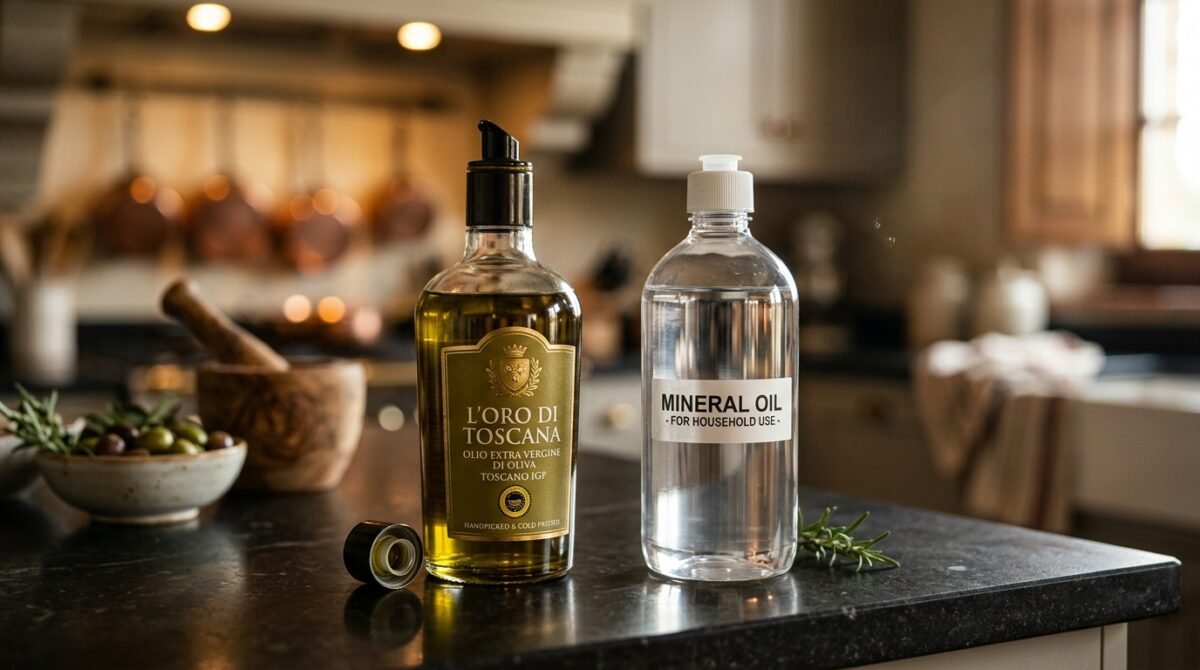
Living with someone else is always a gamble, but I thought my roommate, Mark, and I had reached a baseline of mutual respect. I’m a passionate home cook, someone who treats the kitchen like a sanctuary. I spend my hard-earned money on single-origin spices, hand-harvested sea salts, and imported, estate-bottled olive oils that cost upwards of $80 a pop. To me, these aren’t just groceries; they are the foundation of my creative life.
Mark, on the other hand, was always the ‘I’ll just grab whatever’ kind of guy. He wasn’t malicious, or so I thought. He was just entitled, viewing our kitchen as a communal buffet where my premium stock existed to compensate for his lack of planning. I had addressed the boundary issue multiple times, only to be met with eye-rolls and accusations of being ‘pretentious’ about food. I didn’t realize just how far his entitlement went until the night of the lasagna catastrophe.
The events that transpired weren’t just a minor misunderstanding over a shared grocery item; they were a calculated, albeit incredibly stupid, act of sabotage. When I reached for my favorite cold-pressed finishing oil to dress a salad for a dinner party, the color was wrong. The viscosity was unsettling. And the smell? It was the chemical void of industrial mineral oil.
This isn’t just a story about a missing bottle of oil. It is a story about the intersection of boundary-pushing, medical negligence, and the absolute breakdown of a friendship. It is the story of how an $80 bottle of oil led to a $2,000 emergency room bill, a deep-seated loss of trust, and a Reddit thread that blew up because of the sheer absurdity of the betrayal.
The Slow Creep of Kitchen Encroachment
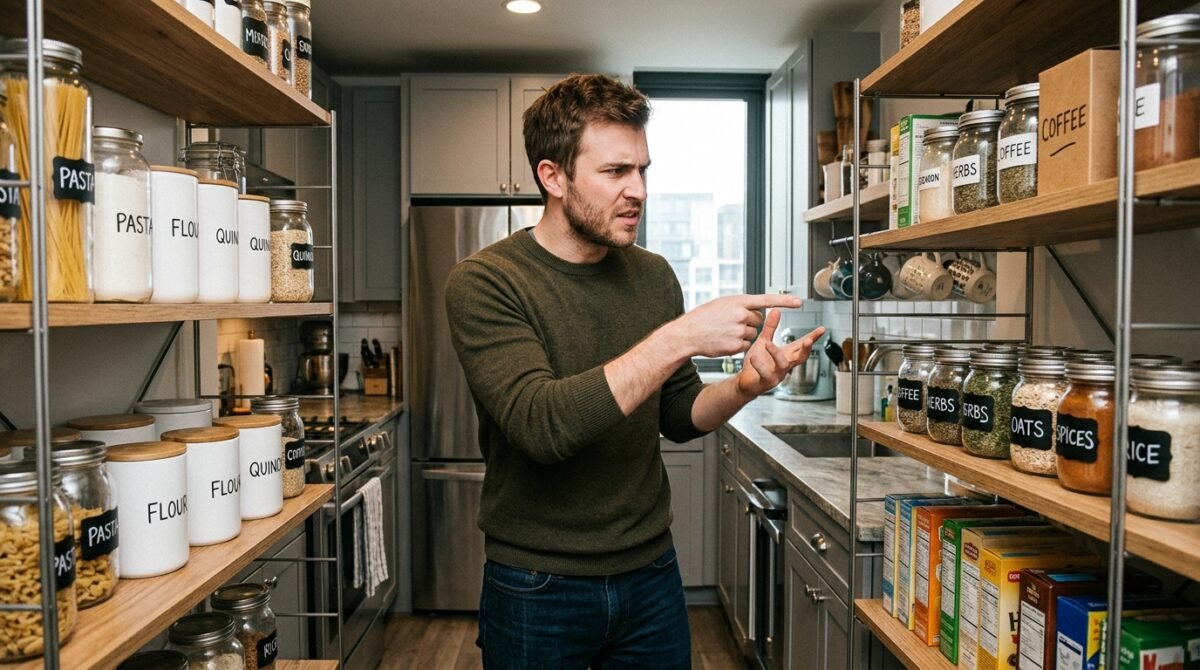
It started with the butter. It was always just a stick here, a handful of flour there, or perhaps the ‘occasional’ splash of my expensive balsamic vinegar. I would come home after a twelve-hour shift to find the seal broken on a product I’d been saving for a specific occasion. When I confronted Mark, he’d always laugh it off, saying, ‘It’s just food, man. We’re roommates. The kitchen is for everyone.’
I tried to explain the concept of replacement costs. I tried to explain that if he wanted to use the high-end imported stuff, he needed to chip in or buy his own. His response was consistently deflective. He treated my culinary standards as a personal flaw I needed to overcome rather than a lifestyle choice I was entitled to maintain. The kitchen became a source of constant, low-level friction that I was simply too exhausted to address properly.
The tension peaked during the week before the disaster. I noticed that several of my specialty oils had been moved. They weren’t in the cupboard where I left them; they were sitting on the counter, looking like they had been used and improperly recapped. I felt a surge of indignation, but instead of blowing up, I bought a label maker. I labeled everything. I thought it was a clear enough signal that these items were not communal property.
“Mark, I’m serious. If you keep using my ingredients without asking, I’m going to have to install a lock on the pantry. This isn’t a joke, and I’m tired of paying for your cooking experiments.”
— Sent via Text, 10:14 PM
His reply was classic deflection. He sent back a laughing emoji and a message saying, ‘Relax, it’s just olive oil. You act like I’m stealing your soul.’ I should have known then that he didn’t respect me. I should have known that he viewed my possessions as his birthright, provided by the universe for his convenience. I just didn’t realize how far he was willing to go to hide his tracks.
The Chemical Swap at 3:00 AM
I had gone to bed feeling uneasy, the kind of feeling you get when you know something is off but you can’t put your finger on it. Mark had been acting strangely quiet, hovering near the kitchen with a weird smirk on his face. I didn’t think much of it until the next evening when I decided to make a quick dinner for myself and a visiting friend.
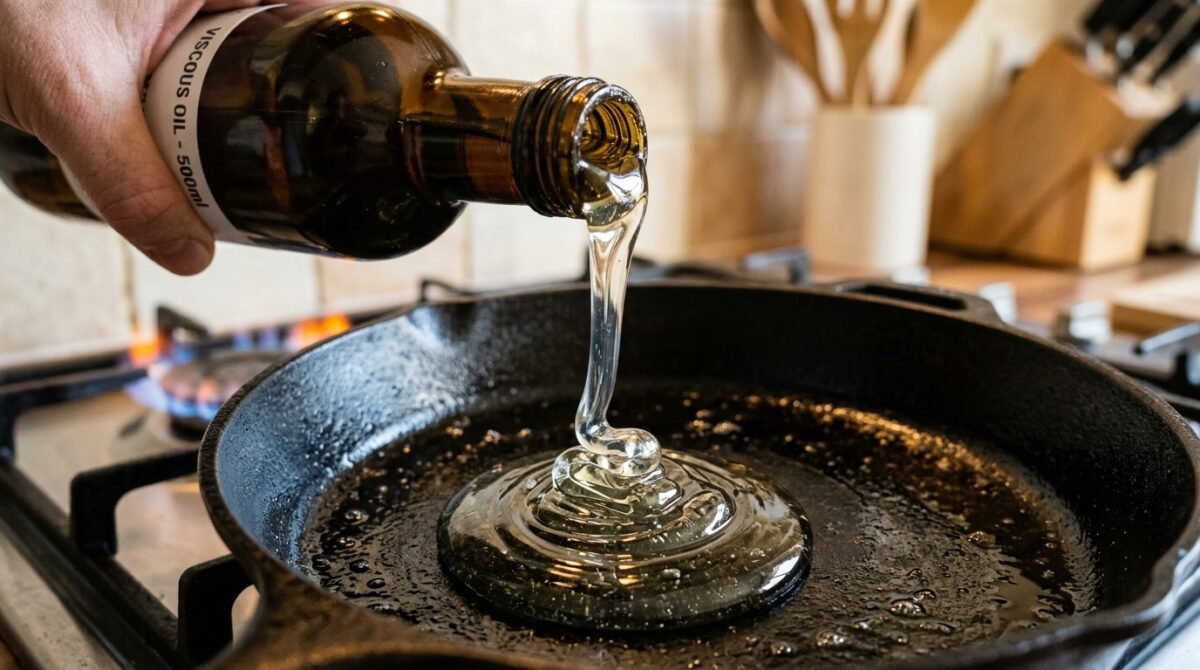
I grabbed the bottle of my favorite Tuscan oil. I poured a generous amount into the pan to sauté some garlic and shallots. The moment the oil hit the heat, something felt wrong. It didn’t sizzle; it began to bubble in a weird, viscous way that didn’t look right. The smell wasn’t the rich, grassy aroma I was used to. It was synthetic, oily, and strangely metallic.
My friend, who is a bit of a foodie himself, picked up the bottle. He noticed the label I had applied was slightly askew. We peeled it back and found, underneath the original label, the residue of a generic hardware store brand of industrial mineral oil. Mark hadn’t just used my oil; he had drained it, hidden the bottle, and replaced it with a cheaper alternative to cover his tracks.
“Oh my god. Mark. Get in here. What is this? Why is my oil bottle filled with industrial mineral oil? Are you insane?”
— The Confrontation
Mark walked into the kitchen, his face pale. He looked at the bottle, then at me, then at the sink. He tried to stutter out an excuse, but he knew he was caught red-handed. The audacity of it—to steal an expensive product and then refill it with a toxic, inedible substance just to avoid being caught—was staggering. He claimed it was ‘a prank,’ but the look in his eyes said he was just tired of me calling him out.
The Gastro Nightmare Unfolds

The problem was that I had already used some of the oil. I had ingested a small amount before noticing the difference. My friend, sensing the danger, immediately told me to stop and drink some water, but the damage was already done. Mineral oil is a laxative, and in the quantities Mark had effectively served us, it was a prescription for a medical crisis.
Within an hour, the abdominal cramping began. It wasn’t just a stomach ache; it was a violent, involuntary reaction that left me clutching my sides on the bathroom floor. My friend, feeling similarly ill, had to call an Uber to take us to the nearest emergency clinic. We were shaking, nauseated, and in pure agony.
Mark, meanwhile, was in the living room, trying to act like nothing happened. When I told him we were going to the hospital because of his ‘prank,’ he had the gall to ask me if I was going to be back in time to finish the dishes. That was the moment I realized he wasn’t just immature; he was dangerously detached from reality.
The hospital staff was baffled. They asked what we had ingested, and when we explained the situation, the doctor looked horrified. ‘Mineral oil in those quantities can cause severe dehydration and electrolyte imbalances,’ he explained. We spent the next six hours on IV fluids, monitoring our vitals while the reality of the situation sank in. I wasn’t just mad; I was physically compromised by someone I trusted with my living space.
The Aftermath and the Medical Bill
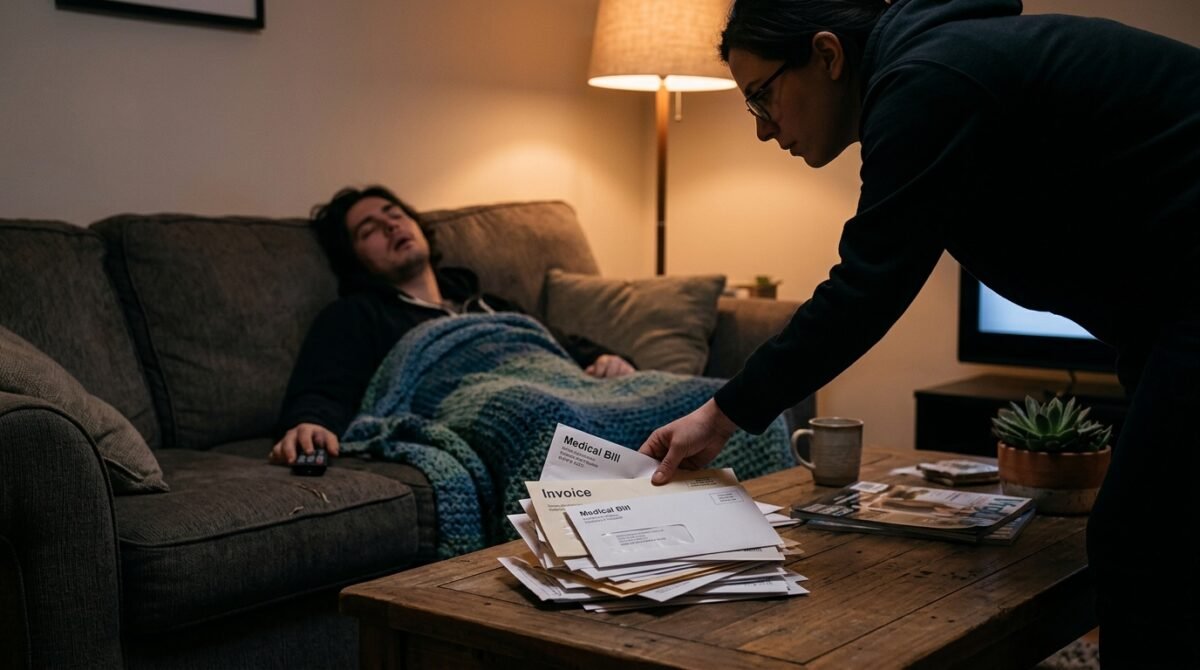
We returned home at 4:00 AM, exhausted and still feeling the residual effects of the contamination. Mark was asleep on the couch, surrounded by video game controllers and empty fast-food wrappers. He hadn’t checked on us once, not a single text, not a single call to see if we were even alive.
I took a picture of the medical bill sitting on the kitchen counter. It was over $2,000 for the emergency visit, testing, and fluids. I printed it out, along with the receipt for the oil, and left it on his lap while he slept. I wanted him to wake up to the financial consequences of his ‘prank.’
When he finally did wake up, he acted like the victim. He complained that I was being ‘over-dramatic’ about a stomach ache and that I should have known better than to use the oil if I was so picky about my cooking ingredients. The gaslighting was so intense I almost started to doubt my own reality. But then, I looked at the bottle of mineral oil sitting on the counter, and the anger returned in full force.
“You need to pay for this medical bill, Mark. You poisoned me and my guest. If you don’t pay it by the end of the week, I’m taking you to small claims court and informing the landlord about the safety hazard you’ve created in this kitchen.”
— My Ultimatum to Mark
He scoffed, but I could see the panic in his eyes. He realized that this wasn’t going to blow over. He wasn’t dealing with a roommate who would just let it slide. He was dealing with someone who was tired of being stepped on, and who had the receipts to prove it.
The Reddit Community Weighs In
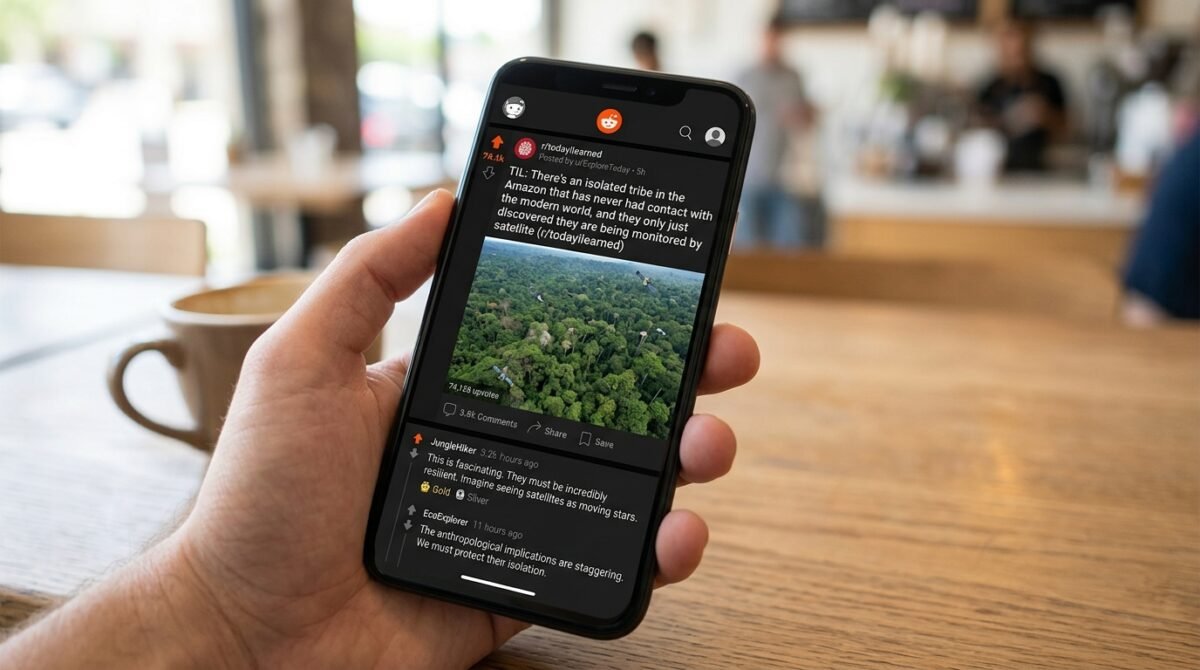
I posted the story on a popular forum, expecting maybe a few responses. I didn’t expect the flood of support—and the absolute roasting of my roommate—that followed. Thousands of people reached out, sharing their own ‘roommate from hell’ stories and offering legal advice on how to handle the medical costs and the security deposit.
The consensus was clear: Mark was not just an inconsiderate roommate; he was a legal liability. People were shocked that he had the nerve to suggest I was at fault for using my own ingredients. The term ‘gaslighting’ was thrown around a lot, and for the first time, I felt validated in my decision to stop playing nice.
“NTA. This isn’t a prank, it’s poisoning. You need to file a police report to document the intent. Mineral oil isn’t just an inconvenience; it’s a controlled substance in many culinary contexts for a reason. Get out of that lease.”
— u/LegalEagle88 (Top Comment, 32.4k upvotes)
The thread became a repository of people telling me exactly how to document the evidence. I saved every text message, took photos of the chemical labels, and kept the receipt for the oil. I felt like I was building a case for a war, and honestly, it felt empowering. I wasn’t just a victim; I was a person taking control of their environment.
The Sunday Dinner Table Silence

A week later, Mark’s parents came to visit. They had always been ‘cool’ with him, which explained a lot about his behavior. I decided to have an honest conversation with them. I didn’t want to cause trouble, but I felt they needed to know why their son was currently being evicted from the lease and why he was being held accountable for a $2,000 medical bill.
We sat at the dinner table. I served a simple meal—nothing fancy, just store-bought pasta. When his mother asked why things were so tense, I laid it all out. I didn’t hold back. I showed them the medical bill, the receipts, and the text messages where Mark admitted to the ‘prank.’
The silence that followed was heavy, thick with the weight of years of enabled behavior. His father looked at Mark, then at the table, and finally at me. He didn’t defend him. For the first time, I think they realized that their son had crossed a line that couldn’t be smoothed over with an apology or a checkbook.
“Mark, is this true? Did you really put chemicals in someone’s food? Do you have any idea how dangerous that is? We didn’t raise you to be a criminal.”
— Mark’s Father at dinner
Mark sat there, shrinking into his chair. He couldn’t look anyone in the eye. It was the most satisfying moment of the entire ordeal, not because I wanted to hurt him, but because he was finally forced to face the reality of his own actions without the ability to blame me.
The Legal Threat and the Departure
The fallout was swift. I consulted with a lawyer who specialized in tenant disputes, and he confirmed that Mark’s actions constituted a breach of the lease and a direct threat to safety. I presented Mark with a final ultimatum: he could pay the medical bills and sign a move-out agreement, or we would involve the landlord and potentially the police.
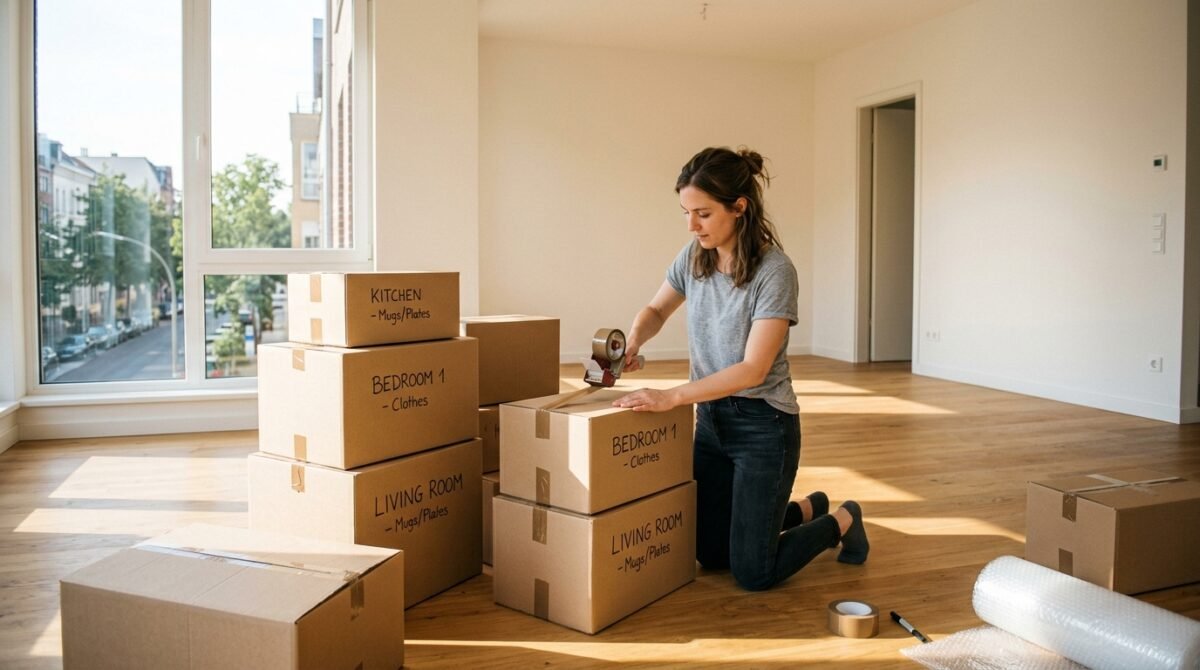
He chose to move out. He didn’t pay the full medical bill immediately, but he signed a promissory note. It was a small victory, but it was enough. I spent the next two weeks packing up the kitchen, scrubbing away the memories of his presence, and trying to reclaim the space I had sacrificed for so long.
When he finally left, the apartment felt different. It was quiet, sure, but it was also clean. I didn’t have to worry about my belongings being tampered with or my boundaries being crossed. I finally felt like I could breathe again in my own home, a luxury I hadn’t realized I’d lost until it was returned to me.
I kept the mineral oil bottle—not to use, but as a reminder. It sits on the top shelf of my pantry now, a trophy of sorts. It reminds me that some people are never going to change, and that the only way to deal with someone who refuses to respect you is to remove them from your life completely.
The Reflection on Boundaries
Looking back, I realize that I had been compromising my own boundaries for far too long. I had allowed Mark to treat me like a roommate he didn’t have to respect because I was too afraid of the conflict. I had treated his behavior as a ‘quirk’ rather than a fundamental character flaw, and that was my own mistake.
Boundaries aren’t just rules for other people; they are the walls you build to protect your peace. When you allow someone to chip away at those walls, you’re eventually going to find yourself in a situation where the entire structure collapses. The oil incident was just the final catalyst for a structural failure that had been brewing for months.
I’ve since become much more selective about who I share my living space with. I don’t care if someone thinks I’m ‘pretentious’ about my kitchen or my habits. If someone can’t respect the basic rules of a shared space, they don’t get the privilege of sharing that space with me. It’s a hard lesson, but it’s one that has fundamentally changed how I view relationships.
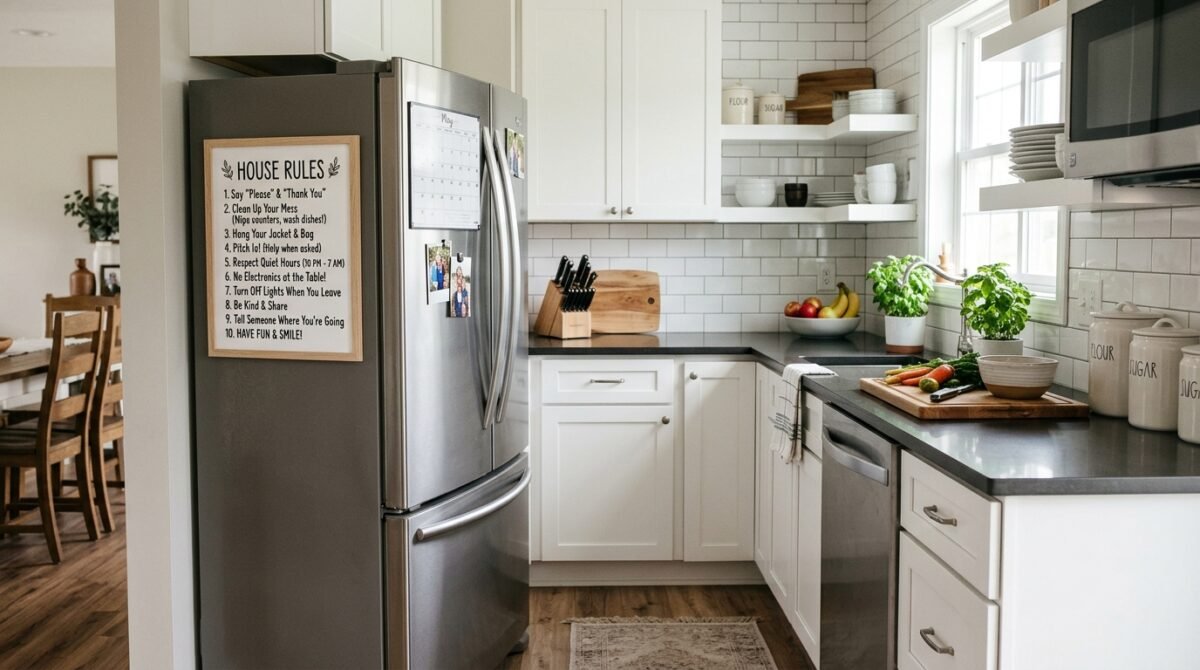
I now have a clear set of ‘house rules’ that I share with anyone who moves in. It might sound stiff, but it saves me the headache of dealing with the entitlement that comes from people who think everything is communal property. My peace of mind is worth more than being the ‘cool’ roommate.
The Final Communication
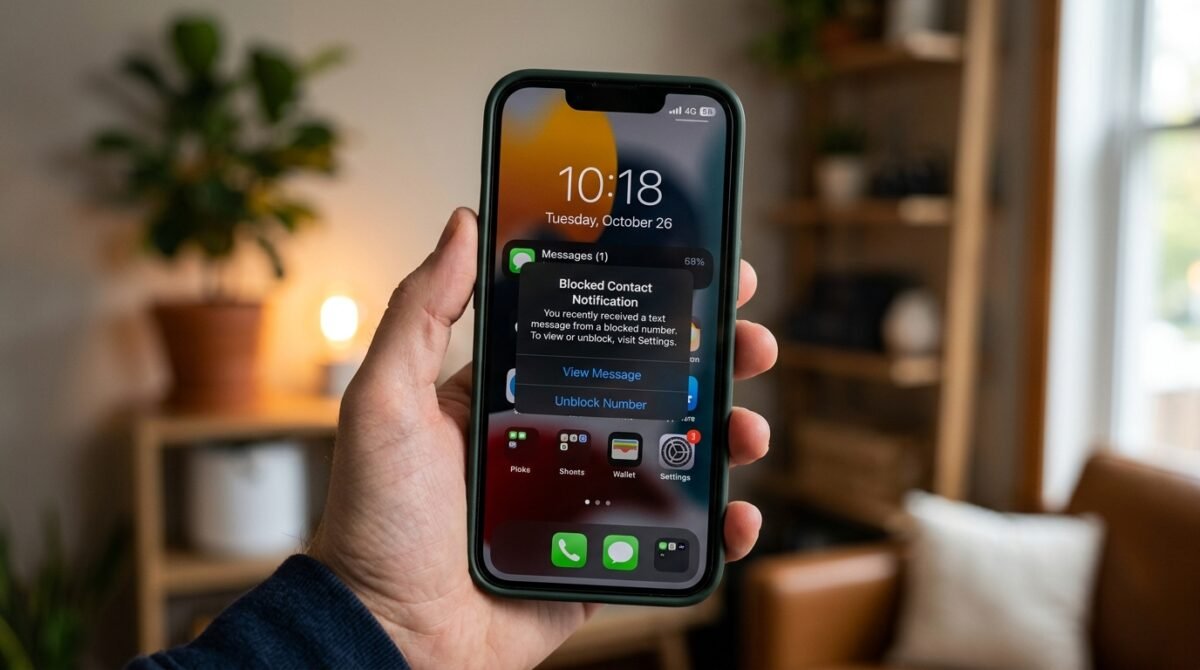
Three months later, I received a text from Mark. He had moved into a new place and was apparently already having issues with his current roommates. He wanted to ‘clear the air’ and see if we could be friends again. I didn’t even reply. I just blocked his number.
There is no clearing the air with someone who thinks poisoning you is a prank. There is no friendship possible when the foundation is built on such a blatant disregard for safety and respect. I didn’t need his apology; I needed him gone. And he was gone.
I still cook with my expensive imported oils. Every time I open a new bottle, I think about the disaster, but it doesn’t make me angry anymore. It makes me grateful that I caught it when I did, and that I had the strength to stand up for myself. The gastro nightmare was a high price to pay, but it bought me my life back.
“I’m sorry for everything. Can we please talk? I miss having someone to cook with.”
— A text I deleted without reading
I hope he learned his lesson, but I doubt he did. People like Mark tend to find themselves in the same cycles over and over again, blaming the world for the consequences of their own actions. I’m just happy I’m no longer part of that cycle.
Community Lessons Learned

The Reddit thread is still active, with people occasionally popping in to ask for updates. I’ve become a bit of a cautionary tale, and I’m okay with that. I’ve seen people use my story to justify setting boundaries in their own lives, and that’s a legacy I can get behind.
One of the most important things I’ve learned is that it’s okay to be ‘the mean one’ when your safety is at risk. People will try to make you feel guilty for asserting yourself, especially if you’ve been the ‘accommodating’ one in the past. Don’t listen to them. Your safety, your finances, and your mental health are not up for negotiation.
If you take anything away from this story, let it be this: don’t wait for a disaster to draw the line. If someone shows you who they are through their actions, believe them the first time. You don’t have to give them a second chance to prove how much damage they can do.
I am now living with a roommate who actually asks before they touch anything. It sounds small, but it’s a luxury I’ll never take for granted again. We share the costs, we respect the boundaries, and the kitchen is, once again, a place where I can create without fear.
Conclusion
This story is a stark reminder that entitlement in a shared living space can escalate to dangerous levels. When basic respect for property is replaced by a sense of ownership over another person’s possessions, the result is never just a minor annoyance—it’s a breakdown of trust that can have physical, financial, and emotional consequences.
I hope that my experience serves as a wake-up call for anyone currently dealing with a roommate who treats your life like their playground. Do not wait for a ‘gastro nightmare’ to set your limits. Document everything, enforce your boundaries, and never apologize for protecting your own wellbeing.
What about you? Have you ever had a roommate who crossed the line in a way that was both infuriating and completely absurd? How did you handle it? Let’s talk about it in the comments below.
What's your verdict on this dilemma?
Vote below to contribute to the official community consensus.

Have a Dilemma Keeping You Up at Night?
Share your real-life feud, wedding chaos, or relationship crossroads anonymously with our editorial team.
What do you think ?
0 Comments🛡️ Comments are moderated to protect community integrity. Your comment will appear once approved by the editorial team.