

We were six months away from our wedding day, a date circled in red on every calendar in our shared home. The invitations were printed, the venue was secured, and my dress—my dream dress—was hanging in my mother’s spare bedroom, waiting for the final fitting. For three years, Mark and I had played the part of the perfect couple. We were the pair that friends envied, the ones who had ‘figured it out’ while everyone else was struggling with modern dating.
But the cracks weren’t in the foundation of our love; they were in the columns of our bank statements. I had always been the diligent saver, the one who tracked every grocery bill and contributed to the retirement fund while Mark lived for the ‘experience’ of the moment. I excused it as him being a free spirit, a man who believed in living life to the fullest. I told myself that once we were legally bound, his spending habits would stabilize, anchored by the weight of our shared life.
I was wrong. I was so incredibly wrong. The reality of our situation didn’t come to a head over a forgotten bill or a disagreement about wedding colors. It happened under the fluorescent lights of a high-end car dealership, surrounded by the scent of new leather and the hollow promises of a man who viewed my credit score as his personal line of credit.
This is the story of how a $80,000 impulse buy became the catalyst for the most important walk I ever took. It is a story about the moment I realized that being a partner doesn’t mean being an anchor, and that some debts are far too expensive to pay with your own independence. When I stepped out into the parking lot that afternoon, the air felt different—colder, sharper, and finally, for the first time in years, completely mine.
The Morning of the Unspoken Agenda

The Saturday started with an unusual amount of enthusiasm. Mark had woken me up at 7:00 AM, a time usually reserved for heavy sighs and hitting the snooze button. He was dressed in his sharpest button-down, his hair gelled, looking like he was heading to a job interview rather than a lazy weekend brunch. He told me he wanted to ‘treat us’ to a test drive of some luxury vehicles because ‘we needed to look the part of a successful couple’ once we moved into our new house.
I should have seen the red flags fluttering in the breeze. We had spent the previous evening arguing about the rising cost of catering for the reception, yet here he was, acting as if money was a bottomless well. When I asked why we were going to a dealership specifically, he brushed it off with a laugh, saying it was just for fun—just to see what we could aspire to in five years. I, naive and eager to please, went along with it, hoping for a pleasant distraction from the wedding stress.
As we drove, he didn’t stop talking about his promotion, which was still in the ‘talks’ phase, and how his boss had hinted at a massive bonus. I sat in the passenger seat, watching the suburbs blur past, feeling a strange sense of unease. My phone buzzed in my bag, a notification from my bank app flagging a recurring payment I had missed. I checked it quickly, worried about the state of my account, but Mark didn’t notice. He was already rehearsing his sales pitch to the dealer.
When we arrived at the dealership, the sheer scale of the place was overwhelming. It was a palace of polished chrome and ego. Mark walked in like he owned the place, his stride confident, his eyes scanning the showroom for the most expensive item on the floor. I followed behind, feeling like an intruder in a world I didn’t actually want to belong to. The salesperson greeted us with a smile that felt rehearsed, and within seconds, Mark was pointing at a sleek, high-end convertible that cost more than my student loans combined.
I remember him turning to me, his eyes shining with a hunger I hadn’t seen before. He wasn’t looking at the car as a vehicle; he was looking at it as an extension of his own identity. He leaned in, his voice low and intimate, as if he were sharing a secret. ‘Imagine us in this, babe. We’d be the envy of the entire neighborhood. Think about the road trips, the weekends, the look on everyone’s faces when we pull up.’ I looked at the sticker price—$82,500—and felt my stomach drop to the floor.
“Mark, we can’t afford this. We’re already stretching our budget for the wedding and the house. This is a dream, not a reality.”
— Me, trying to remain calm
He didn’t even flinch. He just squeezed my hand and whispered that we wouldn’t be paying the full price, that he had a ‘deal’ worked out. I didn’t know then that the deal involved me, my signature, and my hard-earned credit rating.
The Salesman’s Shrewd Observation
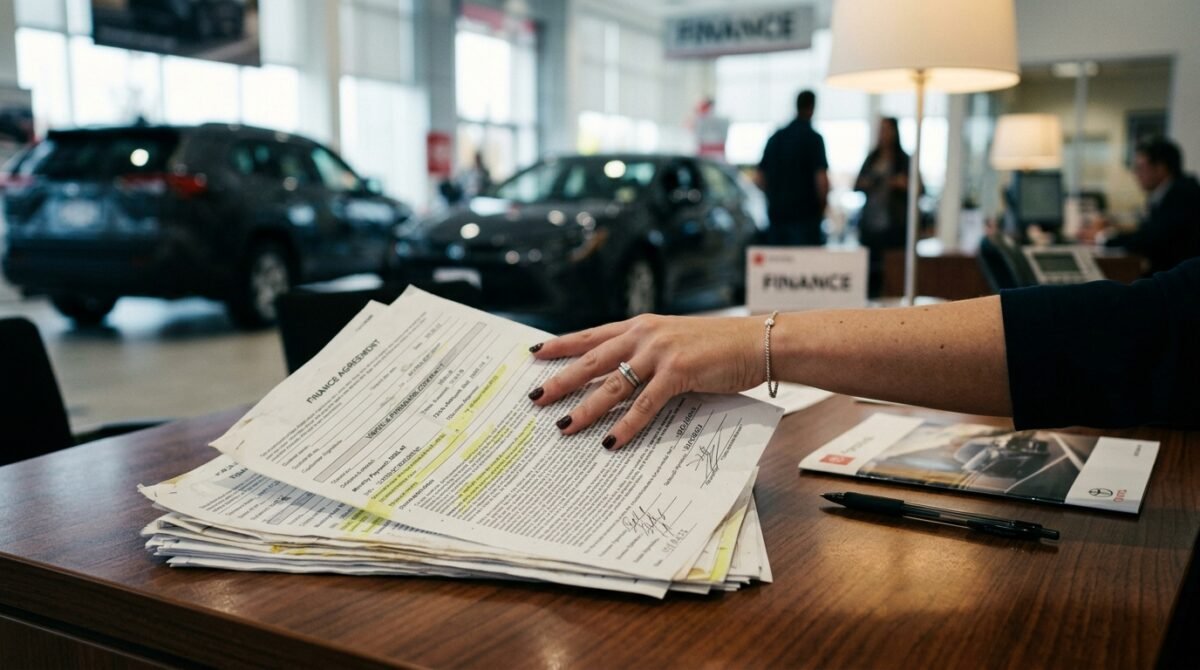
The salesman, a man named Greg with perfectly coiffed hair and a suit that cost more than my first car, seemed to sense my hesitation. He leaned against the hood of the convertible, his demeanor shifting from friendly to predatory. He looked at me, not at Mark. He knew exactly who held the real leverage in this transaction. ‘It’s a beautiful machine,’ he said, his voice smooth as glass. ‘And with a partner who has your credit history, the financing process is going to be incredibly quick. We’ve already run the preliminary checks.’
My heart stopped. ‘You ran my credit? Without my permission?’ I felt a surge of adrenaline, the kind that usually accompanies a fight-or-flight response. I turned to Mark, whose face had suddenly become very interesting to inspect. He wouldn’t look at me. He shifted his weight, his hands diving deep into his pockets. The silence in that showroom was deafening, amplified by the low hum of the air conditioning.
Greg didn’t skip a beat. He pulled a folder from under the counter and laid it out. It was a stack of papers, all pre-filled with my information. They had scraped my data from somewhere, probably through a joint account we had opened months ago for ‘wedding emergencies.’ The betrayal hit me in waves. I wasn’t there as a partner; I was there as a co-signer, a human insurance policy for his mid-life crisis.
“Mark, tell me this is a joke. You gave them my information? You thought you could just walk in here and sign me up for an eighty-thousand-dollar debt without even asking?”
— My confrontation in the middle of the showroom
Mark finally looked at me, but his expression wasn’t one of apology. It was one of irritation, as if I were being an inconvenience in his grand plan. He gestured for me to lower my voice, clearly embarrassed by the eyes of the other customers and staff. He tried to frame it as a ‘surprise,’ a way for us to start our marriage on the right foot, but the logic was crumbling under the weight of reality.
I looked at the papers. There it was: my name, my signature line, and a monthly payment amount that would force me to take an extra shift every single weekend for the next five years. I felt physically sick. The life I had envisioned—the stable, secure, happy home—felt like it was being auctioned off to satisfy his need for a status symbol. I realized in that moment that he hadn’t just overstepped a boundary; he had completely disregarded my existence as an individual.
The salesman tried to intervene, offering a test drive to ‘cool off,’ but the damage was irreversible. The facade of the perfect couple had shattered, not in the privacy of our home, but in a public space where I was finally forced to acknowledge the person I was engaged to. I wasn’t just losing money; I was losing my dignity. I turned to leave, but Mark grabbed my wrist, his grip tighter than it had ever been. He didn’t want me to leave; he needed my consent to close the deal.
The Parking Lot Realization
I pulled my arm away as if I had been burned. The walk to the exit felt like a mile, even though it was only a few dozen steps. I could hear Mark calling after me, his voice a mix of anger and desperate pleading. ‘Don’t be dramatic! It’s just business! Everyone does this!’ he shouted, ignoring the stares of the other patrons. I didn’t stop. I couldn’t stop. If I stopped, I knew I would cave, and if I caved, I would never get out.
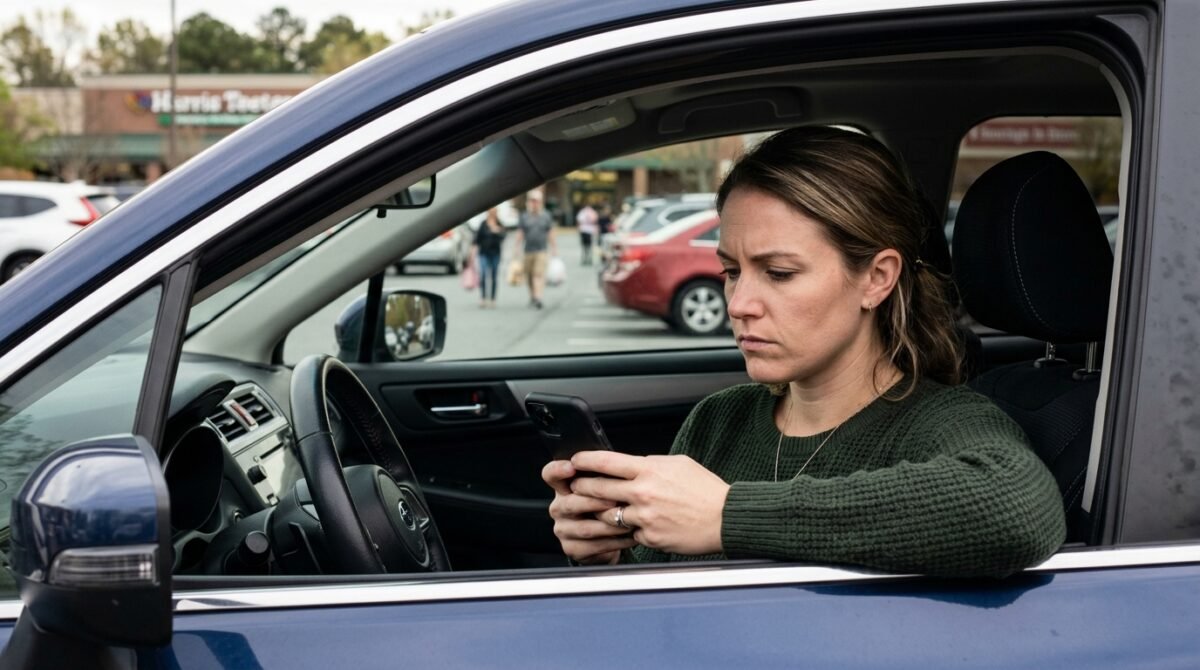
When I finally reached the parking lot, the cool air hit my face and brought me back to reality. I walked toward my own car, the keys clutched in my hand so tightly they left an imprint on my palm. My phone started buzzing incessantly. It was him, sending text after text, trying to regain control of the narrative. I didn’t answer. I sat in my driver’s seat, locked the doors, and just breathed. I was shaking, not from fear, but from the sudden, terrifying clarity of the situation.
“You are being incredibly selfish. I did this for us! You’re sabotaging our future over a simple car loan. Get back in here!”
— Text message from Mark, 11:42 AM
I looked at the text and felt a strange, cold peace wash over me. For years, I had been the one making compromises, the one cutting back on my own needs to ensure he felt supported, and this was the thanks I got. He wasn’t a partner; he was a liability. I realized then that the car wasn’t the issue. The issue was that he believed he owned my future, and that my money and credit were merely resources for him to exploit whenever he felt the urge for a new toy.
I started the car and drove away, leaving him standing in the parking lot of the dealership. I didn’t even look back. I drove until the dealership was a tiny speck in my rearview mirror, then I kept driving. I went to a nearby coffee shop, ordered a black coffee, and stared out the window. I had no idea what I was going to do next, but I knew for certain what I wasn’t going to do: I wasn’t going to go home to him.
I spent the next two hours in that cafe, turning off my phone and just trying to process the last three years. How many times had I ignored the small things? The ‘little’ loans he never paid back, the credit cards he ‘forgot’ to pay, the way he laughed off my financial concerns as ‘worrying too much.’ It was a pattern of behavior that I had spent years rationalizing away. My reflection in the dark window looked different to me—older, tired, but finally awake.
I knew that by walking out, I was setting off a chain reaction. His family would call, my friends would wonder what happened, and the wedding plans would inevitably collapse. The thought of the fallout was terrifying, but it was nothing compared to the prospect of spending the rest of my life as a glorified bank account for a man who didn’t respect me. I felt the weight of the engagement ring on my finger, and for the first time, it didn’t feel like a promise; it felt like a shackle.
The Digital Fallout and Family Pressure
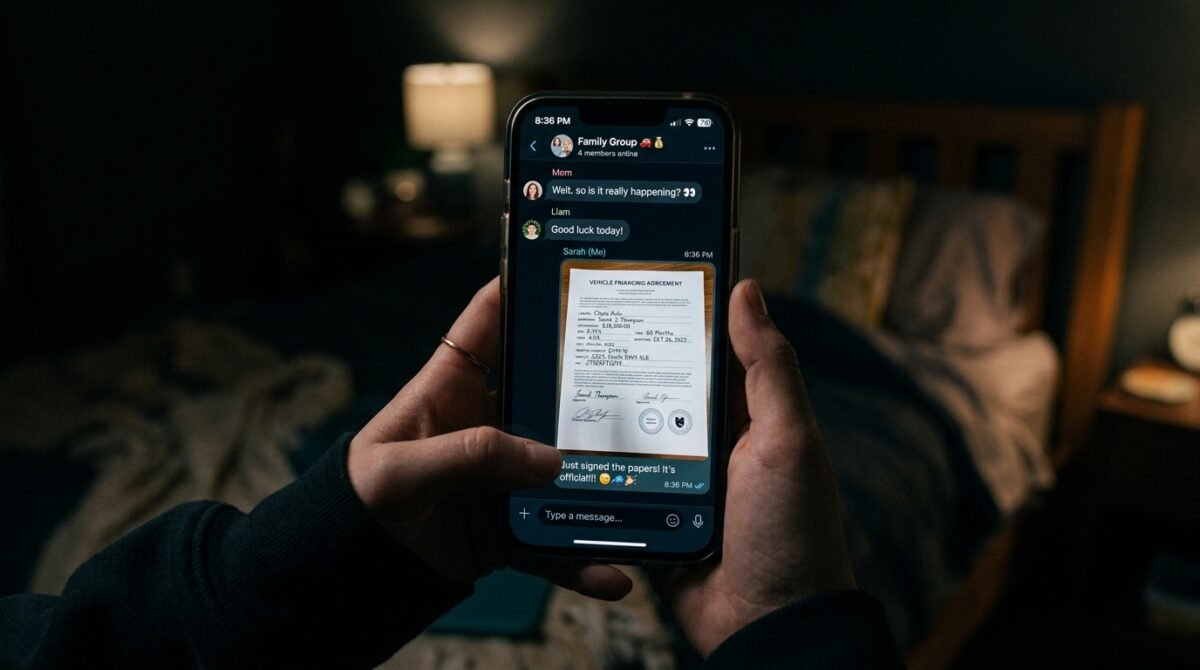
When I finally turned my phone back on, the notifications were a deluge. There were missed calls from Mark, angry texts from his mother, and confused messages from our friends. It seemed Mark had already started his campaign of victimhood, painting me as the ‘unstable’ one who had abandoned him at a public dealership for no reason. He wasn’t telling them about the car; he was telling them about my ‘breakdown.’
“I don’t know what happened, she just snapped at the dealership. I’m so worried about her. Please, if you hear from her, tell her to come home. She’s not in a good place.”
— Message from Mark to the family group chat
The audacity made my blood boil. He was gaslighting me in real-time, using my sudden disappearance to frame me as mentally unwell. I replied to the group chat—not with an apology, but with the truth. I kept it brief, professional, and entirely factual. I didn’t need to be dramatic; the facts were damaging enough on their own. I attached a photo of the paperwork he had tried to force me to sign, the one with my name and the $80,000 price tag.
The response was immediate. The silence that followed my message in the group chat was the most satisfying thing I had ever experienced. His mother, who had always been his biggest enabler, had nothing to say. My own family, who had been hesitant about the marriage from the start, reached out with immediate support. They had seen what I hadn’t—the way he treated me like an accessory rather than a human being.
I spent the rest of the day blocking people who felt the need to ‘advise’ me on how to handle the situation. There were too many voices, too many opinions, and none of them understood the exhaustion I felt. I was tired of being the mediator, the fixer, the one who kept the peace at the expense of my own sanity. I decided then that I would stay at a hotel for the night. I wasn’t ready to face him, and I certainly wasn’t ready to go back to that house.
The hotel room was small, but it was quiet. It was the first time in years I had complete control over my environment. No one was there to tell me how to spend my money, no one was there to pressure me into decisions I didn’t want to make, and no one was there to question my reality. I felt a sense of relief that bordered on euphoria. I was alone, but for the first time, I wasn’t lonely.
I realized that the ‘perfect’ life I had been building was a construct, a house of cards that had fallen the moment I refused to be a pillar. If a relationship can only exist when one person is being exploited, then it was never a relationship to begin with. It was a transaction, and I was finally closing my account. I set an alarm for the next morning to go to the house and get the rest of my things while he was at work.
The Packing of a Life Left Behind
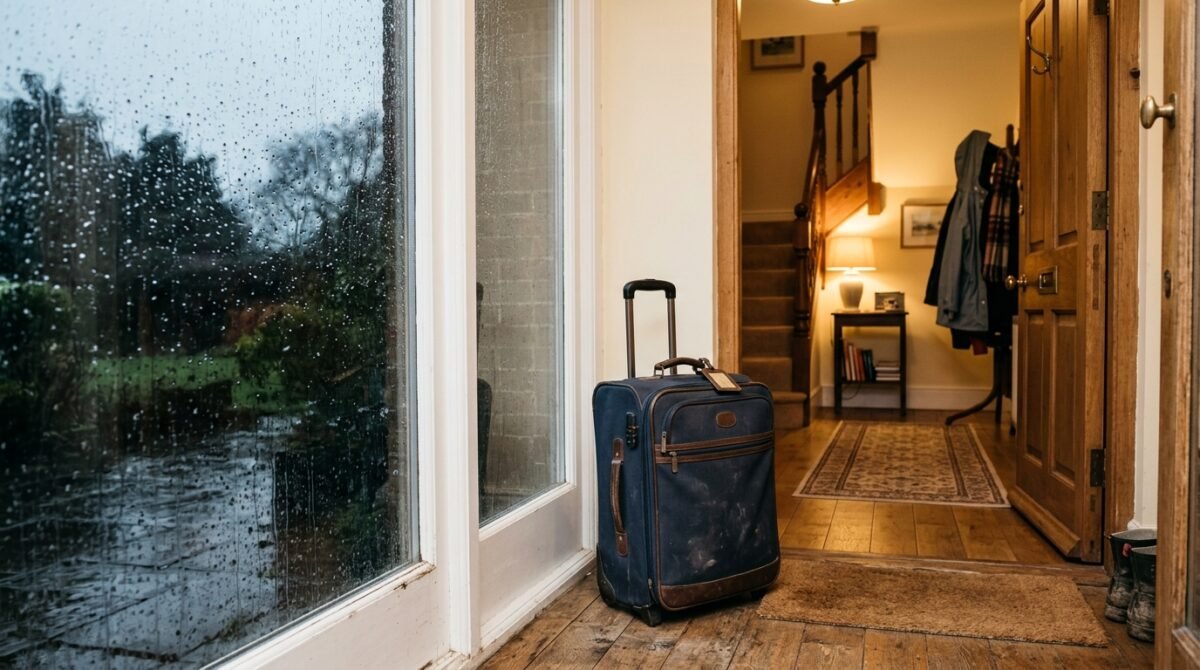
The next morning was gray and rainy, which matched my mood perfectly. I drove to our house, my heart pounding in my chest. I had a key, but I felt like a stranger entering someone else’s home. The house was exactly as I had left it: his shoes by the door, his mail on the counter, the smell of his coffee lingering in the air. It felt like walking through a museum of my own past mistakes.
I didn’t have much time. I knew he would be back for lunch, and the last thing I wanted was a confrontation. I grabbed my suitcase and started filling it with the basics. My clothes, my toiletries, my documents. I left everything we had bought together—the furniture, the art, the appliances. I wanted a clean break, a way to leave the financial entanglement behind as much as possible. I didn’t want to fight over a blender.
As I was packing, I found the hidden folder where he kept his ‘financial plans.’ It was a collection of high-interest loans, unpaid credit card bills, and notices from collection agencies. My heart sank. I had suspected he was reckless, but I hadn’t realized he was drowning. He had been planning to use my credit as a lifeline for his own financial ruins. The car wasn’t a treat; it was a desperate gamble to keep up appearances while his life collapsed.
“I thought we were building a future. I didn’t realize you were just using me to pay for your past mistakes. I’m done, Mark. I’m really, truly done.”
— My note left on the kitchen counter
I left the note on the counter, right next to his keys. I didn’t leave the engagement ring. That, I figured, was collateral for the stress. I left it on the pillow of our bed, a symbol of the hollow promise he had made. The act of leaving it there felt like a weight being lifted from my chest. I wasn’t just walking away from a car; I was walking away from a life that was designed to suffocate me.
As I walked out the door for the last time, I felt a strange sense of finality. There would be no dramatic arguments, no pleading, no second chances. I had made my decision. I drove away without looking back, the rain hitting the windshield, blurring the house until it was just a smudge in the distance. I was finally moving toward something real, something that didn’t require me to sacrifice my future for someone else’s vanity.
I felt a strange sense of liberation. The financial burden, the emotional strain, the constant need to be someone else—it was all gone. I was just me again, with my own money, my own credit, and my own life. It was going to be a long road to recover, but at least I was on the right path, and for the first time in years, I was the one holding the steering wheel.
The Reddit Verdict: Echoes of Solidarity
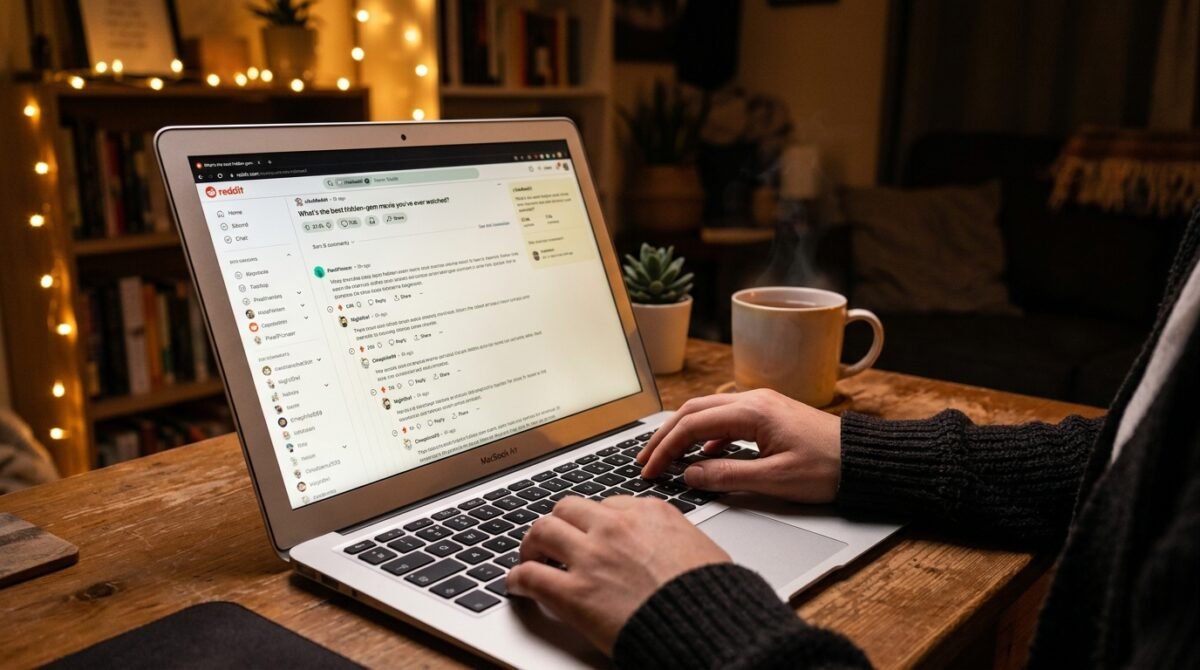
When I finally posted about the situation on Reddit, I wasn’t expecting the outpouring of support. I was prepared for the trolls and the people who would call me ‘heartless,’ but instead, I found a community of people who understood exactly what I had been through. The thread blew up, with thousands of people sharing their own stories of financial abuse and the moment they realized they had to leave.
“You didn’t just walk away from a car, you walked away from a life of financial slavery. That car was just the tip of the iceberg of what he would have done to you over the next twenty years. You saved yourself.”
— u/LibertySeeker (Top Comment, 28.1k upvotes)
Reading the comments was like reading a roadmap of my own trauma. There were people who had been exactly where I was, people who had stayed and lived to regret it, and people who had left and found peace. It was comforting to know that I wasn’t alone, that this wasn’t just a quirky personal problem, but a systemic issue that so many people face in relationships. The support gave me the courage to stand by my decision when his family started calling again.
Many users pointed out the ‘financial abuse’ aspect of the story, something I hadn’t even fully labeled until someone else wrote it down. The manipulation, the secret credit checks, the pressure to conform—it was all classic, textbook behavior. Having it validated by strangers made it feel less like a ‘breakup’ and more like an escape. I started to see my own experience through a clearer, more analytical lens.
There were also those who warned me about the legal ramifications, advising me to lock down my credit and check for any accounts I might not know about. I took their advice, and it turned out to be the smartest thing I could have done. I discovered a small loan in my name that I hadn’t authorized, a discovery that solidified my decision to cut all contact. If he was willing to go that far, there was no telling what else he had done.
The Reddit community became my temporary support system. Every night, I would log on and read the new comments, finding strength in the shared experiences of others. It was a digital shoulder to cry on, a place where I could be raw and honest without judgment. I didn’t need to be the ‘perfect’ woman anymore; I could just be a person who had survived a difficult situation and was ready to move on.
The comments continued to pour in for weeks, a constant reminder that I had made the right call. People shared their own stories of walking out, of rebuilding, and of finding happiness after the chaos. I realized that my story was just one of many, a drop in the ocean of human experience. And yet, it was my story, and I was going to make sure it had a happy ending, even if that ending didn’t include a partner.
The Legal Cleanup and Credit Lockdown
The weeks following the breakup were a whirlwind of paperwork and bureaucracy. I had to contact every credit bureau, lock down my accounts, and file a fraud report for the unauthorized loan I had discovered. It was a tedious, soul-crushing process, but it was necessary. Every form I filled out felt like I was reclaiming another piece of my future, another brick in the wall I was building to protect myself.
I had to hire a lawyer to handle the dissolution of our joint accounts and to ensure that no other ‘surprises’ would come back to haunt me. It was an expensive process, but it was worth every penny to know that I was legally disentangled from him. My lawyer was a no-nonsense woman who had seen it all, and she was the one who told me that my ‘walkout’ had actually saved me from potential bankruptcy.
Mark tried to reach out a few times, his messages oscillating between rage and pathetic apologies. He tried to claim that the car was for *us*, that I was being ‘cruel’ for leaving him in such a position, and that I owed him ‘loyalty’ as his future wife. I didn’t reply to any of them. I let my lawyer handle the communication, and I blocked his number on every platform. I was done with the games.
“I am not responsible for your financial choices, Mark. Do not contact me again. Any further communication will be handled through my attorney.”
— Final email sent by my attorney to Mark
The silence that followed was golden. I focused on my job, my health, and my own financial goals. I started tracking my spending again, this time with a sense of purpose. I was building my own safety net, one that no one could touch or influence. I realized that being independent was the greatest gift I could have given myself, far more valuable than any car or status symbol.
I also spent time with my friends, the ones I had neglected while I was too busy managing Mark’s life. They were patient, understanding, and incredibly supportive. They reminded me of who I was before I met him—a person who was ambitious, confident, and capable. It was a long journey back to myself, but with their help, I was making progress every day.
The legal cleanup was a physical manifestation of my mental recovery. As I closed each account, as I settled each debt, I felt a sense of closure. I was clearing the slate, preparing for a new chapter. It wasn’t easy, and there were days when I felt overwhelmed by the work, but I kept pushing forward. I knew that at the end of this, I would be free, and that was all the motivation I needed.
The Hard Truths of Enabler Dynamics
The most difficult part of the process wasn’t the car, or the money, or even the lawyer. It was realizing how many people in our lives had been enabling his behavior all along. His friends, his family, even some of our mutual acquaintances—they had all seen the signs and chosen to look the other way, or worse, to laugh it off as ‘just Mark being Mark.’ I had to re-evaluate every relationship I had, wondering who was truly in my corner and who was just waiting for the next drama.
I realized that for years, I had been surrounded by people who prioritized his ego over my well-being. They saw him as the ‘charismatic’ one and me as the ‘responsible’ one, a dynamic that made it easy for them to dismiss my concerns. When I left, they were confused, not because I was wrong, but because I had broken the script. I wasn’t supposed to walk away; I was supposed to fix things, to be the one who stood by him regardless of the cost.
I had to cut ties with some of these people, which was an painful but necessary step. I couldn’t be around those who tried to ‘play devil’s advocate’ or who suggested that I should have ‘talked it out’ more. Their lack of support was a reflection of their own values, and I decided I didn’t want those values in my life anymore. I started building a new circle, one made of people who valued boundaries and mutual respect.
“You’re just being too sensitive. Why can’t you just forgive him and work it out? He’s clearly under a lot of stress.”
— Message from a mutual friend, which led to me blocking them
This realization changed me. I became less tolerant of people-pleasing and more assertive about my own needs. I realized that setting a boundary wasn’t an act of aggression; it was an act of self-preservation. If a relationship—whether romantic, platonic, or familial—required me to shrink myself to fit into it, then it wasn’t a healthy relationship.
I spent time in therapy, working through the feelings of betrayal and the lingering guilt that I had been conditioned to feel. My therapist helped me see that I hadn’t failed; I had succeeded. I had succeeded in leaving a situation that was designed to destroy my future. She helped me understand that the ‘perfect’ life I was chasing was a trap, and that the freedom I had now was the true success.
The enablers eventually stopped calling, which was a relief. I didn’t need their permission to live my life, and I certainly didn’t need their approval. I was finally free to be the person I wanted to be, without the weight of other people’s expectations. It was a lonely process, but it was also a deeply healing one, and I wouldn’t trade it for anything.
Reframing the Value of a Partner

As I moved further away from the breakup, I started to think about what I actually wanted in a partner. For years, I had believed that love was about sacrifice, about finding someone who needed me and then doing everything I could to fill that need. I was wrong. Love isn’t about sacrifice; it’s about partnership. It’s about two people who are already whole, coming together to build something that adds value to both their lives.
I realized that I had been looking for a project, not a partner. I wanted to ‘fix’ Mark, to help him become the person I thought he could be. But a person can only change if they want to, and I had no business trying to control his development. I needed someone who was already self-aware, someone who valued their own independence as much as I valued mine, and someone who didn’t view me as a source of capital.
I began to appreciate the simple things in my life. A quiet evening at home, a balanced budget, a career that I was passionate about—these things were more than enough. I didn’t need someone to validate me; I was already validated by my own accomplishments. I was learning to love myself, to treat myself with the same kindness and compassion I had spent years giving to others.
“The best relationship you will ever have is the one you have with yourself. Everything else is just a bonus.”
— A piece of advice I read and finally understood
I started traveling, pursuing hobbies I had put on hold, and investing in my own growth. I wasn’t looking for a ‘plus one’ anymore; I was looking for a teammate, someone who would celebrate my wins and support me through my losses, not someone who would treat me like an obstacle to their own desires. My definition of ‘success’ had changed, and it was a much more sustainable and fulfilling one.
I learned that boundaries are not barriers; they are the foundation of respect. In any future relationship, I would be upfront about my values, my financial independence, and my expectations. I wouldn’t compromise on the things that mattered most to me, and I wouldn’t apologize for my standards. I had been through the fire, and I had come out the other side stronger, wiser, and more confident in my own worth.
The idea of a ‘fiancé’ no longer felt like a goal to be achieved. It was just a label, and I was in no rush to use it again. I was enjoying my life as it was, and that was enough. If someone special came along, they would have to be the right fit, and I would be the one to decide if that fit was genuine. I was finally the author of my own story, and I liked where the chapters were heading.
Final Reflections on the Road Taken

Looking back at the woman who walked out of that dealership, I feel a sense of pride. It was the hardest thing I had ever done, but it was also the most important. I didn’t just walk out of a car dealership; I walked out of a future that was designed to consume me. I reclaimed my autonomy, my finances, and my sense of self. And in doing so, I found a level of peace I never thought possible.
I realize now that the $80,000 car was never the point. It was just the moment the mask slipped, the moment I saw the reality I had been ignoring for years. I am grateful for that car, in a strange way. If it hadn’t been for that ridiculous, expensive, and selfish demand, I might still be in that relationship, slowly losing myself to someone who didn’t care about my future at all.
Life is too short to be someone else’s safety net. It’s too short to be a spectator in your own existence. I am so glad I took that walk. I am so glad I stopped listening to the voices that told me to stay. I am so glad I trusted my gut, even when it was screaming at me to run. I am a survivor, and I am thriving.
“The moment you realize your worth is the moment you stop settling for less than you deserve. Never be afraid to walk away from what doesn’t serve you.”
— My parting thought for anyone in a similar position
If you find yourself in a situation where you are being pressured to compromise your values, your finances, or your independence for a partner, I encourage you to listen to that internal warning. Don’t wait for a $80,000 wake-up call. Trust yourself, set your boundaries, and if you have to, walk away. Your future self will thank you for it.
I am still healing, still learning, and still growing. But I am doing it on my own terms. I am building a life that I love, one that is authentic, secure, and entirely mine. And for the first time in my life, that feels like exactly where I’m supposed to be. The dealership is a memory, the car is gone, and I am standing taller than I ever have before.
Conclusion
My story is a testament to the fact that sometimes, the most painful decisions are the ones that lead to the most profound growth. I lost a partner, a wedding, and a vision of the future, but I gained something much more valuable: my own life. The financial lessons were hard, the emotional fallout was significant, but I am stronger for it. I hope my experience encourages anyone feeling trapped or undervalued in their relationship to pause and evaluate the reality of their situation.
We often romanticize the idea of ‘staying through the hard times,’ but there is a clear distinction between supporting a partner through adversity and being exploited by someone who refuses to take responsibility. My boundaries were my lifeline, and they kept me from a future of resentment and financial instability. I am now focused on a life of my own design, and I couldn’t be happier.
What about you? Have you ever had a moment where you realized that a relationship was fundamentally broken, and you had to choose between your dignity and your partner? Share your experiences in the comments below—let’s discuss what boundaries truly mean in a healthy partnership.
What's your verdict on this dilemma?
Vote below to contribute to the official community consensus.

Have a Dilemma Keeping You Up at Night?
Share your real-life feud, wedding chaos, or relationship crossroads anonymously with our editorial team.
What do you think ?
0 Comments🛡️ Comments are moderated to protect community integrity. Your comment will appear once approved by the editorial team.