
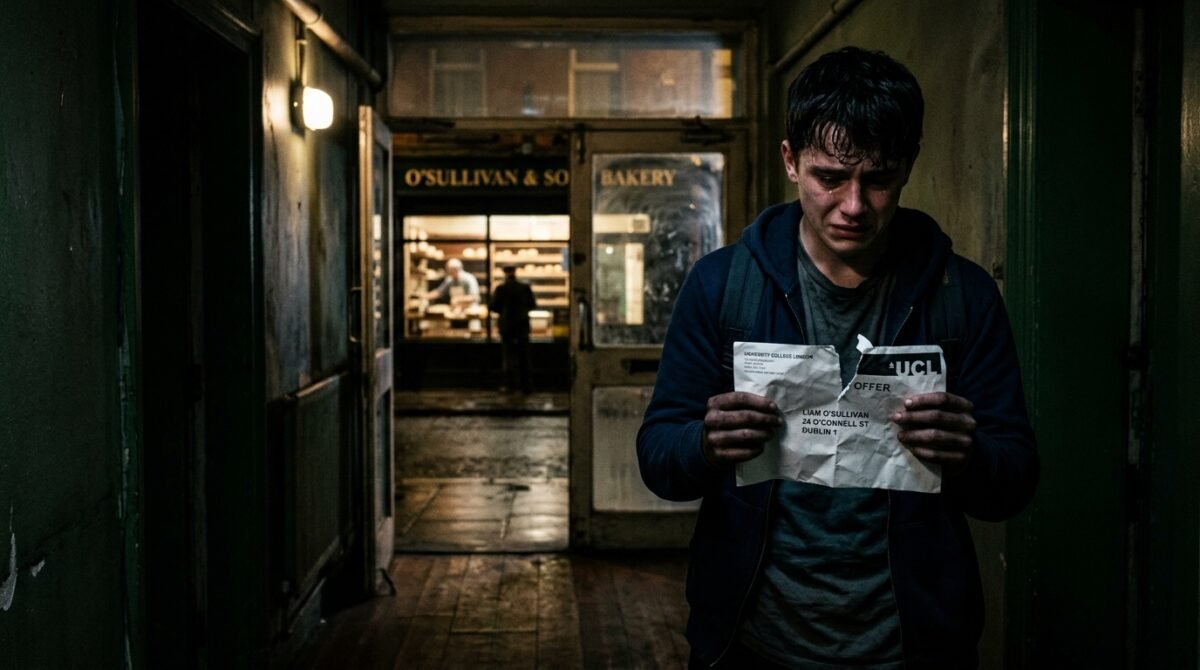
For as long as I could remember, the smell of sawdust and stale motor oil was the backdrop of my existence. My father’s custom cabinetry shop wasn’t just a business; it was a fortress, and he expected me to be its next warden. While my peers spent their summers traveling or prepping for entrance exams, I was sanding edges and calculating board feet, all under the watchful, suffocating gaze of a man who believed higher education was a ‘waste of good labor.’
I had harbored a secret, a quiet rebellion fueled by late-night study sessions under a desk lamp and frantic, typed essays submitted in the dead of night. The University of my dreams—the one that offered a path far away from the heavy machinery and the generational expectations—had become my North Star. I applied in secret, using a P.O. box I rented in the neighboring town, terrified that my parents would see the notification emails or physical mail.
When the acceptance letter finally arrived, it wasn’t the triumphant moment I had imagined. It was the catalyst for a betrayal so profound it shifted my reality overnight. I had been waiting for that thick, embossed envelope for weeks, tracking the delivery status with a heart that beat in sync with the mail carrier’s engine. When it didn’t show up, I assumed a delay, but the sinking feeling in my gut told me something was deeply, fundamentally wrong.
The discovery didn’t happen by accident. It happened because of a moment of carelessness in my father’s office, a place I was strictly forbidden from entering. What I found tucked inside a junk drawer changed my life, not because of what was written, but because of what they had actively tried to destroy. This isn’t just a story about a missed opportunity; it’s about the realization that the people who raised me were the ones actively sabotaging my future to keep me under their thumb.
The Dust-Covered Secret in the Bottom Drawer
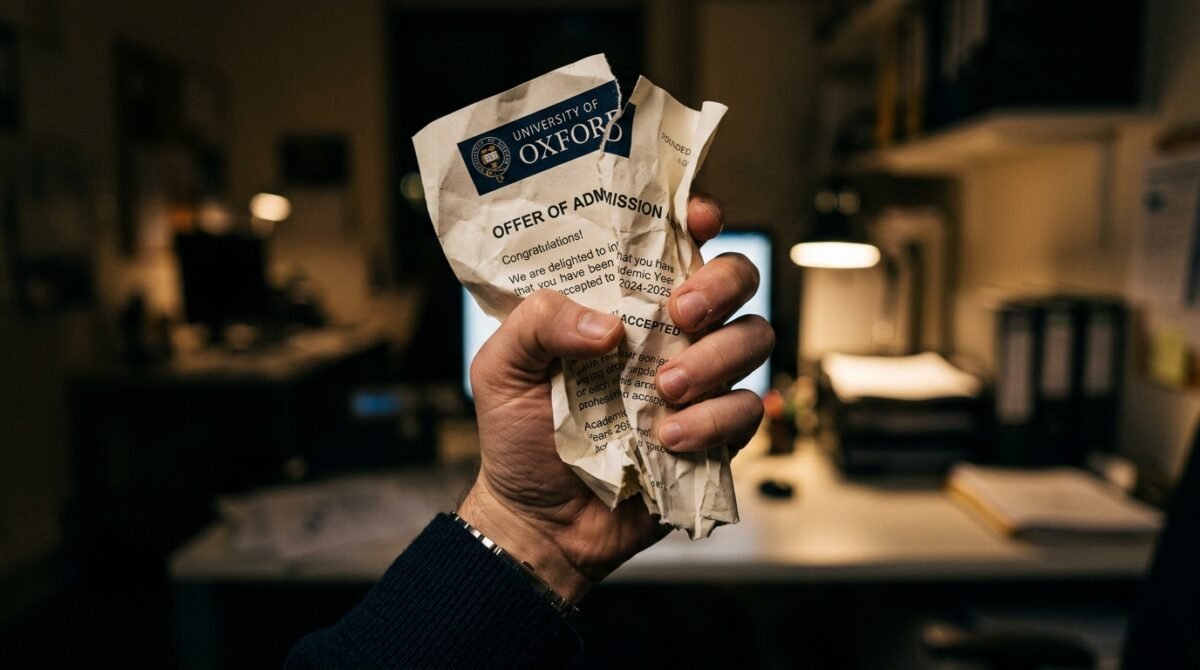
I remember the day I found it. My father was at the lumber yard, and my mother was out running errands. The shop was quiet, the air thick with the settling dust of a thousand discarded projects. I was looking for a specific measuring tape I’d misplaced, and in my haste, I pulled too hard on the handle of his heavy oak desk drawer. It didn’t just slide out; it tipped, spilling its contents across the concrete floor.
Among the receipts, unpaid invoices, and half-empty pill bottles, there it was. A letter from the Admissions Department of my dream school. It was torn open, the crisp paper crumpled as if someone had balled it up in a fit of irritation. My name was on the front, clear as day. They hadn’t just intercepted it; they had read it, processed it, and then hidden it away like a piece of contraband.
My hands shook as I smoothed out the paper. The letter congratulated me, outlined my scholarship options, and gave a deadline for enrollment that had already passed three weeks prior. My breath hitched in my throat. Every ‘I’m so proud of you for helping us out this month’ felt like a lie, a calculated tactic to keep me distracted and docile while they systematically dismantled my exit strategy.
I stood there for an hour, the cold concrete seeping into my sneakers. The betrayal was so sharp it felt physical. I wasn’t just their child anymore; I was an asset they were trying to prevent from liquidating. The realization that my own parents viewed my potential as a threat to their business model was a pill I couldn’t swallow.
“You weren’t meant to see that. It was for your own good, because you don’t understand the value of family loyalty.”
— My Father, upon being confronted.
When they finally returned, I didn’t hide the letter. I laid it on the dinner table, right in the center of the place setting where my father usually sat. I didn’t yell. I didn’t scream. I just waited for the silence to become unbearable. When they saw it, the air in the room didn’t just leave; it turned into stone.
The Tuesday Night Confrontation
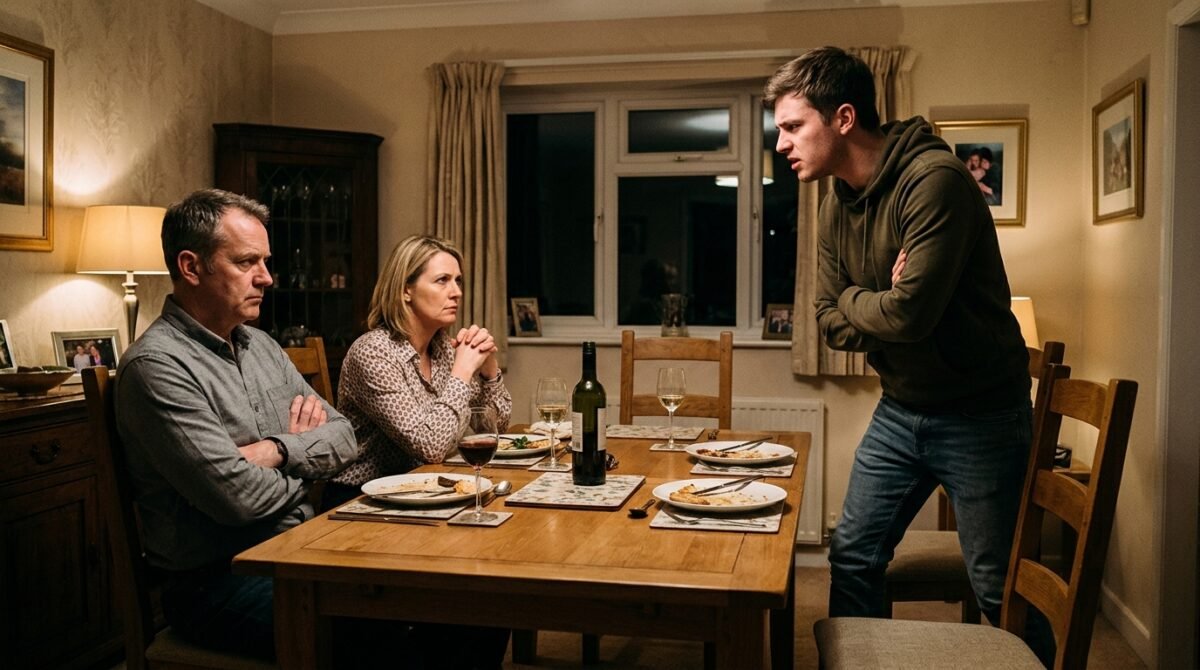
The dinner that night was a masterclass in suffocating tension. My mother wouldn’t meet my eyes, opting instead to focus intently on the steam rising from her bowl of soup. My father, however, leaned back in his chair, his face a mask of practiced stoicism that quickly shifted into irritation. He didn’t apologize. He didn’t even try to lie about it; he simply acted as if I had found a piece of trash.
“You think this is a life?” I asked, my voice barely above a whisper, terrified that if I raised it, I would start crying. “You stole my future. You took something that was mine, something I worked for, and you threw it in a desk drawer like it was a bill you didn’t want to pay.” My mother finally looked up, her eyes wide with a mixture of fear and defensiveness that turned my stomach.
She started the typical gaslighting cycle immediately. It was always, ‘We did this because we love you,’ or ‘You don’t know the stress of running a business.’ They tried to make my desire for an education sound like a moral failing—a rejection of ‘our people’ and ‘our ways.’ It was the classic ‘if you leave, you’re abandoning us’ speech, delivered while they were still holding my life hostage in their desk.
“We have a legacy here. You think that degree is going to love you like we do? You’re trading your heritage for a piece of paper that says you’re better than us.”
— My Mother, during the argument.
I realized then that there was no reasoning with them. They weren’t looking at me as an individual with dreams; they were looking at me as a replacement for the labor they couldn’t afford to hire. The argument went on for hours, looping through the same tired excuses until I felt like I was losing my mind. I eventually walked out, leaving my dinner untouched and my future hanging in the balance.
The Digital Breadcrumbs and the Secret Group Chat
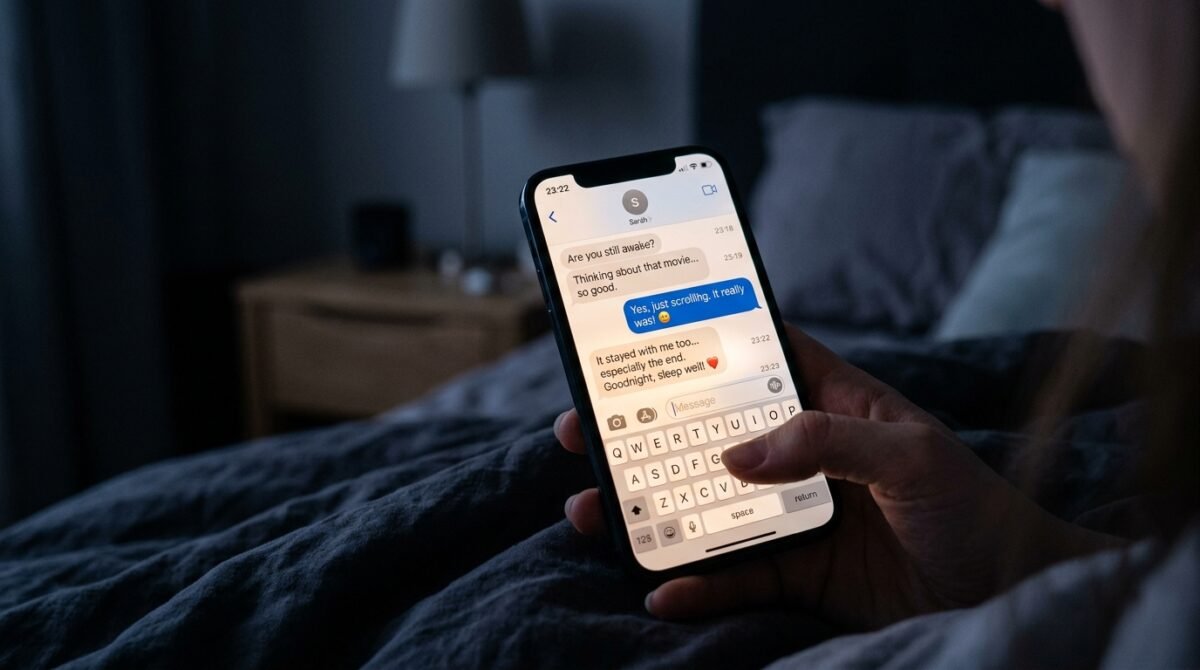
That night, I didn’t sleep. I spent the hours logged into my old, forgotten laptop, checking my email archives. I found a thread of messages between my mother and her sister, my aunt, that I had inadvertently synced when I used their tablet months ago. It was a goldmine of manipulation. They had been plotting how to keep me from even applying for years.
They had discussed ‘discouraging’ me from taking the SATs, and when I did, they had talked about calling the school to withdraw my application under the guise of being my parents. It was chilling to read. They weren’t just protecting the business; they were actively sabotaging my independence. The level of coordination was staggering. They had treated my life like a project they were managing, and I was the material they were shaping to fit a mold I never chose.
“If he gets into that school, he’s gone. We need to make sure he thinks his scores weren’t high enough or that the application didn’t go through. Keep him busy in the shop all weekend so he doesn’t have time to check his mail.”
— Leaked text message from my mother to my aunt.
Reading those words was the final nail in the coffin of my relationship with them. It wasn’t just a single incident; it was a campaign. I copied every single message, took screenshots, and saved them to an encrypted drive. I knew that if I left, they would try to control the narrative, and I needed proof that this wasn’t about ‘family loyalty’—it was about control.
The Midnight Packing and the Quiet Exit
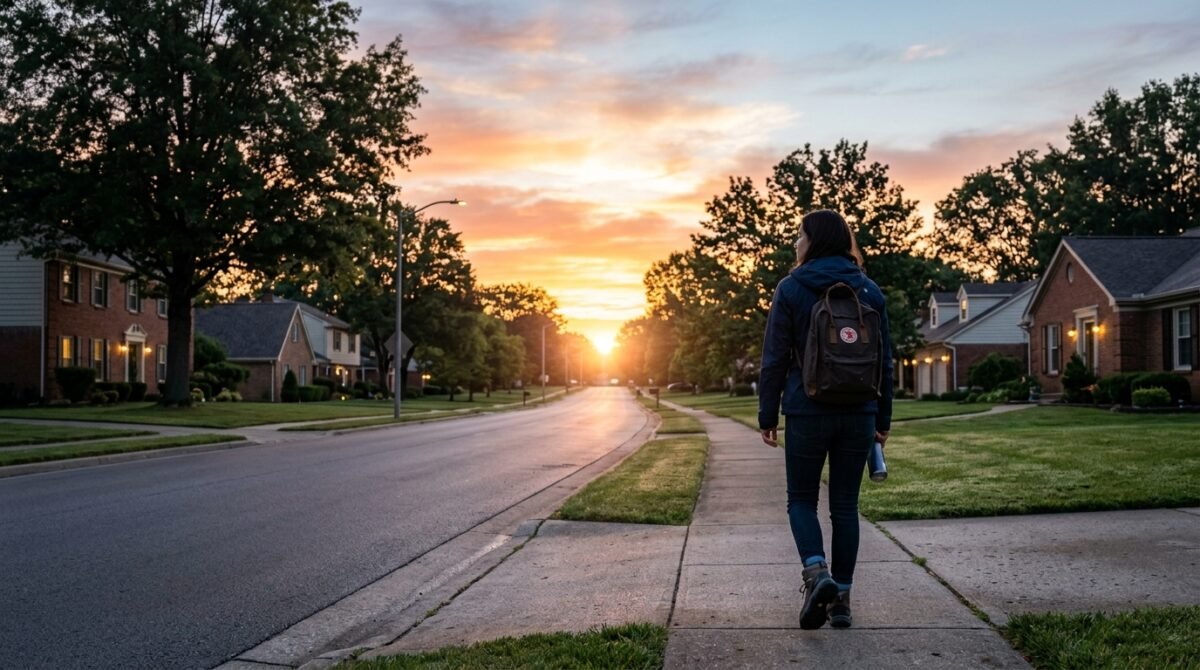
I didn’t wait for a dramatic standoff. I didn’t want to give them the chance to guilt-trip me into staying for ‘one more month.’ I packed only what I could carry: a duffel bag, my laptop, and the folder containing my documents. I left my childhood bedroom exactly as it was, a testament to the life they had tried to build for me—one I was no longer interested in inhabiting.
The house was silent, save for the rhythmic ticking of the grandfather clock in the hallway. I felt like a thief in my own home, even though I was the one who had been robbed. I took the bus to the city, the furthest I could go with the money I had saved from years of odd jobs they didn’t know about. I didn’t leave a note. What was there to say that hadn’t been said in the silence of their deception?
The feeling of the cool night air on my face as I stepped off the porch for the last time was intoxicating. It was the first time in my life that the path ahead of me wasn’t paved by someone else’s expectations. I didn’t know where I was going to sleep, but the uncertainty felt like freedom. The weight of the world had lifted, replaced by the terrifying, exhilarating prospect of absolute autonomy.
I reached the train station just as the sun began to peek over the horizon. I bought a ticket to the city, feeling the transition from ‘son of a business owner’ to ‘a person with a future’ in every step. I didn’t look back. There was nothing left to see, nothing left to salvage. The bridge wasn’t just burned; it had been dismantled by the very people who claimed to be building it.
The Aftermath: When the Phone Started Ringing

My phone didn’t stop buzzing for three days. It started with frantic texts, then turned into aggressive voicemails, and finally, a barrage of calls from extended family members who had clearly been coached on what to say. They wanted me to ‘come back and talk about it’ and ‘not make a big scene out of a misunderstanding.’ It was the standard script for when someone finally breaks the cycle.
I didn’t answer a single one. I blocked the immediate family members, one by one. It was the most satisfying thing I had ever done. Every click of the ‘block’ button was a reclamation of my space, a digital closing of the door I had walked through in reality. The guilt they tried to project onto me—the idea that I was the selfish one for wanting to exist outside of their plan—didn’t stick.
“We are your parents. You can’t just cut us off because of one mistake. This is about family, and you’re being incredibly immature and disrespectful.”
— Voicemail from my father, 48 hours after I left.
The irony was rich. They were calling me disrespectful for leaving after they had systematically destroyed my chance at a life of my own. I kept the messages as evidence, just in case they tried to claim I was missing or in danger, but I never listened to them. I was busy finding a place to stay and getting in touch with the university admissions office to see if there was any chance of reinstatement for the following semester.
The Reddit Jury and the Verdict of Total Estrangement
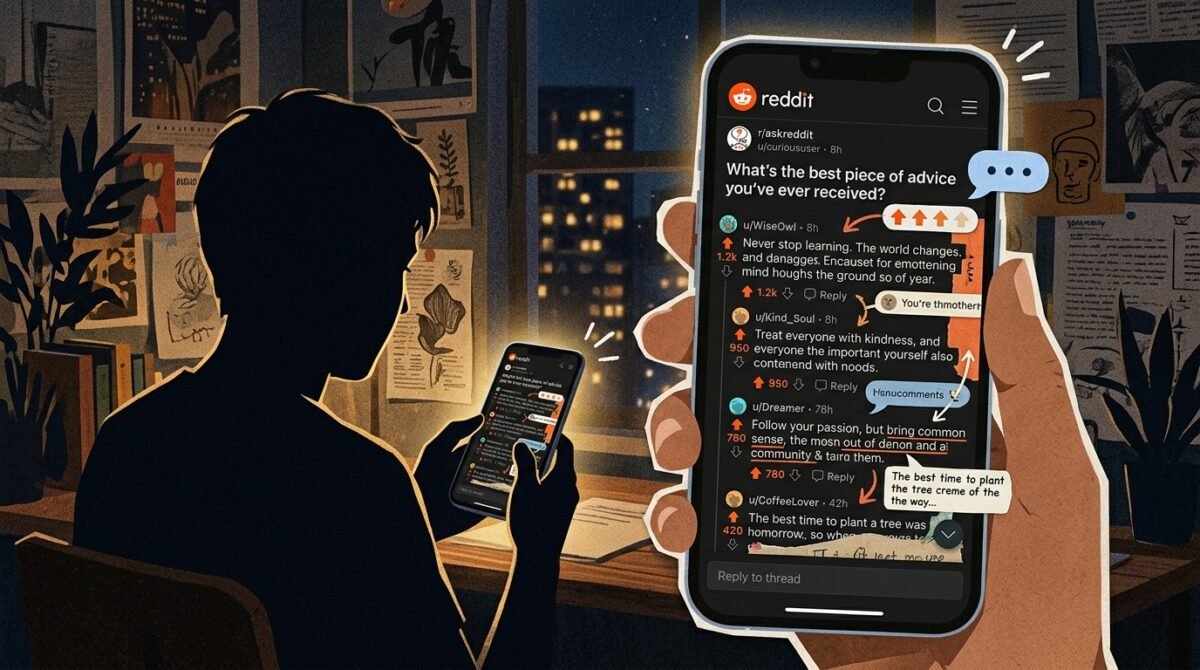
I posted my story on a popular forum because I needed to know if I was crazy. Was I really the villain for leaving, or was I just a survivor? The response was overwhelming. Thousands of people validated my decision, many of them sharing similar stories of parental control and the crushing weight of ‘family obligations.’ It wasn’t just about me anymore; it was about the collective trauma of being treated as an extension of a parent rather than a human being.
The consensus was clear: they had violated the most basic tenet of parenting. By sabotaging my acceptance, they had broken the social contract of trust. They didn’t see me as a son; they saw me as a resource. The advice I received—to stay away, to prioritize my education, and to never let them near my life again—was the clarity I needed. I wasn’t being ‘dramatic’; I was being realistic about the nature of the people who raised me.
“They didn’t just hide a letter. They committed a form of identity theft and emotional abuse. Staying in contact would just give them more time to manipulate you. Run and never look back.”
— u/SupportiveSoul (Top Comment, 32.5k upvotes)
Reading these comments gave me the armor I needed to stop the ‘what-ifs’ from creeping into my head. The community understood that when a parent prioritizes their business or their ego over their child’s future, they forfeit the right to a seat at that child’s table. I was no longer alone in my experience; I was part of a chorus of people who had chosen themselves over the weight of ancestral expectation.
The Legal Reality of the Sabotage
After the initial dust settled, I consulted with a friend who was in law school to understand the implications of what they had done. While it’s hard to sue your parents for ‘future lost earnings’ or ‘stolen potential,’ the act of opening and destroying mail is a federal crime. It wasn’t just about the letter; it was about the pattern of interference. I had the text messages and the evidence of their intent to deceive.
I didn’t pursue legal action—I didn’t want the stress—but the knowledge that I had the power to do so shifted the dynamic. It meant that if they ever showed up at my new place, I wasn’t just a child being dragged home; I was someone who could protect myself legally. It was a massive turning point in my self-perception. I was no longer the victim; I was a person who understood the boundaries of the law and was prepared to enforce them.
My parents, realizing I wasn’t coming back, shifted their tactics. They stopped trying to call me and started trying to reach out through friends, telling them that I was ‘having a mental health crisis’ and needed help. It was a transparent smear campaign, intended to isolate me from my support network. But my friends, having seen the evidence I shared, saw right through it. They stood by me, protecting my privacy and shutting down the rumors.
“I told them to stop contacting me. I know what you did, and I have the proof. If you keep spreading lies, I will involve the authorities regarding the interference with my personal mail.”
— The final message I sent to my mother.
That message, sent through a lawyer’s temporary burner email, was the last communication I ever had with them. It was cold, clinical, and effective. The silence that followed was the most peaceful thing I had ever experienced.
Rebuilding the Future: The Second Chance
The university was surprisingly understanding when I finally reached out. I didn’t tell them the full extent of my parents’ sabotage—I just told them I had a family emergency that prevented me from seeing the initial correspondence. They were willing to consider me for the following spring semester, provided I could demonstrate my commitment. That commitment was easy: I had already done it by walking away.
The process of reapplying was like a form of therapy. Every form I filled out was a declaration of independence. I wasn’t doing this for my parents; I was doing this for the person I was becoming. I started working a part-time job in a bookstore, a job that smelled like paper and quiet, not oil and wood. It was a sensory reset that helped me shed the identity they had forced upon me.
I started therapy, too. I needed to untangle the knots they had tied in my self-worth. I spent hours talking about the guilt, the shame, and the internalized belief that I was responsible for their business. My therapist helped me see that my worth wasn’t tied to my productivity or my usefulness to someone else’s legacy. It was an essential part of my healing process, one that made the transition to college life much smoother.
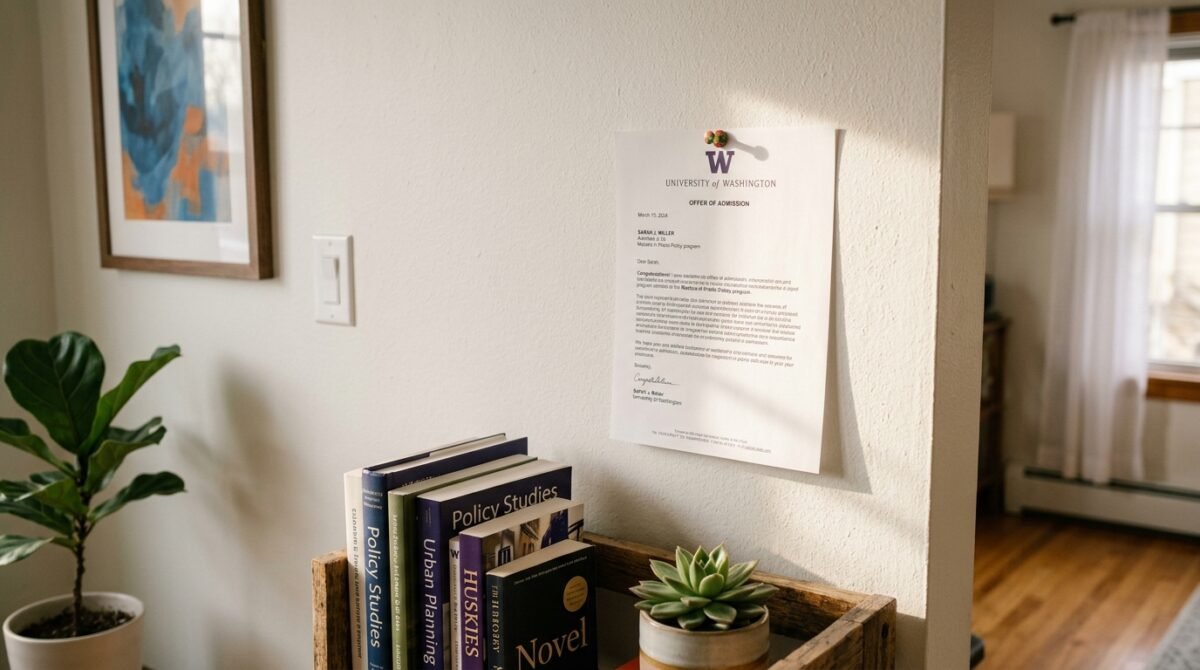
When the second acceptance letter arrived, I didn’t hide it. I pinned it to the wall of my small apartment, a beacon of hope and a reminder of why I left. It wasn’t just a piece of paper anymore; it was a symbol of my autonomy. I was going to be a student, a person who learns and grows, not a tool for someone else’s gain. The future was finally, truly, mine.
The Sunday Dinner Table: A New Perspective

I often think about the Sunday dinners I used to have, the ones where the silence was a weapon and the food tasted like resentment. Now, my Sundays are quiet, or filled with friends who actually care about how I am. I make my own meals, choose my own pace, and most importantly, I don’t have to justify my existence to anyone.
The trauma of that experience still lingers in small ways—I get anxious when I see a letter from a school or a government agency, and I always check my mail twice. But the intensity is fading. The fear that they might somehow reach out and pull me back into the vortex is being replaced by the confidence that I have the tools to keep them away. I am no longer that child in the shop, waiting for someone else to tell me my worth.
I’ve learned that family is not just blood; it’s the people who support your growth, not the ones who try to prune you to fit their own garden. My life is small right now, but it’s mine. I have a sense of purpose that isn’t dictated by quotas or lumber orders. I have a life that is built on my own choices, and that is a victory that no one can take away from me.
“Choosing to walk away from toxic roots is the hardest thing you’ll ever do, but it is the only way to grow into the person you were meant to be.”
— A piece of advice from my therapist that I live by.
The lessons I learned—about boundaries, about the necessity of protecting one’s future, and about the reality of parental control—have made me a stronger person. I don’t regret the path I took, because it was the only way to find out who I was when no one was watching.
Reflecting on the Cost of Control

Sometimes I wonder if they ever sit in that shop and look at the space where I used to work. Do they feel the weight of their choices? Do they realize that by trying to keep me, they lost me entirely? I suspect they don’t. I suspect they see themselves as the victims of an ‘ungrateful’ child who didn’t understand the sacrifice they were making for the family business.
That’s the nature of control—it blinds the person exercising it to the humanity of the person being controlled. They believed so strongly in their version of the world that they were willing to destroy the person they claimed to love. It’s a tragic irony that happens more often than we think, and it’s a lesson that I carry with me into every relationship I build now.
I will never let anyone have that kind of power over me again. I will never let anyone silence my ambitions or intercept my opportunities. My life is my own, and it is built on a foundation of honesty and autonomy. The bridge is gone, but the path I’m walking now is leading somewhere I actually want to go. And for the first time, I’m the one driving.
I’m sharing this story not for sympathy, but for solidarity. If you are in a situation where your dreams are being stifled to serve someone else’s agenda, know that you are not wrong for wanting more. You are not wrong for seeking a life of your own. You have the right to your own future, and it is worth every bit of pain it takes to claim it.
Conclusion
Looking back, the destruction of that letter was the best thing that ever happened to me, though it felt like the end of the world at the time. It forced me to confront the reality of my relationship with my family and choose between a life of comfortable, suffocating compliance or a life of uncertain, liberating independence. I chose the latter, and I haven’t looked back since.
The path to healing hasn’t been linear, but it has been mine. I’ve learned that setting boundaries isn’t just about keeping people out; it’s about creating the space to let yourself in. I am proud of the person I’ve become—someone who isn’t afraid to fight for their dreams, no matter how heavy the pressure to conform may be.
I want to hear from you. Have you ever had to walk away from a toxic family situation to save your own future? How did you define your own worth when the people who raised you were trying to dictate it? Share your story in the comments below—let’s talk about the courage it takes to build a life on your own terms.
What's your verdict on this dilemma?
Vote below to contribute to the official community consensus.

Have a Dilemma Keeping You Up at Night?
Share your real-life feud, wedding chaos, or relationship crossroads anonymously with our editorial team.
What do you think ?
0 Comments🛡️ Comments are moderated to protect community integrity. Your comment will appear once approved by the editorial team.