
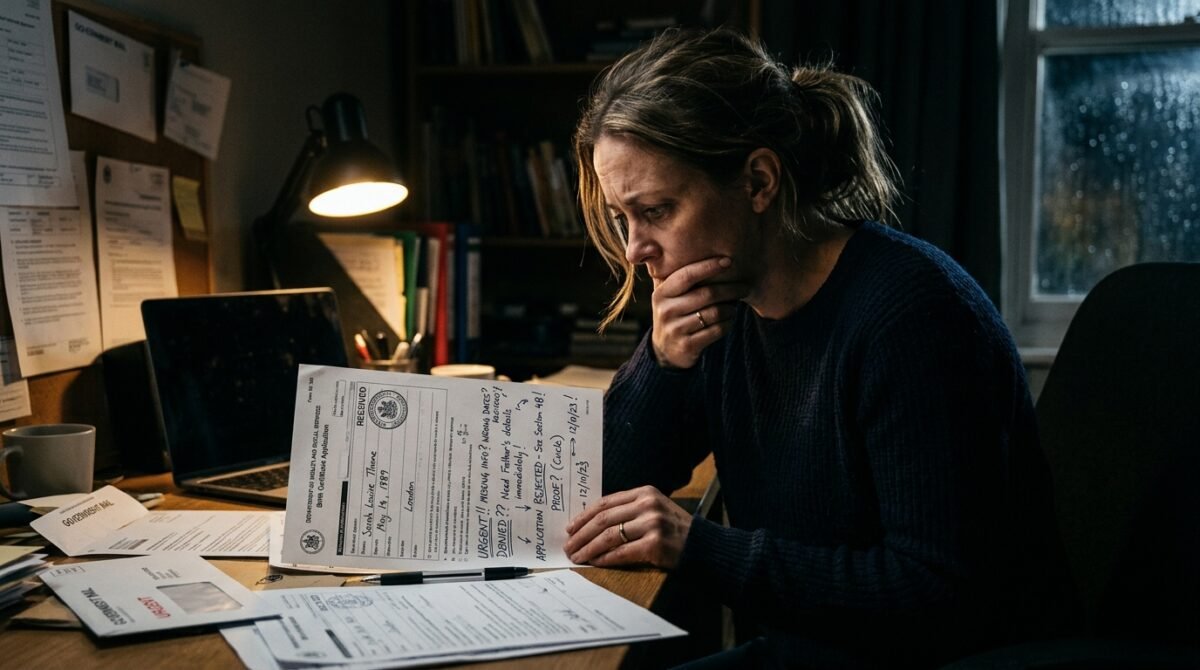
They say that childbirth is a transformative experience, but I never anticipated that the transformation would involve a legal battle against my own mother-in-law. My husband, Mark, and I had spent months agonizing over the perfect name for our firstborn. We wanted something that honored his heritage but also reflected the modern world we were building together. We settled on Julian, a name that felt both timeless and strong. We were ecstatic when he finally arrived, a perfect, healthy baby boy. But beneath the surface of our joy, a storm was brewing in the form of my mother-in-law, Elena.
Elena had never been subtle about her disapproval of our life choices. From the moment we announced our engagement, she felt entitled to offer unsolicited opinions on everything from our wedding venue to the paint colors in our nursery. However, I always assumed these were just the eccentricities of an overbearing woman. I held onto the belief that once the baby arrived, the focus would shift to the joy of family. I was profoundly wrong.
The trouble began the moment we were discharged from the hospital. In the whirlwind of exhaustion and newborn bliss, we left the official birth certificate application on our kitchen counter, intending to finalize the details and mail it out the following morning. It was a simple, mundane task that I didn’t think twice about leaving accessible. I underestimated the sheer audacity of a woman who viewed my child as an extension of her own failed aspirations.
It wasn’t until three weeks later, when we received an automated notice from the county clerk’s office regarding a ‘discrepancy’ in our submission, that the floor fell out from under me. Someone had attempted to cross out our chosen name and replace it with a family name that we had explicitly rejected months ago. The handwriting wasn’t mine. It wasn’t Mark’s. It was unmistakably the cursive script of a woman who thought she knew better than the parents.
This isn’t just a story about an overbearing relative. It’s a story about the absolute sanctity of parental autonomy and the moment I realized that blood, despite what society tells you, does not grant anyone the right to overwrite the lives of your children. This is how we went from a happy, albeit strained, family unit to a household that had to legally sever ties with a grandmother who thought she could play god with a state document.
The Discrepancy Notice That Shattered Our Peace
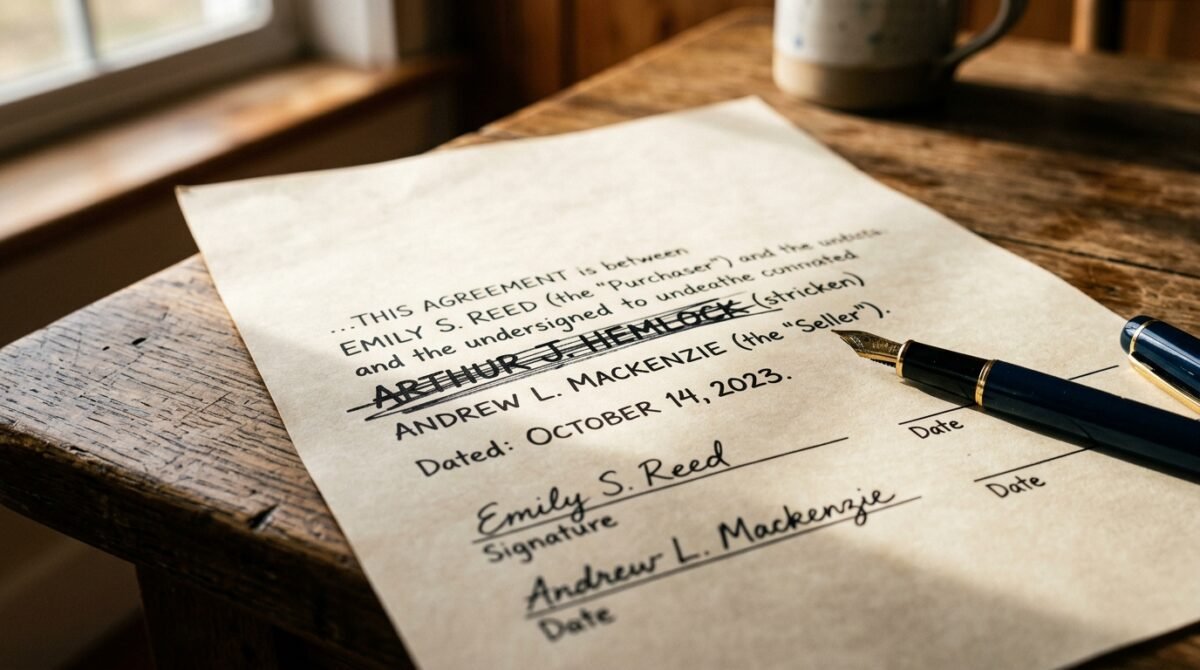
The letter arrived on a Tuesday, looking like any other piece of government mail. I remember sitting at the kitchen table, holding a lukewarm cup of coffee, while my son napped in his bassinet nearby. As I tore open the envelope, I expected a simple confirmation of the birth record. Instead, I found a formal notification from the Department of Vital Records stating that our application had been flagged for ‘inconsistent documentation and unauthorized alterations.’
My heart began to race. I pulled out the copy of the application they had sent back. There, in the section for the child’s given name, the word ‘Julian’ had been scratched out with a heavy, black ink pen. Written above it in a familiar, loops-and-swirls handwriting was the name ‘Arthur’—the name of Elena’s late father, a man she had been trying to force us to use since the first trimester.
I felt a cold shiver run down my spine. I looked over at the kitchen counter where we had left the paperwork. Elena had been the only person in our house while we were at the pediatrician’s office the day before. She had stopped by to ‘drop off dinner,’ which usually meant she would snoop around the cabinets and rearrange our spice rack. I had been too tired to care about the snooping. I never thought she would touch the legal paperwork.
“Mark, look at this. Tell me I’m hallucinating. Tell me your mother didn’t try to change our son’s name on a legal government document.”
Mark walked in from the garage, his face still smudged with grease from working on his truck. He took the paper from my hands, his eyes scanning the lines as his face went pale. He didn’t speak for a long minute. He just stared at the ink. The violation was so flagrant, so calculated, that it felt like an assault. It wasn’t just an opinion; it was a forgery. It was a direct attempt to erase our agency as parents and rewrite our child’s identity to suit her own whims.
We didn’t scream. We didn’t throw things. We sat in a silence that felt heavy with the realization that the relationship we had known—however strained—was effectively over. The trust wasn’t just broken; it had been incinerated. We spent the next three hours preparing to confront her, not just as a grandmother, but as someone who had potentially committed a crime against our child’s legal standing.
The Confrontation in the Living Room
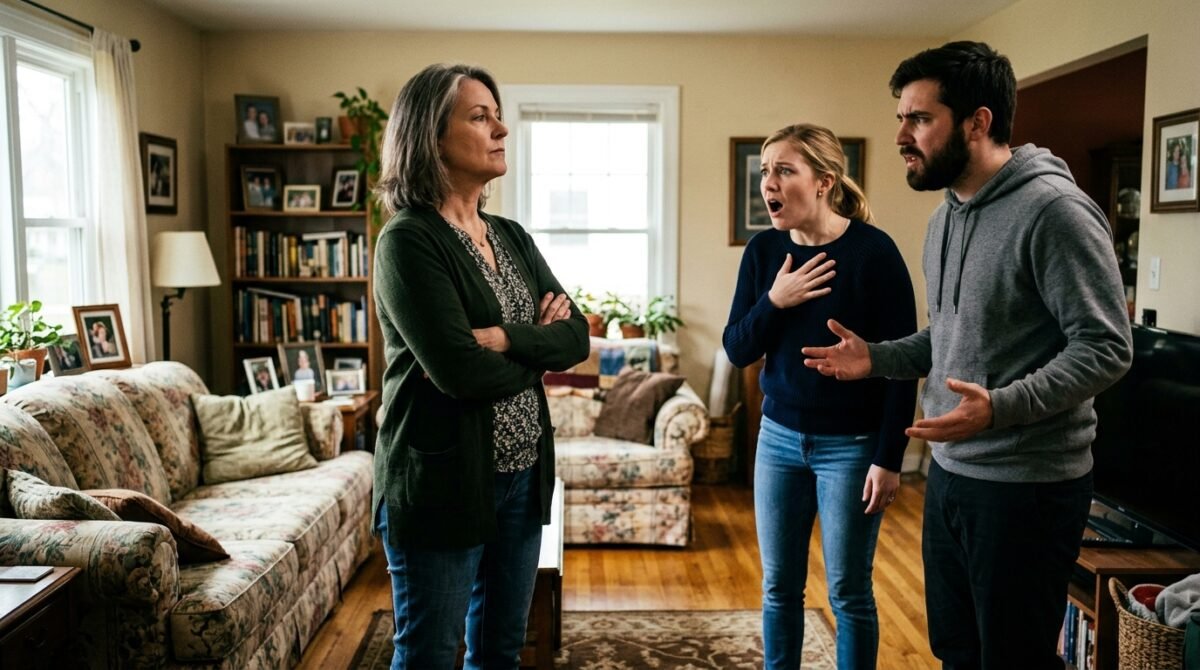
When Elena arrived later that evening, she was whistling—a jarringly cheerful sound that felt like nails on a chalkboard. She entered the house with her own key, as she always did, carrying a casserole dish and acting as if nothing was amiss. She sat down on our sofa, crossing her legs and asking, ‘So, have you heard from the county about the certificate yet? I’m sure they’ll process it much faster now that it’s corrected.’
The air in the room became instantly suffocating. Mark stood up, his posture rigid. He held the letter up for her to see, his voice remarkably steady despite the fury I knew he was suppressing. ‘Corrected, Mom? You think you have the right to ‘correct’ our son’s name? You were in our house for twenty minutes, and you used that time to forge a legal document?’
Elena didn’t even blink. She smoothed her skirt, her expression one of wounded righteousness. ‘I did what you were too stubborn to do. Arthur is a family name. It commands respect. You’re giving him a flimsy, modern name that means nothing. I was doing you a favor. In twenty years, he’ll thank me for giving him a proper identity.’
“It isn’t your child, Elena. You didn’t give birth to him. You didn’t suffer through the labor. You didn’t have the right to even touch that paper, let alone write on it. Get out.”
She stood up, her face flushing with indignation. She tried to pivot to the ‘it’s just a name’ defense, claiming that we were being overly sensitive and that she was merely ‘preserving the family legacy.’ She looked at me, hoping I would be the bridge, but I turned my back to her. There was no more bridge. There was only the gaping chasm she had carved out herself.
She left the house, but not before issuing a threat. She told us that we were ‘young and foolish’ and that the family would never stand for us ‘cutting out the grandmother.’ She seemed to genuinely believe that she was the victim in this scenario, a martyr for the cause of ‘tradition.’ As the door slammed shut, I didn’t feel relief. I felt a deep, gnawing anxiety about how far she would be willing to go next.
The Legal Reality Check
The morning after the argument, we met with an attorney. We weren’t there for a divorce or a lawsuit for damages; we were there to figure out how to insulate ourselves from a grandmother who had proven she was willing to break the law to control our child. Our lawyer, a blunt woman named Sarah, didn’t sugarcoat the situation. She explained that while the forgery was unlikely to lead to criminal charges (because it was a civil document and we caught it in time), it provided a powerful evidentiary foundation for a restraining order and the termination of any implied visitation rights.
In our state, ‘grandparent rights’ are notoriously difficult to obtain, but they do exist in cases where a ‘meaningful, pre-existing relationship’ has been established. By cutting ties now, before the child was old enough to form a bond, we were technically protecting ourselves from future litigation. It felt cold, but Sarah reminded us that Elena had already shown a willingness to manipulate the system. Why would she stop at a birth certificate?
We spent the afternoon drafting a formal letter. We didn’t hold back. We outlined exactly why she was no longer welcome in our home or our lives: the boundary violation, the forgery, and the continued refusal to acknowledge our parental authority. We sent it via certified mail, ensuring she couldn’t claim she hadn’t received it. It was the hardest thing I’d ever had to do, knowing that this was the point of no return.
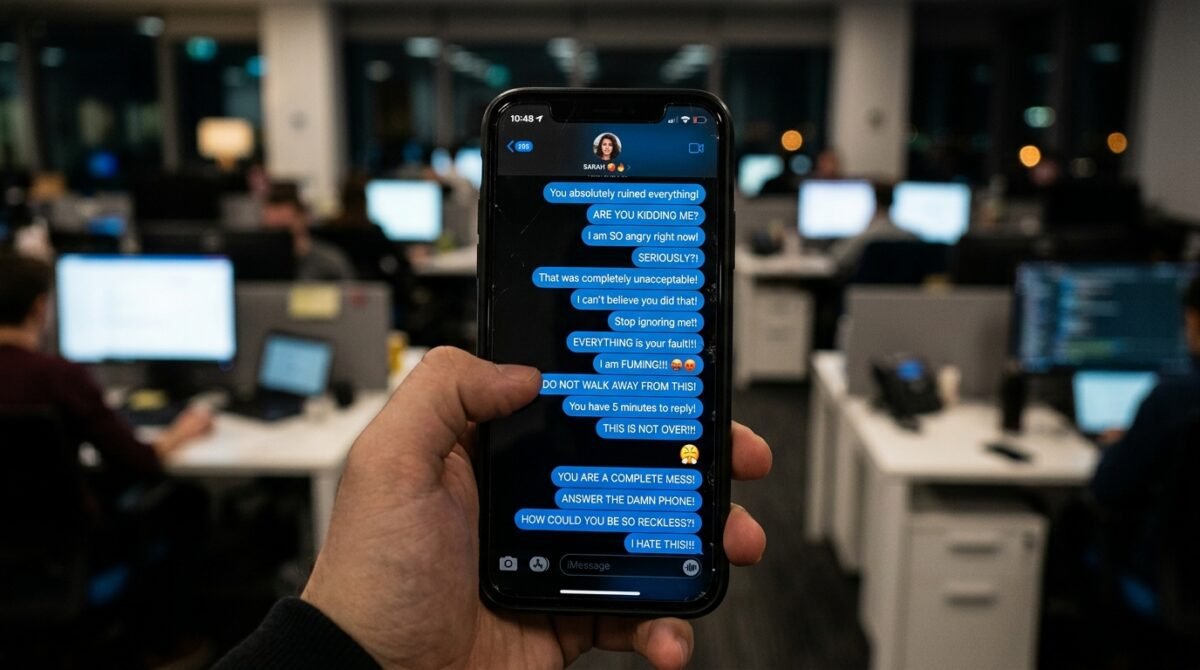
That evening, my phone blew up. It wasn’t just Elena; it was her entire side of the family. My inbox was flooded with messages from aunts, cousins, and family friends who had clearly received a sanitized, ‘poor me’ version of the story. They called us heartless. They called us controlling. They asked how we could deprive a grandmother of her first grandson over a ‘simple mistake.’
“You two are acting like children. It’s just a name. You are ruining a family legacy over a tantrum. Think about what you are doing to your son’s future.”
— Message from Elena’s Sister
I read the messages aloud to Mark, and we just deleted them. One by one. We weren’t going to engage in the court of public opinion. We had our own reality, and it was one that didn’t include a woman who felt she could edit our lives at will. The legal process was only just beginning, but for the first time, I felt like we were finally in control of our own narrative.
The Group Chat Explosion
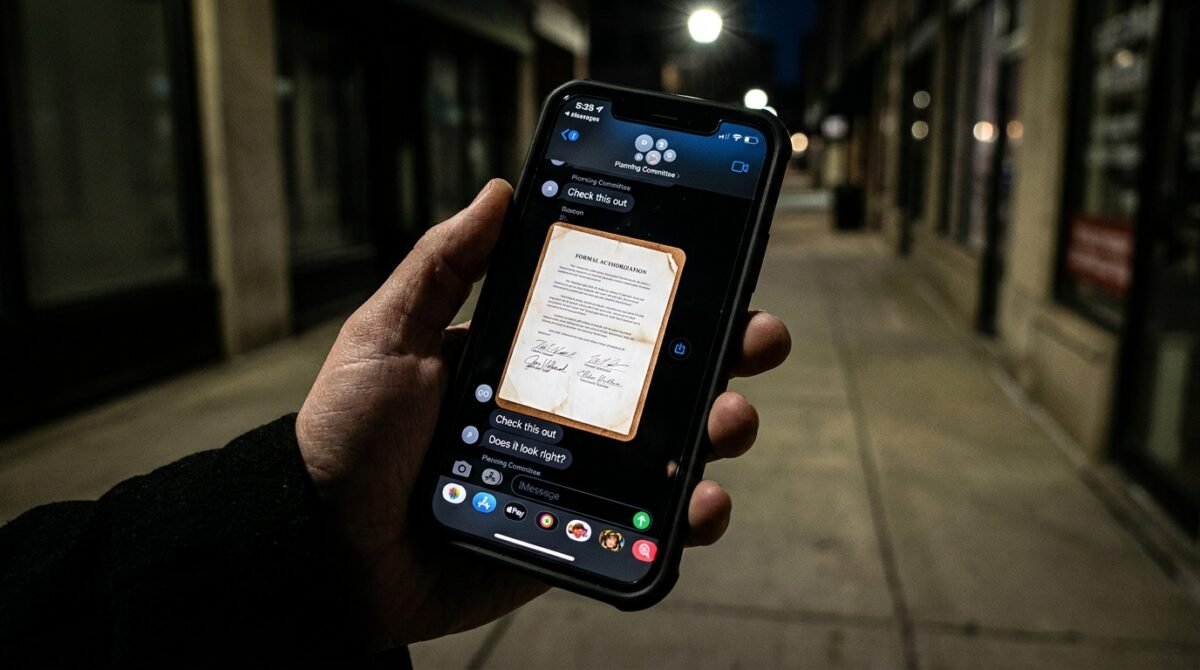
The family group chat, which had previously been used for innocuous holiday plans and photos of dinner, became a war zone. I had been added to it shortly after the wedding, and for a long time, I kept it muted. That changed when I saw my name being dragged through the mud. Elena had posted a long, rambling manifesto about how ‘modern mothers’ have no respect for heritage or the sacrifices of previous generations.
She didn’t mention the birth certificate. She framed it as us being ‘unstable’ and ‘hostile’ for no reason. She was building a narrative of victimhood, positioning herself as the saintly grandmother who was being cruelly alienated by a daughter-in-law who wanted to ‘erase’ the family history. The responses from the extended family were infuriatingly supportive of her, with people who hadn’t spoken to us in months chiming in with their unsolicited judgments.
I realized then that I couldn’t just sit back. I took a screenshot of the official letter from the Department of Vital Records—the one with the handwritten ‘Arthur’ scrawled over our son’s name. I also took a photo of the original application we had kept. I didn’t add any commentary. I just posted the images directly into the group chat. The silence that followed was absolute. It lasted for nearly three hours.
“Elena didn’t make a mistake. She committed a forgery. She tried to legally rename my son without our consent. This is why she is no longer welcome.”
The messages eventually started trickling in again, but the tone had shifted. The ‘poor Elena’ narrative was harder to maintain when the proof of her deception was staring them in the face. Some of the family members tried to backpedal, saying they didn’t know the ‘full story,’ while others went radio silent. It was a victory, but a hollow one. It shouldn’t have taken a public shaming to make people see that our boundaries weren’t suggestions.
Mark’s phone kept buzzing. He didn’t even look at it. He just handed it to me and said, ‘Delete the chat.’ I did, and for the first time in weeks, the constant noise stopped. We were officially on our own, and the silence was glorious. We had cut the cord, not just with Elena, but with the entire toxic support system that enabled her behavior.
Navigating the First Holidays in Exile
The first holiday without Elena was Thanksgiving. For years, we had been forced to attend her massive, high-pressure gatherings where every choice was judged and every conversation felt like a minefield. This year, we decided to do something different. We stayed home. We cooked a small meal, played music, and just enjoyed the peace of being a family of three. It was the most relaxing day of my life.
Of course, the peace was punctuated by the occasional unwanted visitor. Twice, Elena sent flowers to our house, and once, she tried to drop off a ‘gift’—a box of baby clothes embroidered with the name ‘Arthur.’ We left the package on the front porch for three days before donating it to a local shelter. We didn’t call her. We didn’t acknowledge the gifts. We simply treated them as refuse.
The hardest part was watching Mark. I knew he was grieving. He wasn’t grieving the woman who had forged the documents; he was grieving the mother he wished he had, and the grandmother he wished his son could have. There were moments where I would find him staring out the window, his expression unreadable. I knew what he was thinking. He was wondering if we were being too harsh.
“You’re thinking about her, aren’t you? It’s okay if you are. But remember: she didn’t just cross a boundary. She tried to steal our son’s identity.”
He turned to me and sighed. ‘I know. It’s just… she’s my mom. It’s hard to reconcile the woman who raised me with the woman who would go this far.’ I reached out and took his hand. We both knew that the woman who raised him hadn’t truly disappeared; she had just been empowered by a lifetime of never having her bad behavior corrected. We were the first ones to draw a line in the sand, and she couldn’t handle it.
We spent the evening talking about the future. We talked about how we would raise our son to value honesty and respect, two things his grandmother clearly lacked. We decided that if we were going to build a family, we were going to do it on our own terms, without the influence of people who thought they were entitled to our lives. The holiday ended with a sense of resolve that we hadn’t possessed before.
The Unexpected Legal Letter
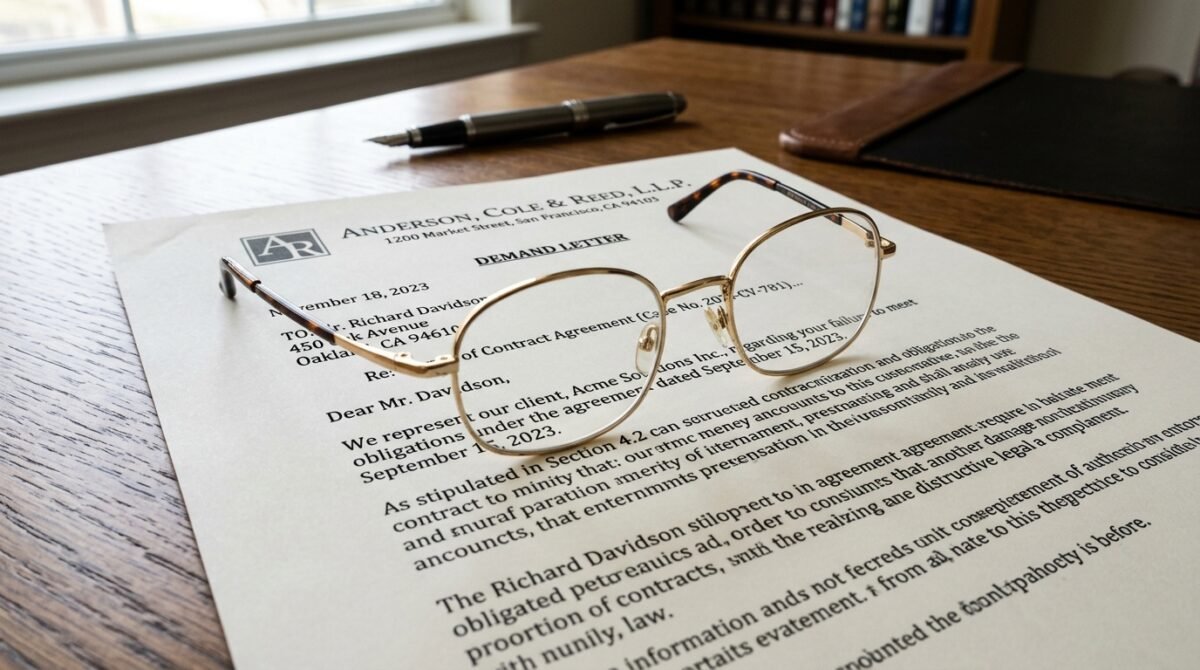
In January, we received another letter, but this time it wasn’t from the government. It was from a law firm representing Elena. They were threatening us with a suit for ‘intentional infliction of emotional distress’ and ‘grandparental alienation.’ They claimed that by cutting off all contact, we were depriving the child of his heritage and causing undue trauma to the grandmother. It was a laughable claim, but it was also expensive and stressful.
We immediately contacted our lawyer. She laughed when she read the letter. ‘This is a scare tactic, pure and simple,’ she said. ‘They don’t have a leg to stand on. There is no such thing as an inherent right to access a grandchild, especially when the parents have clear and documented cause to restrict contact. They are trying to bully you into submission because they know they have no legal standing.’
The threat hung over our heads for weeks. Every time the doorbell rang, I braced myself for a process server. I felt like a prisoner in my own home, constantly looking over my shoulder. We had to document every single interaction, every gift sent, and every message received, just to build our defense. It was exhausting. It felt like she was still controlling our lives, even from a distance.
“Let her sue. Let her stand in front of a judge and explain why she thought she had the right to alter a federal document. She’ll lose, and she’ll pay for our legal fees.”
— Our Lawyer, Sarah
The realization that she was willing to spend her own money on legal fees just to force her way back into our lives was the final nail in the coffin. It wasn’t about love or tradition; it was about power. She wanted us to know that she had the resources to make our lives miserable, and she was going to use them. It didn’t make me want to reconcile; it made me want to fight even harder.
We filed a counter-motion for a protective order, citing the harassment and the attempted forgery. We were no longer on the defensive; we were on the offensive. The dynamic had shifted. We were no longer the young couple being pushed around; we were parents protecting our child from a dangerous influence. It felt like we were finally growing into our roles, even if the process was incredibly painful.
Reddit’s Verdict: The Community Speaks
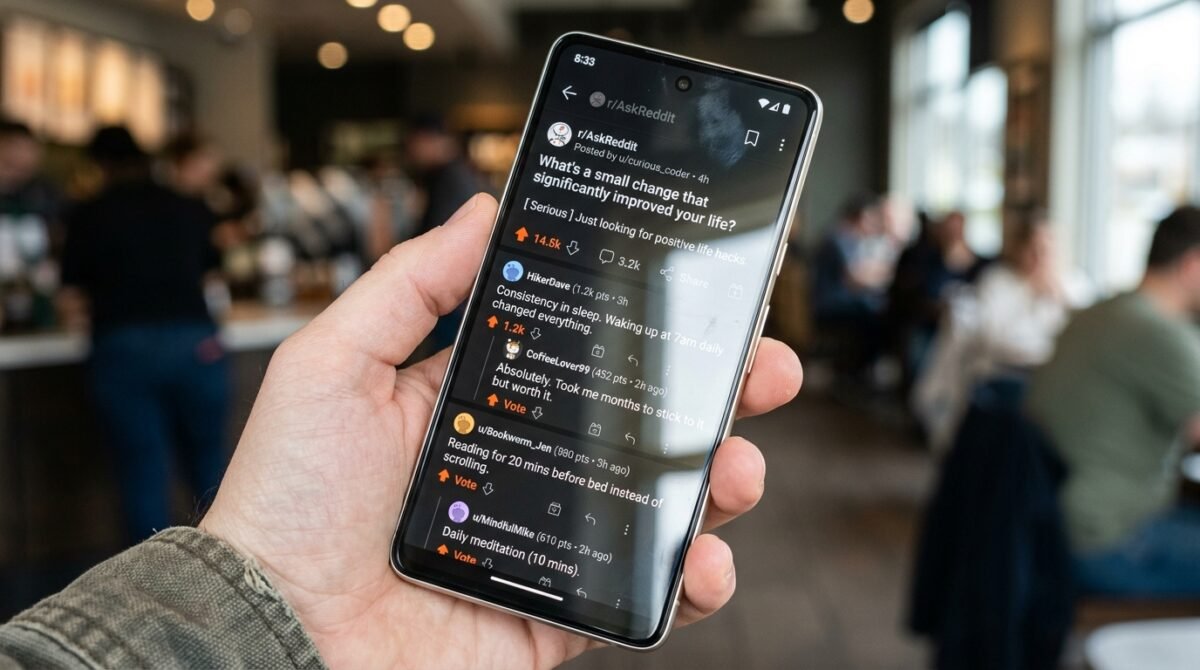
I finally broke down and posted the story on a popular subreddit for family drama. I didn’t expect the flood of support that followed. Thousands of people from all over the world reached out, sharing their own stories of in-laws who had overstepped, forged documents, or tried to control their children. It was a sobering, yet validating experience to see that we weren’t alone in this nightmare.
The comments were overwhelmingly in our favor. Many people were shocked by the audacity of the forgery. ‘The birth certificate thing is an automatic no-contact,’ one user wrote, receiving over 20,000 upvotes. ‘She didn’t just cross a line; she committed a crime. You are protecting your son, not keeping him from a grandmother.’ It felt good to have our feelings validated by strangers who had no stake in our family drama.
Of course, there were the usual contrarians. A few people suggested that ‘family is family’ and that we should ‘forgive and forget’ for the sake of the child. But those voices were quickly drowned out by others who pointed out that a toxic grandmother is far more damaging to a child than no grandmother at all. The community was a mirror of our own struggle, reflecting back the truth we had been trying to hide from ourselves.
“You aren’t alienating her. She alienated herself the moment she decided her desires were more important than legal reality. Do not let her back in, ever.”
— u/FamilyLawWarrior (Top Comment, 32.5k upvotes)
Reading the comments allowed me to see the bigger picture. This wasn’t just about us and Elena. This was about a cultural shift in how we view boundaries and parental autonomy. People are tired of the old-fashioned idea that you have to tolerate abuse just because it comes from a relative. We were part of a growing movement of people who were setting their own rules and refusing to apologize for them.
The Reddit thread became a source of comfort for me. Whenever I felt weak or tempted to reach out, I would go back and read the comments. I would remind myself that we were doing the right thing for our son. We were teaching him that he has a right to his own identity, and that no one, no matter how much they claim to love him, has the right to rewrite it.
The Final Hearing and the Restraining Order

The day of the court hearing finally arrived. It was a cold, overcast morning, and the courtroom was filled with the usual tension of family law. Elena looked smaller than I remembered, sitting at the defense table with her lawyer. She didn’t look at us. She just stared straight ahead, her face a mask of cold fury. When the judge called the case, my heart was hammering against my ribs.
Our lawyer, Sarah, was brilliant. She didn’t waste time with emotions. She presented the evidence: the original application, the altered version with the forged name, and the trail of text messages where Elena admitted to trying to ‘correct’ our choices. She also presented the evidence of the harassment that had occurred since we went no-contact. It was a landslide.
Elena’s lawyer tried to argue that she was just an ‘overzealous grandmother’ who meant well. The judge cut her off. ‘Counsel,’ the judge said, ‘this isn’t about an overzealous grandmother. This is about a clear violation of parental rights and an attempt to forge legal documents. The court does not look kindly on such behavior. The grandmother’s actions have demonstrated a fundamental lack of respect for the parents’ authority and the integrity of the law.’
“The petition for a permanent restraining order is granted. You are to have zero contact with the petitioners or their child, in person or otherwise. Any further attempts at communication will result in immediate arrest.”
The gavel came down, and the sound was final. It was the most beautiful sound I had ever heard. Elena stood up, her face turning red with rage, but her lawyer pulled her down before she could say a word. As we walked out of the courthouse, I felt a weight lift off my shoulders that I hadn’t realized I was carrying. We were free. The law was on our side, and we had won.
We didn’t celebrate. We didn’t gloat. We went home, picked up our son from daycare, and spent the evening playing on the floor. He was happy, healthy, and most importantly, he was ours. We had done what we needed to do to keep him safe, and that was all that mattered. The drama was finally over, or at least, it was legally concluded.
Reflecting on the Cost of Boundaries

Looking back, I realize that setting boundaries is never free. We lost family members, we spent thousands of dollars on legal fees, and we went through months of intense stress. But the cost of *not* setting those boundaries would have been much higher. It would have cost us our autonomy, our child’s identity, and our own mental health. It would have cost us the respect of our own child as he grew up and saw us being pushed around by his grandmother.
People often ask me if I regret being so ‘extreme.’ They ask if we could have handled it differently, perhaps through therapy or family mediation. But mediation is for people who respect the process. Mediation is for people who understand that they aren’t in charge. Elena never wanted mediation; she wanted compliance. And compliance was something we were never going to give her.
We have learned that you don’t ‘negotiate’ with people who view you as an extension of themselves. You set a boundary, and you enforce it with every tool at your disposal. If they choose to cross it, you show them the consequences. It’s not about being ‘mean’; it’s about being an adult. It’s about taking responsibility for the family you have created and shielding them from the toxicity of the past.
“You have to be the parent you never had. If that means cutting out your own mother or mother-in-law, then so be it. Your child’s well-being is the only priority that matters.”
We are in a much better place now. We have our own traditions, our own friends, and our own life. We don’t have to worry about who is going to show up at our house unannounced, or who is going to try to forge our legal documents. We are finally at peace, and that peace is worth more than all the family approval in the world. We are building a future where our son will know that he is loved and respected for who he is, not for who anyone else wants him to be.
Moving Forward: Life After the Storm

It has been a year since the court hearing. Life has settled into a comfortable, predictable rhythm. Our son is growing, and he is a vibrant, curious little boy. We haven’t heard a word from Elena since the day of the hearing, and we hope it stays that way. We have installed security cameras, not because we live in fear, but because we value our peace and want to ensure that no one can ever intrude upon it again.
The extended family has largely accepted the new status quo. Some have apologized, while others have simply moved on. We have made it clear that we are open to relationships with anyone who can respect our boundaries and our role as parents. We aren’t looking for enemies; we are simply looking for a life that is free from manipulation. And for the most part, we have succeeded.
The experience has changed us. We are more confident, more decisive, and much more protective of our time and our energy. We no longer feel the need to justify our choices to anyone, least of all to people who don’t have our best interests at heart. We have realized that the only opinions that matter are the ones held by the people who live under our roof.
“We are the authors of our own story. We don’t let guest stars rewrite the ending, no matter how much they think they deserve to hold the pen.”
If you are reading this and you are in a similar situation, know that you are not alone. You have the right to your own life, your own children, and your own decisions. Don’t be afraid to set boundaries, and don’t be afraid to enforce them. It will be hard, and it will be painful, but it will be worth it in the end. You deserve to be the parent your child needs, not the parent someone else wants you to be.
Conclusion
Our journey through this nightmare has been long and arduous, but it has taught us the most valuable lesson of adulthood: boundaries are not meant to keep people out—they are meant to keep our integrity in. By standing our ground, we didn’t just protect our son’s name; we protected his future from the toxic cycles that have plagued our family for generations. We have emerged from the fire not just as parents, but as a team that knows exactly where our loyalties lie.
The fallout from this experience was significant, but the peace that followed is immeasurable. We have learned that blood doesn’t buy you a lifetime of compliance. It buys you a shared history, but it is up to us to decide what that history means for our future. We are no longer defined by the expectations of our in-laws, but by the love and respect we cultivate within our own home.
We hope our story serves as a reminder to anyone struggling with intrusive family members: you are allowed to say no. You are allowed to protect your peace. You are allowed to be the authority in your own life. Do you have a story about setting boundaries with family that went above and beyond? Have you ever had to legally sever ties to protect your child’s identity? Share your experiences in the comments below—the community is here to listen and support one another in the difficult work of building healthy, independent families.
What's your verdict on this dilemma?
Vote below to contribute to the official community consensus.

Have a Dilemma Keeping You Up at Night?
Share your real-life feud, wedding chaos, or relationship crossroads anonymously with our editorial team.
What do you think ?
0 Comments🛡️ Comments are moderated to protect community integrity. Your comment will appear once approved by the editorial team.