

Christmas has always been the peak of our family’s social calendar. It is a time for over-the-top decorations, heirloom recipes, and the inevitable, simmering tension that comes when three generations of high-achievers gather under one roof. But this year, the tension wasn’t about politics or career choices. It was about something far darker: the ‘Global Children’s Prosperity Initiative,’ a charity my Aunt Linda had been aggressively pushing on the entire family for months.
Linda had always been the golden child of the family, the one who spoke of ‘giving back’ while wearing designer labels. This year, she claimed to have launched a foundation to support an orphanage overseas. She had been relentless, cornering relatives at every brunch and birthday party, demanding donations and ‘investments’ in the cause. She framed it as a moral duty, a way for our family to cement our legacy through philanthropy.
I, however, have a background in forensic accounting and a natural suspicion of people who use tragedy to bolster their social status. For weeks, I had been digging. I didn’t want to believe that my own aunt was capable of such cold-blooded deception, but the numbers simply didn’t add up. The website looked professional, but the registration filings in the state database were non-existent.
The moral dilemma weighed on me like a lead blanket. If I spoke up, I would destroy the harmony of the most important day of the year. I would be the ‘villain’ who ruined Christmas for my elderly grandparents and my younger cousins. Yet, if I remained silent, I would be complicit in a scam that was siphoning thousands from people who genuinely thought they were helping children. I chose the path of fire.
As the turkey was carved and the wine began to flow, Linda took the floor, her voice dripping with artificial sincerity as she prepared to make a ‘special announcement’ about the charity’s success. She didn’t know that I had spent the afternoon preparing a folder of evidence that would turn her festive speech into a wake.
The Champagne Toast That Never Should Have Happened
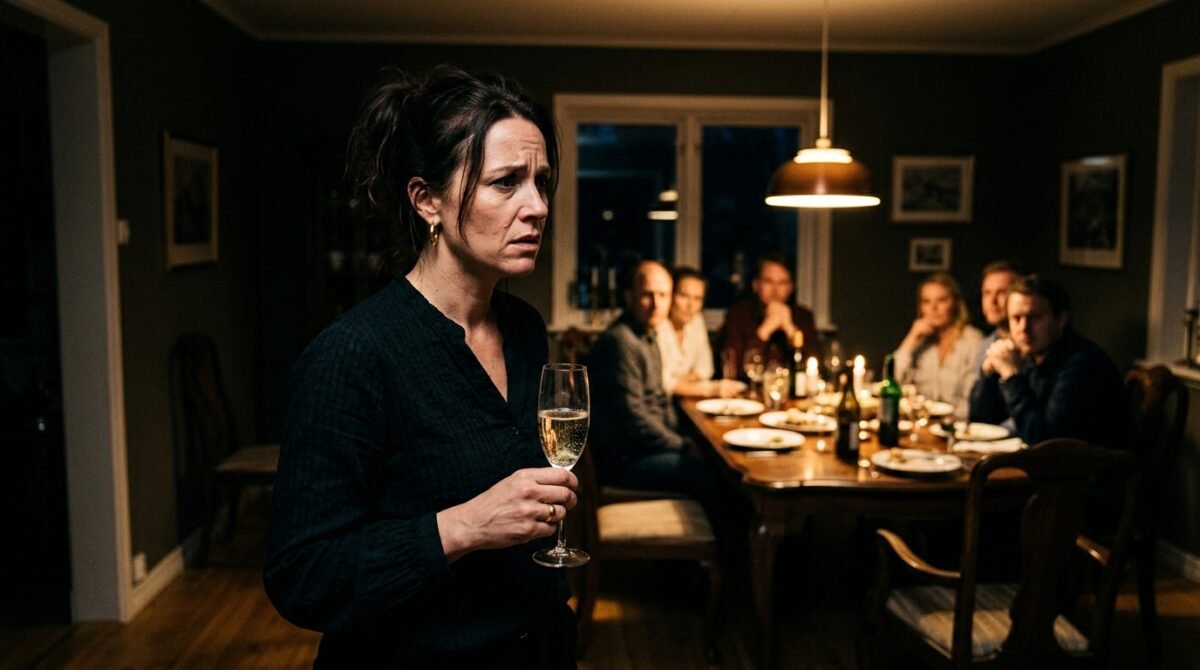
The dining room was aglow with flickering candlelight and the scent of rosemary-crusted roast beef. Everyone was in high spirits, unaware that the air was about to be sucked out of the room. Aunt Linda stood up, raising her crystal flute with a flourish that commanded attention. She had been waiting for this moment all season, the opportunity to present herself as the family’s patron saint.
“Before we dive into dessert, I want to take a moment to celebrate the incredible generosity shown by this family. Your contributions to the Global Children’s Prosperity Initiative have truly changed lives. I’ve just received word that our latest round of funding is going to provide school supplies for two hundred children. You should all be so proud.”
The table erupted in murmurs of approval and pride. My grandmother wiped a tear from her eye, looking at Linda with pure adoration. I sat there, tracing the rim of my wine glass, feeling the cold weight of the documents tucked into my laptop bag. Every fiber of my being screamed at me to just let it go, to let her have her moment of vanity, but the thought of the money—over fifty thousand dollars total—made me sick.
Linda continued, her voice rising in pitch as she detailed imaginary success stories in a foreign country. She spoke of ‘building infrastructure’ and ‘securing vital medical supplies.’ It was all so polished, so rehearsed. I felt like I was watching a performance in a play where the lead actress had clearly lost her grip on reality.
I looked around the table. My cousins were chatting about their upcoming vacations, my father was smiling at his sister, and the atmosphere was thick with the comfort of family wealth. They were easy marks. They trusted her because they were family. That trust was the very thing she was weaponizing against them.
When she finished, the applause was deafening. I didn’t clap. I stood up slowly, my heart hammering against my ribs like a trapped bird. The silence that followed was heavy and immediate, like a curtain dropping in a theater. My father leaned over, whispering a warning, but it was already too late.
The Evidence Hidden In Plain Sight
I didn’t launch into a shouting match. Instead, I pulled my laptop out from under the table and projected the screen onto the smart TV in the living room, which was visible from the dining area. I had prepared a simple, brutal slide deck. It wasn’t loud or aggressive; it was simply factual. I started with the state business registry. ‘No records found’ stared back at the entire family in bold, black letters.
Linda’s face went from a pleasant, flushed pink to a chalky, bloodless white in the span of three seconds. She tried to interrupt, but the look in my father’s eyes silenced her. He was a man who valued integrity above all else, and he was already beginning to process the implications of what was on the screen. The room felt like a vacuum.
“Linda, I’m sure you have a perfectly logical explanation for why the Global Children’s Prosperity Initiative doesn’t exist as a registered non-profit. Or perhaps you can explain why the ‘international bank account’ where we sent our donations is registered to a private LLC in your name, located in a strip mall in Delaware?”
The gasp from my grandmother was the loudest sound I had ever heard. The room, which moments ago had been filled with warmth and holiday cheer, was now a courtroom. My cousins stopped eating, their forks hovering mid-air. One of them actually dropped their napkin, the sound hitting the floor like a gunshot.
Linda stood there, the champagne flute still in her hand, trembling. She tried to laugh it off, a nervous, shrill sound that didn’t reach her eyes. She started to babble about ‘administrative delays’ and ‘legal hurdles’ that were typical for international charities, but the logic was crumbling beneath the weight of the evidence on the screen.
I pulled up the bank statements I had managed to pull through a public record search that linked her personal tax ID to the organization’s funding portal. The numbers were staggering. It wasn’t just a small amount of pocket change; it was a sophisticated, systematic extraction of our family’s holiday bonus funds, earmarked for a future she had invented to line her own pockets.
The Unraveling Of A Saintly Persona
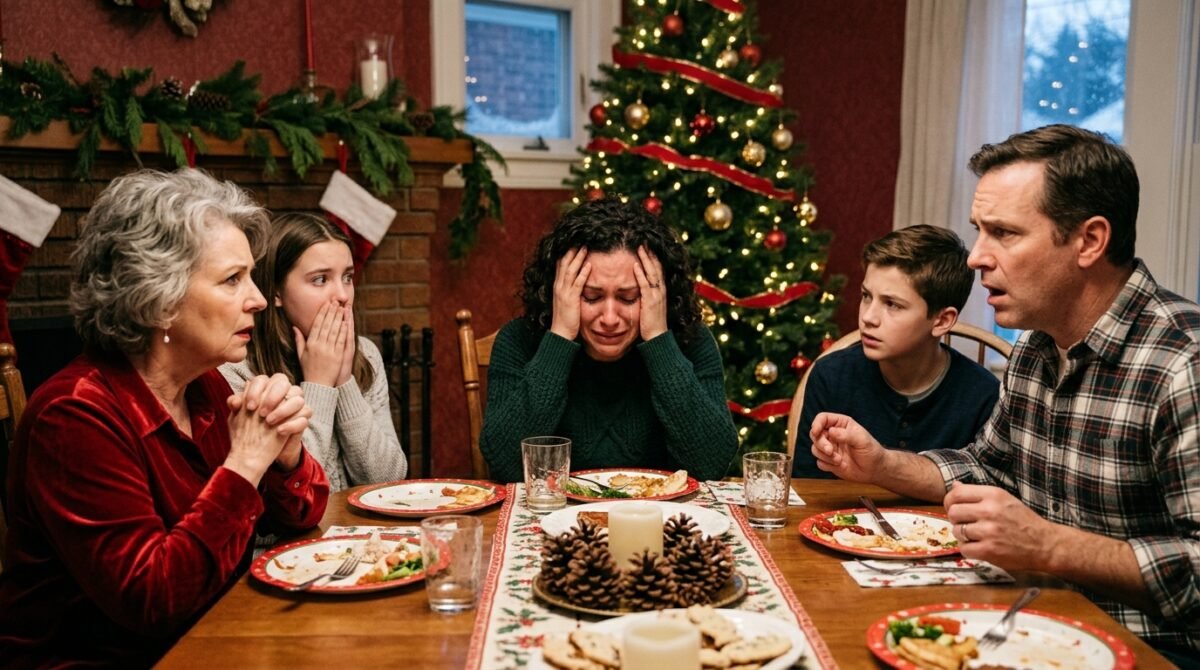
The mask finally slipped entirely. When the realization hit the room that this wasn’t just a misunderstanding, the shift was tectonic. My uncle, who had donated fifteen thousand dollars for ‘new computers’ for the orphanage, stood up, his face turning a deep shade of crimson. He didn’t yell, which made his anger even more terrifying. He just walked over to Linda and held out his hand, expecting an answer that he knew wasn’t coming.
“Linda, look at me. Tell me one of those kids exists. Give me a name. Give me an address. Tell me something real, or I swear to God, I am calling the police before we even finish the appetizer.”
Linda’s composure shattered. She dropped the champagne flute, and the glass didn’t even shatter on the plush rug—it just landed with a dull thud. She started crying, but it wasn’t the kind of crying that elicits sympathy. It was the frantic, self-preserving sobbing of someone who had been caught red-handed and was realizing there was no exit strategy.
She confessed to the debt. It was a gambling addiction, hidden under layers of designer clothes and expensive vacations. She had been playing the role of the successful philanthropist to keep up appearances, thinking she could win the money back and ‘repay’ the charity before anyone noticed. It was a classic Ponzi scheme, but with family members as the victims.
The silence that followed her confession was worse than any shouting. It was a profound, mourning silence. We weren’t just mourning the money; we were mourning the illusion of who we thought she was. We had believed in her, supported her, and bragged about her to our friends. To find out she was a thief was a betrayal that felt deeper than any financial loss.
My grandmother just sat there, her hands folded in her lap, looking at her daughter as if she were a stranger. The heartbreak in her eyes was the most difficult thing to witness. I reached out to touch her shoulder, but she didn’t seem to register my presence. The festive lights around us suddenly felt like a mockery of the dark reality we were now trapped in.
Leaked Texts From The Hidden Group Chat
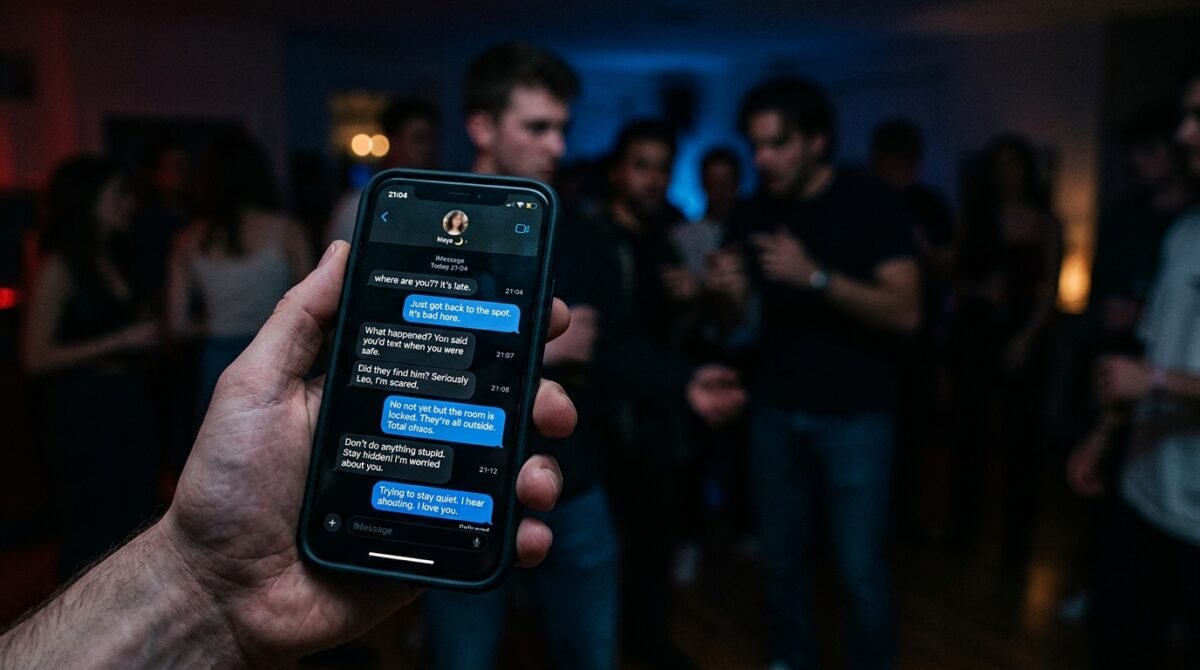
The aftermath of the confession was immediate and messy. My cousin Sarah, who was the most tech-savvy among us, managed to get a hold of Linda’s iPad while she was being led into the den by my father. What she found turned the situation from a family scandal into a full-blown crime scene. There was a hidden group chat with an unknown contact, someone named ‘Marcus.’
“I need another 5k by Tuesday, or they’re going to show up at my apartment. Tell the family another donation target was reached. They’re so gullible, they don’t even check the receipts.” — Sent from Linda to ‘Marcus’
Reading those words felt like a physical blow. The absolute contempt she held for her own family was laid bare in those simple, cold text messages. We weren’t just victims; we were marks to be mocked. The betrayal wasn’t just in the theft; it was in the condescension. She had spent months laughing at our kindness while she siphoned our accounts.
Sarah shared the screenshots to our private family group chat, and within minutes, phones all over the dining room were lighting up. I watched as person after person read the messages, their expressions shifting from shock to a cold, hard resolve. There would be no covering this up. There would be no ‘letting it go’ for the sake of the holiday.
The chat log revealed more than just the gambling. It revealed a pattern of manipulation that went back years. She had been playing us against each other, creating fake conflicts so that she could step in as the mediator and gain leverage. It was a lifetime of calculated deceit, all aimed at maintaining her position as the family favorite.
By the time we walked back into the living room to confront her again, the mood had shifted from sadness to icy fury. We were no longer family members; we were a collective of creditors looking for blood. The Christmas dinner was officially over. In its place, a long, grueling night of police reports and bank fraud investigations was just beginning.
The Aftermath: When The Police Arrived
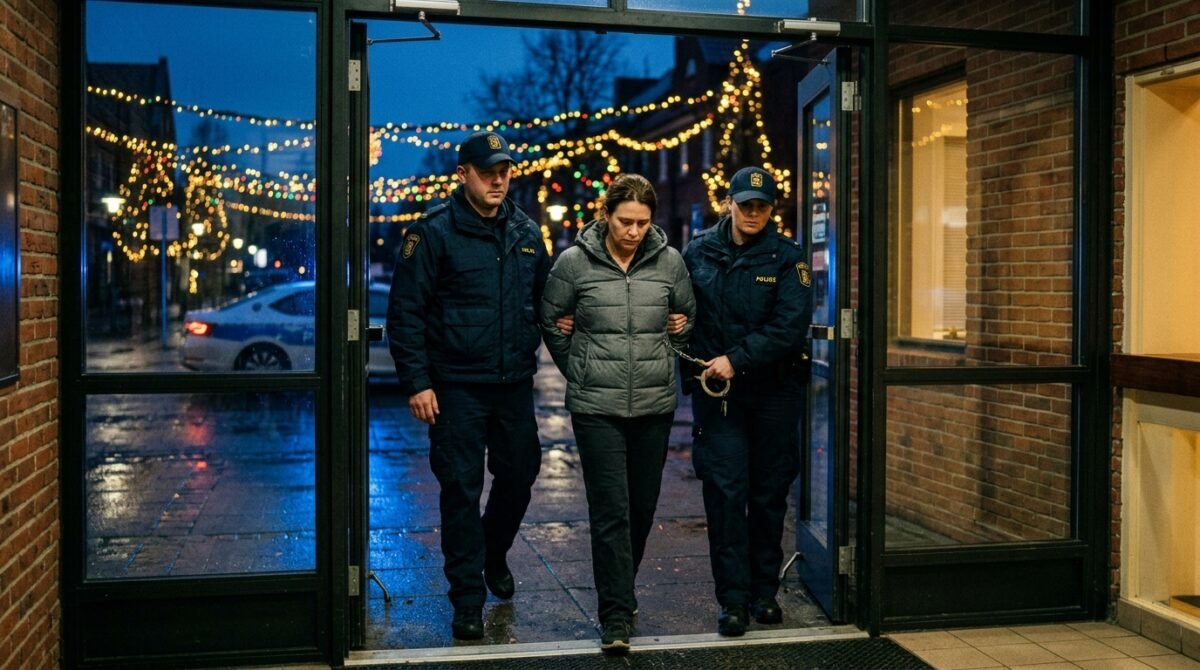
When the police finally showed up, they didn’t come with sirens or lights. They were professional, quiet, and efficient. They had heard it all before, but the scale of the fraud—involving multiple family members and significant sums of money—made it a priority. They took statements in the kitchen, right next to the untouched trays of appetizers.
Linda was cuffed, not because she was a violent threat, but because the evidence was overwhelming and there was a high risk of her attempting to destroy more records. Seeing her being led out the front door in handcuffs, right past the Christmas tree, was a surreal experience. My grandmother, who had been so quiet, finally broke down in tears, but they weren’t tears for Linda—they were tears for the family that would never be the same again.
“I just want to know when it started. Was any of it real? Did she ever love us, or were we just bank accounts to her?” — My Grandmother to the investigating officer
The officers were kind, offering what little comfort they could, but they were there to do a job. They cataloged the computer, the records, and the notes Linda had been keeping. It was a systematic dismantling of a life built on lies. As the door closed behind them, the house fell into an oppressive silence that felt permanent.
We spent the rest of the night sitting in the living room, not talking, just staring at the space where the Christmas tree stood. The presents, once symbols of our love and generosity, now felt like objects of shame. We had been bought, sold, and manipulated, and it would take years to recover, if we ever truly did.
My father, the one who had always defended Linda, was the one who was most deeply affected. He sat in the dark for hours, unable to speak. The realization that he had enabled her for so long, by consistently giving her the benefit of the doubt, was a weight he would have to carry for the rest of his life.
Community Reaction: Reddit Weighs In

I posted the story on a popular forum the next morning, needing to know if I had done the right thing. The response was overwhelming. Thousands of people commented, shared their own stories of family betrayal, and offered support. It was a strange comfort, knowing that while my family felt singular in its pain, the experience of being exploited by a loved one was unfortunately universal.
“OP, you didn’t ruin Christmas. Your aunt ruined her own life and tried to take yours with her. You saved your family from even deeper financial ruin down the road. NTA (Not The Asshole) a thousand times over.” — u/JusticeSeeker_99 (Top Comment, 42.1k upvotes)
There were, of course, the dissenters. Some people argued that I should have handled it privately, that exposing her at Christmas was a cruel and unnecessary public shaming. They claimed that family secrets should be dealt with behind closed doors, regardless of the crime. But the majority of the community rallied behind the idea that fraud is fraud, whether it’s committed by a stranger or a blood relative.
I read through the comments for hours, finding catharsis in the validation. People shared stories of ‘charity’ scams they had fallen for and the long, painful process of rebuilding their finances. It made me realize that I wasn’t just protecting my family’s money; I was protecting their future, their peace of mind, and their dignity.
The thread became a hub for discussion about boundaries, the danger of blind trust, and the importance of financial due diligence. People who had been in similar positions reached out to me, offering advice on how to navigate the legal aftermath. It was a reminder that even in the darkest moments, there is a community of people willing to stand up for the truth.
I realized then that the ‘shame’ I felt was misplaced. The shame belonged to Linda. By speaking up, I had forced the truth into the light, and while it was painful, it was the only way to begin the process of healing. The internet, for all its flaws, had given me a sense of perspective that I couldn’t have found anywhere else.
The Financial Ledger Of Deceit

In the weeks that followed, we began the painful process of tallying the damage. My father and I sat down with a financial advisor to go over the records we had retrieved from the laptop. The scope of the theft was even worse than we initially thought. It wasn’t just the ‘charity’—she had been taking out credit cards in my grandmother’s name, forging signatures on property documents, and siphoning funds from trust accounts that were meant for the grandchildren’s education.
| Category | Amount Stolen | Status |
|---|---|---|
| Charity ‘Donations’ | $52,000 | Being Recovered |
| Grandmother’s Credit | $28,500 | Disputed/Fraud |
| Education Trusts | $14,000 | Legal Action |
| Miscellaneous Loans | $9,200 | Total Loss |
Seeing it all on paper was a sobering experience. It wasn’t just a betrayal of trust; it was a systematic, calculated effort to hollow out our family’s future. The total amount reached well into the six figures. My father, who had always been the pragmatist, couldn’t stop shaking his head. He had trusted his sister with his life, and she had used that trust to build a house of cards that was now collapsing on all of us.
We had to notify every bank, every credit agency, and every institution she had touched. The amount of paperwork was astronomical. Every form we filled out felt like another piece of the truth surfacing, another layer of the lies being peeled away. We were learning things about her that we never wanted to know—her debts, her gambling habits, her secret life.
The process of recovering the money was slow and frustrating. Most of the ‘charity’ money was long gone, spent on luxury goods and lifestyle inflation that could never be reclaimed. But the act of fighting for it, of holding her accountable, was a necessary step in our own recovery. We were taking our power back, one document at a time.
It also brought the rest of us closer together. We were all victims, and we were all in this together. We shared the burden of the paperwork, the legal fees, and the emotional toll. We were no longer just a family who gathered for holidays; we were a family that had survived an assault and were now working as a unit to heal.
Why The Sunday Dinner Table Went Silent
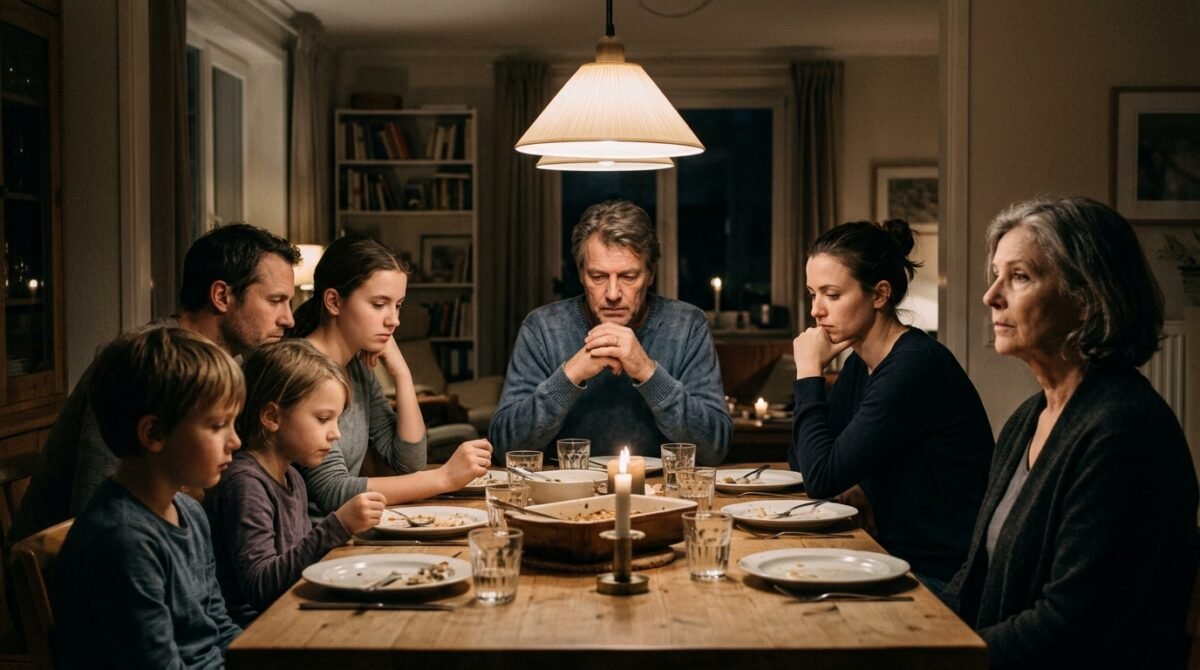
A month after the incident, we had our first family dinner without Linda. It was a quiet, almost eerie affair. The house felt too big, the silence too loud. We were all hyper-aware of the space she used to occupy. The empty chair wasn’t just a physical absence; it was a void that represented everything we had lost—our innocence, our trust, and our sense of security.
We didn’t talk about the case. We didn’t talk about the money. We talked about the weather, our jobs, and the mundane details of our lives. It felt like we were all walking on eggshells, afraid that if we spoke too loudly, the entire structure of our remaining family would crumble. It was a fragile, tender recovery, and we were all doing our best to hold it together.
“I miss who I thought she was. I don’t miss who she actually is. And I think that’s the hardest part—realizing you can miss a person who never really existed in the first place.” — My father, breaking the silence over dinner.
That one sentence captured the essence of our grief. We were mourning the loss of a version of Linda that had been crafted for our benefit, a version of her that we had loved and trusted. Coming to terms with the reality of her character was a process that couldn’t be rushed. We were all at different stages of acceptance.
My cousins, who had been the most vocal in their anger, were beginning to find a sense of humor about it. They joked about the ridiculousness of her ‘charity’ schemes, the absurdity of the fake names she used, and the sheer audacity of her lies. It was a coping mechanism, a way to reclaim some control over the situation by turning the nightmare into something manageable, something we could laugh at.
But the underlying sadness remained. We would never be the same family we were before that Christmas. The trust had been shattered, and while we were working to put the pieces back together, we knew that some things would never be restored to their original state. We were building something new, something tempered by the fire of our experience.
The Legal Battle And The Final Verdict

The court proceedings were long and grueling. Linda’s defense was predictably weak, trying to blame her actions on mental health and stress, but the evidence we had gathered—the texts, the bank records, the fake website—made it impossible for her to escape the consequences. The judge was stern, emphasizing the betrayal of trust that comes with exploiting family members for personal gain.
She was sentenced to time in prison, followed by a long period of restitution. It wasn’t a victory; it was a necessity. None of us felt happy when the verdict was read. We felt a sense of closure, yes, but it was a cold, hollow closure. We had gotten the justice we sought, but the price we paid was the final destruction of a family relationship that had spanned decades.
Throughout the trial, I was the one who had to testify, to explain the process of how I found the fraud. I felt like the person who had pulled the pin on the grenade, and it was a heavy burden to carry. But every time I saw my grandmother in the front row, I knew I had done the right thing. I was defending her, and that was worth every moment of the ordeal.
The courtroom was a sterile, impersonal place, a stark contrast to the warmth of the home where the betrayal had started. It was a place where facts were weighed, where truth was defined, and where the lines were drawn. It was the end of the line, the final stop on the journey we had been forced to take.
When it was all over, we walked out of the courthouse and into the bright, cold air of late winter. We didn’t celebrate. We didn’t talk about it. We just walked to our cars and drove home. The nightmare was over, but the reality of what had happened would stay with us for the rest of our lives. We were free, but we were also permanently changed.
Healing And Defining New Boundaries

Now, months later, our family dynamic has shifted in ways I never expected. We are more guarded, yes, but we are also more honest. We talk about things we never used to discuss—finances, boundaries, and the importance of being open with each other. We are building a foundation based on reality, not on the fragile, artificial structures we once relied on.
I have learned that love does not mean blind trust. It means caring for someone while also holding them accountable. It means protecting yourself and your family from those who would use your love as a tool for their own gain. It is a lesson that came at a high price, but it is one I will never forget.
We are still healing, and I suspect we will be for a long time. There are days when the anger flares up, when the memory of that Christmas dinner feels fresh and raw. But there are also days when we can look at each other and know that we are all we have, and that we are strong enough to survive even the worst of betrayals.
I’ve started a small, real charity in my community, one that is fully transparent and focused on local impact. It’s my way of reclaiming the idea of ‘giving back’ and turning the negative energy of the past into something positive. It’s not a grand, world-changing foundation, but it is real, it is honest, and it is something I can be proud of.
The lesson of the last year is simple: the truth will always come out, and when it does, it will either destroy you or set you free. We chose to be set free. We chose the hard, painful, necessary work of recovery, and in doing so, we found a strength we never knew we had.
Conclusion
Exposing my aunt was the most difficult thing I have ever done, but it was also the most important. It saved my family from years of continued manipulation and ensured that we were finally able to see the truth. The aftermath was a crucible, but we emerged on the other side with a clarity and a bond that we didn’t have before. We learned that the most dangerous deceptions are the ones that come wrapped in the guise of love, and that protecting the truth is a duty we owe to ourselves and those we care about.
The experience has taught me that we must never be afraid to question the things that don’t add up, even when it’s uncomfortable. We must value our own integrity over the comfort of status quo. The truth is never easy, but it is always the right path. As we look forward to the future, we do so with our eyes open, our values clear, and our hearts, while still scarred, finally ready to heal.
I want to hear from you. Have you ever been in a position where you had to choose between family peace and the truth? How did you handle the fallout? Let me know in the comments below, and let’s keep the discussion going. Your stories matter, and your experiences can help others navigate their own difficult truths.
What's your verdict on this dilemma?
Vote below to contribute to the official community consensus.

Have a Dilemma Keeping You Up at Night?
Share your real-life feud, wedding chaos, or relationship crossroads anonymously with our editorial team.
What do you think ?
0 Comments🛡️ Comments are moderated to protect community integrity. Your comment will appear once approved by the editorial team.