
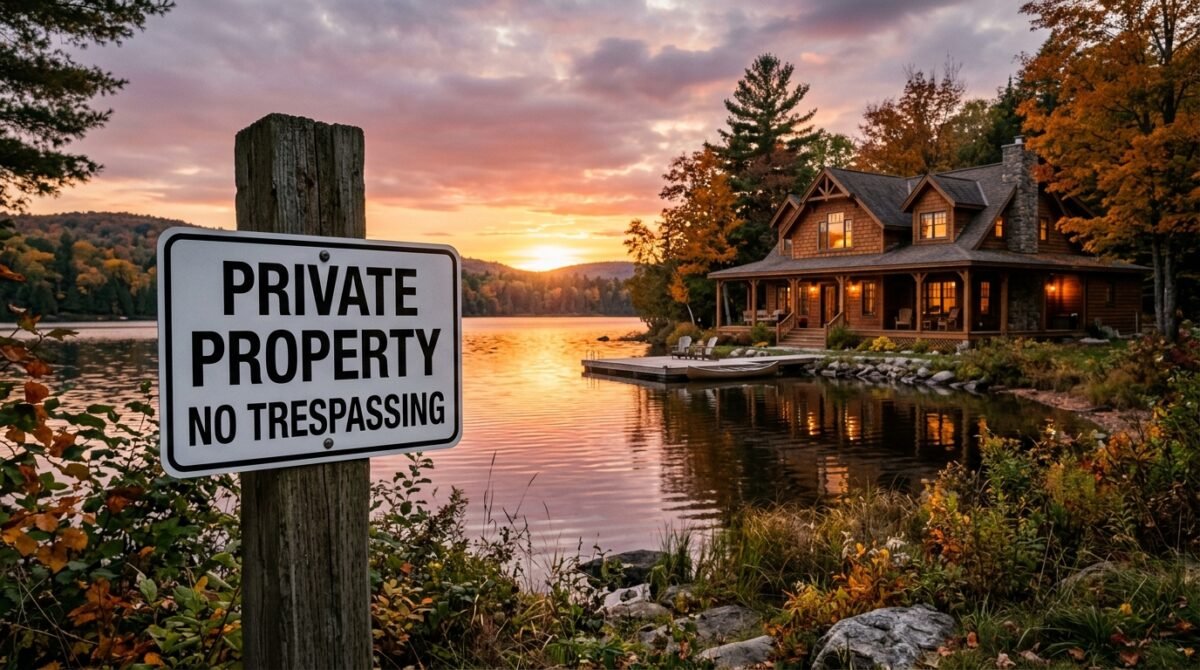
Inheritance is rarely just about assets; it is a ledger of affection, history, and perceived worth. When my grandfather passed away, he left the bulk of his estate to my parents, but he left the lake house—the place where we spent every summer of our childhood—entirely to me. He knew that I was the one who spent my weekends helping him mend the dock, clear the trails, and winterize the cabin while my brother, Mark, was off living his own life in the city.
For years, I treated the cabin as a sanctuary. It was my escape, a quiet place to work on my writing and process my own life. Then came the ‘real family’ argument. Mark, who had recently married and had two children, decided that his status as a father automatically superseded my rights as the legal owner. He didn’t ask to rent it; he didn’t ask to borrow it. He declared it his by right of reproduction.
The tension didn’t start with a bang; it started with a slow, grinding friction. It began with unannounced visits, moved to subtle attempts to change the locks, and culminated in a full-blown demand that I transfer the deed into his name to ‘protect his children’s future.’ I stood my ground, but doing so turned the rest of my family against me. They labeled me selfish, cold, and a childless person who didn’t ‘understand what it’s like to provide.’
This is the story of how I stopped being the family doormat. It’s a story of legal battles, broken family ties, and the moment I finally decided to put up the signs that sent my brother into a spiral of rage. If you think family blood is thicker than water, wait until you see how quickly it boils when property is involved.
The Will That Sparked the War

When the lawyer read the will, the room was stiflingly hot. My grandfather had been a man of few words but clear intentions. He had seen how Mark lived—flippant with money, prone to changing jobs, and perpetually looking for a handout. Meanwhile, I was the one who had stayed close. I had been the one to drive Grandpa to his appointments and ensure the lake house didn’t fall into disrepair during the brutal winters.
When the clause regarding the ‘property at Blackwood Lake’ was read, Mark didn’t even wait for the probate process to begin. He turned to me, his face a mask of disbelief and barely contained rage. The air in the office grew thin. The lawyer tried to maintain professionalism, but the tension was palpable enough to cut with a knife.
“You have to be kidding me. He gave the house to the one who doesn’t even have a family to fill it? I have two kids, Dave. Two children who need fresh air, not an apartment in the city. You’re going to let that place sit empty while my kids grow up on concrete?”
— Mark, in the lawyer’s office
I tried to remain calm. I explained that it wasn’t about denying his kids access, but about the ownership. I told him he was welcome to visit, but the house belonged to me. He laughed, a hollow sound that signaled the end of our brotherly dynamic. That day, I realized he didn’t view me as a person anymore; I was just an obstacle between him and a prime piece of real estate.
The following weeks were filled with ‘casual’ suggestions. My mother called me daily, trying to guilt-trip me into ‘sharing’ the title. She argued that since Mark had a ‘real family,’ he had more of a moral claim to the property. It was the first time I realized how deep the bias went. To them, my life as a single professional was merely a placeholder, while Mark’s life was the ‘real’ one that deserved subsidization.
I kept the keys, I kept the deed, and I kept my mouth shut—at first. But as the summer approached, the phone calls turned into demands. They weren’t asking for a weekend; they were asking for total access, wanting the security codes to the gates and the right to host guests without my permission. I held firm, but the pressure was starting to weigh on me.
The 6:00 AM Kitchen Intrusion
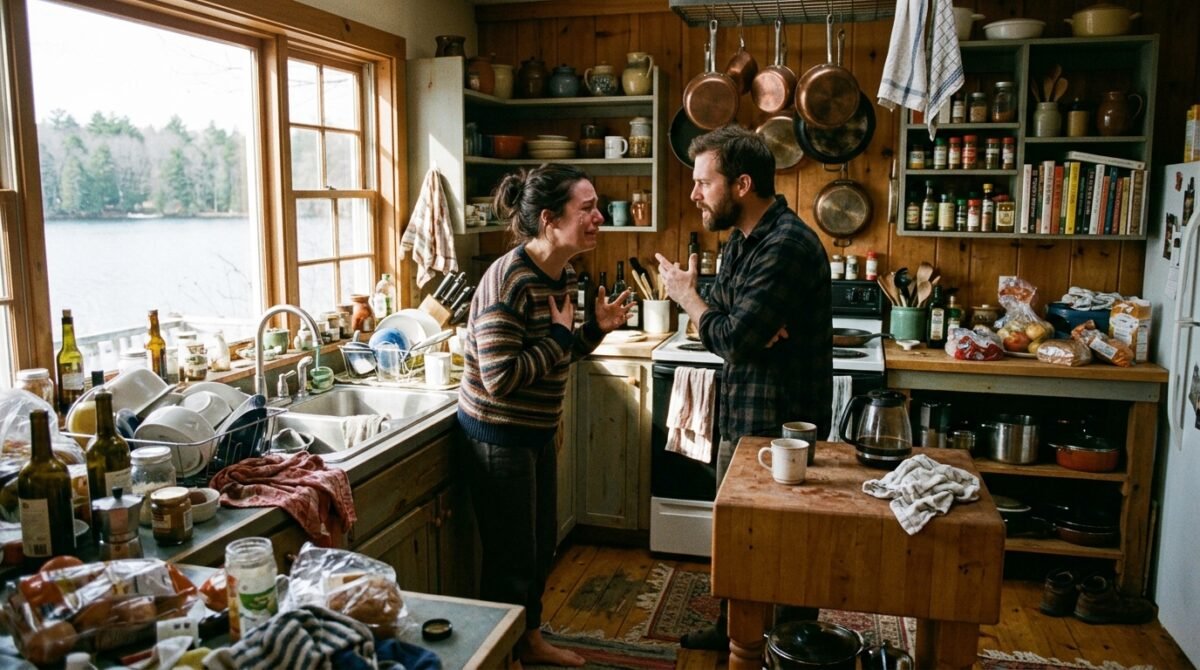
The first sign that things were spiraling out of control was the morning I woke up to the smell of burnt toast in my own kitchen. I was staying at the lake house for a long weekend, expecting peace. Instead, I walked downstairs to find my brother, his wife, and their two children making themselves at home. They hadn’t even called. They had managed to get a spare key from our mother, who had lied about ‘needing to check the pipes.’
I stood at the bottom of the stairs, still in my pajamas, watching them unpack groceries into my cabinets. It felt like a violation of my very soul. Mark looked up, not with shame, but with an expectant grin. He acted as if I should be grateful that he brought them to ‘liven up the place.’ I didn’t say good morning. I asked them to leave immediately.
“Are you serious, Dave? It’s six in the morning. We just drove three hours. The kids are hungry. You’re really going to kick your own nieces and nephews out onto the porch because you want to play king of the castle?”
— Mark, while unloading groceries
The argument that followed was explosive. My sister-in-law started crying, claiming they had nowhere else to go for the weekend. I pointed out that they had a perfectly fine house in the city and that they had broken into my home. I didn’t care about their excuses. I called the local sheriff’s deputy, who was a friend of my grandfather’s, to let him know I had uninvited guests.
Mark eventually packed up, but not before screaming that I was dead to him. He left behind a trash-filled kitchen and a sense of dread. I realized then that boundaries were not things I could just ‘set’—I had to defend them with iron. I changed the locks that afternoon, and I didn’t give a key to my mother or anyone else in the family.
The drive home was quiet, but my phone was blowing up with messages from my extended family. They were all calling me cruel. My aunt, whom I barely spoke to, sent me a long-winded text about how family comes first. I realized that to them, my rights didn’t matter. Only their comfort did. I started to block numbers, one by one.
The Leaked Group Chat
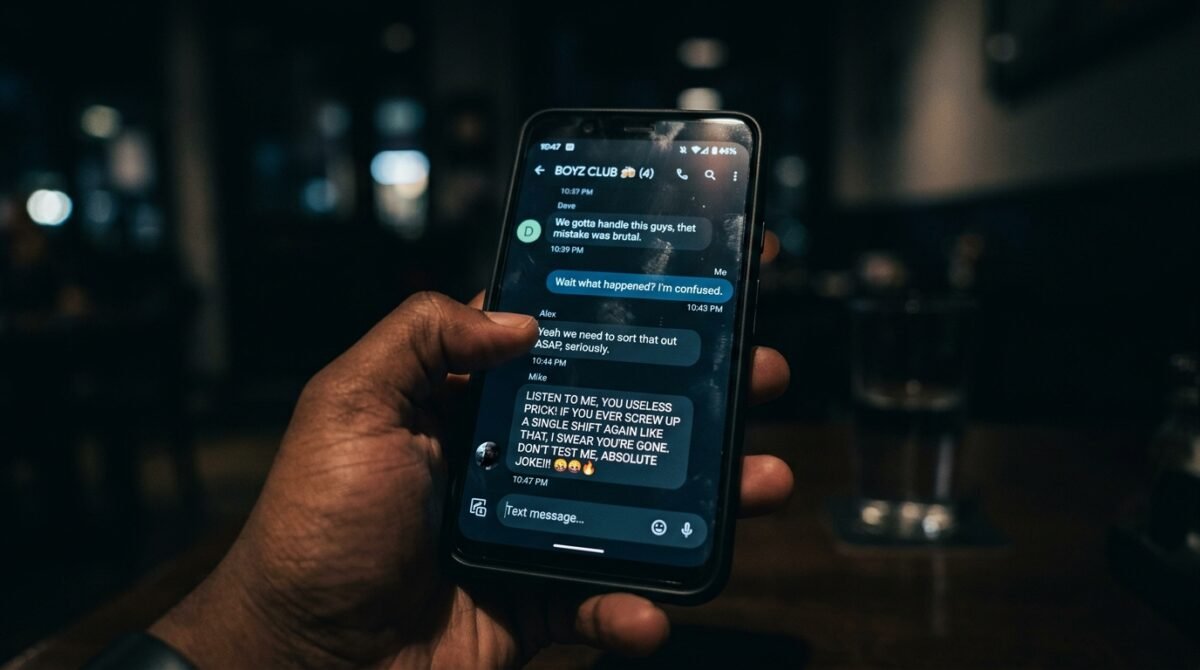
A few days later, a cousin added me to a group chat. It was clearly a mistake—they thought I was already in the loop or were trying to force a confrontation. I saw the messages before I could mute the notifications. They were planning a ‘takeover’ of the lake house for the Fourth of July, regardless of whether I was going to be there. They called me ‘the selfish bachelor’ and mocked my lack of a ‘real life.’
“If he wants to play landlord, he can deal with us showing up and squatting for the holiday. He won’t call the cops on family, and if he does, he’ll look like the monster in front of everyone. It’s time we take what’s ours.”
— Text message from the family group chat
I screenshotted everything. I didn’t reply to the chat. I just exited it. I felt a weird sense of clarity. They weren’t just entitled; they were malicious. They didn’t see the house as a legacy; they saw it as a free resort they were being denied. I decided that if they wanted a war, I would give them a legal one.
I contacted a real estate attorney and had a formal notice drafted. I wasn’t just going to tell them no anymore. I was going to make it clear that any attempt to enter the property would be treated as criminal trespassing. It felt cold, but it was the only way to protect my peace. I sent the letter via certified mail to Mark and my parents.
The response was immediate. My mother called, crying hysterically, asking why I had to involve lawyers. She claimed I was destroying the family over a ‘piece of wood.’ I told her it wasn’t about the wood; it was about the lack of respect. She couldn’t understand. To her, my boundaries were just an inconvenience to be managed.
I started noticing that my friends were the only ones who supported me. They saw the pattern—my family had always taken from me, and the moment I said ‘no,’ I became the villain. I began to distance myself from the family gatherings, finding solace in my own space. The house became my fortress, and I was finally starting to feel at home there again.
The ‘No Trespassing’ Signs
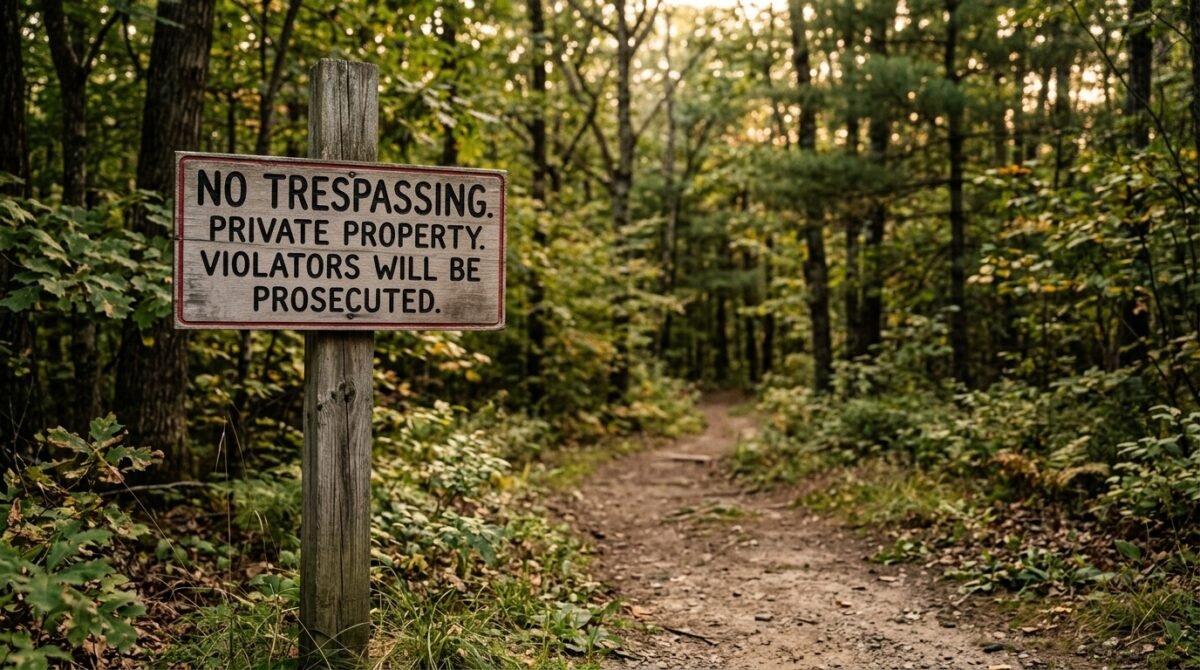
The final straw was the arrival of the signs. I ordered custom-made, heavy-duty ‘No Trespassing’ and ‘Private Property’ signs. I spent an entire weekend installing them along the perimeter of the property, especially along the main driveway and the shoreline access points. It was a visceral act of defiance. I wasn’t doing it just to keep them out; I was doing it to make a statement.
When Mark drove up the following weekend, he couldn’t get past the gate. He stood in front of the ‘No Trespassing’ sign, staring at it like it was a personal insult. He tried to call me, but I didn’t pick up. He eventually left, but not before screaming at the top of his lungs for me to come out. I watched from the upper window, feeling nothing but a profound sense of relief.
“You think this stops us? You’re a coward, Dave! You’re hiding behind a sign because you know you don’t deserve that house. You’re just a bitter, lonely person who wants to see us suffer.”
— Mark, screaming from the property line
I went back to my reading. I didn’t engage. The silence of the house was more precious to me than the approval of my family. I had realized that I didn’t owe them my happiness, my property, or my sanity. The ‘real family’ argument was nothing more than a weaponized narrative to make me feel small, and I refused to accept it anymore.
My siblings-in-law sent messages claiming the kids were ‘traumatized’ by the signs. I replied once: ‘The only thing traumatizing them is your inability to respect boundaries.’ I didn’t get a response. I think for the first time, they realized I wasn’t playing the game their way. I was done being the person who sacrificed their own needs to keep the peace.
I spent that summer working on the house, fixing the dock, and painting the trim. It was hard work, but it was *my* work. Every nail I drove into the wood felt like a reclamation of my independence. The family stayed away, which was exactly what I wanted. I was alone, but I was not lonely. I was free.
The Community Weighs In
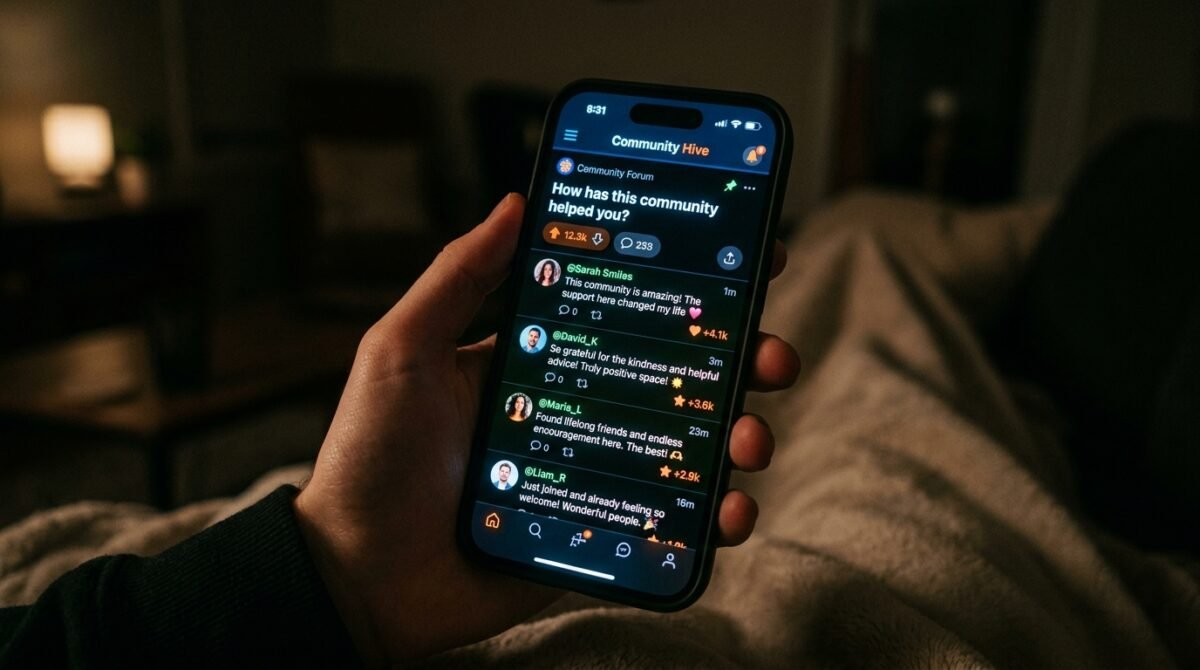
When I finally posted about the situation on an anonymous forum, the response was overwhelming. Thousands of people reached out, sharing their own stories of inheritance disputes and boundary-breaking relatives. It was validation in a way I hadn’t expected. The consensus was clear: I was not the villain, and my boundaries were not just reasonable—they were necessary.
“OP, you are NTA (Not The Asshole). The fact that your brother thinks his ‘family’ status grants him property rights is pure entitlement. If he wanted a lake house, he should have worked for it. Stay strong, keep the signs up, and keep the locks changed.”
— u/PropertyRightsAdvocate (Top Comment, 28.5k upvotes)
The variety of responses was fascinating. Some people shared legal advice on how to protect the property further, while others gave me emotional support. I realized that my situation wasn’t an isolated incident; it was a symptom of a broader societal issue where people feel entitled to the assets of their relatives, especially if they have children. The ‘family value’ card is often played to manipulate those who don’t fit the traditional mold.
There were a few people who argued that I should just ‘let them come for holidays,’ but they were quickly drowned out by others who had been through the same thing. They explained that once you give an inch, these types of people take a mile. The entitlement doesn’t stop at a weekend visit; it leads to them feeling like they have a say in your finances and your life choices.
I felt a deep sense of gratitude for the strangers who supported me. They helped me realize that my family’s opinion of me was not an objective truth. It was a reflection of their own desires and their inability to see me as an independent adult. I stopped caring if they thought I was the ‘bad guy’ in the story, because I knew the truth.
I started using the forum as a way to process my feelings. Every time my family tried a new tactic to get access, I would write about it, and the community would help me stay focused. They gave me the strength to maintain my boundaries even when the guilt started to creep in. I was no longer fighting alone.
The Legal Threat
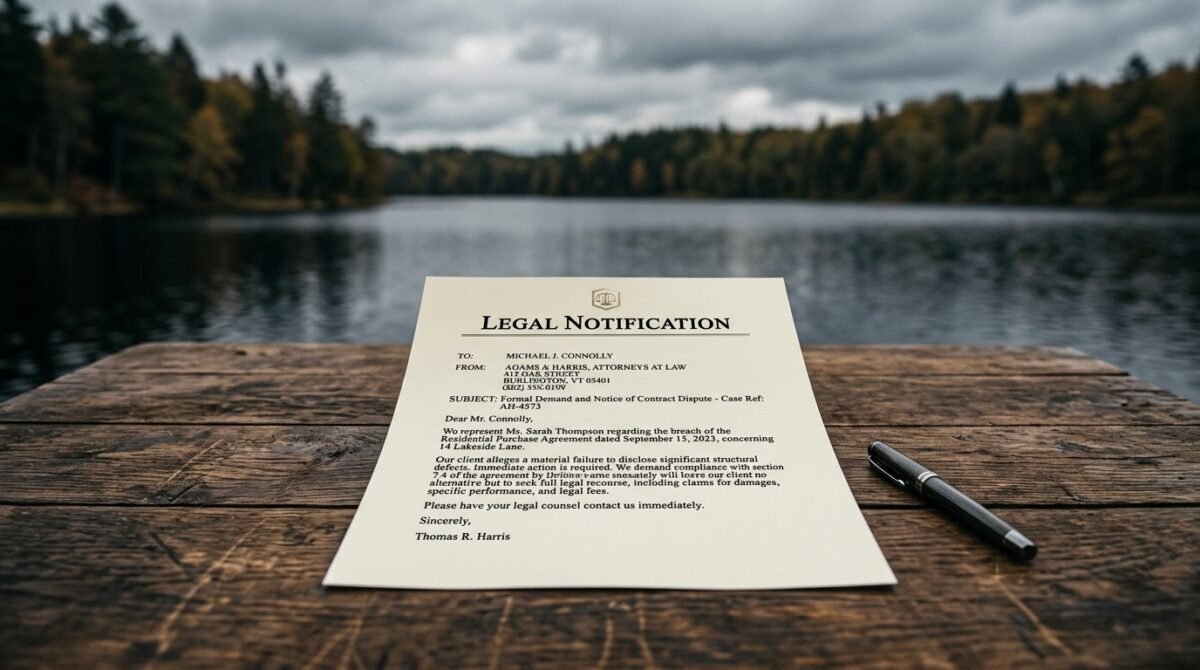
A few months later, I received a formal letter from a law firm representing my brother. They were claiming that there was a ‘verbal agreement’ or an ‘implied trust’ that the lake house would be shared among the siblings. It was a desperate attempt to bully me into giving up the property. I laughed when I read it. My grandfather was a meticulous man; he left everything in writing.
I sent the letter to my own attorney, who called me immediately to tell me not to worry. He explained that my brother had no standing. The will was ironclad, and there was no evidence of any ‘verbal agreement.’ It was just another attempt to intimidate me into submission. I felt a surge of pride that I had taken the steps to protect myself early on.
“This letter is baseless. Your brother is grasping at straws because he knows he has no legal claim. Do not respond to him directly. Let me handle it. Keep your doors locked and continue with your life.”
— My Attorney, during a phone call
The ‘lawsuit’ never materialized. It was nothing more than a scare tactic, a way to make me think I was on shaky ground. It reinforced the idea that my family was willing to spend money and time just to spite me. It wasn’t about the house anymore; it was about control. They couldn’t stand the fact that I was winning.
I spent the afternoon at the lake, just sitting on the dock and looking out at the water. It was the most peaceful I had felt in years. I realized that I had already won. I had the house, I had the legal protection, and most importantly, I had my life back. The money I was spending on lawyers was a small price to pay for my peace of mind.
My family stopped calling as much after the lawyer’s letter incident. I think they realized I wasn’t going to break. The silence was, for once, welcome. I was finally able to enjoy the house without looking over my shoulder for unexpected visitors or waiting for the next demand to arrive.
The Turning Point

It has been a year since the ‘No Trespassing’ signs went up. My family has largely ostracized me, but I have found a new, chosen family among my friends. The house has become a gathering place for the people who actually respect me. We host cookouts, we fix the dock together, and we enjoy the sunset without any hidden agendas or demands.
I see my brother occasionally at family events that I only attend out of courtesy, but we barely speak. There is a coldness there, but it no longer hurts. I have accepted that we are just two different people with two different values. He values what he can take; I value what I can nurture. We were never going to see eye-to-eye.
“I don’t need your approval to live my life. You think you’re the one who’s ‘winning’ because you have a family, but you’re just looking for things to control. That house is mine, and it will remain mine until I decide otherwise.”
— My final, calm response to my brother at a family gathering
The peace I have found is indescribable. I no longer feel the need to explain myself to anyone. I know that I am the rightful owner of the house, and I know that I have acted with integrity. The conflict has changed me—I am more assertive, more protective of my time, and more selective about who I let into my life.
I don’t regret putting up the signs. They were the physical manifestation of the boundary I had drawn in my heart. They kept out the negativity, the entitlement, and the chaos. They gave me the space to be myself, and that is a gift that no amount of money or family pressure can replace.
I am looking forward to the future. I am considering renovating the cabin, adding a studio, and making it even more of a sanctuary. I know that my family will continue to judge me, but it doesn’t matter anymore. I have a home, I have a life, and I have the strength to stand my ground. And that is enough.
The Reality of Inheritance
Inheritance is a complex issue. When people say ‘blood is thicker than water,’ they often use it to excuse behavior that would be considered abusive in any other context. But the reality is that family should not be a free pass for disrespect. If a family member can’t respect your boundaries, they don’t deserve access to your life or your assets, regardless of their family status.
I think about my grandfather often when I’m at the lake house. He was a smart man, and I think he knew exactly what he was doing. He left the house to me because he knew I would value it, and he knew that my brother would try to use it for his own gain. He didn’t just give me a house; he gave me a test of character, and I am proud that I passed.
“The house was never just a building. It was a place for those who truly appreciated the quiet. You were the only one who ever really understood that, Dave. Don’t let anyone take that away from you.”
— A memory of my grandfather’s words
I hope that by sharing my story, others who are going through similar situations will know that they are not alone. It is easy to feel like the ‘bad guy’ when your family is ganging up on you, especially when they use emotional manipulation to make you feel guilty. But you have a right to your own life and your own property.
Don’t be afraid to set boundaries. Don’t be afraid to say ‘no.’ Don’t be afraid to involve professionals if you need to. Your peace of mind is worth more than any family tradition or expectation. And if your family truly loves you, they will respect your decisions, even if they don’t agree with them.
I am at peace with my choice. I am at peace with the distance it has created. And I am finally, truly at home. The lake house is not just a place of wood and stone; it is a monument to my independence, and I will protect it as long as I draw breath.
Moving Forward
As I look toward the next season of my life, I am filled with a sense of optimism. I am planning to host a writing retreat at the lake house, inviting fellow artists who will respect the space and the tranquility I have worked so hard to preserve. It’s a way to give back, to share the beauty of the property with people who actually care about its history and its spirit.
I have learned that it is possible to survive family trauma and come out the other side stronger. It takes time, it takes courage, and it takes the willingness to walk away from people who don’t have your best interests at heart. But it is worth it. The person I am today is far more capable and confident than the person I was a year ago.
“You’ve changed, Dave. You’re not the same person who used to let everyone walk all over them. I’m proud of you for standing up for yourself. It was a long time coming.”
— A friend’s encouragement during a recent visit
I am also working on my own family. I want to build a life that is based on mutual respect and genuine care, not on obligation or entitlement. I want to be the kind of person who respects the boundaries of others, and I want to be surrounded by people who do the same. This experience has given me a template for what I want my future to look like.
I’ve also begun a savings plan to ensure the house stays in my family’s legal possession for generations to come. I’m looking into land trusts and other legal structures that will prevent any future disputes. I want to make sure that the house remains a place of peace, no matter what happens in the future.
If you are in a similar situation, remember: you are not alone. There are people who understand, and there are ways to protect yourself. Stay strong, keep your boundaries clear, and never let anyone tell you that your life is less important than theirs. Your story is yours to write, and you have the right to choose the ending.
Lessons from the Lake
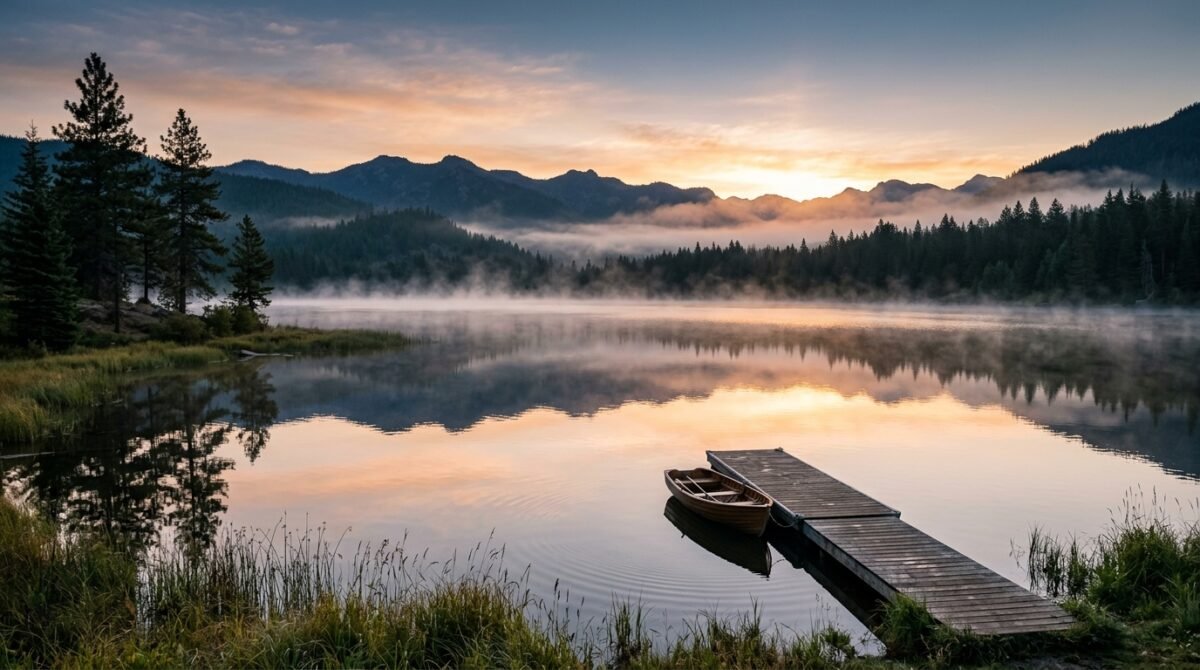
The lake has taught me a lot about patience and resilience. It changes with the seasons, it endures the storms, and it remains beautiful through it all. I have learned to do the same. I have learned that I can endure the ‘storms’ of family conflict and still come out on the other side, refreshed and renewed.
I’ve also learned that the most important relationship you have is the one with yourself. If you don’t respect your own needs, no one else will. By putting up those ‘No Trespassing’ signs, I wasn’t just telling my brother to stay away; I was telling myself that I was worth protecting. It was the most important lesson I’ve ever learned.
“The most important boundary you will ever set is the one that protects your own peace. Don’t ever apologize for wanting to live your life on your own terms.”
— A quote I keep on my desk
I don’t know what the future holds, but I know that I am ready for it. I have the tools, I have the experience, and I have the strength. I am no longer the person who waits for approval. I am the person who creates their own happiness, and I am the person who defines their own boundaries.
I hope that my story encourages you to look at your own life and see where you might need to set your own ‘No Trespassing’ signs. Maybe it’s not a lake house; maybe it’s your time, your energy, or your emotional space. Whatever it is, know that you have the right to protect it. You are the architect of your own life.
Thank you for listening. Your support has meant more to me than I can say. And if you ever find yourself at the lake, remember: the signs are there for a reason, but the view is worth it for those who respect the peace.
Conclusion
Inheritance disputes are rarely just about the items in question. They are about power, perception, and the hidden dynamics that often exist beneath the surface of a family. In my case, the lake house became a battleground for my brother’s sense of entitlement, but it also became the platform for my own liberation. By enforcing my boundaries, I didn’t just protect my property; I reclaimed my autonomy.
The path forward was not easy. It required cutting ties with toxic family members, investing in legal protections, and weathering the storm of public opinion. However, the result is a life that is truly mine—a life free from the weight of expectations and the burden of constantly needing to prove my worth. For those of you currently navigating similar family dramas, remember that your worth is inherent and your boundaries are not negotiable.
What about you? Have you ever had to draw a line in the sand with family over property or expectations? How did you handle the backlash, and what did you learn about your own resilience? Let us know in the comments below, and share your experiences of finding your own peace amidst family chaos.
What's your verdict on this dilemma?
Vote below to contribute to the official community consensus.

Have a Dilemma Keeping You Up at Night?
Share your real-life feud, wedding chaos, or relationship crossroads anonymously with our editorial team.
What do you think ?
0 Comments🛡️ Comments are moderated to protect community integrity. Your comment will appear once approved by the editorial team.