

I have always been a cinephile. My basement was the canvas for my life’s passion project: a professional-grade home theater complete with 4K projection, a Dolby Atmos sound system, and velvet-lined soundproofing. It cost me nearly forty thousand dollars, a sum I saved for three years by working double shifts and skipping vacations. When I met Mark, he seemed to share my love for cinema. He moved in six months ago, and for a while, it felt like the perfect partnership. I thought I had found someone who respected my boundaries as much as he respected the immersive quality of a good film.
The trouble began slowly, like a subtle distortion in a soundtrack that you only notice once it’s too late. I started finding bags of popcorn in the trash that I hadn’t bought. I noticed soda cans in the recycling bin that I certainly didn’t drink. At first, I assumed Mark was just being a bit messy, or perhaps he was hosting a few friends for the game. But then the frequency increased. My pristine, velvet-lined theater started showing signs of wear: a sticky patch on the floor, a scuff on the leather, and the lingering, stale scent of cheap snacks that I despised.
The moral dilemma here wasn’t just about the mess or the lack of consideration; it was about the fundamental violation of my sanctuary. I had set a firm rule: the theater was for us, and on special occasions, it was for close friends I invited over personally. Mark knew this. He told me he understood. Yet, every time I came home from work, the vibe in the house felt different, as if the air had been recently occupied by a crowd. I felt like a stranger in my own home, slowly being pushed out by an invisible, paid audience.
What I didn’t know was that while I was grinding away at the office to pay the mortgage and the electric bill that fueled that theater, Mark was busy building a side hustle. He wasn’t just ‘having friends over.’ He was selling tickets. He had turned my sanctuary into a commercial enterprise, effectively treating my private investment like his own personal cash cow. The discovery didn’t come from a confession; it came from a slip-up that destroyed my trust in the span of a single, agonizing afternoon.
The Sticky Secret of the Blue Velvet Recliner

It started on a rainy Tuesday. I had come home early because of a migraine, hoping to collapse into my favorite seat and lose myself in a classic black-and-white film. As I descended the stairs to the basement, I noticed something immediately off. The heavy, soundproof door was unlocked—a rule I had strictly forbidden. The room felt warm, stuffy, and smelled faintly of cheap nacho cheese and desperation.
I walked toward the center aisle, and my heart sank. One of the leather recliners was reclined at an odd angle, and there, sitting right on the armrest, was a crumpled five-dollar bill. I stared at it for a moment, wondering if it had fallen out of Mark’s pocket. But then I looked at the side table. There was a small, crudely handwritten sign taped to the bottom of the coaster: ‘Admission: $10. Includes snacks.’ My blood went cold.
I stood there for a long time, the silence of the basement amplifying the pounding in my head. Was this a prank? Was he trying to be funny? I looked around the room, noticing more details now: a pile of discarded snack wrappers in the corner, a half-empty soda bottle under the seat, and the distinct feeling that this wasn’t the first time this had happened. My sanctuary had been turned into a bargain-bin cinema, and I had been the oblivious patron of my own misery.
“I honestly couldn’t believe my eyes. It wasn’t just that he had people over; it was the sheer audacity of charging them to sit in my furniture, using my electricity, in my house. It felt like a violation of every boundary I had ever established.”
I didn’t confront him right away. I needed to see if I was overreacting or if the scale of this operation was as massive as I feared. I went back upstairs, feeling nauseous. I cleaned up the evidence, keeping the five-dollar bill as a piece of ‘evidence,’ and waited for him to come home. I felt a strange sense of detachment, as if I were watching a movie about someone else’s life, waiting for the plot to hit its inevitable, devastating climax.
The Evidence in the Unlocked iPhone
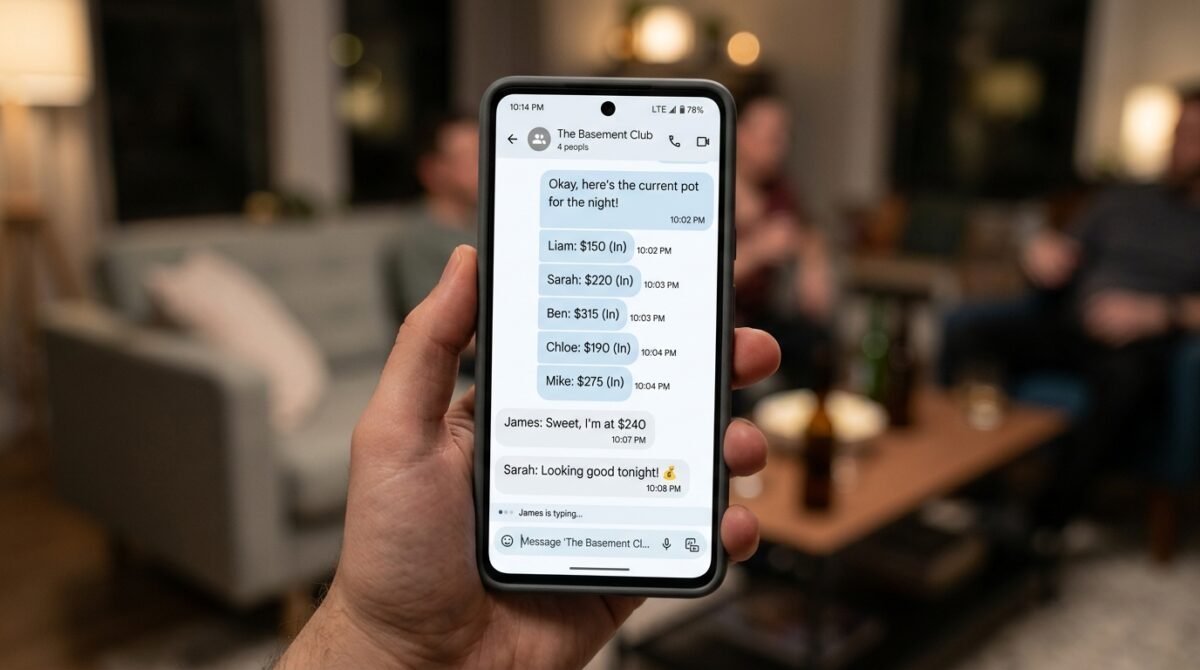
That evening, Mark returned home whistling, completely oblivious to the fact that his illicit cinema operation had been compromised. He walked right past me, heading for the kitchen. I stayed in the living room, gripping the five-dollar bill in my hand. I knew I couldn’t just accuse him; he would gaslight me, call me paranoid, and turn the whole thing around. I needed irrefutable proof. I needed to see the communications that fueled this absurdity.
Luck, or perhaps bad karma, was on my side. Mark had left his phone on the kitchen counter while he went to shower. I hesitated for only a second. I had never gone through his phone before, but I felt a primal urge to protect my home and my sanity. I unlocked it with the passcode I had known for months, and went straight to his messages. I didn’t have to look far. There was a group chat titled ‘The Basement Club.’
The chat was active. It had over fifteen members. I scrolled back through the messages, my skin crawling with every word. ‘New movie lineup for Friday!’ one message read. ‘Mark says we can show the new blockbuster if we get at least ten people to pay the twenty-dollar cover fee.’ The replies were casual, as if this were a normal, legitimate business. ‘I’m in for two tickets,’ another person wrote. ‘Can we get extra popcorn this time? The butter machine was broken last week.’
“Yo, Mark, is the screen ready for tonight? I’ve got three guys coming over, and we’ve got the cash ready. Make sure the AC is cranked up, it got hot last time.”
— ‘The Basement Club’ Group Chat
I felt the breath leave my lungs. He wasn’t just hosting a couple of friends; he was running a rotation. He had a schedule, a price list, and a list of ‘customers’ who expected high-quality service in a room I built with my own savings. He was using my home, my equipment, and my money to build a reputation as the coolest guy in the neighborhood, all while charging people to access my private space. It was the ultimate betrayal of trust.
The Confrontation in the Kitchen
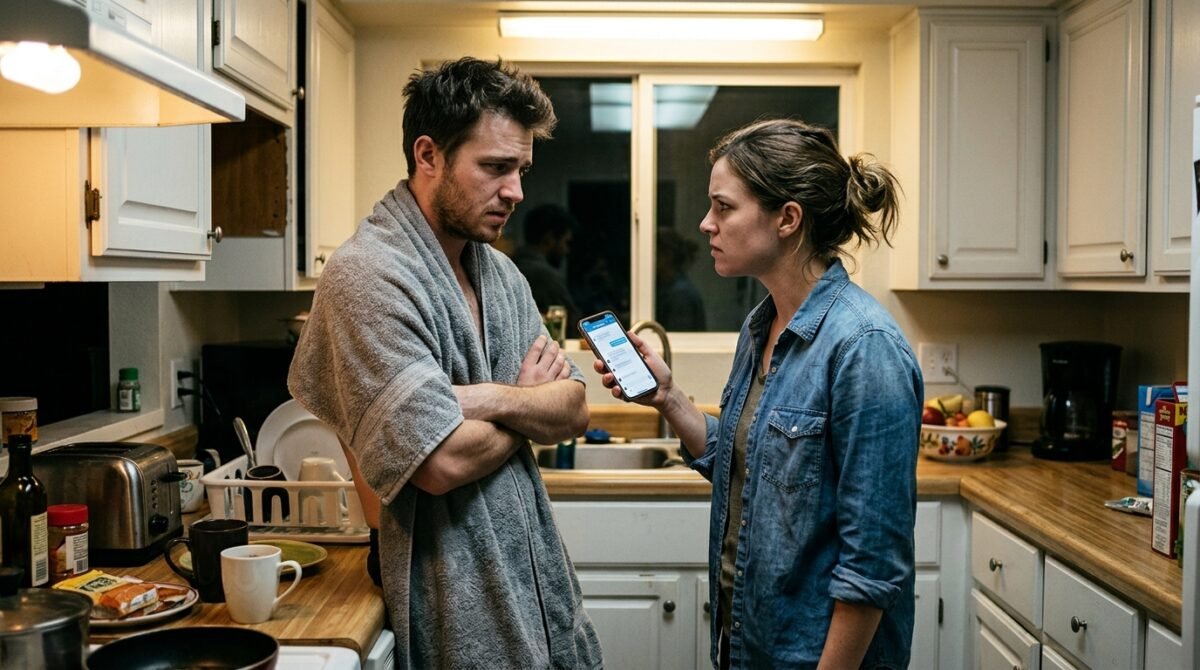
When Mark emerged from the shower, he was still wearing a towel, humming a tune. He walked into the kitchen and saw me standing there, his phone in my hand. The look on his face shifted from casual relaxation to sheer panic in a fraction of a second. He stopped dead in his tracks, his eyes darting from my face to the phone. He knew immediately that the game was up.
I didn’t scream. I didn’t throw things. I held the phone out toward him, my hand steady. ‘The Basement Club?’ I asked, my voice dangerously calm. ‘Is that what we’re calling it now? A club? You’ve been selling tickets to my home theater, Mark. You’ve been charging people to come into our house and use my property while I’m at work.’
He tried to laugh it off at first. ‘Babe, it’s not what you think. It’s just, you know, a way to help with the utility bills. I thought you’d be happy that I was being entrepreneurial. We’ve been talking about saving for that vacation, right? I was just trying to contribute. It’s just a few friends, really, it’s not like it’s a public theater or anything.’
“You call this ‘contributing’? You used my forty-thousand-dollar home theater as a ticket booth behind my back. You treated my privacy like a commodity. This isn’t entrepreneurship, Mark. This is theft. You were stealing my peace and selling it to strangers.”
He stood there, trying to look hurt, trying to flip the script and make me look like the unreasonable, controlling partner. But his eyes gave him away. He was worried about the money, about the ‘business’ he had built, not about the fact that he had lied to me for months. He looked like a child caught with his hand in the cookie jar, and I realized in that moment that I didn’t love this man. I didn’t even respect him.
The Financial Breakdown of a Lie
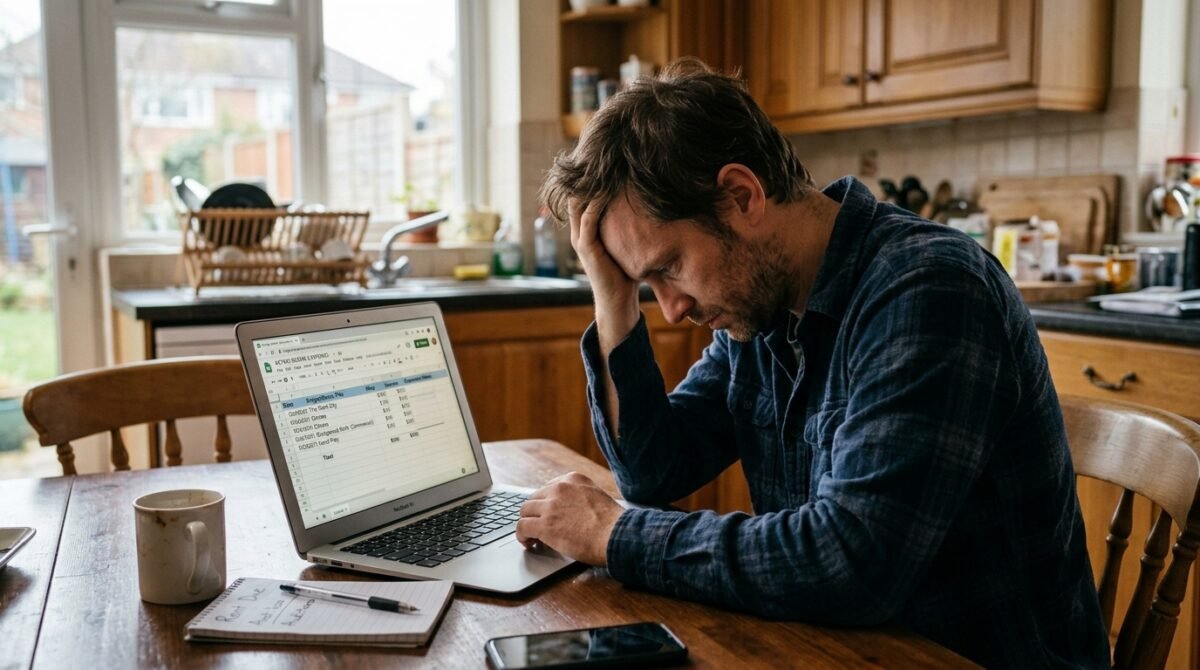
I forced him to sit down at the kitchen table and open his Venmo and CashApp accounts. I wanted to see exactly how much money he had made. The numbers were staggering. Over the past three months, he had cleared over three thousand dollars. It wasn’t just a few friends; it was a revolving door of acquaintances, coworkers, and neighborhood kids. He had been running this ‘operation’ three to four nights a week.
He claimed he had ‘expenses.’ He had bought bulk popcorn, soda, and candy, which he kept in the garage so I wouldn’t see. He had even spent some of the ‘profit’ on a new projector bulb because he had been overusing the one I bought. The irony was so thick it was suffocating. He was using the money he made from exploiting my theater to maintain the theater he was exploiting.
I looked at the transactions. Names I didn’t recognize. Amounts ranging from ten to fifty dollars. He had been keeping a spreadsheet, a literal, digital record of his betrayal. As I read through the entries—’Friday Night Screening – 6 people – $120’—I felt like I was reading a crime log. He had turned my home into a black-market venue, and he had treated it like a legitimate business venture.
| Date | Description | Income |
|---|---|---|
| Oct 12 | Action Movie Marathon | $150 |
| Oct 18 | Horror Night | $80 |
| Nov 03 | Documentary Screening | $40 |
| Nov 14 | Comedy Double Feature | $200 |
The total was sickening. He wasn’t just ‘helping with the bills.’ He was pocketing the money, paying for his own nights out, his own hobbies, and his own clothes. He had been living a secret life, funded by the very thing I held most dear. When I asked him where the money went, he couldn’t give me a straight answer. It had just ‘disappeared’ into his general spending account. It was the ultimate display of entitlement.
The Friends Who Didn’t Care
The next day, I didn’t go to work. I spent the day cleaning out the garage, getting rid of the bulk snacks and the equipment he had hidden away. I felt a strange, cold clarity. I knew my relationship with Mark was over, but I also realized that my ‘community’—the people he had been inviting over—were just as culpable. They knew this was my house. They knew I hadn’t invited them. Yet, they paid up and walked in anyway.
I reached out to one of the people in the group chat, someone I had considered a casual acquaintance. I asked them point-blank why they thought it was okay to pay Mark to watch a movie in my basement. Their response was infuriating. They didn’t see it as a violation; they saw it as a ‘service.’ They thought Mark had my permission, and even if they had doubts, they didn’t care because the price was right and the theater was ‘cool.’
“Honestly, Mark told us it was all cleared with you. We thought you were in on it, like a side hustle for the house. Why would we think he was lying to us? He acted like he owned the place.”
— Excerpt from a DM with one of the ‘customers’
The realization hit me: it wasn’t just Mark. It was an entire culture of entitlement. People had walked into my home, sat on my furniture, eaten my snacks, and paid a man who didn’t own the place to do so. They were accomplices to the degradation of my home. I blocked every single one of them. I didn’t want them in my life, and I certainly didn’t want them in my house.
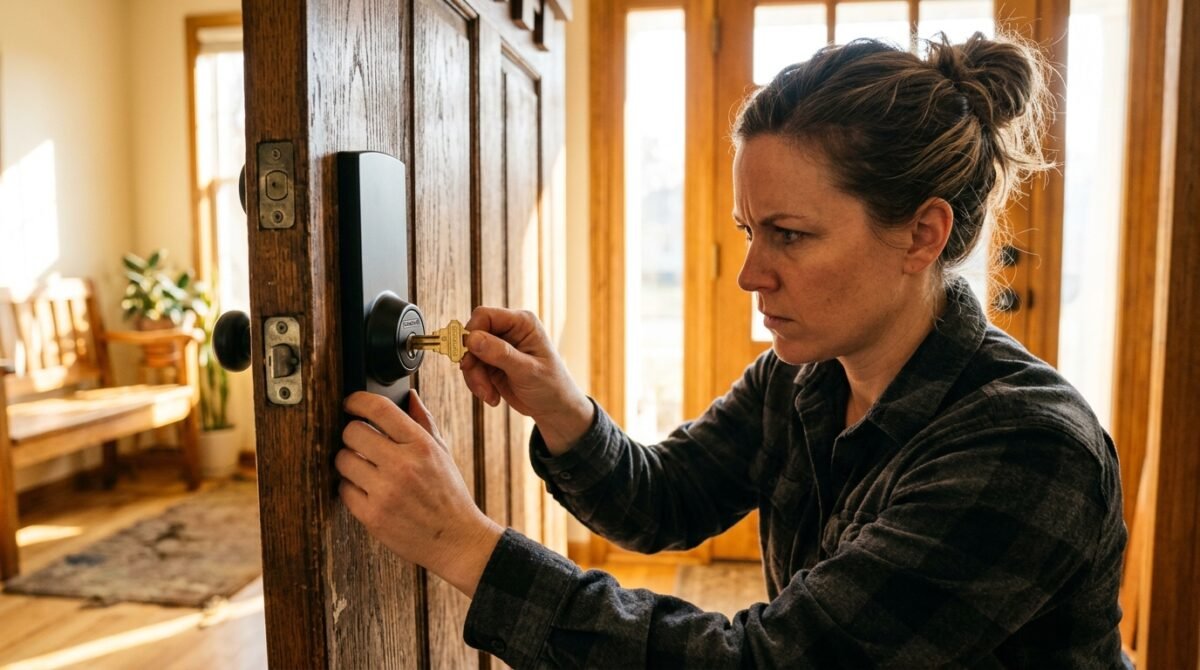
I spent the afternoon changing the locks. It was a small act, but it felt incredibly significant. I was locking the door to my past and to the people who had disrespected my boundaries. I didn’t tell Mark I was changing the locks; I just did it. I wanted to make sure that when he came back to collect his things, he wouldn’t be able to just waltz in and expect me to talk it out.
The Great Exit of a Con Artist
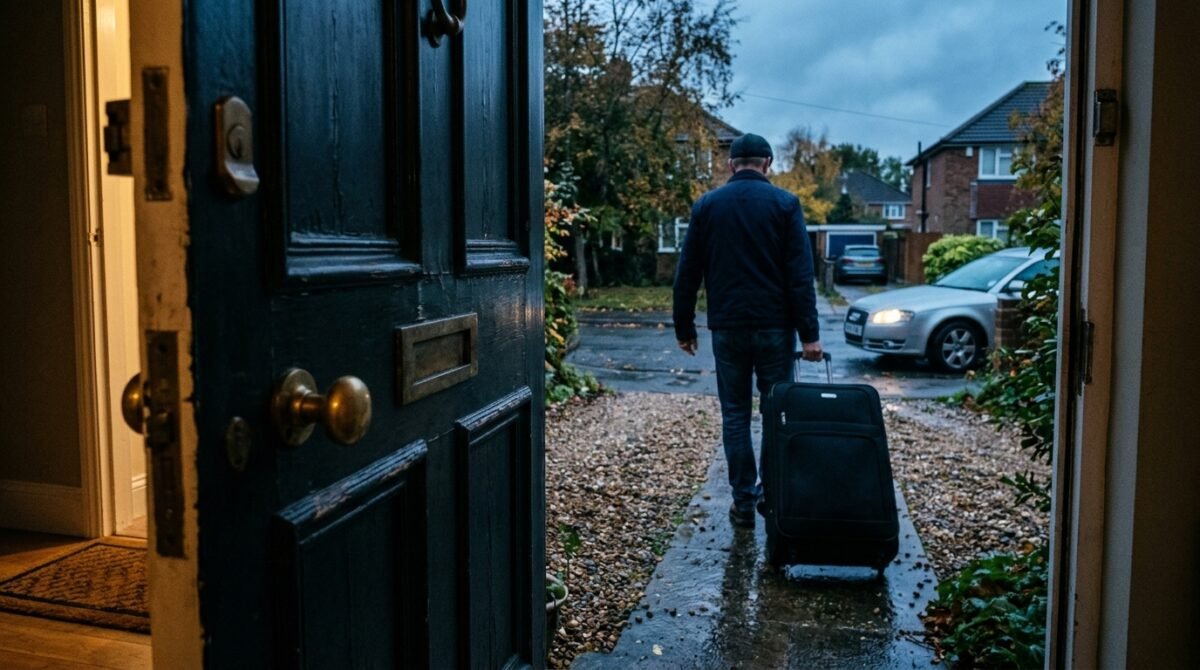
When Mark returned, he found the locks changed. I met him at the door, his bags packed in the hallway. I didn’t let him inside. I told him he had ten minutes to take his things and leave, or I would call the police. He tried to argue, he tried to cry, he tried to use every manipulation tactic in his arsenal. He called me ‘crazy,’ ‘unhinged,’ and ‘unreasonable.’ He told me I was ‘throwing away a good thing over a few movies.’
I listened to him, but it felt like listening to background noise. I was already past the point of anger. I was at the point of detachment. I watched him scramble to grab his clothes, his shoes, and his precious projector-related gadgets. He looked pathetic. He wasn’t the confident guy who ran a theater; he was just a guy who had been caught and was now losing his access to a lifestyle he hadn’t earned.
As he dragged his suitcase to his car, he stopped and looked at me one last time. ‘You’re making a mistake,’ he said, his voice dripping with false concern. ‘You’re going to regret this. Who’s going to help you with the house? Who’s going to keep you company?’ I just closed the door. I didn’t need him to help with the house. I didn’t need him to keep me company. I needed my space back.
“You didn’t help me with the house, Mark. You exploited it. You didn’t keep me company; you kept a business. You’re not leaving a home; you’re being fired from a job you never should have had.”
I watched from the window as he pulled out of the driveway. I felt a massive weight lift off my shoulders. The silence that returned to the house was the most beautiful thing I had heard in months. The theater was mine again. The house was mine again. And for the first time in a long time, I felt like I could finally breathe.
The Digital Fallout and Public Shaming
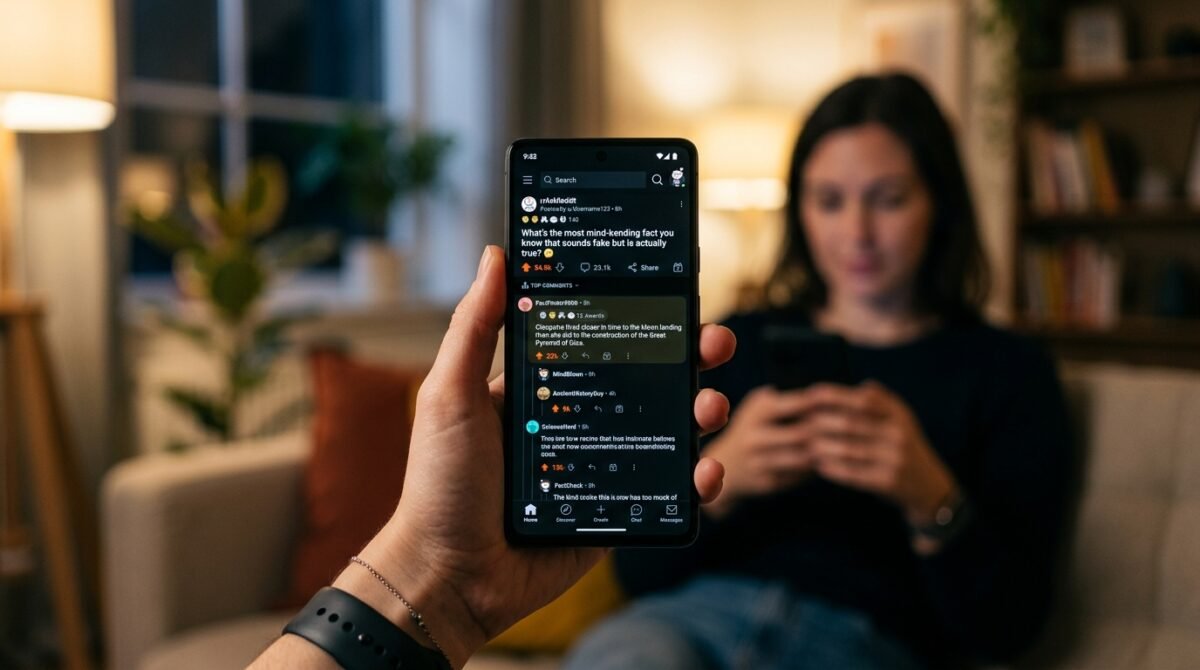
The drama didn’t end with him leaving. A few days later, I started getting messages from his ‘customers.’ They were annoyed that their ‘movie nights’ were canceled. Some were even demanding refunds for tickets they had bought in advance. I laughed out loud at the absurdity of it. I told them to take it up with Mark, and that if they contacted me again, I would consider it harassment.
I decided to go nuclear. I posted about the entire situation on a local neighborhood forum, naming Mark and explaining exactly what he had done. I didn’t want him to be able to do this to anyone else. The response was immediate and overwhelming. People were shocked. They couldn’t believe someone would have the nerve to monetize their partner’s property in such a blatant, disrespectful way.
The community backlash was swift. Mark was shamed, mocked, and ostracized. He tried to defend himself, saying it was ‘just a joke’ or ‘a misunderstanding,’ but the screenshots of the group chat and the spreadsheets I shared made it impossible for him to save face. He lost friends, he lost his reputation, and he finally stopped messaging me. It was the only way to ensure he wouldn’t try to crawl back into my life.
“I cannot believe people actually paid to watch movies in someone else’s basement. This is peak entitlement. Mark is a complete sociopath for turning a home into a ticketed event without the owner’s knowledge.”
— u/RealTalkReddit (Top Comment, 18.2k upvotes)
I read the comments on my post for hours. It was validating to see so many people agree that what happened was a gross violation of boundaries. I wasn’t the crazy one. I wasn’t the unreasonable one. I was a person who had been taken advantage of, and I had finally taken a stand. It felt like the ultimate vindication.
Reclaiming the Sanctuary
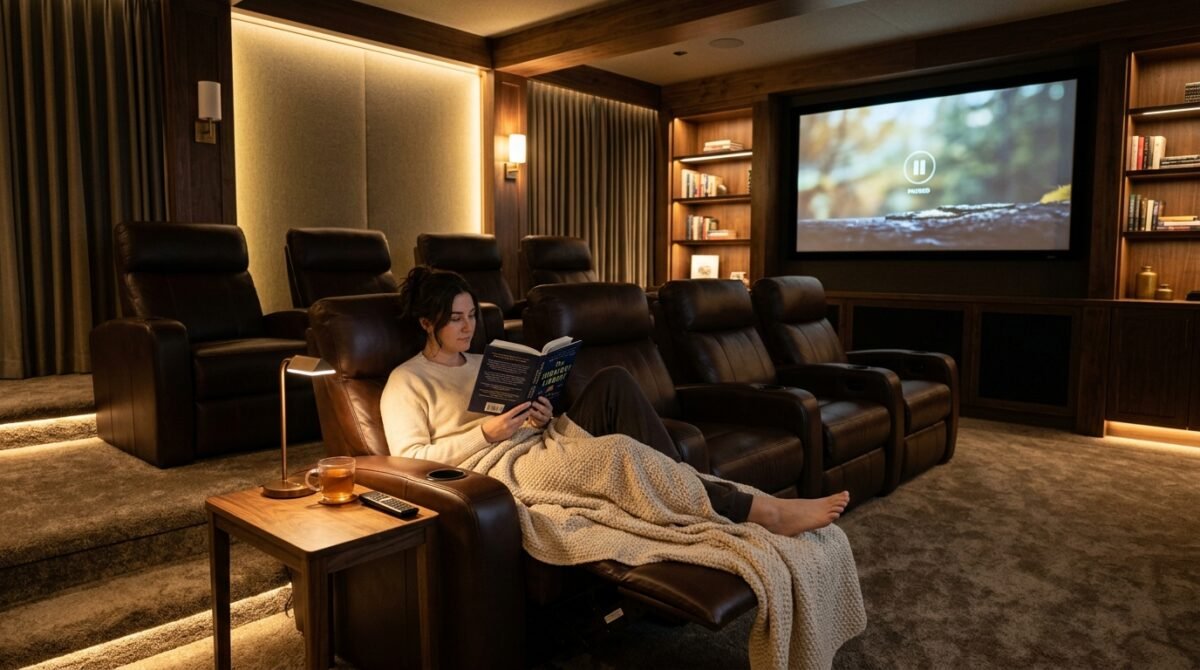
A month later, the basement theater was finally mine again. I had deep-cleaned every inch of it, from the velvet curtains to the leather recliners. I had replaced the air filters, updated the soundproofing, and even installed a smart lock that only I could access. It was a fresh start, not just for the room, but for my life. I started hosting my own movie nights—actual movie nights, with real friends I invited personally, where no one paid a dime.
The difference was night and day. The energy in the room was warm, welcoming, and genuine. There were no hidden agendas, no spreadsheets, no ticket sales. We watched films because we loved them, and we sat in the theater because we appreciated the effort that went into building it. I finally understood what it meant to have a sanctuary. It wasn’t just about the equipment; it was about the people you chose to share it with.
I spent a lot of time reflecting on the relationship. How had I let it get this far? Why hadn’t I noticed the signs sooner? I realized I had been too focused on the ‘potential’ of the relationship and not enough on the reality of the person. I had wanted to believe in the partnership so much that I had ignored the red flags that were staring me in the face the entire time.
It was a hard lesson, but a necessary one. I learned to trust my instincts. If something felt off, it probably was. If I felt like my boundaries were being pushed, I needed to address it immediately, not wait for it to become a disaster. I learned that my home was my own, and that I didn’t owe anyone access to it, especially not someone who didn’t respect me.
The Reddit Verdict: Echoes of the Crowd
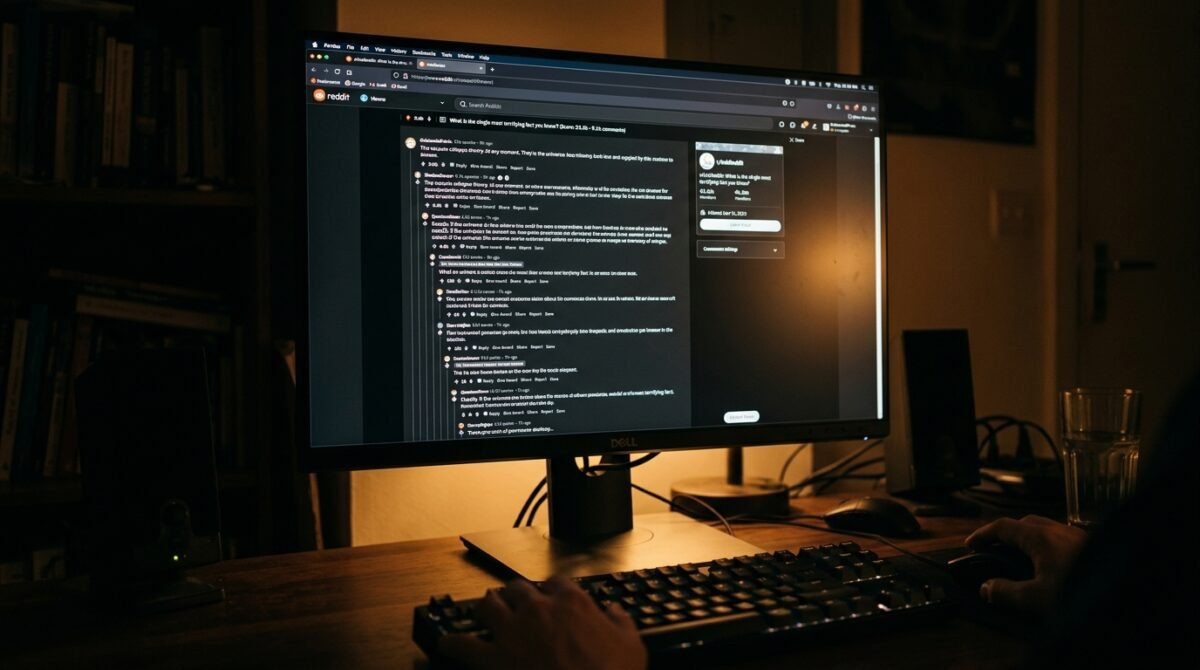
The story didn’t stay on the neighborhood forum. It eventually found its way to a popular subreddit, and the response was, to put it mildly, explosive. People from all over the world weighed in on the situation. Some were horrified, some were amused by the sheer audacity, and some shared their own stories of partners who had overstepped their boundaries in ways I never thought possible.
I read through thousands of comments. It was fascinating to see how the story resonated with so many people. It was a reminder that I wasn’t alone, and that relationship drama, as painful as it is, is a universal experience. I felt a strange sense of comfort in the anonymity of the internet. Here, no one knew me, yet they all understood exactly how I felt.
“NTA. This is absolutely unhinged behavior. I’d be calling the police for trespassing and theft, honestly. He wasn’t just ‘helping,’ he was running a business out of your home. You were right to dump him.”
— u/JusticeForOP (Top Comment, 25.6k upvotes)
The consensus was clear: I was in the right. The support was overwhelming. People encouraged me, validated my feelings, and gave me advice on how to handle the aftermath. It made me realize that even when the people around you in real life might be questioning your decisions, there is always a community of people who will stand by you if you tell the truth.
It was a turning point for me. I stopped feeling guilty about breaking up with him. I stopped wondering if I had overreacted. I saw my story through the eyes of others, and it became clear that I had made the only decision I could have made. I had saved myself from a person who would have continued to exploit me for as long as I let him.
Final Reflections on Boundaries

Looking back now, I can see the situation with a sense of distance. It’s like a bad movie that I’ve finished watching and put back on the shelf. The pain is gone, replaced by a deep sense of relief and a newfound appreciation for my own independence. I didn’t just lose a boyfriend; I gained back my home, my sanity, and my self-respect. And honestly? That’s a trade I’d make every single day of the week.
I’ve started dating again, but the rules are different now. I don’t move too fast, I don’t give away my space, and I certainly don’t let anyone get comfortable enough to start charging their friends to hang out in my living room. I value my privacy more than ever. I’ve learned that a partnership should be about mutual respect, not about what you can get out of the other person or how you can use their life to further your own.
The theater is still there, and it’s better than ever. I’ve added new soundproofing, a better screen, and even a small popcorn machine that I only use for my own enjoyment. Every time I walk down those stairs, I feel a sense of pride. This is my space. This is my sanctuary. And no one, no matter how charming or convincing they might seem, is ever going to take that away from me again.
To anyone out there who feels like their boundaries are being crossed, who feels like their partner is taking advantage of them—listen to that feeling. Don’t wait for the evidence to become a mountain before you act. Trust yourself. You are worth more than the convenience of someone else, and your home, your passion, and your peace are yours alone to protect.
Conclusion
My journey from a betrayed partner to a empowered homeowner was not an easy one, but it taught me everything I needed to know about character, trust, and the importance of firm boundaries. The shock of finding out that my private sanctuary had been turned into a public theater by the very person I trusted was a trauma I wouldn’t wish on anyone. Yet, it was the catalyst I needed to recognize that I deserved better.
It is easy to get caught up in the idea of a ‘perfect’ relationship, especially when the person you are with seems to share your interests. But the true test of a relationship isn’t in what you have in common—it’s in how you treat each other when the lights are off and the doors are closed. My ex-boyfriend saw my theater as an asset to be liquidated; I saw it as a home to be cherished. That fundamental difference in values was always going to lead to a breaking point.
I am now in a place where I feel completely in control of my life again. The theater is just a room, but it represents so much more: it represents my resilience, my ability to protect my boundaries, and my commitment to my own happiness. I hope my story serves as a reminder that it is never okay for someone to exploit your kindness, your space, or your labor without your explicit, enthusiastic consent.
What about you? Have you ever had a partner or a roommate who completely crossed the line in your own home? How did you handle it, and what did it teach you about your own limits? Let me know in the comments below—I’d love to hear your stories and see how we can all support each other in setting better boundaries.
What's your verdict on this dilemma?
Vote below to contribute to the official community consensus.

Have a Dilemma Keeping You Up at Night?
Share your real-life feud, wedding chaos, or relationship crossroads anonymously with our editorial team.
What do you think ?
0 Comments🛡️ Comments are moderated to protect community integrity. Your comment will appear once approved by the editorial team.