
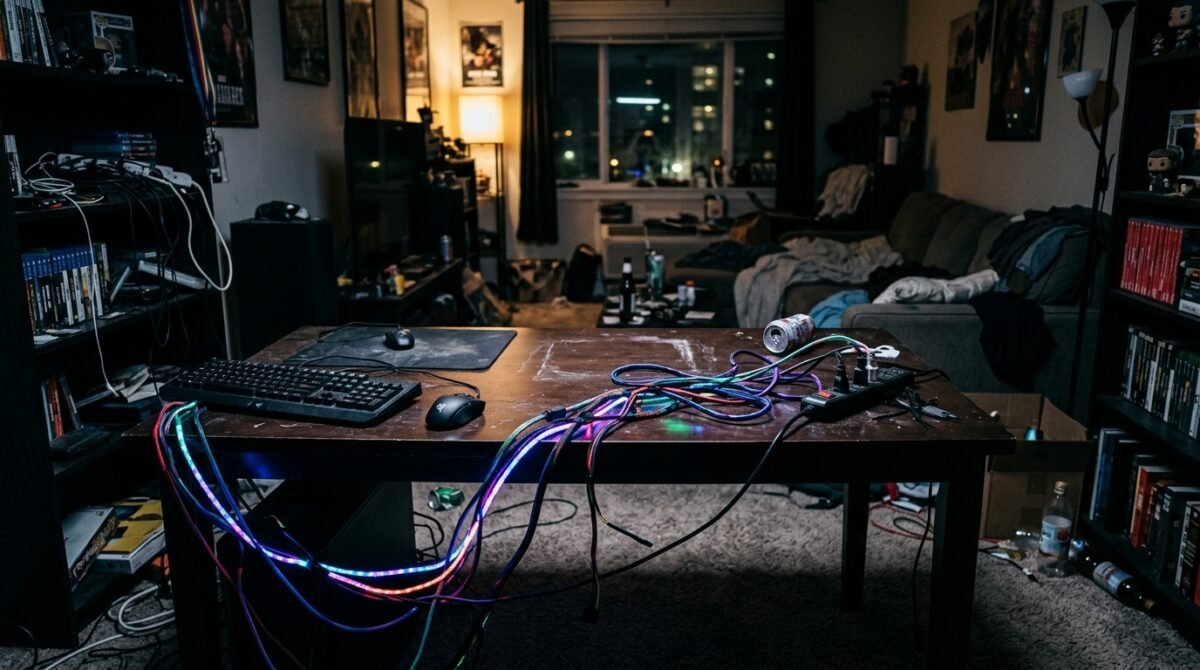
Living with someone is a gamble that most of us eventually have to take. We vet, we interview, we ask about cleanliness and pet peeves, but we rarely anticipate the level of sociopathic entitlement that some roommates are capable of harboring. My story begins with a quiet Tuesday evening that turned into a masterclass in gaslighting and financial theft. I came home from a long shift at the office, ready to dive into a few rounds of an MMO, only to find my workspace stripped bare.
The desk, which usually held my pride and joy—a custom-built rig that cost me four months of overtime pay—was clean. Not ‘organized’ clean, but ‘barren’ clean. The monitor was gone, the tower was gone, and even the mechanical keyboard was nowhere to be found. When I confronted Sarah, my roommate of two years, she didn’t look nervous. She looked like a martyr. She claimed that our landlord had threatened eviction and that she had ‘sacrificed’ my property to save our housing situation. It felt like a low blow, a violation of trust, but I was blinded by the fear of being homeless.
The emotional weight of that afternoon was suffocating. I spent hours frantically checking my bank account, trying to figure out how we had fallen so far behind. We had a verbal agreement regarding the rent split, and I had been paying my half religiously via wire transfer every single month. How could we be facing eviction? The confusion quickly curdled into a cold, hard suspicion. If the landlord was really that close to kicking us out, why hadn’t I received a single formal notice?
As I sat on my bare floor, listening to Sarah explain her ‘noble sacrifice’ in the kitchen, I realized that the narrative she was weaving didn’t hold water. She spoke with a rehearsed cadence, her eyes flicking toward the hallway closet every time she mentioned the landlord’s supposed deadline. That closet had been off-limits for months, locked with a flimsy padlock she claimed was for ‘valuables.’ Little did she know, I had already found the key she hid in the junk drawer weeks ago, thinking it was just a spare for the front door.
The moral dilemma here wasn’t just about the computer; it was about the systematic erosion of my autonomy. Sarah had positioned herself as the protector of our household, all while bleeding me dry to fund her own secret ambitions. This is the story of how I discovered that the person I trusted to watch my back was actually the one holding the knife, and how I reclaimed my dignity from a situation that felt designed to break me.
The Empty Desk and the Fabricated Crisis

Walking into the living room, I felt a physical sickness as I stared at the void where my PC had sat for two years. The cables were neatly unplugged, coiled with a care that suggested this wasn’t a robbery, but a calculated removal. I stood there for a long time, blinking, waiting for my brain to process the reality of the situation. My custom liquid-cooled build was gone. My life, in a very real sense, was sitting somewhere else.
Sarah emerged from the bedroom, wiping fake tears from her eyes. She started talking before I could even find the words to ask what had happened. She claimed she had been approached by the landlord earlier that afternoon, demanding the full balance of the rent. She told me she had no choice but to sell my hardware to a ‘local shop’ she found on Facebook Marketplace to make up the shortfall. It was a story designed to make me feel guilty for having expensive hobbies while we were supposedly ‘struggling’ to pay for shelter.
“I did it for us, Alex. Do you know how hard it is to look at that landlord’s face every day? I couldn’t let him kick us out. I had to do something. My jewelry isn’t worth enough, and your computer was the only thing with real resale value. You should be thanking me that we still have a roof over our heads.”
I felt my pulse racing. I had been paying my rent. I knew I had the receipts. When I questioned her about the exact amount owed, she became defensive, throwing around vague numbers and claiming that late fees had ballooned the debt to an astronomical level. She was counting on my panic to override my logic. She needed me to believe that my PC was the only thing standing between us and the street.
The cruelty of it was how she framed it as a team effort. She made it sound like we were in the trenches together, and my ‘contribution’ was simply a piece of hardware that I could replace later. She didn’t offer to pay me back; she offered to ‘find me a cheaper one’ once we were back on our feet. The lack of remorse was the most chilling part of the entire exchange.
The Locked Closet and the Truth Unveiled
While Sarah was out ‘running errands’ to pay the landlord, I felt a magnetic pull toward the hall closet. I knew she was lying. I checked my bank statements again, cross-referencing them with the emails from our management company. We weren’t behind on rent. We were paid through the end of the next month. The realization hit me with the force of a physical blow—she hadn’t sold my computer for rent. She had stolen it for profit, using the rent as a convenient cover story to gaslight me.
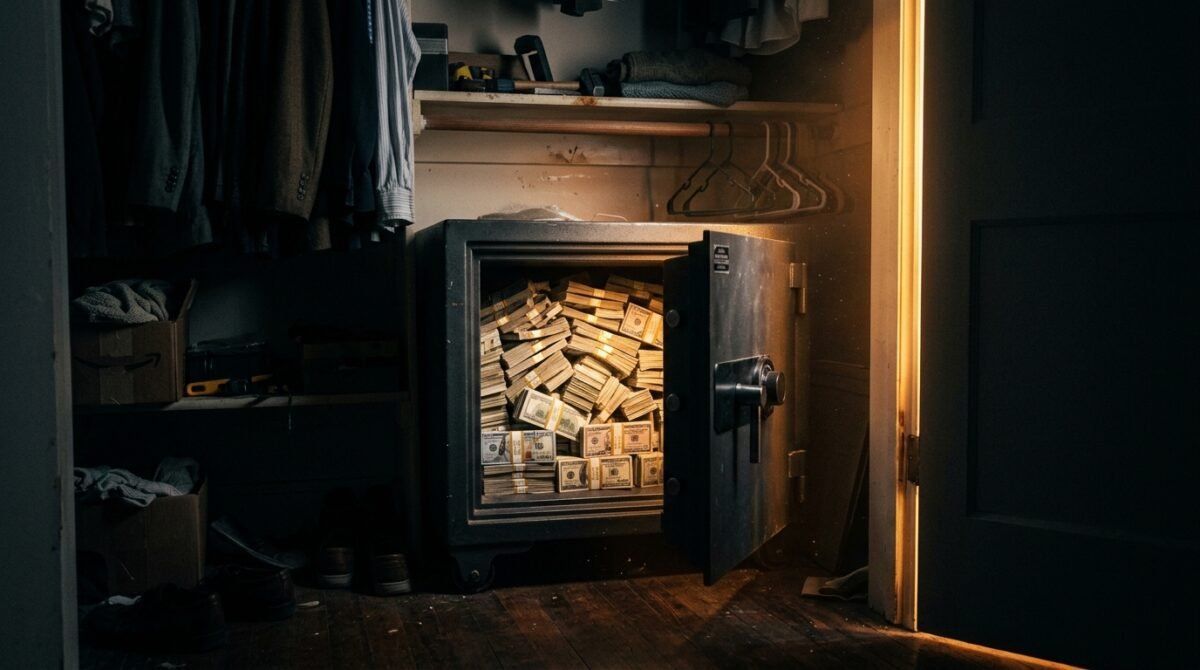
I grabbed the spare key from the junk drawer. My hands were shaking so hard I dropped it twice before I finally managed to turn the lock. The door creaked open, revealing a pile of winter coats and a small, heavy fireproof safe tucked behind them. It wasn’t even locked. Inside, there were stacks of cash—neatly bundled bills that amounted to thousands of dollars. I pulled out my phone and started counting. It was ten thousand dollars in cash, mostly twenties and fifties.
“This wasn’t rent money. This was my life savings she was trying to hide while she stripped my room bare. She didn’t sell the PC because she was broke; she sold it because she wanted to see if she could get away with it.”
I didn’t take the money. I took photos. I photographed the safe, the cash, and the receipts I found stuffed in the bottom. I realized then that Sarah had been planning this for a long time. She had been skimming from our joint utility account for months, telling me the bills were higher than they were. The PC was just the final, brazen act of a long-term grift.
I felt a strange sense of calm wash over me. The confusion was gone, replaced by a cold, sharp clarity. I wasn’t the victim of a desperate roommate; I was the target of a predator. I sat on the closet floor, staring at the money, wondering how many times I had bought her groceries while she was sitting on thousands of dollars in stolen cash. The betrayal wasn’t just financial; it was existential.
The Confrontation in the Kitchen
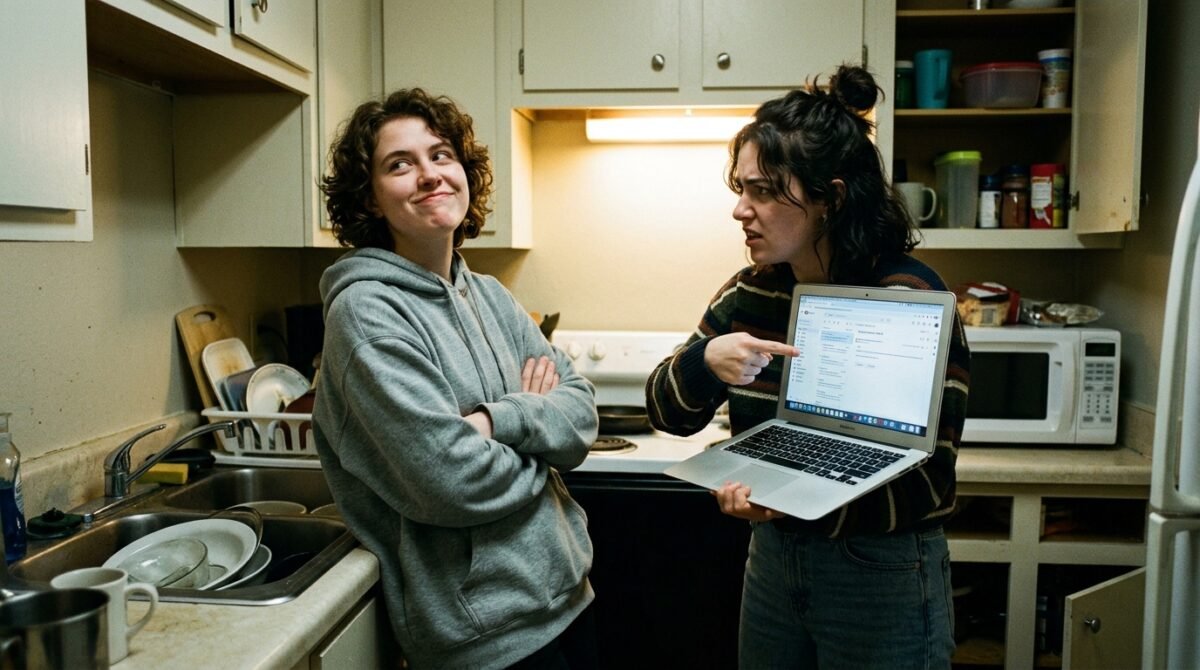
When Sarah returned an hour later, she was humming, clearly feeling smug about her successful deception. She walked into the kitchen, expecting to find me mourning my lost computer and worrying about our housing. Instead, she found me sitting at the kitchen table with my laptop open, showing the photos of her closet and the bank statements I had printed out. The air in the room grew heavy and suffocating.
I didn’t yell. I didn’t scream. I spoke in a low, controlled voice that clearly unnerved her. I laid out the evidence: the rent statements showing we were paid, the photos of her secret stash, and the timeline of her ‘utility’ requests. Her expression shifted from fake sympathy to genuine shock, then to a sneering, defensive rage. She realized the game was up.
“You have no right to go through my things! That closet is private. And that money? That’s my savings from years of work. You wouldn’t understand what it’s like to actually have to save for a future, Alex. You just throw your money away on toys.”
She tried to flip the script, accusing me of being invasive and controlling. She claimed that the money was ‘private’ and had nothing to do with our shared expenses. She even tried to argue that even if we were ahead on rent, she still needed the cushion for ’emergencies,’ and my PC was ‘too expensive’ for me to have anyway. It was a desperate, illogical defense that only served to confirm the depth of her entitlement.
I told her that if the computer wasn’t returned within 24 hours, I would be filing a police report for theft and showing the landlord the evidence of her rent-related lies. She scoffed, calling my bluff, thinking I was too non-confrontational to actually follow through. She didn’t realize that the moment she touched my livelihood, the bridge was already burned to ash.
The Social Media Fallout
By the next morning, I had already contacted a lawyer friend who specialized in small claims. I also realized that Sarah was active in several local community groups. I didn’t want to start a public war, but I needed my computer back. I decided to post a discreet inquiry on the local neighborhood page, asking if anyone had recently purchased a high-end custom PC from a woman matching Sarah’s description. I didn’t name her directly, but I described the build in such specific detail that anyone who bought it would recognize it.
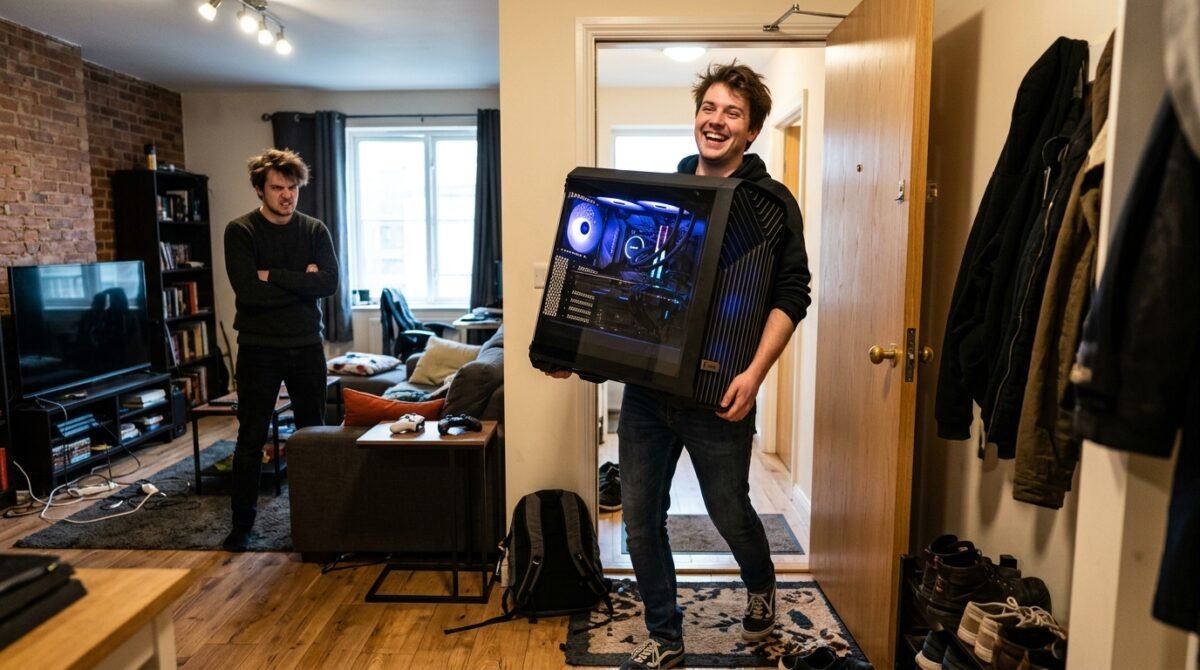
Within three hours, I had a message from a local guy who bought it for his son. He was horrified to learn it was stolen. He didn’t want any trouble, and he offered to return it to me if I could prove it was mine. I sent him the original receipts from the parts retailers and photos of the BIOS screen with my custom boot logo. He agreed to meet me at a local police station to hand it over.
“I thought I was helping a girl who needed rent money. She told me her roommate was a deadbeat and she had to sell the rig to keep the apartment. I feel sick knowing she just pocketed the cash and had it lying around.”
When I walked back into the apartment with my PC in its original case, the look on Sarah’s face was priceless. The game wasn’t just over; it had turned into a total disaster for her. She had lost the money she made from the sale, the buyer was now a witness to her fraud, and she had completely destroyed any leverage she had over me.
She started screaming, accusing me of sabotaging her ‘business’ and making her look like a criminal. She tried to threaten me with eviction, claiming she was on the primary lease. I laughed, reminding her that I had the original lease agreement saved in my cloud drive, and my name was right there next to hers. She was trapped by her own lies, and she knew it.
The Reddit Trial: Community Verdicts
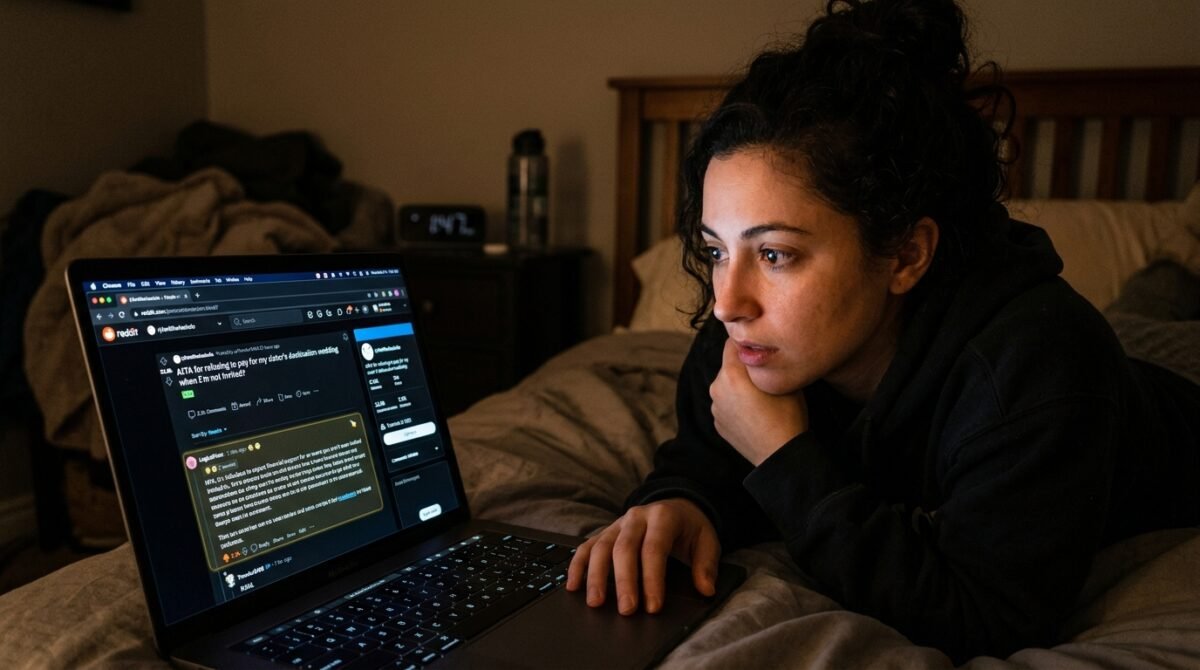
I decided to take the story to Reddit, specifically to a popular relationship advice subreddit, to see if I was handling this correctly. I needed to know if I was being too harsh or if there were other steps I should take. The response was overwhelming. Within hours, the post hit the front page, with thousands of people chiming in with their own horror stories and advice on how to legally evict a toxic roommate.
“NTA. This is literal theft. You need to get her off the lease immediately. She didn’t just ‘borrow’ your money; she defrauded you and stole your property. Document everything, change the locks, and get a restraining order if you have to.”— u/LegalEagle99 (Top Comment, 32.4k upvotes)
Many users shared their experiences with ‘financial abusers’ who hide behind excuses like ‘rent’ or ‘bills’ to justify theft. The consensus was clear: Sarah was a textbook manipulator. They warned me that people like her don’t just stop; they escalate. The comments section became a treasure trove of legal advice, with users suggesting I look into local landlord-tenant laws to see if I could force her out for illegal activity.
“She’s not just a bad roommate, she’s a criminal. The fact that she was sitting on $10,000 while lying to your face is the smoking gun. This is a pattern of behavior, not a one-time mistake. Move out or kick her out before she decides to sell your furniture next.”— u/RealTalkReddit (15.2k upvotes)
Reading through the comments, I felt a sense of validation I hadn’t realized I was missing. I had been gaslit into thinking my anger was ‘unreasonable’ or ‘over-the-top.’ The community showed me that my reaction was a completely normal response to a gross violation of boundaries. I wasn’t the bad guy for wanting my things back; I was the victim of a calculated crime.
The Lease Termination Strategy
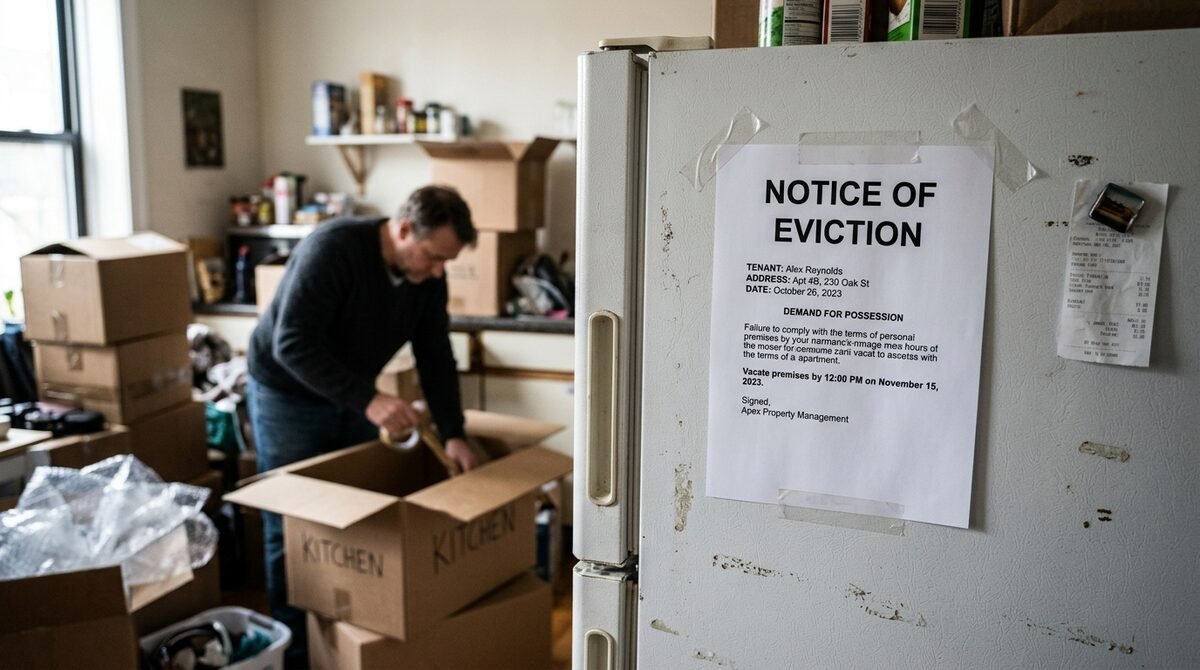
Armed with the community’s support and a newfound sense of confidence, I approached the landlord. I had the photos of the cash, the proof of my rent payments, and the messages from the buyer of my PC. I presented it all as evidence that Sarah was not only a financial risk to the property but also potentially engaging in illegal activities that violated the terms of our lease. The landlord, a man who valued peace and timely payments above all else, was not happy.
He informed me that he had been receiving ‘complaints’ from Sarah about me, claiming I was ‘threatening’ her. It was a classic move: preemptively painting me as the aggressor so that if I complained, I would look like the one in the wrong. But once he saw the evidence of the rent theft and the lies she had told him, his tone shifted. He gave her an ultimatum: move out by the end of the month, or he would involve the authorities.
“I don’t care what your drama is, but I don’t tolerate theft or fraud on my properties. She has until the 30th to vacate, or I am filing for an immediate eviction. And for the record, your rent is paid. She was trying to get an extra month’s payment out of you.”
The look on Sarah’s face when the landlord delivered the notice was a mix of pure terror and disbelief. She had genuinely thought she was the one in control, the one pulling the strings. She didn’t expect the landlord to side with the ‘quiet, tech-obsessed roommate.’ She spent the next two days packing in silence, avoiding eye contact at all costs.
There was a strange tension in the apartment during those final days. I didn’t gloat, and I didn’t engage in conversation. I simply made sure my things were safe and focused on my own exit plan. I had no intention of staying in a place where I had been so deeply betrayed, even if I was the one who ‘won’ the apartment.
The Final Moving Day

On the day she finally moved out, the house felt lighter, as if a thick layer of toxic smog had finally dissipated. I watched from the window as she loaded her things into a beat-up car, her face set in a mask of bitter resentment. She didn’t say goodbye, and she didn’t offer an apology. She looked back one last time, with a gaze that told me she would never understand why I didn’t just ‘play along’ with her schemes.
I spent the next three days deep-cleaning every inch of the place. I wanted to erase her presence entirely. I painted over the scuffs on the walls, replaced the shower curtain, and even changed the air filters. It was a ritual of reclamation. I was taking back my home, even if I was already planning to move out the moment my lease was up.
“You think you’re so smart, don’t you? You ruined everything because you couldn’t just let me have a little breathing room. You’re going to be alone, and you’re going to be miserable.”
She sent me that text as she was pulling out of the driveway. I didn’t reply. There was no point in arguing with someone who viewed theft as ‘breathing room.’ I blocked her number, deleted our shared accounts, and finally, for the first time in two years, felt like I could breathe again.
The silence in the apartment was deafening, but it was a peaceful silence. I sat at my desk, my PC humming softly in the corner, and realized that I had survived. I had lost a roommate, but I had gained a level of self-respect that was worth more than any piece of hardware. I had navigated the storm and come out the other side with my sanity intact.
Reflecting on the Trust Gap

Looking back at the whole ordeal, I can’t help but wonder how I missed the signs. The subtle requests for ‘extra’ cash, the way she would get defensive about her personal space, the constant talk of how ‘hard’ she had it while she was clearly living a different reality. I had prioritized being a ‘good roommate’ over being a smart one. I had ignored my gut because I didn’t want to be the person who caused drama.
I learned that trust is not a default setting; it is something that must be earned, and it can be revoked at any time. Sarah wasn’t an anomaly; she was a reminder that people are capable of surprising depths of selfishness when they think they can get away with it. I now have a very strict set of boundaries, and I don’t apologize for them. If someone can’t respect my finances or my property, they have no place in my home.
“The most expensive lesson I ever learned was that people don’t always value your friendship the way you value theirs. Sometimes, they value your wallet much, much more.”
I’ve started a small savings account specifically for ’emergencies,’ and I keep my important documents and assets in a secure location that only I can access. It might seem paranoid to some, but after the events of this year, it feels like basic survival. I am much more cautious about who I let into my life, and I am much more vocal when something feels ‘off.’
The experience changed me. I am less passive, more assertive, and much more protective of my energy. I’ve realized that my ‘nice guy’ persona was being weaponized against me, and I’ve had to work hard to find the balance between being kind and being a doormat. It’s a work in progress, but I’m getting there.
Life After the Betrayal

It’s been six months since Sarah moved out, and my life has transformed in ways I didn’t expect. I moved into a smaller, studio apartment where I don’t have to share a kitchen or a closet with anyone. It’s quiet, it’s clean, and it’s entirely mine. I’ve reconnected with friends I neglected while I was busy dealing with the drama at home, and I’ve even started a new project at work that I’m genuinely excited about.
My gaming PC is still running strong, a symbol of what I was able to recover and the boundaries I was able to defend. Every time I sit down to play, I remember the feeling of that empty desk, and it serves as a reminder of how quickly things can change if you aren’t paying attention. I don’t look back with anger anymore, just with a cold, clear understanding of what happened.
“I used to think that being a good roommate meant being accommodating and flexible. Now I know that it means having clear, non-negotiable boundaries that protect both parties from themselves and each other.”
I occasionally see mutual friends who mention Sarah, and I hear she’s ‘struggling’ in her new place. It’s not surprising. When you build a life on lies and theft, the foundation eventually crumbles. She wasn’t a victim of circumstance; she was a victim of her own lack of integrity. I don’t wish her harm, but I am incredibly relieved that she is no longer a part of my story.
I’m finally at a place where I can laugh about the absurdity of it all. The way she tried to sell my computer back to me, the ridiculous stories she spun, the sheer gall of it all. It’s a dark chapter, but it’s a closed one. I’ve learned how to stand up for myself, and that is a lesson that will serve me for the rest of my life.
Lessons Learned and Moving Forward

If there’s one thing I want anyone reading this to take away, it’s that your gut is never wrong. If something feels off, if the numbers don’t add up, if the excuses don’t make sense—listen to that feeling. Don’t wait for ‘proof’ that confirms your worst fears. Protect yourself early, document everything, and don’t be afraid to be the ‘difficult’ one if it means saving your sanity and your livelihood.
I’ve also learned the importance of clear, written communication. We had a verbal agreement, and it was as flimsy as a piece of paper in a hurricane. Now, I have everything in writing—emails, text messages, receipts. I don’t rely on ‘gentlemen’s agreements’ anymore. It might not be the most romantic way to live, but it’s the most secure.
“Transparency is the best disinfectant. When you insist on clear, honest communication, you either build a stronger relationship or you expose the rot before it can destroy you. Either way, you win.”
Moving forward, I’m focused on building a community of people I can actually trust. I’ve realized that the ‘drama’ isn’t something you attract; it’s something you choose to engage with. By setting higher standards for the people I let into my home, I’ve found that my life has become significantly less chaotic and much more fulfilling.
I’m grateful for the Reddit community that stood by me. They were the sounding board I didn’t know I needed, and their support was instrumental in giving me the courage to stand my ground. I hope that sharing my story helps someone else who might be in a similar situation, caught in a cycle of gaslighting and theft, realize that they have the power to change their circumstances.
Conclusion
The saga of my stolen computer was more than just a financial loss; it was a profound lesson in the fragility of trust and the importance of self-advocacy. When we find ourselves in the middle of a moral crisis, it is all too easy to shrink, to apologize, and to hope that the conflict simply disappears. But true peace, I have learned, only comes when we confront the truth, regardless of how painful or inconvenient it may be.
Sarah’s actions were a betrayal of the most basic tenets of living together, but they also acted as a catalyst for my personal growth. By refusing to be a victim, I rediscovered my own strength. I learned that I am capable of navigating complex legal and social minefields, and that I deserve to live in an environment where I am respected and secure.
What about you? Have you ever had a roommate or a friend whose ‘desperation’ was actually a cover for something far more sinister? How did you handle the betrayal, and what boundaries did you have to put in place afterward? Let’s talk about it in the comments. Your experiences—and the lessons you’ve learned from them—are what help us all build better, more honest lives. Was I too harsh on Sarah, or was there really no other way to handle such a blatant act of theft? Share your thoughts below.
What's your verdict on this dilemma?
Vote below to contribute to the official community consensus.

Have a Dilemma Keeping You Up at Night?
Share your real-life feud, wedding chaos, or relationship crossroads anonymously with our editorial team.
What do you think ?
0 Comments🛡️ Comments are moderated to protect community integrity. Your comment will appear once approved by the editorial team.