
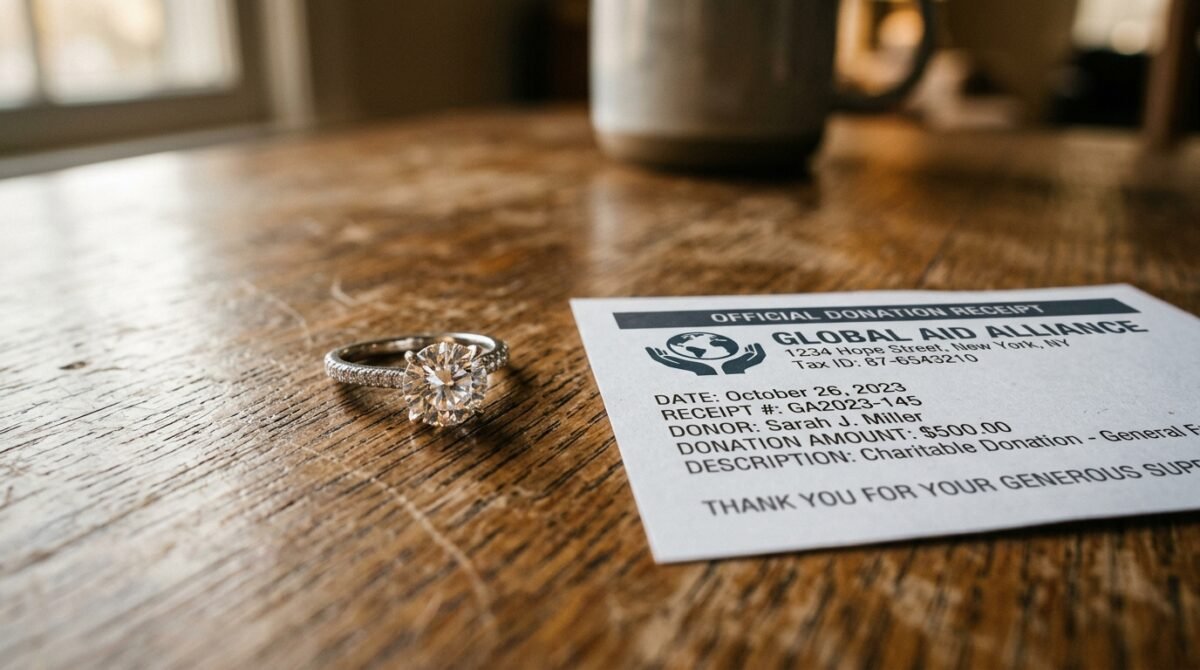
The engagement ring was supposed to be a symbol of our future, a promise of a lifelong partnership anchored in trust and mutual respect. For three years, that platinum band with a two-carat center stone sat on my finger, a constant reminder of the life Mark and I were building together. I never imagined that the very object meant to signify our union would eventually become the ultimate battleground of our bitter, public, and messy collapse.
The revelation of his infidelity wasn’t a slow burn; it was an explosion. One Tuesday evening, a notification flashed on his phone while he was in the shower—a message so explicit it left no room for doubt or rationalization. The aftermath was a blur of tears, screaming, and the sudden, sickening realization that the man I loved had been leading a double life for months. But the true absurdity started two weeks later, when he arrived at my apartment, not to apologize, but to demand the return of his investment.
He believed that because he had paid for the ring, it belonged to him by default, regardless of the betrayal that had shattered our home. He didn’t see the emotional wreckage he had caused; he only saw an asset he wanted to liquidate to offset his own financial losses from the breakup. Little did he know, he had made a grave miscalculation about my character and my willingness to fight back on my own terms.
This is the story of how I took that ring, converted it into a meaningful contribution for those in actual need, and watched the man who broke my heart squirm as he realized that some things—once given—cannot be reclaimed. It is a tale of boundaries, spite, and the cold, hard reality of karma in the digital age.
The Tuesday Night That Changed Everything
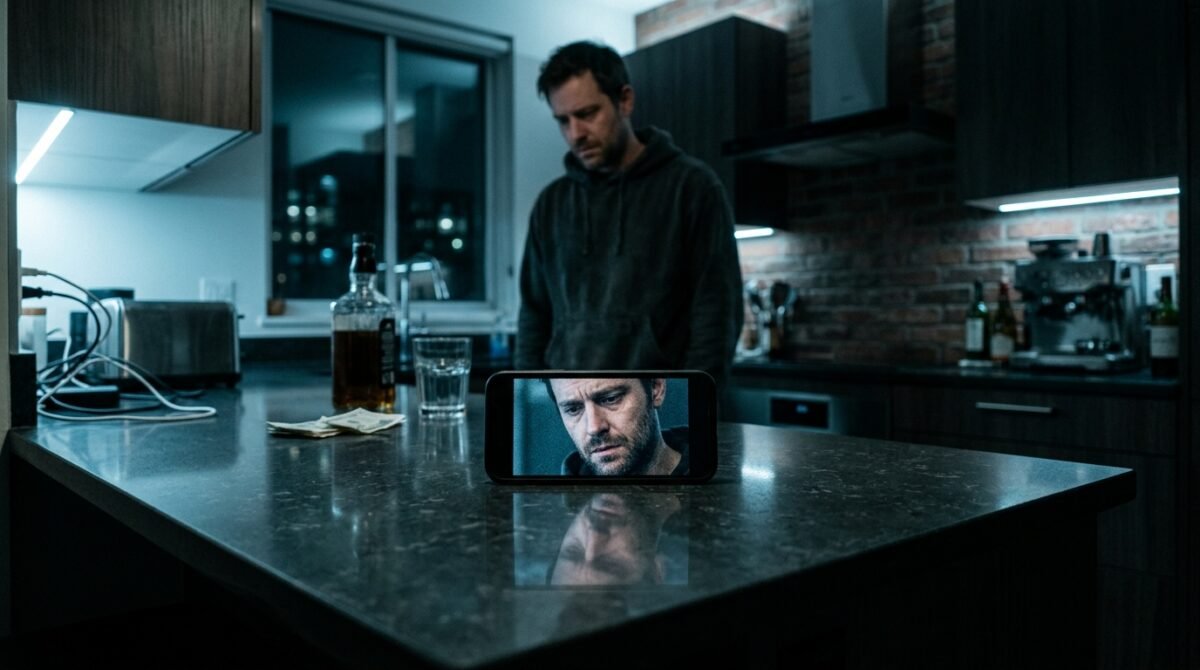
It was supposed to be a normal night. I was working on a presentation for a project at my marketing firm, while Mark was supposedly out grabbing groceries. His phone sat on the kitchen counter, its screen lighting up intermittently with messages from his mother about their upcoming weekend plans. I didn’t think twice about it until a new notification appeared from a contact saved only as ‘S’.
The preview text was harrowing. It wasn’t just a casual message; it was a conversation clearly detailing an intimate encounter that had happened just the night before at a hotel I recognized. My heart stopped. I felt a cold, sharp dread settle into my stomach, a sensation so visceral I thought I might faint. I didn’t want to look, but I couldn’t look away. I unlocked the phone—my thumbprint had worked because I knew his code—and the history that revealed itself was a tapestry of lies dating back over six months.
When Mark walked through the door ten minutes later, carrying a bag of groceries, he had no idea his world was about to collapse. I didn’t say a word at first. I just stood there, holding his phone, looking at him with a mixture of pity and absolute fury. He knew the moment he saw my face. The color drained from his skin, and the grocery bag slipped from his hand, spilling produce across the hardwood floor.
“You have exactly ten seconds to explain who she is and why you’ve been seeing her since our anniversary dinner. Or I swear, I will call your mother and read these texts aloud to her right now.”
His immediate reaction wasn’t contrition; it was defense. He started spinning lies, accusing me of being insecure, of invading his privacy, of creating problems where there weren’t any. But the evidence was staring us both in the face. By the end of that night, he was out the door with a suitcase, and I was left alone in the silence of a house that suddenly felt like a tomb.
The Audacity of the Morning Visit
I didn’t hear from Mark for six days. I spent that time in a state of shock, alternating between grief and a strange, cold clarity. I changed the locks, blocked him on most social media platforms, and began the painful process of detaching my life from his. I thought he was smart enough to stay away, to understand that the bridge wasn’t just burned; it was incinerated.
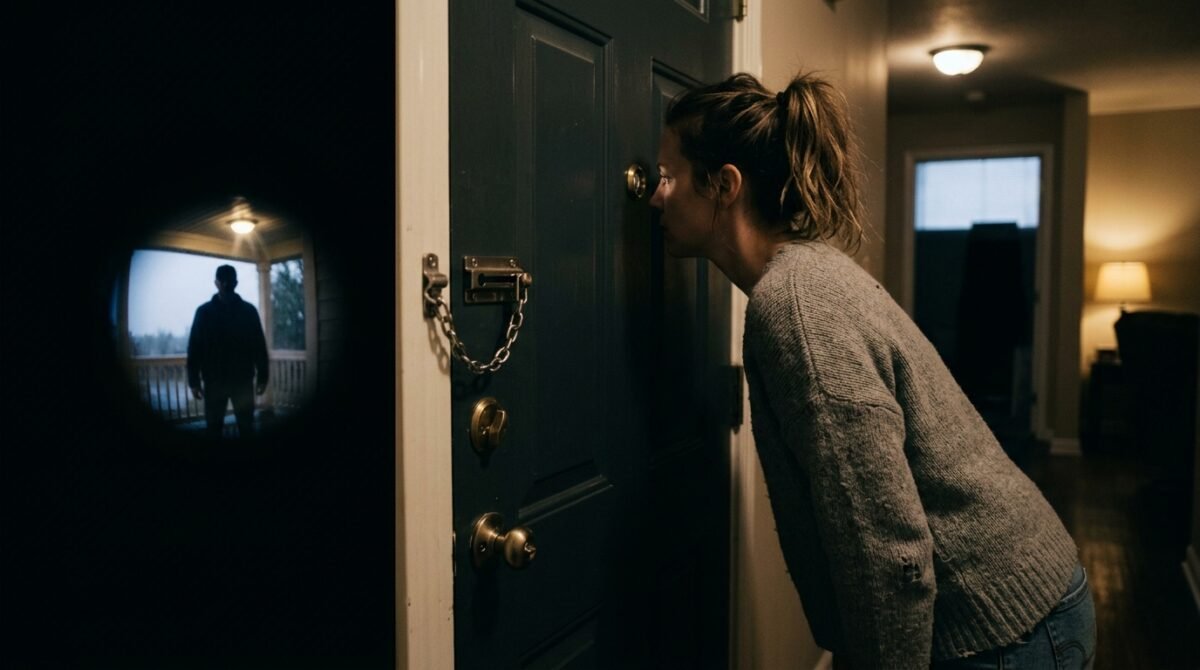
Then came the knock at 6:30 AM. It was sharp, rhythmic, and demanding. When I peeked through the peephole, I saw Mark standing there, looking disheveled and frantic. I opened the door just a crack, keeping the security chain engaged. He immediately launched into a tirade about his things, his mail, and, specifically, the ring. He wanted it back. He claimed that since the engagement was off, the ring was a ‘loan’ that had now expired.
His tone was patronizing. He spoke to me as if I were a child who had misplaced a library book, rather than a partner he had betrayed. He kept emphasizing the cost, the ‘investment’ he had made, and how he needed to ‘recoup his losses’ because of the sudden change in his living situation. It was repulsive. He had cheated on me for months, and now he was trying to treat our relationship like a failed business transaction.
“Mark, you cheated on me for half a year. You broke the engagement, not me. That ring is a gift, and it stays with me. If you don’t leave this porch in thirty seconds, I am calling the police and reporting you for harassment.”
He scoffed at the threat, clearly believing I wouldn’t actually do it. He stood there for another minute, shouting about how he had receipts and how he would take me to small claims court if he had to. I simply closed the door and locked it. I sat on the floor, shaking not from fear, but from the realization of just how little he truly respected me.
The Professional Valuation and The Decision

I knew I couldn’t keep the ring. Seeing it on my finger was a constant, stinging reminder of the betrayal. But giving it back to Mark felt like letting him win, like validating his pathetic attempt to treat me like a pawn. I took the ring to two different jewelers in the city. I wanted an appraisal, not just for the value, but to see what my options were for selling it.
The second jeweler, a woman named Elena, was incredibly kind. When I told her the story—the cheating, the demand for the ring—she didn’t judge. She looked at me and said something that changed my perspective. She mentioned a local women’s shelter that was struggling with funding and helped facilitate ‘donations in kind’ through legal channels. Suddenly, I didn’t see an asset to be liquidated for my own gain; I saw a way to take his ‘investment’ and turn it into something genuinely good.
I listed the ring with a reputable estate jeweler who specialized in buying high-end pieces. Within a week, it sold for $8,500. It wasn’t the original retail price Mark paid, but it was enough to make a significant impact. I took the check, went to the non-profit organization I had researched, and made the donation. I kept the receipt, framed it, and placed it on the mantle where the ring used to be.
The feeling of liberation was overwhelming. I had taken the physical manifestation of his lie and converted it into support for people who had actually been through trauma. I felt lighter, cleaner, and entirely finished with the chapter of Mark. But the drama, unfortunately, was far from over.
The Group Chat Exposure
I didn’t tell Mark what I had done. I let him stew in his own entitled frustration for another week. He had been messaging me intermittently, threats of legal action becoming more unhinged with every passing day. He even tried to reach out to my sister, who promptly blocked him. He was losing his grip on the narrative he wanted to control.
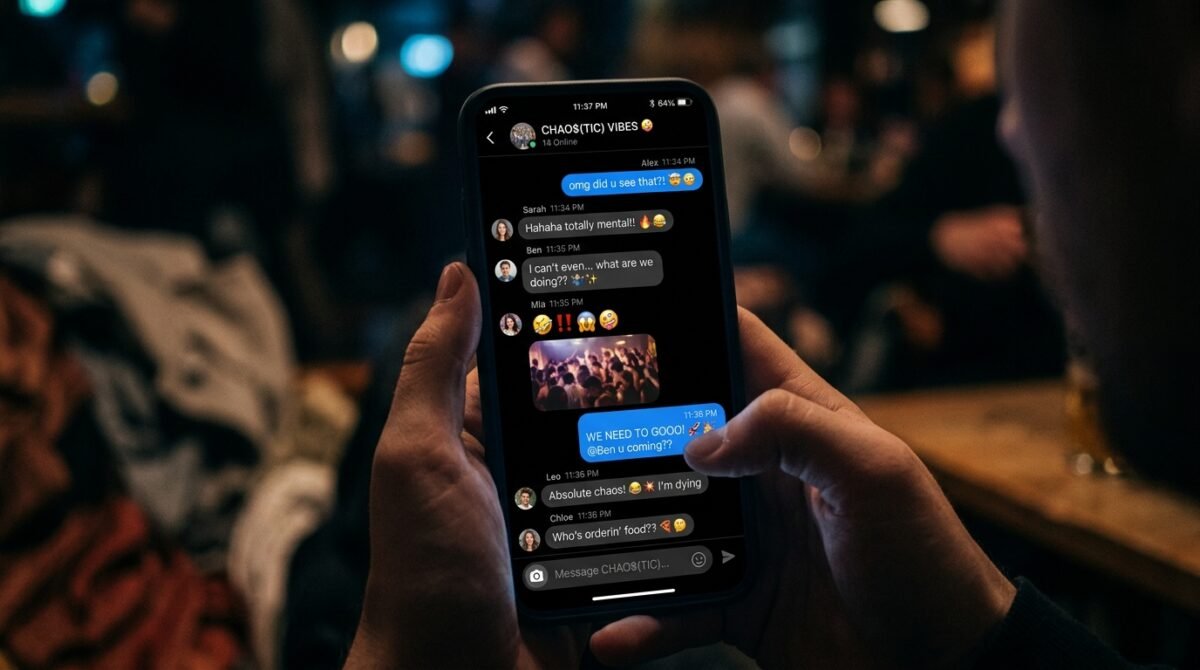
Then, I received a notification from our old ‘Friends and Family’ group chat. I hadn’t left it yet because I hadn’t had the heart to remove the few people I still cared about. Mark, in a moment of absolute stupidity, decided to vent to the entire group about his ‘greedy ex-fiancée’ who was holding his property hostage. He was trying to rally the troops, painting himself as the victim of a vindictive woman.
“I don’t know what her problem is. It’s my money, my ring, and she’s just holding it to be spiteful. Can someone please tell her to grow up and return it?”
— Mark (In the family group chat)
The response was not what he expected. Most of our friends had already heard rumors about the cheating. When he posted that message, it was like throwing gasoline on a fire. People started chiming in, not to support him, but to call out his hypocrisy. It was a chaotic, beautiful mess of social media justice that I didn’t even have to initiate.
The Legal Threat and The Reality Check

Two days after the group chat imploded, I received a formal letter in the mail. It was from a law firm, threatening a lawsuit for the return of the ring. It was a boilerplate document, clearly meant to intimidate me. They cited ‘unjust enrichment’ and ‘conditional gift’ statutes. It was a laughable attempt to weaponize the legal system against me.
I contacted a lawyer friend of mine, who looked over the letter and laughed. In my state, an engagement ring is generally considered a conditional gift, yes, but the conditions of the contract—the marriage—were broken by the donor’s infidelity. Moreover, the courts are rarely interested in small-claims litigation over jewelry when the evidence of the primary cause of the breakup is so clear.
I sent a brief, professional response back to the lawyer. I included a copy of the donation receipt and a brief explanation that the asset in question had been liquidated and the proceeds distributed to a registered non-profit. I didn’t provide any other details. I just waited for the inevitable explosion.
Mark’s reaction was immediate. He started calling my office, my personal phone, even showing up at my workplace. I had to file for a temporary protective order, which finally put a stop to the physical harassment. He was furious that he didn’t just lose the ring; he lost the power to control what happened to it.
Why the Sunday Dinner Table Went Silent

The fallout extended to our families. Mark’s parents, who had always been somewhat critical of me, finally realized the extent of their son’s behavior. During a Sunday dinner at his parents’ house—which I, of course, no longer attended—his father apparently asked him point-blank why he was being sued by his own ex-fiancée. The silence that followed was described to me by a mutual friend who was present.
Mark tried to deflect, talking about the ring again. His mother, who had been a quiet supporter of mine, finally spoke up. She asked him why he thought he was entitled to anything after what he had done. She told him that his father and she were embarrassed by his conduct. It was the first time he had faced true, familial accountability.
“You lost the right to that ring the moment you decided to betray her trust. Stop talking about it. Stop bothering her. You are a grown man, act like one.”
— Mark’s Mother (Overheard during the dinner)
The realization that even his own parents weren’t backing his petty crusade was the final blow to his ego. He withdrew, stopped posting on social media, and slowly faded out of our shared social circles. The ‘victim’ narrative he had tried to construct had completely crumbled.
Reddit Weighs In: The Verdict of the Internet

I eventually decided to share an anonymous summary of the situation on a popular subreddit dedicated to relationship drama. I needed to know if I was crazy. Was I actually the villain for selling the ring? The response was immediate and overwhelming. Thousands of people chimed in, and the consensus was clear: I was firmly in the right.
“An engagement ring is a gift given in good faith. When you cheat, you break the faith. He doesn’t get to retroactively charge you for a broken promise. Good on you for donating the money.”
— u/RelationshipGuru88 (Top Comment, 32.1k upvotes)
There were hundreds of stories from other people who had been in similar situations. Some had returned the ring, some had kept it, and others had sold it. It was comforting to know that I wasn’t alone in navigating the messy, unspoken rules of post-engagement etiquette. The internet, for once, was a place of solidarity rather than toxicity.
Reading those comments helped me process the remaining guilt I felt. I realized that my decision wasn’t just about spite; it was about reclaiming my agency. I had been a victim of his choices, but I didn’t have to be a victim of his demands.
The Psychological Toll of the Conflict

The months that followed were not easy. Even after the legal threats subsided and the dust settled, the emotional toll remained. I struggled with trust issues, and I found myself hyper-vigilant in my new relationships. I had to learn how to open up again without expecting the worst. Therapy became an essential part of my weekly routine.
Mark continued to drift through life, occasionally hearing news of him through mutual friends. He had moved on to a new relationship, but it seemed to be following the same trajectory as ours. It was a tragic, repetitive cycle that I was finally free from. I stopped checking up on him entirely, choosing to focus on my own growth.
I realized that the ring wasn’t the problem—the lack of integrity was. The money I donated didn’t fix the hole he left in my heart, but it did serve as a concrete reminder that I could choose how to react to pain. I chose to turn a negative into a positive, and that was the most empowering decision I ever made.
Looking back, I don’t regret a single step. I don’t regret the argument, the donation, or even the initial heartbreak, because it all led to a version of myself that is stronger, more independent, and far less tolerant of nonsense.
The Financial Ledger of a Broken Engagement

People often ask about the financials. It’s not just about the ring; it’s about the hidden costs of a failed engagement—the non-refundable deposits, the joint accounts, the emotional labor. I kept a ledger of everything, just to ensure I wasn’t being taken for a ride. Seeing it on paper was a sobering experience.
| Category | Mark’s Contribution | My Contribution |
|---|---|---|
| Wedding Venue Deposit | $2,000 | $2,000 |
| Engagement Ring | $10,000 | $0 |
| Joint Savings | $5,000 | $5,000 |
| Total Value Lost | $17,000 | $7,000 |
The table shows why he was so obsessed with the ring. He felt like he had ‘lost’ more financially, ignoring the fact that he was the one who caused the dissolution. This document was the primary piece of evidence my lawyer used to dismiss his claims. Once he saw the numbers, the absurdity of his ‘unjust enrichment’ claim became even more apparent.
Lessons in Hard Boundaries

The biggest lesson I learned throughout this process was the importance of hard boundaries. Before Mark, I was a chronic people-pleaser. I thought that keeping the peace was the same thing as being a good partner. But in the face of his betrayal, I learned that ‘keeping the peace’ often just means ‘absorbing someone else’s dysfunction.’
I had to learn to say ‘no’ without offering an apology. I had to learn that my time, my energy, and my personal belongings were not up for debate. When I finally cut him out of my life, it wasn’t just a breakup; it was a detoxification process. I purged his influence from my home, my social media, and my psyche.
Today, I am in a much healthier place. I have learned to recognize the red flags that I previously ignored—the gaslighting, the shifting blame, the entitlement. I don’t fear being alone anymore; I actually cherish the peace of my own space. The ring is gone, the debt is settled, and the past is exactly where it belongs: behind me.
If you find yourself in a similar position, remember this: your worth is not tied to an object, and your future is not defined by someone else’s choices. Stand your ground, trust your instincts, and don’t be afraid to burn the bridges that were built on lies.
Conclusion
The story of the ring is really the story of an ending that refused to stay buried until I took control. By selling that piece of jewelry and donating the proceeds, I didn’t just walk away from a toxic person; I transformed their final, selfish demand into a source of genuine good. It was the ultimate act of reclaiming my own narrative.
Life is far too short to spend it tethered to the baggage of people who don’t value you. My experience taught me that we are often much stronger than we give ourselves credit for, especially when we are pushed to our limits. The truth of the matter is that sometimes, the best way to handle a cheater’s entitlement is not through anger, but through a cold, calculated, and unshakable adherence to your own values.
I’m curious to hear from you, dear readers. Have you ever had to draw a firm, non-negotiable boundary with an ex-partner after a betrayal? What was the moment you realized that you were no longer willing to play by their rules? Share your thoughts and stories in the comments below; I would love to hear how you navigated your own path to closure.
What's your verdict on this dilemma?
Vote below to contribute to the official community consensus.

Have a Dilemma Keeping You Up at Night?
Share your real-life feud, wedding chaos, or relationship crossroads anonymously with our editorial team.
What do you think ?
0 Comments🛡️ Comments are moderated to protect community integrity. Your comment will appear once approved by the editorial team.