

When Mark moved in, we had what I thought was an honest conversation about finances. He made significantly more than I did, but he insisted that we split our living expenses based on a ‘system’ that felt oddly specific. He claimed it was about ‘optimization,’ a word he used to mask a growing obsession with his personal savings goals. At the time, I was just happy to have a partner who seemed so organized and forward-thinking about our future together.
The arrangement was simple on paper: I pay 70 percent of the rent and utilities, while he contributes the remaining 30 percent. His rationale? He was ‘investing in our future’ by funneling his entire remaining salary into a high-yield savings account. I believed him. I believed that we were building a nest egg for a house, a vacation, or perhaps our eventual wedding. I didn’t ask to see the account, foolishly trusting that his ‘optimization’ was for our mutual benefit.
It wasn’t until I found a brochure for a high-end European sports car tucked inside his gym bag that the facade began to crack. The brochure wasn’t just a fantasy; it was marked with handwritten notes about monthly insurance premiums and dealer markups. Suddenly, the math didn’t add up. Why was I struggling to pay for groceries while he was calculating the torque on a vehicle that had absolutely no space for a partner, let alone a future family?
This is not just a story about rent; it is a story about the slow, agonizing realization that the person you share a bed with has been treating your bank account like their own private investment firm. It is about the moment the scales fall from your eyes and you realize your sacrifice was never about ‘us’—it was always about his ego.
The Calculus of Convenience

The conversation happened on a Tuesday, over lukewarm takeout. Mark laid out the spreadsheet with the precision of a corporate consultant. He argued that since I preferred to live in the city center for my commute, I should shoulder the bulk of the rent. He claimed his lower contribution was temporary, a mere bridge to a more prosperous chapter for both of us. I, blinded by the comfort of his presence, agreed without a second thought.
For months, I lived on a shoestring budget. My weekends were spent working extra shifts just to keep up with the ‘agreed’ 70 percent, while Mark would spend his evenings researching car parts and performance reviews. He never once offered to cover a grocery bill, nor did he suggest we split a dinner check. His money was his, and my money was apparently ‘our’ living expense fund.
I remember feeling a pang of guilt whenever I had to say no to social outings. Mark would dismiss my concerns with a wave of his hand, telling me that the sacrifice would be ‘so worth it’ when he reached his goal. I didn’t know then that his goal had nothing to do with us. I was subsidizing his lifestyle while mine remained stagnant, waiting for a promised future that was never meant for me.
“You just don’t understand the long-term vision, babe. Once I hit my savings milestone, we’ll have so much more freedom. You’re being short-sighted about our financial health.”
— Mark, during a heated debate over my request to lower my rent contribution.
The resentment started as a quiet hum in the background of our life. It manifested in small things: the way he wouldn’t help with the mounting electricity bills, or how he’d complain about the quality of the apartment I was paying for. The weight of his entitlement was heavy, yet I kept carrying it, terrified that admitting I was struggling would make me look like a failure in his eyes.
The Brochure in the Gym Bag

It wasn’t a grand discovery. It was mundane and accidental. I was grabbing his gym bag to retrieve his laundry when a glossy, heavy-stock paper slid out. It was a brochure for the latest model of a luxury sports car—a car that cost more than my annual salary. The margins were covered in scrawled math, calculating how much he would have by the end of the year.
I flipped the page and saw a printout of his savings account summary. The balance was staggering. It was more than enough for a down payment on a house, or a comfortable emergency fund for both of us. But it wasn’t a down payment. It was a war chest for a machine designed for speed and singular performance. The betrayal was so visceral it made me nauseous.
I sat on the floor of our bedroom, the paper shaking in my hands. All those months of choosing generic brands at the supermarket, of skipping coffee with friends, of feeling the crushing anxiety of my bank balance—it was all to fuel this. He wasn’t saving for ‘us.’ He was saving for himself, and he had used my financial insecurity as the engine for his dream.
“I don’t see why you’re looking through my things. That’s my private business. I worked hard for that money, and I chose to prioritize my goal. You agreed to the rent split, didn’t you?”
— Mark, responding to my confrontation about the car brochure.
When he walked in and saw me sitting there with the papers, he didn’t apologize. He didn’t offer a hug or an explanation. He immediately pivoted to defense, framing my discovery as an invasion of privacy. He was angry that I had seen the numbers, not that he had lied to me about his intentions for months.
The Silent Dinner Table

That night, the atmosphere in the apartment changed permanently. We sat at the table in complete silence. He ate his meal with a disturbing sense of normalcy, while I couldn’t even manage a bite. The air felt thick, charged with the kind of tension that happens when you realize you are living with a stranger who has been playing a long con.
I tried to bring it up, to explain how betrayed I felt. I told him that I felt like a silent partner in a business deal I never signed up for. He just kept staring at his phone, scrolling through car forums. It was as if I was talking to a wall. His dismissal was more painful than the initial discovery; it signaled that my feelings were not even a variable in his equation.
I realized then that he didn’t care if I was struggling. He had calculated that I would pay the rent because I was responsible and I loved him. He had weaponized my integrity against me. The silence at the table wasn’t just about the car; it was the sound of a relationship dying in real-time, replaced by a cold, transactional reality.
“I think you’re overreacting. It’s just a car. Why does it matter what I buy with my own money? We have a roof over our heads, don’t we?”
— Mark, during a tense dinner conversation.
I left the table early, retreating to the guest room—which was really just a glorified storage space for his car parts. Lying in the dark, I started to draft a mental list of everything I had sacrificed. The trips I didn’t take, the clothes I didn’t buy, the stress of overtime shifts. It added up to a significant amount of money that had essentially been stolen from my future to fuel his.
The Reddit Trial
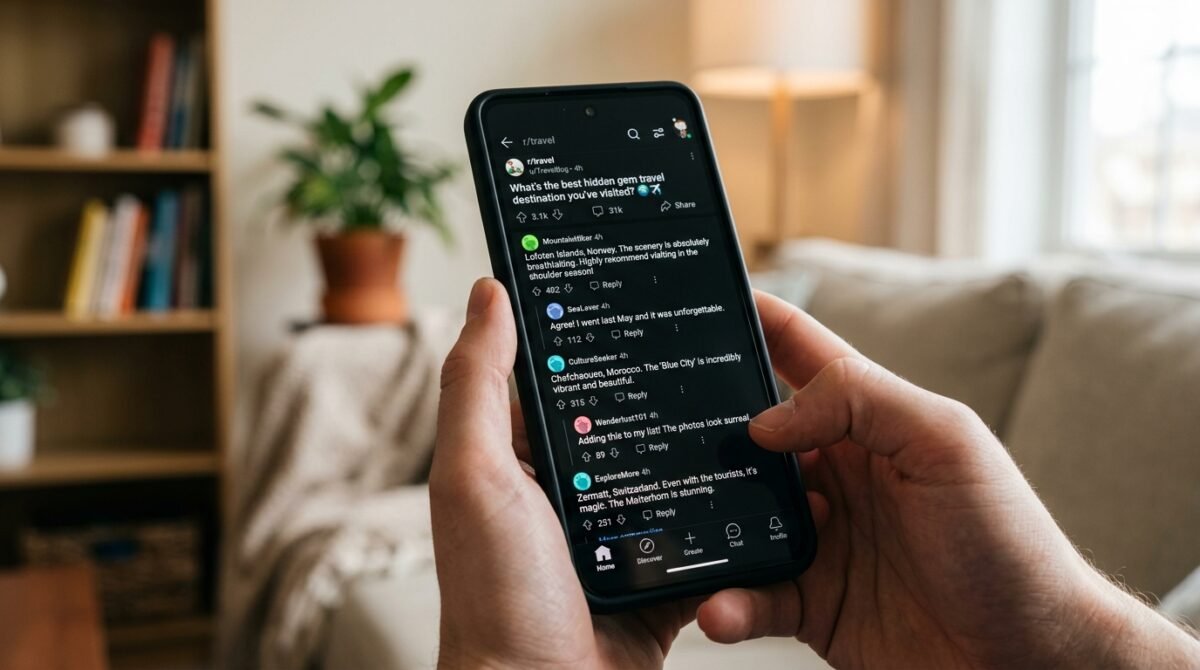
I did something I rarely do: I took our story to the internet. I posted on a popular relationship subreddit, masking the specific details to protect our identities. I needed to know if I was crazy. Was I being unreasonable? Was this just how ‘modern’ couples handled finances? I hit post and watched my phone, hoping for validation but dreading the truth.
Within an hour, the notifications were non-stop. The community was unanimous. I wasn’t just being used; I was being financially exploited. The comments poured in, validating the rage I had been suppressing for months. Some users pointed out the legalities of our living arrangement, while others shared their own horror stories of partners who had pulled similar stunts.
Reading the comments was like receiving a bucket of ice water to the face. It forced me to look at the situation objectively. I wasn’t a ‘bad partner’ for asking for an equal split; I was a victim of someone who viewed me as a utility rather than a teammate. The support from strangers was more than I had received from the person living in my home.
“He’s not your partner, he’s your roommate who is actively scamming you. A partner doesn’t watch you drown so they can buy a shiny new toy. Get out now.”
— u/FinanceTruthSeeker (Top Comment, 32.5k upvotes)
The thread became a rallying point for people who had dealt with financial abuse. It helped me realize that this wasn’t just a disagreement about money—it was a red flag for the entire foundation of our relationship. If he could justify this, what else could he justify? The mask was off, and I couldn’t unsee the face underneath.
The Confrontation of Values

Armed with the perspective of the Reddit community, I decided to confront him one last time. This wasn’t about the car anymore. It was about respect, honesty, and the fundamental inequality of our arrangement. I walked into the living room where he was cleaning a part for the car he hadn’t even bought yet, and I set my laptop down. I told him we needed to have a real talk about our future.
He sighed, the sound of a man inconvenienced by reality. He tried to interrupt, to spin his usual narrative about ‘optimization’ and ‘long-term growth,’ but I stopped him. For the first time, I didn’t back down. I told him exactly what I had discovered, how it made me feel, and that the current arrangement was ending immediately. If we were to stay together, the bills would be split 50/50, or I would be moving out.
His face went pale. He hadn’t expected me to set a hard boundary. He tried to negotiate, offering to pay an extra 5 percent, as if this were a salary negotiation rather than a relationship crisis. I didn’t budge. I saw him for exactly what he was: a man who cared more about his status symbol than my well-being. He was terrified of losing his ‘subsidy,’ not his partner.
“If you can’t see the logic in me saving for our future, then maybe you’re just not as mature as I thought. I’m doing this for us, and you’re acting like a child.”
— Mark, during our final big argument.
The cruelty in his words was the final nail in the coffin. He didn’t love me; he loved the convenience of having his rent paid so he could pursue his selfish desires. The realization was liberating. I wasn’t losing a partner; I was losing a financial burden that had been holding me back for far too long.
The Pack-up and the Pivot

Deciding to move out was the easiest decision of my life. The moment I told him I wouldn’t be paying the 70 percent anymore, his demeanor turned cold. He didn’t fight to keep me; he fought to keep the money. He started calculating how much he would have to pay in rent if I left, realizing that he couldn’t afford the lifestyle he had curated without my contribution.
I spent the next week packing. My friends came over to help, and their presence made me realize how isolated I had become. Mark stayed in his office, pretending to work, while I hauled boxes out to my car. He didn’t even come out to say goodbye. It was as if I were a piece of furniture that was no longer needed for the aesthetic of the apartment.
The silence of the move was deafening, but it was also peaceful. For every item I packed, I felt a weight lifting off my shoulders. I was reclaiming my life, my money, and my future. I wasn’t just moving to a new apartment; I was moving into a version of myself that didn’t tolerate being used. The fear of being alone was replaced by the excitement of being independent.
“Are you really doing this? You’re going to throw away a three-year relationship over a disagreement about rent? That’s incredibly shallow.”
— Mark, as I was walking out the door for the last time.
I didn’t dignify his comment with a response. There was nothing left to say. The three years hadn’t been thrown away; they had been spent learning a hard lesson that I would carry with me for the rest of my life. I walked out the door, locked it behind me, and didn’t look back.
Life After the Financial Fog

Living alone has been a revelation. I have my own space, my own budget, and—most importantly—my own peace of mind. I no longer have to worry about whether my grocery spending will prevent someone else from buying a luxury car. I can afford to treat myself to a nice meal without feeling guilty, because the money I spend is my own, earned for my own life.
I’ve started saving for my own goals now. It’s not for a sports car, and it’s not for a ‘future’ that might never come. It’s for security, travel, and the freedom to make my own choices. The financial anxiety that used to follow me around like a shadow has vanished. I am more stable now than I ever was while living with Mark, which is the ultimate irony.
I’ve also started dating again, but the red flags are impossible to miss now. I ask about finances on the second or third date. I don’t apologize for it. I learned that money is a reflection of values, and if someone’s values don’t align with mine, there is no amount of chemistry that can bridge that gap. I am no longer looking for someone to share an apartment with; I am looking for a partner to share a life with.
“I used to think being a ‘supportive partner’ meant sacrificing your own needs. Now I know that a real partner wouldn’t ask you to sacrifice your well-being for their ego.”
— My closing thought during a post-breakup therapy session.
Healing is a process, and there are still days when I feel the sting of the betrayal. But those days are becoming fewer and further between. I am proud of the person I have become—someone who sets boundaries, someone who values her own worth, and someone who would never, ever pay 70 percent of the rent for someone else’s dream.
The Aftermath of the Viral Thread

My Reddit thread took on a life of its own. It reached the front page, and for weeks, I received messages from people in similar situations. Some were in their 20s, just starting out, while others were in long-term marriages, dealing with decades of financial control. The sheer volume of people who were being exploited in their own homes was heartbreaking.
I created a follow-up post, sharing my progress and the lessons I had learned. The community was incredibly supportive, and many shared their own success stories of breaking free from toxic financial situations. It became a space of healing, not just a place to vent. It made me realize that my pain wasn’t unique, but it could be transformative.
The most surprising part of the aftermath was hearing from a mutual friend that Mark was struggling. He couldn’t find a roommate who would agree to his ‘rent optimization’ plan. He was forced to move into a smaller place, and his car dream was put on indefinite hold. It wasn’t about schadenfreude; it was just a validation of the reality I had known all along: his plan was never sustainable.
“I read your original post and it gave me the courage to check my partner’s bank statement. We had a huge fight, but now we’re finally being honest about our finances. Thank you.”
— A private message from a reader who saw the thread.
Knowing that my story helped even one person reclaim their financial autonomy makes the trauma of the experience worth it. I am no longer the victim of the story; I am the author of my own life. And I have never been more comfortable with the ending I chose.
Financial Red Flags Every Couple Should Know

Reflecting on my journey, I have put together a list of financial red flags that I wish I had known before I moved in with Mark. These aren’t just about money; they are about power dynamics. When one partner controls the narrative of ‘fairness,’ they usually control the relationship. The first red flag is when someone insists on a complex, rigid system that only benefits them while you carry the bulk of the burden.
The second red flag is opacity. If your partner refuses to be transparent about their savings, their debts, or their financial goals, it is a sign that they are hiding something. Financial intimacy is just as important as physical intimacy. If they aren’t willing to share their numbers, they aren’t willing to share their life with you.
The third red flag is the dismissal of your concerns. If you bring up a financial issue and your partner tells you that you are ‘overreacting,’ ‘immature,’ or ‘not seeing the vision,’ they are gaslighting you. Your concerns are valid, and they deserve to be addressed with respect and compromise. Never settle for a partner who makes you feel like an obstacle to their success.
“If they can’t be honest about the grocery bill, they won’t be honest about the big life decisions. Financial transparency is the ultimate litmus test for a long-term partner.”
— Advice from a financial advisor I consulted after the breakup.
Financial abuse is subtle, but it is devastating. It is a slow erosion of your independence, your confidence, and your future. Recognizing these signs early can save you years of pain. If you feel like your relationship is a business arrangement that you are losing, pay attention to that feeling. It is your intuition telling you that you deserve better.
The Lessons of Independence

Looking back, the biggest lesson I learned is that my independence is non-negotiable. I spent so long trying to be a ‘team player’ that I lost sight of myself. I was so afraid of being difficult that I let myself be used. That is a mistake I will never make again. True partnership is about supporting each other’s dreams, not sacrificing yours for theirs.
I have learned to value my own worth independently of any relationship status. My financial stability, my personal goals, and my happiness are things that I own. They are not dependent on a partner’s approval or a ‘plan’ that I didn’t help create. This shift in perspective has been the most empowering part of my recovery.
I am also more mindful of the people I surround myself with. I don’t just look for people who are fun or attractive; I look for people who are honest, generous, and respect my boundaries. I have become a better judge of character because I am no longer blinded by the need to be loved at any cost. I am loved for who I am, not for what I can provide.
“You are not a stepping stone for someone else’s ego. You are the architect of your own life. Never forget your worth, even when someone tries to minimize it.”
— A note I keep on my mirror to remind myself of my journey.
The journey from the apartment with Mark to where I am now has been long, but it has been worth every step. I have found a level of peace I didn’t know was possible. I am not just surviving; I am thriving. And I have never been more grateful for the person I am today—strong, independent, and finally, truly free.
Conclusion
My story is a reminder that financial abuse doesn’t always look like empty bank accounts or stolen cards. Sometimes, it looks like a spreadsheet, a logical argument, and a partner who convinces you that your sacrifice is actually your duty. I hope that by sharing my experience, I can help others see the warning signs before they lose years of their lives to someone else’s dream.
I am now in a much better place, but the journey was difficult. The most important lesson I learned is that you must always prioritize your own security and dignity. No relationship is worth your self-respect. If you feel like you are being used, you probably are. Trust your gut, set your boundaries, and don’t be afraid to walk away when the math just doesn’t add up.
What about you? Have you ever had a partner try to ‘optimize’ your finances at your own expense? Or perhaps you’ve had to set a firm boundary that saved your relationship—or ended it? Share your thoughts and experiences in the comments below. Let’s start a conversation about what true financial partnership really looks like.
What's your verdict on this dilemma?
Vote below to contribute to the official community consensus.

Have a Dilemma Keeping You Up at Night?
Share your real-life feud, wedding chaos, or relationship crossroads anonymously with our editorial team.
What do you think ?
0 Comments🛡️ Comments are moderated to protect community integrity. Your comment will appear once approved by the editorial team.