

Living with roommates is often described as an exercise in compromise, but for many, it quickly devolves into a masterclass in boundary setting and emotional endurance. We expect shared spaces to be respected, but what happens when the very tools of our culinary passions are weaponized—or worse, destroyed—by someone else’s entrepreneurial whims?
My story begins in a shared apartment where I took great pride in my kitchen. Among my most prized possessions was a handcrafted, $400 artisan Dutch oven. It wasn’t just a pot; it was an investment in my love for slow-cooked stews and artisanal bread. It was the centerpiece of my kitchen setup, kept in pristine condition, and treated with the reverence one usually reserves for heirlooms.
Enter my roommate, Sarah, an aspiring influencer with a penchant for ‘Pinterest-worthy’ DIY projects. One Tuesday, while I was at work, she decided our shared kitchen would double as her candle-making studio. By the time I returned home, the smell of lavender and burning paraffin was suffocating, and my beautiful Dutch oven was a solidified tomb for a failed batch of craft candles.
What followed was not a simple conversation. It was a descent into gaslighting, financial denial, and a total breakdown of mutual respect. When I demanded restitution for the ruined equipment, Sarah laughed it off, calling me ‘uptight’ and ‘materialistic.’ She didn’t see a destroyed piece of high-end cookware; she saw a ‘minor cleanup project.’ That was the moment I realized the bridge wasn’t just burned—it had been melted into a pile of wax.
This article chronicles the escalation from a ruined kitchen appliance to the sterile, intimidating environment of a small claims courtroom. It is a cautionary tale about entitlement, the importance of boundaries, and the lengths one must go to when the people you live with treat your property as their own disposable resources.
The Morning After the Wax Disaster
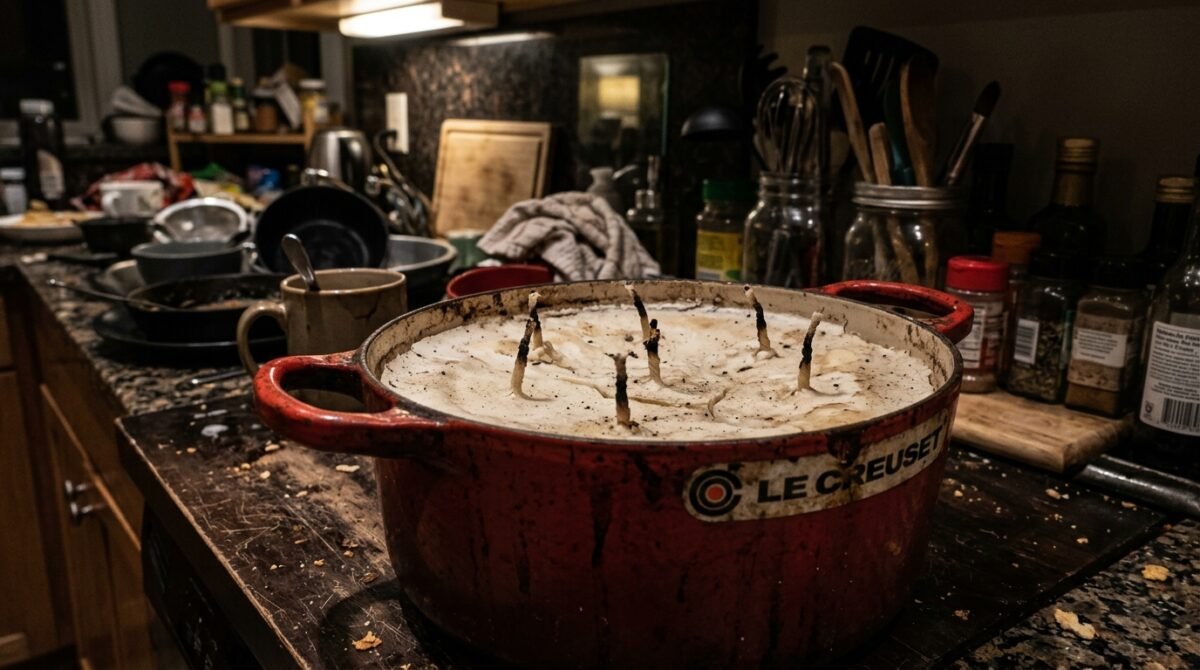
I walked into the kitchen at 7:00 AM, expecting the usual silence of a Tuesday morning. Instead, I was hit with a wall of synthetic floral scent that made my eyes water. The stove, which I had scrubbed clean the night before, was covered in a thin, greasy film of spilled wax. But nothing could have prepared me for the sight of the Dutch oven.
It sat on the counter, looking like a victim of some strange, industrial accident. The deep, vibrant red enamel was obscured by a thick, beige layer of solidified wax. Wicks were sticking out of it like jagged, charred antennas. My heart sank. I knew instantly that the specialized coating on the interior was compromised. Any attempt to scrape that out would leave the cast iron scratched beyond repair.
I didn’t scream. I just stood there, my hands trembling as I realized the scale of the damage. I pulled out my phone and took a dozen photos from every angle. I needed evidence. I needed to document this moment, because I knew the person I lived with would try to rewrite history the moment she woke up.
Sarah strolled out of her room a few minutes later, holding a coffee mug and looking suspiciously bright-eyed. She didn’t even notice me standing by the counter until she bumped into me. She looked at the Dutch oven, then back at me, with a look of mild irritation, as if I were the one inconveniencing her.
“Oh, you’re up early. Yeah, sorry about the mess. I was experimenting with some new candle molds last night. I’ll get to cleaning that out later today, don’t stress, it’s just wax.”
— Sarah, dismissively
I felt a white-hot flash of anger, but I forced myself to stay calm. “Sarah, that isn’t just a pot. That is a $400 professional-grade Dutch oven. The wax has already set. This is ruined. You can’t just ‘clean’ this without ruining the enamel finish.” She rolled her eyes, walking past me to the fridge, completely unfazed by the potential financial loss she had just caused.
The Gaslighting Begins
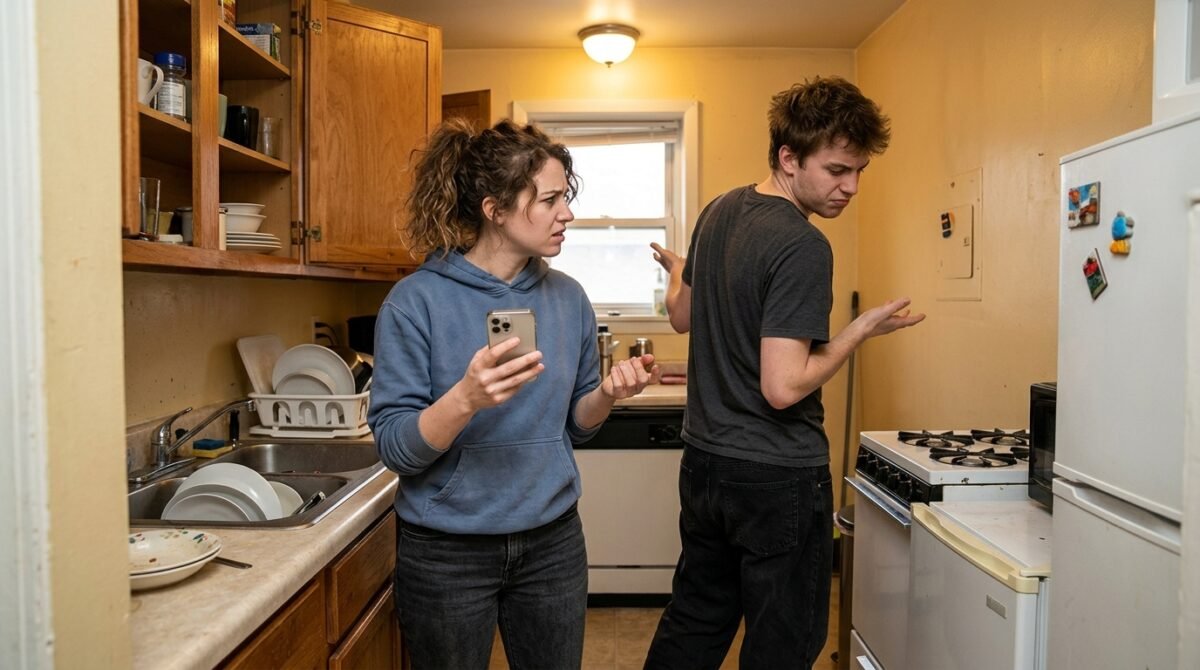
The next few days were a masterclass in avoidance. Every time I brought up the cost of the replacement, Sarah turned it into a conversation about my personality. She insisted that I was being ‘catastrophic’ and that I probably just wanted an excuse to buy a newer, more expensive model. She refused to acknowledge that she had used my property without permission.
She even tried to argue that because we were roommates, everything in the kitchen was ‘communal,’ regardless of who bought it. It was a bizarre, self-serving logic that ignored the fact that she had never once contributed to the kitchen budget. I started recording our conversations, just to ensure that I wouldn’t start doubting my own memory of the events.
“You’re seriously going to make this about money? We live together! I thought we were friends, but you’re literally acting like a landlord. It’s a pot, not a child. Get over it.”
— Sarah, during an argument
The audacity of her statement shocked me. The reality was that she had used my private, high-end equipment because she didn’t want to buy her own double-boiler or melting pot. She saw my belongings as an extension of her own resources, and when she broke them, she felt no obligation to pay because, in her mind, the inconvenience to her was greater than the financial loss to me.
I tried to show her the receipt. I tried to show her the manufacturer’s warranty information, which explicitly stated that using the pot for anything other than cooking would void the guarantee. She wouldn’t look at it. She would simply put on her headphones or leave the room. It was clear that she was never going to apologize, let alone pay.
By the end of the week, the atmosphere in the apartment had become toxic. I stopped using the kitchen entirely. I started keeping all my dry goods and smaller utensils in my bedroom, creating a ‘bunker’ system that made living in my own home feel like I was in a dorm. The resentment was palpable, a thick, heavy weight that hung over every interaction.
The Decision to Pursue Justice
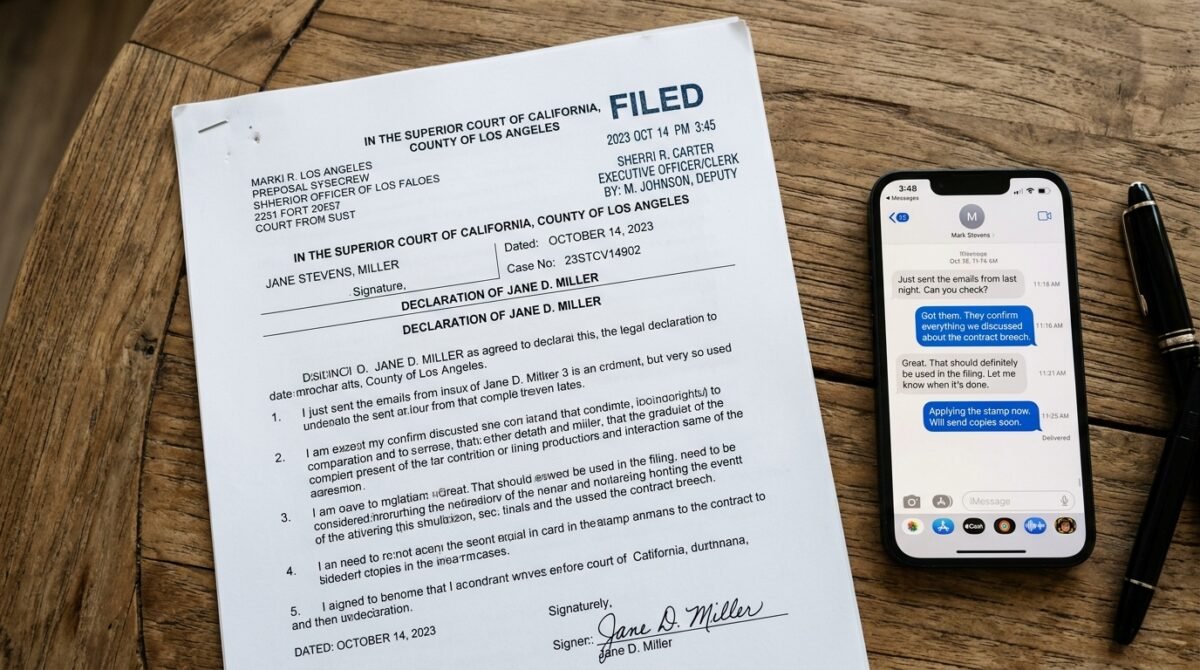
I didn’t come to the decision to go to small claims court lightly. I spent hours reading legal forums, researching tenant laws, and talking to friends who had dealt with similar petty disputes. Most people told me to let it go, that the filing fees and the stress wouldn’t be worth it for $400. But for me, it was never just about the money.
It was about the principle. If I let this slide, what was next? My laptop? My designer coat? Sarah had shown a complete disregard for my boundaries, and I needed to establish that my home was not her playground. I finally went to the local courthouse and picked up the paperwork to file a claim for the value of the Dutch oven plus the filing fees.
When I handed her the notice from the court, the look on her face was priceless. The mask of indifference finally slipped, replaced by genuine shock and anger. She couldn’t believe I had actually gone through with it. She thought it was a bluff, a tactic to make her apologize, but the court seal was very, very real.
“You’re suing me? For a pot? Are you insane? Do you have any idea how bad this will make you look to our friends? You’re going to destroy our living situation over a piece of iron?”
— Sarah, upon receiving the legal notice
I didn’t answer her. I didn’t need to. The legal process was now in motion, and I felt a sense of relief wash over me. I wasn’t fighting her anymore; I was letting the system handle it. I documented everything: the initial purchase receipt, the photos of the wax-filled pot, the text messages where she admitted to using it, and even the ones where she refused to pay.
I kept a digital folder, organized by date, detailing every interaction we had regarding the pot. I was ready. I wasn’t just a roommate being ‘difficult’ anymore; I was a plaintiff. And for the first time in weeks, I could sleep soundly, knowing that I had taken the only action that would actually hold her accountable.
The Group Chat Fallout

Of course, Sarah didn’t take this sitting down. Within hours, she had posted about it in our mutual friend group chat, spinning a version of the story where she was the victim of a ‘vindictive, money-obsessed roommate.’ Her messages were dripping with performative outrage, painting me as a villain for daring to involve the court.
“Can you believe this? OP is actually suing me over a pot I accidentally got wax in. I offered to clean it, but they are literally taking me to court. Stay away from them, they are a total psycho. #roommatefromhell”
— Sarah, in the group chat
I stayed silent. I didn’t respond to her bait. I let her reveal her own character to everyone else. The responses from our friends were mixed, but many were confused by her extreme reaction. They started asking me for my side of the story, and I simply sent them the photos of the ruined pot. The visual evidence spoke louder than any emotional plea Sarah could manufacture.
The group chat became a minefield. People took sides. Sarah’s enablers were quick to defend her, calling me ‘petty’ and ‘unhinged,’ while others were genuinely horrified at the lack of respect shown to my property. I found out later that she had been using other people’s belongings without asking, too; my lawsuit had acted as a catalyst for others to speak up.
One friend, who had been hesitant to speak, messaged me privately to say that Sarah had also ruined a pair of their expensive headphones and never offered to replace them. It was a pattern, not an accident. Sarah wasn’t just a careless roommate; she was a serial violator of boundaries who had simply never been stopped before.
Seeing the community reaction helped me realize that I wasn’t the problem. The validation from others who had suffered similar treatment made the social fallout of the lawsuit bearable. I had burned the bridge, yes, but in doing so, I had revealed that the other side was already crumbling.
Preparation for the Hearing
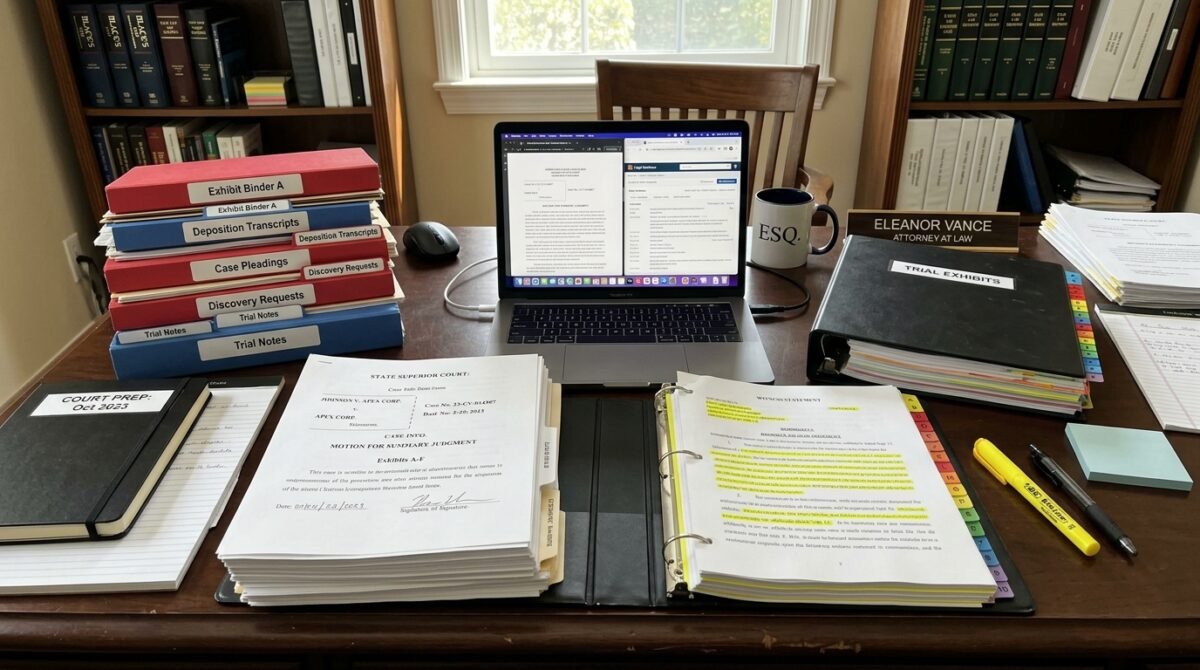
The weeks leading up to the small claims court date were filled with meticulous preparation. I wasn’t taking any chances. I printed out everything: the original receipt, the manufacturer’s care instructions, the photos, and the transcript of our text messages. I even researched the current market price of the Dutch oven to ensure my claim was accurate.
I treated it like a high-stakes business meeting. I wanted to be professional, concise, and entirely focused on the facts. I didn’t want to get into the emotional side of our living situation; I wanted to focus on the tangible damages. My goal was to show the judge that this wasn’t about a petty disagreement, but about a clear violation of personal property rights.
I practiced my opening statement in the mirror until I could say it without my voice shaking. I anticipated every argument Sarah might make: that it was an accident, that it was ‘communal property,’ that I had given her permission. I had counter-arguments for all of them, backed up by the evidence I had collected.
The stress began to take its toll, however. I wasn’t sleeping well, and I found myself constantly checking my phone for any new notifications from Sarah. She had started playing loud music at all hours of the night, trying to provoke a reaction. I started staying at a friend’s place more often, just to get away from the psychological warfare.
But the preparation gave me a sense of control. Every document I filed and every piece of evidence I organized was a step toward reclaiming my autonomy. I was no longer a victim; I was a person asserting their rights, and that shift in perspective was more valuable than the $400 I was trying to recover.
The Day in Court

Stepping into the courthouse, I felt a strange mixture of intimidation and empowerment. It was a cold, institutional place, smelling of floor wax and old paper. Sarah was there, looking surprisingly subdued. She had dressed up for the occasion, clearly hoping to play the part of the innocent, misunderstood roommate.
When our case was called, we stood before the judge. The process was surprisingly fast. The judge didn’t want a long, emotional backstory; they wanted the facts. I presented my evidence clearly and calmly. I showed the receipt, I showed the photos of the wax-filled pot, and I explained that the item was completely destroyed by an unauthorized use.
Sarah tried to argue that it was a ‘minor accident’ and that I was being unreasonable. She tried to frame it as a ‘misunderstanding’ about the house rules. But the judge wasn’t buying it. When I showed the judge the text messages where she refused to acknowledge the damage or offer to replace it, the judge’s expression shifted.
“Miss, you used an item that did not belong to you, and when it was damaged, you failed to take responsibility. The evidence of the damage is clear, and the claimant has provided proof of value. Judgment for the plaintiff in the amount of $400 plus filing fees.”
— The Judge, during the ruling
I felt an incredible sense of relief. It wasn’t about the money—well, it was about the money, but it was also about the vindication. I had been right, and the system had recognized it. Sarah looked shocked, her face flushing red as she realized she was legally obligated to pay me.
Walking out of that courtroom, I felt like a weight had been lifted. The conflict that had dominated my life for weeks was officially over. I had followed the process, I had stood my ground, and I had won. It was the most satisfying ending I could have hoped for.
The Aftermath and Moving Out

Getting the money was the next hurdle. Even after the judgment, Sarah tried to delay paying, claiming she was ‘short on cash.’ I had to follow up with the court to garnish her security deposit, which was a final, cold reminder of how far she was willing to go to avoid responsibility. But eventually, the money was recovered.
Moving out was the only logical next step. There was no way we could continue to live together after all of this. I found a new place, a smaller apartment, but one that was entirely my own. The first thing I bought for the new kitchen was a brand-new, even better Dutch oven. And you can bet I keep it in a locked cabinet.
Our mutual friends eventually started to see Sarah for who she really was. The lawsuit had opened their eyes to her pattern of behavior, and she found herself increasingly isolated. It wasn’t a happy ending for her, but it was a necessary one for the rest of us who had been forced to deal with her entitlement.
I learned a lot about boundaries during this ordeal. I learned that you have to be firm, even when it’s uncomfortable. I learned that people will try to use your kindness against you, and that it’s okay to say ‘no.’ Most importantly, I learned that my peace of mind is worth more than being ‘easy-going.’
Living alone has been a revelation. I realized that for years, I had been compromising my own comfort to keep the peace with people who didn’t respect me. Now, I curate my space, my rules, and my life. It’s a quiet, peaceful existence, and I wouldn’t trade it for anything.
Internet Reactions: The Reddit Verdict

When I finally posted my story on Reddit to see if I had overreacted, the response was overwhelming. Thousands of people weighed in, and the consensus was clear: I was absolutely in the right. The thread quickly became a hub for others to share their own ‘roommate from hell’ stories, creating a community of solidarity.
“NTA (Not the Asshole). This isn’t just about a pot; it’s about the fact that she has zero respect for your property. Suing her was the only way to get her to understand that actions have consequences. Well done for standing your ground.”
— u/JusticeSeeker99 (Top Comment, 32.4k upvotes)
There were, of course, a few people who thought I was being ‘petty,’ but they were quickly drowned out by those who understood the importance of boundaries. The Reddit community provided a level of validation that I had been missing for so long. It was incredibly comforting to know that I wasn’t alone in this experience.
Some commenters gave me practical advice on how to protect myself in the future, like writing up a roommate agreement or keeping a ‘do not touch’ list. It was a sobering reminder that many people have had to develop similar systems just to survive living with others. The thread became a resource for others looking for ways to handle similar situations.
Reading the comments, I realized that my story wasn’t unique. It was part of a larger, systemic problem of people feeling entitled to others’ belongings. By sharing my story, I felt like I was contributing to a conversation that needed to happen. The internet, for all its flaws, had provided a space for me to feel understood.
I kept the thread updated as the legal process unfolded, and the engagement only grew. It was a strange, surreal experience to see my personal drama analyzed by thousands of strangers, but it ultimately helped me process the anger and move forward. I was no longer the girl with the ruined pot; I was a person who took a stand.
Lessons in Property and Respect

Looking back, the destruction of the Dutch oven was the best thing that ever happened to me in that apartment. It forced me to confront a situation that was clearly untenable. If it hadn’t been the pot, it would have been something else—a ruined rug, a broken appliance, a stolen item. The pot was just the final straw.
I realized that I had been enabling Sarah’s behavior by being too passive. I wanted to be the ‘cool roommate,’ the one who didn’t complain, and that gave her the impression that she could do whatever she wanted. I had to learn that setting a boundary isn’t being mean; it’s being respectful of yourself.
I now have a very clear, written agreement with anyone who enters my home. It might seem cold to some, but it has saved me so much heartache. I don’t feel the need to be liked by everyone anymore. I prioritize my own comfort and the respect of my belongings over keeping the peace.
The financial loss was eventually recovered, but the real gain was the shift in my own mindset. I am no longer afraid to hold people accountable. I am no longer afraid of the social consequences of being firm. I have reclaimed my voice, and that is a lesson that will serve me for the rest of my life.
If you find yourself in a similar situation, don’t be afraid to take action. Don’t let someone else’s entitlement dictate your boundaries. Your belongings, your space, and your peace of mind are worth protecting. And sometimes, the only way to protect them is to take it to court.
The Final Word: Why Boundaries Matter

In the final analysis, this story is about more than just a piece of kitchen equipment. It’s about the fundamental respect we owe to each other in shared living spaces. We live in a society that often prioritizes ‘chill’ vibes over basic decency, and it’s time we start pushing back against that. Respect for others’ property is a basic pillar of a functioning household.
I hope that by sharing this, I can encourage others to stand their ground when their boundaries are violated. Whether it’s a roommate, a family member, or a friend, you have the right to expect that your things will be treated with care. And if they aren’t, you have the right to demand compensation.
It’s not ‘petty’ to value your things. It’s not ‘unhinged’ to expect people to replace what they break. It is, quite simply, adulthood. The process of taking someone to small claims court is stressful and difficult, but it is also a powerful exercise in self-advocacy. You are showing the world—and yourself—that you matter.
I’m in a much better place now. I have my own space, my own rules, and a much clearer sense of who I am. The Dutch oven incident was a painful lesson, but it was one that I’m glad I learned. It was the catalyst for a much bigger, more positive change in my life.
So, to everyone who has ever had a roommate who ‘borrowed’ something and ruined it: know that you aren’t wrong for being angry. You aren’t wrong for wanting justice. Stand your ground, document everything, and don’t be afraid to make them pay for the consequences of their actions.
Conclusion
The saga of the ruined Dutch oven is more than a story about a kitchen disaster—it’s a testament to the power of setting boundaries and refusing to settle for less than respect. While the legal process was taxing, the result was a profound shift in how I view my own value and the importance of holding others accountable. I’ve learned that the ‘peace’ kept by staying silent is often a form of self-betrayal, and that true peace comes from standing firm in your convictions.
What about you? Have you ever had a roommate or friend destroy your property and refuse to take responsibility? Did you let it go, or did you fight for restitution? Let’s talk about it in the comments below—I’d love to hear your experiences and the lessons you’ve learned from navigating the murky waters of shared living and broken trust.
What's your verdict on this dilemma?
Vote below to contribute to the official community consensus.

Have a Dilemma Keeping You Up at Night?
Share your real-life feud, wedding chaos, or relationship crossroads anonymously with our editorial team.
What do you think ?
0 Comments🛡️ Comments are moderated to protect community integrity. Your comment will appear once approved by the editorial team.