
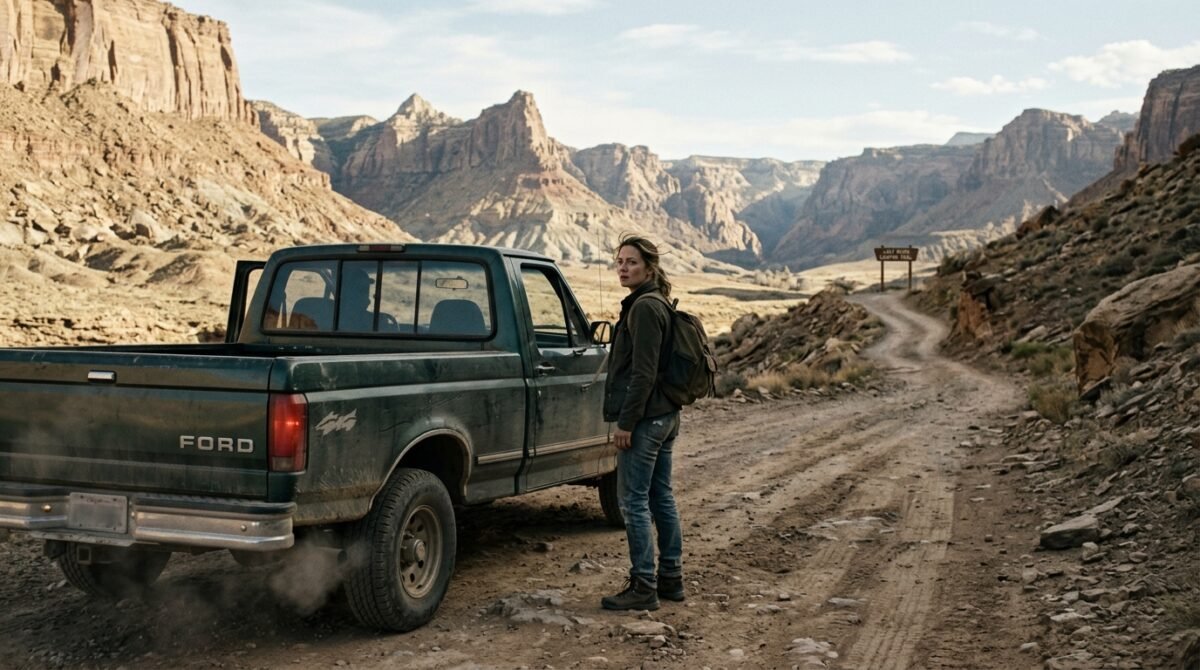
We all have that one person in our lives who we think we know better than anyone else. For three years, Mark was my rock, or so I thought. We shared an apartment, a budget, and a deep love for the outdoors. Our weekends were usually spent trekking through local trails, accompanied by my constant shadow, Buster—a sweet, ten-year-old Beagle mix who happened to be insulin-dependent.
Managing Buster’s diabetes was a non-negotiable part of my life. It required strict timing, specific cooling packs for his insulin, and constant vigilance regarding the heat. Mark knew this. He had been there for the vet appointments, the training sessions, and the countless hours spent stabilizing Buster after a scare. Or at least, I thought he was there. I thought he cared.
That changed last Saturday. We decided to hit the North Ridge Trail at the state park, a place we had frequented dozens of times. It was an unusually hot day, but we had prepared—or so I believed. What started as a simple morning hike transformed into a harrowing lesson on character, empathy, and the crushing realization that the person sleeping next to you might be a total stranger.
This isn’t just a story about a bad decision on a trail. It’s about the moment the veil lifted. When I found myself at a crossroads, realizing that the man I loved was willing to gamble with a life I was responsible for, I didn’t hesitate. I made a choice that would end our relationship, but arguably, saved my conscience—and my dog. Here is exactly what happened.
The Morning That Felt Too Normal
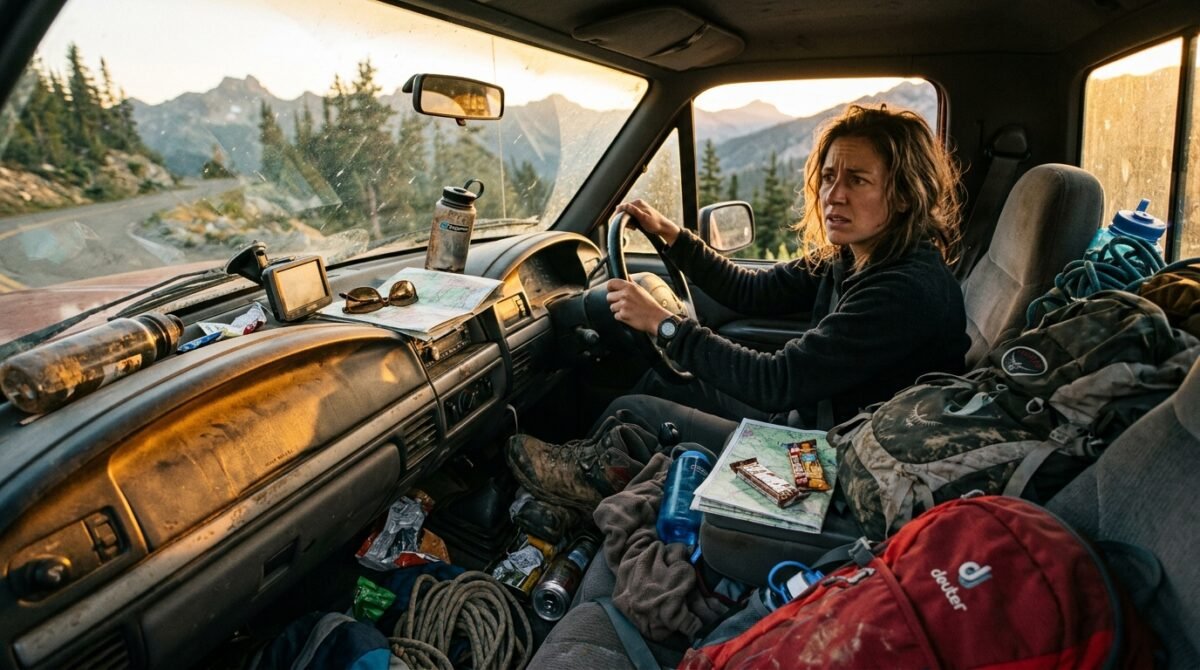
The morning started with the usual hum of domestic life. Coffee brewing, the sound of Buster’s tags clinking against his water bowl, and Mark complaining about the humidity. We had loaded the truck with our gear, and I had triple-checked Buster’s medical kit, ensuring the cold packs were frozen solid. It was meant to be a relaxing five-mile loop, the kind we usually crushed in under two hours.
Mark was, as usual, in a hurry. He kept checking his watch, anxious about the parking situation at the trailhead. I reminded him that we had plenty of time, but he was fixated on reaching the peak before the midday crowd arrived. I didn’t think much of his irritability; he often got ‘hangry’ if he didn’t have his breakfast smoothie, and this morning had been a rush.
When we arrived at the trailhead, the parking lot was already filling up. Mark pulled the truck into a spot that was partially shaded but quickly losing that shade to the shifting sun. He turned the engine off and unbuckled his seatbelt with a grunt. I was busy securing my pack, focused on getting the harness onto Buster, who was excited to hit the dirt path.
“Leave the dog, Sarah. He’s fine in the AC for a minute while we grab our stuff. It’s not like it’s death-defying heat yet.”
— Mark, moments before the disaster
I looked at him, confused. “Mark, no. It’s already seventy-eight degrees. He needs to stretch his legs, and he can’t be in a stagnant truck. Even with the windows cracked, it’s a risk I’m not willing to take. You know his medical history.”
He just rolled his eyes, a gesture I’d seen a thousand times. He stepped out of the truck, assuming I would follow his lead. He didn’t realize that in that moment, the power dynamic of our relationship had just shifted irrevocably. He assumed I would cave. He assumed his comfort—and his desire to start the hike—outweighed the safety of a senior, sick dog.
The Trailhead Ultimatum
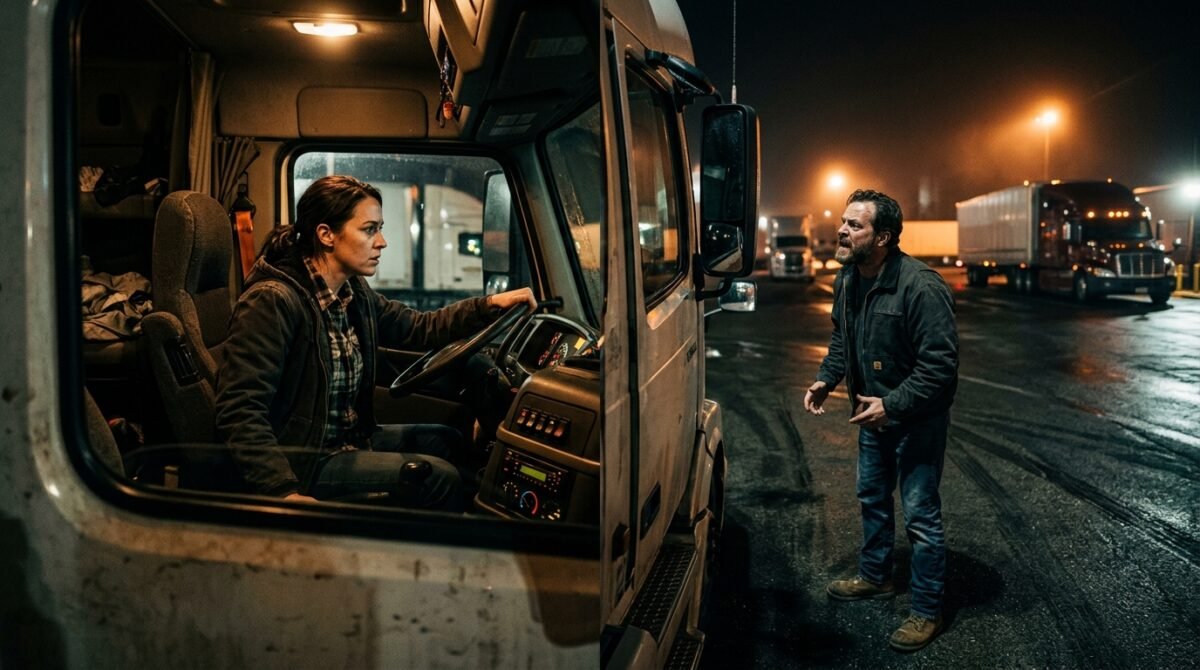
Mark marched toward the trailhead sign, expecting me to be two steps behind him. When he turned around and saw me still sitting in the driver’s seat, his face hardened. He walked back to the window, his expression tight with frustration. He didn’t see a woman protecting her pet; he saw a hurdle to his weekend plans.
“Are you coming or not?” he demanded, his voice echoing slightly in the quiet lot. “We’re wasting daylight. I told you, he’s a dog. He’ll survive for forty-five minutes. Stop being so dramatic about the heat. It’s barely hot.”
I held up my phone, showing him the weather app. The temperature was climbing, and the interior of the truck would hit triple digits in less than twenty minutes. “He’s not just a dog, Mark. He’s diabetic. If his blood sugar spikes or he gets heat exhaustion, he could go into a coma. I’m not leaving him.”
“You’re choosing a mutt over our day out? Seriously? You’re acting like he’s a human infant. It’s pathetic, Sarah. Just lock the truck and let’s go. I’m not missing the summit view because you have separation anxiety.”
— Mark, arguing at the trailhead
I felt a coldness wash over me. It wasn’t anger; it was the chilling realization that he didn’t value the things that mattered to me. He didn’t just dislike the dog; he resented the responsibility. It was a complete lack of empathy that I had somehow managed to overlook for three years.
I looked at Buster, who was panting softly in the backseat, his eyes full of trust. I looked at Mark, whose face was flushed with selfish impatience. I realized then that I wasn’t just defending a pet; I was standing up for my own dignity. I started the engine, put it in drive, and looked him straight in the eye.
The Choice in the Rearview Mirror
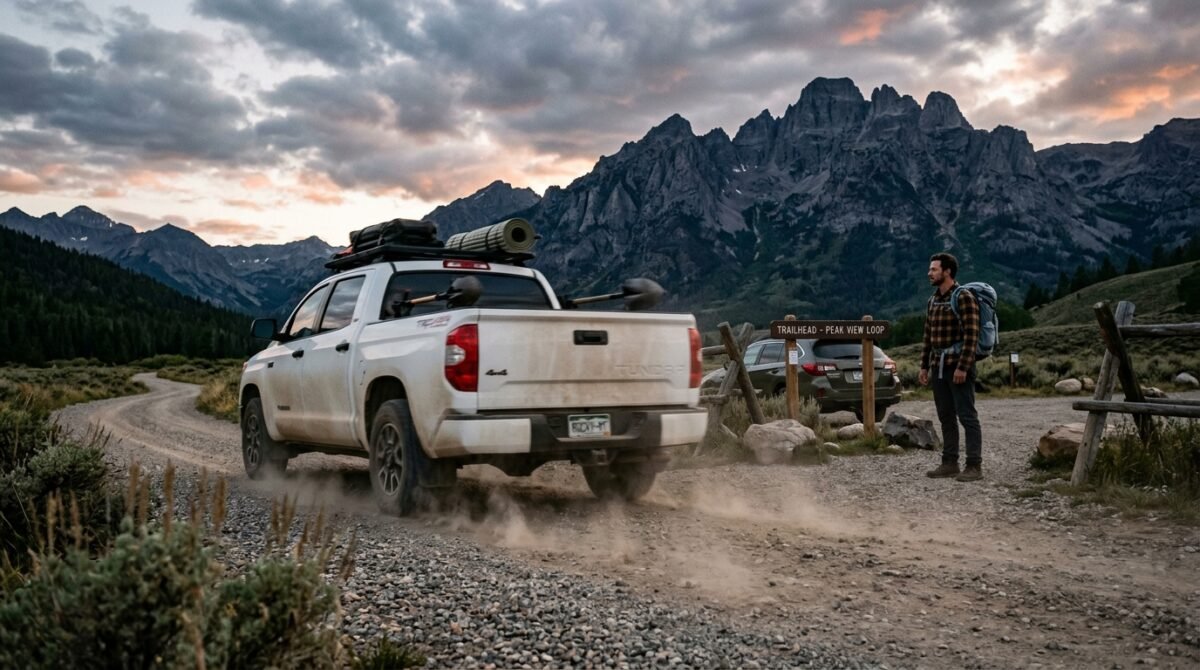
“I’m not doing this,” I said, my voice steady in a way that clearly surprised him. “You want to hike? Hike. I’m going home. I’m done with your dismissive attitude toward something you know is life-or-death for him.”
Mark laughed, a hollow, disbelieving sound. He thought it was a bluff. He leaned against the door, expecting me to switch gears and join him on the trail once I had vented my frustration. He reached for the door handle, but I had already locked it. The click of the locks was final.
“Sarah, open the door. Don’t be insane. We drove an hour to get here. You’re going to strand me at the trailhead because you’re being irrational about a dog? That is absolutely unhinged.”
I didn’t argue. I didn’t offer a compromise. I simply shifted into reverse. As I backed out, I saw his expression morph from arrogance to genuine panic. He had finally realized that I wasn’t playing a game. He started banging on the window, shouting for me to stop, but I didn’t look back until I was out of the parking lot.
“Are you serious? You’re leaving me here? You have the keys to the house! You’re literally kidnapping the truck!”
— Mark, screaming in the parking lot
I drove away with my heart hammering against my ribs. I felt like I was in a movie, but it was horrifyingly real. I knew I had to deal with the consequences of this, but for the first time in years, I felt a strange sense of clarity. The chaos in my head suddenly organized itself into a singular, undeniable truth: I was done.
The Silent Drive and the First Texts
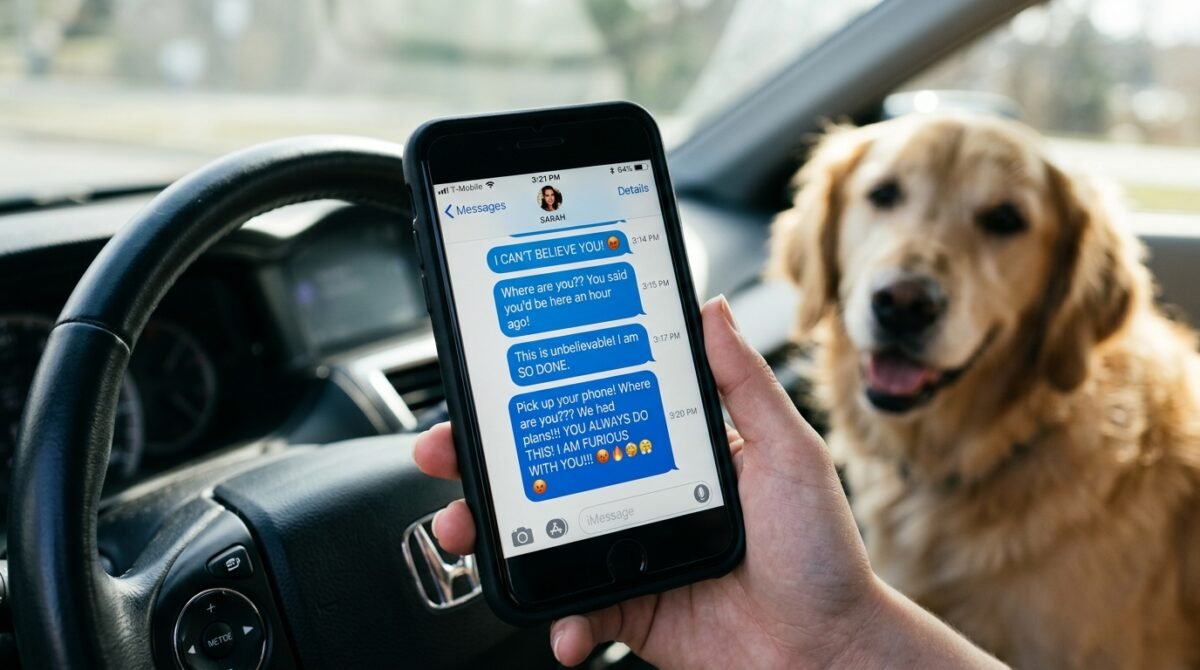
The drive home was spent in near-silence, save for the rhythmic breathing of Buster. I felt physically ill, the adrenaline leaving my body and being replaced by a crushing weight of regret—not for leaving Mark, but for the fact that it had come to this. My phone started vibrating almost immediately. It didn’t stop for the next thirty minutes.
I pulled over into a gas station to check the notifications. My screen was flooded with messages from Mark, ranging from confused to outright abusive. He was currently stranded at a park with no cell service in parts, trying to find an Uber or a ride back to town. He was livid.
“ARE YOU ACTUALLY INSANE? You left me at the park. No service, no ride, and you took the truck. You are a sociopath. I am going to make sure everyone knows you abandoned your partner for a dog. You’re single, don’t bother coming back.”
— Text from Mark, 10:42 AM
I took a screenshot of the message. I didn’t reply. I just stared at the words, feeling a weird sense of detachment. He was threatening me as if I were the one who had committed an atrocity. The irony was almost comical. He had threatened to leave me, and I hadn’t even had to say a word.
I texted my sister, who was the only person who knew the full extent of the stress I had been under regarding Buster’s care. I didn’t want to explain myself to anyone else yet. I just needed one person in my corner who understood that this wasn’t about the hike—it was about the lack of respect for a living creature that depended on us.
The Apartment Fallout
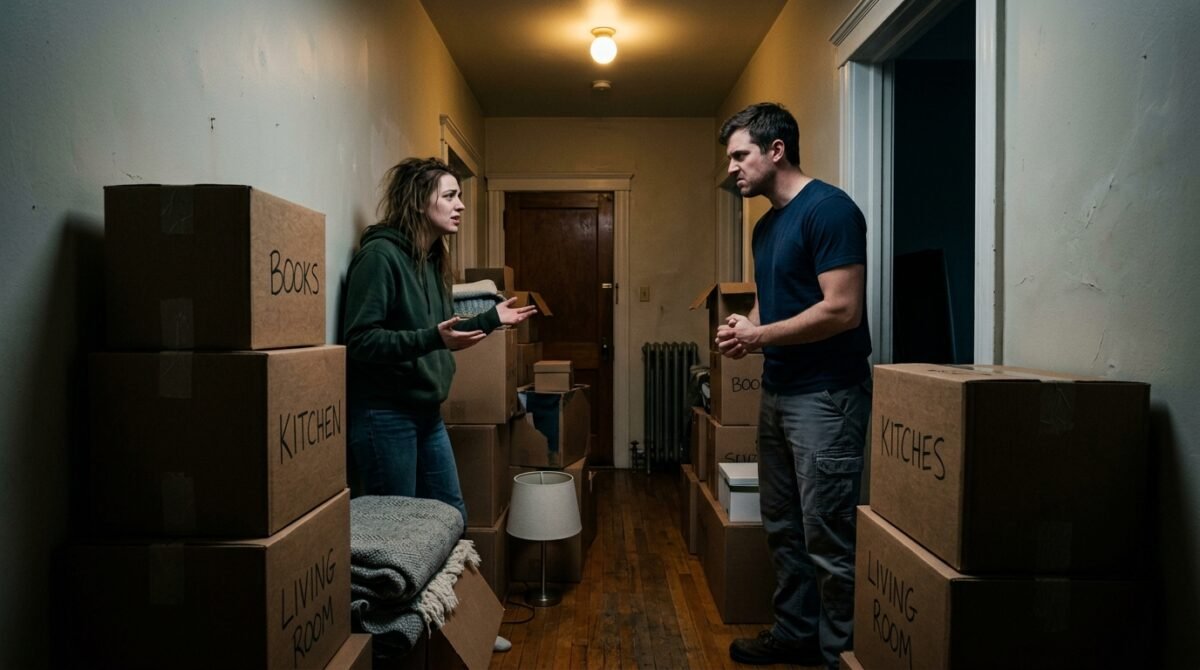
When I arrived at our apartment, the reality of the situation hit me. All of our belongings were intertwined. The dog bed in the living room, the shared Netflix account, the pictures on the wall. I felt like I was walking into a crime scene of a life that no longer existed. I knew he would be back by evening, having likely paid an exorbitant price for a ride-share.
I didn’t waste time. I packed a suitcase, threw my important documents in a bag, and grabbed Buster’s medical supplies. I wasn’t planning on staying to have a ‘talk.’ I was done talking. I had spent three years explaining why I couldn’t ignore Buster’s health needs, and I wasn’t going to spend one more hour justifying my existence.
My sister arrived thirty minutes later to help me move the rest of my stuff. She was silent, respectful of the situation, just helping me load boxes. When Mark finally showed up, he looked bedraggled, sweaty, and absolutely furious. He didn’t even look at the boxes; he looked at me with pure, unadulterated hatred.
“You think you’re funny? You think you’re the hero? You’re a pathetic person, Sarah. You care more about that flea-bitten animal than you do about a human relationship. Get out. Don’t take the couch, we split that.”
— Mark, confronting me at the front door
I didn’t even argue about the couch. I told him he could keep it, the TV, and anything else he wanted. I just wanted to leave with my dignity intact. He seemed stunned by my lack of attachment to our ‘stuff.’ He had expected me to fight for the furniture, to beg for another chance, to apologize for being ‘irrational.’
The Internet Weighs In
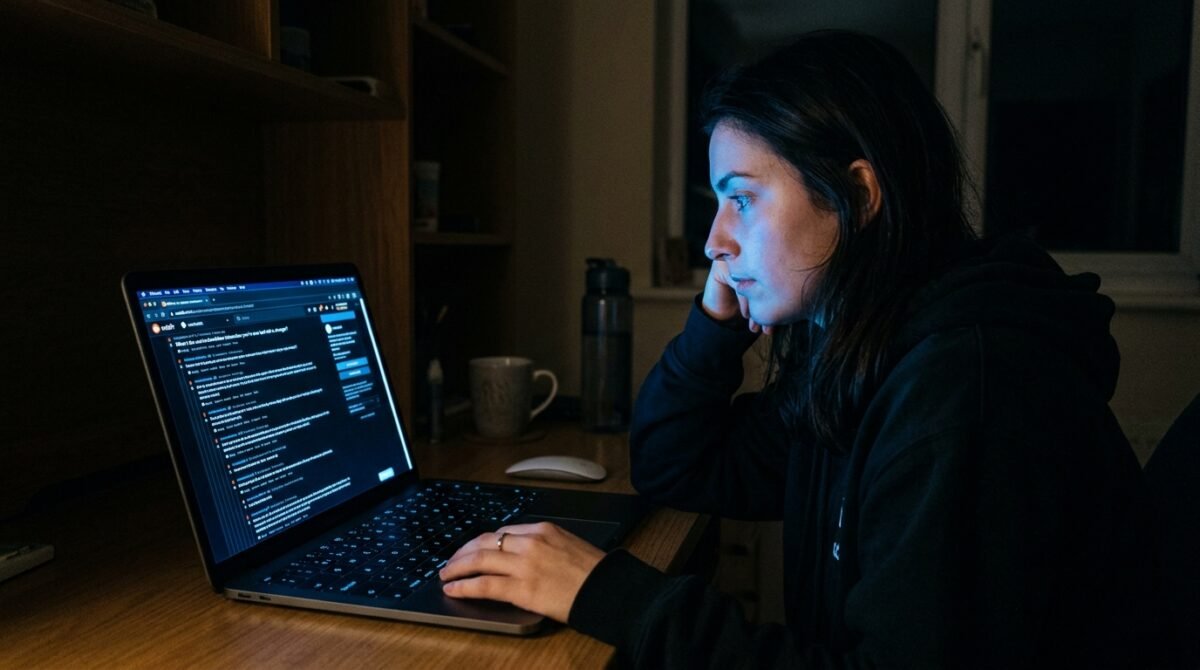
That night, I did something I rarely do: I posted about it on Reddit. I needed to know if I was actually the villain. I laid out the timeline, the heat, the dog’s condition, and the final confrontation at the trailhead. I expected some backlash, but I wasn’t prepared for the sheer volume of responses. The post blew up within hours.
The community was overwhelmingly on my side, which surprised me. I had assumed that people would see it as ‘dramatic’ to leave a partner in a park. Instead, I found a community of people who were equally horrified by his behavior. It was validation I didn’t know I needed.
“NTA. He literally put a creature’s life at risk to save himself ten minutes of hassle. That shows you everything you need to know about his character. You didn’t leave him; he forced your hand by showing you who he really is. Don’t look back.”
— u/DogMom4Life (Top Comment, 32.1k upvotes)
Reading the comments helped me realize that the ‘craziness’ I felt wasn’t mine—it was his. I saw hundreds of people sharing stories of their own partners who had belittled their responsibilities, their pets, and their boundaries. It was a massive, collective realization that I was part of a much larger, uglier trend of emotional neglect.
Of course, there were dissenters. There were always people who thought I was being ‘petty.’ They argued that I could have just insisted he open the windows more or that I could have just waited. But those comments felt hollow compared to the ones that understood the weight of the responsibility I carried. It was clear that the people who understood, really understood.
The Aftermath of the Breakup
The days following the move were a blur of logistics and emotional exhaustion. I moved into a temporary sublet, and my sister helped me set up a new space for Buster. He seemed to sense the tension had evaporated; he was calmer, happier, and finally eating his meals with a normal appetite. It was the best confirmation that I had made the right decision.
Mark tried to reach out several times. He sent long, rambling emails about how I had ‘abandoned’ him in a dangerous situation and how he had been ‘scared.’ He never once mentioned the dog, nor did he apologize for his earlier comment about the animal being a burden. It was all about his inconvenience, his fear, and his anger.
“I just need you to understand that you left me in a place where I didn’t have cell service. You could have killed me by leaving me stranded there. I’m contacting a lawyer about the truck ownership.”
— Email from Mark, 3 days later
I forwarded the emails to my lawyer and blocked him everywhere. I wasn’t going to engage with his gaslighting. He wanted to frame himself as the victim, but I knew the truth. He had prioritized a hike over a life, and he was now suffering the consequences of his own hubris. It was a cold, hard truth, but it was the truth nonetheless.
I started attending therapy to process the guilt I felt for even having been with him for three years. How had I missed the signs? My therapist reminded me that emotional abuse is often slow, a gradual erosion of self-esteem that makes you feel like you are the one who is failing. I hadn’t failed; I had finally succeeded in leaving.
The Financial Reality Check

When it came to the money, I was surprisingly firm. We had shared expenses for everything—the truck, the apartment, the utilities. But after I left, Mark tried to claim half of the value of the truck, even though I had put down the initial down payment and paid for most of the maintenance. He was trying to hurt me financially because he couldn’t hurt me emotionally anymore.
I laid out the numbers for my lawyer, creating a spreadsheet that tracked every cent we had contributed. It was clear that I had carried the brunt of the financial burden for our shared life. I had been paying for the dog’s vet bills, the car insurance, and the majority of the groceries, while he ‘invested’ in his hobbies.
| Expense | My Contribution | Mark’s Contribution | The Reality |
|---|---|---|---|
| Truck Down Payment | 100% | 0% | Sole Ownership |
| Vet Bills (Annual) | 90% | 10% | My Responsibility |
| Grocery/Household | 60% | 40% | Fair Share |
The table didn’t lie. When I showed him the breakdown, he went silent. He didn’t have a rebuttal. He couldn’t argue with the math, and he certainly couldn’t argue with the fact that his financial contribution was significantly lower than he had claimed. It was a final, pathetic attempt to control me, and it failed completely.
He eventually backed down, realizing that taking me to court would only expose his own financial irresponsibility. He kept his silence after that, and the lawyers finalized the asset division. It was a relief to have that chapter closed, to see the reality of our ‘partnership’ written out in black and white.
Why I Don’t Look Back
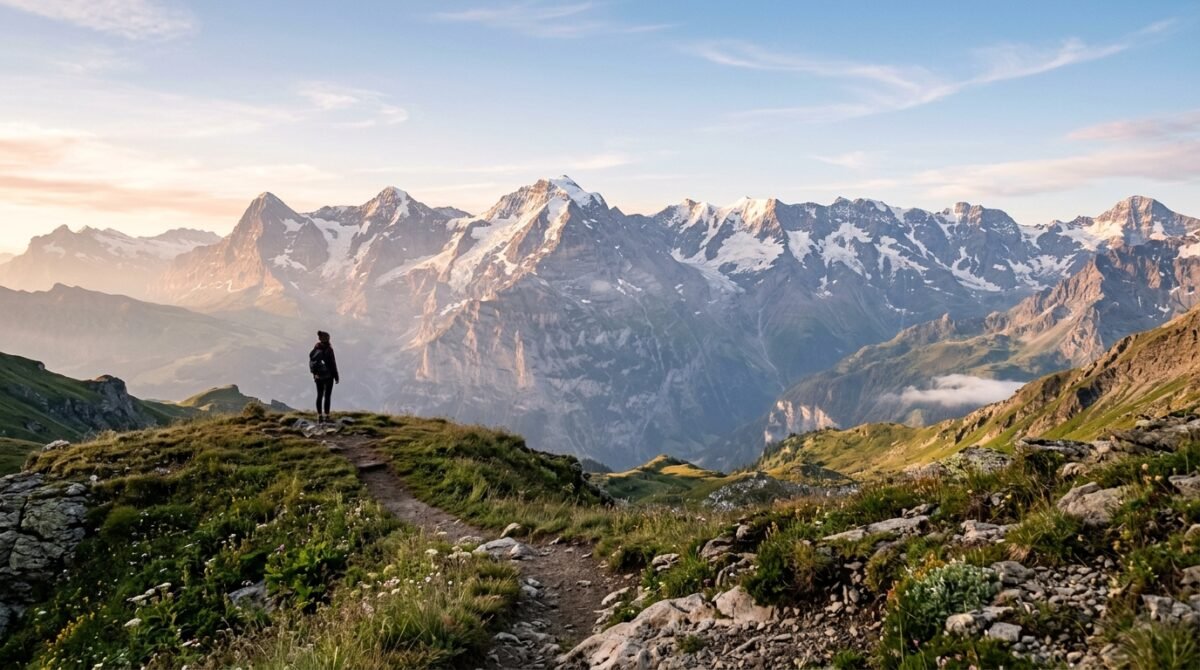
People ask me if I miss him. They ask if I regret the way it ended—if I wish I had just stayed, hiked, and talked it out later. I tell them honestly: no. There is no version of this story where I stay with someone who treats a living, breathing, dependent creature like an inconvenience. That is a fundamental character flaw, one that doesn’t just apply to dogs.
If he could abandon Buster in a hot truck, what would he have done in a real emergency? What would he have done if I were the one who was sick or incapacitated? I realized that his selfishness wasn’t just directed at my pet; it was a core component of how he viewed the world. Everyone and everything existed for his benefit.
“You realize that if he’s willing to sacrifice the dog for a hike, he would have sacrificed you for much less. You didn’t just save the dog. You saved yourself.”
— My sister, during our last move-out trip
She was right. I am a different person now. I am more guarded, sure, but I am also more aware of what I deserve. I deserve someone who sees the world the way I do, someone who understands that love is about care, sacrifice, and showing up—even when it’s inconvenient. Especially when it’s inconvenient.
I look back at the trail in my mind, the dust, the heat, the look on his face. It doesn’t haunt me. It serves as a reminder. It’s a landmark in my life, a point where I stopped being the person who tolerated the unacceptable and became the person who walked away from it.
The Lessons Learned in the Aftermath
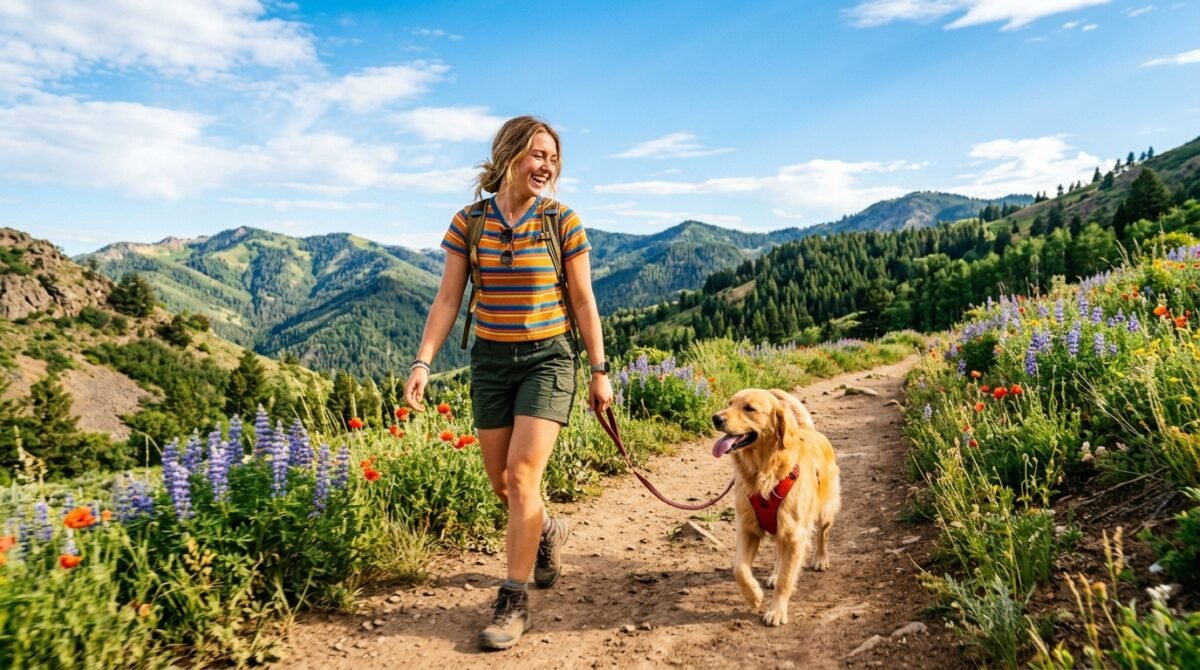
I’ve learned that the people who tell you to ‘just get over it’ are usually the ones who haven’t had to set boundaries themselves. They fear the fallout. They fear being the ‘bad guy.’ But being the bad guy in someone else’s narrative is a small price to pay for being the hero in your own.
I still go hiking. Buster is by my side, healthy and happy. We’ve found new trails, new friends, and a new life that is entirely ours. We don’t have to check our watches, and we certainly don’t have to worry about who is being ‘inconvenienced’ by our needs. We are free.
To anyone out there who feels like they’re being forced to choose—between your pet, your health, or your dignity—choose yourself. Choose the life that makes you feel safe. If the person you are with makes you feel like your needs are a burden, they aren’t your partner. They are just a weight holding you back from your own happiness.
“The moment you realize your partner doesn’t value what you love is the moment you realize the relationship is over. Don’t wait for a trail-head disaster to see the truth.”
— Advice from a user in the comments, 12k upvotes
I’m finally at peace. The drama has died down, the social media comments have slowed, and the reality of my new life has set in. It’s quiet, it’s calm, and it’s mine. And honestly, I wouldn’t trade it for anything in the world.
Conclusion
The story of the North Ridge Trailhead wasn’t really about the trail. It was about the slow, agonizing realization that I had spent years loving someone who didn’t understand the meaning of loyalty. Leaving Mark was the most difficult, yet most necessary, decision I have ever made. It shattered my life, but it also cleared the debris that had been blocking my view for far too long.
In the aftermath, I’ve had to answer a lot of questions. Was I too harsh? Did I overreact? The consensus from everyone who truly knows me—and the supportive community online—is that I did exactly what I had to do. You cannot compromise on your values, especially when those values involve the care and safety of those who depend on you.
Now, I look forward. I look forward to a life where I don’t have to justify my empathy. I look forward to a future where my boundaries are respected, not tested. And most importantly, I look forward to every single day with Buster, who remains the best, most loyal companion I could ever ask for.
What about you? Have you ever had a moment where a single decision, a single ‘test’ of your partner’s character, changed everything? Share your stories below—let’s talk about the moments when the veil finally fell.
What's your verdict on this dilemma?
Vote below to contribute to the official community consensus.

Have a Dilemma Keeping You Up at Night?
Share your real-life feud, wedding chaos, or relationship crossroads anonymously with our editorial team.
What do you think ?
0 Comments🛡️ Comments are moderated to protect community integrity. Your comment will appear once approved by the editorial team.