
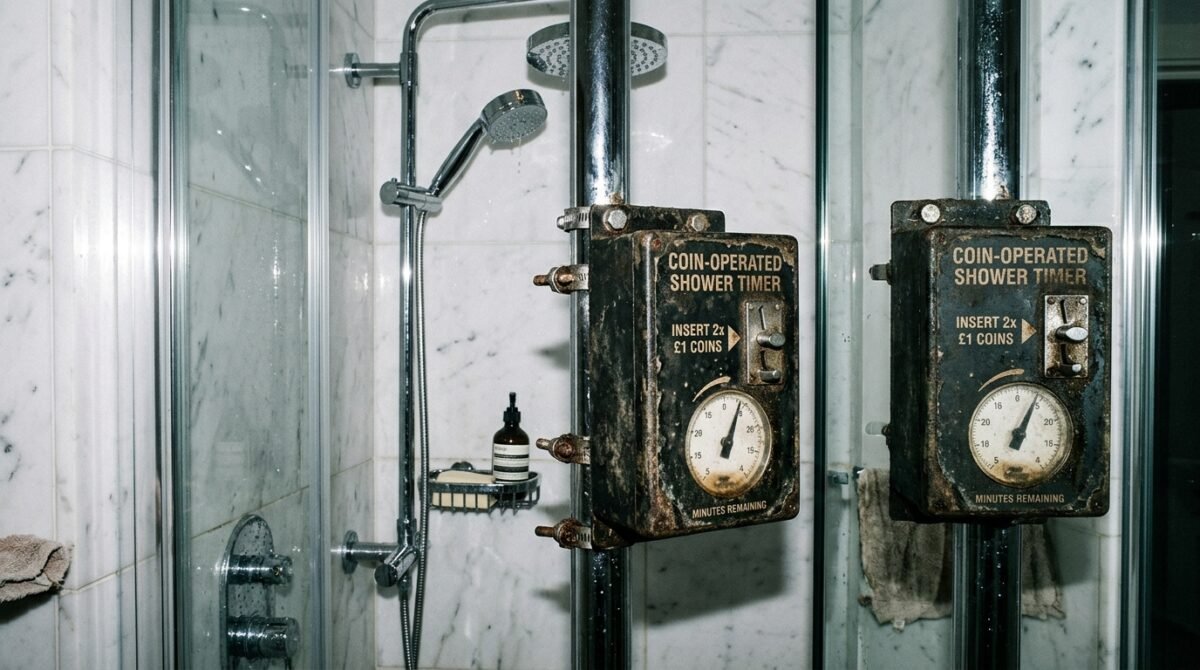
Living with roommates is often described as a trial by fire, a delicate dance of chore charts, quiet hours, and shared groceries. For most, the biggest friction comes from a sink full of dirty dishes or a thermostat set three degrees too high. But my experience went far beyond the mundane. It started with subtle comments about ‘utility conservation’ and morphed into a bizarre, mechanical war that redefined my understanding of personal boundaries and basic human decency.
My roommate, Mark, had always been frugal to a fault. He tracked his electricity usage with a spreadsheet and insisted on turning off the main power breaker whenever he left the apartment for more than an hour. I tolerated it, assuming his quirks were merely a personality flaw. I never expected that his obsession with saving pennies would eventually manifest in the hardware of our bathroom, turning my daily morning routine into a literal pay-to-play operation.
When I walked into the bathroom on a Tuesday morning and saw the brass-colored, coin-operated mechanism spliced into the shower line, I assumed it was a prank. It was a relic, something you might see in a 1970s campground or a budget European hostel, bolted onto our high-end shower head. The audacity was almost impressive. Little did I know, this was only the opening move in a campaign of control that would eventually see us standing in front of a small claims judge.
This story isn’t just about water bills or petty roommate feuds. It is about the moment a person decides that their obsession with saving money outweighs the basic comfort, dignity, and contractual rights of their co-tenant. It explores the descent into irrationality and the cold, hard reality of taking someone to task when they truly believe they are the hero of their own delusional narrative.
As the conflict escalated, the shared apartment turned into a site of psychological warfare. From the fake invoices taped to my bedroom door to the late-night group chat explosions involving our mutual friends, I found myself pushed into a corner. When he threatened to withhold access to the common areas if I didn’t pay ‘usage fees,’ I knew it was time to stop negotiating and start filing paperwork. The following account traces the rise and fall of the most absurd house rule I have ever encountered.
The Morning The Shower Went Silent

The sound of silence in the bathroom was the first warning sign. I had stepped into the shower, turned the handle, and been met with absolutely nothing but a hollow, pressurized hiss. When I pulled back the curtain, I saw it: a clunky, iron-cased ‘Water Timer’ device, mounted with aggressive, industrial-grade sealant right over the shower pipe. It looked like a prop from a dystopian film, utterly incongruous with our subway-tiled walls.
Mark was standing in the kitchen, casually eating cereal as if he hadn’t just sabotaged the plumbing. When I confronted him, he didn’t even look up from his bowl. He simply pointed to a laminated sign he’d taped to the fridge: ‘Shower Tokens: 5 Minutes per Token. $2.00 per Token. Please prepay at the kitchen kiosk.’
“Are you joking, Mark? You physically altered the apartment’s plumbing? This is a lease violation, not to mention a health hazard.”
— Me, initial confrontation
Mark finally looked up, his expression one of calm, detached superiority. He explained that he’d analyzed our water usage via the city utility portal and determined I was ‘the primary drain on the budget.’ He claimed my morning showers were costing the household an extra fourteen dollars a month, which he had decided was ‘financially unsustainable’ for our shared living agreement.
I was so stunned I could barely form a coherent sentence. He didn’t see the breach of contract or the invasion of privacy; he saw a spreadsheet discrepancy that he had ‘fixed’ with a ten-dollar thrift store timer. He told me that if I wanted an ‘unlimited’ water experience, I should move to a hotel. I realized then that his frugal nature had curdled into something much more dangerous: absolute, unearned control over my daily life.
The rest of the morning was a blur of frantic emails to our landlord and a rapid search of the local tenant rights handbook. I couldn’t believe I was sitting in my own home, feeling like a guest who had overstayed their welcome. As I watched Mark calmly clean up his cereal bowl, I knew that standard conversation was off the table. He wasn’t interested in logic; he was interested in dominance.
The Escalating War of Notifications
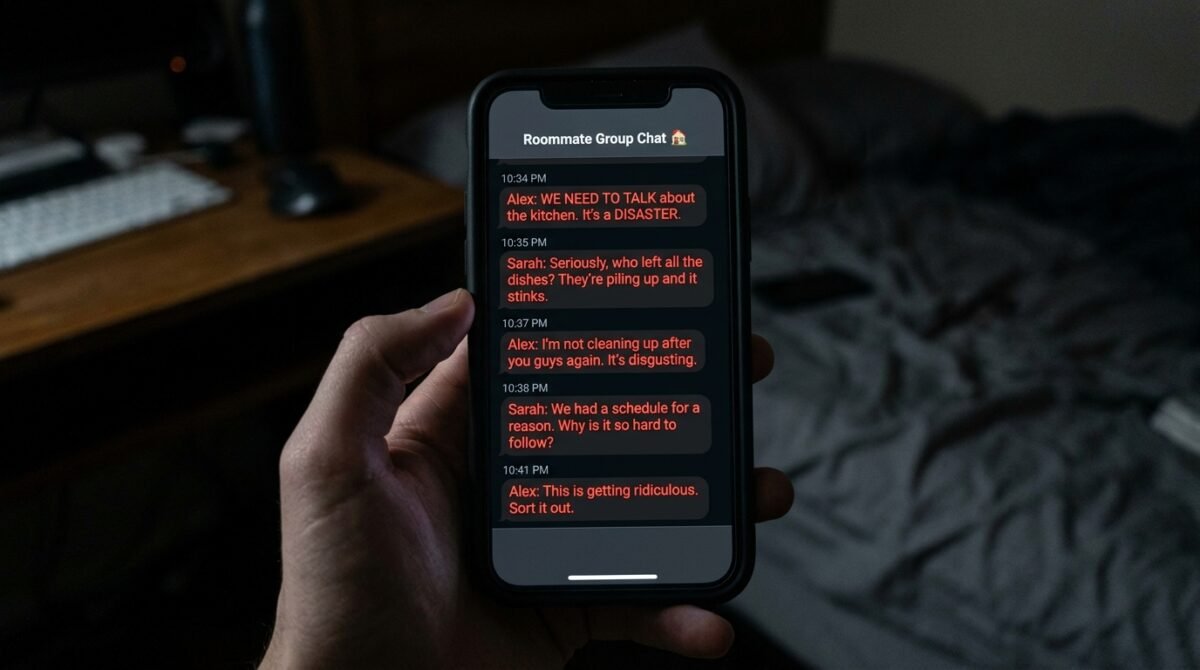
By the afternoon, the dynamic in the apartment had shifted from ‘awkward roommates’ to ‘adversaries.’ Mark had set up a secondary system: a digital group chat that included our mutual friend, Sarah, to act as a witness to my ‘defiance.’ He began sending automated payment requests through an app every time the bathroom door closed for more than ten minutes. It was psychological warfare designed to make me feel like a criminal for taking a shower.
“Alert: Shower session initiated at 6:42 PM. Deducting $2.00 from communal utility pool. Total outstanding balance: $18.00.”
— Text from Mark via group chat
I responded by documenting everything. I took photos of the timer, the receipts for the illegal plumbing parts he’d purchased, and every single harassing text message. I reached out to my friends to explain the situation, but Mark had already reached out first, painting me as a ‘wasteful roommate’ who refused to chip in for the ‘extra expenses’ I was allegedly creating.
The social pressure was intense. Sarah texted me later that day, suggesting I just ‘pay the few bucks to keep the peace.’ It was clear that Mark was framing this as a trivial money issue rather than a structural, legal, and personal boundary issue. People don’t like to get involved in roommate drama, and Mark was betting on the fact that my social circle would prefer convenience over justice.
I spent the evening in my room, listening to the muffled sounds of Mark moving about the apartment. Every time he passed my door, he would clear his throat loudly or drop a heavy item. It was a performative act of aggression, a way to remind me that he still considered himself the landlord of the apartment we both paid equal rent for. I was no longer living in a home; I was living in a pressure cooker.
I finally broke my silence in the group chat, laying out the legal reality of what he had done. I quoted the specific clauses in our lease regarding unauthorized alterations to the property and the landlord’s right to full access. Mark’s response was immediate and dismissive. He claimed that ‘tenant autonomy’ allowed him to optimize his living space as he saw fit, as long as he didn’t damage the structure.
The Landlord’s Unexpected Visit

The tipping point came when our landlord, a no-nonsense property manager named Mr. Henderson, showed up for a routine inspection. I had purposely left the bathroom door wide open, revealing the monstrosity of a timer mechanism. When Henderson walked in, he stopped dead in his tracks, his eyes widening as he examined the brass contraption bolted to his expensive fixtures.
“Mr. Miller, did you install this? Are you out of your mind? This is a direct violation of the lease. This entire pipe assembly is ruined.”
— Mr. Henderson to Mark
Mark tried to argue, his voice cracking as he attempted to explain his ‘optimization strategy.’ He spoke about water conservation and communal responsibility, but Henderson wasn’t hearing any of it. He was focused on the structural integrity of the wall and the liability of a DIY plumbing job in a high-rise building. It was the first time I had seen Mark truly lose his composure.
Henderson gave Mark twenty-four hours to remove the device and return the bathroom to its original state, or face immediate eviction proceedings. The look on Mark’s face was one of pure, unadulterated shock. He had expected the landlord to commend him for his frugality, or at least treat it as a minor suggestion. Instead, he was being treated like a vandal.
After Henderson left, the apartment went deathly quiet. Mark didn’t say a word to me. He went straight to the hardware store, returning an hour later with a bag full of tools and a look of grim determination. He spent the entire night unscrewing, patching, and cleaning the wall. By morning, the timer was gone, but the damage to our relationship was permanent.
I realized then that this wasn’t going to end with the removal of the device. Mark felt humiliated, and he was the type of person who needed a target for his frustration. Even without the timer, the environment remained toxic. Every time I ran the tap to brush my teeth, I could hear him sighing from the living room, a reminder that the ‘water debt’ was still an active thought in his mind.
The Rent Deduction Ultimatum
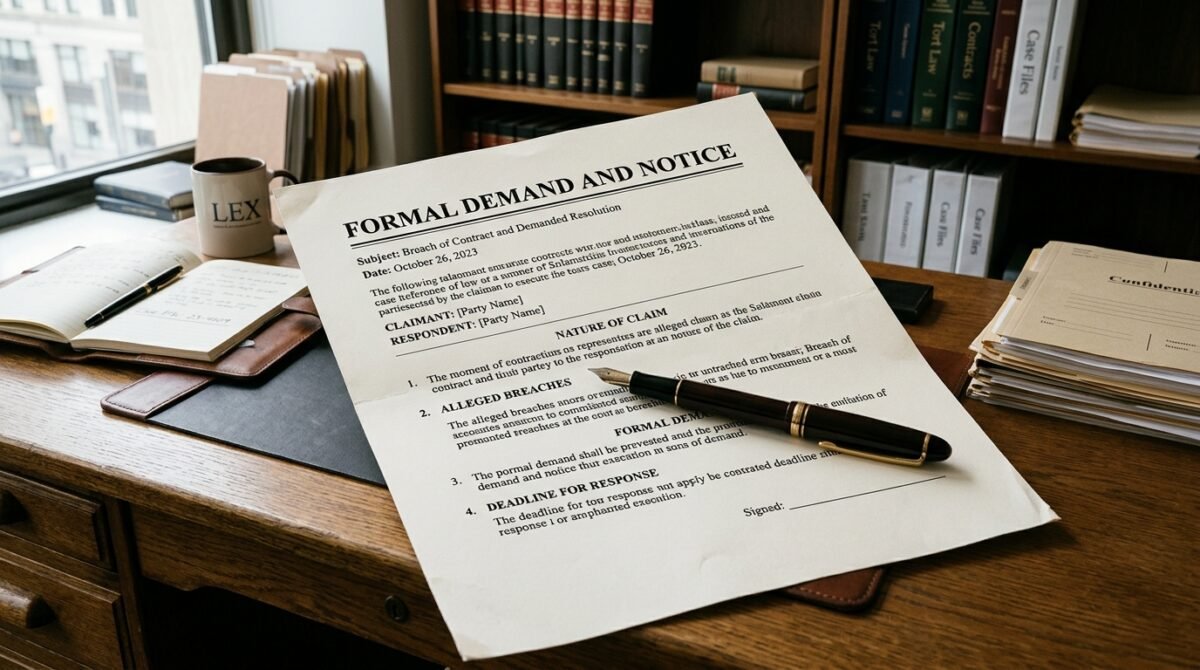
I knew I couldn’t just let the incident pass without consequence. I had spent hours dealing with the stress, documenting the damage, and coordinating with the landlord. I decided to deduct a portion of the following month’s rent, citing the loss of amenities and the harassment I’d endured. I sent Mark an itemized bill for the time I spent cleaning up, the stress, and the loss of access to the shower.
“I am deducting $300 from my portion of next month’s rent. This covers the breach of quiet enjoyment and the damages you caused to our shared living standards.”
— My message to Mark
Mark exploded. He sent me a paragraph-long text detailing why I was a ‘thief’ and a ‘parasite.’ He threatened to involve his lawyer, which I found hilarious considering he had just been reprimanded by our landlord for illegal plumbing. The back-and-forth was intense, with Mark accusing me of being the one who destroyed our living arrangement by ‘refusing to participate in basic cost-saving measures.’
I didn’t back down. I reminded him that we had a signed lease, and that he had no authority to unilaterally change the terms of our occupancy. I told him that if he wanted to pursue this legally, he was more than welcome to, but I was confident that a judge would see his ‘token dispenser’ for exactly what it was: a bizarre, illegal act of control.
He stopped talking to me entirely after that, only communicating through notes left on the refrigerator. The notes were increasingly unhinged, detailing how much water I used each time I washed my face or did the dishes. It was clear that he was spiraling, unable to process the fact that his attempt to ‘save’ the household had instead cost him his reputation and his roommate’s respect.
I spent that week preparing for the inevitable. I printed out all our communications, saved the photos of the timer, and started looking for a new place to live. I knew the living situation was doomed, but I was determined to leave on my own terms, not on his. The rent deduction was my way of reclaiming some power in a situation where I had felt completely powerless for weeks.
The Reddit Verdict
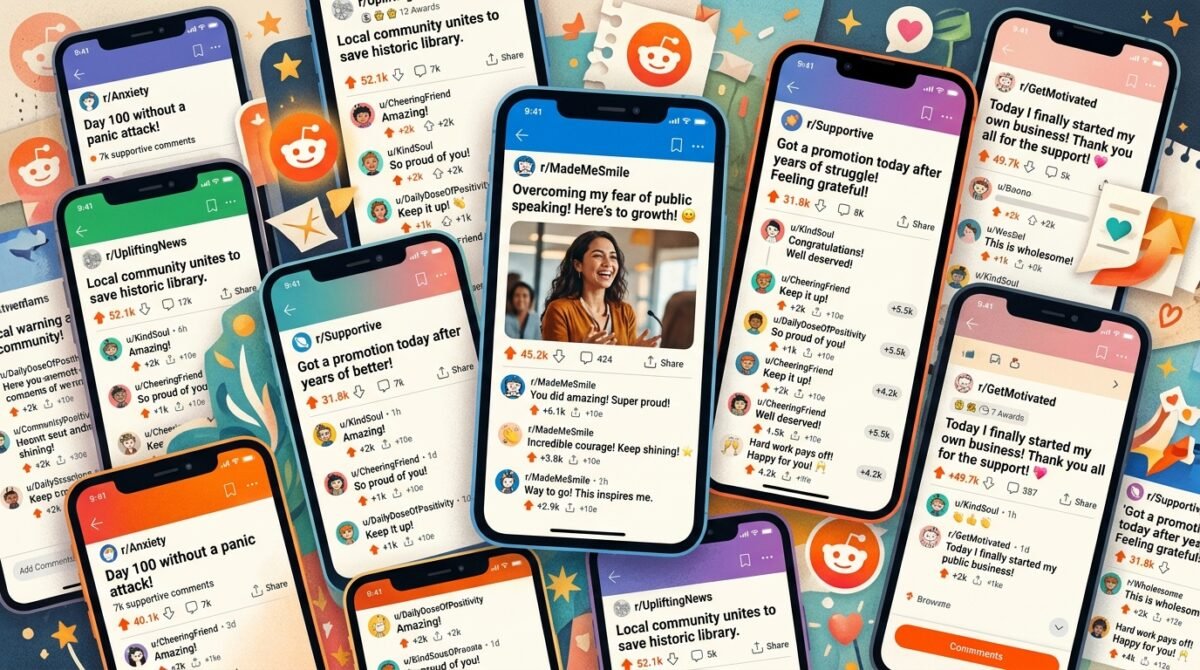
I turned to the community for perspective. I posted the entire saga on a subreddit dedicated to roommate nightmares, laying out the timeline, the photos of the timer, and the text exchanges. The response was overwhelming. Within hours, the post had thousands of upvotes and hundreds of comments, most of them echoing my outrage.
“This isn’t about water bills; this is classic financial abuse and control. Document everything, move out, and don’t look back. This guy is a walking red flag.”
— u/HousingExpert (Top Comment, 32.1k upvotes)
It was validating to see that I wasn’t the crazy one. People shared similar stories of ‘frugal’ roommates who had crossed the line into obsession. The community was unanimous: I had done the right thing by calling the landlord and refusing to pay the ‘usage fees.’ Several lawyers in the comments section even offered specific advice on how to handle the small claims court process.
Some users pushed back, suggesting that perhaps I was too sensitive, but they were quickly drowned out by the majority. The sheer audacity of the ‘token dispenser’ was the clincher. It was too absurd, too mechanical, and too invasive for anyone to defend. It turned a private disagreement into a clear-cut case of one person violating the rights of another.
Reading the comments, I realized that I had been minimizing the situation in my own head. I had been trying to find a compromise, to understand where Mark was coming from, when in reality, there was no compromise to be had with someone who felt entitled to control my access to water. The Reddit community helped me see that I was right to stand my ground.
The discussion also provided me with a roadmap for my exit. I learned about ‘constructive eviction’ and the steps I needed to take to ensure I wasn’t held liable for any of Mark’s potential future antics. I felt empowered, no longer the victim of Mark’s whims, but an active participant in my own defense.
The Small Claims Courtroom

The day of the hearing finally arrived. Mark had actually followed through with his threat, filing a claim against me for the ‘unpaid’ utility usage and the ‘stolen’ rent. I walked into the courtroom, my folder of evidence neatly organized, feeling surprisingly calm. I knew my case was airtight; I had the landlord’s statement, the photos of the illegal plumbing, and the transcript of our text messages.
Mark looked nervous. He had dressed in a suit that was clearly too big for him, clutching a thick stack of spreadsheets that he clearly thought would win him the case. When he presented his argument, he spoke about ‘communal responsibility’ and ‘equitable distribution of costs.’ The judge sat there, expressionless, listening to him ramble about five-minute showers and the cost of water in our zip code.
“Sir, did you or did you not install a coin-operated mechanical device into the plumbing of your shared apartment without the landlord’s consent?”
— Judge Miller to Mark
When Mark admitted to it, the judge didn’t even blink. He asked me for my side of the story, and I simply stated the facts: the unsolicited alteration of the property, the harassment, and the illegal nature of the ‘token’ system. I kept it professional, letting the absurdity of Mark’s actions speak for themselves.
The judge’s ruling was swift. He dismissed Mark’s claim entirely and ordered him to pay the court costs. He also made a point to mention that Mark was lucky he wasn’t facing a lawsuit from the landlord for the property damage. The look on Mark’s face as the judge delivered the verdict was one of pure, stunned silence. He had spent months planning for this moment, convinced he was in the right, only to be dismantled in under twenty minutes.
Walking out of the courtroom, I felt a massive weight lift off my shoulders. It wasn’t about the money; it was about the vindication. I had proven that his ‘frugality’ didn’t grant him the right to act like a dictator. I felt lighter than I had in months, knowing that the chapter with Mark was finally, officially, closed.
The Aftermath and Moving Out

Moving out was the easiest part of the entire experience. I packed my belongings in silence, ignoring the notes Mark kept trying to leave on the kitchen counter. He had stopped talking entirely, seemingly unable to process the failure in court. I didn’t care. I was just happy to be leaving a space that had been tainted by his obsession.
As I loaded my final box into the car, I took one last look at the bathroom. The wall where the timer had been was patched, but you could still see the faint outline of where the pipes had been tampered with. It was a scar on the apartment, a reminder of the months I’d spent in a cage of someone else’s making. I was glad to be free.
I ended up moving into a studio apartment. It was smaller, and the rent was higher, but the peace of mind was worth every penny. I could shower for as long as I wanted without worrying about ‘tokens’ or ‘utility debts.’ I could walk into my own bathroom without feeling the lingering anxiety of a potential conflict.
I kept in touch with a few of our mutual friends, but the relationship with Mark was dead, and I was fine with that. I learned that sometimes, you don’t need closure from the person who hurt you; you just need to remove yourself from the situation. Mark wasn’t a person I could reason with, and trying to change him had been a waste of my time.
I look back on the whole experience now as a bizarre, formative chapter of my life. It taught me the importance of clear boundaries and the necessity of not letting others dictate the terms of my own comfort. And most importantly, it taught me to trust my gut—when something feels like an act of control disguised as frugality, it usually is.
Reflecting on the ‘Frugality’ Trap

It is easy to label Mark’s behavior as ‘crazy,’ but reflecting on it, I see a more complex pattern of entitlement. Mark didn’t start out wanting to be a villain. He started out with a genuine, perhaps even healthy, interest in saving money. However, he allowed his desire for optimization to override his ability to see other people as equals. He stopped seeing me as a roommate and started seeing me as a variable in his personal financial equation.
This is the trap of ‘frugality’ when it lacks empathy. When money becomes the only metric of success in a relationship, you lose the ability to value the humanity of the person you’re sharing space with. Mark convinced himself that he was doing the ‘right thing’ by saving the planet or the household budget, when he was actually just fulfilling a need for power.
I think about how many people live in similar situations, tolerating small boundary violations because they don’t want to be the ‘difficult’ one. We are conditioned to prioritize ‘getting along’ over our own comfort. But when you allow small violations to continue, you are essentially signaling to the other person that their behavior is acceptable. You are inviting them to push further, to escalate, until you reach a point of no return.
I see the signs everywhere now. The overly controlling partner, the nitpicking coworker, the roommate who insists on their own bizarre set of house rules. I recognize the pattern: the need to control the environment to feel safe, at the expense of others. It’s a sad, limited way to live, and it inevitably leads to isolation.
My experience taught me that standing up for yourself isn’t being ‘difficult’; it’s being a functional adult. It’s about recognizing the line between a personality quirk and a violation of your dignity. I’m proud that I stood my ground, even when it was uncomfortable, and even when I had to deal with the stress of the courtroom. It was the only way to reclaim my own life.
Lessons Learned in Boundaries

If I could go back and speak to my past self, the one who first saw the note about ‘shower tokens,’ I would tell myself to act immediately. I would tell myself not to waste time trying to reason with someone who had already decided to violate my personal space. I would tell myself that the moment the boundary was crossed, the relationship was already over, and I should have started planning my exit right then.
Boundaries are not just suggestions; they are the bedrock of any healthy relationship. When someone violates them, you have a choice: you can either reinforce them or let them disappear. I chose to reinforce them, and even though it was a messy, painful, and public process, it was the right choice. It saved me from months, or perhaps years, of psychological erosion.
I also learned the importance of documentation. Without my notes, photos, and messages, the court case would have been a lot more difficult. It’s not about being petty; it’s about being prepared. In any situation involving shared space or shared finances, you need to protect yourself. You can be kind, you can be understanding, but you must also be realistic about the potential for things to go sideways.
The biggest takeaway is that I am no longer afraid to be the ‘bad guy’ in someone else’s story. If someone thinks I’m difficult because I expect them to follow the law and respect my personal boundaries, then so be it. That’s a price I am more than happy to pay for my own peace of mind.
Living alone now, I cherish the freedom. I don’t take it for granted. Every time I step into the shower, I think about the token dispenser—not with anger, but with a sense of relief that it’s over. I have reclaimed my autonomy, and that is worth more than any amount of money saved on a water bill.
Final Thoughts on Shared Living

Shared living is a gamble. You are essentially trusting a stranger—or even a friend—with the intimate details of your daily existence. It requires trust, communication, and a shared set of values. When those things aren’t there, the entire structure collapses. I’ve learned to be much more careful about who I choose to live with, and to prioritize shared values over convenience or location.
I think the most important question to ask potential roommates isn’t about their cleaning habits or their work schedule. It’s about how they handle disagreement. It’s about whether they have the capacity to see things from another person’s perspective. If they don’t, then no matter how compatible you seem on paper, it will eventually fall apart.
I don’t regret the experience entirely. It forced me to grow in ways I never would have otherwise. It made me more assertive, more protective of my rights, and more discerning about the people I allow into my inner circle. It was a trial by fire, and I came out the other side with a much clearer understanding of who I am and what I am willing to tolerate.
To anyone currently living in a nightmare roommate situation: you are not crazy. You are not being overly sensitive. You have the right to a home that is safe, comfortable, and free from bizarre, invasive control. Do not wait for things to get better on their own. Take action, protect your peace, and if necessary, leave. Your sanity is worth far more than the convenience of a shared lease.
Life is too short to spend it arguing over shower tokens or negotiating the terms of your own hygiene. Surround yourself with people who respect you, and don’t be afraid to walk away when that respect is no longer there. It is the best thing you can do for yourself, and I speak from experience when I say it is the most liberating feeling in the world.
Conclusion
The saga of the shower token dispenser is, in many ways, a microcosm of the modern roommate experience: a collision of personalities, a lack of communication, and the inevitable breakdown of social contracts. My journey from confusion to courtroom vindication wasn’t easy, but it was necessary. It reminded me that we are responsible for our own boundaries, and we should never allow someone else’s obsession to define the quality of our lives.
I hope this story serves as a reminder that your comfort is not negotiable. If you are dealing with a roommate who is crossing the line, document everything, communicate clearly, and don’t be afraid to take the necessary steps to protect your rights. You don’t have to be the villain in the story, but you also don’t have to be a martyr for the sake of ‘keeping the peace.’
What about you? Have you ever had a roommate who took ‘frugality’ or ‘house rules’ way too far? Did you manage to resolve it, or did you have to walk away? Share your experiences in the comments below—let’s keep the discussion going and see how many other people have survived the madness of shared living!
What's your verdict on this dilemma?
Vote below to contribute to the official community consensus.

Have a Dilemma Keeping You Up at Night?
Share your real-life feud, wedding chaos, or relationship crossroads anonymously with our editorial team.
What do you think ?
0 Comments🛡️ Comments are moderated to protect community integrity. Your comment will appear once approved by the editorial team.