

It started, as most of our domestic disputes did, with a calm, almost clinical atmosphere. Mark sat at the dining room table, his posture rigid, a glowing laptop screen casting a pale blue light across his face. He had called it a ‘monthly fiscal alignment.’ I expected a quick review of the utility bills or perhaps a discussion about our vacation fund. Instead, I was presented with an itemized list of my supposed ‘wastefulness’ over the last thirty days. The crown jewel of this absurd document was a line item titled ‘Excessive Sheet Tearing,’ calculated to the cent.
Mark had been tracking my movements in the kitchen for weeks, though I hadn’t realized the depth of his surveillance. He claimed that I was pulling too many sheets of paper towel per use, resulting in an ‘unnecessary depletion of communal assets.’ He had actually gone through the trash, counted the number of discarded sheets, and cross-referenced them with the average cost per sheet of the premium brand we bought. The total damage? Seventy-three dollars in ‘penalties’ that he deducted from my share of the rent and grocery money.
I stared at the spreadsheet, my breath hitching in my throat. It wasn’t about the money. It was about the terrifying precision of his control. This wasn’t a partner sharing a home; this was a landlord auditing a tenant, only worse, because he expected me to love him while he treated me like a line item on a balance sheet. The sheer audacity of the claim left me momentarily mute, watching his finger tap rhythmically on the desk as he waited for my ‘rebuttal.’
As I looked at him, I didn’t see the man I had fallen in love with two years ago. I saw someone who had slowly, methodically stripped away my autonomy until I was measuring my paper towel usage against his irrational standards just to avoid a lecture. The moral dilemma wasn’t whether to pay the $73; the dilemma was how long I had allowed myself to exist within such a suffocating reality. That night, while he slept, I didn’t just pack my bags—I packed my dignity.
The Forensic Audit of the Kitchen Trash

The realization that Mark had been digging through our garbage was the first domino to fall. He spoke about it with a frightening sense of pride, as if he were an efficiency expert optimizing a factory floor. He explained that he had noticed the ‘burn rate’ of our kitchen supplies was inconsistent, and he took it upon himself to investigate the root cause. He hadn’t just counted the sheets; he had categorized them by level of saturation.
He showed me photos on his phone. There were pictures of crumpled paper towels, some stained with coffee, others merely damp with water. He had labeled them ‘Low Utility,’ ‘Medium Utility,’ and ‘High Utility.’ I felt a wave of nausea wash over me as he scrolled through the gallery, explaining his methodology with a chilling, calm demeanor. He truly believed this was a reasonable way to manage a household.
“If you look at the histogram here, you can see a distinct correlation between your breakfast routine and a 14% spike in paper towel depletion. You’re using four sheets for a minor spill that could be handled by a single rag. That adds up to $73 over the month. I’ve adjusted your contribution to cover the replacement cost of these assets.”
— Mark, during the audit
I sat there, stunned, trying to process the fact that he had weaponized our grocery bill. The kitchen, once a place of comfort where we made dinner together, suddenly felt like a clinical laboratory. He wasn’t just counting sheets; he was quantifying my presence in the house and finding it too expensive. The power dynamic, which had been subtly shifting for months, finally snapped into focus.
I asked him how he expected me to react. He looked genuinely confused, as if my disbelief was a failure of logic. He cited ‘fiscal responsibility’ and ‘shared accountability’ as his virtues. I realized then that he didn’t view our relationship as a partnership of equals, but as a transaction where he held the ledger. The silence in the room was deafening, broken only by the hum of the refrigerator, which now felt like a witness to his insanity.
The $73 Deduction: A Symptom of a Larger Malady
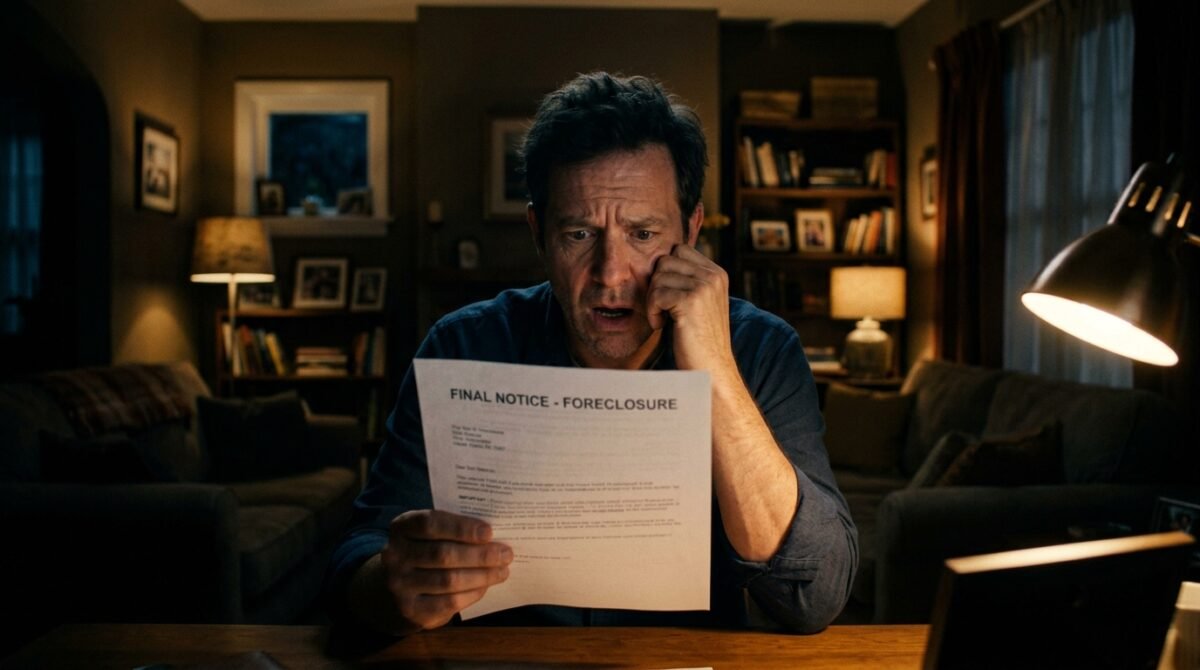
The $73 wasn’t just a number; it was a manifesto. It was the culmination of months of small, micro-managing behaviors that I had been trained to ignore. At first, it was just comments about how I folded the laundry or the way I loaded the dishwasher. ‘You’re using too much water,’ he would say. ‘The cycle is longer than it needs to be.’ I would apologize, thinking I was just being clumsy or thoughtless, never realizing I was being conditioned.
Over time, the criticism became more frequent and more specific. He started tracking the electricity usage when I used my hair dryer. He complained about the ‘excessive’ amount of hand soap I used. I started keeping a private mental ledger of my own, trying to be as efficient as possible just to minimize the conflict. I was living on eggshells, constantly worried about the next audit, the next critique, the next demand for compensation.
When he handed me the revised budget document, it felt like a slap in the face. It was printed on high-quality paper, bound with a clip. He had even included a chart showing the ‘projected savings’ for the next quarter if I ‘corrected my behavior.’ The absurdity was so profound that I almost laughed, but the sadness was too heavy. I was paying to live in a house where my presence was treated as a liability.
“Are you actually charging me for the paper towels I use to clean up my own kitchen messes? Is this what we are doing now? You’re treating our home like a business venture where I’m the failing contractor.”
— My response to the ledger
He didn’t blink. He just adjusted his glasses and stared at the spreadsheet. He insisted that if we wanted to reach our ‘long-term financial goals,’ we had to eliminate waste at every level. He spoke of our future, of houses and investments, but it all sounded like a prison sentence. I realized that my financial independence was being systematically eroded by his obsession with control.
The Night the Walls Closed In

That night, I retreated to the bedroom, my mind reeling. I couldn’t sleep. The weight of the last few months was pressing down on me. I thought about all the times I had apologized for things that weren’t mistakes. I thought about the times I had felt ashamed for being human—for spilling a drop of coffee, for using a towel to dry my hands, for existing in the space I paid to live in. The room felt smaller, the air thinner.
I pulled out my phone and started scrolling through old messages. I found a text from him from three months ago: ‘Hey, I noticed you left the lights on in the kitchen for an extra 10 minutes. Please try to be more mindful of the electric bill. We have a budget.’ Back then, I had sent back a smiley face and a ‘My bad!’ Now, looking at it, I felt a spark of fury. It wasn’t ‘my bad.’ It was his pathology.
I realized that he would never change. This wasn’t a quirk; it was a fundamental way of engaging with the world. He needed to control the environment to feel safe, and he was using me as the instrument of that control. If I stayed, I would eventually lose my sense of self. I would become just another line item in his spreadsheet, a variable to be managed and optimized.
“I just want to know if you’ve considered the emotional cost of this, Mark. You’re so worried about $73 that you’re losing the person who is supposed to be your partner. Don’t you see how toxic this is?”
— A text message I sent from the bedroom, which he never replied to
I heard him moving around in the living room. He was probably still working on his budget, refining the numbers, feeling satisfied with his ‘fiscal discipline.’ I felt a strange sense of clarity. The fear that had held me back for so long evaporated, replaced by a cold, hard resolve. I knew exactly what I needed to do. I didn’t need to argue anymore. I didn’t need to convince him of anything. I just needed to leave.
The Packing Process: A Quiet Exodus

I started small. I gathered my clothes, my books, the things that made me feel like myself. Every item I put into my suitcase felt like a liberation. I was reclaiming my life, one object at a time. I was careful to be quiet, not wanting to trigger another confrontation before I was ready. The house was silent, save for the occasional click of his mouse in the other room.
As I packed, I looked at the things he had ‘allowed’ me to bring into our space. The plants, the art, the books—they all felt tainted by his criticisms. I packed them anyway. They were mine, and they would be part of my new life, a life where I could use as many paper towels as I wanted, a life where I wouldn’t be audited for my existence.
I left the $73 on the kitchen counter, along with a note. It wasn’t an apology. It was a statement. I didn’t want to leave him guessing. I wanted him to know exactly why I was leaving. I wanted him to see the money and realize that it was the price of his delusion. I left the key next to the money, a symbol of the end of our transaction.
“I’ve left your $73, plus interest for the stress you’ve caused. Consider this my final payment. I’m done with the auditing, the tracking, and the control. You can keep the paper towels.”
— The note left on the counter
Walking out of that house was the hardest and easiest thing I’ve ever done. The door clicked shut behind me, a final sound that felt like a weight lifting off my shoulders. I didn’t look back. I got in my car and drove, feeling the night air on my face, knowing that for the first time in months, I was the only person in control of my own life.
The Internet Weighs In: A Viral Response

When I finally posted the story to a popular subreddit, I didn’t expect the response I got. I thought people might call me dramatic or tell me that I should have ‘communicated better.’ Instead, the community exploded. The post hit the front page within hours. Thousands of people shared their own stories of controlling partners, of financial abuse, of the subtle ways relationships can turn into prisons.
The validation was overwhelming. It wasn’t just about the $73; it was about the recognition of the behavior. People identified the red flags immediately—the surveillance, the demeaning tone, the obsession with control. They called it ‘financial gaslighting.’ They told me I had done the right thing, that I should have left even sooner. The community support was a lifeline.
“This isn’t about paper towels. This is a classic case of financial abuse masked as ‘fiscal responsibility.’ It’s a way to keep you off-balance and feeling unworthy. You didn’t just leave a boyfriend; you escaped a controller. Don’t look back.”
— u/RelationshipGuru (Top Comment, 32.4k upvotes)
I read through the comments for days. Some people were funny, making jokes about the ‘Paper Towel Accountant.’ Others were deeply serious, sharing stories of how they had struggled to leave similar situations. It made me realize that I wasn’t crazy. I wasn’t the one who was wrong. I was part of a larger conversation about boundaries, respect, and the fundamental requirements of a healthy partnership.
I even started seeing my story pop up on other platforms. People were debating the morality of the ‘household contribution’ system. Some argued that budgets are necessary in any relationship, while others countered that budgets should never be used as a weapon. The debate was intense, but it served as a confirmation that my decision was the correct one. The world saw the insanity for what it was.
The Aftermath: Rebuilding and Redefining

Life after Mark has been a journey of rediscovery. I spent the first few weeks just enjoying the silence. I didn’t have anyone auditing my electricity usage or counting my paper towels. I could leave a light on, I could use as many sheets as I wanted, I could be messy. I realized how much of my personality I had suppressed to keep the peace. I was reclaiming myself.
I started seeing a therapist to process the experience. She helped me understand why I had stayed so long and why I had let his behavior affect me so deeply. It wasn’t about me being weak; it was about his manipulation. He had built a reality where I was constantly in the wrong, and it took time to break that conditioning. Every session was a step toward feeling like a person again.
My friends and family were incredibly supportive. They had seen the changes in me over the last few months, even if they hadn’t realized the extent of it. They were relieved that I was out, and they helped me set up my new apartment. It was a space that was entirely mine, free from his control and his spreadsheets. It was the most beautiful place I had ever lived.
“It’s like I’m finally breathing again. I didn’t realize how much I was holding my breath until I was finally away from him. It’s scary, but it’s also the most liberating feeling I’ve ever had.”
— My journal entry, one month later
I’m still learning to trust myself and my decisions. I sometimes catch myself feeling guilty for small things, but then I remember: I am in control. I don’t owe anyone a justification for how I live my life. And I certainly don’t owe anyone $73 for a roll of paper towels. The experience has made me stronger, more aware, and more committed to finding a partner who values me for who I am, not for how efficiently I use household supplies.
An Unexpected Message from the Past
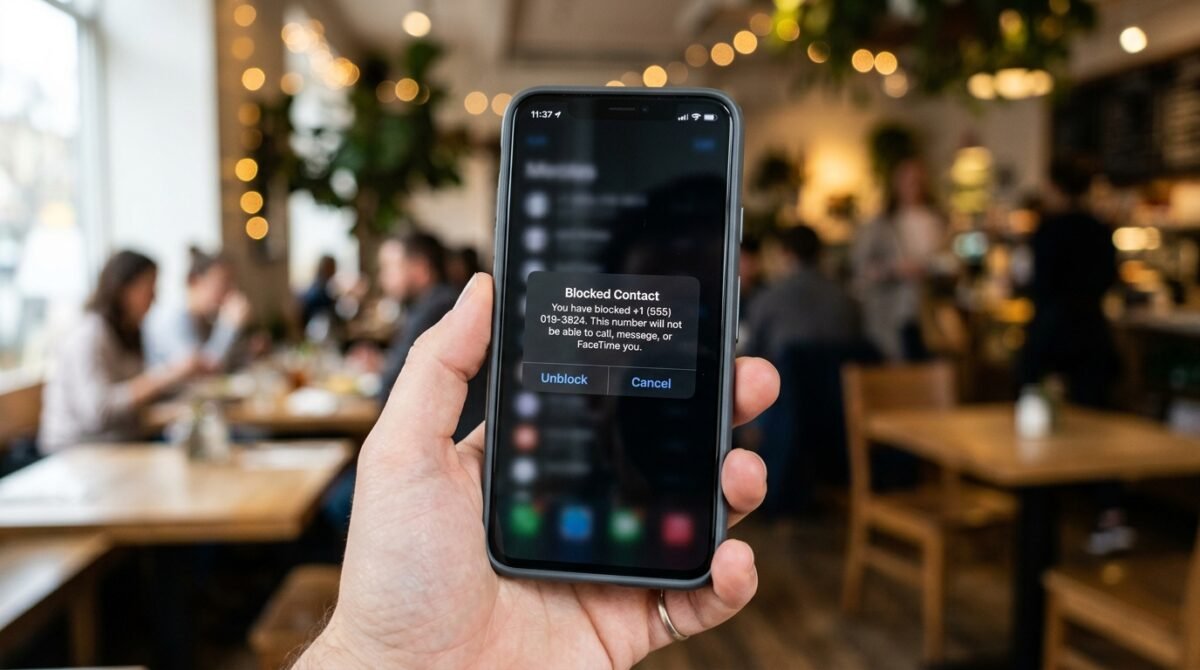
About two months after I left, I received an unexpected text message from Mark. It was the first time I had heard from him since the night I left. I stared at the phone for a long time before opening it. My heart was pounding in my chest, a remnant of the anxiety I had felt when we were together. But this time, it was different. I was in a place of strength.
The message was long and rambling. He talked about how the house was ‘in disarray’ and how he was struggling to keep up with the chores. He mentioned the budget, saying that my absence had caused a ‘fiscal instability’ that he was trying to fix. He even implied that I owed him for the ‘disruption’ I had caused by moving out. The audacity was still there, but it no longer felt threatening.
“I’ve had a lot of time to look at the numbers. Your departure has caused a significant shortfall in our household budget. I think it’s only fair that you contribute to the cleaning service I’ve had to hire to handle the mess you left behind. We need to settle this account.”
— A text message from Mark, two months later
I didn’t reply. I just stared at the screen, a sense of pity washing over me. He was still stuck in his own small, narrow world, trying to balance ledgers and assign blame. He had learned nothing. He was still the same man who had counted paper towels, still the same man who had tried to control me with his spreadsheets. I felt a sense of closure that I hadn’t expected.
I realized then that he would never be happy. He was too trapped by his own need for order and control. And that was okay. It wasn’t my responsibility to fix him, and it certainly wasn’t my responsibility to pay for his life. I blocked his number, a final act of closure. I was done with him, done with his budgets, and done with his toxic need for control. I was free.
The Financial Reality of Shared Spaces

Reflecting on the whole situation, the conversation around money in relationships has become central to my new outlook. I’ve realized that money isn’t just a currency; it’s a language. It reflects values, priorities, and trust. When someone uses money as a tool for control, it’s a red flag that goes beyond simple frugality. It speaks to a fundamental incompatibility in how two people view the world and each other.
I’ve started talking to friends about how they manage their shared finances. Some have joint accounts for everything, while others split expenses based on income. There is no ‘right’ way, but there is a right way to treat a partner during the process. It should be based on mutual respect, open communication, and a shared goal of supporting each other. Anything less is a recipe for disaster.
I think back to the spreadsheets Mark used to create. They were so detailed, so precise, and yet so completely devoid of human connection. He was trying to solve a human problem with a mathematical solution, and it was doomed to fail. We aren’t variables in an equation; we are partners in a life. And that life deserves to be lived with grace, not with audits.
“The most important part of a relationship isn’t the budget; it’s the trust. If you can’t trust your partner with a roll of paper towels, you have a much bigger problem than your household finances.”
— My advice to a friend going through a similar situation
I’m grateful for the experience in a way I never thought I would be. It taught me what I don’t want, which is just as important as knowing what I do want. It taught me to trust my instincts, to set boundaries, and to walk away when those boundaries are disrespected. It was a $73 lesson, but it was worth every penny to get my life back.
Recognizing the Subtle Shifts

One of the most important lessons I’ve learned is how to identify the subtle shifts in a relationship. It doesn’t start with a $73 deduction; it starts with a comment about a light, a look when you unload the dishwasher, a sigh when you spend money on something ‘unnecessary.’ It’s a slow erosion of confidence that happens over time, so gradually that you don’t even notice it until you’re already underwater.
I’ve been reading a lot about the psychology of control. It’s fascinating how effective these small, incremental steps are. By the time the big stuff happens, you’ve already been conditioned to accept it as normal. You’ve already been trained to doubt your own perception of reality. That’s why it’s so hard to leave—you’ve been convinced that you’re the one with the problem.
If I could go back and tell my past self one thing, it would be this: Trust your gut. If something feels off, it probably is. If you feel ashamed for being yourself, something is wrong. You don’t need a spreadsheet to tell you if you’re in a healthy relationship. You know it in your heart. Don’t wait for the evidence to pile up. Listen to that voice early and often.
“You are not a liability. You are a person with value, and you deserve a partner who sees that. Don’t let anyone make you feel small just to make themselves feel big.”
— A mantra I repeat to myself daily
I hope that by sharing my story, others might recognize these signs in their own lives. It’s not about judging anyone; it’s about empowering people to see the reality of their situation. Whether it’s a $73 deduction or something entirely different, the principle is the same: you deserve respect, and you deserve to be with someone who makes your life better, not harder.
Finding the Courage to Walk Away

Leaving was the scariest thing I’ve ever done, but it was also the most empowering. It was the moment I chose myself over the comfort of a known, albeit toxic, routine. It was the moment I realized that my worth was not determined by someone else’s opinion or someone else’s spreadsheet. I was free, and that freedom was worth more than any house, any budget, or any relationship.
I’ve been thinking a lot about why we stay in situations that hurt us. It’s often fear—fear of the unknown, fear of being alone, fear of being judged. But the cost of staying is so much higher. The cost is your soul, your confidence, and your happiness. I would choose the fear of the unknown over the certainty of misery any day of the week.
To anyone out there who is stuck: you have the power to change your life. It won’t be easy, and it won’t be without its challenges, but you are worth it. Take that first step, even if you’re shaking. Pack your bags, leave the note, or just walk out the door. You don’t need permission to be happy, and you don’t need permission to leave a situation that isn’t working for you.
“The hardest part of leaving is the first step. Once you take it, you’ll realize that the world is much bigger, and much kinder, than you ever imagined. Don’t let fear keep you in a place where you’re not valued.”
— My message to anyone reading this
I’m living proof that there is life after a toxic relationship. It’s a life filled with joy, peace, and the freedom to use as many paper towels as I want. It’s a life that belongs to me, and I’m so happy I chose to live it. Thank you for listening to my story. I hope it helps you find the courage to live your own.
Conclusion
My journey from a $73 household deduction to a life of independence has been a profound lesson in self-worth. It wasn’t just about the money; it was about reclaiming the agency I had slowly lost. By walking away, I didn’t just escape a controller; I rediscovered the person I was always meant to be. The community reaction—the outpouring of shared experiences and validation—reminded me that I was never alone in this struggle.
The moral of this story is simple but often hard to practice: your relationship should be a partnership of equals, not a business transaction or a power play. When your partner starts auditing your basic human needs, it’s time to take a hard look at the foundation of your life together. You deserve to be in a space where you feel supported, not surveilled.
What about you? Have you ever had a partner who treated your relationship like a business contract? How did you handle the pressure to conform to their ‘fiscal discipline’ or control? Let’s keep the conversation going in the comments below—I want to hear your stories of setting boundaries and finding your own path to freedom.
What's your verdict on this dilemma?
Vote below to contribute to the official community consensus.

Have a Dilemma Keeping You Up at Night?
Share your real-life feud, wedding chaos, or relationship crossroads anonymously with our editorial team.
What do you think ?
0 Comments🛡️ Comments are moderated to protect community integrity. Your comment will appear once approved by the editorial team.