

Friendships are often defined by the quiet moments: the shared coffees, the late-night venting sessions, and the unspoken understanding that your home is a sanctuary for those you love. I held my friend Sarah in that regard for nearly ten years. We were inseparable, or so I thought, until the day a single glass of wine transformed a cherished antique rug into the catalyst for the most bizarre financial confrontation I have ever experienced.
It wasn’t just about the rug. It was about the utter lack of remorse, the brazen expectation that my hospitality was a blank check, and the final, staggering demand that turned my grief over a ruined heirloom into an absolute severance of contact. People often talk about ‘the straw that broke the camel’s back,’ but in my life, that straw was a laundry bill.
The events unfolded over a single, disastrous Saturday afternoon. What started as a casual get-together spiraled into a display of entitlement so profound that it forced me to reevaluate every interaction we had shared over the last decade. It became clear that Sarah didn’t see me as a friend, but as a resource to be managed and, eventually, a bank to be tapped.
This is not just a story about a stain on an antique wool weave; it is a story about the fragility of trust when met with pathological narcissism. As you read through the timeline of this collapse, you will see how small boundary violations grew into a chasm that eventually swallowed our history whole. Sometimes, the most painful endings are the ones that finally allow you to breathe again.
The Uninvited Arrival and the First Red Flag
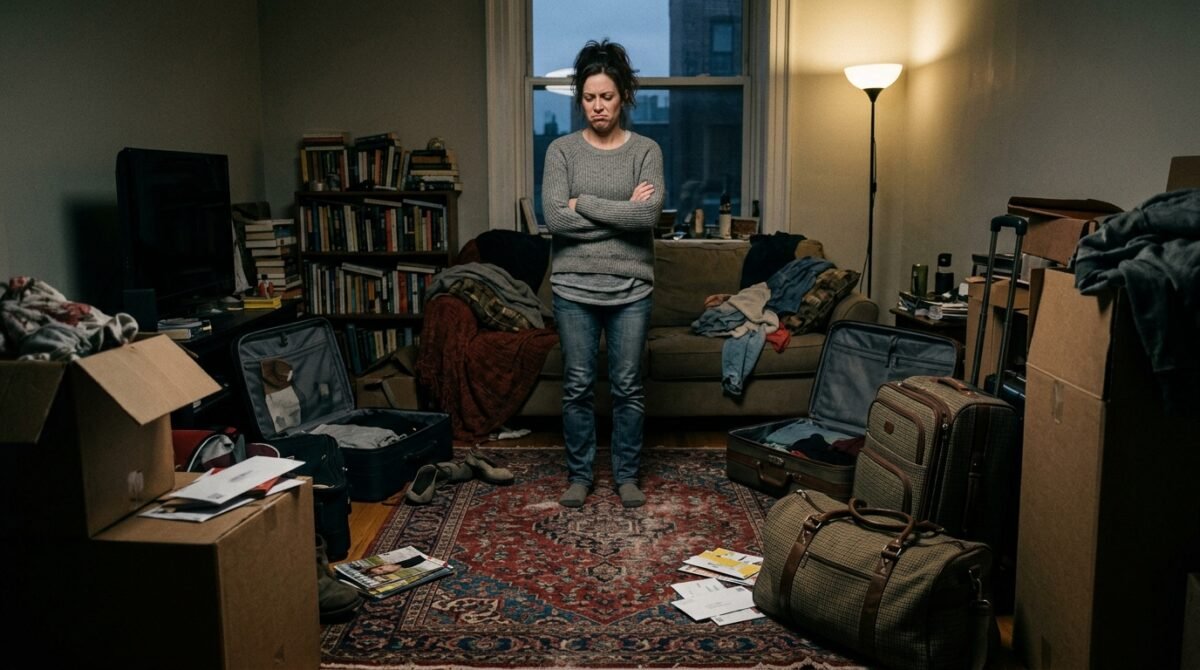
It began with a frantic text message at 10:00 AM. Sarah was between apartments, her lease had ended early, and she ‘just needed a place to crash’ for the weekend. I was hesitant, as my antique Persian rug had only just been professionally cleaned, but how do you say no to a friend of ten years? I told her she could stay, but to please, for the love of God, keep the red wine out of the living room.
She arrived with three oversized suitcases and a look of practiced helplessness. Before she had even fully unpacked, she was critiquing the layout of my apartment. ‘You know, if you moved the rug, the room would feel so much bigger,’ she remarked, not waiting for my approval before attempting to drag the heavy piece of furniture that anchored it. It was the first sign that my boundaries were merely suggestions to her.
I watched as she navigated my space, moving items without asking and settling into my favorite armchair with a sense of ownership that made my skin crawl. It wasn’t overt malice yet, but a subtle, creeping sense of entitlement that I had been too polite to call out. I kept reminding myself that she was stressed about her living situation, trying to excuse the behavior as a byproduct of her current instability.
“I don’t mean to overstep, but are you sure this rug fits the aesthetic? It looks a bit dusty. Maybe you should just roll it up and put it in the closet while I’m here.”
— Sarah, upon entering my home
The tension was palpable. I felt like a guest in my own home, watching as she treated my belongings as obstacles rather than treasures. When I politely insisted the rug stay where it was, she rolled her eyes and muttered something about ‘attachment to material things.’ I should have asked her to leave then, but I was still operating under the fallacy that friendship meant enduring constant friction.
By mid-afternoon, the air in the apartment felt heavy with things left unsaid. I retreated to the kitchen to prepare lunch, trying to give us both space, but I could hear her moving around in the living room, the sound of glass clinking against glass. A cold knot of dread began to form in my stomach, a premonition that the day was destined for a downward spiral.
The Wine Spill Heard ‘Round the World
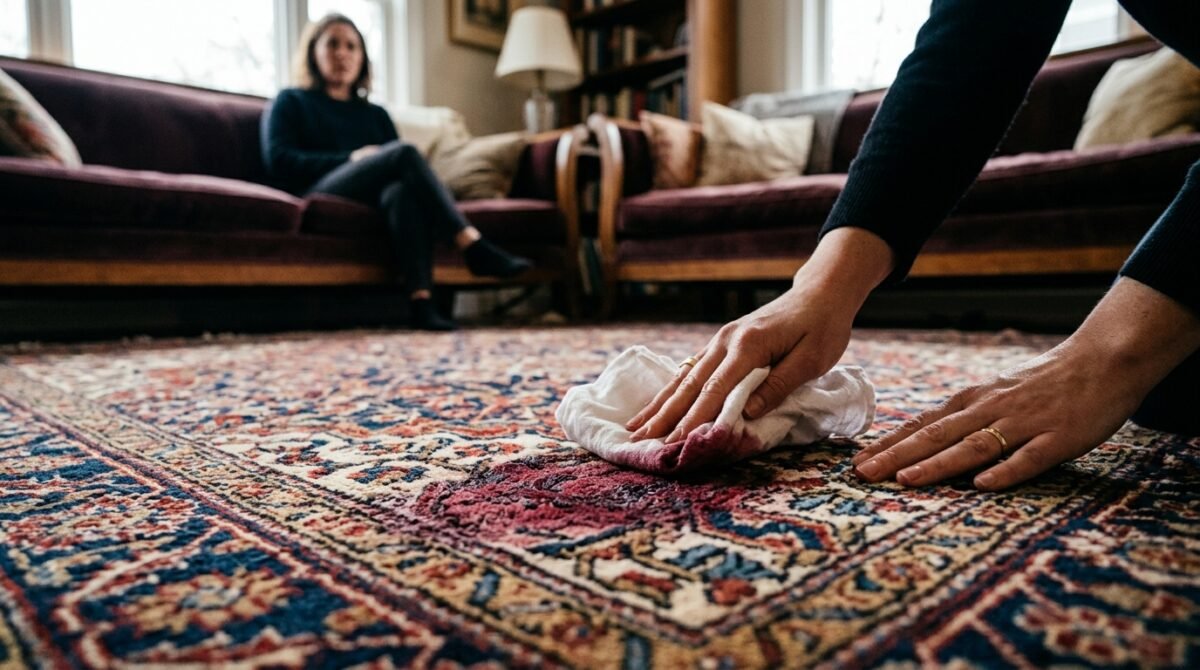
The sound wasn’t loud—just a sharp, sudden clatter followed by a muffled gasp. I rushed into the living room to find Sarah standing over the rug, a glass of dark Cabernet shattered near her foot, and a spreading, deep crimson stain soaking rapidly into the intricate patterns of the wool. It was a 1920s Persian heirloom, irreplaceable and delicate.
I didn’t yell. I didn’t even scream. I just felt a wave of cold detachment wash over me. I knelt down, frantically trying to blot the stain, but the wine had already begun to set. Sarah stood there, hands on her hips, not even offering a paper towel. She looked down at the ruined fiber with an expression of mild annoyance, as if the mess had inconvenienced her.
“I told you, Sarah. I told you specifically to keep the wine out of here,” I said, my voice shaking with a mix of fury and disbelief. She didn’t apologize. Instead, she sighed, a long, drawn-out sound that implied I was being overly dramatic. It was as if the rug had committed an offense against her by existing in that specific spot at that specific time.
“Honestly, it’s just a rug. It was already looking a little faded. Why are you acting like I committed a crime? You’re making such a huge deal out of this, it’s incredibly suffocating.”
— Sarah, after spilling the wine
I left the room to get cleaning supplies, my mind racing. How could someone be this callous? We had shared everything for a decade, yet in this moment, she felt like a complete stranger. When I returned, she had moved to the sofa, scrolling through her phone as if nothing had happened, completely ignoring the fact that the centerpiece of my room was now permanently marred.
The silence that followed was deafening. I spent the next three hours on my hands and knees, trying to extract the stain, knowing deep down it was futile. Every time I looked up, she was either watching TV or checking her socials, never once asking if I needed help or expressing a shred of genuine remorse. The friendship, I realized in those hours, had been a one-way street for a very long time.
The Audacious Laundry Demand
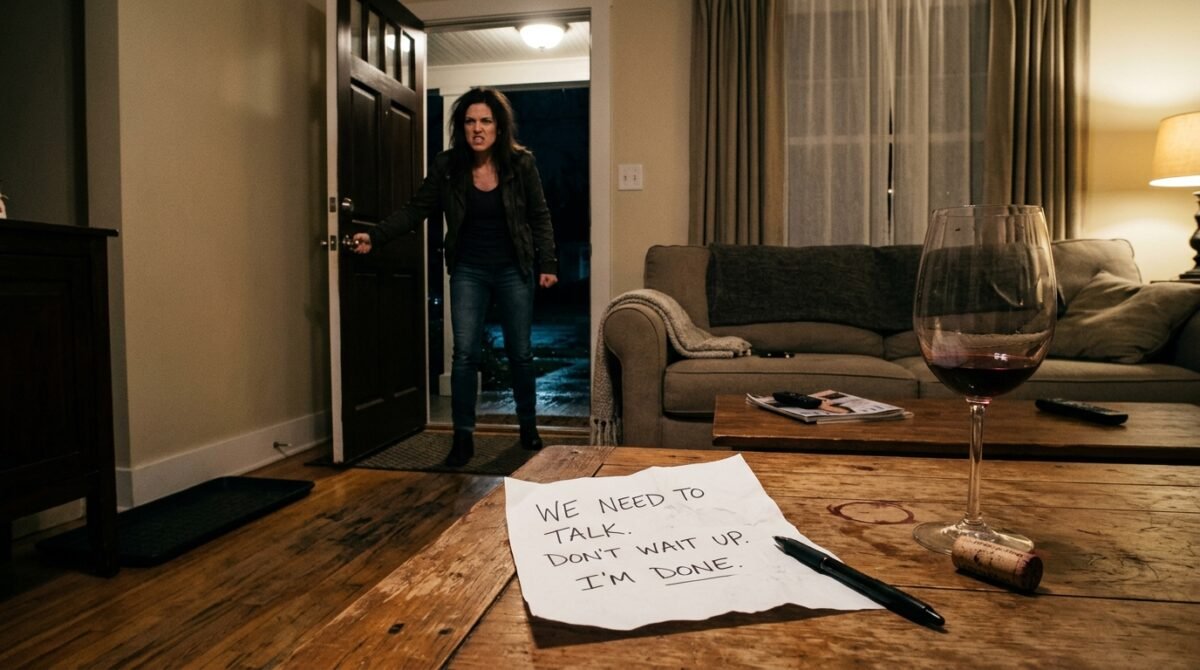
The next morning, I woke up with the intent of telling Sarah that she needed to find other accommodations. I was exhausted, both physically and emotionally. I walked into the living room to see her packing up her things, but she wasn’t leaving out of guilt. She was leaving because she had ‘found something better,’ but not before she dropped a literal bill on the coffee table.
I looked at the piece of paper. It was a handwritten invoice: ‘$150 for dry cleaning and laundry.’ Confused, I asked her what on earth she was talking about. She explained that when she spilled the wine, a few drops had hit her favorite silk blouse, and she ‘felt it was only fair’ that I cover the cost of getting it cleaned, since ‘if I hadn’t been so possessive about the rug, the spill wouldn’t have been such a high-stress event.’
I stared at her, genuinely unable to process the level of delusion required to make such a request. She had destroyed an antique heirloom, offered zero apology, and was now essentially shaking me down for her own dry cleaning bill. The audacity was so extreme it almost bordered on a dark, twisted comedy.
“You’re really going to charge me for your dry cleaning? After you ruined a piece of history in my home? Are you actually hearing yourself right now?”
— Me, responding to the invoice
She rolled her eyes and started listing the ways I had been a ‘bad host.’ She claimed the apartment was too cold, the coffee wasn’t to her liking, and that my reaction to the rug spill had ruined her weekend. It was gaslighting of the highest order, an attempt to flip the script so that she became the victim and I became the antagonist.
I didn’t pay the bill. I pointed to the door and told her to leave immediately, without the $150. She made a scene, threatening to tell our mutual friends how ‘unstable’ I was, and warned me that I would regret losing her. I didn’t care. I held the door open until she finally stormed out, dragging her luggage and shouting insults about how I would ‘always be alone’ because of my rigidity.
The Digital Fallout and the Group Chat War

I thought the confrontation was over, but that was just the beginning. Within an hour, my phone started buzzing incessantly. Sarah had taken to our shared group chat, framing the entire incident as an example of my ‘toxic obsession’ with material goods. She left out the part about the wine, of course, and painted me as a person who had thrown her out for spilling ‘a tiny drop’ of water.
The reactions from our friends were mixed. Some, who didn’t know the full story, were sympathetic to Sarah’s ‘abrupt’ displacement. Others, who knew my home and my values, were confused. I had to decide whether to air the dirty laundry or just walk away. I chose to be transparent, sending a photo of the rug and a brief summary of the ‘laundry bill’ incident.
The mood in the chat shifted instantly. Once the reality of the rug—and the absurdity of the invoice—was laid bare, the defense of Sarah crumbled. Even her closest allies couldn’t justify asking for a dry cleaning reimbursement after destroying someone else’s property. The silence from Sarah was absolute, followed by a quick exit from the chat group.
“Wait, so she ruined your antique rug and then had the gall to ask you to pay for her shirt cleaning? Is this for real? I need a screenshot because I refuse to believe anyone is that tone-deaf.”
— User in our friend group chat
It was a strange feeling, being vindicated by the truth but still feeling the sting of the betrayal. I realized that Sarah had likely been doing this to other people for years, relying on the fact that most people are too polite to call out such blatant selfishness. The digital fallout was a wake-up call for me, showing me who truly valued our friendship and who was just there for the social proximity.
I eventually muted the chat, not wanting to see any more debate. The damage was done. The friendship was over, and while I felt a sense of relief, I also felt the hollow ache that comes with mourning a long-term connection, even if it had been built on a foundation of sand. I had to learn how to move forward without the person I used to call my ‘person.’
Reddit Weighs In: The Community Verdict

I turned to the internet, as one does when they need an objective, albeit brutal, reality check. I posted the story to a popular relationship subreddit, expecting a few comments and maybe some advice. I didn’t expect the post to reach the front page or garner thousands of comments within hours. The consensus was overwhelming, and it provided a strange kind of comfort.
People were shocked, not just by the incident, but by the psychological profile of the friend I had described. The term ‘narcissistic entitlement’ was thrown around a lot, along with some very practical advice on how to handle people who try to exploit your hospitality. Reading the comments felt like having a thousand people confirm that I wasn’t the crazy one.
There were also, of course, the contrarians. Some people felt I should have been more ‘forgiving’ of a minor spill, or that I shouldn’t have let her stay if I was so concerned about my rug. But the majority recognized the pattern: it wasn’t about the rug, it was about the lack of respect for my boundaries and the audacity of the financial demand.
“NTA. This isn’t about a rug. It’s about a person who views your home as an extension of herself and your money as her own. The fact that she tried to bill you for her own clothes after destroying an heirloom is peak gaslighting. Block her and never look back.”
— u/RedditUser99 (Top Comment, 32.5k upvotes)
I read through every single comment, finding stories from other people who had dealt with ’emotional vampires.’ It was empowering to see that I wasn’t alone in this experience. The thread became a space for people to share their own horror stories, turning my pain into a communal lesson on self-respect. It was the exact validation I needed to finally let go of the guilt.
I realized then that by posting this, I had officially closed the chapter. I wasn’t asking for her back, and I wasn’t asking for the bill. I was just documenting the truth so that I could hold onto it when the memories of the ‘good times’ started to blur the reality of the bad ones. The internet had given me the closure that Sarah never would.
Reflecting on the Pattern of Entitlement
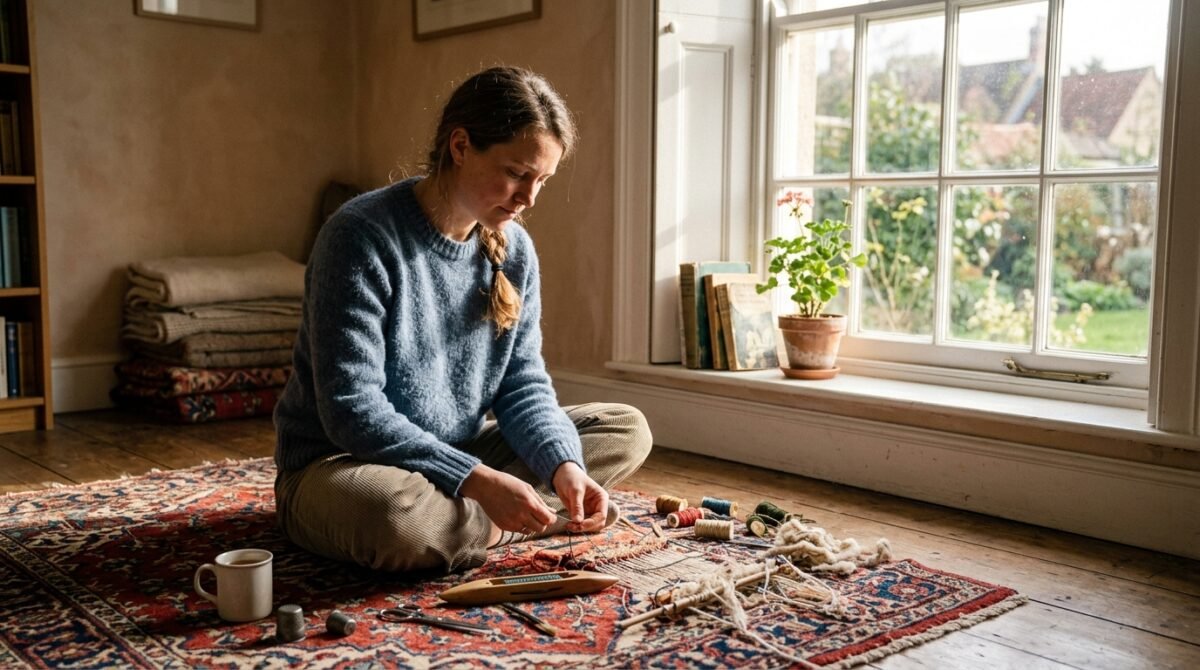
Looking back, the signs were always there. I remembered the times she borrowed money and ‘forgot’ to pay it back, the times she made fun of my career choices, and the times she guilt-tripped me into doing things I didn’t want to do. I had spent years making excuses for her, prioritizing her happiness over my own mental well-being, and it had finally come to this.
It’s a hard realization, coming to terms with the fact that you might have been a target for someone who lacks empathy. It forces you to look at your own patterns—why did I let this go on for so long? Why did I feel the need to be the ‘nice’ one even when I was being stepped on? The answer, I think, is that I valued the history of the friendship more than the present reality of the person.
I started keeping a journal to track my thoughts, not just about the incident, but about what I wanted for my future relationships. I decided that I would no longer be the person who provides unconditional support to people who don’t reciprocate. The antique rug was a loss, but it was also a metaphor for the ‘stain’ she had left on my life—a permanent reminder to be more protective of my space.
The emotional toll was significant, but it was a necessary kind of growth. I stopped trying to ‘fix’ people and started setting hard boundaries. If someone couldn’t respect my home, they weren’t invited. If someone couldn’t be honest, they weren’t in my inner circle. It sounds simple, but it was the most liberating change I have ever made.
“You don’t lose friends, you just lose the people who were never really there for you in the first place. You’re trading dead weight for peace of mind.”
— Advice from a close, trusted mentor
The rug itself? I eventually found a specialist who could perform a partial restoration. It’s not the same, and it has a faint shadow of the wine stain, but I kept it. I look at it every day, not with anger anymore, but with a sense of triumph. It’s a reminder that I survived the storm and that I emerged on the other side with my self-respect intact.
The Aftermath: Setting New Boundaries

In the months that followed, I had to learn how to navigate the social scene without our friendship as a constant. It was awkward at first, especially when we were invited to the same parties. I had to learn how to be polite but distant, to hold my ground without causing a scene. I practiced saying ‘no’ to invitations that didn’t feel right and ‘yes’ to new people who brought joy rather than stress.
I realized that setting boundaries isn’t about being mean; it’s about being honest. When you set a boundary, you are telling the other person how you need to be treated to feel safe and respected. If they don’t like it, that says everything you need to know about them. I stopped worrying about being ‘liked’ and started focusing on being ‘authentic.’
The change in my life was palpable. The anxiety I used to feel when my phone went off in the evening vanished. I started investing my time in hobbies I had neglected during the years I was ‘managing’ Sarah’s crises. I felt lighter, more focused, and, for the first time in a decade, genuinely in control of my own life.
“Boundaries are the distance at which I can love you and me simultaneously. If I can’t be myself while I’m with you, then the relationship is fundamentally broken.”
— A quote I kept on my mirror for months
I also stopped apologizing for my success, my home, and my preferences. I realized that Sarah had often subtly undermined me because she felt threatened by my stability. Letting go of that dynamic was like taking off a heavy coat I hadn’t realized I was wearing. The world felt bigger, brighter, and full of possibilities that didn’t include toxic drama.
If you’re in a situation where you feel like you’re constantly walking on eggshells, take this as your sign to stop. You don’t owe anyone your peace, your space, or your money. You are the curator of your own life, and you have the absolute right to decide who gets to be a part of it. Don’t settle for less than mutual respect.
Why We Are No Longer Speaking

People ask me sometimes if I regret the way it ended. Would it have been easier to just pay the $150 and keep the peace? Maybe. But that peace would have been a lie. It would have been a peace bought at the expense of my dignity and my self-worth. I don’t regret walking away; I only regret not doing it sooner.
We are no longer speaking because our values are fundamentally incompatible. I believe in mutual respect, accountability, and the sanctity of personal boundaries. She believes in entitlement, manipulation, and the idea that the world exists to cater to her needs. There is no middle ground in that kind of conflict, and trying to find one is just a recipe for more misery.
I have moved on. I don’t check her social media, I don’t ask our friends how she’s doing, and I don’t wish her harm. I just wish for her to be out of my life, which she is. The space she once occupied has been filled with better things—new friends, new goals, and a profound sense of gratitude for the life I’ve built for myself.
“The most important relationship you will ever have is the one you have with yourself. Everything else is a reflection of how well you protect that bond.”
— Final thought on self-worth
The lesson of the antique rug is one I carry with me every day. It wasn’t just a physical object that was ruined; it was the illusion that I needed her to be complete. I am whole on my own, and I am far better off without the drama, the bills, and the constant, draining battle for respect. I have found my voice, and I am using it to build a life that feels honest, peaceful, and truly mine.
Financial Lessons from a Disaster
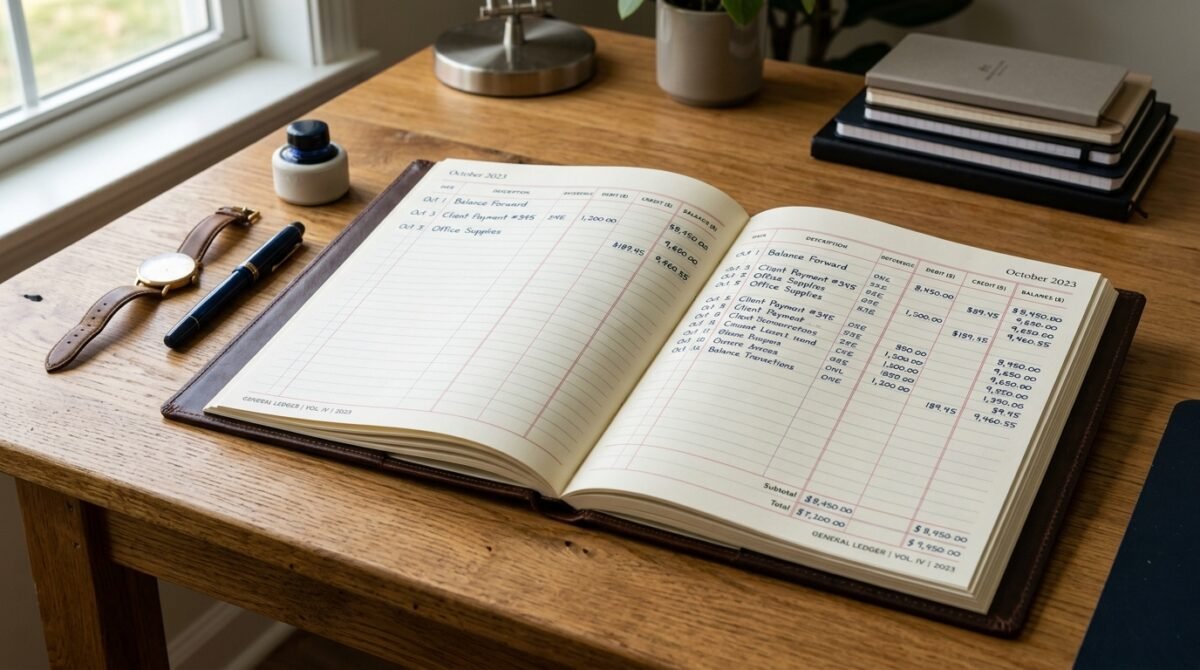
When you look at the raw numbers, the incident seems almost petty, but it highlights a crucial lesson about financial boundaries in friendship. Sarah’s demand wasn’t about the $150; it was about power. By asking me to pay for her laundry, she was testing how far she could push me. She wanted to see if I would accept the blame for her actions.
I’ve since created a ‘friendship budget’ and a ‘hospitality policy.’ It sounds clinical, but it has saved me so much grief. If I have guests over, I make my expectations clear from the beginning. It’s not about being a bad host; it’s about being a clear communicator. If someone can’t agree to those terms, they don’t get the invite.
This isn’t just about rugs and wine. It’s about not letting people treat you like an ATM or a hotel. I’ve seen so many people get into financial trouble because they were too afraid to say ‘no’ to a ‘friend’ in need. Protect your assets, protect your credit, and most importantly, protect your boundaries.
| Action | Old Habit | New Boundary |
|---|---|---|
| Guests visiting | No rules, just hope | Clear expectations, no wine in living room |
| Financial requests | Guilt-driven lending | Polite, firm refusal |
| Conflict | Avoidance/People-pleasing | Direct address, walk away if disrespected |
The financial cost of the rug was high, but the cost of the friendship was even higher. I’ve learned that you can’t put a price on peace of mind. By establishing these boundaries, I’ve ensured that no one will ever be able to manipulate me in this way again. It’s a small price to pay for the freedom I feel today.
Final Reflections and Moving Forward

As I sit here writing this, I look at the rug one last time. It’s a part of my history, a piece of my past that I’ve managed to save. It reminds me of the person I was—the one who was afraid to speak up—and the person I have become—the one who stands tall, sets boundaries, and chooses herself every single time.
If you’re reading this and you see yourself in this story—either as the person who was taken advantage of or, heaven forbid, the one doing the taking—take a moment to reflect. We all have the capacity for both kindness and selfishness. The question is: which one are you cultivating in your life, and who are you surrounding yourself with?
I’ve learned that the people who truly love you will never ask you to compromise your integrity. They will respect your home, your belongings, and your boundaries. They will support you when you’re down and celebrate with you when you’re up. Everything else is just noise. And sometimes, you have to turn the volume down to finally hear your own voice.
“I am no longer interested in proving my worth to people who refuse to see it. I am focused on the life I’m creating, and there is no room in it for anything less than mutual respect.”
— My closing mantra
Thank you for letting me share this story. It’s been a cathartic process, and I hope it helps even one person realize that they don’t have to accept disrespect, no matter how long they’ve known the person inflicting it. Stay strong, keep your boundaries firm, and never let anyone make you feel small.
Conclusion
The story of the rug and the laundry bill is a reminder that friendships are not immune to the laws of basic human decency. When someone shows you who they are, believe them. Whether it’s a small boundary violation or a massive act of entitlement, don’t wait for the ‘big event’ to realize you deserve better.
I’m curious: Have you ever had a friend cross a line so brazenly that it ended the relationship instantly? How did you handle the fallout, and what would you have done differently? Let’s discuss in the comments below—I’d love to hear your experiences and how you’ve navigated your own ‘rug’ moments.
What's your verdict on this dilemma?
Vote below to contribute to the official community consensus.

Have a Dilemma Keeping You Up at Night?
Share your real-life feud, wedding chaos, or relationship crossroads anonymously with our editorial team.
What do you think ?
0 Comments🛡️ Comments are moderated to protect community integrity. Your comment will appear once approved by the editorial team.