

It was supposed to be a celebration. My thirtieth birthday was a milestone I had been looking forward to for months, a night I had meticulously planned to spend with my closest inner circle at one of the city’s most exclusive fusion restaurants. The atmosphere was vibrant, the cocktails were flowing, and for a few hours, the weight of adulthood felt like something we could collectively ignore. But the night, as it turned out, was merely a precursor to a revelation that would end a decade-long friendship in the span of an hour.
My friend Sarah—or rather, the person I thought was my best friend—had been struggling financially for a while. Or so she told me. When the check arrived, a staggering $500 total for our table, the air in the room seemed to shift. Sarah, who had enjoyed every ounce of our expensive meal, suddenly became frantic, searching through an empty purse with a performance that would have won an award on Broadway. The realization that she wasn’t going to contribute sent a wave of awkwardness through our group, one I felt compelled to soothe.
I paid the bill, telling her it didn’t matter, that her presence was the only gift I needed. I genuinely believed her when she said she was devastated by her inability to contribute. I thought I was being a supportive friend, upholding the ‘in sickness and in health’ clause of our platonic bond. Little did I know that my act of grace was being met with silent derision, and that the night was far from over.
We moved the party to a local lounge, a place known for its exorbitant cover charges and even more expensive liquid assets. Within minutes of arriving, the woman who claimed she couldn’t spare a dime for dinner was at the bar, waving a platinum credit card as if it were a wand, demanding the most expensive bottle service available. The mask had slipped, and what lay beneath was a level of entitlement that left me reeling.
This story is about the thin line between being a supportive friend and being a total doormat. It’s about the moment you realize that the person sitting across from you has been calculating exactly how much they can bleed you dry. It is a story of gaslighting, financial manipulation, and the cold, hard reality of realizing that some people don’t respect your boundaries because they were never looking for equality in the first place.
The Pre-Dinner Performance of Poverty
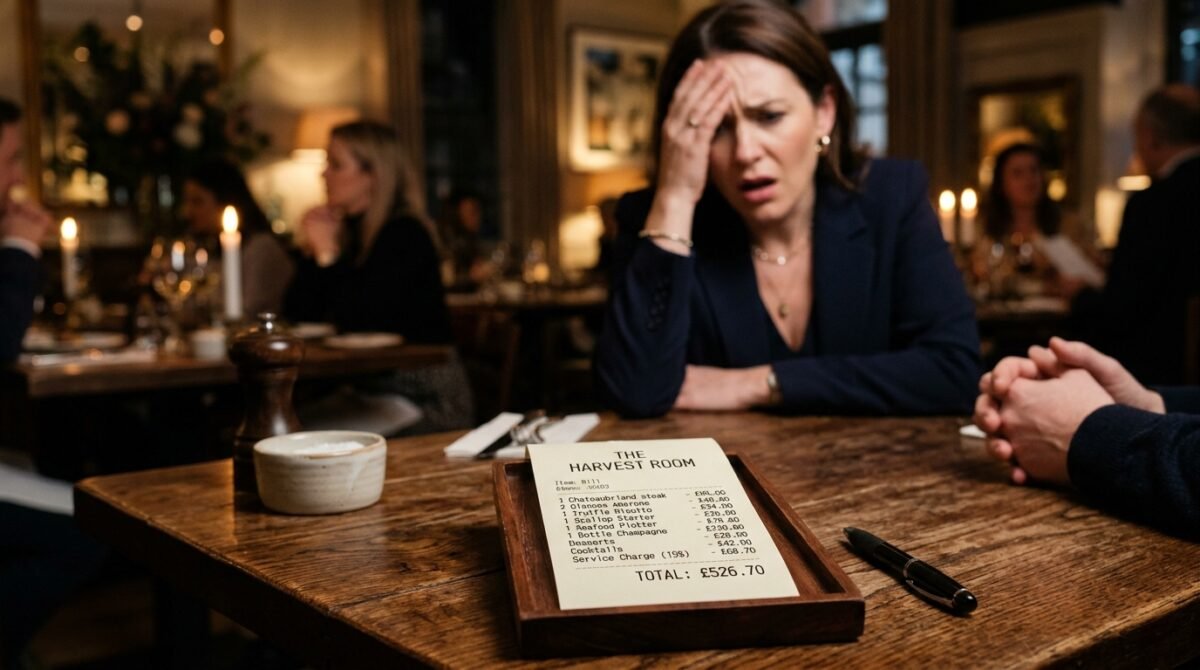
Sarah had spent the entire week leading up to my birthday lamenting her bank balance. She sent me screenshots of overdraft notifications, complained about her car repairs, and even suggested we go to a cheaper spot. I, being the accommodating friend, decided to cover her portion of the dinner because, frankly, I just wanted her there. I valued our friendship over the $150 or so her share would have cost.
During the dinner, she didn’t hold back. She ordered the premium ribeye, the artisan appetizers, and two rounds of signature cocktails. When I raised an eyebrow, she laughed it off, saying, ‘It’s your birthday, we have to live a little, even if I have to eat ramen for the next three weeks.’ I didn’t question it. I trusted her. That was my first mistake.
“I feel so bad, I’m literally checking my balance every five minutes. I don’t think I can afford the lobster pasta, maybe just the salad? I’m so sorry to be that person.”
— Sarah, via Text Message, 2 hours before the dinner.
The performance was flawless. She played the part of the struggling creative to a T. She looked downcast whenever the waiter mentioned specials, she carefully curated her order to look ‘frugal’ while secretly indulging, and she kept apologizing for her ‘tight situation.’ I spent the entire meal feeling guilty for having my birthday at an expensive place, constantly telling her to order whatever she wanted because I had it covered.
As the plates were cleared, the mood was light and celebratory. The other friends at the table were none the wiser about her supposed financial ruin. They were busy laughing at old stories and ordering desserts. Sarah seemed to relax, her earlier anxiety seemingly forgotten as the wine kicked in. I felt a sense of relief; at least she was having a good time despite her alleged stress.
When the leather-bound check folder hit the table, the atmosphere froze. I reached for my card, but Sarah beat me to it, only to open her purse and pull out… nothing. A crumpled receipt and a tube of lipstick. She looked at me with wide, panicked eyes, the picture of a woman who had just realized she was ruined. It was a masterclass in manipulation, and I fell for it hook, line, and sinker.
The Gracious Host and the Silent Partner

I paid the bill. I didn’t even look at the total; I just threw my card down and told the waiter to process it. I whispered to Sarah that it was fine, that I had saved up for this, and that I didn’t want her to feel guilty. She hugged me, tears in her eyes, telling me I was the best friend she had ever had. I felt like a hero. I felt like I was doing the right thing.
The rest of the group didn’t notice the exchange. They were too busy discussing which club to go to next. I felt a surge of pride, thinking I had protected Sarah from the embarrassment of having to admit she couldn’t pay in front of everyone else. I was acting out of love, while she was acting out of a script she had written weeks ago.
We left the restaurant, the cool night air hitting us as we walked toward the valet stand. Sarah was energized, talking about how much she needed this night out to ‘forget the stress of the bills.’ I nodded, still feeling a bit hollow from the $500 charge, but comforted by the thought that my best friend was happy. It’s funny how we justify things to ourselves in the moment.
“You’re an angel. I promise I’ll make it up to you as soon as my commission check clears next month. I don’t know what I’d do without you.”
— Sarah, walking to the car.
I didn’t need her to pay me back. I told her as much. I told her just to keep being the person who could laugh with me until my sides hurt. I was so blinded by my own sentimentality that I didn’t see the opportunistic grin she wore when I turned my back to tip the valet driver. Looking back, the signs were all there—the way she looked at my credit card, the way she seemed to stop worrying about her rent the moment the bill was settled.
We piled into an Uber, the music blaring. Sarah was already on her phone, typing away. I assumed she was checking her bank account, maybe looking for a miracle transfer. I was completely wrong. She was already planning the next phase of the operation. She was looking at the club’s VIP table availability, completely unbothered by the fact that she was currently ‘penniless.’
The Neon Betrayal at the Club

When we arrived at the club, the line was wrapped around the block. I was ready to wait, but Sarah grabbed my arm and pulled me toward the VIP entrance. ‘Don’t worry, I know the promoter,’ she said with a wink. My heart sank. How could she know a promoter if she couldn’t pay for dinner? But I shook it off, thinking maybe she had connections from her old job. We walked right in, bypassing the cover charge.
Once inside, the bass was deafening. The lighting was a strobe of violet and electric blue. We found a spot near the bar, and I went to order a round of drinks. When I came back, Sarah wasn’t there. I scanned the room and found her near the DJ booth, talking to the manager of the club. She wasn’t just talking; she was gesturing to a table, a bottle of premium vodka, and a tray of sparklers.
I watched in disbelief as she pulled out a credit card—the same card she had claimed was declined earlier that day—and handed it to the server. The server nodded, and within moments, a massive bottle of Grey Goose arrived at a prime table in the VIP section. She waved me over, a look of pure, unadulterated triumph on her face. She wasn’t broke. She was just prioritizing her night out over my financial peace of mind.
“Oh, this? It’s on the company card. My boss gave it to me for ‘client entertainment.’ Don’t be such a buzzkill, it’s your birthday! Let’s party!”
— Sarah, shouting over the music.
The ‘company card’ line was the final straw. She had looked me in the eye, wept over her financial state, and let me pay for her dinner, only to then spend hundreds of dollars on table service for herself and anyone she could impress. The hypocrisy was so staggering it felt like physical trauma. My stomach churned, not from the alcohol, but from the realization that I had been played.
I didn’t say anything at first. I just stood there, watching her pour drinks for people she didn’t even know. I watched her bask in the attention, the ‘big spender’ who had just been a ‘struggling friend’ an hour ago. The anger started as a slow burn in my chest, a realization that my generosity had been viewed as a weakness to be exploited, not a kindness to be appreciated.
The Drive Home and the Confrontation

The ride home was deathly silent. I didn’t want to cause a scene in front of our other friends, so I kept my mouth shut, but my hands were shaking. Sarah, on the other hand, was chirping away about how ‘epic’ the night had been. She was scrolling through her Instagram stories, showing me the posts she had made with the bottle service, her face glowing in the light of her phone screen.
I finally snapped when we reached my apartment. ‘Sarah,’ I said, my voice dangerously calm. ‘How did you have money for the bottle service when you didn’t have money for dinner?’ She froze. The look on her face wasn’t one of guilt; it was one of annoyance, as if I had just interrupted her favorite song. She sighed, rolling her eyes as if I were the one being unreasonable.
She tried to double down on the company card lie, but I had already seen the logo on the card. It was a personal debit card, the same one I had seen her use a dozen times before. The audacity was truly something to behold. She didn’t even try to hide it anymore; she just looked at me and asked why I was making such a big deal out of it. She actually told me that I was ‘ruining the vibe’ of the night.
“Are you seriously going to bring this up now? You’re so petty. I thought we were celebrating you, not counting my pennies. If you wanted the money, you should have just asked instead of being passive-aggressive.”
— Sarah, during the car ride home.
I realized then that she didn’t just lack financial integrity; she lacked basic empathy. She didn’t see me as a friend; she saw me as a resource. And when that resource questioned her, she turned the blame back on me. The gaslighting was so textbook it was almost funny, if it hadn’t been so painful. I realized that my investment in this friendship had been one-sided for years, and I had simply been too blind to see it.
I dropped her off at her place without a word. I didn’t say goodbye. I didn’t say goodnight. I just watched her walk into her building, the same building she had claimed was being foreclosed upon three months ago. I drove home in the dark, the silence of the car finally matching the silence in my heart.
The Digital Paper Trail
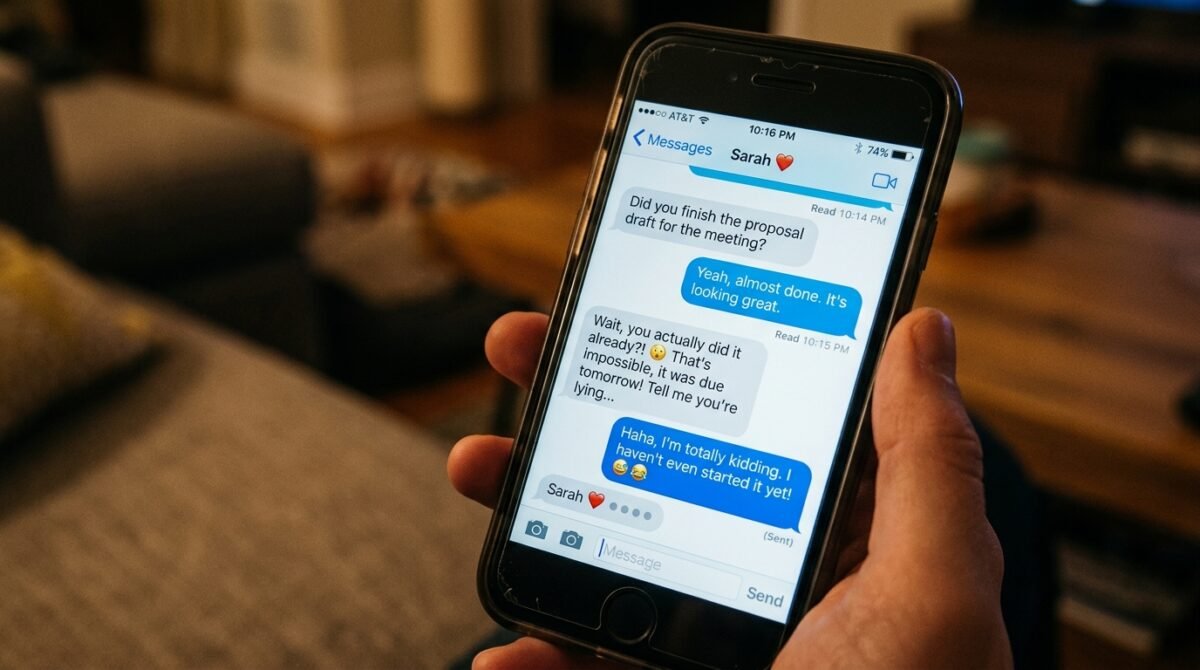
The next morning, I woke up to a stream of notifications. Sarah had tagged me in every photo from the night, captioning them with things like ‘Besties for life!’ and ‘Thank you for the amazing night!’ It was a blatant attempt to rewrite history, to bury the confrontation under a layer of social media validation. She wanted the world to see us as happy, inseparable, and above all, solvent.
I didn’t respond. I sat on my couch and started scrolling back through our messages. It was a goldmine of manipulation. There were months of ‘can you cover this?’ and ‘I’ll pay you back on Tuesday,’ with never a mention of a refund. I realized that I had paid for everything from concert tickets to grocery hauls over the last year. I had been funding her lifestyle while she complained about being broke.
I started a spreadsheet. It was a cold, clinical exercise, but it was necessary. I listed every transaction, every ‘loan,’ every ‘I forgot my wallet’ moment. By the time I was finished, the number was in the thousands. I looked at the total and felt sick. It wasn’t about the money anymore; it was about the years of my life I had spent trying to help someone who was laughing at me the entire time.
“Hey, just checking in. Are you still mad about last night? You’re being super dramatic. It was one dinner. Let’s grab brunch and talk it out? My treat (kidding, lol)!”
— Sarah, via text, 10:00 AM.
That text was the final insult. The ‘kidding, lol’ at the end was the cherry on top of a very bitter sundae. She knew exactly what she was doing. She was testing the waters to see if she could get me back to my compliant, doormat state. She didn’t want to talk; she wanted to reset the clock so she could continue the cycle. I stared at the screen, my thumb hovering over the block button.
I didn’t reply to the brunch invite. I didn’t reply to the ‘are you mad?’ text. I simply took a screenshot of our history, saved the spreadsheet, and closed my laptop. I wasn’t going to have this conversation in person. I wasn’t going to let her manipulate me with tears or excuses. The evidence was there, and for the first time in years, I was looking at it clearly.
The Group Chat Explosion
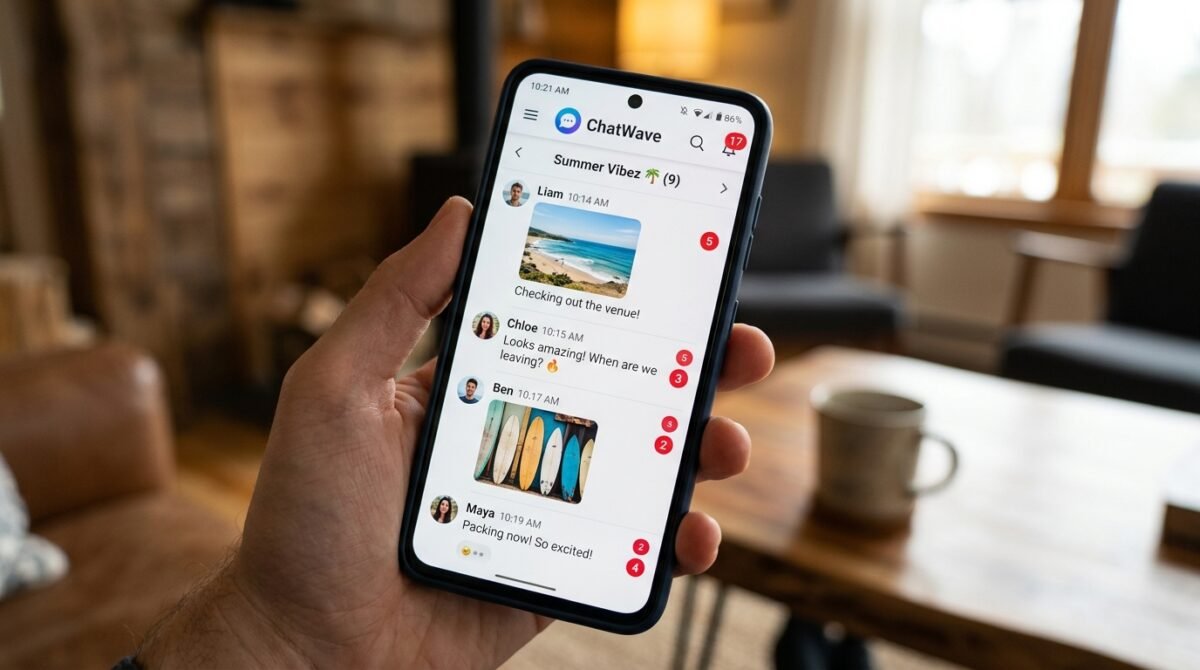
Naturally, when I didn’t respond, Sarah decided to take the narrative to our group chat. She posted a long-winded message about how I was ‘going through a mental health crisis’ and that she was ‘concerned’ about my sudden withdrawal. She played the victim perfectly, positioning herself as the worried friend while framing me as the unstable one who couldn’t handle a simple night out.
The silence in the group chat was deafening. My other friends were clearly uncomfortable, caught between our history and her bizarre behavior. Finally, one of them, Julie, asked what was actually going on. That was my opening. I didn’t want to cause drama, but I wasn’t going to let her lie about me to the people I cared about. I sent a single, simple message.
I attached the screenshot of the restaurant bill and a list of the ‘loans’ I had given her over the year. I kept it professional, emotionless, and factual. ‘I don’t have a mental health crisis,’ I wrote. ‘I just have a problem with being lied to.’ The silence that followed was even heavier than before. It lasted for nearly ten minutes.
“I don’t appreciate being lied to, Sarah. You told everyone you were broke, and then bought bottle service at the club. This isn’t about me being unstable; it’s about you being dishonest.”
— Me, in the group chat.
The fallout was instantaneous. Sarah tried to defend herself, claiming that the bottle service was a gift from a guy, and that she was ‘forced’ to have it. The logic was so flimsy that even our friends started to see through it. They had all been in situations where Sarah claimed to be broke, and the pieces started to fit together. The group chat quickly devolved into an interrogation of her behavior over the last year.
It wasn’t a fight; it was an awakening. One by one, my friends started chiming in with their own stories of Sarah ‘forgetting’ her wallet or ‘losing’ her card. It turned out I wasn’t the only one who had been funding her lifestyle. She had been playing all of us, juggling our generosity like a pro. She left the group chat within seconds of the first accusation.
The Aftermath of the Unfriending

Cutting someone off after ten years is never easy. Even when you know it’s the right thing to do, there’s a grieving process. I found myself missing the ‘good’ versions of Sarah—the one who would stay up all night talking to me, the one who was there when I went through my breakup. But I had to remind myself that those moments were now tainted by the knowledge that she was probably using me for something even then.
The weeks that followed were strange. I felt a sense of lightness, a weight I hadn’t realized I was carrying had finally been lifted. I stopped checking my bank account with dread. I stopped wondering if I was going to be the one to pay for lunch. I started spending my money on things I actually enjoyed, like a trip I had been putting off for years.
Sarah tried to reach out a few times. She sent me flowers, an apology letter, and even showed up at my work once. Each time, I stayed firm. I didn’t engage. I didn’t accept the flowers. I didn’t read the letter. I had made my decision, and I knew that if I gave her an inch, she would take a mile. The boundary had been drawn, and it was non-negotiable.
“I miss you. Can we just talk? I’m going through so much right now, and you’re the only person who understands me.”
— Sarah, voicemail, three weeks after the fallout.
She continued to play the ‘I’m going through so much’ card, but it didn’t work on me anymore. I realized that my empathy had been her greatest weapon, and I was finally taking it back. I wasn’t cold; I was protected. There is a difference. I had learned the hard way that you can be a kind person without being a fool, and that sometimes, the most loving thing you can do for someone is to let them face the consequences of their own actions.
My other friends and I eventually moved on. We still talk about the ‘Sarah Incident’ occasionally, but it’s less with anger and more with a sense of relief. We laugh about how we ever let it go on for so long. We are all more guarded now, more aware of the signs, and significantly more careful about who we allow into our inner circles.
Reddit Weighs In: The Verdict
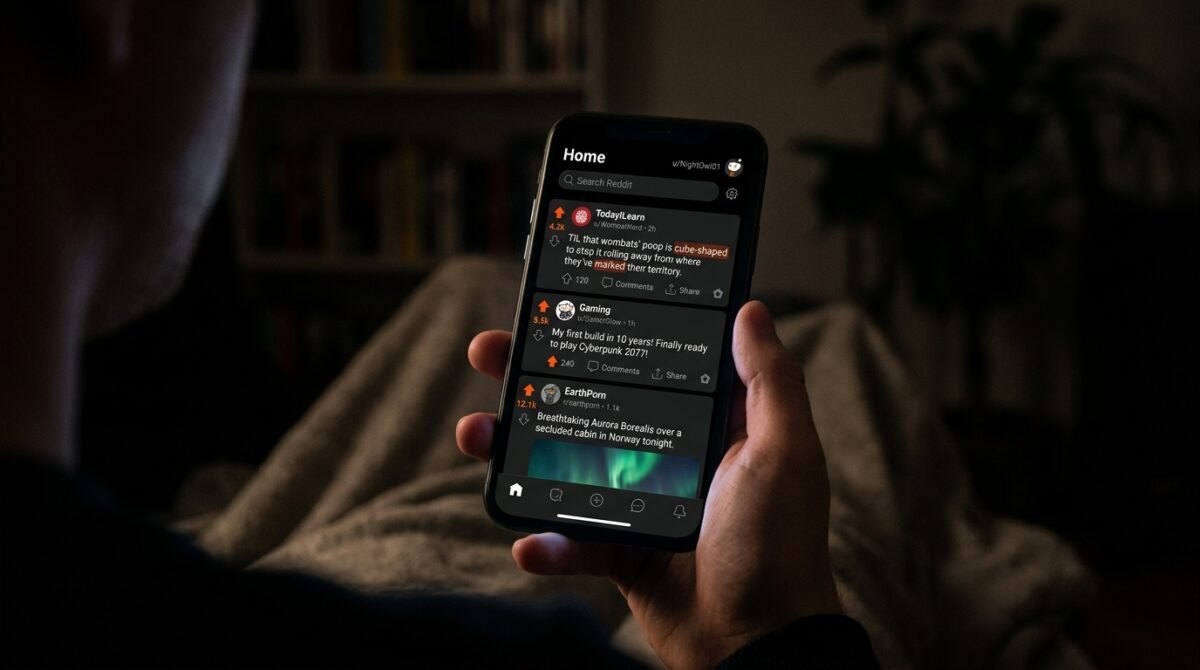
I posted my story on Reddit, mostly to see if I was crazy. The response was overwhelming. Thousands of people commented, shared their own stories, and offered support. It was a validation I hadn’t realized I needed. People were brutal, yes, but they were also incredibly supportive. They confirmed what I had been too scared to admit: I was being taken advantage of.
The top comment came from someone who had been in a similar situation with a ‘friend’ who lived off their generosity. They highlighted the psychological toll of being the ‘provider’ in a relationship, and how it can destroy your sense of self-worth. They urged me to stay strong and not give in to her attempts to ‘talk it out,’ warning that it would only be another cycle of manipulation.
“OP, you aren’t the villain here. You were a victim of a professional mooch. These people don’t change; they just find new sources of funding. Keep the block button active and enjoy your peace. NTA (Not The Asshole) 100%.”
— u/FinanceExpert99 (Top Comment, 32.5k upvotes)
Others shared stories about the ‘I forgot my purse’ trick, which apparently is a classic move for people like Sarah. It was shocking to see how many people had fallen for the exact same thing. It made me feel less alone, and less like an idiot. It showed me that this was a pattern, a behavioral trait that some people have, and it had nothing to do with my worth as a friend.
The community support was so strong that it actually helped me process the final bits of grief I was feeling. I stopped blaming myself for being ‘naive’ and started seeing myself as a generous person who had been betrayed by someone who didn’t deserve it. The realization that there were so many people who had been through the same thing gave me a sense of belonging I hadn’t expected.
I eventually stopped checking the thread, but the impact it had on my life was profound. It gave me the permission I needed to let go of the guilt. I stopped wondering ‘what if’ and started focusing on ‘what next.’ I had learned a valuable, albeit expensive, lesson about boundaries, trust, and the importance of surrounding myself with people who actually care about my well-being, not just my credit card.
The Lessons of the Empty Purse

Looking back at the whole ordeal, I realize that the most important thing I learned wasn’t about money—it was about value. I had allowed Sarah to dictate the terms of our friendship for years, and in doing so, I had lost sight of what I was worth. I had been so busy being the ‘supportive friend’ that I hadn’t noticed I was being treated as an ATM.
The ‘Empty Purse’ incident wasn’t just a moment of betrayal; it was a catalyst for change. It forced me to look at my life and my relationships with a critical eye. It taught me that it is okay to say ‘no,’ it is okay to have boundaries, and it is okay to prioritize your own financial and emotional health. If a friendship can’t survive a ‘no,’ then it wasn’t a friendship to begin with.
I also learned that money is a powerful diagnostic tool. It reveals a lot about a person’s character, their priorities, and their level of respect for you. If someone is consistently ‘broke’ but somehow has money for luxuries, you are not their friend; you are their benefactor. It is a harsh truth, but one that is absolutely vital to understand if you want to avoid being manipulated.
“True friends don’t make you feel guilty for their own lack of responsibility. If they do, they aren’t friends—they’re users. You did the right thing by walking away.”
— A wise, anonymous comment that stuck with me.
I am in a much better place now. My life is simpler, my circle is smaller, and my peace of mind is at an all-time high. I don’t regret the money I lost—I view it as an expensive lesson in self-respect. It was the price I paid to learn how to stand up for myself, and honestly? It was worth every single cent.
If you find yourself in a similar situation, don’t wait for the ‘big explosion’ to set your boundaries. Start small. Say no to the small requests. Watch how they react. If they get angry, defensive, or try to gaslight you, you have your answer. You don’t owe anyone your money or your kindness if it’s being used to hurt you. Protect your peace, and never apologize for it.
Conclusion
My journey from the ‘best friend’ to the ‘cold-hearted person who wouldn’t help out’ was one of the most transformative experiences of my life. I didn’t set out to expose Sarah or to start a drama; I just wanted to be treated with the same respect I gave to others. The fact that the story went viral, that it resonated with so many people, just goes to show that this is a universal struggle. We all want to be good friends, but we have to be smart enough to know when that kindness is being weaponized against us.
I’ve reached a point where I can laugh about it now—the absurdity of the ‘company card’ lie, the sheer gall of the VIP bottle service, the audacity of the brunch invite. It feels like a bad movie plot, something that couldn’t possibly happen in real life. But it did. And I’m stronger for it. I’ve learned to trust my gut, to spot the signs early, and most importantly, to never, ever pay for someone’s dinner if they’re going to spend the night showing off what they ‘don’t have.’
What about you? Have you ever had a friend who acted broke only to turn around and splurge on things they ‘couldn’t afford’? How did you handle it, and did you manage to save the friendship, or was it the end of the road? Let’s talk about it in the comments below. Let’s share our stories and help each other learn how to spot the ’empty purses’ in our own lives before it’s too late.
What's your verdict on this dilemma?
Vote below to contribute to the official community consensus.

Have a Dilemma Keeping You Up at Night?
Share your real-life feud, wedding chaos, or relationship crossroads anonymously with our editorial team.
What do you think ?
0 Comments🛡️ Comments are moderated to protect community integrity. Your comment will appear once approved by the editorial team.