
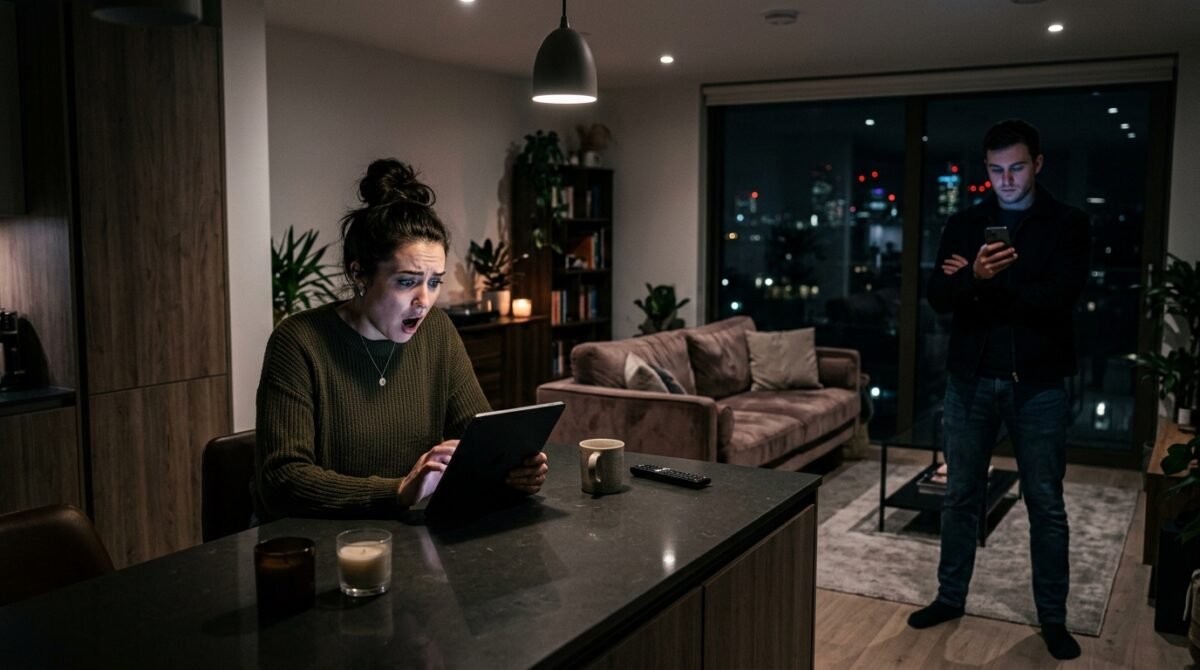
When Mark asked me to move into his downtown loft, I thought it was the natural next step for a couple who had been dating for two years. We were talking about the future, marriage, and building a life together. The apartment was larger than mine, and he insisted that I stop paying rent on my studio so we could save for a down payment on a house. It sounded like the ultimate romantic gesture, a way to pool our resources and work toward a common goal. I packed my life into boxes, donated half my books, and prepared for a new chapter of domestic bliss.
The transition felt seamless for the first three weeks. We spent our evenings cooking, binge-watching shows, and enjoying the extra space. However, on the first of the month, the atmosphere in the apartment shifted. I was sitting on the couch when Mark walked in, not with a glass of wine or a smile, but with a sleek, professional-looking folder. He set it on the coffee table with a calculated precision that made my stomach churn. I assumed it was the utility bills or perhaps a plan for a weekend getaway, but as I opened it, I realized the contents were far more sinister.
Inside was a spreadsheet titled ‘Household Asset Allocation and Storage Reconciliation.’ It wasn’t just a list of shared expenses; it was a itemized bill charging me for ‘excessive closet square footage,’ ‘designated drawer utility,’ and a ‘general aesthetic maintenance fee.’ I stared at the paper in disbelief, waiting for him to laugh and reveal it was a poorly timed joke. The silence in the room stretched, heavy and suffocating, until I finally looked up at him. He wasn’t laughing. He was waiting for a check.
This wasn’t about money in the traditional sense; it was a power play designed to keep me in a state of perpetual financial subservience. As I would soon learn, Mark didn’t want a partner; he wanted a tenant he could micromanage. The following weeks turned into a psychological game of chess, where my personal belongings were held hostage by his twisted sense of fiscal responsibility. I had to decide: do I pay the rent for my own clothes, or do I walk away from the man I thought I knew?
The Spreadsheet That Ended Our Honeymoon Phase
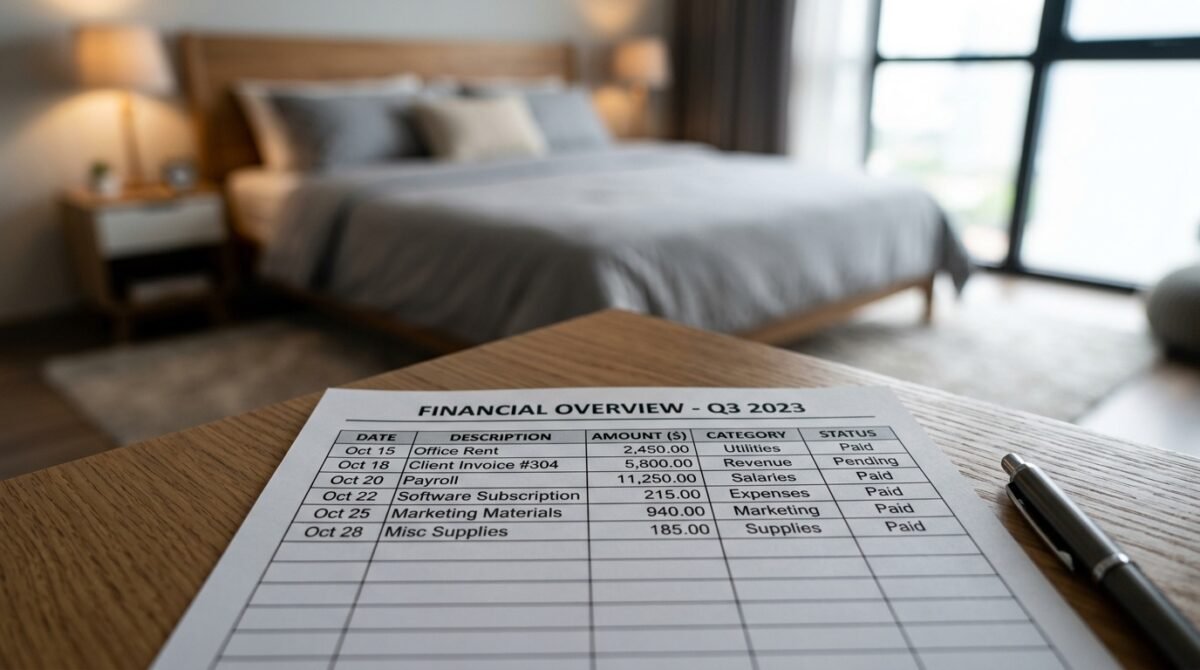
The document was a masterpiece of cold, corporate-style cruelty. It meticulously calculated the cost per square foot of the master bedroom closet, which Mark had valued at market rates for commercial storage units. He had broken down the physical space my hangers occupied, the volume of my dresser drawers, and even the ‘burden’ my shoes placed on the entryway shelving. Every line item had a corresponding dollar amount, totaling three hundred dollars a month on top of my half of the utilities.
I felt a cold sweat break out as I processed the audacity of his logic. I had sold my furniture to move in here, spending thousands to outfit the space so it felt like *our* home. He didn’t see a home; he saw a business opportunity. I looked at the numbers again, trying to find a rationale that made sense in a romantic context. There was none. He was effectively treating his girlfriend like a storage unit that needed to be billed.
“I don’t understand, Mark. We discussed moving in to save for a house. Why am I being billed for the closet space in a room we share? Are you charging me for the right to breathe the air in here, too?”
— Me, during our first confrontation
He leaned against the kitchen counter, crossing his arms with an expression of weary condescension. It was as if he were explaining a complex financial derivative to a child. He spoke slowly, emphasizing each syllable as if I were intentionally being obtuse about the ‘reality’ of property ownership. He claimed that because he owned the unit, he had a right to recoup the ‘lost value’ of the space I was ‘depreciating’ with my belongings. It was gaslighting wrapped in a layer of pseudo-intellectual finance jargon.
I told him that his logic was not only insulting but fundamentally transactional. I argued that a relationship is a partnership of equals, not a landlord-tenant arrangement where one party maximizes profit at the expense of the other’s comfort. His response was to pull up an app on his phone that tracked our shared expenses, pointing out how much money I was supposedly saving by not paying rent elsewhere. He couldn’t grasp that the violation wasn’t about the money; it was about the lack of respect for our shared life.
That night, I sat on the edge of the bed, staring at my closet. The clothes inside, once symbols of my professional identity and style, suddenly felt like liabilities. I felt like an intruder in my own home. My phone sat beside me, glowing in the dark, as I contemplated texting my best friend. The realization that I had signed up for a life of being audited by my own boyfriend was a bitter pill to swallow. I realized that if I agreed to this, I would never be his equal. I would always be the ‘tenant’ who owed him, and he would always be the ‘landlord’ who held the keys.
The Sunday Dinner Where The Silence Spoke Volumes

A week after the ‘storage fee’ invoice, Mark invited his parents over for Sunday dinner. I had spent hours preparing a roast, hoping that the presence of his family might soften his demeanor or at least bring some normalcy back into the house. I had even considered bringing up the issue, thinking that perhaps a neutral third party would help him see how ridiculous he was acting. I was naive to assume that his behavior was an isolated incident that he would be embarrassed to display in front of his parents.
As we sat around the dining table, the conversation remained light and superficial. His mother complimented the food, and his father talked about the stock market. I watched Mark closely, waiting for a sign that he was struggling with the tension between us. Instead, he seemed perfectly comfortable, acting the part of the gracious host. It was only when dessert was served that he decided to ‘casually’ mention the new household management system he was implementing. He presented it as an exercise in financial discipline, framing me as the beneficiary of his guidance.
“I’ve been teaching Sarah about the importance of asset management. We’ve set up a new system to track the utility of our shared space. It’s been a great exercise in fiscal responsibility for her.”
— Mark, to his parents at dinner
I froze, my fork clattering against the plate. His parents looked at me with a mix of confusion and pity. It was clear that he wasn’t looking for approval; he was looking for validation of his control. His father chuckled, not understanding the gravity of the comment, and his mother shifted uncomfortably in her seat. I didn’t say a word, but the silence that followed was deafening. I felt like a museum exhibit he was displaying to show off his ‘enlightened’ approach to modern dating.
After they left, I didn’t hold back. The anger that had been simmering for days finally boiled over. I confronted him in the kitchen, demanding to know why he felt the need to humiliate me in front of his family. His defense was that he was ‘just being honest’ about how he ran his life. He told me that if I felt humiliated, it was because I was insecure about my own financial situation. He had successfully turned the tables, making my reaction the problem rather than his bizarre behavior.
That night, I didn’t sleep in the bed. I retreated to the guest room—the room he had already started referring to as ‘the storage unit’ in his spreadsheet. I realized then that I wasn’t dealing with a quirk; I was dealing with a core personality trait that would only intensify over time. He was incapable of empathy when it came to his own bank account. As I lay there, I realized that the silence at the dinner table was the sound of my relationship dying, and he had been the one to pull the trigger.
The Secret Group Chat OP Wasn’t Supposed To See
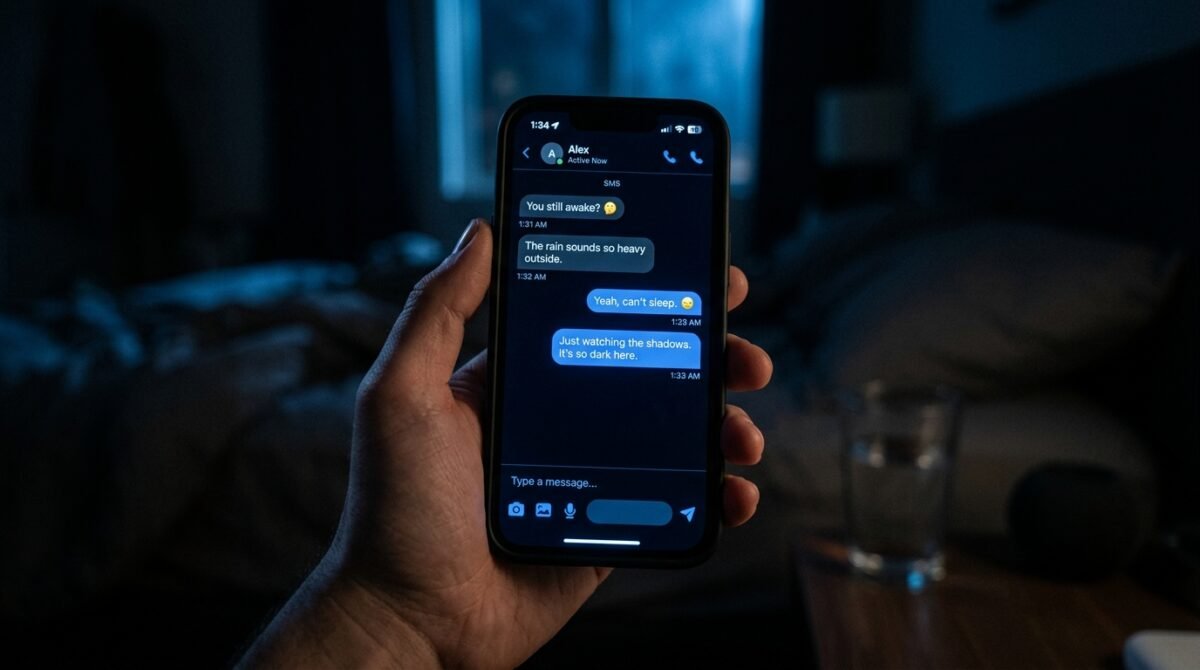
The breaking point arrived in the form of a forgotten iPad. Mark had left it on the kitchen island while he was in the shower, and a notification popped up from a group chat titled ‘The Syndicate.’ I didn’t intend to snoop, but the notification was so egregious that my curiosity got the better of me. It was a message from one of his friends, asking for an update on ‘the tenant.’ I opened the chat, and my heart sank as I scrolled through days of conversation.
They were laughing about me. They were discussing the ‘storage fees’ as a clever way to keep me in line and ensure I didn’t have enough ‘disposable income’ to leave. They were placing bets on how long I would stay before I finally snapped. It wasn’t just a misguided attempt at financial planning; it was a coordinated campaign of psychological manipulation. He had shared private details of our finances and my personal anxieties with his friends, turning my life into a sick inside joke.
“She actually paid the first invoice! Can’t believe she’s falling for the ‘fiscal responsibility’ lecture. Keep tightening the screws, she’ll be fully dependent by the end of the year.”
— Message from ‘Dave’ in ‘The Syndicate’ group chat
I felt physically ill. The man I had shared my bed with, the man who claimed to be building a future with me, was actively plotting to keep me trapped. Every ‘logical’ argument he had used was a carefully crafted lie designed to erode my independence. I took photos of the chat logs with my phone, my hands shaking so hard I could barely hold the device. The sheer scale of the betrayal was staggering.
I didn’t confront him right away. I needed time to process what I had seen and to formulate a plan. I realized that if I left while he was still home, he would try to guilt-trip me, manipulate me, or gaslight me into staying. I had to be strategic. I started moving my most important documents and personal items out of the apartment under the guise of taking them to work. Each day was a performance of normalcy, hiding the storm that was brewing inside.
The irony was that he was so focused on his ‘system’ that he didn’t even notice me pulling away. He was too busy updating the spreadsheet, looking for new ways to charge me for the ‘wear and tear’ of the kitchen appliances. He thought he had complete control, but he had underestimated my resolve. I had spent years building a career and a life, and I wasn’t about to let a man with an Excel spreadsheet tear it down. The game was over, and it was time for me to make my move.
The Last Invoice and the Final Exit

On the day I decided to leave, I left a final gift on the kitchen island: a printed bill of my own. I had meticulously calculated the value of the labor I had provided for the household—the hours of cleaning, the cooking, the ’emotional labor’ of managing his social schedule, and the ‘depreciation’ of my own personal time spent listening to his lectures on finance. I added a ‘management fee’ for the sanity I had lost over the past three months. The total was staggering, far exceeding his petty storage fees.
I packed my remaining clothes and belongings into my car while he was at work. I didn’t leave a note, just the bill and his apartment key resting on the counter. It felt like a weight was being lifted off my shoulders as I locked the door for the last time. As I drove away, I felt a sense of clarity I hadn’t experienced in months. I was finally free from the toxic environment he had cultivated, and for the first time in a long time, I felt like myself again.
“Here is the invoice for the emotional labor and household management provided during my residency. Please remit payment immediately. Consider our lease terminated, effective immediately.”
— The note I left behind
A few hours later, my phone began to buzz incessantly. It was Mark, calling me over and over, followed by a barrage of text messages. He was furious, not because I had left, but because I had dared to challenge his authority with his own logic. He accused me of being ‘immature’ and ‘financially illiterate.’ He even threatened to sue me for ‘damages’ to the closet shelving, a threat so absurd I almost laughed out loud.
I didn’t answer his calls. I blocked his number and reached out to a lawyer friend just to be sure, who laughed and told me there was absolutely no legal standing for his ridiculous invoices. It was the validation I needed to know that I had done the right thing. The sense of peace I felt was worth more than any house we could have ever bought together. I realized that the best investment I ever made was walking out of that door.
The aftermath was quiet. I moved back into my own space, and though it felt smaller, it was mine. I didn’t owe anyone for the privilege of existing there. I spent the next few weeks reconnecting with friends, rebuilding my confidence, and reminding myself that I am worth more than a line item on a spreadsheet. Mark is still out there, probably looking for a new ‘tenant’ to manage, but I am no longer part of his ledger.
Reddit Weighs In: The Community Verdict
When I finally posted my story on a popular relationship subreddit, I wasn’t prepared for the sheer volume of support and outrage. The post went viral within hours, garnering thousands of comments from people who had experienced similar forms of financial abuse. It was comforting to know that I wasn’t alone, and that my intuition had been correct all along. The community was unanimous: I had escaped a textbook case of a controlling, narcissistic partner.
Many users shared their own horror stories, highlighting how common it is for partners to use money as a tool for control. They analyzed Mark’s behavior with clinical precision, noting the ‘syndicate’ chat as a massive red flag. The consensus was clear: he wasn’t interested in a partnership; he was interested in a power dynamic. The support I received was overwhelming, and it helped me to process the trauma of the experience in a healthy way.
“OP, this isn’t just about money. This is financial abuse, plain and simple. He wanted to keep you broke and dependent so you wouldn’t have the resources to leave him. You did the right thing by getting out while you still could.”
— u/FinanceExpertUser (Top Comment, 45.2k upvotes)
Others provided practical advice on how to protect myself in the future, warning me to keep my finances strictly separate until marriage, and even then, to maintain a level of independence. They encouraged me to seek therapy to address the lingering effects of the manipulation. It was a wake-up call for me to prioritize my own financial security and emotional well-being above all else. The Reddit community had become a makeshift support group, and I was grateful for every single comment.
There were some who suggested that I should have taken more aggressive action, but I was satisfied with my clean break. The best revenge, as they say, is living well. I had reclaimed my life, and that was enough for me. The ‘storage fee’ story became a cautionary tale for others to watch for the subtle signs of control in their own relationships. I was happy to serve as an example, if only to help someone else avoid the same trap.
The discussion also turned to the psychology of people like Mark. Many users pointed out that people who view relationships through a purely transactional lens are often insecure and need control to feel stable. It was a sobering thought, but it helped me to detach myself further from his actions. He was a person who needed his world to be ordered and controlled, and I was just an obstacle in his path. I was lucky that I was able to step out of that path before it did any permanent damage.
The Financial Ledger of a Failed Relationship

Looking back, I decided to compile the actual data from those three months. It was a morbid curiosity, but I wanted to see the numbers laid out in a way that showed the absurdity of the situation. I created a table to compare his ‘demands’ with the reality of what a balanced, healthy relationship should look like. It served as a final piece of closure, a way to quantify the madness and put it to rest forever.
| Category | His Demand | The Reality |
|---|---|---|
| Closet Space | $150/mo | Free in a shared home |
| Drawer Usage | $75/mo | Free in a shared home |
| Aesthetic Fee | $75/mo | Non-existent |
| Total Monthly | $300/mo | $0 (Partnership) |
The table speaks for itself. It was never about the money; it was about the control. Even looking at it now, I can’t believe I allowed myself to be part of such a scheme for as long as I did. But that is the nature of slow-burn manipulation. It happens one small, ridiculous demand at a time, until one day you wake up and realize you’re living in a prison of someone else’s making. The realization is always the hardest part, but once you see it, you can’t unsee it.
I’ve kept the spreadsheet as a reminder. Not to dwell on the past, but to ensure that I never again lose sight of my own worth. I have become much more vigilant about boundaries in all aspects of my life. I’ve learned that a true partner will never ask you to justify your existence in their space. They will welcome you, cherish you, and work with you to build something that belongs to both of you, without the need for itemized invoices or complex allocation strategies.
I’ve also started a small ‘freedom fund’ for myself, just to ensure that I always have the means to walk away if I ever find myself in a situation that doesn’t feel right. It’s a small price to pay for the peace of mind that comes with independence. I encourage everyone reading this to do the same. Don’t let anyone hold your autonomy hostage, whether it’s through financial control or emotional manipulation. You are worth more than any price tag they can put on your life.
Recognizing the Subtle Red Flags of Financial Control

It’s easy to look back and identify the signs once you’re out, but in the moment, they can be incredibly subtle. Mark didn’t start by charging me for closet space; he started by complaining about how much space my things took up in his ‘pristine’ apartment. He started by making small comments about how my spending habits were ‘inefficient’ compared to his. He slowly built a narrative where I was the one who was disorganized and burdensome, and he was the one who was kindly providing a solution.
This is the hallmark of financial control. It doesn’t look like a direct threat; it looks like helpful advice or a logical way to ‘optimize’ your shared life. By the time the invoices arrived, I had been conditioned to believe that I owed him for the space I was taking up. I had been made to feel like a guest in our home, rather than a partner, which made it easier for him to justify the fees. It was a slow erosion of my self-respect.
If you find yourself in a situation where your partner is tracking your spending, making comments about the ‘value’ of your belongings, or insisting on a strictly transactional approach to living together, take a step back. Ask yourself if this is a partnership or a business. Ask yourself if you feel respected and valued, or if you feel like you are constantly failing to meet some arbitrary standard they have set for you. Your instincts are usually right, even when you’re trying to rationalize away the red flags.
It’s important to have open and honest conversations about finances from the beginning, but these conversations should be about cooperation, not control. They should be about building a shared future, not about maximizing one person’s profit. If your partner is resistant to a fair and equal partnership, it’s a sign that they may not be ready for the commitment of living together. Don’t be afraid to walk away if you don’t feel like you’re being treated as an equal.
I’m so glad I stood up for myself, even if it took me longer than I would have liked. The lessons I learned were hard, but they have made me a stronger and more independent person. I hope that by sharing my story, I can help others to see the signs before they get as deep into a toxic situation as I did. You deserve to be with someone who sees you as a partner, not a tenant, and someone who would never dream of charging you for the space you occupy in their heart.
Reclaiming My Identity and Moving Forward

Since the incident, I have spent a lot of time rediscovering who I am outside of a relationship. I’ve taken up painting again, a hobby I had long abandoned because Mark thought it was ‘too messy’ for the apartment. I’ve been spending time with friends who value me for who I am, not for what I can contribute to their bottom line. It’s been an incredibly healing journey, one that has taught me that my worth is not determined by the approval of others.
I’ve also been focused on my career, taking on new challenges and pushing myself to grow. I’ve realized that I am more capable than I gave myself credit for, and that I don’t need a partner to provide me with a sense of stability or direction. I am my own person, and that is a powerful realization. It’s not about being anti-relationship; it’s about being pro-me. I want to build a life that I love, regardless of who is in it.
The memory of the storage fee doesn’t hurt as much as it used to. It’s become a symbol of my strength and my ability to stand up for myself. I see it as a turning point in my life, a moment where I chose myself over a man who was incapable of loving me the way I deserve to be loved. I’m grateful for the experience, even if it was painful, because it led me to a place of greater self-awareness and empowerment.
I’m not looking for another relationship right now, and that’s okay. I’m enjoying the freedom of living alone, the quiet of my own space, and the peace of mind that comes with knowing I am in control of my own life. I’m learning to trust my own judgment again, to listen to my gut, and to never apologize for taking up space—literally or figuratively. I am exactly where I need to be, and I’m excited about the future.
If you’re going through a tough time in your relationship, just know that you are not alone and that there is light at the end of the tunnel. It might not feel like it right now, but things will get better. Trust yourself, stand up for what you believe in, and never let anyone dim your light. You are enough, just as you are, and you deserve to be with someone who sees that and cherishes you for it every single day.
Why I’ll Never Compromise My Independence Again

My experience with Mark has fundamentally changed my perspective on relationships. I used to believe that love meant sacrificing parts of yourself for the sake of the ‘we.’ Now, I see that healthy love actually encourages you to be *more* of yourself. It’s a partnership where both people are encouraged to grow, thrive, and remain independent individuals. I will never again compromise my sense of self or my financial autonomy to fit into someone else’s mold.
I’ve learned to be much more discerning about the people I let into my life. I’m not interested in games, control, or hidden agendas. I’m looking for a partner who is secure in themselves, who values equality, and who understands that love is a gift, not a transaction. I’m not afraid to ask the hard questions early on, and I’m not afraid to walk away if the answers aren’t aligned with my values. I’ve learned that it’s better to be alone and happy than to be in a relationship that makes you feel small.
This journey has also taught me the importance of community. I’ve realized that we’re all stronger when we support each other and share our stories. The response I received to my post was a testament to the power of collective wisdom and empathy. I hope to continue being a part of this community, offering support where I can and continuing to learn from the experiences of others. Together, we can create a culture that values healthy relationships and rejects the toxic patterns that hold us back.
I’m looking forward to the next chapter of my life with optimism and excitement. I know that there will be challenges, but I also know that I have the strength and the resilience to face them head-on. I’m not afraid of the future, because I know that I am the author of my own story. I’m in control of my own destiny, and that is the most freeing feeling in the world.
So, here’s to independence, to self-respect, and to the courage to walk away from anything that doesn’t serve you. You are the architect of your own happiness, and you have the power to build a life that is beautiful, fulfilling, and completely your own. Never let anyone tell you otherwise, and never let anyone convince you that you are anything less than worthy of love, respect, and freedom.
Lessons Learned from the Ledger

Reflecting on the entire ordeal, the most significant lesson is that your internal alarm system is your most valuable asset. That ‘gut feeling’ I had when I first opened the spreadsheet was my brain screaming that something was fundamentally wrong with the power dynamic of our relationship. I spent months trying to rationalize his behavior, ignoring the dissonance between what he said and what he did. That dissonance is a warning, and it should never be ignored.
I also learned the danger of ‘convenience’ relationships. Moving in with him felt like the logical, convenient thing to do to save money, but it ended up costing me much more in terms of mental health and self-respect. It taught me that sometimes, the ‘logical’ path isn’t the right path. True partnership should be based on shared values, not just shared expenses or a desire to reach a financial milestone. You can’t put a price on the feeling of being home in your own relationship.
The financial aspect was the most insidious part because it was designed to make me doubt my own perspective. By using the language of ‘responsibility’ and ‘asset management,’ he tried to make his controlling behavior sound virtuous. I had to learn to look past the jargon and see the intent. Once I realized his intent was to make me dependent, the whole charade fell apart. It taught me to be critical of the language people use to justify their behavior.
I also learned that it is okay to change your mind. I didn’t have to stay just because I had already moved in. I didn’t have to stay just because I had already invested so much time and effort. I had the right to change my mind, to re-evaluate, and to walk away. That realization gave me the power to take control of my life again. It was a difficult decision, but it was the most important one I’ve made in years.
Finally, I’ve learned the importance of having a strong support system. My friends were the ones who kept me grounded during the darkest days of the relationship. They were the ones who reminded me of who I was when I started to forget. I’ve learned to lean on them, and I’ve learned to be a better friend in return. Life is better when we share our burdens and celebrate our triumphs together. I’m grateful for every single person who has stood by me.
Conclusion
My journey from a ‘tenant’ in my own relationship to an empowered, independent woman has been nothing short of transformative. The ‘storage fee’ wasn’t just a bill; it was a wake-up call that forced me to confront the reality of my relationship and choose myself. It wasn’t an easy path, but it led me to a place of greater self-awareness, strength, and freedom. I hope that by sharing my story, I can inspire others to trust their instincts, set healthy boundaries, and never accept anything less than the love and respect they deserve.
The reality is that we all deserve to be in relationships where we feel seen, valued, and equal. We deserve partners who support our growth, respect our autonomy, and cherish our presence in their lives. If you find yourself in a situation that feels ‘off,’ trust that feeling. Don’t let anyone convince you that your concerns are invalid or that you’re being ‘too sensitive.’ You are the expert on your own life, and your happiness is non-negotiable.
I am now in a place of peace, and I want to hear from you. Have you ever experienced a partner who tried to control your finances or use transactional tactics to gain power in the relationship? How did you handle it, and what did you learn? Let’s keep the conversation going in the comments below. Your stories can help others find the strength they need to stand up for themselves and reclaim their power. We are all in this together, and our collective experiences are a powerful tool for growth and change.
I’m officially closing this chapter of my life, and I’m ready for whatever the future holds. I’m no longer the person who was worried about the cost of a closet; I’m the person who knows the true value of her own peace of mind. Thank you for reading my story, and I hope it serves as a reminder that no matter how deep you are in a difficult situation, you always have the power to walk away and build a life that is uniquely your own.
What's your verdict on this dilemma?
Vote below to contribute to the official community consensus.

Have a Dilemma Keeping You Up at Night?
Share your real-life feud, wedding chaos, or relationship crossroads anonymously with our editorial team.
What do you think ?
0 Comments🛡️ Comments are moderated to protect community integrity. Your comment will appear once approved by the editorial team.