

We have all had that friend who is perhaps a bit ‘extra’ when it comes to their birthday. You know the type: they expect the world to stop for their special day, demanding group dinners at overpriced restaurants and lengthy, choreographed photo sessions. But there is ‘extra,’ and then there is outright monetization of one’s social circle. When my best friend, Chloe, announced her 30th birthday, the expectations were already sky-high, but nobody—not even her inner circle—was prepared for the audacity of her business model.
For weeks, the group chat was a whirlwind of planning. Chloe had curated a ‘vibe’ that required specific attire, a high-end venue reservation, and, of course, the obligatory gift registry. I had spent months scouting the perfect piece of jewelry, something meaningful and substantial, easily totaling over two hundred dollars. I wanted to celebrate her transition into a new decade with the warmth and love that a decade of friendship supposedly warrants.
The trouble began three days before the event. A cryptic email landed in our inboxes, sent not from Chloe, but from a ‘party coordinator’ she had hired. It was a digital invoice. It wasn’t for dinner; it was a ‘cover fee’ for the privilege of entering the reserved lounge area where the birthday cocktails would be served. The total? Forty dollars per head, payable via a link, before we even stepped foot on the premises.
I stared at the screen, my thumb hovering over the ‘pay now’ button. This wasn’t a ticketed charity event; it was a casual birthday gathering of friends. When I texted Chloe to ask if there had been some sort of administrative error, her response was the catalyst for an evening that ended not at the bar, but in the solitude of my own living room with a glass of wine and my gift safely tucked away in my closet.
The moral dilemma here wasn’t just about the forty dollars. It was about the commodification of intimacy. When you invite your closest friends to celebrate you, you are inviting them into your life, not your business. This is the story of how a friendship crumbled at the front door of a dimly lit bar, and why I decided that some gifts are better kept when the host forgets the basic rules of hospitality.
The Mysterious Email from the ‘Coordinator’
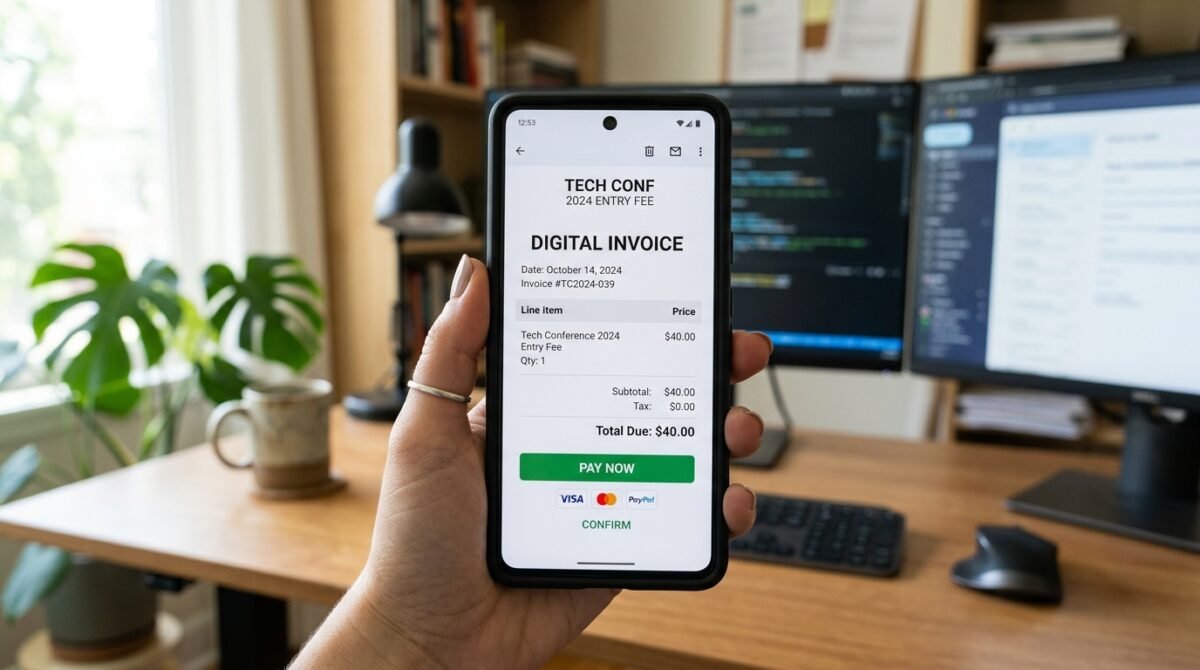
The email arrived at 2:14 PM on a Tuesday. It was sterile, professional, and entirely out of place for a group of girls who spent most of their time sending memes and venting about work. The subject line read: ‘Confirmation of Entrance Fee: Chloe’s 30th Milestone.’ I clicked it, assuming it was a joke or perhaps a misunderstanding regarding a pre-paid cocktail package.
The body of the email detailed a ‘logistics fee’ that was supposedly necessary to ‘ensure an exclusive experience’ at the venue. It explicitly stated that the cover charge would cover ‘administrative costs, security, and the pre-payment of the signature birthday cocktail.’ It ended with a bold-faced deadline: payment must be processed within 24 hours to secure entry to the VIP area.
I remember sitting at my desk, my heart rate picking up. Chloe had been my rock through breakups, job losses, and family crises. But this felt like a cold, calculated transaction. Was I being cheap? Or was the very nature of a friendship being redefined by a spreadsheet? I looked at the group chat, which had been silent for an hour. Then, the first message popped up from Sarah, our mutual friend who usually avoided confrontation at all costs.
“Hey guys, did everyone get the email about the $40 fee? I’m a little confused—are we paying for our own drinks AND a cover charge? I thought Chloe had booked the space already?”
— Sarah, Group Chat
The silence from Chloe in the group chat was deafening. She was the administrator of the group, and yet, she hadn’t said a word about the fee. I felt a knot of anxiety tighten in my stomach. This was the first red flag in a series of events that would fundamentally alter our relationship. The expectation was that we would simply comply, pay the fee, and thank her for the invitation to spend our money.
Confronting the Birthday Girl

Unable to sit with the ambiguity, I decided to go straight to the source. I called Chloe. It rang four times before she picked up, her voice already sounding strained, as if she were bracing for an attack. She didn’t say hello; she just said, ‘Are you calling about the link?’
I tried to keep my voice steady. I told her I was happy to pay for my own drinks, but the idea of a cover charge for my best friend’s birthday felt incredibly transactional. Her reaction was instantaneous and sharp. She didn’t even try to soften the blow. She launched into a monologue about how she had ‘invested’ in this night and how she couldn’t afford to lose money on people who didn’t respect her vision.
“Look, I’m paying for the decorations, the photographer, and the custom playlist. If you can’t afford $40 to support me on my 30th, maybe you shouldn’t be coming. This isn’t just a drink; it’s an experience. If you’re that worried about the money, I can invite someone else who actually values what I’ve put into this.”
— Chloe, Over the Phone
I felt a cold sensation wash over me. The ‘best friend’ label she used to throw around so easily now felt like a hollow title. She wasn’t asking for support; she was demanding an entrance fee to her own ego. The conversation was short, ending with me telling her I needed to think about it. She hung up without saying goodbye.
The sheer arrogance of the statement left me reeling. I had prepared a $200 gift, a piece of jewelry that meant a lot to both of us, and she was effectively telling me that my presence, and my friendship, was contingent on me paying a toll to enter a room. The calculation was simple, but the emotional cost was becoming increasingly clear.
The Group Chat Explosion

While I was reeling from the phone call, the group chat began to light up. The tension that had been building for days finally snapped. Other friends were chiming in, some defending Chloe, some echoing my own confusion. It was a digital microcosm of the larger conflict that was brewing beneath the surface of our social circle.
One by one, people began to drop out of the plan. ‘I can’t make it,’ one said. ‘Something came up,’ another lied. It was clear that the $40 fee had effectively killed the enthusiasm for the event. Chloe was in the chat now, typing furiously, trying to salvage her ‘vision’ by shaming those who questioned her decision.
“I’m really disappointed in everyone. I thought I was surrounded by friends who wanted to celebrate this milestone with me, not people who would nickel and dime me over a cover charge. If you don’t pay, you aren’t on the list. Simple as that.”
— Chloe, Group Chat
The atmosphere was toxic. I watched as people started apologizing, some even paying the fee just to avoid the drama. I realized then that this was never about the birthday; it was about power. Chloe wanted to see who would bend, who would pay, and who would be loyal enough to ignore her blatant disrespect. I sat there watching the notifications roll in, feeling a strange sense of clarity settling over me.
The Decision to Withdraw

The night of the party arrived. I spent the afternoon feeling a mix of guilt and relief. The guilt came from the years of history I had with Chloe; the relief came from the knowledge that I wouldn’t have to spend my evening in a place where I felt like a customer instead of a friend. I still had the gift in its box, tucked away on my nightstand.
I sent a final, short message to Chloe at 6:00 PM. I told her I wouldn’t be attending and that I hoped she had a good night. I didn’t mention the fee; I didn’t mention the arrogance; I simply stated that I couldn’t make it. It was the cleanest break I could manage, a way to reclaim my evening and my dignity.
I went to dinner by myself, wearing the dress I had planned to wear to her party. I treated myself to a nice meal, enjoying the fact that I didn’t have to perform for anyone. I felt lighter than I had in weeks. The $200 gift was still in my bag, and I realized with a sudden jolt of realization that I had no intention of giving it to her now.
If she viewed our friendship as a transaction, then I was entitled to cancel the payment. I wasn’t just boycotting her party; I was ending a dynamic that had become increasingly parasitic. The relief was palpable. I ordered dessert and toasted to my own independence, feeling more like myself than I had in a very long time.
The Fallout the Next Day
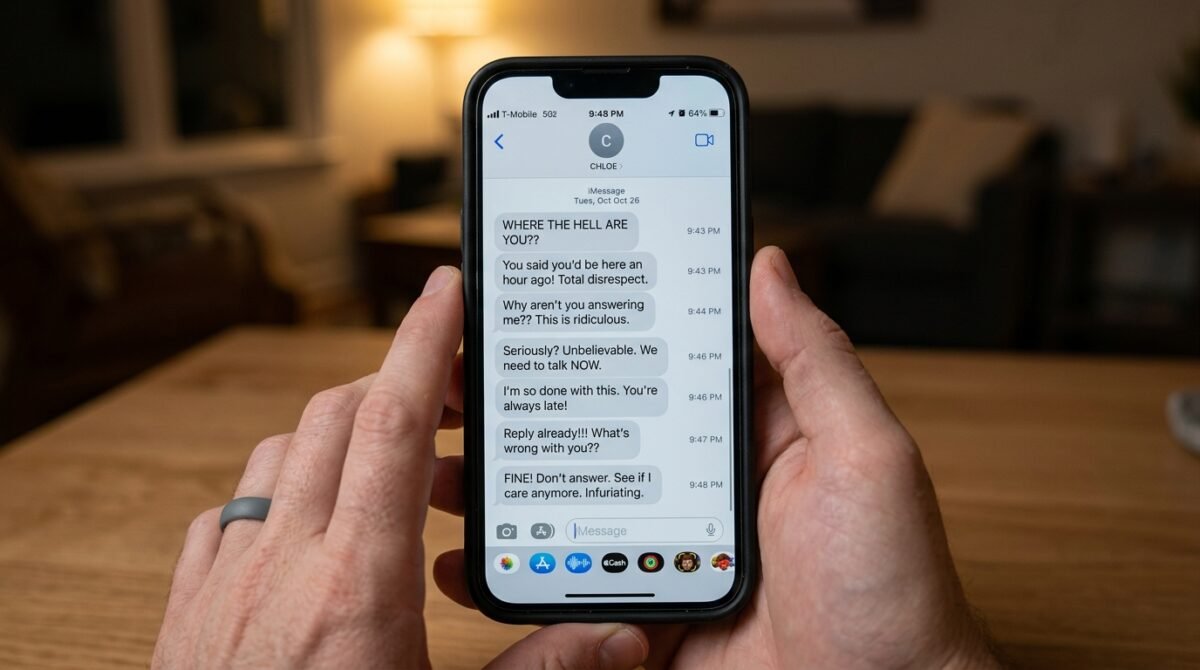
The next morning, my phone was blowing up. Chloe had posted photos of her ‘exclusive’ event, and it looked exactly as I expected: crowded, loud, and filled with people who looked like they were trying too hard. But the messages directed at me were far less celebratory. Chloe had noticed my absence, and she was furious.
She sent me a barrage of texts, accusing me of being a ‘fake friend’ and demanding to know why I hadn’t RSVP’d properly. She seemed more concerned about the optics of my absence than the absence itself. She wanted to know if I had given the gift to someone else to drop off, and if not, why I still had it.
“I saw you didn’t show up. That’s really low. You’ve been my best friend for years and you couldn’t be bothered to show up for my 30th? And I’m still waiting on that gift you mentioned. Don’t think I forgot about it.”
— Chloe, Text Message
I read the message and felt nothing. No anger, no sadness. Just a profound sense of detachment. She was worried about the gift—the physical item—more than the person who was supposed to be her best friend. It confirmed everything I needed to know about where I ranked on her priority list.
The Internet Weighs In

I decided to post about the situation on a popular forum, keeping the details vague but the core conflict clear. I wanted to see if I was losing my mind, or if this was truly as ridiculous as I felt it was. The response was immediate and overwhelming. Thousands of people jumped into the thread, providing their own perspectives on the ‘birthday cover fee’ phenomenon.
The consensus was loud and clear. People were horrified by the idea of charging friends to attend a milestone event. The term ‘predatory’ was used more than once. It wasn’t just that it was rude; it was considered a fundamental violation of the social contract of friendship. The comments section became a space for people to share their own horror stories of entitled friends.
“Charging a cover fee for a birthday is the ultimate sign of a narcissist. You don’t charge your friends to be in your presence. Block her and keep the gift. You’ve just saved yourself from a lifetime of being treated like a source of income rather than a person.”
— u/FriendshipAdvice (Top Comment, 18.2k upvotes)
Reading the comments was therapeutic. It reminded me that I wasn’t being ‘difficult’ or ‘cheap’—I was setting a boundary. The validation from strangers was enough to stop the self-doubt that had been gnawing at me. I realized that my worth was not determined by my willingness to pay for Chloe’s validation.
A Different Perspective

Not everyone agreed, though. A small contingent of commenters argued that if the venue was expensive, maybe a cover fee was reasonable. They suggested that perhaps I was being judgmental and that Chloe was just trying to manage a budget in a world where everything costs money. This sparked a heated debate within the thread about the difference between a party and a fundraiser.
One user, in particular, made a point that stuck with me. They argued that if you can’t afford the party you want, you don’t host it; you scale back. Charging friends is a way of forcing them to subsidize a lifestyle you can’t afford. It was a harsh truth, but it resonated with me. Chloe had always lived beyond her means, and she had always expected others to help her maintain that facade.
This perspective helped me see the pattern in our friendship. It wasn’t just this birthday; it was a long history of me covering her lunch, picking up the tab for drinks, and making excuses for her financial irresponsibility. The birthday party wasn’t the root of the problem; it was the final, inevitable symptom of a dynamic that had been broken for a long time.
I found myself re-evaluating our entire friendship through this lens. How many times had I ignored my own needs to support hers? How many times had I felt drained after spending time with her? The answer was eye-opening. The birthday fee wasn’t a mistake; it was the natural conclusion of a relationship that had become entirely one-sided.
Reclaiming the Gift

The gift—that $200 piece of jewelry—had become a symbol of everything I was struggling to let go of. It was beautiful, thoughtful, and entirely wasted on someone who wouldn’t appreciate it. One afternoon, I took it back to the store. I had the receipt, and I was within the return window. The clerk asked if there was a problem with the piece, and I simply said, ‘No, the recipient and I have moved in different directions.’
As I walked out of the store with the refund in my pocket, I felt a sense of closure. I wasn’t keeping the money because I was being spiteful; I was keeping it because it was mine, and I had regained the agency to decide where my resources went. It felt like taking back a piece of my own life that I had been pouring into a bottomless well.
I decided to use the money for something I had been putting off for months: a weekend trip to a coastal town I’d always wanted to visit. It was an investment in my own happiness, rather than an investment in someone else’s ego. It was the most satisfying purchase I had made in a long time, and I made sure to take plenty of photos.
Looking back, I realize that the gift was the last tether to the version of myself that felt obligated to Chloe. By returning it, I was effectively closing the chapter on that friendship. It wasn’t a dramatic, cinematic moment, but it was deeply personal, and it gave me the peace of mind I had been searching for since the ‘invoice’ email landed in my inbox.
The Final Communication
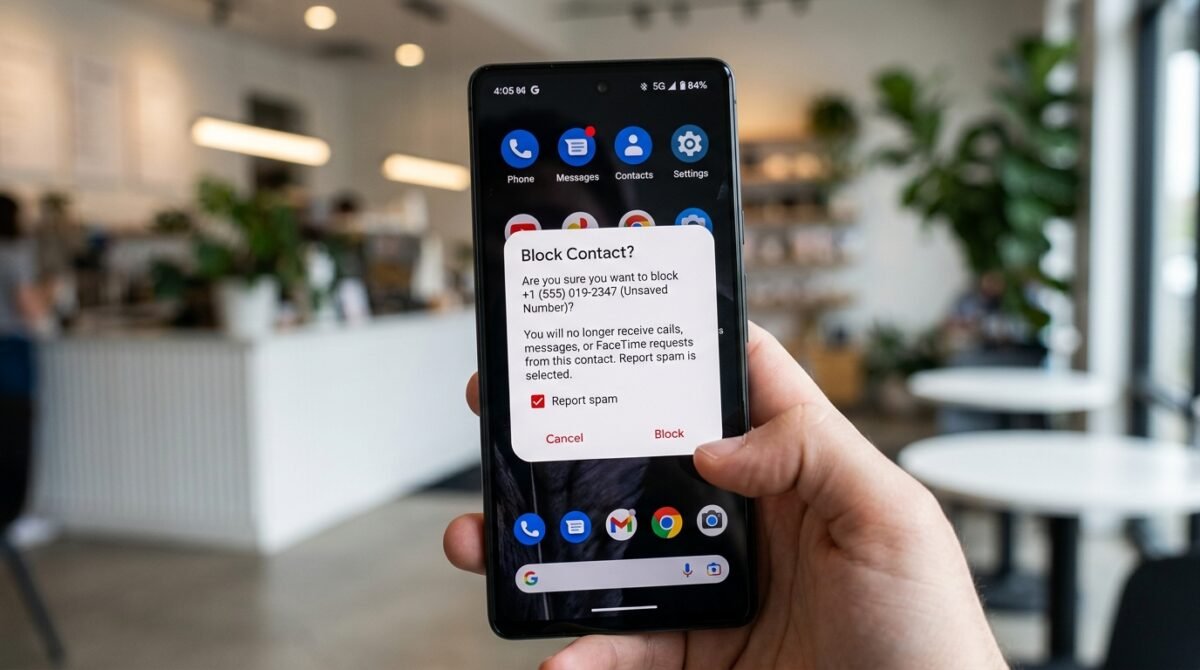
Chloe didn’t take the silence well. After a week, she tried to call me again, and then sent a text demanding to know what I did with the gift. She had clearly heard from someone else that I had been talking about the situation. I didn’t respond to the calls, but I did send one final text before blocking her number.
It was simple and direct. I didn’t want to get into a shouting match or rehash the past. I wanted to establish the boundary and move on. I told her that our friendship had reached its end and that the gift was no longer hers to expect. I wished her the best, and then I hit ‘block.’
“Chloe, our friendship has changed, and I don’t feel comfortable continuing it. I’ve returned the gift I bought for you, and I’m moving on. I wish you the best in your future endeavors, but please don’t reach out to me again.”
— My final text to Chloe
The silence that followed was the best thing I could have asked for. I didn’t need the last word. I didn’t need her to understand. I just needed her to be out of my life so I could start the process of healing and moving forward. The relief was immediate and total.
Reflections on Friendship and Boundaries

In the months since the birthday debacle, I’ve had a lot of time to think about what makes a friendship work. It’s not about how much you spend on each other, or how grand the parties are. It’s about mutual respect, consideration, and the willingness to show up for each other without needing a transactional incentive. I learned that boundaries aren’t just for strangers; they are essential for the people we care about the most.
I’ve also learned that it’s okay to outgrow people. Friendships often go through seasons, and sometimes those seasons come to an end. It doesn’t mean the friendship wasn’t valuable at the time; it just means it’s no longer serving either person in a healthy way. I don’t regret the years I spent with Chloe, but I am grateful that I had the courage to walk away when the dynamic turned toxic.
The ordeal taught me more about my own self-worth than I ever would have learned from staying and playing along. I discovered that I am capable of saying no, and that my ‘no’ is a complete sentence. I don’t owe anyone my compliance, my money, or my silence, especially when I’m being treated as a secondary character in their life.
I am now surrounded by friends who would never dream of charging me a cover fee. We support each other, we celebrate each other, and we do it without the drama or the invoices. It’s a different kind of circle, one built on a foundation of genuine love and mutual respect, and I wouldn’t trade it for anything.
Conclusion
The story of the $40 birthday cover fee is, at its core, a story about the intersection of social expectations and personal dignity. When we allow others to dictate the terms of our engagement, we risk losing our sense of self. The lesson here is clear: your friends should be people who enhance your life, not people who view your presence as a revenue stream. By standing my ground, I didn’t just save forty dollars; I saved myself from a relationship that was built on entitlement rather than affection.
Reflecting on this, I wonder how many of us have stayed in friendships long past their expiration date simply because we were afraid of the confrontation. How many of us have prioritized someone else’s ‘milestone’ over our own comfort? The conversation about boundaries is one that we all need to have more often, especially in an era where social media pressures us to present a life that is expensive and performative.
As I move forward, I carry the lesson of the gift—the realization that some things are too precious to give to people who don’t understand their value. I have found my own path, and I am grateful for the clarity that the conflict brought me. It was a harsh awakening, but one that led to a much more authentic and fulfilling life.
What about you? Have you ever had a friend cross a line so significantly that it fundamentally changed your relationship? How did you handle the fallout, and what boundaries have you set for yourself since? Let’s talk about it in the comments below.
What's your verdict on this dilemma?
Vote below to contribute to the official community consensus.

Have a Dilemma Keeping You Up at Night?
Share your real-life feud, wedding chaos, or relationship crossroads anonymously with our editorial team.
What do you think ?
0 Comments🛡️ Comments are moderated to protect community integrity. Your comment will appear once approved by the editorial team.