
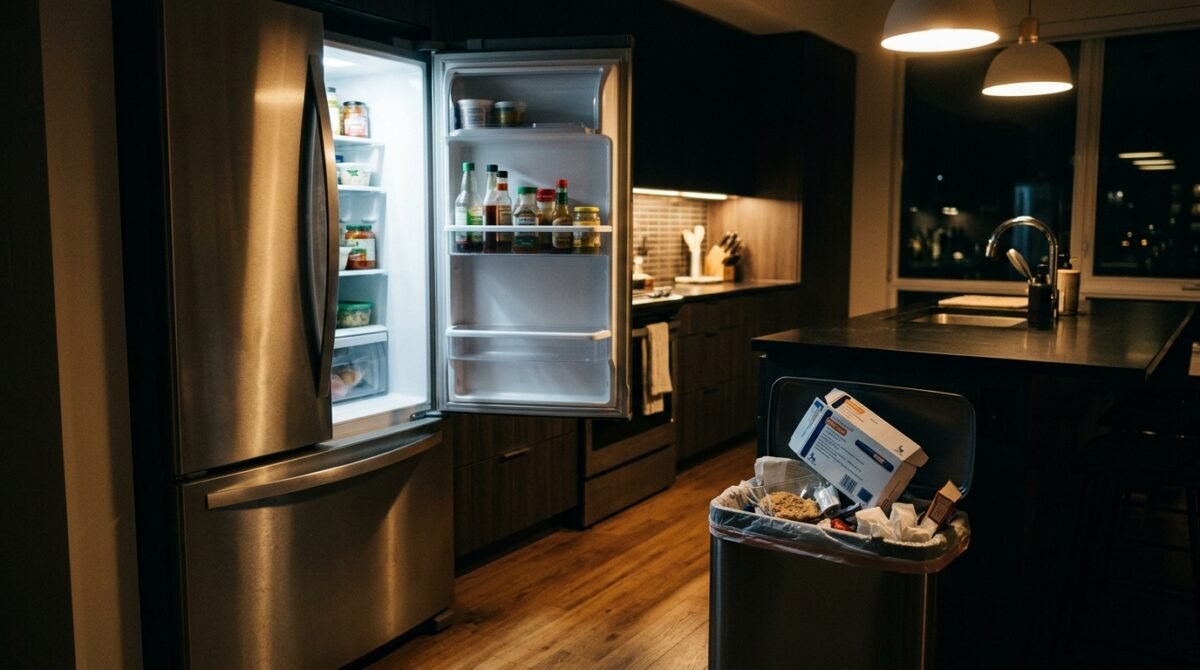
We have all heard the horror stories about roommates. There is the classic tale of the stolen milk, the passive-aggressive post-it notes about unwashed dishes, and the mysterious roommate who brings home a stray cat without asking. But nothing could have prepared me for the day I realized that my own life was treated as an afterthought in a shared refrigerator.
My roommate, Chloe, was a self-proclaimed ‘health influencer’ in training. Her life revolved around kale, chia seeds, and the perfect lighting for her morning Instagram stories. I, on the other hand, just wanted to survive. Living with Type 1 Diabetes meant my life was tethered to a rigid schedule and a cold, sterile box of insulin stored in the fridge. It wasn’t a luxury; it was the difference between breathing and a hospital visit.
I never imagined that my medical necessity would become a battleground. To me, the fridge was a sanctuary for my health. To Chloe, it was a content studio. The tension had been simmering for weeks, fueled by her obsession with ‘aesthetic organization’ and my quiet refusal to move my supplies to the basement fridge—a unit that was prone to temperature fluctuations and completely unsuitable for sensitive medication.
The breaking point wasn’t a loud argument or a stolen item of clothing. It was a silent, calculated act of disposal. When I reached for my morning dose, I found nothing but rows of perfectly arranged, color-coded smoothie ingredients. My life-saving insulin was gone, and the trash bin told the rest of the story. This isn’t just a story about a bad roommate; it is a story about the moment I decided that silence was no longer an option.
The Aesthetic Fridge Initiative
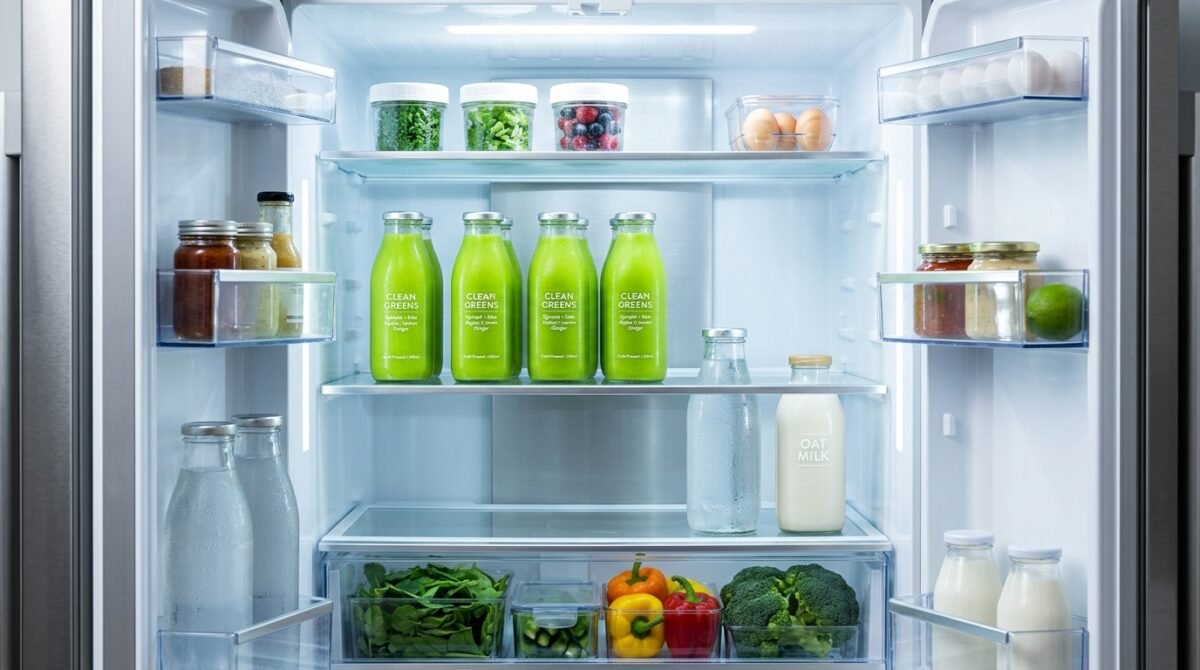
It started three weeks ago when Chloe announced that our kitchen was ‘not brand-compatible.’ She had spent a small fortune on clear acrylic bins, bamboo organizers, and labels that looked like they belonged in a boutique grocery store. While I found it excessive, I didn’t mind. I thought it was just her way of decompressing after her exhausting social media shoots.
The problem was the obsession with the refrigerator. She started moving my items around to ensure her ‘green juice corner’ looked pristine. I repeatedly told her that my insulin had to remain in the designated door bin, which stayed at a consistent, safe temperature. She would nod, smile, and then move it the next day.
One evening, I came home to find my supplies shoved into the vegetable crisper. I was livid. I explained to her, calmly, that temperature stability was non-negotiable for my medication. She looked at me with an air of superiority, as if I were asking for a favor rather than stating a medical requirement.
“It just doesn’t look right, Sarah. The bright orange label on your medicine clashes with the aesthetic I’m trying to cultivate for my brand. People want to see clean, organic vibes, not clinical supplies. Can’t you just keep them in your room?”
I told her, as firmly as I could, that my room was far too warm during the summer months. I reminded her that my endocrinologist was very specific about the storage conditions. I thought we had reached an understanding, but I was clearly underestimating her commitment to her online image.
The Morning of the Disappearance
I woke up at 6:30 AM, my blood sugar alarm buzzing faintly on my wrist. I went through my morning routine, half-asleep, and walked to the kitchen to administer my dose. When I opened the fridge, the first thing I saw was a perfectly curated display of pre-portioned smoothie packets. The spot where my insulin box usually sat was occupied by a jar of organic almond butter.
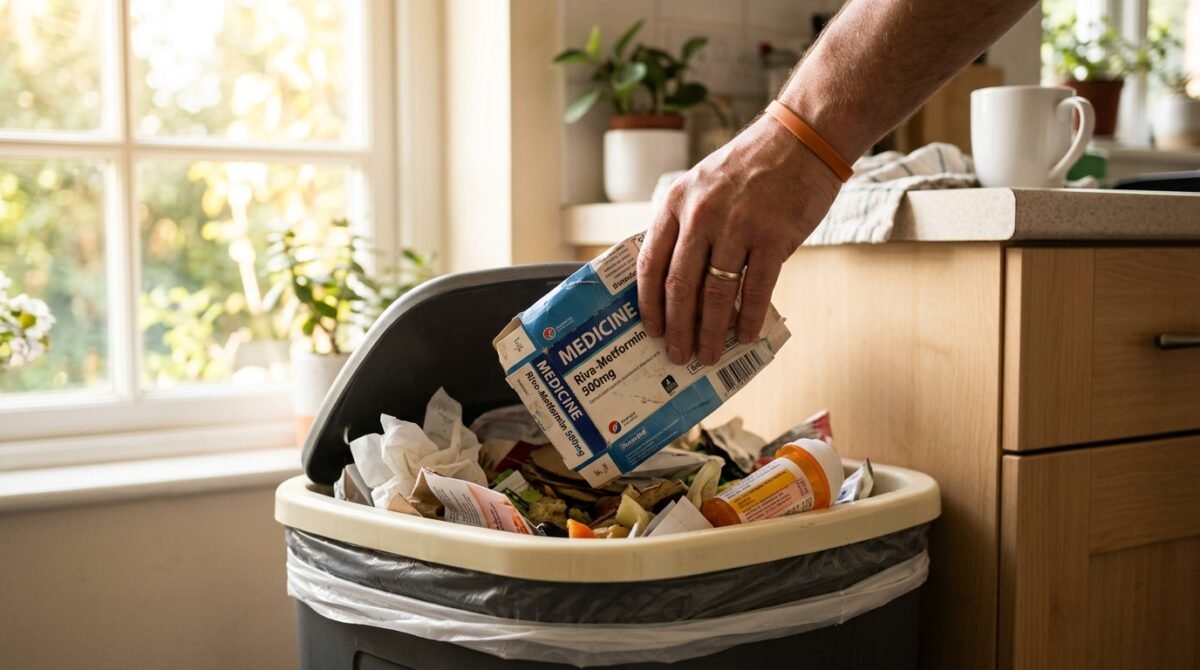
I searched the fridge, then the freezer, then the counters. Nothing. My heart began to race—and not just because of the medical urgency. A cold, sinking feeling washed over me. I walked over to the kitchen trash can and pulled out the lid. Resting right on top of a pile of kale stalks and discarded paper towels was the box. It was empty.
I felt a physical jolt. My hands were shaking as I pulled out my phone. I didn’t even care that it was early. I needed to know why. The audacity was so profound it almost felt like a hallucination. How could someone be so dismissive of a life-saving medical necessity?
Me: “Chloe, did you throw away my insulin?”
Chloe: “I needed the shelf space for my pre-prep. It was just a box of medicine, and it looked expired anyway. You have insurance, right? Just get more.”— Text Message Exchange
The sheer ignorance in her response left me speechless. She thought it was ‘just a box’ that could be replaced with a quick trip to the pharmacy. She didn’t understand the cost, the time, or the fact that I needed it that exact moment. My day was ruined, and my health was compromised.
The Confrontation in the Living Room
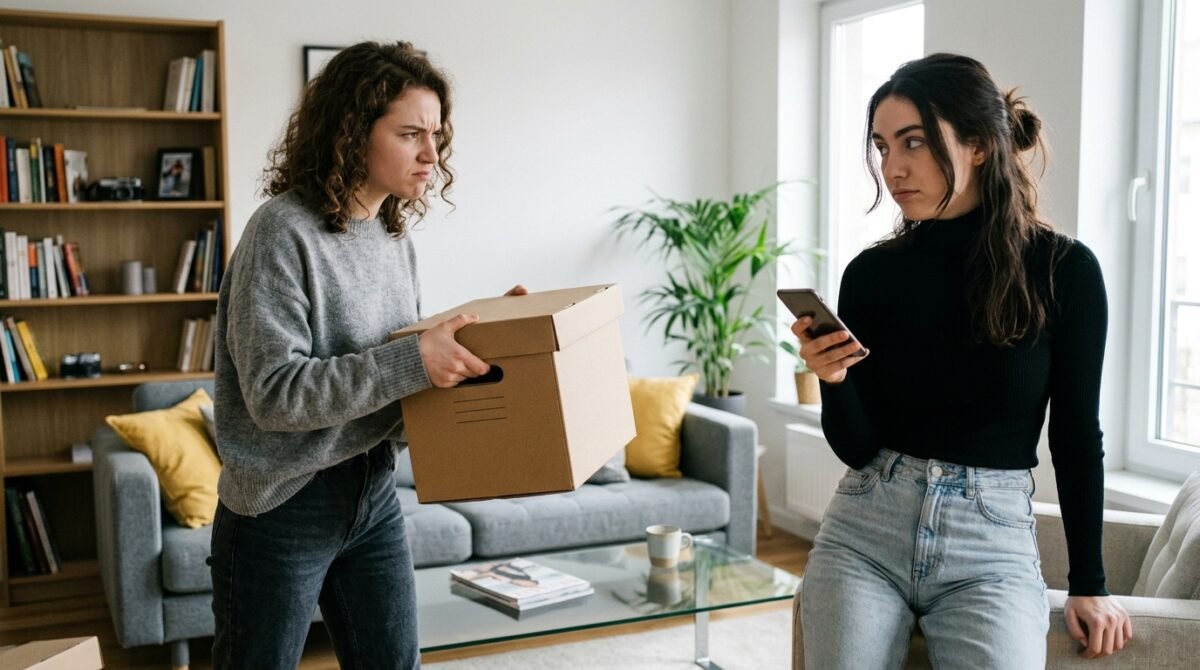
When Chloe finally emerged from her room around 10:00 AM, looking fresh and camera-ready, she didn’t even notice the look of absolute fury on my face. She was holding her phone, adjusting a ring light, and humming a tune. I stood in her way, effectively blocking the path to the kitchen.
“We need to talk about what you did this morning,” I said, my voice dangerously steady. She looked up, annoyed that her flow had been interrupted. She rolled her eyes as if I were complaining about a dirty coffee mug. I held up the empty box. She didn’t look remorseful; she looked inconvenienced.
“Sarah, please. I have a brand meeting in twenty minutes. You are literally making a scene over nothing. I cleared the shelf for my content because the lighting in that corner is the best for my smoothie shots. Your stuff is bulky and ruins the look. I thought you would appreciate the extra space.
“You didn’t ‘clear space,’ Chloe. You threw out a prescription medication that I need to stay alive. Do you have any idea how much that costs? Do you have any idea how dangerous this is? You don’t get to prioritize a smoothie over my pulse.”
She laughed, a sharp, dismissive sound. She told me I was being ‘dramatic’ and ‘mentally unstable’ because of my condition. That was the moment I realized that there was no reasoning with her. She lacked the basic human empathy required to understand the gravity of her actions. I knew then that I wasn’t just dealing with a bad roommate; I was dealing with a sociopath.
Calling for Help: The Decision to File
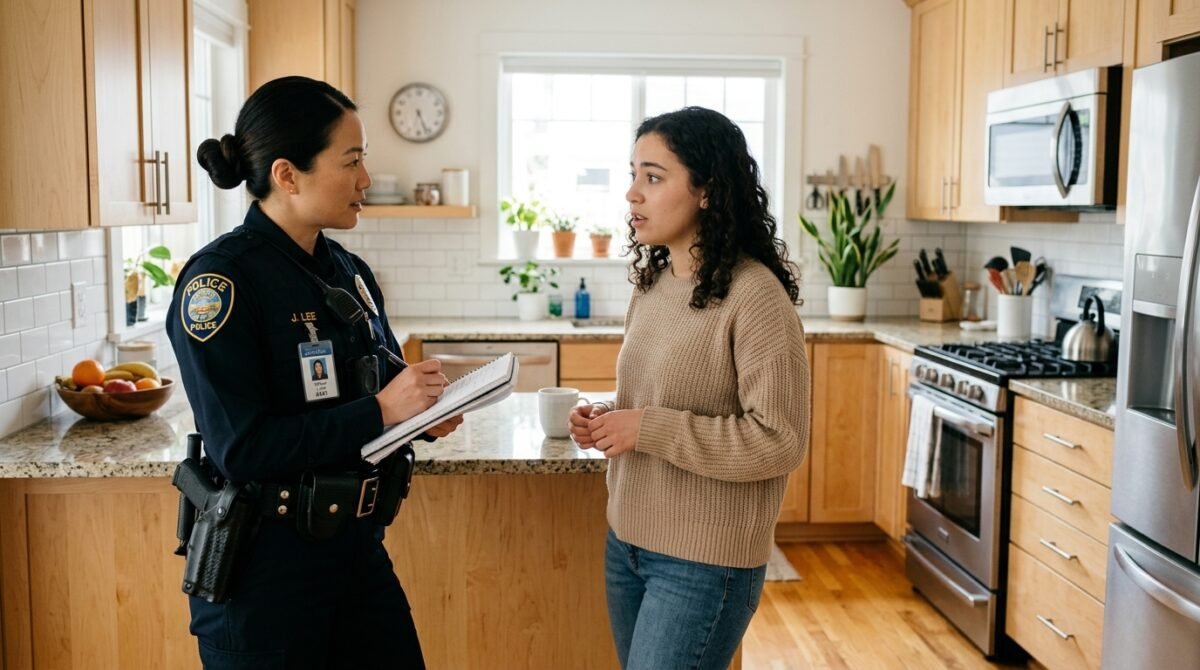
I went into my room, locked the door, and took a few deep breaths. I knew I had to get more insulin immediately, but I also knew I couldn’t let this go. If she could do this today, what would she do tomorrow? The thought of her having access to my personal space or my belongings terrified me.
I called my endocrinologist’s emergency line, explained the situation, and was told they could authorize an emergency refill. I then called the non-emergency police line. The operator was initially skeptical, likely thinking it was just a roommate spat, but when I explained that it was a controlled, life-saving medication that had been intentionally disposed of, the tone shifted.
I sat on my bed and waited for the officer to arrive. I felt a weird mix of guilt and resolve. Some part of me felt like I was escalating a ‘minor’ issue, but then I remembered the trash can. She didn’t hide it; she threw it away like trash. That wasn’t an accident; that was a power play.
When the officer arrived, I showed him the texts. He read them and looked at me with a mix of concern and disbelief. He went to the kitchen and talked to Chloe. Through the wall, I heard her voice shift from confident influencer to frantic, defensive victim. She tried to tell him that I was ‘harassing’ her. The officer wasn’t buying it.
The Police Report and the Aftermath
The report was filed. It was classified as the destruction of personal property, with a note about the medical nature of the items. The officer told her that if she touched my property again, it would be considered harassment. She turned pale. For the first time, her ‘brand’ didn’t matter. She was facing a real-world consequence.
The silence in the apartment after the police left was deafening. Chloe didn’t come out of her room for the rest of the day. She didn’t post any stories. She didn’t make any smoothies. I felt a strange sense of vindication, but also exhaustion. I had to pay $200 out of pocket for the emergency refill, which I later learned was a drop in the bucket compared to the legal headache I was about to trigger.
I started documenting everything. I took photos of my remaining supplies. I started keeping a log of every time she moved my stuff. I realized that if I wanted to leave this lease, I needed proof that the environment was hostile and unsafe. I was no longer just a roommate; I was a tenant protecting my life.
That night, I received a text from her. It wasn’t an apology. It was a list of demands. She wanted me to pay for the ’emotional distress’ of having the police in her home. I couldn’t help but laugh. The absurdity was almost impressive at this point. She was truly living in her own reality.
The Internet Weighs In
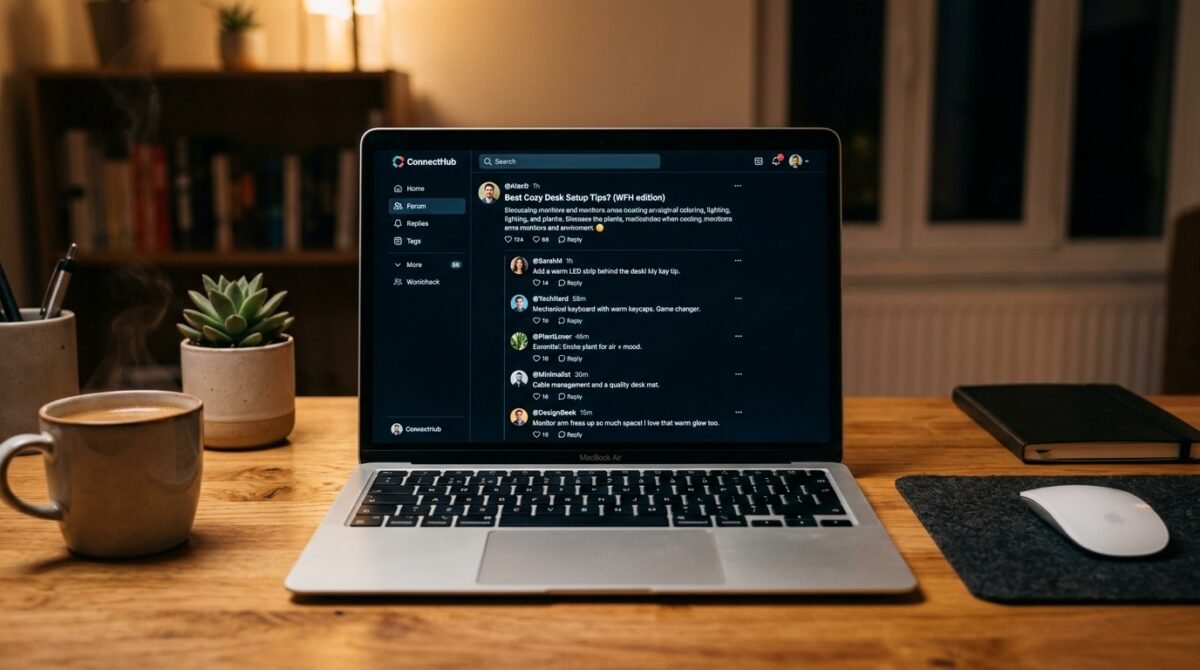
I decided to share my story on a popular forum. I needed to know if I was crazy. I needed to know if, somewhere in the world, someone would agree that throwing out someone’s insulin is not ‘aesthetic.’ Within an hour, the post had thousands of views and hundreds of comments. The support was overwhelming.
“OP, are you kidding? This isn’t a roommate dispute; this is attempted harm. You absolutely did the right thing. The fact that she prioritized ‘smoothie aesthetics’ over your life is grounds for immediate eviction, and honestly, potentially a criminal charge. Do not feel guilty for one second.”
— u/HealthCareWorkerFan (Top Comment, 18.2k upvotes)
The comments continued to pour in. People were shocked. Some shared their own horror stories, which made me feel less alone. The consensus was clear: I was in a toxic situation and needed to get out. But the financial aspect of breaking the lease was the biggest hurdle I still had to cross.
Some users suggested I contact the landlord directly. Others advised me to look into legal aid to see if I could terminate the lease citing medical safety. The collective wisdom of the internet was providing me with a roadmap, and for the first time in months, I felt like I had a plan.
The Landlord’s Intervention
I forwarded the police report to our landlord. I wrote a long, detailed email explaining the situation, including the fact that my life-saving medication was compromised. I didn’t frame it as a ‘personality clash’; I framed it as a liability issue. I knew landlords cared about one thing more than anything else: avoiding a lawsuit.
The landlord, Mr. Henderson, responded within two hours. He was horrified. He told me that he had never had a tenant complaint quite like this before. He scheduled a meeting for the following morning. Chloe was also included in the meeting, though she refused to show up, claiming she had a ‘mental health day.’
Mr. Henderson told me that he would allow me to break the lease without the typical penalty if I could find a replacement, or he would let me move out immediately if I agreed to help him document the damage Chloe had done to the apartment. It was a lifeline. I accepted the offer immediately, even though I knew the move would be expensive.
Packing my things was a surreal experience. Every box I filled felt like a weight lifting off my shoulders. I was careful not to leave anything behind that she could use to harass me later. By the time I left, the apartment felt cold and empty, which was fitting, considering the person who lived there.
A Fresh Start

Moving into my new studio apartment was the best thing I have ever done for my health. I have my own fridge, my own kitchen, and my own rules. No one touches my supplies. No one cares about the ‘aesthetic’ of my medicine bottles. I have never felt more at peace.
I still think about that morning often. It’s a reminder of how quickly life can go wrong when you live with someone who lacks empathy. I learned that boundaries aren’t just polite suggestions; they are the walls that keep you safe. I am much more vocal about my needs now, and I don’t apologize for my health.
Chloe, I heard, moved out a few months later. She had trouble finding a roommate willing to put up with her rules. I guess the influencer lifestyle isn’t as glamorous when you don’t have anyone to victimize. I don’t hold a grudge anymore, but I am certainly more vigilant.
I sometimes check the forum post to see the new comments. It still gets activity from time to time. People message me asking for updates, and I tell them the same thing: get out as soon as you can. Your safety is worth more than the security deposit.
The Legal Implications of Negligence
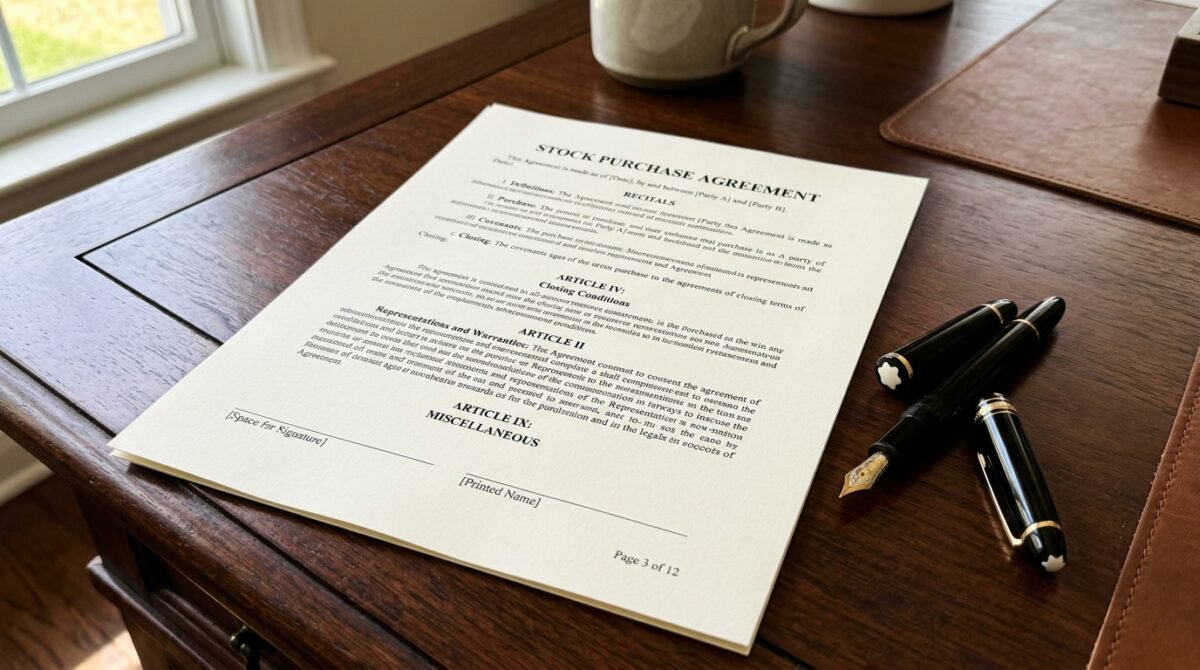
Looking back, I consulted with a lawyer friend about the potential for civil action. While I decided not to pursue it to save my own sanity, the legal reality of what she did was severe. Intentional destruction of property is one thing, but interfering with medical care is a gray area that carries significant weight in court.
The police officer had mentioned that if my condition had deteriorated, the charges could have been upgraded to something far more serious. That realization kept me up at night for weeks. I had been living with someone who was effectively playing Russian roulette with my life for the sake of an Instagram grid.
The legal lesson here is simple: never underestimate the importance of documenting your environment. Whether it’s through texts, emails, or official reports, having a paper trail is your best defense against someone who is willing to gaslight you. It isn’t ‘petty’; it’s self-preservation.
I hope that if anyone is reading this and finds themselves in a similar spot, they know that they don’t have to be the ‘nice’ one. You don’t have to be the one who keeps the peace at the expense of your own survival. Stand up, record everything, and get out.
The Final Verdict
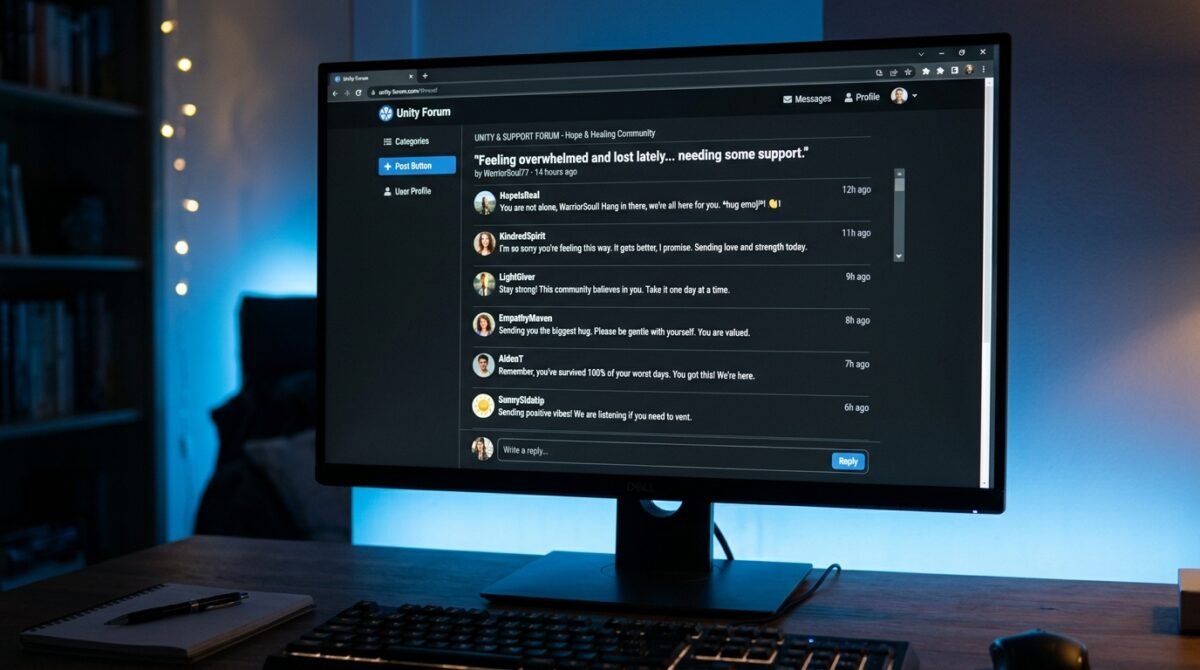
The community reaction to my story was the most validating part of the entire experience. It turned out that thousands of people had been in similar ‘hostile roommate’ situations but were too afraid to take action. My story became a touchstone for many who needed the courage to leave.
“I had a roommate who used my laundry detergent and broke my heirloom plates, and I thought that was bad. Tossing insulin? That is next-level evil. You should be proud of yourself for taking the legal route. You set a precedent that her actions have real-world consequences.”
— u/RoommateHorrorStories (12.4k upvotes)
It’s strange to think that my darkest moment became a beacon for others. But I’ve learned that sharing these stories is part of the healing. It reminds us that we are not alone, and that there are communities out there who will stand by our side when we are being mistreated.
If I could go back to that morning, I wouldn’t change anything. I wouldn’t have been ‘nicer.’ I wouldn’t have tried to negotiate. I would have called the police the second I saw the trash. Your life is not a content piece for someone else’s brand.
Conclusion
In the end, this experience taught me more about my own strength than it did about human malice. I walked away with a new apartment, a better sense of self, and the knowledge that I am capable of setting hard boundaries in the face of absolute absurdity. Chloe may have her perfectly curated Instagram feed, but I have my life, my health, and my dignity.
The most important takeaway is that you should never let someone else’s desire for an ‘aesthetic’ life compromise your survival. Whether it’s a roommate, a partner, or a friend, if they treat your medical necessities as an inconvenience, they have already shown you exactly who they are. Believe them the first time, and act accordingly.
Now, I want to hear from you. Have you ever had a roommate situation that crossed the line into the truly bizarre or dangerous? How did you handle it, and what advice would you give to someone currently trapped in a toxic living environment? Let’s discuss in the comments below.
What's your verdict on this dilemma?
Vote below to contribute to the official community consensus.

Have a Dilemma Keeping You Up at Night?
Share your real-life feud, wedding chaos, or relationship crossroads anonymously with our editorial team.
What do you think ?
0 Comments🛡️ Comments are moderated to protect community integrity. Your comment will appear once approved by the editorial team.