

Growing up, my brother Mark always operated under the unspoken assumption that the world was an extension of his own personal convenience. As the younger sibling, I was often relegated to the background, expected to share my toys, my time, and eventually, my space. By the time I moved to the city and landed a career that allowed me to purchase a stunning, glass-walled penthouse overlooking the downtown skyline, I thought we had finally moved past those childhood dynamics. I was wrong.
The trouble began the moment Mark got engaged. His fiancée, Sarah, was pleasant enough, but together they formed a tactical unit of entitlement that I hadn’t prepared for. They were planning a lavish wedding but were deeply concerned about the optics of their honeymoon budget. When they approached me, it wasn’t a request—it was a declaration. They had decided that my home would serve as their ‘luxurious’ week-long honeymoon suite, free of charge, while I was conveniently relegated to a hotel or my parents’ spare room.
This wasn’t just about a vacation; it was about the fundamental violation of a space I had worked years to afford. I had carefully curated my life to be a sanctuary, a place where I could recharge away from the chaos of family expectations. The idea of them treating it like a free Airbnb, complete with their potential mess and lack of respect for my boundaries, felt like a slap in the face. I didn’t say yes, but I didn’t say no right away—a hesitation that proved to be my first mistake.
What followed was a harrowing descent into gaslighting, familial guilt-tripping, and an eventual, cold-blooded tactical maneuver on my part that would leave our family dinner table permanently scarred. This is the story of how I chose my peace over their ‘family loyalty,’ and why I ended up changing my locks just days before their big day.
The Casual Announcement Over Espresso
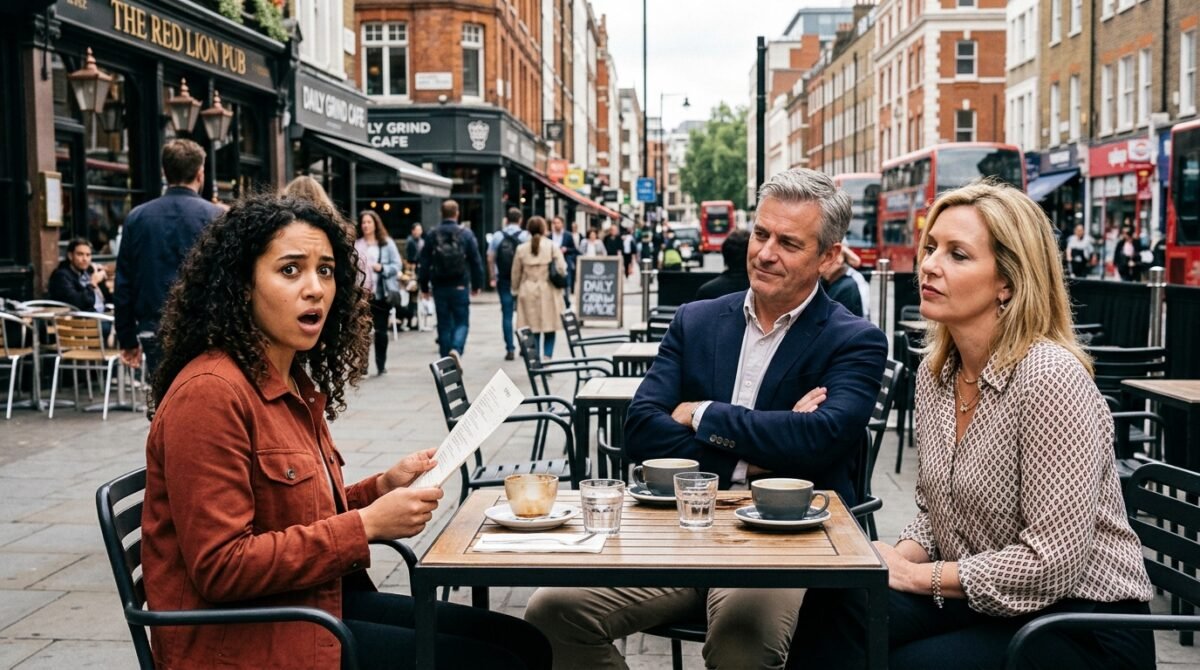
It started on a Tuesday afternoon at a coffee shop downtown. Mark and Sarah were buzzing with wedding planning energy, pulling out binders and swiping through photos on a tablet. I expected the usual updates about florists and catering, but the conversation shifted abruptly toward their honeymoon. They had been priced out of the resorts they liked, and the look of disappointment on Sarah’s face was palpable.
Then, Mark leaned in, resting his arms on the table with a grin that felt far too rehearsed. He started talking about how ‘the family’ needed to support them during this stressful time. He painted a picture of how difficult it was for young couples starting out, conveniently ignoring the fact that they had both just received promotions at their respective firms.
“Look, we’ve already crunched the numbers,” Mark said, tapping the table. “We’re going to save a fortune by staying at your place for the honeymoon. It’s got the view, the space, and we won’t have to pay for a hotel. It’s like a wedding gift to us, really.”
I sat there, stunned into silence. The audacity of the statement was almost impressive in its sheer scope. They weren’t asking if I would be away or if I’d be willing to host; they were informing me that my home was effectively booked. Sarah nodded along, adding that she had already looked up local brunch spots near my building to make sure they wouldn’t be ‘bored’ while I was out.
“Wait, you want me to leave my own home for a week so you can have a free honeymoon?” I finally managed to ask, my voice steady despite the adrenaline spiking in my chest. Mark laughed as if I’d told a joke, dismissing my shock as mere confusion. He told me it was ‘just seven days’ and that I could easily stay with our parents or a friend. The level of entitlement was so dense I felt like I needed a shovel to get through it.
I didn’t give them an answer then. I told them I needed to check my schedule. In reality, I was already checking my security options. I knew that if I told them no then and there, it would lead to a massive blowout that would be amplified by my parents. I walked out of that coffee shop feeling like a stranger in my own life, realizing that for my brother, my success was just another amenity he felt entitled to access.
The Creeping Invasion of Privacy
The days following that meeting were filled with a relentless barrage of messages. They weren’t checking in on my day; they were checking in on my ‘arrangements.’ Mark started sending me links to local tourist activities, asking if I had extra towels, and even questioning whether my kitchen was stocked well enough for them to host a ‘intimate dinner’ during their stay. It was as if they were already living there in spirit, treating my life like a vacation rental property.
I began to notice little things that unsettled me. Mark asked me for my spare key, claiming he needed to ‘drop off some decorations’ that were too bulky to store at his apartment. When I refused, he made a comment about how ‘paranoid’ I was becoming. He clearly didn’t understand the concept of ownership; he viewed my boundaries as obstacles to be overcome rather than valid expressions of my needs.
The pressure escalated when my mother entered the fray. She called me, not to ask how I was, but to tell me that she hoped I was being ‘accommodating’ to my brother. It became clear that the entire family was being briefed on my supposed ‘generosity.’ They had framed this as a test of my character—a test I was currently failing because I wasn’t falling in line with their plan.
“Your brother is starting a new life, and this is a small thing to ask of you. Don’t be the person who holds onto material things while family is in need,” my mother told me during a particularly tense phone call.
I realized then that this was never going to stop. If I gave them the keys for a week, they would want the keys for a weekend, or a holiday, or when they had guests in town. My apartment was becoming the family hub that I had never signed up for. The emotional weight of the situation began to impact my work; I found myself unable to concentrate, constantly checking my phone for the next intrusive demand.
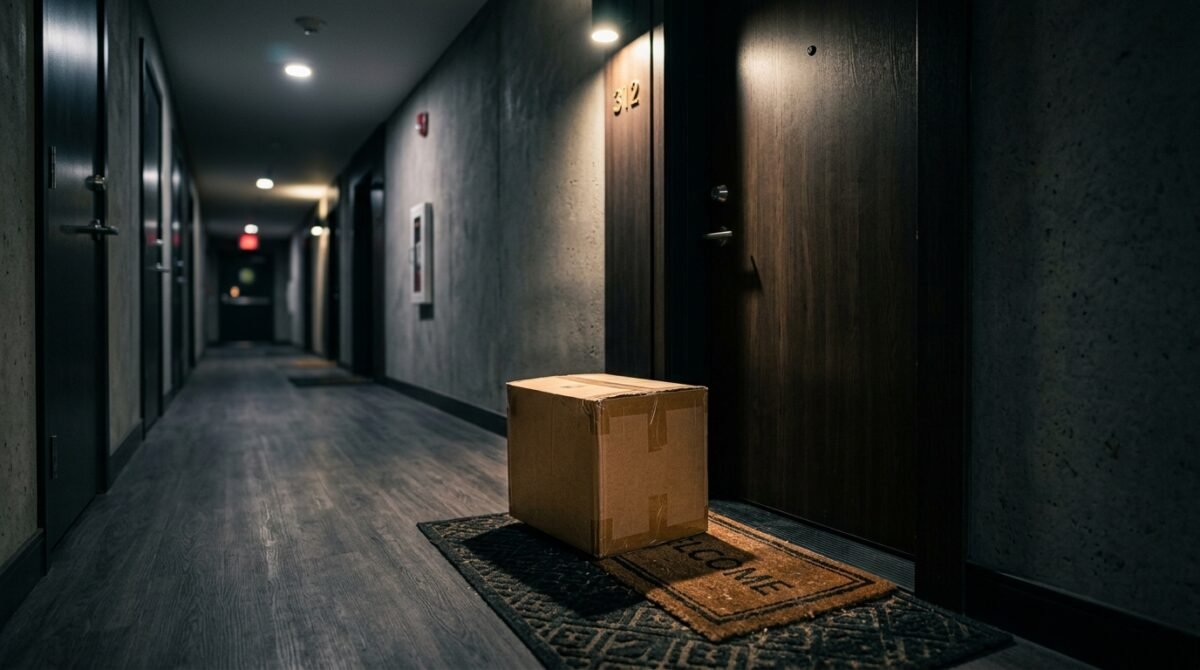
The breaking point came when I found a package on my doorstep—a box of ‘honeymoon supplies’ they had ordered to my address without my permission. It was a sensory overload of scented candles, bath oils, and high-end toiletries, all sitting there as if my home were already their territory. I didn’t open the box. I just looked at it, feeling a cold, hard resolve settle into my chest. The time for polite excuses was over.
The Silent Upgrade: The Keyless Revolution
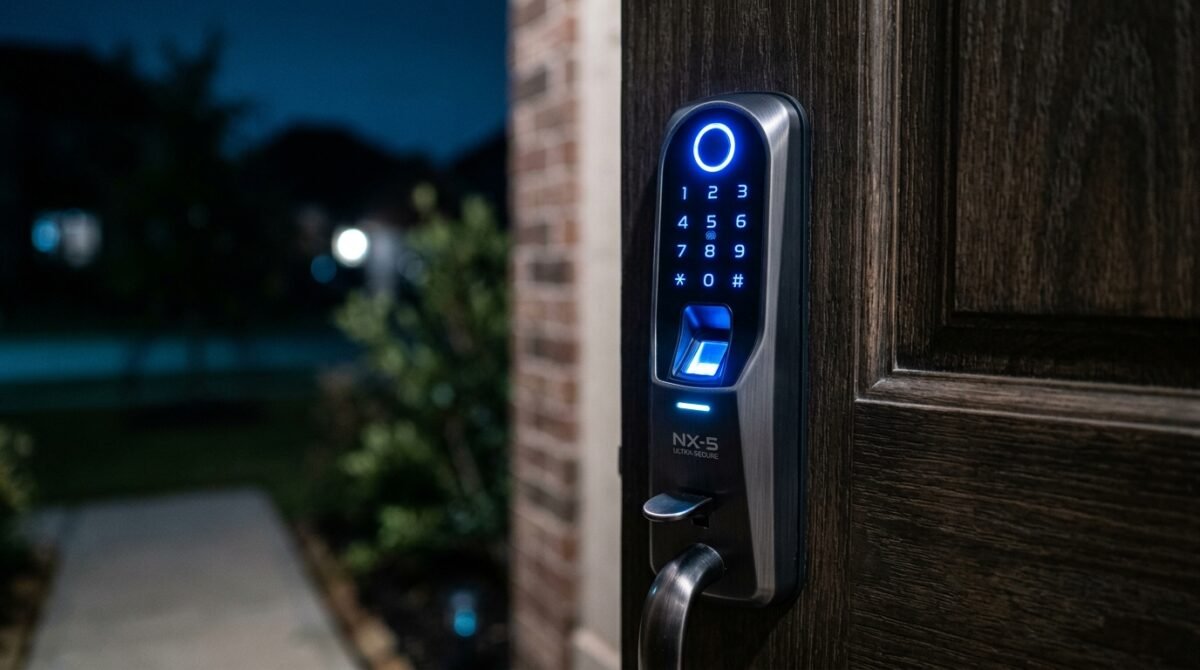
I knew that if I simply changed the locks, they would find a way to make me look like the villain. I needed a solution that was technically sound and impossible to argue with. I researched smart lock systems that offered temporary access codes, but then I had a better idea: a complete security overhaul that required a smartphone app for entry, one that I held sole administrative control over.
I hired a professional firm to install the new system. It was expensive, but the peace of mind was worth every penny. I replaced the traditional deadbolt with a sophisticated, encrypted system that logged every entry and exit. I didn’t tell Mark. I didn’t tell anyone. I went about my business, acting as if I was still ‘considering’ their request, while I was actually building a fortress.
The irony wasn’t lost on me. I was securing my home against my own flesh and blood. Every time Mark texted asking for the ‘logistics’ of the key hand-off, I would give him vague, non-committal answers. I was essentially playing a game of chess while he was still trying to play checkers. I knew the moment they arrived to ‘inspect’ the place would be the moment the facade crumbled, and I was ready for it.
“Just making sure the Wi-Fi is good, don’t want to lose internet access during the honeymoon! Also, did you get the spare key ready for me to pick up this weekend?” — Mark, via text message.
I replied with a simple, ‘Working on it, super busy at the office.’ It was a lie, but it was a necessary one. I spent my evenings sitting in my living room, looking out at the city lights, feeling a strange sense of vindication. I wasn’t just protecting a space; I was protecting the autonomy I had spent my entire adult life building. I realized that my brother’s entitlement was a reflection of how he saw me: as an extension of his own needs, rather than a separate person with my own life.
By the end of the week, the system was fully operational. I had set up motion alerts that would notify me of anyone approaching my door. I had a digital log, a video feed, and total control. I was ready to see how the ‘happy couple’ would react when their free vacation turned into a locked-door mystery.
The Friday Night Confrontation
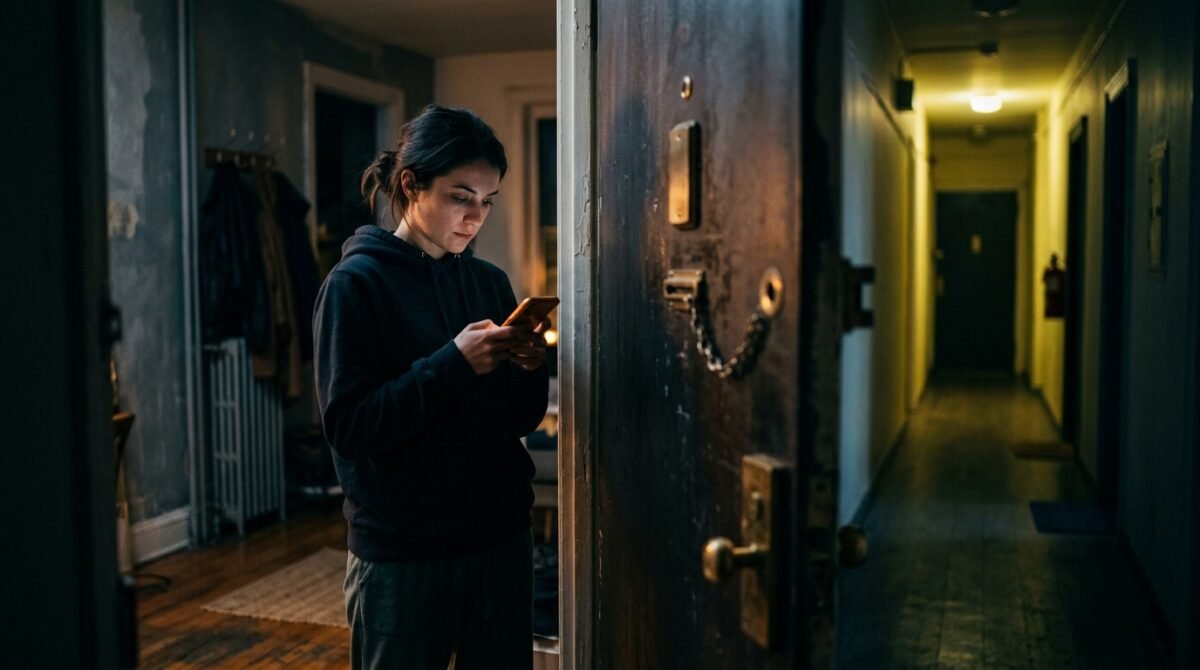
They showed up on a Friday night, unannounced, expecting to ‘drop off bags’ and get the lay of the land before the wedding weekend. I was home, reading a book, when my phone pinged with a motion alert. I looked at the video feed and saw Mark and Sarah standing there, looking expectant and holding heavy suitcases. I didn’t open the door. I just watched, waiting for the inevitable realization.
Mark knocked, then pounded. He started calling my name, his voice rising in volume. When there was no answer, he tried the handle. It didn’t budge. He looked at the smart lock, confused, and then started calling my phone. I let it ring. I didn’t want to have this conversation through a screen; I wanted them to realize that their ‘reservation’ had been canceled without me having to utter a single word.
“Are you kidding me? We’re standing in the hallway, and you’re not answering? Open the door right now, we have the bags and we’re tired!” — Mark, after three missed calls.
I walked to the door and spoke through the intercom. I kept my voice calm and dispassionate. I explained that I had decided against hosting them, and that my home was not available. The silence on the other end was deafening. Sarah started whispering something in the background, her voice laced with panic and indignation. Then, Mark exploded. He didn’t just ask why; he demanded an explanation, listing all the ways I was ‘ruining’ their wedding experience.
“This is my home, Mark. It was never your hotel,” I said, and then I simply turned off the intercom. I could hear him shouting in the hallway for a few more minutes, but I put on my noise-canceling headphones and went back to my book. I felt a surge of adrenaline followed by an immense sense of relief. The boundary was set, and for the first time in my life, I hadn’t folded under the pressure.
They eventually left, but not before Sarah sent a barrage of texts that were as venomous as they were illogical. They accused me of being a ‘spiteful sibling’ and ruining their special moment. They didn’t see the reality—that they had tried to steal a week of my life and I had simply said no. The conflict was no longer a question of ‘if’ but ‘when’ the rest of the family would join in, but I was prepared for that, too.
The Group Chat Explosion
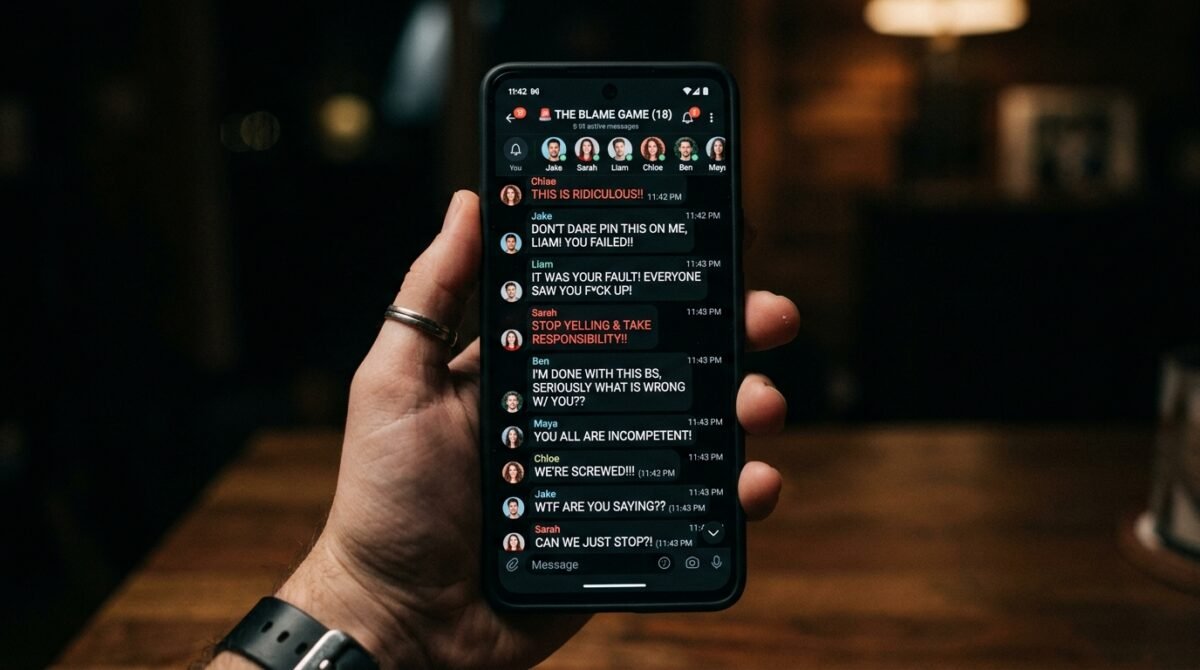
By Saturday morning, the family group chat was a war zone. My mother had been alerted, and she didn’t hold back. Messages were flying in, calling me ‘selfish,’ ‘immature,’ and ‘a disappointment.’ They had twisted the narrative to make it sound like I had promised the penthouse and then cruelly rescinded it at the last possible minute. It was a complete fabrication, but one that held power because it was being shouted by the loudest voices in the family.
I didn’t defend myself. I just let them vent. Every time someone added a ‘how could you,’ I simply remained silent. I knew that arguing with them would only validate their version of the story. I was looking for the right moment to interject, but for now, I wanted to see how far they would go. I watched as aunts, uncles, and cousins chimed in, all of whom had never even been to my apartment, yet all of whom were suddenly experts on my ‘family obligations.’
“I can’t believe you’d do this to your own brother. This is family, not a business arrangement! You’ve really changed, and not for the better.” — Mom, in the family group chat.
The irony of being called ‘changed’ for finally standing up for myself was not lost on me. I had been the ‘good’ child for years, always the one to yield, to share, to provide. The moment I stopped being a resource, I became an enemy. It was a harsh realization, but it was also a clarifying one. I realized that my relationships within the family were conditional, based entirely on my willingness to be used.
I finally sent a single, clear message to the group: ‘My home is not a public venue. I never agreed to host anyone, and my decision is final. Please stop contacting me about this.’ It was short, cold, and effective. The chat went quiet for a few minutes, followed by a torrent of angry emojis and accusations of me being ‘too big for my boots.’ I muted the thread and went about my weekend, feeling lighter than I had in years.
The fallout was, as expected, significant. I knew I wouldn’t be invited to the wedding, and I knew the next few family holidays would be incredibly awkward, if they happened at all. But as I sat on my balcony, watching the sunset, I didn’t feel lonely. I felt free. I had set a boundary, and I had defended it, regardless of the cost.
The Reddit Trial: Community Verdict
I posted the situation on a popular sub, changing a few details to protect identities, but keeping the core of the drama intact. I wasn’t looking for validation, really—I was looking to see if I was truly the monster they were painting me as. The response was overwhelming. Within hours, the post had thousands of upvotes and a comment section that felt like a trial by jury.
Most of the comments were firmly on my side. They called out the entitlement of my brother and the toxic enabling behavior of my mother. Many people shared similar stories of ‘entitled family members’ who viewed their boundaries as mere suggestions. It was validating to see that I wasn’t crazy, and that what I was experiencing was a common, albeit painful, dynamic in many families.
“NTA. Your brother is an adult who should have planned his own honeymoon. His sense of entitlement is staggering, and your mother is a classic enabler. You don’t owe him your home, your money, or your peace of mind.” — u/LogicAndReason, 24.3k upvotes.
There were, of course, the dissenters. A few people argued that ‘family is family’ and that I could have been the ‘bigger person.’ But the consensus was clear: boundaries are not optional, and refusing to be used is not the same as being mean. It was refreshing to read perspectives that prioritized individual well-being over outdated notions of family duty.
The community also provided some practical advice. They suggested I keep records of all communications in case the harassment escalated. They warned me about potential attempts to enter the building or contact my landlord. It was like having a team of legal and emotional consultants on my side. I realized that I had a network of people who understood exactly what I was going through, even if my physical family didn’t.
I spent the afternoon reading through the thread, sometimes laughing, sometimes crying. It was the first time I had really externalized the situation, and seeing it written down in black and white made it feel manageable. I wasn’t just a ‘bad sibling’; I was an individual who had successfully protected their sanctuary. The judgment of strangers mattered more than the judgment of people who were actively trying to exploit me.
The Aftermath: Silence and Distance

The wedding came and went. I wasn’t invited, which was a relief. I spent the weekend in the city, enjoying the quiet of my home and focusing on my own projects. I didn’t reach out, and they didn’t either. The silence was, at first, uncomfortable, but it slowly transformed into a sense of profound peace. I had reclaimed my space, and with it, my sense of self.
The distance between me and my family increased. We moved into a state of ‘low contact,’ which was exactly what I needed. I didn’t engage in the group chat, and I didn’t respond to the sporadic, passive-aggressive emails. I was no longer the ‘go-to’ person for family favors or the ‘reliable’ one who always said yes. It was a new dynamic, one that felt more honest than the one we had before.
“I hope you’re happy in your empty penthouse. You’ve made your choices, and you’ll have to live with the consequences when you’re old and have no one.” — An email from my mother, weeks after the wedding.
I didn’t reply to that email. It was a desperate attempt to induce guilt, a weapon she had used successfully for years. But it didn’t land. I had moved past the need for her approval, or the approval of anyone in the family who saw me as an accessory to their lives. I was building a life that was mine, and that was enough.
I started investing more in my own friendships and community. I realized that the family we choose is often more important than the family we’re born into. I found people who respected my boundaries, who didn’t ask for things they hadn’t earned, and who celebrated my successes instead of feeling entitled to them. It was a different kind of life, but it was a much healthier one.
Looking back, I don’t regret the smart lock, and I don’t regret saying no. The conflict was the catalyst for a much-needed transformation. I had learned that I was worthy of the space I occupied, and that my right to say ‘no’ was the most powerful tool I had. I had protected my home, and in doing so, I had protected my future.
The Financial Reality Check

When the dust finally settled, I decided to take a hard look at the financial aspect of the whole ordeal. The smart lock system had cost me roughly $1,500, including installation. At the time, that felt like a significant expense, but when I compared it to the cost of their ‘honeymoon’—had I actually let them stay—the numbers were staggering. If they had stayed for a week, the wear and tear, the utility costs, and the inevitable damage to my personal property would have likely exceeded that figure in a heartbeat.
I created a spreadsheet, not to send to them, but for my own sanity. I wanted to quantify the cost of my boundaries. It was a small exercise, but it helped me see that the ‘price’ of my independence was actually a bargain compared to the long-term emotional and financial drain of enabling my brother’s entitlement. It was a stark reminder that some investments pay off in ways that aren’t immediately obvious.
| Category | Cost of Boundary | Cost of Enabling |
|---|---|---|
| Security Upgrade | $1,500 | $0 |
| Property Wear/Tear | $0 | $800+ |
| Utilities/Groceries | $0 | $500+ |
| Emotional Toll | Priceless | Exhaustion |
The table confirmed what I already knew: I had made the right choice. The money was gone, but the peace remained. I wasn’t just saving money; I was saving my mental health. I started redirecting that ‘extra’ budget toward things that actually brought me joy—traveling on my own terms, redecorating parts of the apartment, and investing in my own hobbies.
It was a lesson in self-respect that I hadn’t expected to learn in such a dramatic way. I realized that I had been subsidizing my family’s lifestyle for years, and that by cutting that off, I was finally able to see the true value of my own labor. I was no longer an unpaid service provider; I was a homeowner, a professional, and an individual.
The financial clarity brought a new level of confidence. I wasn’t just ‘the sibling who wouldn’t share’; I was the person who knew the value of their own resources. And that, more than anything, was what they couldn’t stand. They didn’t hate me for being ‘selfish’; they hated me for finally being smart enough to see the trap.
Reflections on Family Dynamics

Months later, I found myself thinking about the nature of family loyalty. We are taught that family is supposed to be the bedrock of our lives, the people who show up when things get tough. But what happens when the people who are supposed to be your support system become your biggest source of stress? Is loyalty a one-way street, or is it supposed to be reciprocal?
My brother and mother operated under the belief that I owed them my life, simply because we shared a bloodline. They didn’t consider that I was an individual with my own set of experiences, needs, and dreams. They saw me as a repository for their problems, an extension of their desires. When I stopped playing that role, they didn’t try to understand—they tried to coerce me back into it.
“We’re family, we’re supposed to do things for each other. That’s what family means.” — A common refrain I heard during the dispute.
But that’s not what family means to me anymore. To me, family is about mutual respect, honesty, and the freedom to be yourself. It’s about boundaries, not blind obedience. I realized that I had been clinging to a definition of family that didn’t serve me, and that by letting go of that expectation, I was finally able to forge relationships that were genuinely supportive.
I’ve learned that saying no is not an act of malice; it’s an act of self-preservation. It’s a way of signaling that your life has value, and that you are not a resource to be exploited. It’s a difficult thing to do, especially when you’ve been conditioned to be the ‘nice’ one, but it’s the most important work you can do for yourself.
I don’t know if we’ll ever reconcile. Perhaps one day, they will realize that their entitlement was the problem, and they will reach out with a genuine apology. But I’m not waiting for that. I’m moving forward, living my life, and enjoying the sanctuary I’ve built. The penthouse is still mine, and the locks are still changed. And for the first time, I feel completely at home.
The Unsolicited Apology That Wasn’t
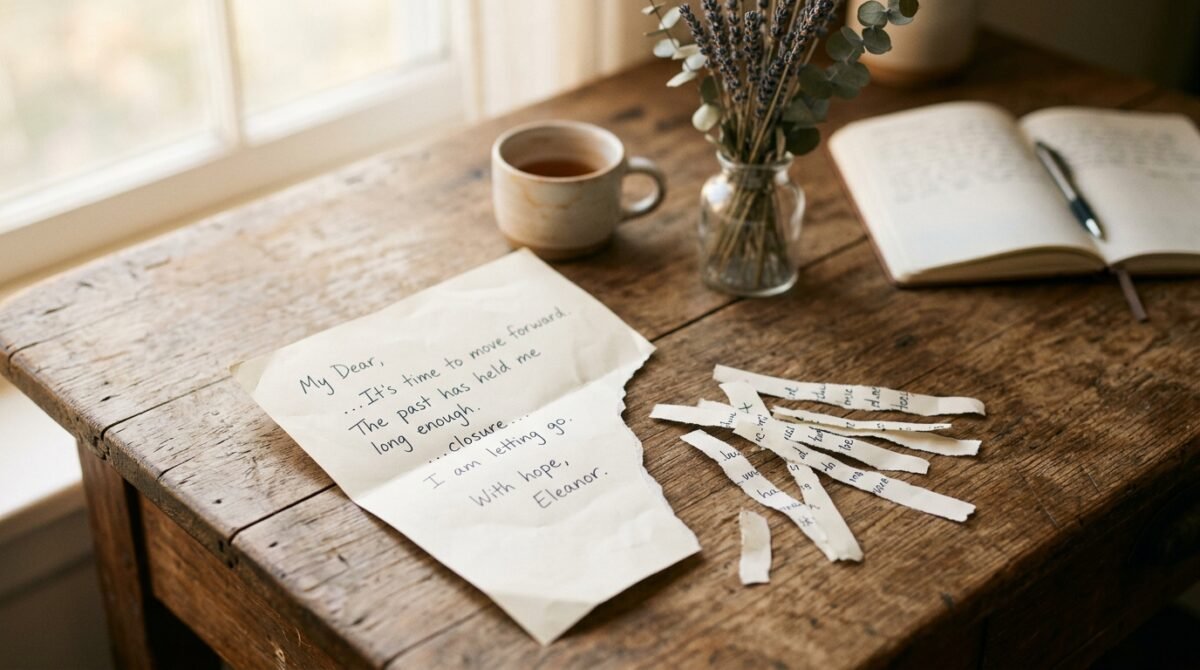
Just when I thought the dust had finally settled, I received a letter in the mail. It was a formal, heavy envelope from my brother. I opened it, expecting some kind of reconciliation or at least an acknowledgment of his behavior. What I found was a ‘demand for an apology’ for the ‘humiliation’ I caused them on their wedding weekend. They were doubling down, claiming that my actions were a betrayal of the family and that I needed to make it right.
I read the letter with a sense of detachment that surprised me. I wasn’t angry anymore; I was just disappointed. The level of cognitive dissonance required to believe that I was the one who had committed the offense was staggering. They had tried to take my home, and they were now accusing me of being the aggressor for protecting it.
“We are willing to move past this if you issue a formal apology to the family for your actions during our wedding weekend. We have saved you a seat at the next family dinner, provided you are ready to make things right.” — The letter from my brother.
I didn’t reply to the letter. I didn’t even keep it. I shredded it and put it in the recycling bin. It was the final nail in the coffin of that relationship. I realized then that they were incapable of seeing their own flaws. They would always be the victims, and I would always be the villain in their story. And that was okay. I didn’t need to be the hero in their narrative; I just needed to be the protagonist of my own.
The letter was the last bridge they burned, and I didn’t reach for the fire extinguisher. I let it burn. It was a release, a final closing of a chapter that had been difficult to write. I felt a sense of closure that I hadn’t expected, a realization that I had finally moved on from the role they had assigned me.
I spent that evening with friends, enjoying a dinner I had prepared in my own kitchen, surrounded by people who respected me. I didn’t think about the letter, or the family dinners, or the expectations. I thought about the future, about the life I was building, and about the freedom I had earned. It was a good life, and for the first time, it was entirely mine.
Conclusion
Looking back at the entire saga, I realize that the most important thing I did wasn’t installing the smart lock—it was deciding that my peace was worth more than their approval. The entitlement that my family displayed was a test, and by standing my ground, I passed it in the best way possible. I learned that boundaries are not just barriers we put up; they are the foundation upon which healthy, sustainable relationships are built. When you stop allowing others to cross those lines, you stop being a victim of their expectations and start being the architect of your own life.
The journey was painful, and the loss of family connection is something I still reflect on, but I would not trade my current freedom for the conditional love I had before. My home is now truly a sanctuary, a place where I am respected and valued, and that is a priceless outcome. If you are ever faced with a situation where family members believe they have a right to your life, your home, or your labor, remember: you have the right to say no, and you have the right to protect yourself, regardless of what the ‘family’ pressure suggests.
What would you have done? Would you have given in to keep the peace, or would you have drawn the line as I did? I’m curious to hear your thoughts and experiences in the comments below. Have you ever had to set a hard boundary with a family member? How did it go, and what did you learn from the experience? Let’s share our stories and support each other in the pursuit of healthy relationships.
What's your verdict on this dilemma?
Vote below to contribute to the official community consensus.

Have a Dilemma Keeping You Up at Night?
Share your real-life feud, wedding chaos, or relationship crossroads anonymously with our editorial team.
What do you think ?
0 Comments🛡️ Comments are moderated to protect community integrity. Your comment will appear once approved by the editorial team.