
Marriage is often described as a partnership built on trust, shared goals, and the mutual protection of one another’s interests. For Mark and me, that trust was anchored in the absolute, non-negotiable safety of our ‘Legacy Fund’—an account specifically earmarked for our three senior rescue dogs. We had seen friends lose pets because they couldn’t afford a $5,000 emergency surgery, and we swore we would never be those people. The money sat there, a silent sentinel, gathering interest and waiting for a day that I prayed would never come.
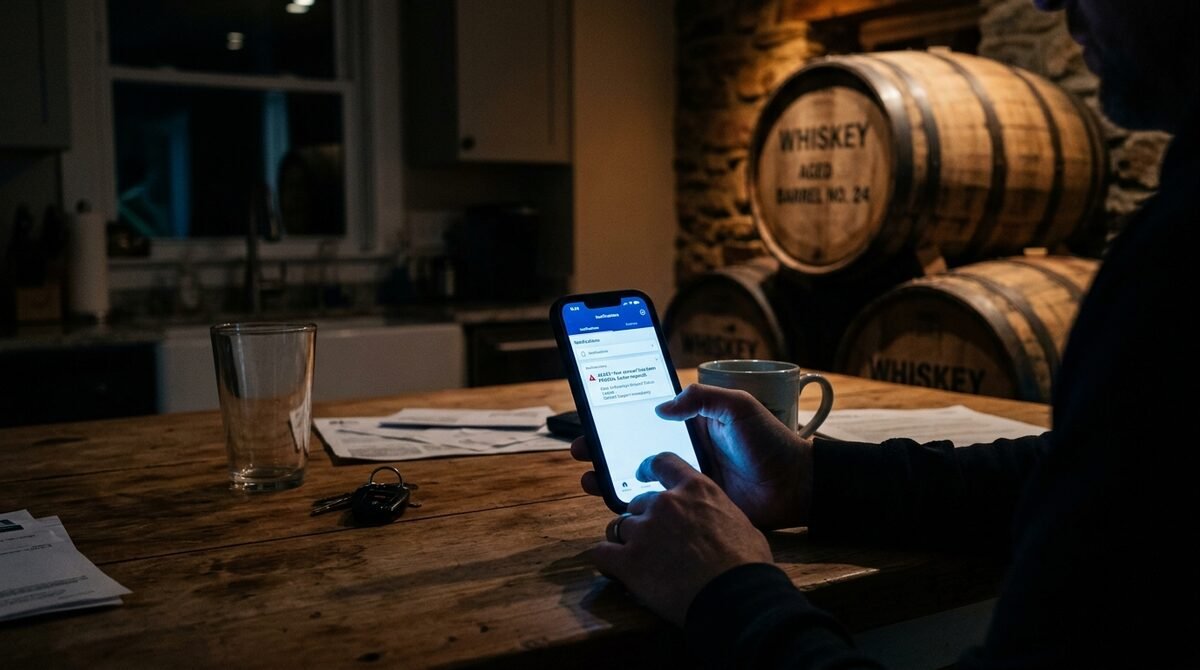
But the cracks in our foundation didn’t start with the money. They started with the ‘investment’ talk. Mark had been drifting toward an obsession with rare spirits, spending hours on forums discussing charred oak, aging profiles, and the alleged ‘guaranteed returns’ of whiskey casks. I saw it as a hobby; he saw it as our ticket to early retirement. I never imagined that he would view our veterinary safety net as his personal venture capital fund.
The realization hit me on a Tuesday evening when our fourteen-year-old Golden Retriever, Bailey, began struggling to breathe. I grabbed my phone, ready to rush to the emergency vet, and opened the banking app to transfer the funds into our checking account. The screen stared back at me with a balance of $12.42. My heart didn’t just sink; it shattered. I felt the floor drop out from under me, and in that moment of pure, panicked adrenaline, I made a decision that would redefine our entire relationship.
I didn’t scream. I didn’t cry in front of him. I simply called my parents, borrowed the money, got Bailey to the clinic, and then, while Mark was still dreaming about his liquid gold, I accessed our joint investment portfolio and clicked ‘Freeze’. This is the story of how an obsession with barrels of whiskey destroyed a decade of trust and why, sometimes, you have to burn the house down to see who is actually inside.
The Tuesday Night Panic and the Empty Ledger
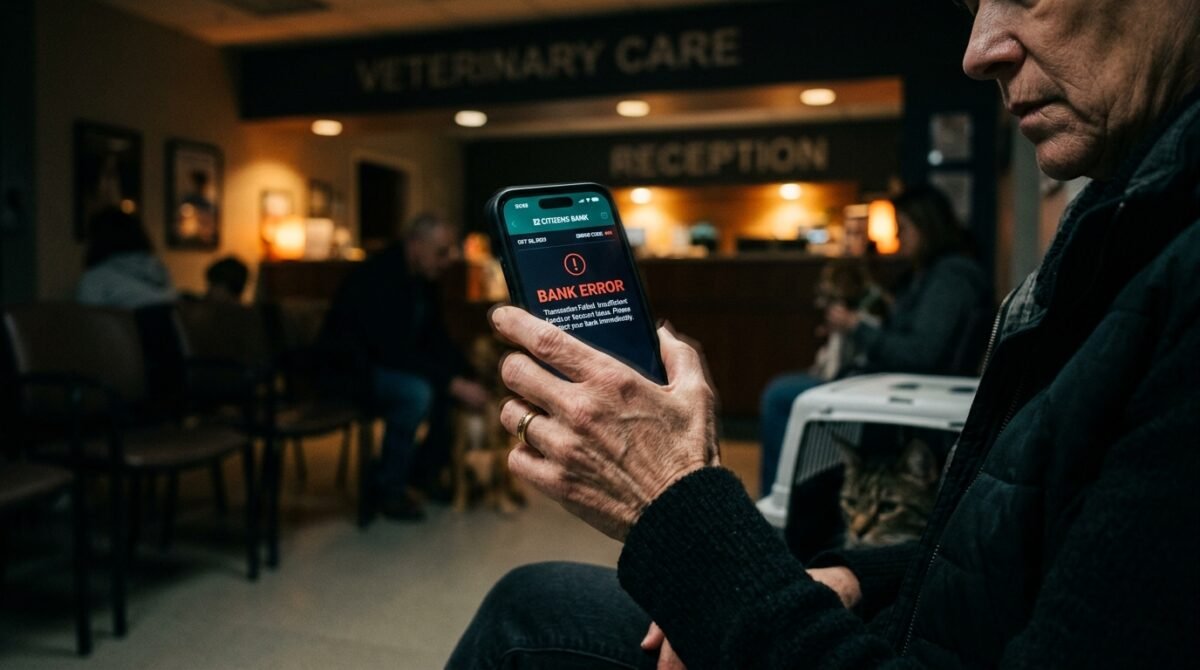
The drive to the 24-hour veterinary clinic felt like an eternity. Bailey’s shallow, raspy breathing was the only sound in the car, punctuating the deafening silence of my own thoughts. I had already checked the account three times, hoping it was a technical glitch, a bank error, anything other than the reality that my husband had emptied our sanctuary.
When we finally reached the intake desk, the receptionist asked for the deposit. I fumbled with my phone, my hands shaking so violently I almost dropped it. The zero balance mocked me. I had to call my mother from the lobby, my voice cracking, asking for a loan while my husband slept soundly at home, oblivious to the fact that his ‘investment’ had almost cost us our best friend.
“I don’t know how to explain this, Mom. He took the emergency fund. He took all of it. Bailey is in the back right now and I have no way to pay for the initial scan.”
— Me, whispering into the phone in the vet clinic lobby.
The indignity of that moment—of begging my own parent for money while my spouse’s ‘assets’ were sitting in a climate-controlled warehouse somewhere—burned a hole through my chest. By the time I returned home, the anger had calcified into a cold, hard resolve. I knew I couldn’t confront him yet. I needed leverage. I needed to ensure that for the first time in our marriage, our financial safety would be under my sole control.
I sat at the kitchen island, the house quiet, and logged into our high-yield brokerage account. It took three steps to place a administrative hold on all withdrawals. I didn’t feel guilty. I felt like a soldier fortifying a position. He had gambled with our lives, so I was going to gamble with his autonomy.
The Morning Confrontation of Charred Oak

Mark walked into the kitchen the next morning whistling, coffee mug in hand, looking entirely too refreshed for a man who had effectively stolen our dog’s life-saving surgery money. He didn’t even notice the atmosphere had shifted. He was still in his world of investment forums and projected ROI.
“Good morning, babe,” he chirped, leaning over to kiss my temple. I flinched. He missed it. “Did you see the latest market report on the 2018 casks? The market is looking bullish. I think we should double down on the Scotch acquisitions next quarter.”
I didn’t say a word. I turned my laptop around, sliding it across the granite countertop. It was open to the bank statement showing the outgoing wire transfer to a private distillery vault, dated three days prior. The total was exactly $48,000. All of it. Gone.
“Is this the ‘bullish market’ you were talking about, Mark? Because it looks a lot like our Bailey’s life-saving fund sitting in a barrel in Kentucky while she was fighting for air yesterday.”
— My response when he asked why I was looking so serious.
His face went pale. He didn’t deny it. He didn’t even try to stutter out an apology. Instead, he immediately went into defensive mode, talking about how ‘it wasn’t really gone,’ that it was ‘an asset,’ and that I was being ’emotional and irrational’ about a simple financial pivot.
The way he spoke about our security as if it were a toy for his hobby made me realize he hadn’t just made a bad call—he had fundamentally fundamentally lost respect for our shared boundaries. I watched him pace the room, his hands gesturing wildly, trying to explain the ‘long-term value’ of a barrel of spirit over the immediate health of a sentient being we had raised for fourteen years.
The Frozen Portfolio and the Ultimatum

When Mark finally stopped talking, I stood up. I didn’t shout. My voice was steady, which seemed to unnerve him more than any screaming match could have. I told him that the joint portfolio was frozen. I had contacted the bank, cited concerns about unauthorized expenditures, and put a lock on all transfers until we had a forensic accounting of our finances.
He laughed at first, thinking it was a bluff. Then he tried to log into his phone. The look of confusion turning into pure rage when he realized his access had been restricted was the most satisfying thing I had seen in years. He realized, perhaps for the first time, that I wasn’t just his wife; I was a partner with equal power, and I was exercising it.
“You have no right to do that. That is our retirement money! You are sabotaging our future over a dog that is literally on its last legs!”
— Mark, losing his temper when he sees the ‘Access Denied’ screen.
I looked him dead in the eye. I told him that if he wanted to act like a single investor, he could live like one. I informed him that until the $48,000 was back in our emergency account, every penny of our household income would be diverted into a private account in my name. I was taking charge of the mortgage, the bills, and the groceries. He could play with his barrels, but he wouldn’t be playing with our livelihood.
The shift in our house was immediate. The playful, ‘us-against-the-world’ vibe was replaced by a cold, transactional silence. We were roommates who hated each other, bound by a contract that he had breached. I started documenting everything—every cent spent, every promise broken, every lie told about his ‘investment strategy.’
Reddit Weighs In: The Verdict of the Internet
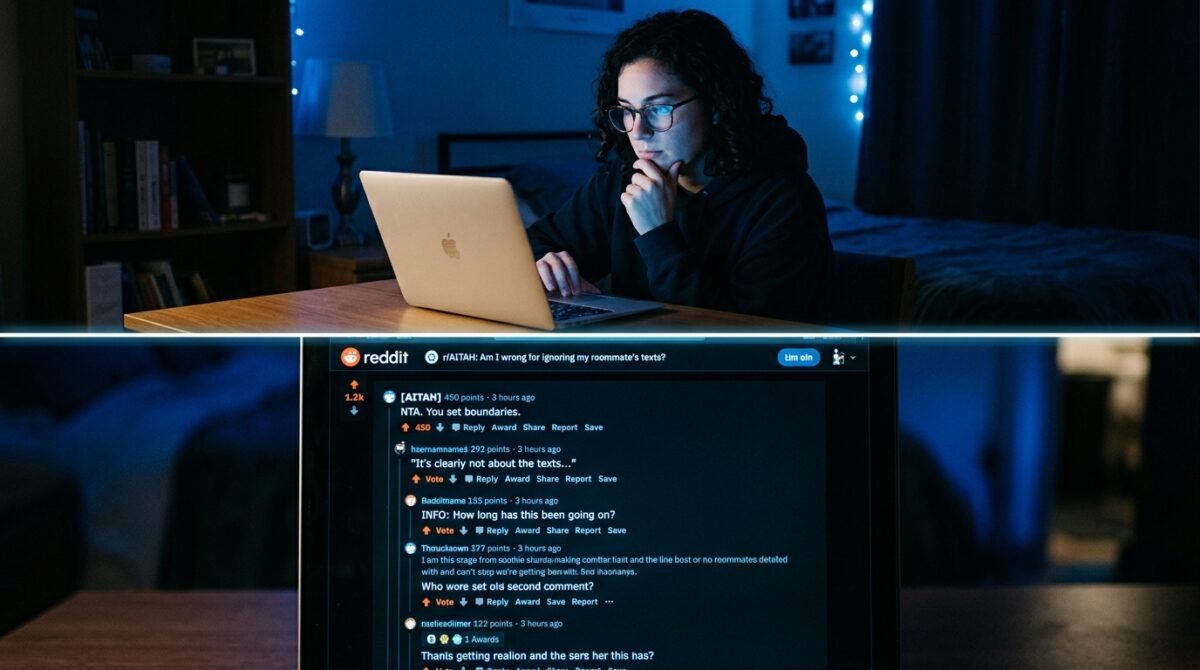
I didn’t know where else to turn, so I posted the story on a popular subreddit dedicated to relationship drama. I needed a reality check. Was I being too harsh? Was I ‘weaponizing’ the finances? The response was immediate and overwhelming. Thousands of people chimed in, and the consensus was not what Mark would have wanted to hear.
“This isn’t just an ‘investment.’ This is financial abuse. He liquidated a joint emergency fund, likely without your knowledge or consent, for a high-risk hobby. Freezing the accounts wasn’t just smart; it was necessary survival. Get a lawyer, OP.”
— u/FinanceExpert99 (Top Comment, 42.1k upvotes)
The validation was shocking. People didn’t see me as the villain. They saw a woman who had been gaslit and betrayed. They pointed out that his ‘whiskey investment’ was likely a Ponzi-style scheme he had fallen for, or at best, a way to hide his lack of financial control. Others shared their own horror stories of partners spending ‘secret’ money.
I spent hours reading the comments, realizing that the ‘rational’ arguments Mark had been feeding me were just scripts he had likely read on some grifter forum. The sheer number of people telling me to leave was a wake-up call. It wasn’t about the money anymore; it was about the fact that he was willing to let our dog die to prove he was a ‘smart investor.’
I began to realize that the ‘frozen’ account was just the beginning. I needed to know what else he had done. I started requesting physical copies of all our bank statements, bypassing the digital ones he controlled, and what I found made my blood run cold. There were other withdrawals, smaller ones, dating back two years. He had been bleeding us dry for a long time.
The Hidden Ledger of Secrets
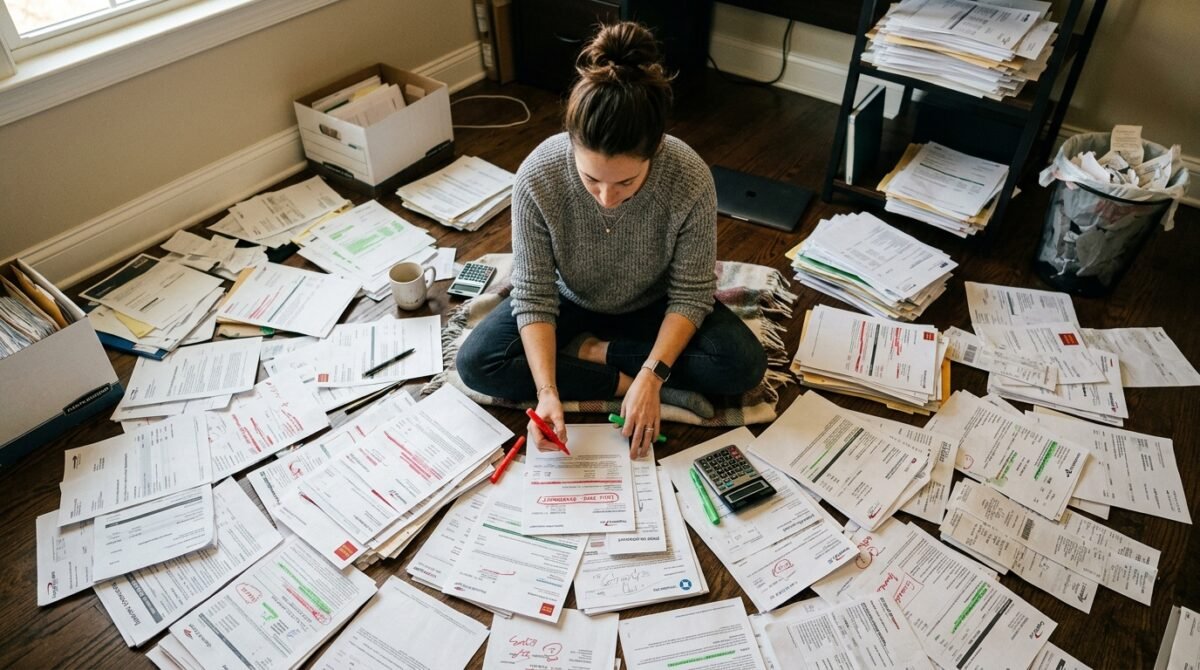
When the paper statements arrived, I spent a weekend laying them out on our living room floor like a crime scene. I used highlighters—green for household expenses, red for ‘whiskey’ transactions. The floor looked like a battlefield. By the time I was finished, I realized he hadn’t just stolen $48,000; he had siphoned over $100,000 over the past twenty-four months.
I found payments to online auctions, wire transfers to overseas ‘distilleries’ that had no physical address, and even credit card charges at luxury liquor stores that I had assumed were for ‘gifts’ for his business partners. He was deep into an obsession that had long since transitioned into a full-blown addiction to the thrill of the hunt.
“I thought we were building a life together, Mark. Instead, you were building a private museum of spirits while we were eating cheap pasta and sweating every time the car needed an oil change.”
— Me, confronting him with the physical ledger on the floor.
He didn’t have an excuse. He just looked at the papers and sighed, as if I were overreacting to a shopping receipt. That lack of remorse—that complete detachment from the reality of our shared struggles—was the final nail in the coffin of our marriage. He wasn’t sorry he did it; he was sorry he got caught.
I realized then that I couldn’t fix this. You can fix a bad budget. You can even fix a bad investment. But you cannot fix someone who doesn’t see your life as worth more than an aging barrel of grain alcohol. The realization brought a strange sense of peace. I wasn’t just managing the finances anymore; I was managing an exit strategy.
The Lawyer’s Cold Reality Check

I met with a family law attorney on a rainy Thursday. I brought the ledger, the prints of the texts where he admitted to the ‘investment,’ and the documentation of the veterinary emergency. She looked at the papers, sighed, and told me exactly what I needed to hear: I had done the right thing by freezing the assets, but it was going to be a long, ugly road.
She explained the concept of ‘dissipation of marital assets.’ Because he had spent the money on high-risk, non-essential goods without my knowledge, he could be held personally liable for the full amount during the divorce proceedings. It wasn’t just our money; it was evidence of financial infidelity.
“The law is clear on this. He can’t claim these barrels are a marital asset if they were purchased with the intent to hide assets from you. We can freeze the holdings, but you need to be prepared for him to fight this with every ounce of ego he has.”
— My lawyer, during our first consultation.
Leaving that office, I felt lighter than I had in years. For the first time, I wasn’t the one keeping secrets; I was the one preparing for the truth. I went home and started packing my things into boxes. I didn’t tell him I was leaving; I simply started moving my personal items into a storage unit.
He was still in the living room, staring at his phone, waiting for his ‘market update.’ He didn’t even notice the boxes. He was so wrapped up in his own little world of imaginary wealth that he didn’t realize the walls of his real life were closing in. It was both pathetic and terrifying.
The Night the Barrels Vanished
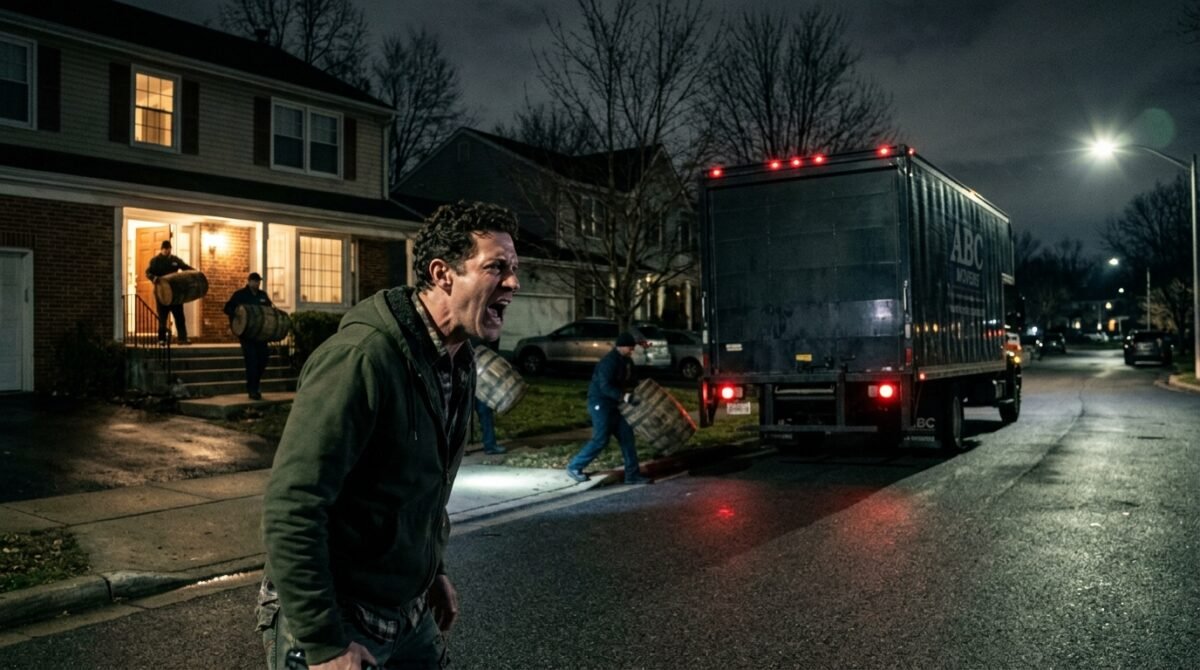
The irony was not lost on me when Mark came home one night to find a delivery truck in the driveway. He thought it was more whiskey. He smiled, actually smiled, for the first time in weeks. But as he got closer, he realized the movers weren’t delivering; they were clearing out the basement storage unit where he kept his private collection.
I had contacted the court-appointed liquidator. Since the funds were deemed part of the frozen assets, the court had ordered the seizure of the ‘investment’ to ensure there was money left for the inevitable divorce settlement. His face, when he saw the men carrying out the barrels he had spent two years obsessing over, was a sight I will never forget.
“You can’t do this! This is my property! You’re stealing my future!”
— Mark, screaming at the movers and me on the front lawn.
I just stood there, arms crossed, holding Bailey’s leash. Bailey, by the way, was perfectly healthy, thanks to the money I borrowed from my parents. The irony was sweet. The money he had spent on these barrels was now being liquidated to pay back the people he had wronged, starting with my mother.
Watching him lose his mind over the barrels was the final step of my detachment. I didn’t feel angry anymore. I felt pity. He was a man who had traded his integrity, his home, and his wife for a collection of wooden casks that contained nothing but liquid that would eventually evaporate. He had literally invested in vapor.
Life After the Liquidation

The divorce took eighteen months. It was a tedious, grueling process of forensic accounting and legal motions. I moved into a small apartment with the dogs, and for the first time in years, the silence in my home wasn’t heavy with tension. It was just peace. I paid back my parents within six months, and the remaining funds from the sale of the barrels went into a high-yield savings account—not for ‘investment,’ but for living.
Mark eventually moved into a small bachelor pad. I heard through friends that he tried to start a new ‘consulting business’ for whiskey investors, but it didn’t last. He had lost his credibility, his capital, and his wife, all for a hobby that he couldn’t even explain when the judge asked him for a business plan.
The lessons I learned were hard but necessary. I learned that you never, ever combine 100% of your assets without a ‘veto’ mechanism. I learned that financial infidelity is just as damaging as any other kind of betrayal. And I learned that if someone tells you they have a ‘can’t-miss’ investment, you should run for the hills.
“I don’t regret freezing the account. I regret that it took a veterinary emergency for me to realize that he didn’t value our shared security. But I am grateful for the outcome. I am finally free.”
— Me, reflecting on my journey in a final message to the Reddit community.
Bailey is doing well, still chasing tennis balls in the park, completely unaware that she was the catalyst for the biggest change of my life. I have a new partner now—someone who believes in index funds, simple living, and, most importantly, keeps a separate emergency fund that we both monitor equally.
Community Reflection: The Financial Infidelity Epidemic

The response to my final update was overwhelming. Thousands of women and men reached out to share their own experiences with financial secrets in their marriages. It became clear that this wasn’t just about whiskey barrels; it was about power, control, and the hidden ways partners use money to create a separate reality.
One commenter, a financial advisor, noted that financial infidelity is one of the leading causes of divorce, yet it is rarely discussed with the same seriousness as physical infidelity. The hidden accounts, the secret debts, the ‘investments’ that are really just gambling—they all serve the same purpose: to remove the partner from the decision-making process.
“The reason this post hit so hard is because it’s not about the money. It’s about the fact that she realized her husband didn’t see her as a partner. She took the power back, and that’s the most empowering thing you can do when you’re being gaslit.”
— u/SupportiveHuman (Top Comment, 30.5k upvotes)
I feel like this community helped me realize that my reaction wasn’t just a defensive move; it was a reclaiming of my own autonomy. Many readers mentioned they had started their own ’emergency exit funds’ after reading my story, which makes me feel like there was at least some good that came out of the mess.
If you’re reading this and you feel like you’re losing your footing in your own financial life, don’t wait for a crisis to take control. Check your accounts. Ask the hard questions. And if you find yourself being lied to, remember that you don’t owe your partner a seat at your table if they are busy burning it down.
The Final Balance Sheet of the Relationship

Looking back at the timeline, it’s incredible how quickly a decade of trust can evaporate. We started with dreams of a house, travel, and a secure retirement. We ended with a ledger full of red ink and a broken trust that couldn’t be repaired by any amount of money. The final balance sheet of our marriage was stark.
We had invested so much in the ‘idea’ of our future that we forgot to take care of the reality of our present. The whiskey barrels were just a symptom. The real disease was a lack of communication and a complete disregard for the boundaries we had set at the beginning of our journey.
“It’s not about the barrels. It’s about the fact that he was willing to let our dog die to prove he was a ‘smart investor.’ That was the moment the marriage actually died.”
— A thought that keeps me up at night, even now.
I’ve kept the legal papers as a reminder. Not to hold onto the anger, but to remind myself of the strength I found when I was forced to stand on my own. I am a different person now. I am more cautious, yes, but I am also more confident. I know what I will and will not tolerate.
If there’s one piece of advice I would give to anyone in a similar position, it is this: do not wait for the emergency to happen. If you suspect your partner is hiding assets, if you feel like you’re being cut out of the financial loop, start protecting yourself now. It’s not about being ‘sneaky’; it’s about being smart.
Conclusion
My life today is unrecognizable from the one I led when I was crying in the lobby of that vet clinic. I am debt-free, I am independent, and I am surrounded by people who respect my boundaries. The whiskey barrels are gone, and in their place, I have built a foundation of genuine security—one that isn’t based on promises or ‘bullish markets,’ but on hard, transparent work.
I often wonder what would have happened if I hadn’t checked that account. Would I still be married? Probably. But I would also be living in a state of perpetual anxiety, waiting for the next shoe to drop. The ‘freeze’ I placed on our accounts was the best thing I ever did for my mental health, even if it was the end of my marriage. It forced the truth into the light.
What about you? Have you ever had to make a drastic financial decision to protect your future? Do you believe in keeping separate accounts, or is total financial transparency the only way to a happy marriage? Let’s talk about it in the comments below. Your story might just save someone else from the same mistake I made.
What's your verdict on this dilemma?
Vote below to contribute to the official community consensus.

Have a Dilemma Keeping You Up at Night?
Share your real-life feud, wedding chaos, or relationship crossroads anonymously with our editorial team.
What do you think ?
0 Comments🛡️ Comments are moderated to protect community integrity. Your comment will appear once approved by the editorial team.