
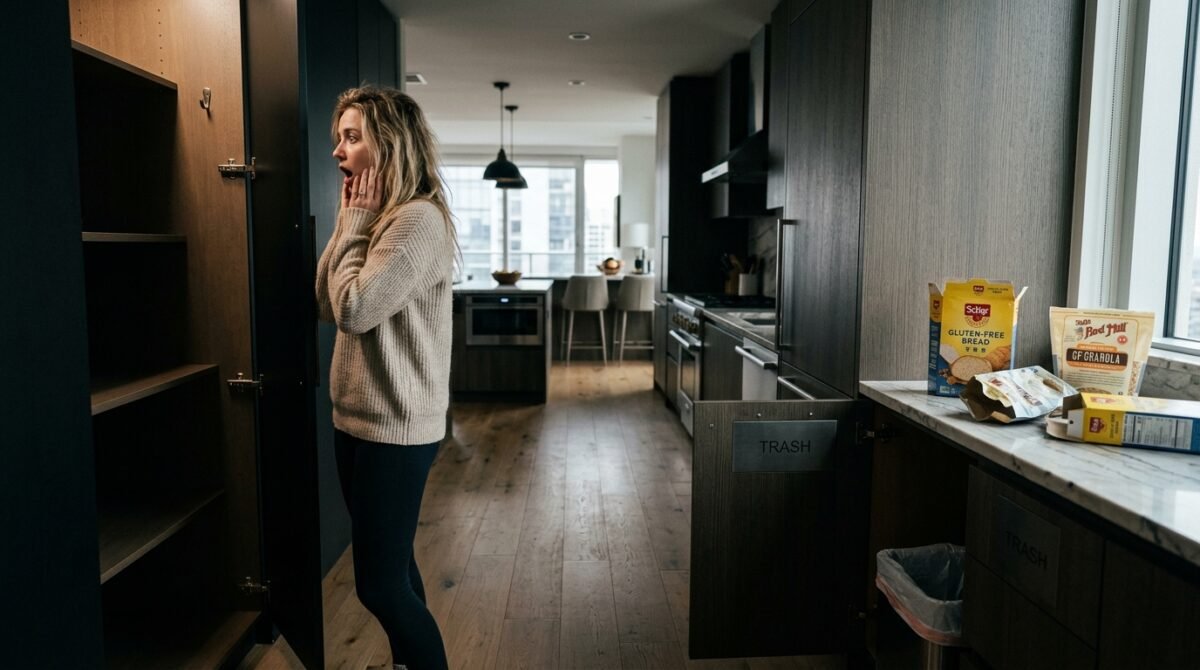
Living with roommates is supposed to be a lesson in compromise, cleanliness, and mutual respect. For the first six months, my roommate Sarah and I were the gold standard of apartment harmony. We shared utility bills, took turns cleaning the common areas, and occasionally grabbed wine on Friday nights. Everything changed the moment I started experiencing debilitating health issues, eventually receiving a formal diagnosis of Celiac disease. What should have been a simple adjustment to our kitchen etiquette spiraled into a psychological battleground.
For those uninitiated, Celiac disease isn’t an allergy or a preference; it is an autoimmune condition where the ingestion of gluten causes actual damage to the small intestine. My kitchen became a sanctuary of safety: specific pans, dedicated toaster bags, and expensive, specialty-labeled groceries. I lived with the constant anxiety of cross-contamination, a reality that Sarah decided was nothing more than a ‘social construct’ designed to make me feel special.
The tension began subtly. It started with ‘borrowing’ my almond flour for her regular baking and moved to her mocking my dietary restrictions in front of our friends. I ignored the snide comments, thinking it was just ignorance. I was wrong. It wasn’t ignorance; it was a deep-seated resentment toward the time and money I invested in my health. She viewed my body’s limitations as a personal affront to her convenience.
The climax of this absurdity occurred on a Tuesday morning while I was at work. I had just completed a massive haul of gluten-free staples—flour, bread, pasta, and snacks—totaling over three hundred dollars. When I arrived home, the pantry was not just bare; it was sterilized. The realization hit me as I walked past the trash chute in our building’s hallway. There, scattered in the bottom of the bin, were my empty, discarded packages.
What follows is not just a story of lost groceries, but a breakdown of a friendship shattered by entitlement. This is the chronicle of how I held my ground against a person who believed they had the moral authority to dictate my health, and the surprising way the internet reacted when the dust finally settled.
The Slow Decay of Kitchen Boundaries
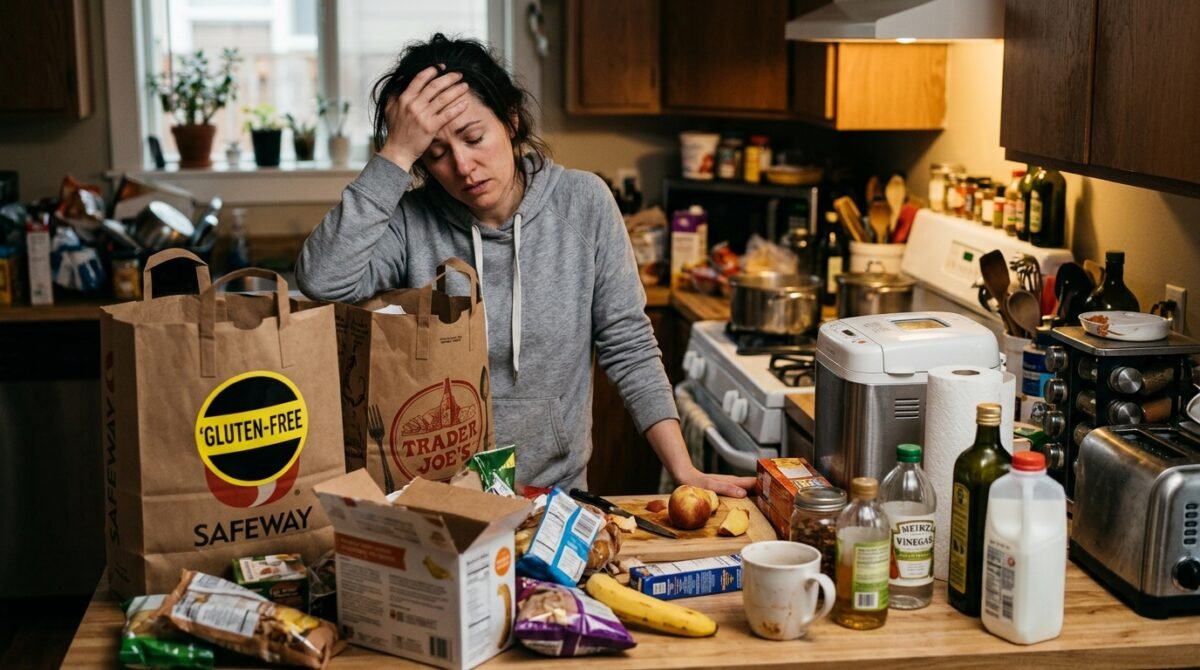
Long before the incident, the seeds of discord were sown in the kitchen. It began with little things—my expensive gluten-free soy sauce being used in her stir-fry, or my specialized pasta being boiled in a pot she had used for wheat noodles. Each time I confronted her, the response was identical: a dismissive laugh and a promise to ‘be more careful next time.’ I found myself buying two of everything, hiding my items in labeled bins, and eventually purchasing a small mini-fridge for my room.
Sarah took this move as an act of hostility. She started making loud, performative comments whenever I prepared a meal. She would ask, ‘Is that the pretend bread today?’ or ‘How much do you pay just to feel like you’re part of the club?’ I kept trying to explain the science of the autoimmune response, but she refused to engage in logic. She was committed to the narrative that I was simply being pretentious.
“You know, Sarah, my doctor literally gave me a list of things that could kill me if I ingest them. This isn’t a hobby. Why is it so hard for you to respect that?”
— Me, during a heated exchange
She would lean against the counter, arms crossed, staring me down. Her lack of empathy wasn’t just annoying; it was chilling. It felt like she was actively trying to sabotage my health, perhaps because she felt guilty for her own poor dietary habits. The more I defended my health, the more she pushed back, turning our living space into a high-stakes arena of passive-aggression.
By the third month of this behavior, I had stopped inviting friends over entirely. I couldn’t risk the inevitable ‘joke’ she would make about my food. My home, once my refuge, had become a site of constant vigilance. I was living in a state of hyper-arousal, scanning every surface for crumbs and checking every utensil. I didn’t realize then that she wasn’t just testing my patience; she was mapping my breaking point.
The Morning the Pantry Went Cold
I had spent the better part of my Saturday grocery shopping, hitting three different specialty stores to find the specific brands that don’t trigger my immune system. It was an expensive excursion, but I felt prepared for the next two weeks. I organized everything into the pantry, double-checked the labels, and went to bed feeling a rare sense of security. I woke up at 7:00 AM, made coffee, and walked toward the kitchen to grab a piece of my favorite gluten-free toast.
The pantry shelf was empty. Every box, every bag, every jar—all gone. I checked the fridge, the freezer, even the oven. Nothing. A sickening feeling washed over me, a physical sensation of dread that started in my stomach and spread to my chest. I rushed to the living room to find Sarah, but she was already gone, leaving only a half-empty coffee mug on the table. My phone buzzed with a notification I wasn’t prepared for.
“Hey, I cleared out the pantry. It was getting way too crowded with all your ‘medical’ experiment food. I tossed it in the chute. If you want to eat cardboard, go buy it somewhere else. We need more space for real food.”
— Text from Sarah, 8:15 AM
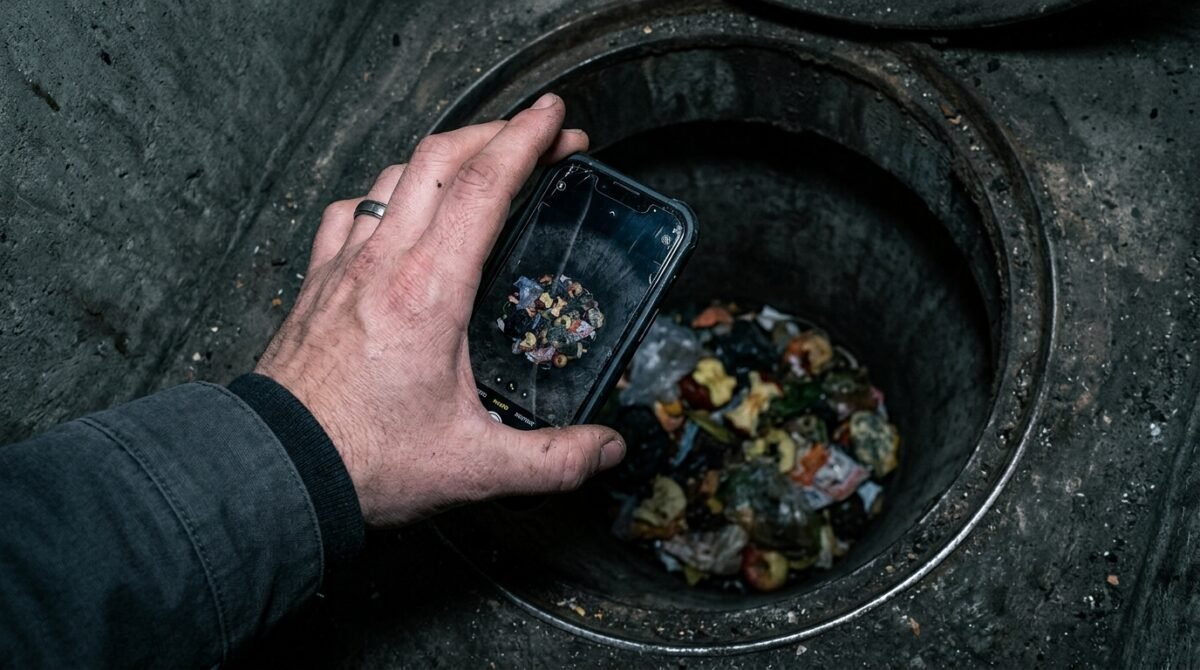
I stood frozen in the hallway, reading the message over and over. $300 worth of groceries, gone. Not donated, not stored—thrown in the trash. I walked down the hall to the chute room, my heart hammering against my ribs. I opened the door, and there, amidst the morning trash of the entire building, were my groceries. The bags were ripped, the contents spilled. It was an act of pure, unadulterated malice.
I didn’t call her back. I didn’t scream. I just took pictures. Every shattered jar, every ripped bag, every piece of evidence of her ‘clearing out the space.’ I realized in that moment that this was no longer a disagreement about kitchen etiquette; it was a targeted campaign against my well-being. I needed to document everything because I knew, in her warped mind, she would try to frame this as an act of service.
The Confrontation in the Living Room

When Sarah finally walked through the front door at 6:00 PM, she acted as if nothing had happened. She tossed her keys on the table, humming a tune, and headed straight for the fridge. I stood in the doorway of the living room, holding the receipts I had printed out earlier. I didn’t say a word. I just watched her reach for a juice box, completely unbothered by the fact that she had just committed a crime against my livelihood.
“Where is it?” I asked, my voice trembling with suppressed rage. She turned, a smirk playing on her lips, and leaned against the counter. “Where is what? The clutter? I told you, I did us both a favor. You really should thank me. That stuff was taking up seventy percent of the shelf space. It’s a health issue, keeping that much expired-looking junk around.”
“You threw away three hundred dollars of my food. My safe food. Do you have any idea what this means for me? You didn’t just throw away groceries, Sarah. You threw away my health.”
— Me, confronting Sarah
She rolled her eyes, walking past me toward her bedroom. “Oh, save the drama for your support group. It’s gluten. It’s literally everywhere. You’re just looking for attention. If you really had a problem, you’d be dead by now, right? So obviously, you’re faking the severity to make me feel guilty for eating pizza. Well, it didn’t work. Get over yourself.”
I was floored. Her level of gaslighting was professional grade. She had convinced herself that because I was still standing, my condition was a performance. I followed her to the door, feeling the absolute futility of reasoning with someone who lacked the fundamental capacity for empathy. I told her that I would be contacting the landlord and that she would be paying for every cent. Her response was a slamming door and the muffled sound of music turning up to drown me out.
The Landlord’s Unexpected Involvement
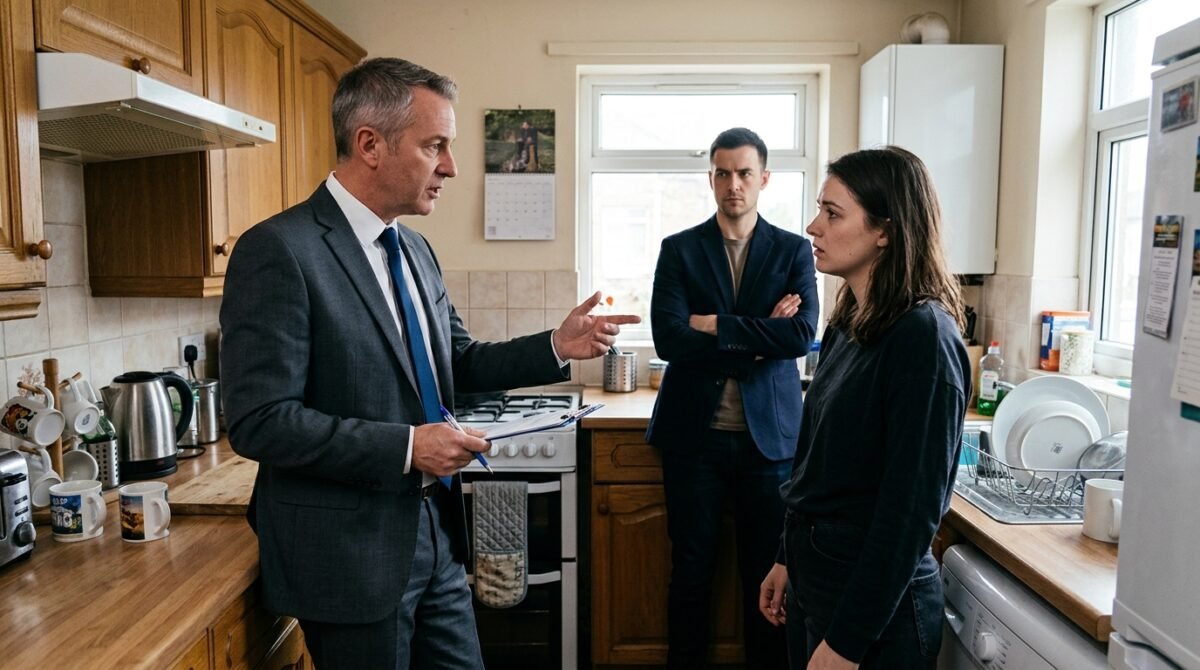
I knew I couldn’t just let this pass. I contacted our landlord, Mr. Henderson, a man who generally hated getting involved in roommate disputes but took property damage very seriously. I sent him the photos of the trash chute and the receipts. I didn’t just frame it as a ‘roommate fight’; I framed it as property destruction and a violation of the quiet enjoyment clause of our lease. Within two hours, he was at our apartment door.
Sarah tried to play the ‘innocent, misunderstood roommate’ card. She smiled sweetly, wearing a look of practiced concern. “I was just trying to organize, Mr. Henderson. She has so much clutter, it was attracting pests. I was looking out for the cleanliness of the apartment.” She didn’t realize that Mr. Henderson had already looked at the photos of the food in the chute. He wasn’t interested in the ‘clutter’ narrative.
“Sarah, this is not an issue of organization. This is intentional destruction of property. If you want to talk about cleanliness, we can talk about the fines for improper disposal of waste. These items were clearly labeled.”
— Mr. Henderson, our landlord
He told her that the expense of the groceries was on her, and that if it happened again, there would be grounds for immediate eviction. Sarah’s face went pale. She looked at me, not with remorse, but with a look of pure, unadulterated hatred. She realized she had lost the power dynamic. She hadn’t expected the authority figure to take my side, and it shattered her world view where she was always the victim.
The silence after he left was deafening. I went to my room and locked the door, realizing I had won a battle but the war was far from over. She wouldn’t just pay up and move on. People like Sarah don’t admit fault; they just escalate. I spent the night researching tenant laws and preparing myself for the next phase of our living situation, which was rapidly deteriorating into a prison.
The Digital Campaign Against Me
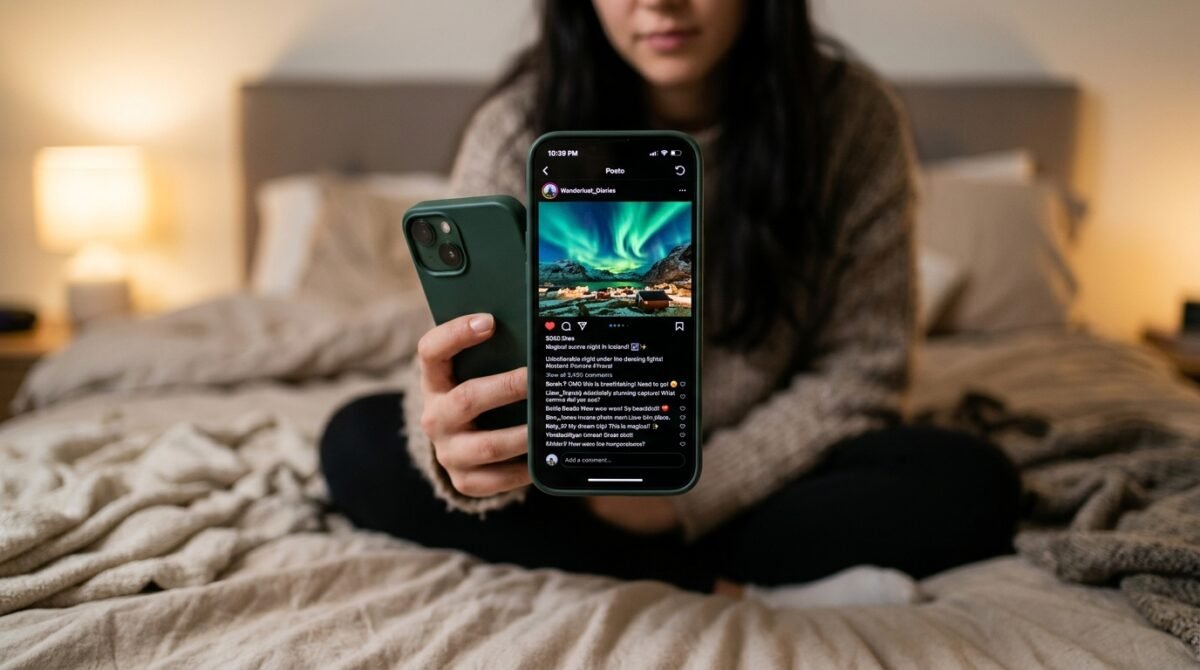
I woke up the next morning to a notification from Instagram. A friend sent me a story Sarah had posted. It was a photo of our pantry, now organized with her own items, captioned: ‘Finally cleared out the toxic energy (and the fake medical drama) from my kitchen. Feels so good to breathe again.’ She hadn’t tagged me, but it was obviously about me. The comments section was already filled with her friends mocking ‘gluten-free snowflakes.’
It was a calculated move. She was trying to frame the narrative before I could explain my side. I felt a wave of nausea, not from gluten, but from the betrayal of someone I had trusted for so long. She was turning our private conflict into public sport. I had two choices: stay silent and let her rewrite history, or post my own side of the story. I decided on the latter, choosing to document the reality of Celiac disease for anyone who cared to listen.
“My roommate decided that my autoimmune disease is a social construct. Today, I’m showing you what happens when someone decides your medical needs are just ‘clutter.’ This is not a trend. This is my health.”
— My response post on social media
The post went viral. Within hours, I had thousands of people sharing their own stories of invisible illnesses and roommates who didn’t respect boundaries. It turned out I wasn’t alone. Thousands of people had dealt with the ‘it’s all in your head’ crowd. Sarah’s post, which she had intended to use to humiliate me, became the catalyst for a massive wave of support for me.
She was furious. She didn’t expect the backlash. Her friends, who had been commenting with laughing emojis, suddenly went silent as people started calling her out for being a bully. She came to my door, pounding on it, demanding I take the post down. I didn’t even open it. I just sat on the other side of the door, listening to her scream about how I had ruined her reputation. The irony was completely lost on her.
Reddit’s Verdict: The Community Speaks

I decided to take the story to the internet’s ultimate judge: Reddit. I posted the full timeline, the receipts, and the texts from the trash chute incident. I didn’t hold back. I wanted to see if I was actually being the ‘sensitive snowflake’ she claimed I was. The response was immediate and overwhelming. The thread hit the front page within hours, and the consensus was loud and clear.
“This is not a roommate issue; this is a safety and abuse issue. You are living with someone who is actively attempting to sabotage your physical health. You need to get out of that lease yesterday. This is dangerous.”
— u/HealthBound88 (Top Comment, 24.3k upvotes)
Others pointed out the legal side, suggesting I look into filing a police report for the destruction of property. People shared their own horror stories of roommates who had spiked their food or deliberately contaminated their pans. It was a sobering realization of how many people were living with abusive roommates and didn’t even realize it. The validation from total strangers was exactly what I needed.
“I had a roommate who tried to put wheat flour in my gluten-free cake because she ‘didn’t want me to be weird.’ She didn’t understand that I would have been in the hospital for three days. It’s not just rude, it’s criminal.”
— u/AutoimmuneWarrior (12.1k upvotes)
The community support gave me the courage to initiate the lease-break process. I hadn’t realized I had options, but several users pointed out that in cases of harassment and threats to physical safety, many landlords are willing to let you out of a lease early. I started gathering every piece of evidence I had—every nasty text, every photo of the damaged items, and the record of my conversation with Mr. Henderson.
I felt a strange sense of peace. I was no longer fighting alone. I had an army of strangers who understood the stakes. They didn’t see my diet as a choice; they saw it as a life-sustaining necessity. Sarah’s attempts to isolate me had backfired spectacularly, and for the first time in months, I felt like I was back in control of my own life.
The Final Breaking Point
The final straw happened when I came home to find my kitchen sink filled with water and my gluten-free pans soaking in it—with wheat-based pasta sauce. It was a direct, targeted attack. She wasn’t even trying to hide it anymore. She was sitting at the kitchen table, watching me walk in, a look of pure, cold satisfaction on her face. She knew exactly what she had done.
I didn’t yell. I didn’t cry. I walked over to the sink, picked up the pans, and walked them directly to the trash. I knew I couldn’t save them. The cross-contamination was total. I looked at her, and for the first time, I felt nothing but pity. She was so consumed by her need to be right that she was willing to destroy a friendship, a living situation, and her own reputation.
“You think this makes you powerful, Sarah? It just makes you small. You’re fighting a war with someone who is just trying to stay alive. I hope it was worth the three hundred dollars.”
— Me, the moment I decided to move out
She tried to say something, but I walked past her, grabbed my keys, and walked out the door. I stayed at a hotel that night, and the next day, I started moving my stuff out while she was at work. I left a note on the counter. It wasn’t an apology; it was a notice that I had contacted a lawyer and that any further contact would be considered harassment.
I moved in with a friend who actually understood the importance of a clean kitchen. The first night I spent in my new place, I cried. Not because of the move, but because of the relief. I could breathe again. I could eat in my own kitchen without scanning for traces of poison. I had finally escaped the cycle of abuse that she had built around me.
The Legal Repercussions and Settlement
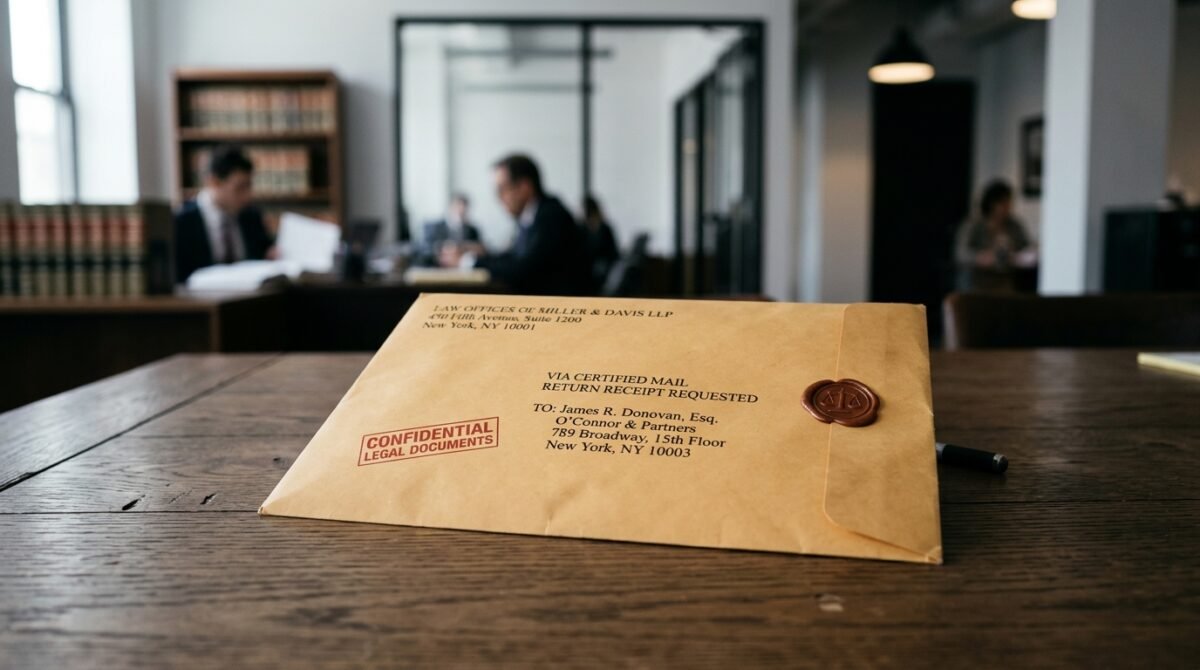
My lawyer, a friend of a friend who specialized in tenant disputes, took the case seriously. He informed me that since the grocery items were personal property and their destruction was clearly malicious, we had a strong case for small claims court if she didn’t reimburse me. We sent her a formal letter, detailing the cost of the groceries and the cost of the damaged cookware. We gave her a deadline of 30 days to pay.
Sarah tried to ignore it at first, but once she received the official court summons, her attitude shifted. She called me, leaving frantic voicemails, trying to claim it was all a ‘misunderstanding.’ She wanted to ‘talk it out’ over coffee. I didn’t respond. I had already learned that talking to her was a waste of time. My lawyer handled all communications, ensuring I didn’t have to hear her voice again.
“Please, just talk to me. I didn’t realize you were going to take it this far. It was just groceries! I’ll pay you back, just please drop the court thing.”
— Voicemail from Sarah
She eventually paid. The amount wasn’t life-changing, but it was the principle of the matter. She had to acknowledge that she couldn’t just walk all over people’s lives without consequences. The process taught me a valuable lesson: boundaries aren’t just something you ask for; they are something you enforce. If someone doesn’t respect your life, you don’t owe them a seat at your table.
I heard later that she had trouble finding a new roommate. Apparently, word gets around. People don’t want to live with someone who thinks medical conditions are ‘social constructs.’ I felt no satisfaction in her struggle; I only felt relieved that she was no longer part of my story. I had moved on, and she was left with the mess she had created.
Reflecting on the Invisible Illness

Living with Celiac disease has taught me a lot about the people around me. It acts as a filter. People who truly care about you will take the extra step to ensure your safety. They will ask questions, they will read labels, and they will never, ever make you feel like your health is a burden. Sarah was the polar opposite, and while the experience was traumatic, it clarified exactly what I needed in my life.
I started a blog documenting my journey, not just with food, but with self-advocacy. I shared tips on how to handle roommates, how to talk to landlords, and how to find a community of people who get it. The response was incredible. It turned out there was a whole world of people fighting the same battles, feeling the same isolation, and waiting for someone to tell them they weren’t crazy.
“Your worth is not defined by someone else’s ability to understand your medical needs. If they can’t respect your health, they don’t deserve your time or your friendship.”
— My closing blog post to my followers
The experience changed me. I am more confident in my boundaries, more vocal about my needs, and more appreciative of the people who make my life easier. I realized that my health isn’t a ‘social construct’ or a ‘lifestyle trend.’ It is the foundation upon which my entire life is built. And I will never let anyone compromise that foundation again.
If you’re out there, and you’re dealing with someone who makes you feel like you’re faking it or that you’re just being ‘difficult,’ know this: you aren’t. Your health is the most important thing you have. Don’t let someone else’s insecurity dictate how you live your life. You deserve a space where you are safe, respected, and heard.
Moving Forward: New Beginnings

These days, I live in a quiet apartment with a roommate who actually takes an interest in my gluten-free recipes. We have a system: separate pantry shelves, labeled cookware, and a shared understanding of what it means to be a good roommate. It’s not just about the food; it’s about the underlying respect. We check in with each other, we communicate, and we support one another.
The trauma of the incident has faded, replaced by a sense of resilience. I look back on the trash chute incident not as a tragedy, but as a turning point. It was the moment I realized that my voice mattered, and that I was willing to fight for my own well-being. It was the end of my people-pleasing phase and the beginning of my self-advocacy phase.
“The most important boundary you can ever set is the one that protects your health. Once you do that, everything else falls into place.”
— A piece of advice I give to everyone I meet
I still get the occasional ‘gluten-free’ joke, but I handle them differently now. I don’t get angry; I just smile and move on. I know who I am, and I know what my body needs. That’s enough for me. I’ve found that when you are firm and confident in your boundaries, people eventually stop testing them. And if they don’t, you know exactly how to handle them.
I am happy. I am healthy. And most importantly, I am in control of my own kitchen. The war is over, and I won by simply choosing myself. For anyone going through something similar, remember: you are not the problem. The problem is with the person who can’t see the value in protecting your peace. Stand tall, keep your boundaries firm, and never apologize for taking care of yourself.
Conclusion
The story of the trash chute incident serves as a stark reminder that physical health and personal boundaries are deeply intertwined. My journey from a victim of gaslighting to an advocate for self-respect was not an easy one, but it was necessary. Celiac disease is a challenging condition, but the real challenge often comes from those who refuse to acknowledge its validity. By standing my ground, I found not only a new living situation but a voice that I never knew I had.
It is heartbreaking to see how many people struggle with similar situations, feeling trapped by their circumstances and intimidated by those they live with. My hope is that by sharing this story, I can inspire others to realize that they are never truly alone. Your health, your peace, and your boundaries are non-negotiable. Do not let anyone, no matter how close they are to you, make you feel otherwise.
We want to hear from you. Have you ever had to deal with a roommate or friend who didn’t respect your medical needs or boundaries? How did you handle it, and what did you learn from the experience? Let’s continue this conversation in the comments below and support one another in creating environments where we can truly thrive.
What's your verdict on this dilemma?
Vote below to contribute to the official community consensus.

Have a Dilemma Keeping You Up at Night?
Share your real-life feud, wedding chaos, or relationship crossroads anonymously with our editorial team.
What do you think ?
0 Comments🛡️ Comments are moderated to protect community integrity. Your comment will appear once approved by the editorial team.