
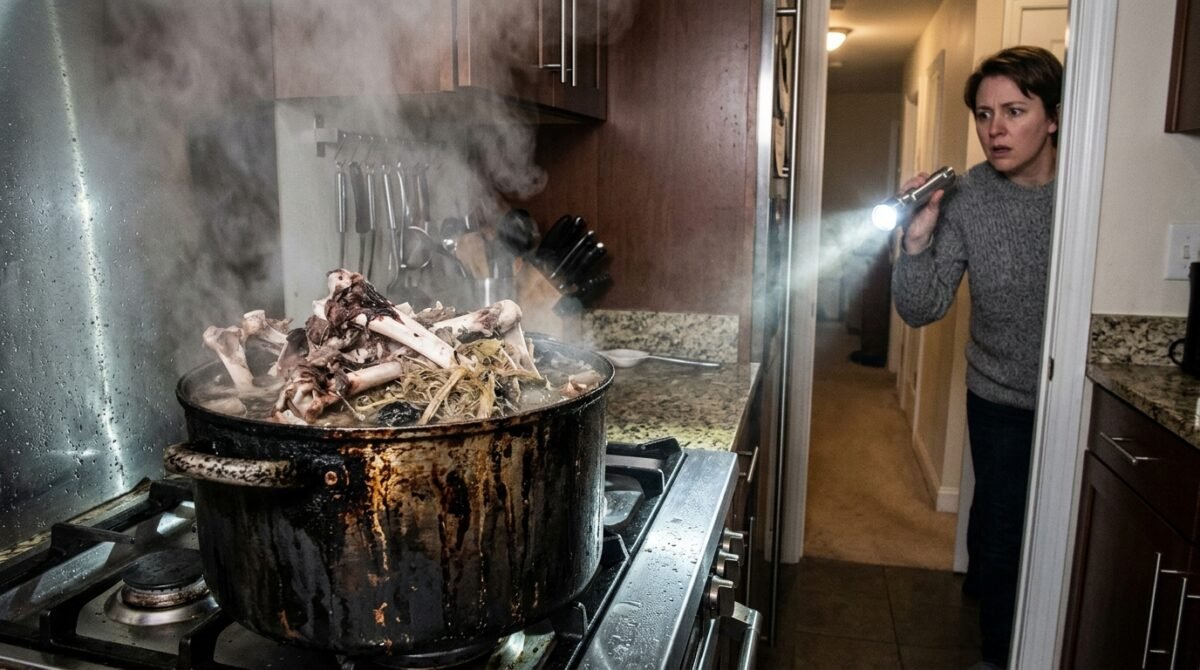
When I signed the lease agreement for my spare bedroom, I laid out clear, reasonable expectations. No smoking inside, quiet hours after 10:00 PM, and—crucially—shared responsibility for maintaining a sanitary kitchen. I never imagined that ‘sanitary’ would one day become a battlefield involving biological remains, industrial-grade stench, and a total disregard for the sanctity of my home. My flatmate, let’s call him Julian, started as the perfect tenant. He was quiet, prompt with rent, and kept his space tidy. Or so I thought.
The shift began subtly. First, it was just an unusual scent, something earthy and metallic that I dismissed as a new brand of incense or perhaps a hobbyist’s cologne. Then, it became the noise—a slow, rhythmic bubbling that emanated from the kitchen long after midnight. I assumed it was a slow cooker, a harmless endeavor for a guy who claimed to love rustic cooking. I didn’t realize that in the quiet hours of the morning, my kitchen was being transformed into a makeshift laboratory of decay.
The moral dilemma hit me when I finally mustered the courage to confront the smell, only to be met with a level of gaslighting I hadn’t prepared for. Julian didn’t just boil food; he was processing remains he found during his ‘foraging’ trips. The transition from simple tenant to an amateur taxidermist/butcher living in my unit was not a bridge I was willing to cross. This is the story of how a kitchen, once the heart of my home, became a site of an emergency eviction.
I am writing this because the internet has a way of helping us realize when we are being too accommodating. For weeks, I felt like the villain for wanting a clean space. I felt like an oppressor for banning the boiling of carcasses. It took an objective look at the photos—and the smell—to realize that I wasn’t just dealing with a messy roommate; I was dealing with a complete breakdown of basic living standards.
In the following narrative, I detail the escalation, the ‘bone broth’ excuse, the health hazard warnings, and the final, explosive confrontation that led to his immediate removal. If you’ve ever felt like your home is no longer your own, this might resonate with you.
The Subtle Scent of Something Wrong
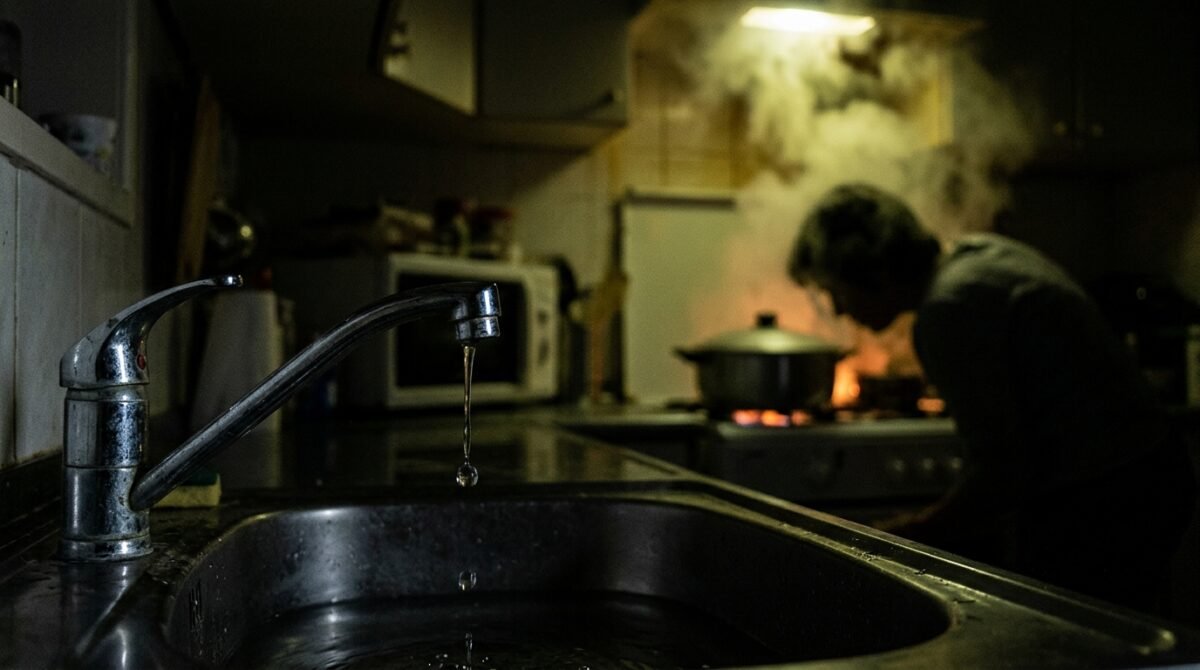
It started as a faint odor, a dull, metallic tang that clung to the curtains of the common area. I initially blamed the local municipal drain cleaning, convinced the smell was rising from the pipes. I spent a weekend scrubbing the kitchen floors with lemon-scented agents, desperate to mask the scent that seemed to permeate every surface of my home. Julian was uncharacteristically helpful during that time, even offering to help me buy a high-end air purifier.
I remember sitting on my couch, reading, while Julian spent hours in the kitchen. He claimed he was experimenting with ‘traditional stocks’ to save money on groceries. I admired his frugality at the time. Little did I know that he wasn’t buying these ingredients; he was scouring the woods behind our apartment complex for ‘wild finds.’ The sounds from the kitchen were the first true red flag—the heavy clatter of bone against ceramic, the sound of a saw—but I was too polite to ask.
The tension grew as the smell intensified. It wasn’t just metallic anymore; it was sweet, then cloying, then deeply, rot-inducing. It was the smell of something that had died and was being forced back into a liquid state. When I walked into the kitchen at midnight to grab a glass of water, the air was so thick with vapor that I could feel the grit on my tongue. I didn’t see the pot, but the stovetop was radiating a heat that felt oppressive.
“Hey, have you noticed the smell in here? It’s getting really intense. I feel like the ventilation isn’t handling whatever you’re cooking lately.”
— My opening attempt at a civil conversation, which was immediately dismissed.
Julian turned from the counter, his face obscured by the steam. He looked tired, his eyes bloodshot, his apron stained with a dark, viscous substance. He laughed it off, calling it a ‘traditional harvest broth’ that took days to properly render. He seemed almost insulted that I would question his culinary passion. He told me I lacked the ‘patience for slow, organic cooking’ and that the smell was just the price of genuine, nutrient-dense health.
I retreated to my room, feeling a strange sense of shame for not being more ‘adventurous’ with my palate. I was a homeowner, yet in my own kitchen, I felt like a guest who was overstepping his bounds. The power dynamic had shifted without me even noticing. He had moved from being a tenant to being the master of the stove, and I was the one apologizing for the inconvenience of my own lungs.
The Midnight Discovery of the ‘Harvest’
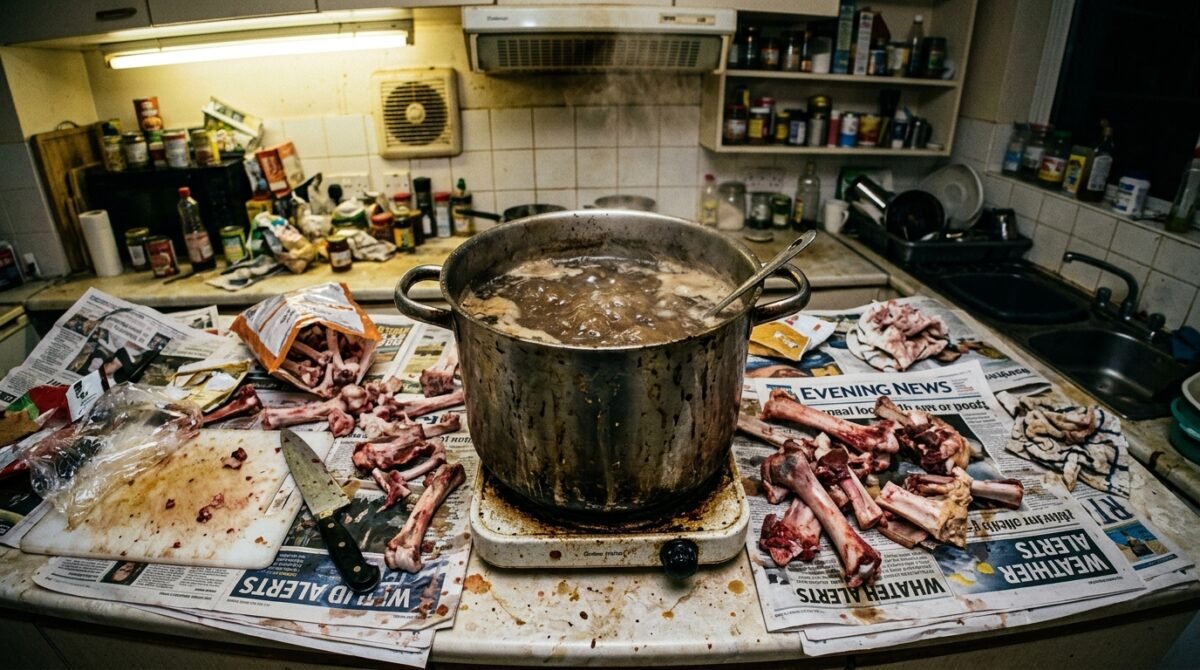
The breaking point occurred on a Tuesday. I had returned home from a long, draining shift at the office, looking forward to a quiet night. As I reached the kitchen door, I stopped dead in my tracks. The entire counter space was covered in newspaper. On the newspaper sat a pile of bones—some clearly identifiable as deer or fox remains, others stripped of fur and flesh, looking like something out of a horror film. And the pot—the giant, rusted, twenty-quart stockpot—was overflowing with a bubbling, greyish sludge.
Julian was nowhere to be seen, but the burner was set to high, the pot rattling against the grate. I felt a surge of adrenaline that was half-fear and half-fury. I grabbed my phone and snapped photos. I didn’t know what the laws were, but I knew that this was a biohazard. This was not cooking. This was processing wildlife remains inside a residential building.
I called him immediately. The phone rang three times before he picked up. He sounded frantic, as if I had interrupted something sacred. When I demanded to know what was in the pot and why there were carcasses on my kitchen counter, he didn’t apologize. He became defensive, launching into a lecture about ‘waste not, want not’ and how these bones were gifts from the forest that he was preserving for his own health.
“You are boiling animal remains in a shared kitchen, Julian. There is fur in the sink. This is not a hobby, this is a health hazard. You need to stop this immediately.”
— My text message to him after discovering the scene.
The conversation that followed was the first real crack in our relationship. He insisted that because he paid rent, he was entitled to use the kitchen as he saw fit. He compared his ‘bone broth’ to common butcher shop practices, conveniently ignoring the fact that he was scavenging these materials from the woods in a suburban environment. He was completely detached from the reality that I, the person who owned the home, was deeply disturbed by his actions.
I walked around the kitchen, documenting everything. The residue on the walls, the grease splattered across the cabinets, the sheer amount of animal hair trapped in the sink drain. It was a complete violation of our rental agreement, which had a clause about maintaining sanitary standards. I realized then that I wasn’t just dealing with a bad roommate; I was dealing with someone who lived by a completely different set of rules.
The Legal Reality Check
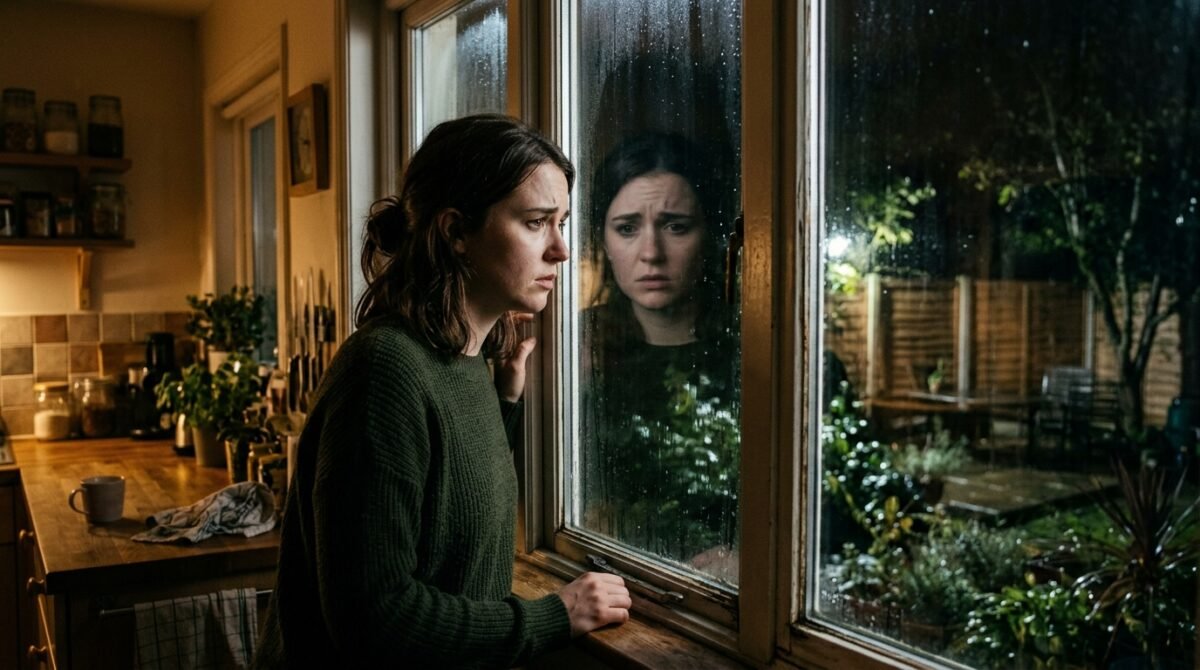
I spent the entire night researching tenant-landlord laws in my area. I needed to know if ‘boiling roadkill’ was grounds for immediate eviction. The answer was nuanced, but the takeaway was clear: creating a health hazard that affects the habitability of a property is a valid cause for lease termination. I felt a strange sense of vindication, but also a deep exhaustion. I didn’t want to be this person, but Julian had left me no choice.
I drafted a formal notice the next morning. I was shaking as I typed it. I had to remain professional, even though I wanted to scream at the top of my lungs. I outlined the specific clauses he had violated, including the sanitation clause and the ‘nuisance’ clause. I included the photos as attachments, ensuring he knew that I had documented the extent of his kitchen takeover.
When I placed the notice on his bedroom door, I felt like I was crossing the point of no return. The silence in the house was deafening. I could hear his movements inside his room—the pacing, the heavy thuds—but he didn’t come out. He didn’t ask to talk. He didn’t try to explain. He just stayed in there, letting the smell from the kitchen continue to seep into the hallway.
“I have consulted with legal counsel regarding the sanitation of this home. Your current activities in the kitchen are a direct violation of the health standards outlined in our agreement. This is your formal warning. If the kitchen is not cleared by end-of-day, I will be moving to terminate the lease immediately.”
— The formal notice I printed and left on his door.
He finally emerged around 2:00 PM. He looked like he hadn’t slept at all. He didn’t look at me; he went straight to the kitchen, grabbed the pot, and carried it outside to the backyard. I watched from the window as he dumped the contents onto the grass. It wasn’t just liquid; it was clumps of grey, stringy matter that I didn’t want to identify. He then started scrubbing the pot with a garden hose, his movements frantic and angry.
I felt a strange sense of pity for him, but it was overshadowed by the feeling of relief that the immediate source of the stench was gone. Or so I thought. Even after the pot was moved, the smell remained. The walls had absorbed it. The vent hood was coated in it. The kitchen was still a crime scene of biology, and I was the one who would have to pay to get it professionally deep-cleaned.
Community Reaction: The Reddit Verdict
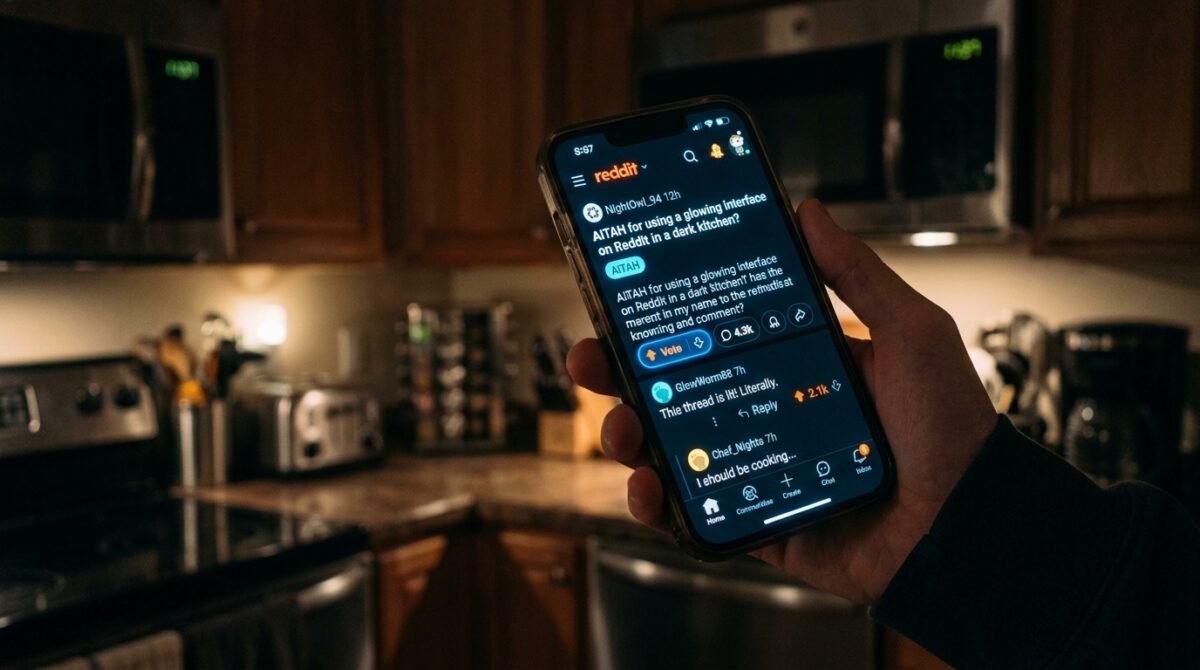
I turned to the internet for validation. I posted the story to a popular subreddit dedicated to roommate disputes, omitting the names but including the full details of the ‘bone broth’ incident. I expected a mix of responses, but the sheer volume of support caught me off guard. Within three hours, the post had 5,000 upvotes and hundreds of comments from people who had been through similar nightmares.
The consensus was overwhelming: I was not the asshole for wanting a clean kitchen. Many commenters pointed out that boiling unidentified remains is not just ‘rustic cooking’—it is a significant health risk, potentially carrying diseases or parasites that could thrive in a domestic kitchen setting. The, ‘he pays rent so he can do what he wants’ argument was soundly destroyed by users who reminded me that rent is for the space, not for the destruction of the property’s health status.
“OP, this is not a lifestyle choice. This is a biohazard. He is literally cooking carcasses in your house. Get him out before you end up with a pest infestation or, worse, a serious illness. You are a homeowner, not a host for his experiments.”
— u/HomeOwnerHero (Top Comment, 18.2k upvotes)
Another user shared their experience with a roommate who tried to ‘cure’ meat in their closet, which led to a maggot infestation that cost thousands of dollars to fix. Reading these stories made me realize that I had actually been very lucky. I had stopped it before the maggots, before the infestation, before the permanent damage to the structural integrity of the kitchen cabinets.
The community support gave me the courage to stand my ground. I realized that my fear of being ‘mean’ was actually a lack of boundary setting. Julian was relying on my desire to be a ‘nice’ person to get away with behavior that would be considered unhinged in any other context. The comments section became a space where I could vent, learn, and prepare for the final confrontation.
One commenter, a former property manager, gave me a step-by-step guide on how to proceed with the eviction legally. They warned me about the ‘self-help’ eviction traps—changing the locks or cutting the utilities—and advised me to follow the local statutes to the letter. This guidance was invaluable, as I was acting purely on emotion and could have easily made a mistake that would have cost me the case.
The Confrontation in the Living Room

The situation came to a head on Friday evening. I had decided that I could no longer live with the risk. The smell hadn’t fully dissipated, and every time I walked into the kitchen, I felt a knot of anxiety in my stomach. I called a house meeting. I told him he needed to pack his things and leave. The response was not what I expected; he didn’t scream or cry. He sat there, calm and eerily composed, and told me I was ‘lacking vision.’
He explained that he had planned to open a small, artisanal broth shop and that I was ‘stifling his dreams.’ He genuinely believed that his behavior was noble, that he was tapping into something ancient and pure that I was too ‘modern and sanitized’ to appreciate. It was like talking to a person living in a completely different reality. He didn’t see the hygiene issues; he saw the ‘spiritual benefits’ of his craft.
“You’re talking about business ventures while you’re cooking roadkill in my house, Julian. I’m done. You have until Sunday to vacate. I’ve already spoken to a lawyer, and this is happening regardless of your feelings.”
— My ultimatum to Julian.
The conversation turned cold. He started pointing out everything I had done that ‘annoyed’ him, trying to turn the tables and make me the villain. He brought up the way I organized the pantry, the time I asked him to move his shoes, the fact that I preferred the temperature a certain way. It was classic deflection. He wanted to make this about my ‘strict’ personality rather than the fact that he was boiling dead animals on my stovetop.
I held firm. I kept the conversation focused on the sanitation issue. Every time he tried to deflect, I brought it back to the bones, the grease, and the violation of the lease. It was exhausting. I felt like I was arguing with a child who refused to acknowledge that they had broken a window. By the time he agreed to leave, I was physically shaking from the strain.
The final hour of the conversation was about the move-out date. He wanted a month; I demanded two days. We compromised on three. It was a victory, but it felt hollow. I knew that the next three days would be the longest of my life. I had to monitor him to make sure he didn’t do anything to sabotage the place before he left.
The Packing Process: A Trail of Evidence
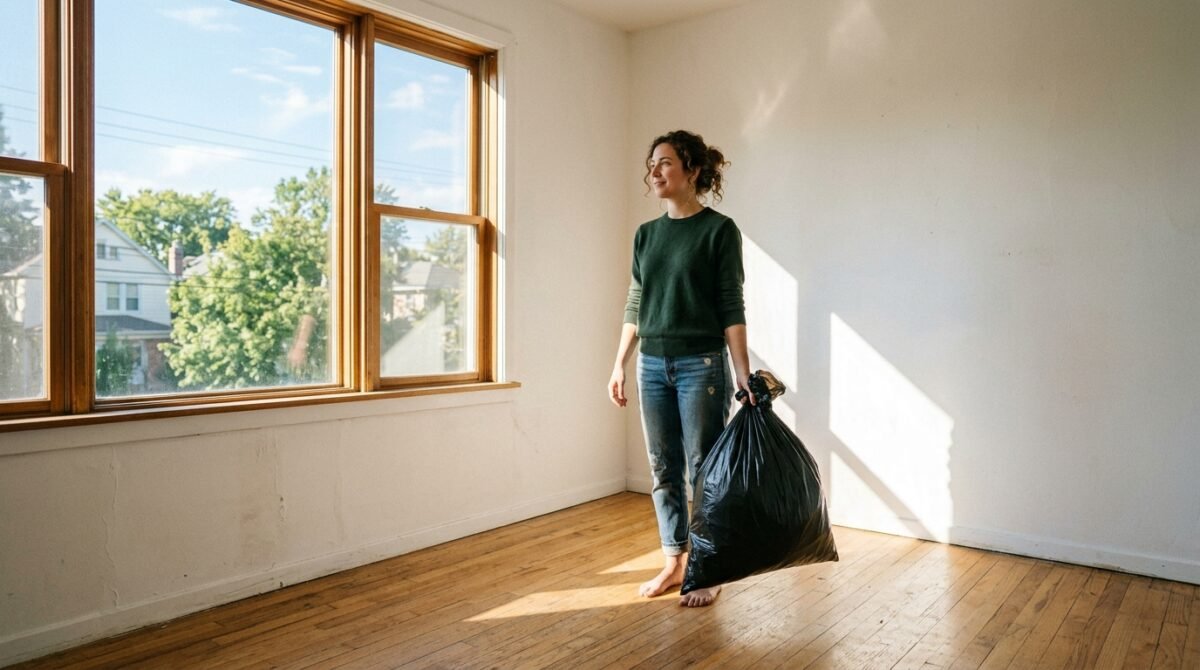
The following two days were a blur of activity. Julian packed his things, but as he emptied his closet, I discovered the extent of his ‘foraging.’ There were jars of dried, unidentified animal parts, bags of fur, and even a small, makeshift drying rack for pelts tucked away in the back of his wardrobe. My home had essentially been a slaughterhouse, and I had been sleeping in the next room for weeks, oblivious to the extent of it.
I kept a close eye on him as he moved his boxes to his car. Every trip he made to the vehicle, I did a sweep of the kitchen and his bedroom. I was looking for damage—stains on the carpets, holes in the walls, anything he might have done out of spite. He was silent throughout the entire process, his face a mask of cold indifference. It was chilling to see the person I had shared breakfast with acting like a total stranger.
There was a moment where I caught him trying to stash a final bag of ‘ingredients’ in the kitchen trash. I stopped him and told him to take it with him. He didn’t argue; he just picked it up and walked out. The smell was the last thing to go. It lingered like a ghost, a reminder of the months I had spent being a ‘good’ roommate to someone who didn’t respect my space or my safety.
“Just take everything with you, Julian. If I find anything else in this house that belongs to you, it’s going straight to the curb.”
— My final instruction as he left the house for the last time.
When he finally drove away, I locked the door and slid down to the floor. I felt a wave of relief that was so intense it was almost dizzying. The house was mine again. The silence was no longer heavy; it was peaceful. I had survived, and I had protected my home. But as I looked around at the empty room, I couldn’t help but feel a lingering sense of unease. How had I let this happen?
I spent the rest of the evening cleaning. I bleached the countertops, scrubbed the stovetop until my hands were raw, and opened every window in the house to let the fresh air flush out the remnants of the past. It was a ritual of reclamation. By the time I finished, the house felt like my own again. The air was clean, the kitchen was sterile, and I was in control.
Deep Cleaning the Biohazard
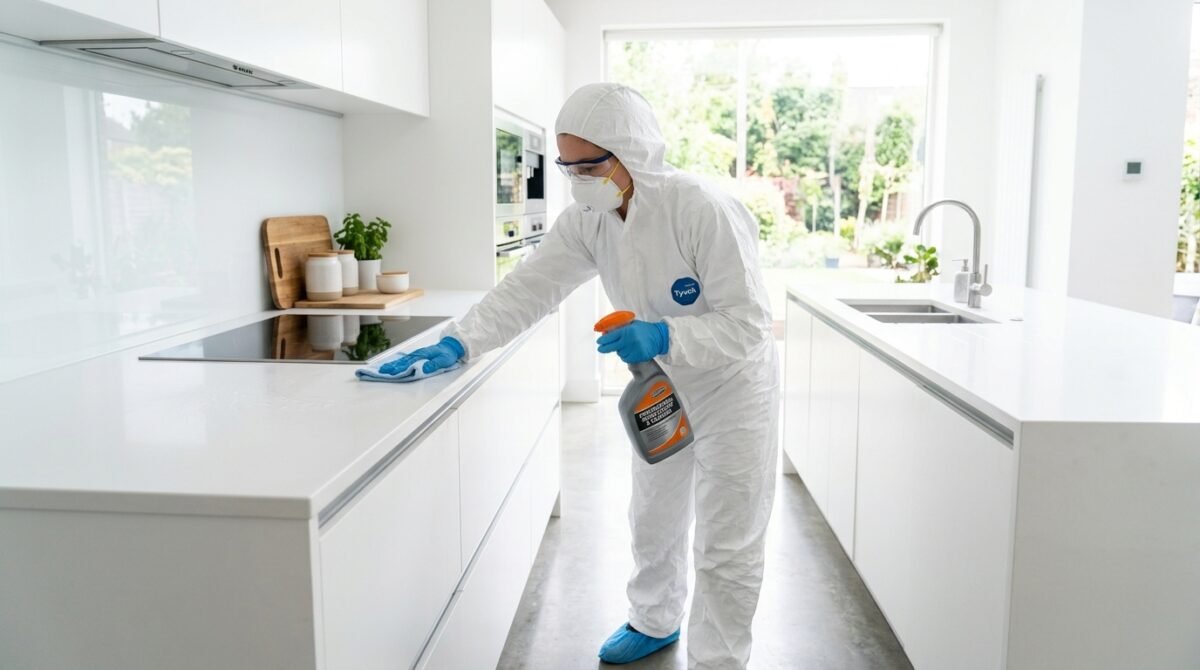
The cleanup was not merely cosmetic. I hired a professional cleaning service that specialized in biohazard remediation. They were horrified when they saw the kitchen. They pointed out things I hadn’t even noticed—the microscopic residue on the back of the cabinets, the grease that had seeped into the grout of the tiles, and the sheer volume of bacteria that had likely accumulated in the vent hood.
The cleaners told me that the ‘bone broth’ had created a high-humidity environment that was the perfect breeding ground for mold. I hadn’t even considered the mold. I was so focused on the bones and the smell that I had ignored the hidden, microscopic damage. The cost was astronomical, and I ended up taking it out of his security deposit, which, unsurprisingly, wasn’t enough to cover half of the remediation.
As I watched the cleaners work, I felt a deep sense of anger at myself for being so ‘accommodating.’ I had allowed someone to turn my home into a science experiment because I didn’t want to be the person who said ‘no.’ I realized that being a good person doesn’t mean being a doormat. It means setting boundaries, maintaining standards, and prioritizing the safety of your environment.
“We’ve seen some bad kitchens, but this is definitely in the top five. The amount of organic material that was allowed to decay on your counters is honestly a health violation. You’re lucky you caught this when you did.”
— The remediation specialist during the deep clean.
The remediation took three days. During that time, I lived out of my suitcase in the living room, grateful for every moment I didn’t have to spend in the kitchen. I read books, caught up on work, and started to feel like myself again. I realized that my life had been on pause for those few months, suspended in the orbit of someone else’s dysfunction.
By the time they were done, the kitchen looked brand new. The smell was gone, the surfaces were sanitized, and the air was finally fresh. I stood in the doorway, taking a deep breath. It felt like I had been in a fever dream. The house was quiet, the air was clean, and I was home. It was the most expensive lesson I’d ever learned, but it was worth every penny for the peace of mind.
Reflecting on the ‘Nice Roommate’ Trap

I spent a lot of time thinking about why I let this go on for so long. Was it my upbringing, where I was taught to be polite above all else? Was it my fear of confrontation? Or was it just a lack of experience with people who have absolutely no internal compass for social norms? I realized that I had been viewing the world through a lens of common decency, assuming that everyone else was operating under the same rules.
Julian, however, was operating under a different set of rules entirely. He saw my politeness as weakness, my accommodation as permission, and my silence as approval. It was a massive wake-up call. I learned that in the future, I need to be much more transparent about my expectations. I shouldn’t be afraid to voice my concerns, even if they seem small or trivial. It’s better to be ‘difficult’ early on than to be a victim of a nightmare roommate later.
I also realized that I need to be better at vetting. I was so focused on whether or not he could pay the rent that I completely ignored the importance of compatibility. I didn’t ask about his lifestyle, his habits, or his values. I just wanted to fill the room as quickly as possible. That was my first mistake, and one I will never make again. The next time I look for a roommate, I will be asking for references, lifestyle preferences, and a much more thorough interview.
“Being a ‘nice roommate’ is a trap if you’re not also being a ‘clear roommate.’ The two aren’t mutually exclusive. You have to communicate your boundaries early, or you’ll end up with people who will push them until they break.”
— My own realization after the ordeal.
I started attending therapy to talk about the incident. It sounds dramatic, but the experience had shaken my sense of security in my own home. I was constantly checking the kitchen, smelling the air, and worrying that I had missed something else. It was a form of trauma, I suppose. The home is supposed to be your sanctuary, and having that violated feels personal in a way that’s hard to explain.
Slowly, the anxiety started to fade. I invited friends over for dinner, reclaiming the space in a positive way. I cooked, we laughed, and the kitchen felt like a home again. I was moving forward, but I was also wiser. I learned that I am capable of defending my space, and that I don’t have to tolerate anything that makes me feel unsafe or uncomfortable in my own home.
The Aftermath: Moving Forward

It has been six months since Julian left. The house is still mine, and the kitchen is still spotless. I’ve implemented a new, much more structured rental agreement that explicitly forbids any kind of food processing or long-term cooking of non-standard items. It might sound draconian to some, but after what I went through, I don’t care. I have peace of mind, and that is worth more than any amount of ‘flexibility’ with a tenant.
I occasionally hear from friends who ask about the ‘bone broth guy.’ It has become a bit of a legendary story in my social circle, a warning about the importance of knowing who you’re living with. I laugh about it now, but I still have those moments of anxiety when a new smell hits the air. It’s a habit I’m still breaking, a reflex of someone who spent too long on high alert.
I also learned the importance of having a support system. My friends and family were invaluable during the process, providing me with a space to vent, giving me legal advice, and helping me keep my perspective. I learned that I don’t have to handle everything on my own. Sometimes, you need to reach out to the people you trust to help you get through a crisis.
“Never again. From now on, the kitchen is a no-bone-boiling zone. And honestly? I think I’m going to stay living alone for a while. It’s expensive, but it’s the best investment in my mental health I’ve ever made.”
— My current outlook on living arrangements.
I am currently living alone and loving it. The freedom to keep my space exactly the way I want it, without having to negotiate my boundaries with someone else, is a luxury I don’t take for granted. I’ve realized that my home is a reflection of who I am, and I want it to be a place of peace, cleanliness, and comfort. I don’t want it to be a laboratory for anyone else’s ambitions.
If you’re in a situation that feels wrong, don’t wait for it to get better. Don’t wait for the ‘right’ time to act. If your gut is telling you something is off, listen to it. You deserve to feel safe in your own home. You deserve to have a space that is yours, and you don’t owe it to anyone to be ‘nice’ at the expense of your own well-being.
The Final Lesson: Boundaries are Not Optional

The final lesson of this experience is simple: you cannot outsource your boundaries. If you don’t set them, someone else will, and they will almost certainly not be in your best interest. I learned this the hard way, but I also learned that I am capable of standing up for myself. I am capable of taking control of my home, my life, and my environment.
Looking back, I realize that the most important thing I did was to trust my instincts. My gut knew something was wrong, even before my brain could articulate it. I had to learn to respect those signals, to act on them, and to trust that I have the right to curate the space I live in. That is a lesson I will take with me for the rest of my life.
If there’s one thing I want anyone reading this to take away, it’s that you should never, ever ignore your own comfort for the sake of a tenant or a roommate. Your home is not a public space. It’s yours. And you have every right to protect it. Even if it means having difficult conversations, even if it means losing money, and even if it means being ‘the bad guy.’ Being the bad guy is sometimes the only way to be the person you need to be.
“Your home is your kingdom. If someone is breaking the rules of your kingdom, you have the right to show them the door. Don’t let your desire to be polite cost you your peace.”
— My advice to anyone currently struggling with a difficult roommate.
I am grateful for the experience, in a strange way. It made me stronger, more decisive, and more protective of my own happiness. I learned that I can handle the hard stuff, that I can navigate the legal system, and that I can stand my ground when it counts. That is a level of confidence I didn’t have before. I am no longer just a ‘nice’ homeowner; I am a homeowner who knows exactly what I want and how to protect it.
As I move forward, I am focusing on what makes me happy. I am decorating my home exactly how I want, I am keeping my kitchen clean, and I am enjoying the peace of mind that comes with knowing I am in control. It’s a good life, and it’s mine. And that is everything.
Conclusion
My journey from a passive, ‘accommodating’ homeowner to someone who reclaimed their space from an amateur bone-broth processor was not an easy one. It required patience, legal research, and a complete shift in how I viewed my own boundaries. It taught me that being ‘nice’ is not a substitute for being clear, and that, in the end, my own mental health and the safety of my home are the only things that truly matter.
I hope this story helps others realize that they are not alone in their struggles with nightmare roommates. We often feel like we have to suffer in silence, but you have the power to change your situation. Whether it’s through legal action, open communication, or simply knowing when to walk away, your home is yours to protect. Do not let someone else’s lack of boundaries compromise your own.
What about you? Have you ever had a roommate who pushed the limits of what was acceptable in a shared space? What was your breaking point, and how did you resolve it? Let’s discuss in the comments below—I’d love to hear your experiences and tips for maintaining a peaceful home. The community here is stronger when we share what we’ve learned.
What's your verdict on this dilemma?
Vote below to contribute to the official community consensus.

Have a Dilemma Keeping You Up at Night?
Share your real-life feud, wedding chaos, or relationship crossroads anonymously with our editorial team.
What do you think ?
0 Comments🛡️ Comments are moderated to protect community integrity. Your comment will appear once approved by the editorial team.